Sennheiser HD 480 Pro sets a new industry standard for professional closed-back studio monitoring headphones

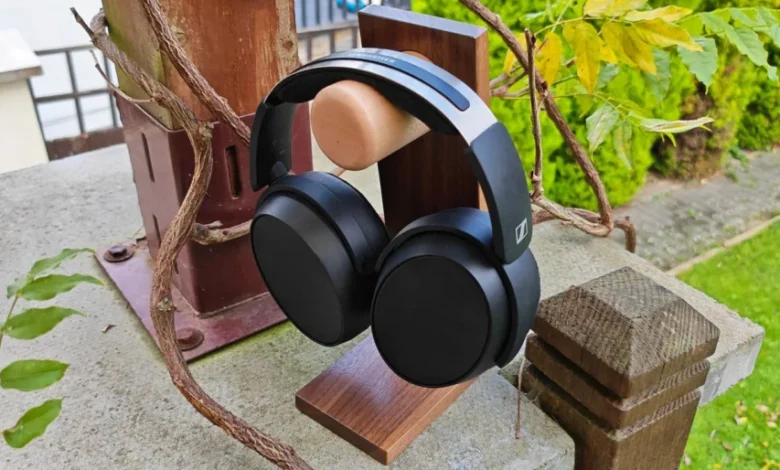
The audio industry witnessed a significant shift in April 2026 with the official market launch of the Sennheiser HD 480 Pro. Designed as a specialized tool for studio tracking and mixing, these closed-back headphones have emerged as a high-fidelity benchmark, prioritizing neutral, accurate sound reproduction over the colored, excitement-focused signatures often found in consumer-grade equipment. Positioned at a $399 price point, the hardware addresses the persistent challenge of providing studio-grade, balanced audio in a sealed-cup form factor without the issues of internal acoustic resonance or muddy low-frequency response.
Technical Specifications and Engineering Design
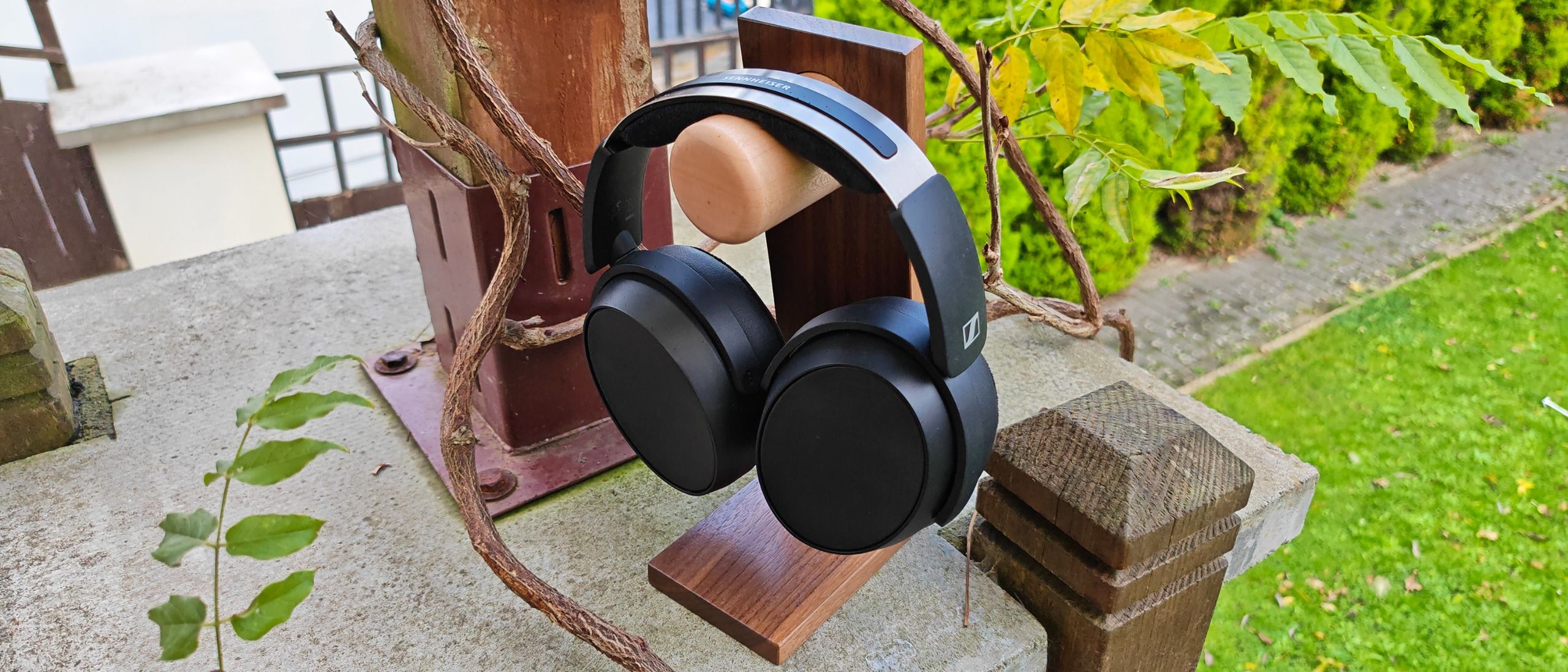
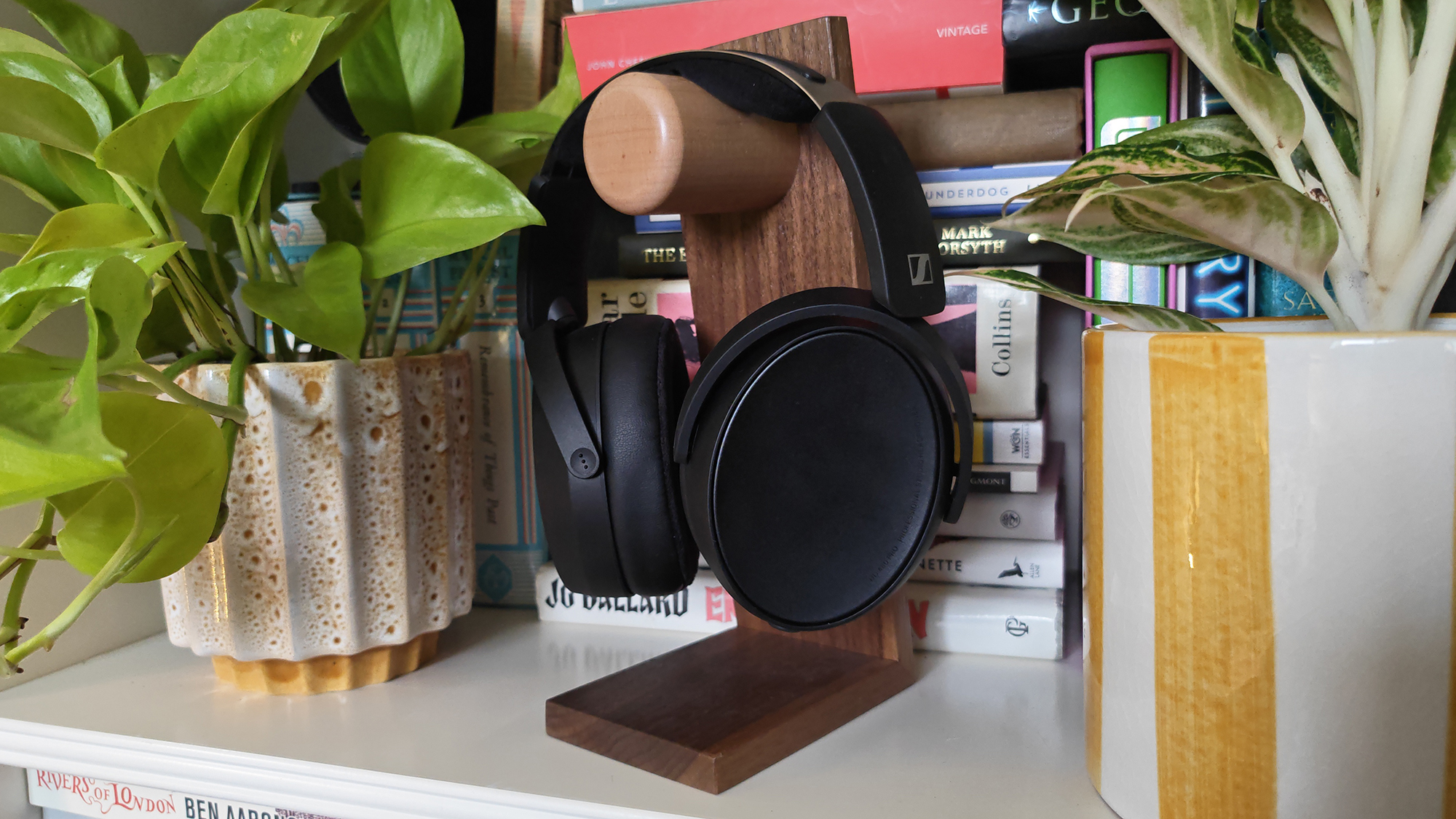
The Sennheiser HD 480 Pro is built around a 38mm dynamic driver, housed in a durable chassis composed of a matte composite body and a stainless-steel headband slider. The design choices reflect a commitment to longevity and utility; the headphones weigh 272g, balancing structural integrity with the comfort necessary for long-duration studio sessions.
Key technical specifications include:
- Impedance: 130 Ω at 1kHz
- Sensitivity: 107dB SPL (1 Vrms) / 98dB SPL (1 mW)
- Connectivity: Detachable single-sided cable with a 4-pin mini-XLR port, allowing for connection to either ear cup.
- Components: Washable velour and fabric acoustic ear pads.
The 130 Ω impedance rating might initially suggest a requirement for heavy amplification; however, the unit’s high sensitivity ensures that it remains compatible with a wide array of devices. Professional studio interfaces, as well as common consumer hardware like modern MacBook Pro models or portable DAC/Amp units, can drive the headphones to significant volume levels with ample headroom. This accessibility reduces the barrier to entry for independent creators who may not have access to dedicated, high-power desktop amplification.
A Departure from Consumer-Facing Audio Trends
For decades, the consumer headphone market has gravitated toward "V-shaped" sound profiles, which artificially boost bass and treble frequencies to create a sense of heightened dynamism. While effective for casual listening, this tuning often masks subtle details in the midrange—the frequencies where vocals and most lead instruments reside.
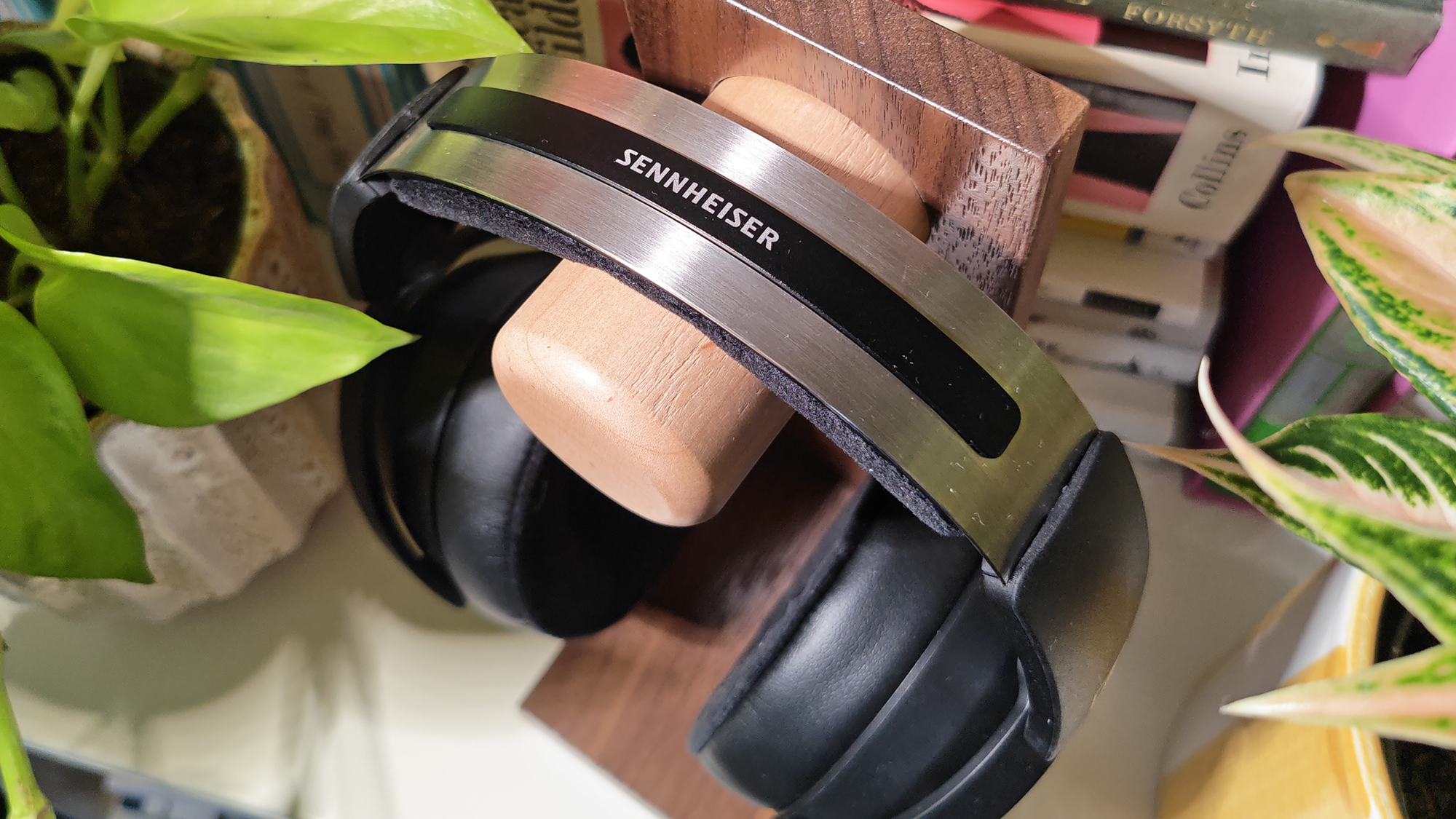
The HD 480 Pro deliberately diverges from this trend. In the professional monitoring environment, the goal is not to "excite" the listener but to provide a "correct" representation of the source material. By maintaining a flat, neutral frequency response, the 480 Pro ensures that engineers and producers can make critical decisions regarding mix balance, compression, and equalization without the hardware imposing its own bias on the sound.
The integration of a specialized damping system allows the headphones to manage bass frequencies effectively. Typically, closed-back designs suffer from "boomy" bass caused by standing waves reflecting within the ear cup. Sennheiser’s engineering team has addressed this by carefully tuning the low-end to provide punch and sub-bass extension without bleeding into the lower midrange, preserving the clarity of the overall mix.
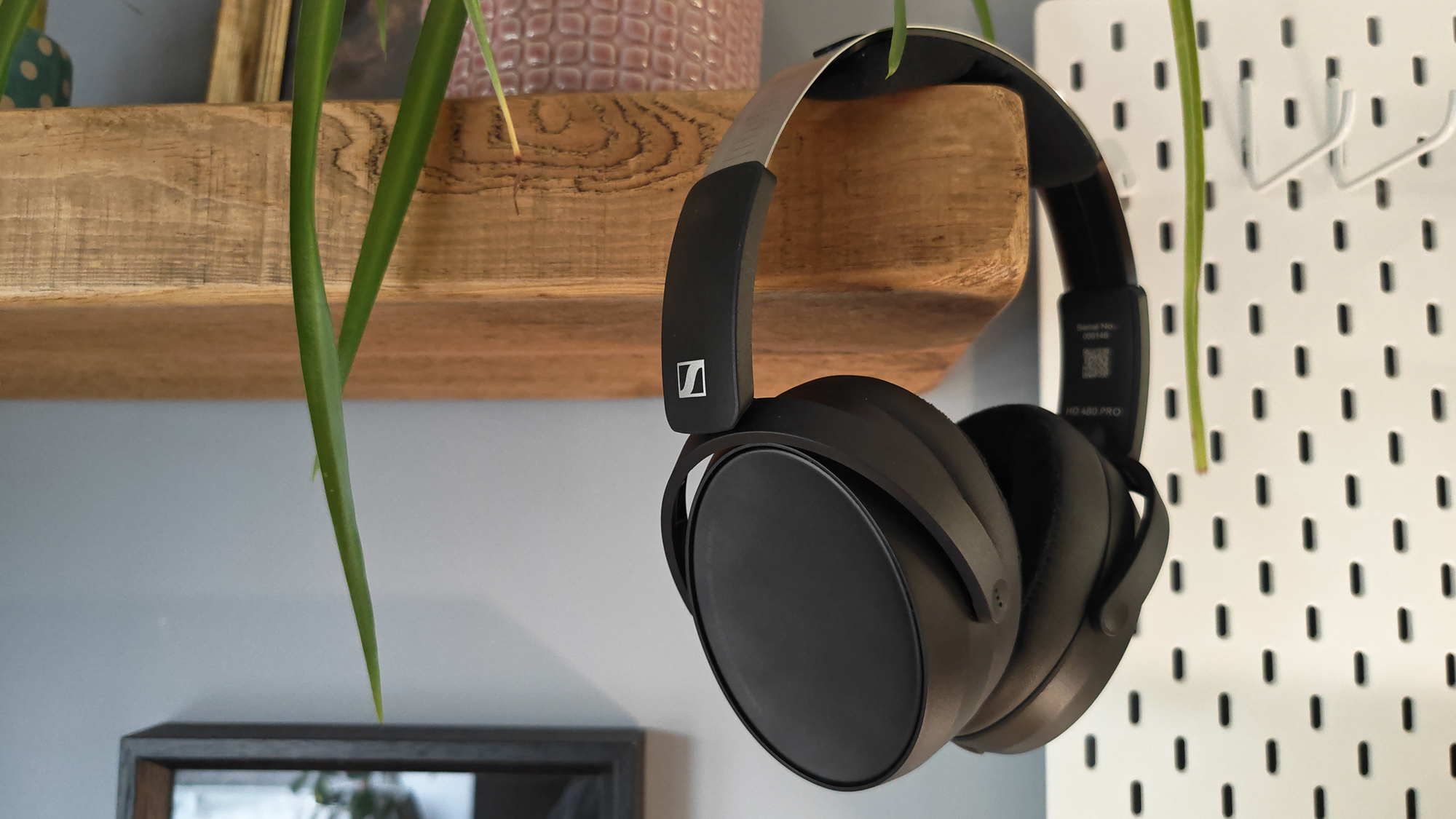
Comparative Market Context
When evaluated against industry staples, such as the Beyerdynamic DT 770 Pro—a long-standing workhorse in the $200 price bracket—the HD 480 Pro occupies a premium, albeit more refined, tier. While the DT 770 Pro is celebrated for its ruggedness and perceived detail, its treble response can often be fatiguing during extended use. The 480 Pro offers an alternative for professionals seeking high-frequency detail that avoids sibilance, facilitating longer, more productive work sessions.
The market also sees competition from brands like Focal, particularly with the Azurys model. While the Azurys offers a more stylized, consumer-friendly aesthetic and a more dynamic, V-shaped profile, it falls short of the clinical neutrality required for critical audio tasks. The HD 480 Pro’s ability to render complex tracks, such as those with dense, layered instrumentation, confirms its utility as a primary monitoring tool rather than a secondary aesthetic accessory.
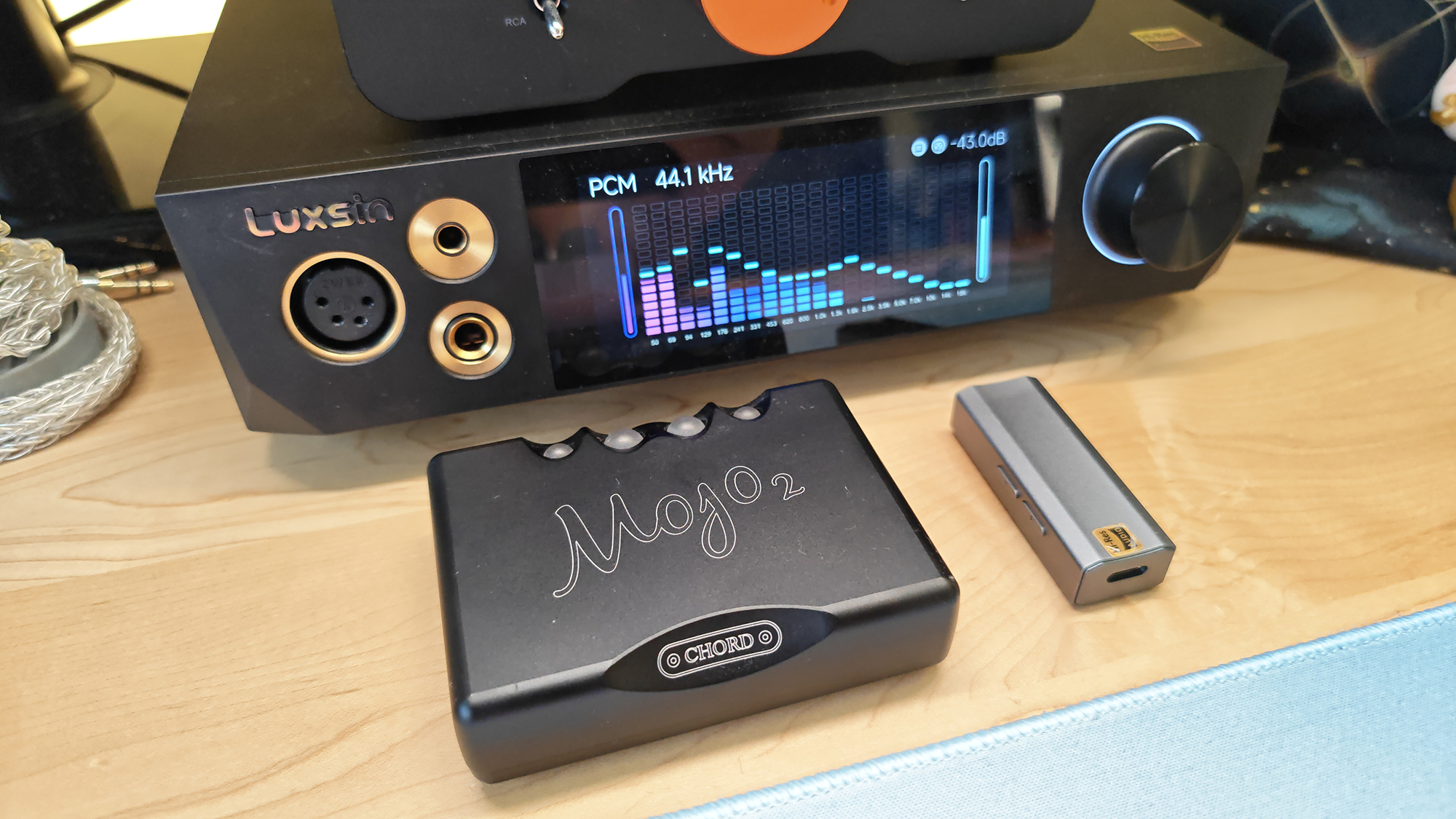
Furthermore, the emergence of budget-friendly, high-performance options like the FiiO FT1 has forced manufacturers to justify higher price points through build quality, replaceable parts, and sonic consistency. The HD 480 Pro justifies its $399 cost by providing a balanced sound that does not "bully" the midrange, even when handling sub-bass-heavy tracks that might overwhelm lesser drivers.
Ergonomics and Long-Term Reliability
Studio hardware is frequently subjected to heavy usage, making durability and comfort essential. The inclusion of washable ear pads and a detachable headband pad is a nod to the "right-to-repair" and longevity movements within the pro-audio sector. By ensuring that the components most susceptible to wear and tear are user-replaceable, Sennheiser has effectively extended the functional lifecycle of the product.
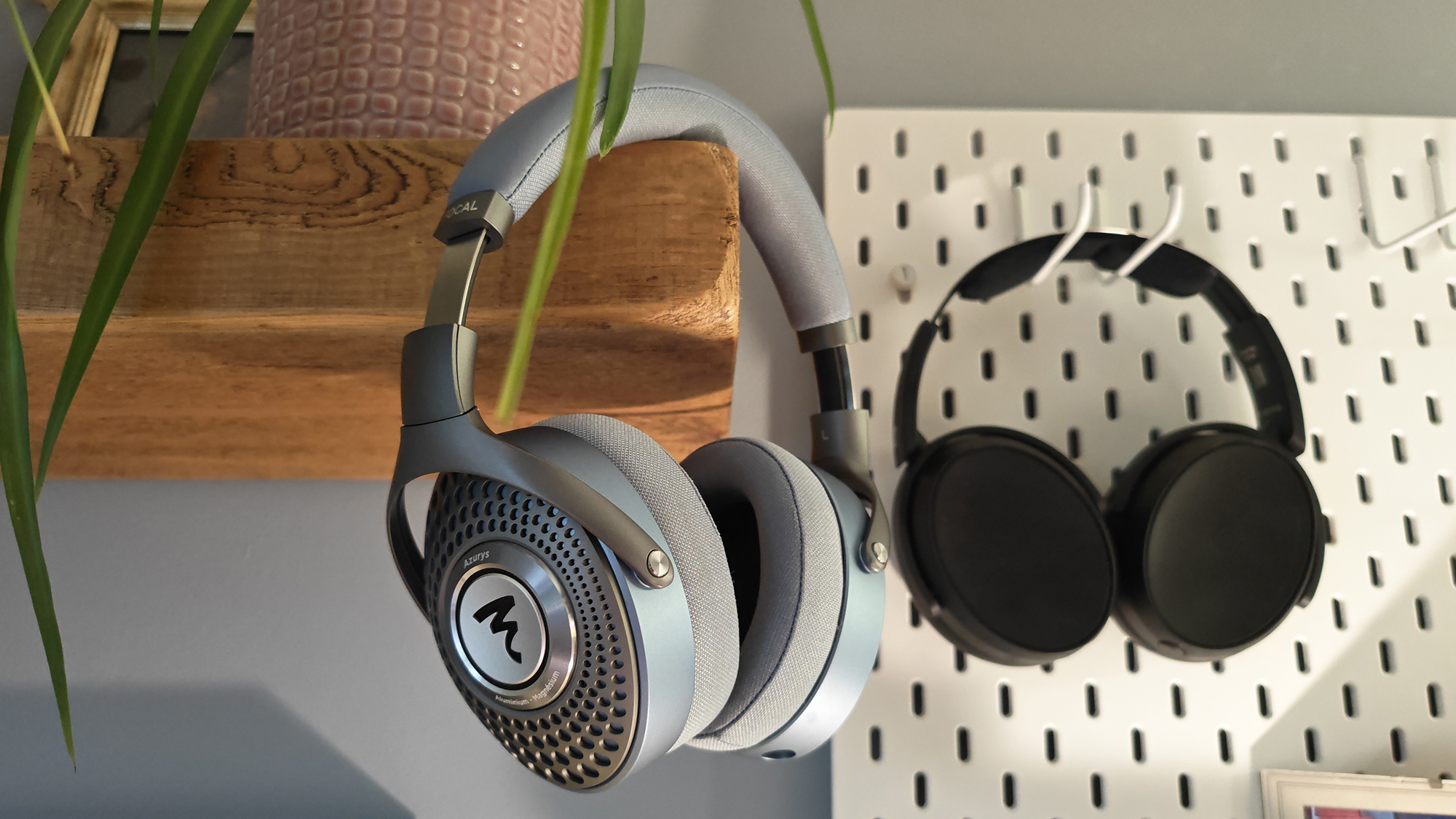
The ergonomic design is characterized by a "no-show" philosophy—the headphones are intended to disappear during use. The clamping force is calibrated to ensure stability without causing pressure headaches, a common complaint with high-isolation closed-back models. This focus on long-term comfort is a critical differentiator for the HD 480 Pro, as it is designed for professionals who spend eight or more hours per day in a studio environment.
Implications for the Audio Industry
The introduction of the HD 480 Pro reflects a broader trend in the audio industry: the democratization of high-fidelity, neutral-sounding equipment. As digital audio workstations (DAWs) and home studio setups become more sophisticated, the demand for affordable, high-performance monitoring gear has reached an all-time high.
Historically, flat-response monitoring required massive, expensive open-back designs or costly speaker room treatments. The 480 Pro provides a solution that bridges the gap between the isolation needed for recording and the accuracy needed for mixing. Its success highlights that the market for professional gear is increasingly driven by "practical excellence"—hardware that performs at an elite level while remaining accessible and durable.
Critical Reception and Future Outlook
Early analysis from audio engineers and studio professionals suggests that the HD 480 Pro is poised to become a staple in both commercial and home studios. By avoiding the pitfalls of "sound signature marketing" and focusing on timbre, transient response, and frequency balance, Sennheiser has produced a tool that is functionally invisible—a trait highly prized in professional audio engineering.

While there will always be a segment of the audiophile community that prefers the aggressive "sizzle" of high-treble-focused headphones, the 480 Pro serves as a reminder that the most sophisticated audio equipment is that which tells the truth about the recording. As production standards continue to rise and the distinction between professional and prosumer equipment blurs, the HD 480 Pro stands as a reliable, honest, and high-performing benchmark for the industry at large.
The focus on reparability, combined with a sound profile that prioritizes long-term listening without fatigue, positions the Sennheiser HD 480 Pro not just as a piece of gear, but as a long-term investment for anyone serious about audio production. Whether used for critical mixing, editing, or everyday analytical listening, it fulfills its mandate with a level of consistency that few competitors can match at this price point.