HP Omen Max 16 Review: A High-Performance Hybrid Bridging the Gap Between Professional Creation and Competitive Gaming

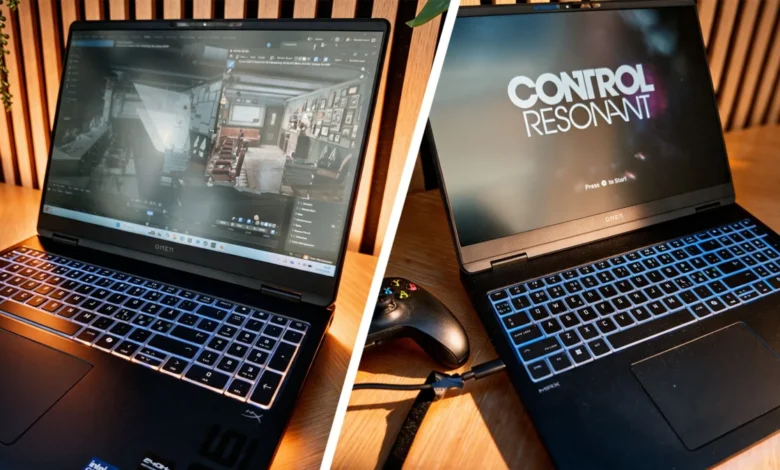
The HP Omen Max 16 represents a significant pivot in the portable workstation market, specifically targeting the intersection of high-end 3D design and enthusiast-level gaming. Equipped with the latest NVIDIA GeForce RTX 5080 GPU and an Intel Core Ultra 9 275HX processor, the device positions itself as a dual-purpose tool for students and professionals who require desktop-grade performance in a mobile form factor. While gaming laptops have historically struggled to balance aesthetic professional standards with raw processing power, the Omen Max 16 introduces a refined approach to chassis design and driver optimization.
Technical Specifications and Design Philosophy
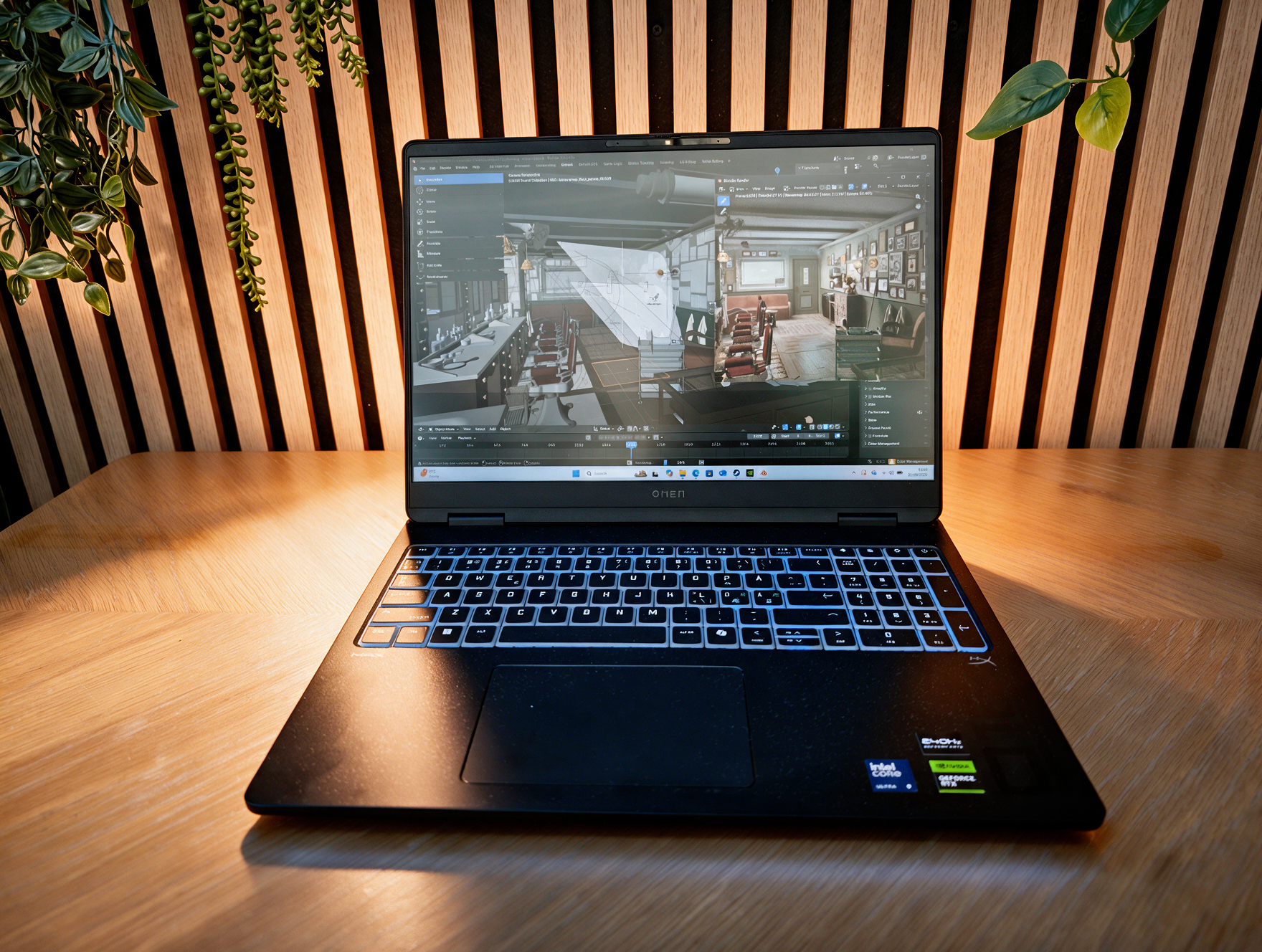
The Omen Max 16 features a 16-inch display, a chassis weight that challenges the traditional "brick" reputation of high-performance gaming hardware, and a thermal management system designed to handle the high wattage required by its internal components. The integration of the Intel Core Ultra 9 275HX—a powerhouse mobile CPU—paired with 32GB of RAM and 16GB of VRAM via the RTX 5080, allows the machine to facilitate complex workflows in software such as Blender, Maya, and Unreal Engine 5.
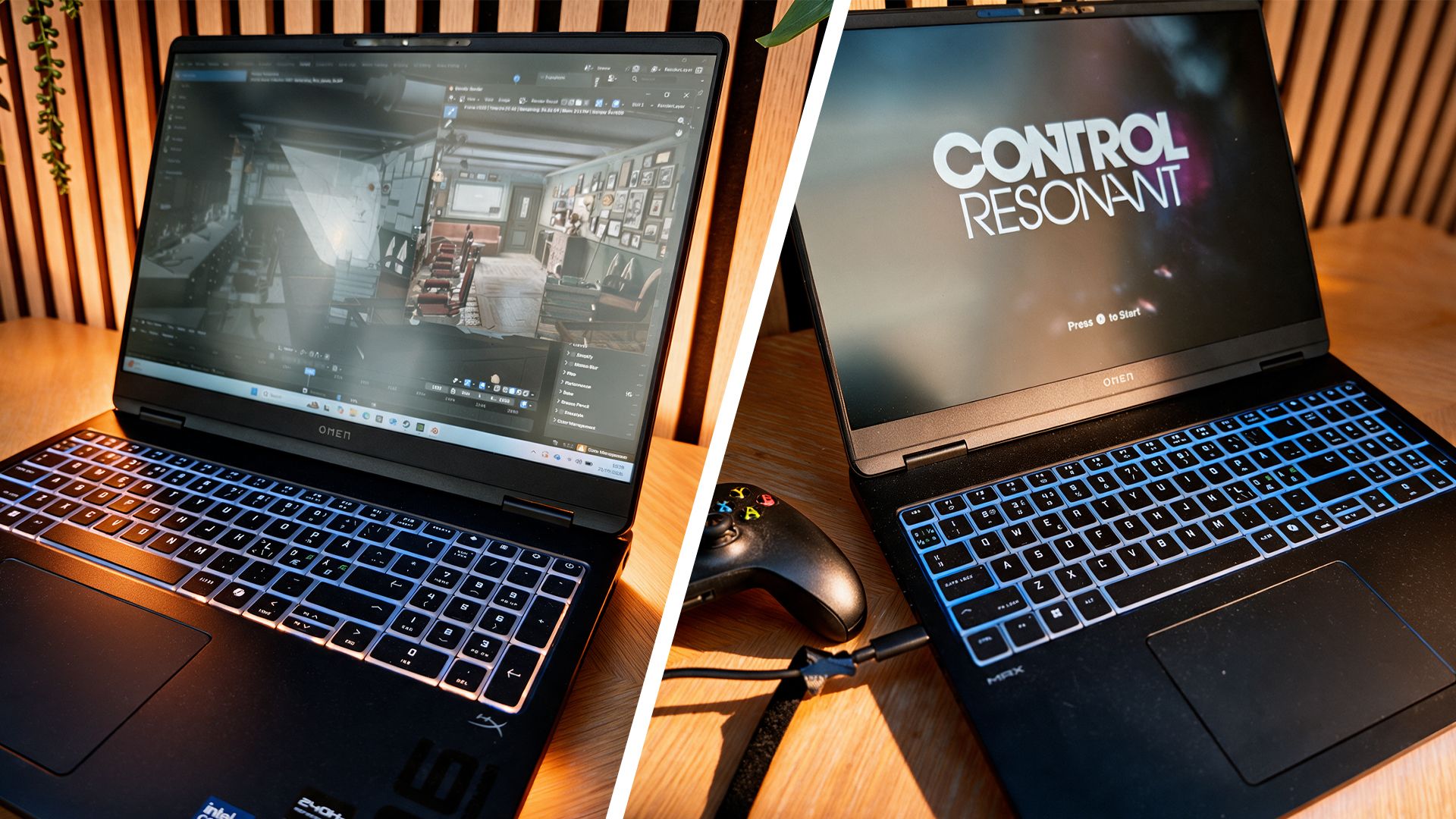
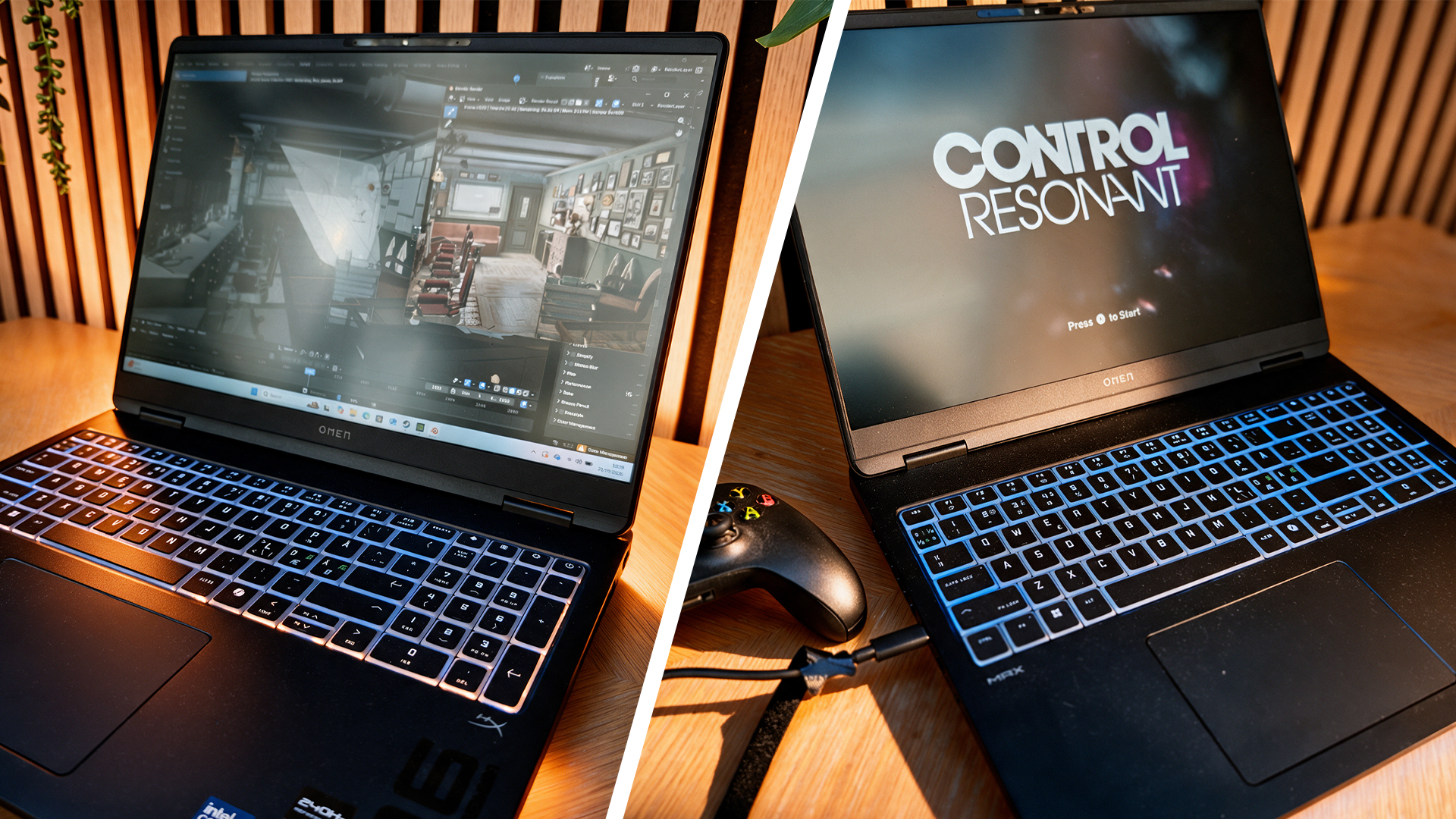
From a design perspective, HP has opted for a "stealth" aesthetic. While the keyboard features customizable RGB lighting—a staple of the gaming industry—the overall build quality and matte finish allow it to blend into corporate or academic environments once the lighting is dimmed. This versatility is a deliberate strategy by HP to capture the "prosumer" market, where a user’s morning is spent rendering 3D assets and their evening is spent engaging in high-fidelity, ray-traced gaming.
Chronology of Hybrid Hardware Development
The evolution of the "creator-gamer" laptop has been a decade-long process. In the early 2010s, users were forced to choose between heavy, bulky mobile workstations (like the Dell Precision or HP ZBook series) or flashy, poorly thermal-managed gaming laptops.
- 2018–2020: The introduction of NVIDIA’s RTX series brought ray tracing and AI-accelerated rendering to the mobile market, narrowing the gap between consumer and professional hardware.
- 2021–2023: The rise of remote work and the "creator economy" led manufacturers to prioritize thin-and-light designs without sacrificing cooling performance.
- 2024–2025: The current generation, epitomized by the Omen Max 16, leverages the efficiency of the Core Ultra architecture and the massive jump in VRAM capabilities of the 50-series GPUs to provide a truly seamless switching experience between production and play.
The Role of Software in Hardware Versatility
A core component of the Omen Max 16’s value proposition is the ability to toggle between "Gamer Ready" and "Studio" drivers via the NVIDIA interface. This is not merely a marketing gimmick; it represents a functional shift in how the hardware prioritizes system resources. In Studio mode, the GPU prioritizes stability and optimization for applications like Adobe Premiere Pro, Cycles (Blender), and OptiX-based render engines. In Gamer Ready mode, the system shifts to favor low-latency frame generation and high-refresh-rate output.
Data from industry benchmarks suggests that this level of flexibility is becoming a prerequisite for modern engineering and design students. According to recent market analysis, students in creative technology fields are increasingly moving away from dedicated, single-use hardware. The Omen Max 16 serves as a case study for this trend, offering 16GB of GDDR7 VRAM, which provides a significantly higher "ceiling" for texture-heavy 3D work compared to the 8GB configurations found in mid-tier gaming laptops.
Comparative Economic Analysis
When evaluating the investment required for the Omen Max 16, the price point of approximately £2,600 to £3,000 (depending on retail discounts) requires careful scrutiny. Market experts suggest that while lower-cost alternatives, such as the standard Omen 16 equipped with an RTX 5060, are capable of handling entry-level tasks, they introduce a "performance wall" for students.
The primary implication for a student is the longevity of the machine. An 8GB VRAM configuration may suffice for the first year of a degree, but as projects scale in complexity—incorporating Nanite-heavy environments in Unreal Engine 5 or large-scale photogrammetry—that hardware will reach its limit. The additional £1,300 investment in the "Max" configuration essentially acts as a hedge against future technical obsolescence, potentially saving the user the cost of a full replacement machine in their third or fourth year of study.
Industry Implications and Consumer Caution
Despite the technical prowess of the Omen Max 16, the financial accessibility of such high-end hardware remains a concern. Retailers often promote these devices alongside "Buy Now, Pay Later" schemes that carry high interest rates (up to 44.9% APR in some cases). Financial analysts emphasize that for students or young professionals, the long-term debt associated with financing a premium laptop at these rates can negate the productivity gains offered by the device.
Furthermore, the environmental and battery performance implications of such powerful components cannot be ignored. The Omen Max 16 is a power-hungry device. Users must accept that when working on battery, the performance will be throttled to conserve energy, and the physical weight—while lighter than historical equivalents—is still substantial compared to ultrabooks.
Conclusion: A Strategic Investment?
The HP Omen Max 16 occupies a unique niche. It is not designed for the casual user, nor is it the most budget-friendly option for those merely exploring the creative arts. It is a targeted device for the serious student or professional who requires the stability of a workstation and the raw output of a gaming rig.
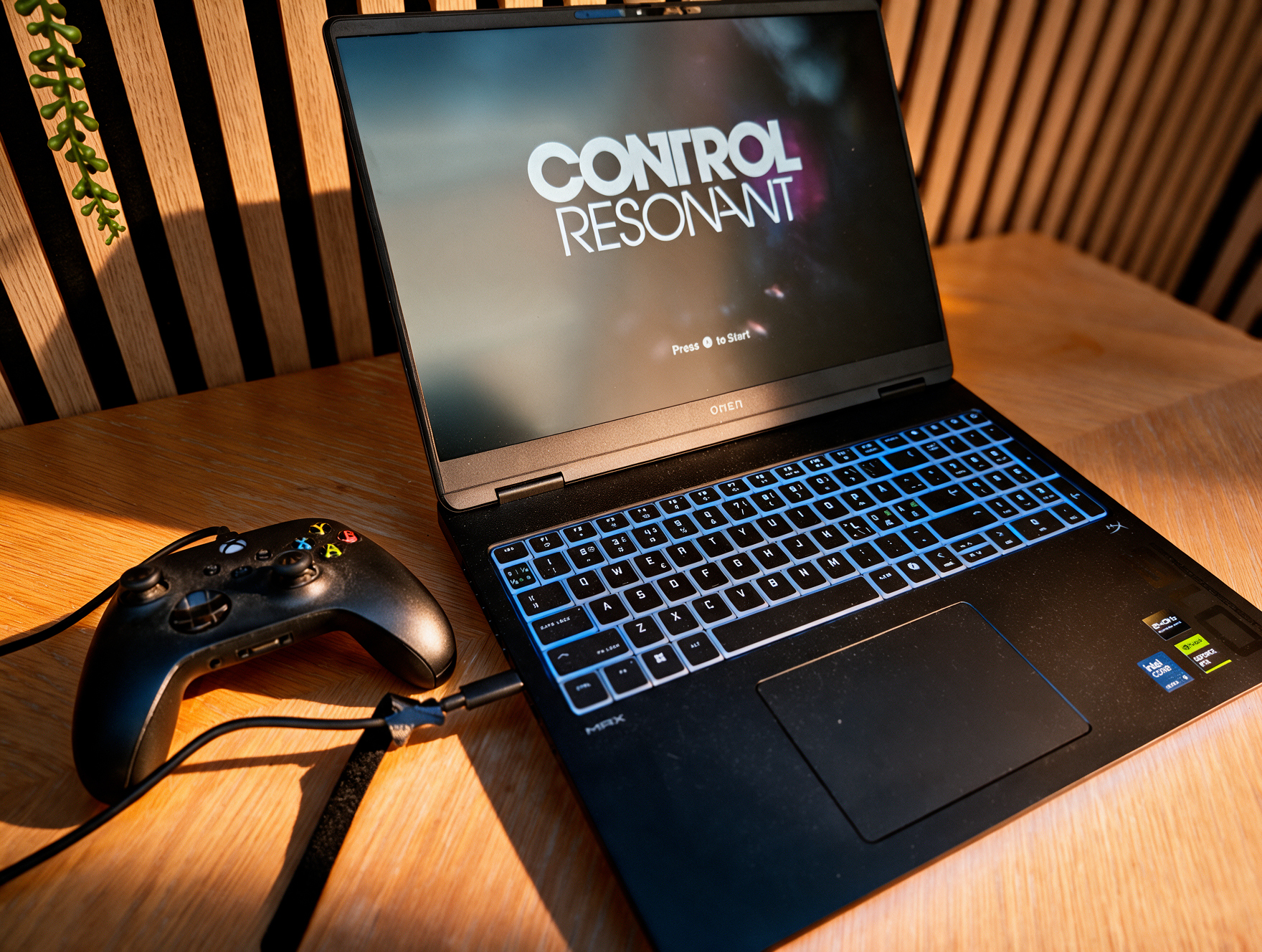
By offering a machine that handles professional 3D rendering and high-end gaming with equal proficiency, HP has successfully addressed the "two machines in one" problem. However, the decision to purchase rests on the user’s trajectory. If the next four years involve intensive 3D modeling, game development, and high-fidelity production, the Omen Max 16 is a rare example of a premium purchase that aligns with long-term utility. If the user’s requirements are more modest, the market currently offers several mid-tier alternatives that provide a more cost-effective entry point into the world of high-performance computing.
As technology continues to merge the worlds of entertainment and production, the success of the Omen Max 16 signals a shift in consumer expectations: users no longer want to compromise on power, regardless of whether they are working or playing. The challenge for the future will be maintaining this level of performance while improving power efficiency and lowering the barrier to entry for the next generation of digital creators.