Interop 2027: Bridging the Gap in Web Standardization and Browser Compatibility

The landscape of modern web development is currently undergoing a significant transition, driven by the collaborative efforts of major browser vendors to eliminate long-standing technical disparities. For the past several years, an industry-wide initiative known as Interop has fundamentally altered how web technologies are implemented, moving away from fragmented support toward a model of near-universal consistency. As the industry prepares for the 2027 cycle, stakeholders are evaluating the next phase of this project, which aims to standardize cutting-edge CSS features that have, until now, suffered from limited cross-browser availability.
The Evolution of the Interop Initiative
The Interop project began as a formal response to the increasing complexity of the web platform. In the early 2020s, developers faced the persistent challenge of writing "polyfilled" code to ensure that a website functioned identically across Google Chrome, Apple Safari, Microsoft Edge, and Mozilla Firefox. By establishing a shared set of focus areas—specific web technologies slated for prioritized implementation and testing—the browser vendors have achieved a success rate that was previously considered unattainable.
Data from the Web Platform Tests (WPT) project illustrates this trajectory. In 2023, the inclusion of CSS Subgrid—a powerful tool for creating complex, nested layouts—served as a primary case study for the initiative’s efficacy. At the start of 2023, Subgrid support was largely confined to Firefox. Following its inclusion in the Interop 2023 focus list, browser vendors accelerated their development cycles. By the conclusion of that year, cross-browser test compliance for Subgrid rose from approximately 12% to over 90%. This benchmark established a proof-of-concept for the industry: when vendors synchronize their roadmaps around standardized test suites, the "waiting period" for new features to reach general availability is significantly compressed.
The Planning Process for 2027
As 2026 draws to a close, the focus has shifted toward the planning phase for Interop 2027. The Mozilla team, acting in coordination with peers from Google, Apple, and Microsoft, as well as standards-focused organizations like Igalia and Bocoup, has launched an open-ranking system. This platform allows the global developer community to signal which features should be prioritized. Unlike previous iterations, this cycle emphasizes a data-driven approach, where the volume of developer requests serves as a key indicator for which specifications require urgent attention from engine engineers.
Priority Proposals and Technical Implications
The current queue for Interop 2027 includes a diverse array of CSS and browser-level APIs that could redefine user interface design.

CSS Functions
One of the most anticipated proposals is the introduction of native CSS functions. Currently, developers rely on preprocessors like Sass to handle logic. The proposed @function syntax would allow developers to define reusable logic directly within stylesheets, using the result keyword to return values. This would enable complex mathematical operations, such as converting between polar and cartesian coordinates, to be performed directly by the browser engine rather than through script-heavy client-side calculations.
Advanced Geometry with Corner-Shape and Border-Shape
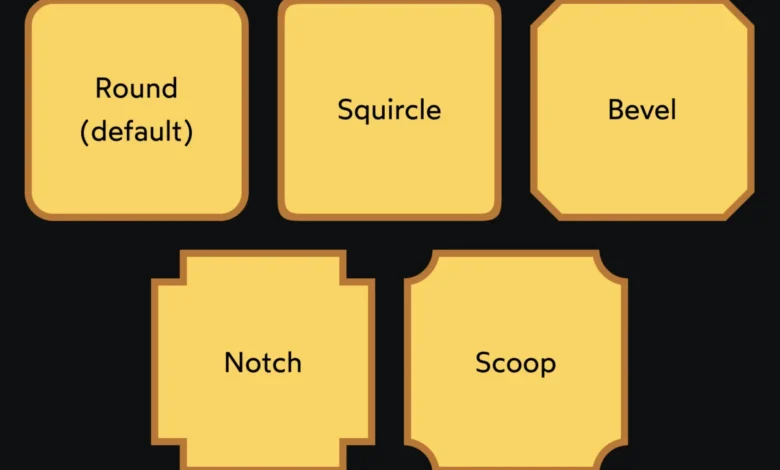
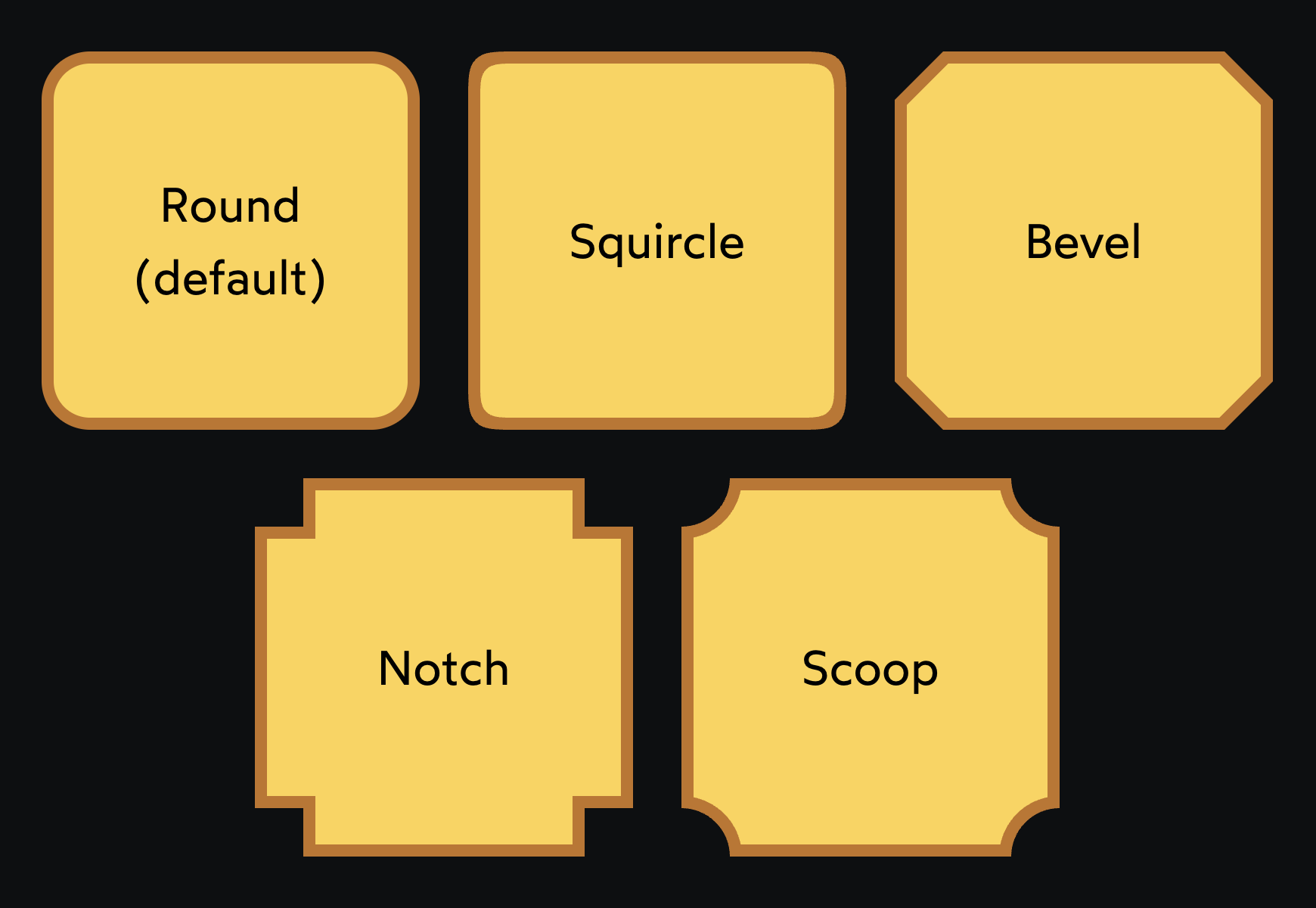
The evolution of element geometry is also on the agenda. The corner-shape property seeks to move beyond the standard border-radius limitation, allowing for alternative geometries such as squircles (superellipses), bevels, and notches. Furthermore, the border-shape proposal offers a lower-level, highly granular control mechanism, enabling the use of Bézier curves and arcs to define the boundaries of an element. Unlike existing clip-path solutions, these properties modify the actual border-box, ensuring that borders, outlines, and box-shadows remain responsive to the custom geometry.
Anchored Container Queries and State-Awareness
Building upon the success of the Anchor Positioning API, which was a highlight of Interop 2026, the proposed Level 2 expansion introduces "anchored container queries." This feature solves a long-standing issue in UI design: the inability to programmatically detect whether a floating element (like a tooltip) has triggered a fallback position due to viewport constraints. By allowing CSS to query the state of an anchor, developers can apply conditional styling—such as adding a visual pointer or "caret"—based on the element’s actual position in the viewport.
Reading-Flow and Accessibility
The reading-flow and reading-order properties address a critical accessibility gap. Currently, tab order in assistive technologies is strictly tied to the DOM order, even when CSS Grid or Flexbox visually reorders elements. This creates a mismatch for users navigating via keyboards. The proposed properties would allow developers to define a tab navigation sequence that mirrors the visual layout, ensuring a consistent and logical experience regardless of the responsive transformation of the page.
Keyword Interpolation and Gap Decorations
The industry is also addressing the "auto" transition problem. Historically, browsers could not interpolate values between specific units and the auto keyword, preventing smooth animations for elements with dynamic heights (e.g., collapsible menus). The interpolate-size property, paired with calc-size(), would allow for fluid transitions. Additionally, the gap-decorations proposal, or rule property, would enable developers to draw borders between grid cells without the need for manual wrappers or complex CSS workarounds.
Broader Impact: The Role of Expertise in an Automated Era
The necessity of this standardization work has been debated in light of the rapid adoption of Artificial Intelligence (AI) in software development. Some have speculated that as AI agents begin to handle more front-end implementation tasks, the need for human developers to master the nuances of the CSS specification might diminish.
However, industry experts maintain that the opposite is true. AI models are frequently trained on legacy data, often relying on outdated or inefficient patterns. To ensure that AI-generated code is robust, accessible, and performant, human oversight is critical. Deep technical expertise remains the primary safeguard against the propagation of legacy technical debt. By continuing to modernize the CSS specification and ensuring that these features are implemented consistently across all browsers, the Interop initiative provides the fundamental infrastructure upon which modern, high-quality user experiences are built.
Conclusion and Future Outlook
The Interop project stands as a testament to the benefits of industry cooperation. By shifting the focus from proprietary implementation to shared, standardized goals, browser vendors have significantly reduced the overhead associated with cross-platform development.
As the voting for Interop 2027 progresses, the inclusion of these specific features will likely determine the capabilities of web interfaces for the next decade. For developers, the goal is clear: engaging with these proposals and providing feedback ensures that the browser engines evolve in a way that directly addresses the real-world complexities of modern web design. The coming year will be pivotal in determining whether these experimental proposals become the new foundation of the web, further cementing the shift toward a more unified and powerful browser ecosystem.