Frontend Development Ecosystem Update: Exploring Modern CSS Architecture, Advanced Tooling, and Browser Technologies

The landscape of frontend web development continues to undergo a rapid transformation, driven by an influx of modern CSS layout capabilities, sophisticated build-time tooling, and evolving debates regarding web image formats. As developers seek to balance performance, maintainability, and accessibility, recent discussions within the engineering community highlight a shift away from heavy runtime abstractions and toward native browser capabilities. This comprehensive overview examines the latest architectural trends, tooling releases, and historical insights shaping the current state of frontend engineering.
The Evolution of CSS: From Legacy Quirks to Native Advanced Layouts
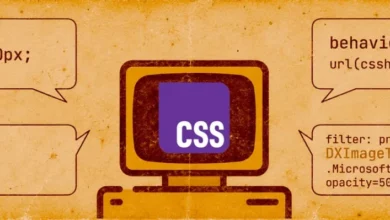
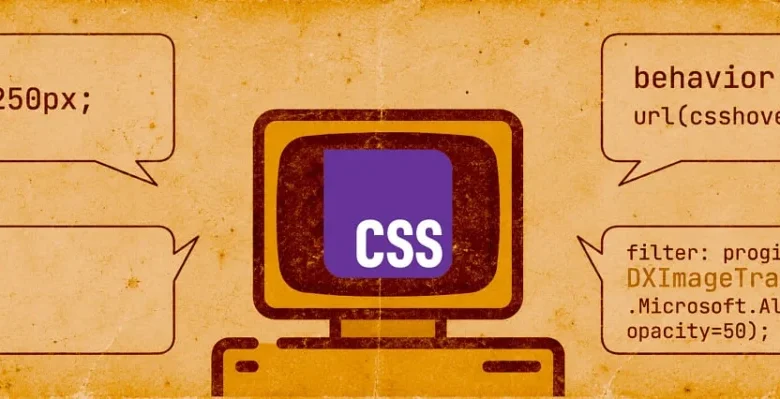
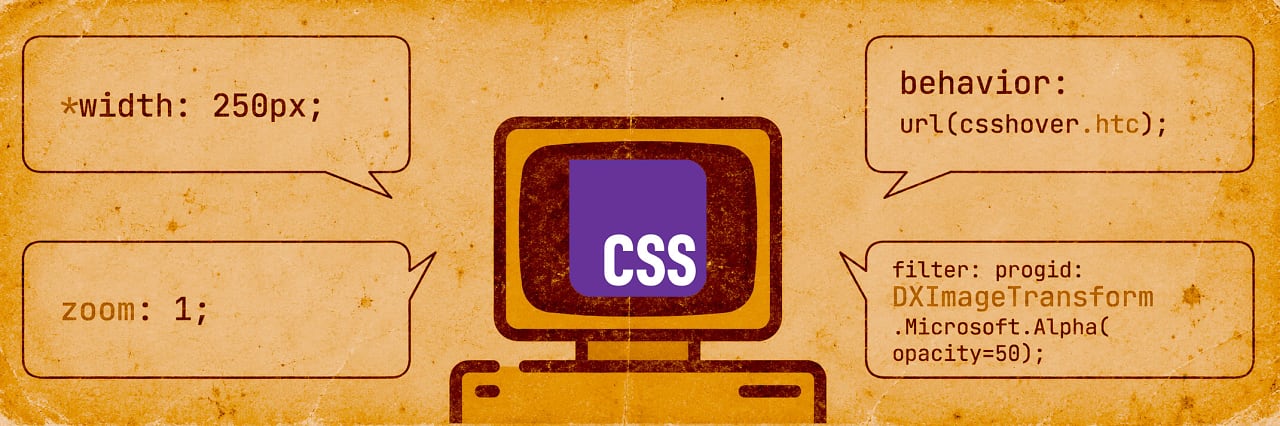
To understand the trajectory of modern web styling, developers frequently look back at the historical evolution of cascading style sheets. A recent retrospective by Declan Chidlow titled CSS Curiosities of the Past offers a nostalgic yet instructive tour of the non-standard quirks once required to force legacy browsers—most notably Internet Explorer—into compliance. The review covers notorious techniques such as the ‘star hack’, CSS expressions that allowed JavaScript execution directly within stylesheets, Internet Explorer’s proprietary DirectX filters, and Tantek Çelik’s legendary box model hack. These historical artifacts serve as a reminder of the fragility that once characterized cross-browser development before the standardization of the CSS box model and modern layout modules.

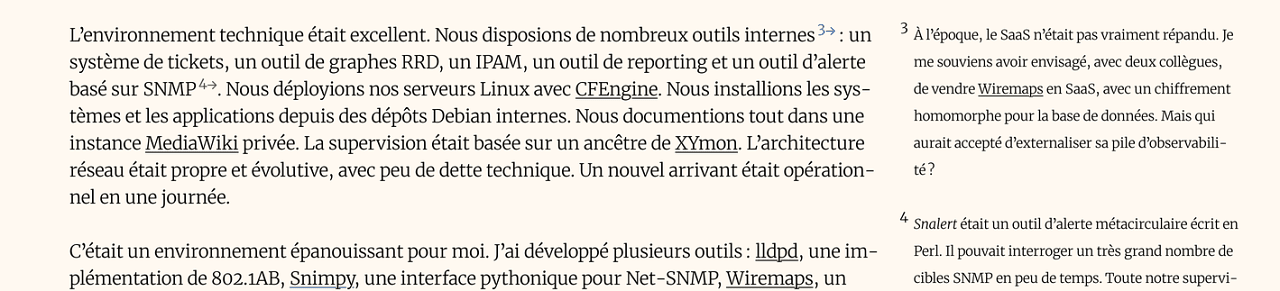
In stark contrast to these historical workarounds, contemporary CSS offers powerful, declarative features that eliminate the need for complex JavaScript layout calculations. Vincent Bernat’s recent exploration of Tufte-style sidenotes using CSS Anchor Positioning illustrates this paradigm shift. By leveraging native anchor positioning, developers can now render margin notes dynamically without relying on JavaScript event listeners or complex DOM measurement scripts. This approach is inherently multi-block and designed to degrade gracefully on narrow viewports and older user agents, proving that native browser layout primitives are finally catching up to sophisticated typographic design requirements.
Similarly, addressing common micro-layout challenges, Ahmad Shadeed published a detailed technique for achieving Better Icon and Label Alignment. While single-line text pairs cleanly with vertically centered accompanying icons, multi-line text has historically caused icons to misalign awkwardly despite standard vertical-centering rules. Shadeed’s solution utilizes the modern CSS lh unit—which resolves to the line height of the element—providing a robust, intrinsic method to anchor icons consistently regardless of text wrapping.
Further pushing the boundaries of visual presentation, Preethi Sam’s guide on Animating CSS border-image demonstrates how developers can transition and animate complex border styles using gradients or images. This technique enables rich, dynamic user interface effects without incurring the performance penalties associated with animating layout properties or executing intensive JavaScript rendering loops.
Build-Time Abstractions and the Rise of Atomic CSS
While native CSS capabilities expand, the architectural patterns used to manage styles at scale continue to evolve. Flavio Copes recently delivered a comprehensive deep dive into Meta’s StyleX, a styling library that compiles JavaScript style objects into plain atomic CSS at build time. Unlike traditional runtime CSS-in-JS solutions, which can introduce performance overhead during component rendering in the browser, build-time atomic CSS libraries generate highly optimized, deterministic stylesheets.
Industry analysts note that such build-time tooling aligns particularly well with the operational requirements of AI-assisted coding workflows. Because libraries like StyleX operate on explicit, predictable JavaScript style objects that compile down to standard utility-class CSS, AI coding agents and automated generation tools can reason about, produce, and refactor styles with a lower risk of runtime regression or specificity conflicts.
Balancing Asset Performance: The Ongoing Debate Over Web Image Formats
Asset optimization remains a critical pillar of frontend performance engineering, prompting continuous debate regarding the adoption of next-generation codecs. Gianni Rosato, an AV1 encoder developer and former proponent of the JPEG XL format, recently published an analytical critique titled The Case Against JPEG XL (in the Browser).

As native decoding support for JPEG XL gradually makes its way into mainstream engines like Google Chrome and Mozilla Firefox, Rosato argues that the format offers negligible practical advantages over the existing AV1-based AVIF format for standard web use cases. Proponents of AVIF point to its mature encoder ecosystem and exceptional compression ratios at low bitrates, while advocates for JPEG XL emphasize its superior handling of lossless compression, progressive rendering, and legacy photographic workflows. The architectural debate underscores the complex trade-offs engineering teams must navigate when establishing asset pipelines for high-traffic web properties.
Advancements in DOM-to-Image Generation and Annotation Utilities
In the realm of developer tooling and client-side utilities, several notable releases aim to streamline common data manipulation and rendering workflows. SnapDOM 3.0 has emerged as a prominent dependency-free alternative to traditional libraries like html2canvas, offering robust support for modern web features including web fonts, CSS pseudo-elements, and the Shadow DOM. Version 3.0 introduces an "incremental recapture" mechanism designed to accelerate repeat captures, automatic web font embedding, and a new fromString() method that enables developers to convert raw HTML markup directly into rasterized images entirely on the client side.
Concurrently, ecosystem checklists are adapting to modern artificial intelligence integration. The Front-End Checklist, curated by David Dias, has evolved to encompass nearly 400 rigorous frontend quality rules spanning accessibility, performance, security, and search engine optimization. In a significant structural update, the checklist now supports Model Context Protocol (MCP) integrations, allowing developers to connect the ruleset directly to AI assistants such as Claude and Cursor. This integration enables automated code reviews and validation against standardized engineering guidelines directly within the developer’s local environment.
Specialized Data Extraction and Client-Side SDKs
Enterprise frontend and full-stack integration requirements have also seen specialized tooling improvements. Handling unstructured PDF data has historically relied on fragile regular expression parsing scripts. Addressing this friction point, developer platforms such as Foxit have introduced specialized Extraction APIs designed to parse tables, form fields, and structural layouts within PDF documents, returning clean, structured JSON payloads directly to consuming applications.
Additionally, applications requiring real-time physical-digital integration can now leverage lightweight SDKs like STRICH, which provides high-performance 1D and 2D barcode scanning capabilities directly within web browsers using standard JavaScript. Such tools illustrate the ongoing expansion of browser-based capabilities into domains previously dominated by native mobile applications.
Developer Ergonomics and Stress Relief in Engineering Workflows
Beyond technical architecture and performance optimization, the frontend community continues to address the psychological ergonomics of software development. Complex build pipelines, cross-browser inconsistencies, and relentless deployment cycles frequently contribute to developer burnout.
In a lighter yet culturally resonant release, developer Alex Reardon introduced Page Rage, an interactive web utility designed to provide a physical outlet for digital frustration. Featuring both a standalone web playground where users can systematically demolish pre-built pages and a browser extension capable of venting stress on any live web page, the project highlights the playful side of engineering culture. While whimsical in nature, such tools underscore the continuous community effort to balance rigorous technical standards with developer well-being.
Broader Implications and Future Outlook
The convergence of native CSS layout primitives like anchor positioning and the lh unit, combined with the maturation of zero-runtime styling architectures, signals a mature phase in web engineering. Developers are increasingly empowered to build complex, responsive user interfaces using platform-native capabilities rather than heavy third-party abstractions. As AI integration deepens through standardized protocols like MCP and asset pipelines continue to refine codecs like AVIF and JPEG XL, the frontend ecosystem remains focused on maximizing performance, accessibility, and long-term maintainability.