The State of HTML 2026 Results Reveal Industry Shifts Toward Declarative Features and Cross-Origin Efficiency

The modern web development landscape continues to undergo rapid transformation, as evidenced by the release of the State of HTML 2026 results alongside a wave of groundbreaking developments across browser engines, styling specifications, and tool ecosystems. Survey data compiled for the 2026 iteration highlights a growing developer preference for declarative, element-based features, even as classic pain points like form controls persist. Concurrently, major announcements from the Chrome and WebKit teams—ranging from proposals for cross-origin storage optimization to early developer previews of spatial CSS for 3D web environments—signal a concerted push toward performance, spatial computing readiness, and enhanced developer ergonomics.
Main Facts and Survey Insights
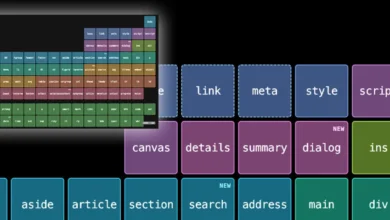
The State of HTML 2026 survey provides a comprehensive empirical snapshot of what developers are actively using, appreciating, and struggling with in their daily workflows. Among the key takeaways is the widespread adoption and appreciation of declarative, element-based features, which streamline codebases and reduce the reliance on complex imperative JavaScript routines. However, long-standing frustrations remain, particularly regarding native form controls, which continue to present styling and accessibility hurdles across different rendering engines.

In addition to core language features, the 2026 survey tracked the integration of artificial intelligence in development workflows, measuring the balance and frequency of AI-generated code usage among front-end engineers. The data indicates that AI tooling has firmly entrenched itself as a supporting mechanism for boilerplate generation and structural layout assistance, though manual refactoring and deep architectural decisions remain firmly in human hands.
Reflecting on the overarching sentiment of the developer community, Polypane creator Kilian Valkhof offered a macro-level analysis in the survey’s conclusion. Valkhof observed that industry frustration is gradually shifting away from browser inconsistency—where different vendors implemented specifications unpredictably—toward a lag in browser implementation speed, with mobile operating systems representing a notable bottleneck. Despite these friction points, Valkhof maintained an optimistic outlook, stating that the foundational architecture of the web remains robust despite broader technology sector turmoil.
Chronology and Background Context
The release of the State of HTML 2026 follows years of systematic community polling orchestrated by Devographics, designed to give standards bodies, browser vendors, and tool creators actionable telemetry on real-world usage. Over the past decade, these developer surveys have transitioned from niche community polls into vital industry barometers that directly influence the prioritization of the W3C, WHATWG, and individual browser engineering teams.

In parallel with the survey rollout, the timeline of web platform specifications has accelerated in early 2026. Browser vendors have pushed forward experimental and production-ready APIs to address both legacy inefficiencies and emergent hardware categories. The introduction of the Cross-Origin Storage API proposal by the Chrome team marks a logical evolution in web caching strategies, while WebKit’s expansion into spatial computing and Apple HomeView integration underscores the widening scope of what a web browser is expected to power.
Supporting Data and Technical Implementations
The recent slate of tooling, API proposals, and styling techniques highlights several critical areas of technical evolution across the ecosystem:
Cross-Origin Storage API: Proposed by Thomas Steiner of the Chrome team, this new API is designed to eliminate redundant downloads of heavy shared assets. By allowing independent origins to securely share large assets—such as heavy AI models, custom font files, and common JavaScript libraries—end users stand to save substantial bandwidth, downloading resource-heavy dependencies only once across disparate sites.

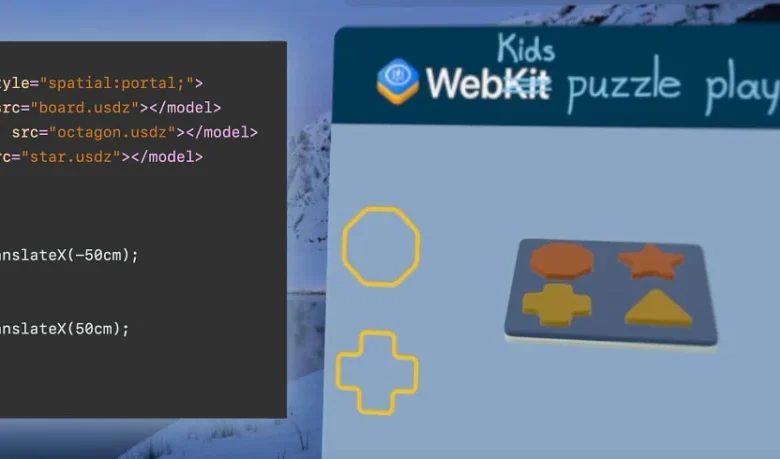
Spatial CSS and visionOS Integration: Brandel Zachernuk of WebKit introduced a developer preview of Spatial CSS, enabling developers to arrange 3D <model> objects within a shared web space using plain CSS declarations. By grouping elements, snapping them together, and modifying environmental lighting through stylesheets—augmented by a simple JavaScript trigger to project the scene into physical room space—Safari on visionOS opens new avenues for immersive web applications, operating currently behind an experimental flag.
Advanced Styling
and Accessibility: Sara Soueidan published a comprehensive examination of CSS caret properties (caret-shape, caret-animation, and caret-color), addressing WCAG compliance, caret browsing, and the delicate balance between author-defined styles and user accessibility preferences. Meanwhile, Adam Argyle demonstrated the power of @property custom properties combined with native transitions to achieve fluid prop-flipping animations with minimal JavaScript overhead.
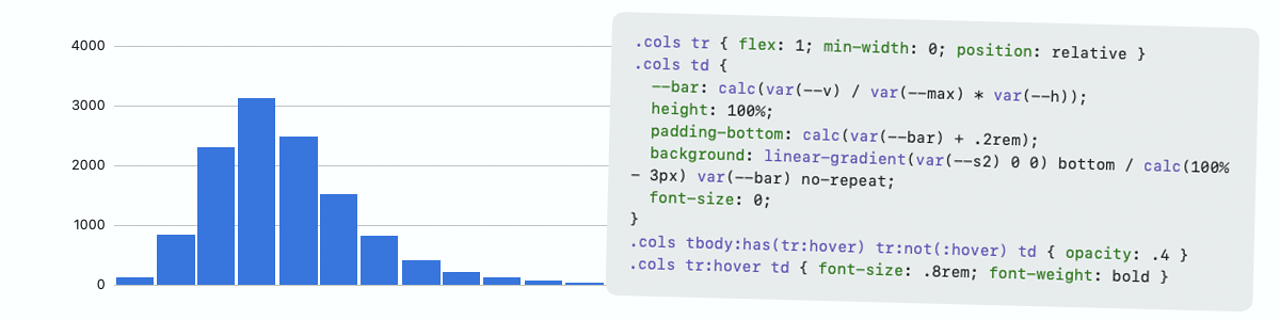
Zero-JavaScript Data Visualization: Keith Cirkel released a semantic charting library built entirely on HTML and CSS, eschewing JavaScript and SVGs in favor of structured markup. These column charts, heatmaps, and line charts remain fully readable as structured tables or lists even when stylesheets are entirely disabled, offering a resilient approach to data presentation.
Official Responses and Industry Analysis
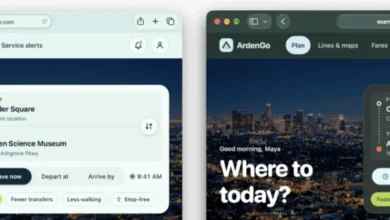
Industry leaders and browser engineers have increasingly emphasized the need for standardization that bridges traditional flat screens and emerging ambient computing environments. Jen Simmons of WebKit highlighted the implications of Safari running on Apple’s square, 7-inch, voice-driven Apple HomeView display. While the vast majority of existing websites function without modification, Simmons cautioned developers against relying on traditional assumptions, noting common failure points such as shorter viewports, unexpected iOS user agent strings on non-iPhone hardware, and the necessity of robustly labeled controls for voice-driven navigation.
Furthermore, Patrick Brosset utilized the comprehensive web-features dataset to analyze historical implementation speeds across major rendering engines in his study, "Who Shipped First? Chromium vs Gecko vs WebKit." Brosset’s data visualization maps out which engine pioneered specific web platform features, illustrating Chromium’s quantitative lead in introducing nascent web platform capabilities to the public market.
Broader Impact and Implications

The convergence of the State of HTML 2026 findings and recent technical rollouts points to an industry entering a period of consolidation and maturation. As declarative patterns win favor and tools like Christian Olivera’s Aura gradients—ambient atmospheric backgrounds built from layered CSS blend modes—demonstrate the growing power of native CSS features without heavy preprocessor overhead, the dependence on external JavaScript libraries continues to shrink.
The introduction of friendly, open-source variable typefaces like Josh Puckett’s "Allo," equipped with automatic optical sizing and roundness controls, further exemplifies the shift toward high-performance, design-system-friendly web primitives.
Ultimately, these developments suggest that while web developers continue to navigate challenges related to form controls, device fragmentation, and implementation lag across mobile operating systems, the core toolkit of the web is expanding in scope and sophistication. By leaning into native browser capabilities, cross-origin resource sharing, and spatial readiness, the web engineering community is laying a resilient foundation for the next generation of digital experiences.