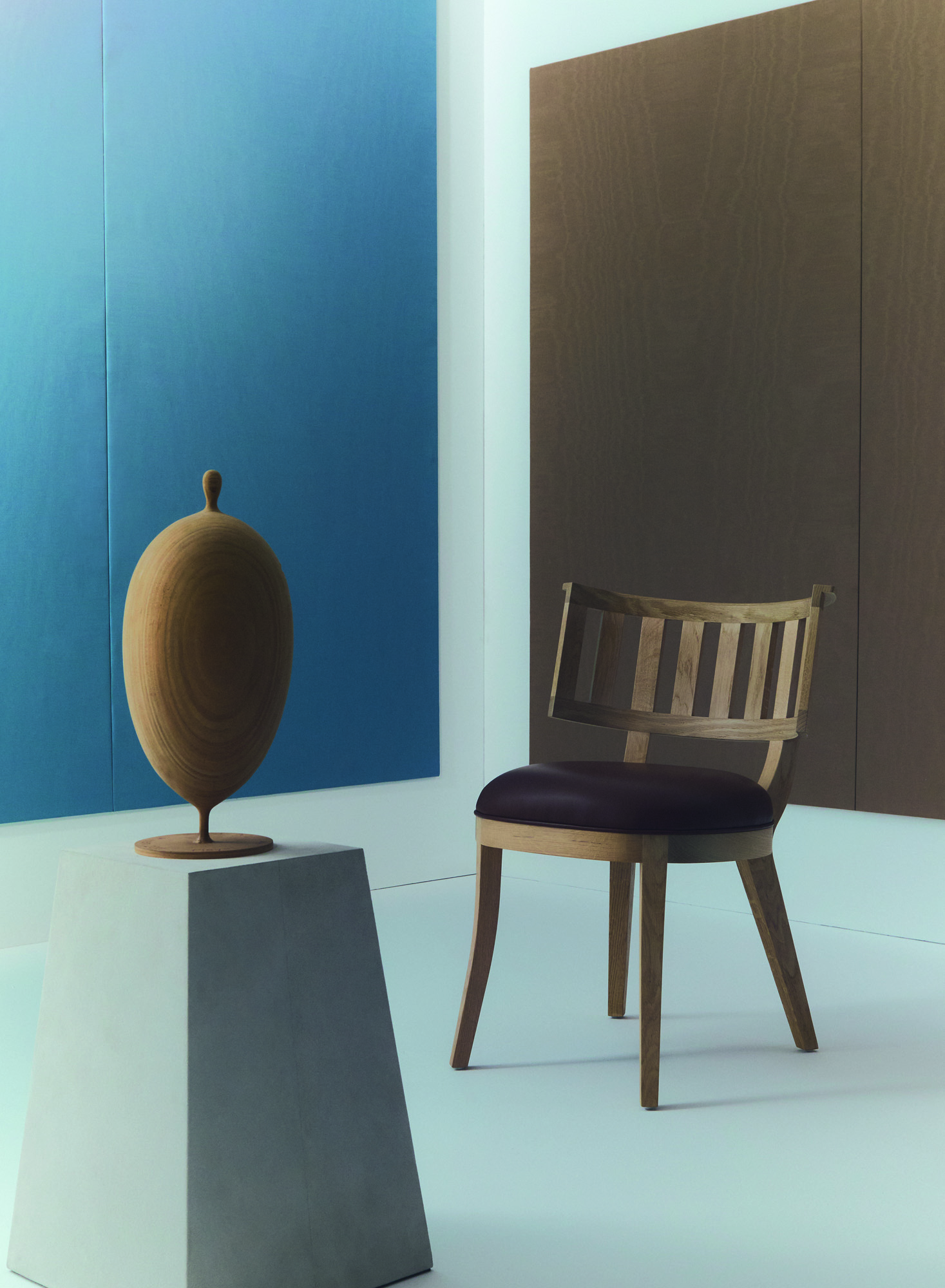
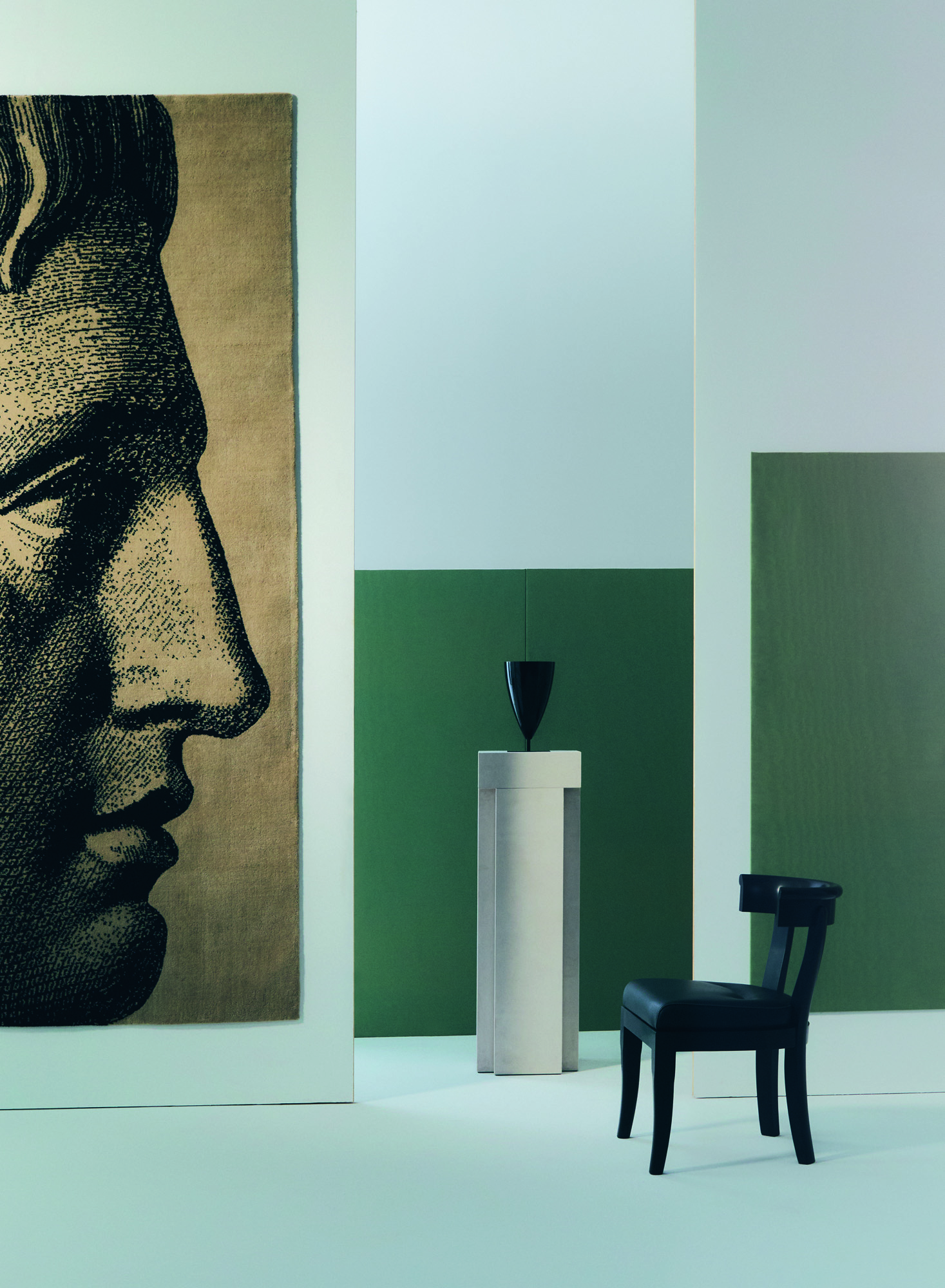
The Klismos chair remains one of the most resilient archetypes in the history of furniture design, a silhouette that has bridged the gap between the aesthetic rigor of 5th-century BC Greece and the stark minimalism of contemporary interiors. British-born American designer T.H. Robsjohn-Gibbings (1903–1976) famously revitalized this form in 1961, effectively transmuting ancient Greek principles into modern objects through his collaboration with Saridis of Athens. Today, more than six decades later, the design stands not merely as a historical curiosity but as a functional benchmark for luxury minimalism, as evidenced by its continued production and its frequent appearance in high-concept interior photography, such as that featured in the December 2026 issue of Wallpaper.
The Genesis of a Design Icon
The original Klismos chair, characterized by its elegant, saber-like legs and curved backrest, was a staple of domestic life in ancient Greece. Archaeological records confirm that the form was widely depicted on funerary vases, specifically the lekythos vessel dating to the mid-5th century BC, and the red-figured kylix discovered in Spina, Italy, dating to approximately 465–460 BC.
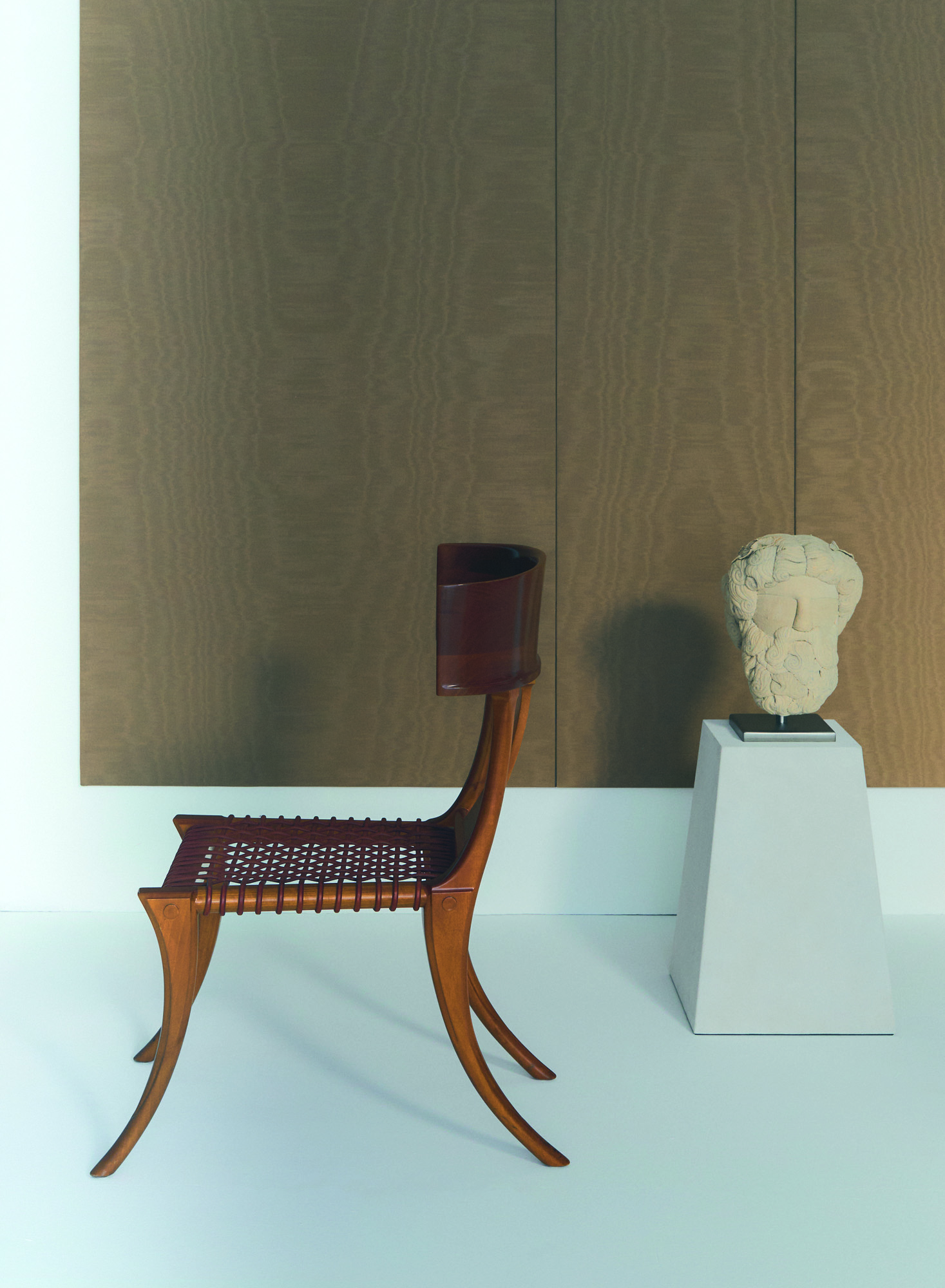
T.H. Robsjohn-Gibbings, who relocated to Athens later in his career, became obsessed with the structural honesty of these artifacts. In 1961, he distilled these ancient geometric principles into contemporary furniture pieces using Greek walnut and bull-leather thonging. By stripping away ornamental excess, Robsjohn-Gibbings demonstrated that the chair’s structural curvature—designed to support the human form with minimal material—was inherently modernist. Saridis of Athens, a house renowned for its dedication to classical craftsmanship, took on the manufacturing, a partnership that remains intact today, ensuring the continuity of the original design specifications.
Modernist Reinterpretations and the Architectural Bridge
The influence of the Klismos form reached a critical nexus in the 1990s through the work of architect Michael Gabellini. Tasked with designing the Jil Sander stores and showrooms on Paris’s Avenue Montaigne, as well as the brand’s headquarters in Hamburg, Gabellini sought a furniture solution that could reflect the "less is more" ethos of the Jil Sander label.
For the Paris project, which evoked the spirit of an 1890 French Beaux-Arts residence, and the Hamburg project, a 19th-century villa on the shores of Lake Alster, Gabellini selected the Klismos stools and benches. The choice was not merely decorative; it was a deliberate philosophical statement. By placing these ancient-inspired forms within minimalist, high-fashion environments, Gabellini created a bridge between historical classicism and modern industrialism. This juxtaposition proved that the Klismos chair was a "universal" object—one that does not clash with, but rather elevates, a modern architectural framework.
A Chronology of Influence
The evolution of furniture inspired by antiquity follows a distinct trajectory through the late 20th and early 21st centuries:
- 1961: T.H. Robsjohn-Gibbings launches the Klismos collection with Saridis of Athens, marking the formal reintroduction of the Greek silhouette into the high-end market.
- 1985–1987: Architect Rena Dumas, founder of the design firm RDAI, creates the "Pippa" collection for Hermès. Inspired by the functionality of Greek portable furniture, the line includes folding desks and armchairs that echo the nomadic utility of antiquity.
- 1993: Antonio Citterio introduces the "Modus" collection for Maxalto, a series that subtly incorporates classical structural logic, later updated in 2023 as the "Cleide" chair.
- 2008–2009: Michele De Lucchi and Philippe Nigro collaborate on the "Coppe della Filosofia Mistica" for Sèvres, further exploring the reductionist potential of classical vessels.
- 2026: Contemporary designers, including Tobia Scarpa for Bottega Ghianda and Romeo Sozzi for Promemoria, continue to produce works that cite these historical proportions, confirming that the classical language remains a primary dialect in luxury furniture production.
Contextualizing the Museum Aesthetic
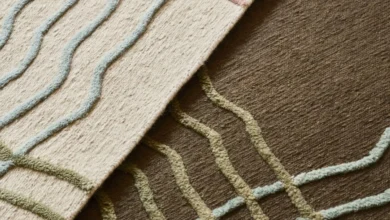
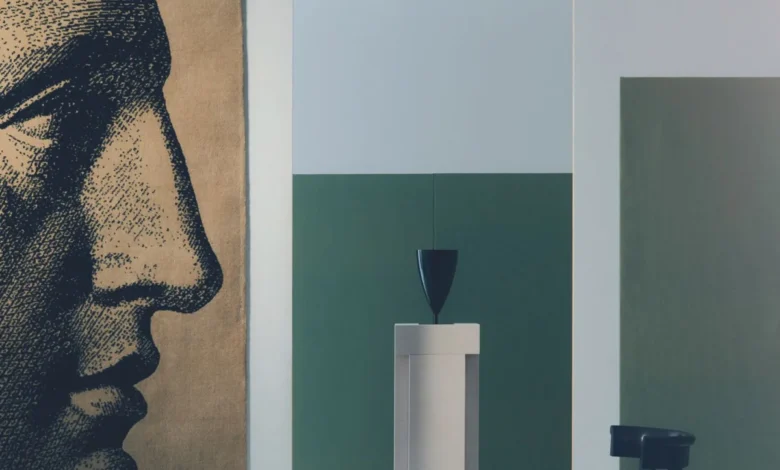
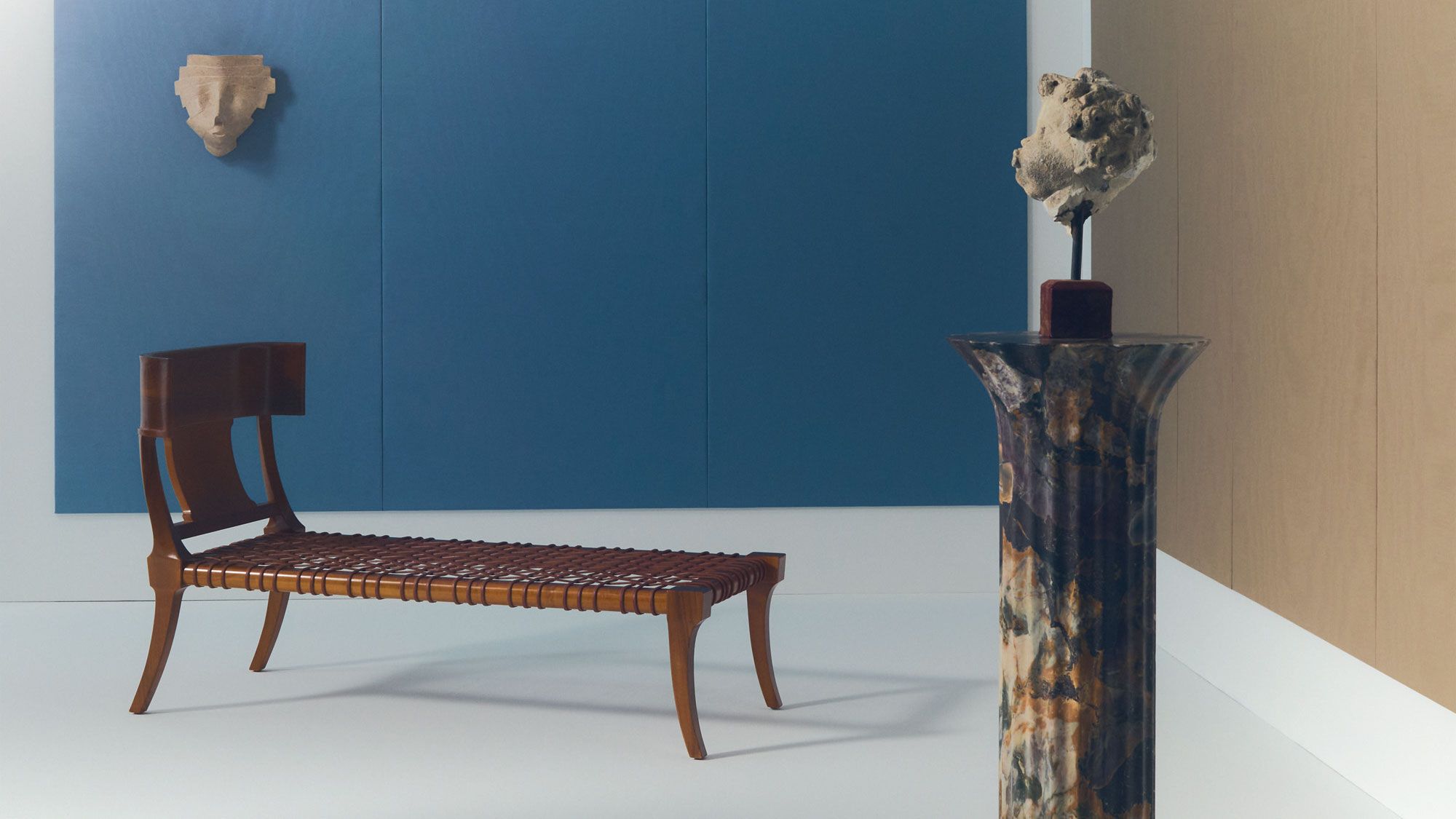
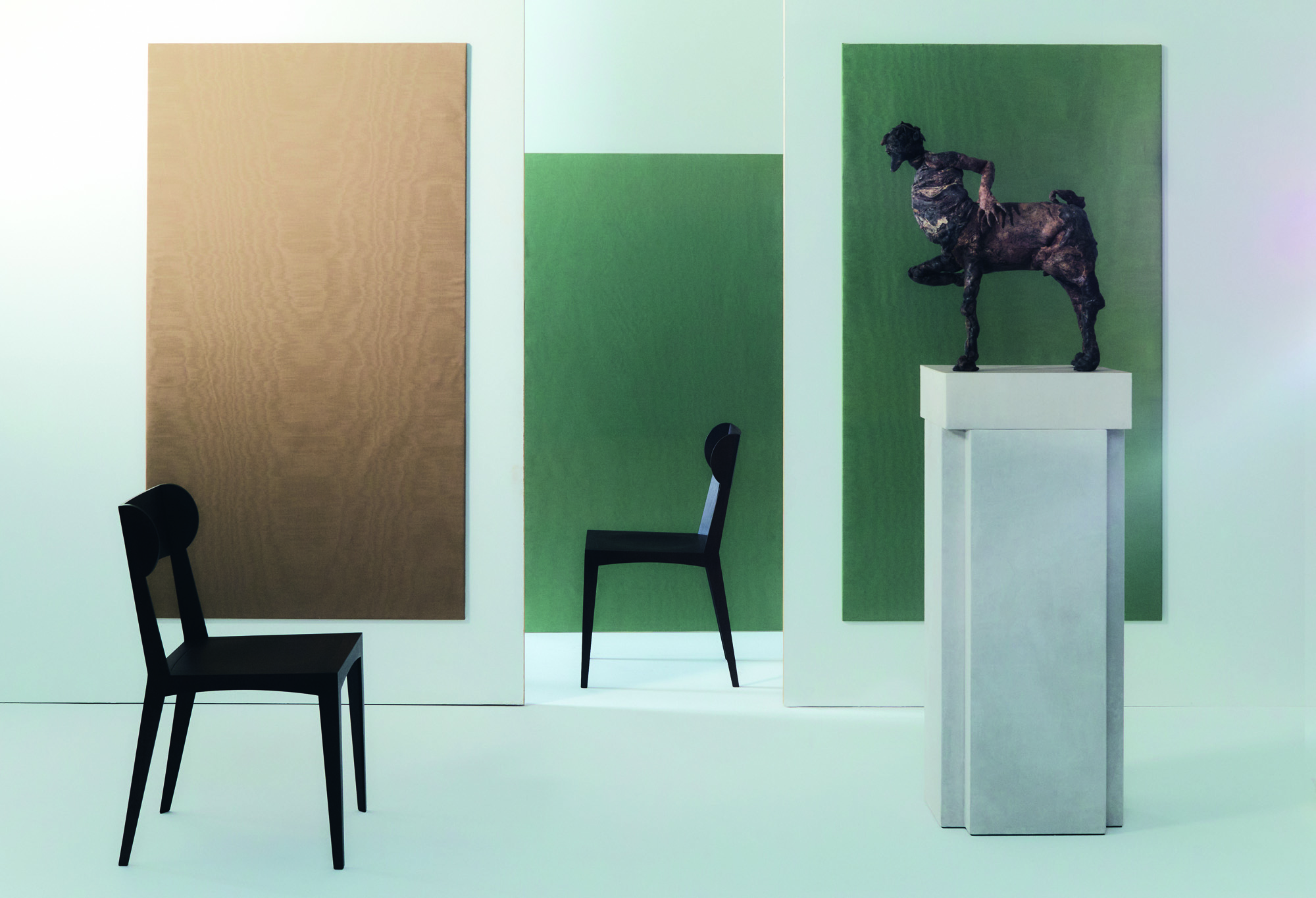
The recent resurgence of interest in these forms is often framed by a "museum-style" presentation in interior design. This approach relies on the use of plinths, neutral backdrops, and curated lighting to highlight the object’s sculptural value. The December 2026 photoshoot for Wallpaper serves as a case study in this trend. The set design utilized panels upholstered in "Charles"—a fine cotton and linen moiré by the historic textile house Rubelli—in tones of tobacco, green, and blue.
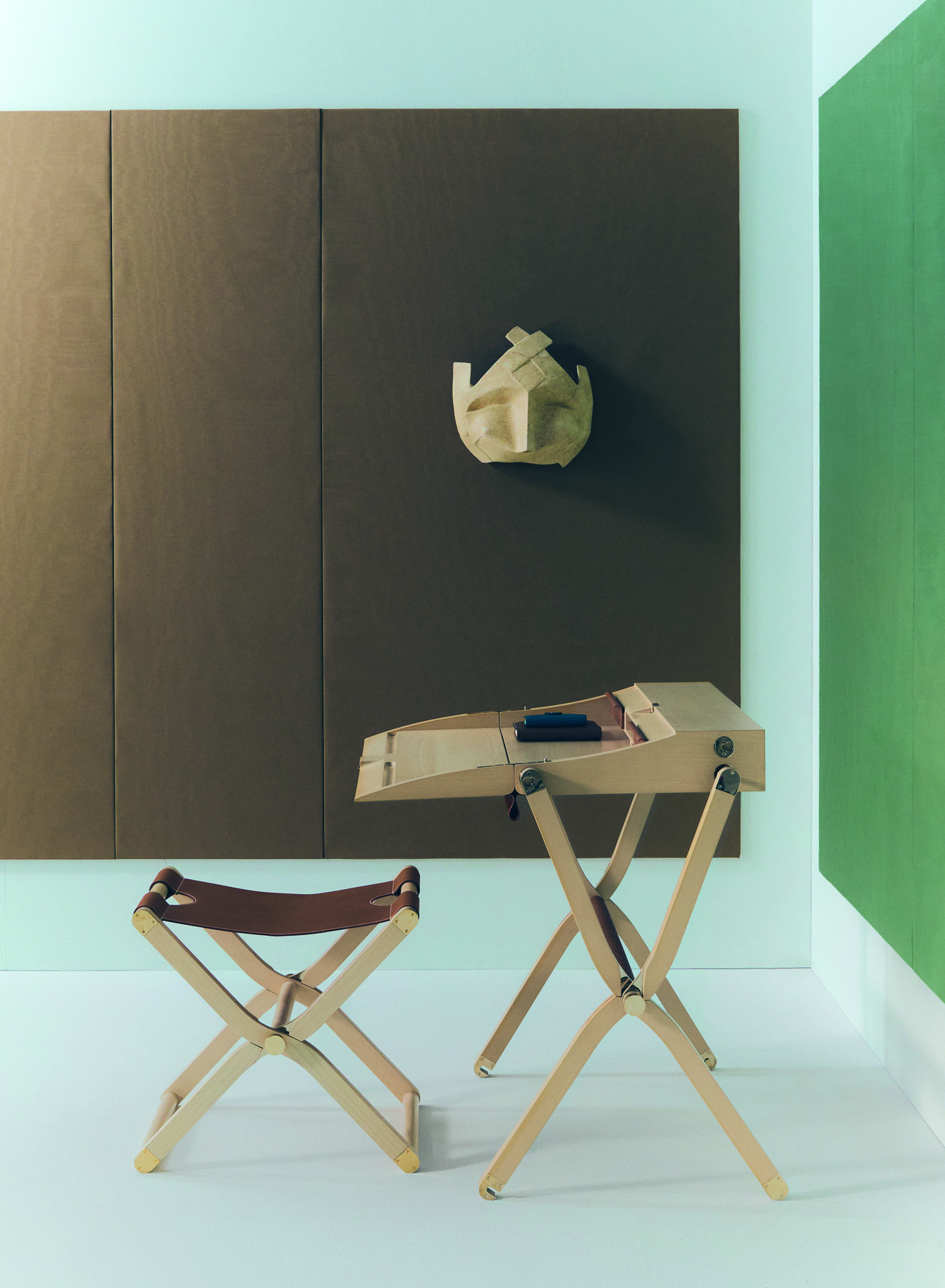
This specific color palette and wall treatment act as a direct homage to Carlo Scarpa’s legendary 1953 intervention at the Palazzo Abatellis in Palermo. Scarpa, widely regarded as a master of modern museum design, used polished Venetian plaster panels to create a dramatic, atmospheric staging for 15th-century art. By mirroring this technique, contemporary designers are positioning modern furniture as "artefacts" that demand the same reverence as pieces found in the National Archaeological Museum of Athens.
The Role of Materiality and Craft
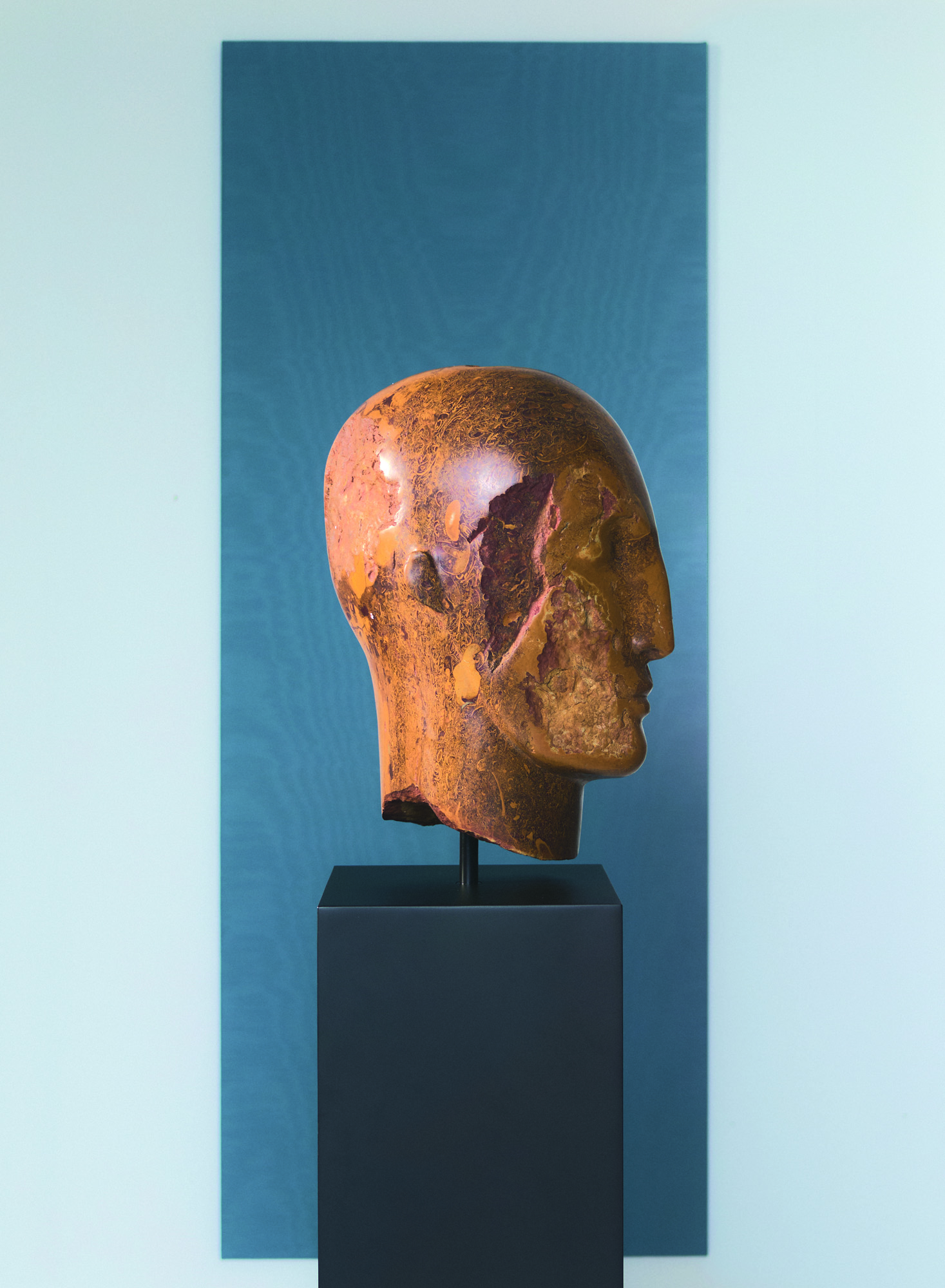
The revival of these designs is not merely about form; it is a response to the current market demand for high-quality, long-lasting materiality. The use of bull leather, solid walnut, brushed light oak, and Jaisalmer sandstone in pieces by designers like Emily Young and Francesco Balzano reflects a shift away from ephemeral, mass-produced decor.
For instance, Jaime Hayon’s "Etruscado" vessel for Marsotto Edizioni is crafted from marble, a material that, in his own words, "carries a sense of time, memory, and permanence." Similarly, the "Aphaia" column by Claesson Koivisto Rune for Kreoo derives its structural integrity from the Doric temples of Aegina. These pieces function as a dialogue between the designer and the historical master, where the technical constraints of stone and wood necessitate a return to classical proportions.
Broader Implications for Interior Design
The continued relevance of the Klismos and its descendants suggests a broader shift in consumer behavior within the high-end design sector. As digital saturation increases, the physical environment is becoming more centered on "grounding" elements—objects that possess a clear lineage and a sense of historical permanence.
Designers are increasingly moving away from the "disposable" trend cycle and toward pieces that carry intellectual weight. When a client purchases an "Irene" chair by Promemoria or a "Cleide" chair by Maxalto, they are acquiring an object that is part of an ongoing scholarly and aesthetic discourse. The professional consensus among interior architects is that this trend toward "classical minimalism" will likely persist as long as there is a demand for interiors that function as both living spaces and galleries.
Official Perspectives and Market Reactions
While market data on specific artisan furniture sales is often private, the sustained presence of these brands at international design fairs like Salone del Mobile indicates a robust demand. Representatives from manufacturers such as Saridis of Athens and Bottega Ghianda have noted that their primary clientele are collectors who value "the story behind the object" as much as the object’s utility.
The integration of these pieces into the homes of global collectors, often alongside contemporary art by figures like Francis Upritchard or Sergio Roger, creates a curated, academic atmosphere that defies the rapid obsolescence of standard modern furniture. This indicates that the market for "intellectual design"—furniture that requires a knowledge of history to fully appreciate—is expanding, as buyers look to differentiate their spaces through pieces that signify cultural literacy.
Conclusion
The narrative of the Klismos chair and the subsequent development of neo-classical modernism is a testament to the fact that excellence in design is rarely a matter of invention, but rather a process of refinement. From the 5th-century BC artisan who first bent wood to create a comfortable, portable seat, to T.H. Robsjohn-Gibbings’ 20th-century distillations, and finally to the contemporary output of designers like Citterio and Scarpa, the thread remains unbroken. As we move further into the late 2020s, the design world appears to be doubling down on this classical foundation, favoring objects that offer not just aesthetic beauty, but a connection to the long-standing human endeavor to create functional art that stands the test of time.