Sabine Marcelis Light and Color at Museum für Gestaltung Zürich: A Retrospective of Materiality and Innovation

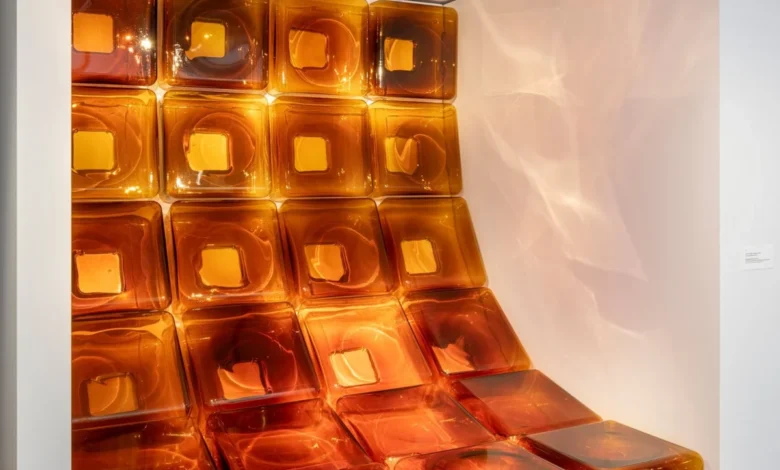
The Museum für Gestaltung Zürich has unveiled its latest exhibition, Light and Color, a comprehensive retrospective dedicated to the Dutch-New Zealand designer Sabine Marcelis. Marking the first museum-led survey of her career, the exhibition provides an immersive examination of a practice that has redefined the intersection of industrial design, art, and sensory experience. Curated by Damian Fopp, the show brings together over a decade of work, spanning from Marcelis’s early academic experiments at the Design Academy Eindhoven to her recent high-profile collaborations with global brands like IKEA and Mathmos.
A Career Defined by Material Rigor
Sabine Marcelis’s ascent in the design world has been marked by a relentless pursuit of the intangible. Since winning the Wallpaper* Designer of the Year award in 2020, her work has been characterized by a distinct visual language that prioritizes light, color, and fluid motion. Unlike many of her contemporaries, whose work often prioritizes function above all else, Marcelis treats material research as the primary driver of her creative process.
The exhibition at the Museum für Gestaltung Zürich follows a prestigious lineage of solo presentations at the institution, joining the ranks of internationally acclaimed designers such as Konstantin Grcic, whose 2007 exhibition This Side Up remains a benchmark for the museum; Jasper Morrison, who presented Thingness in 2016; and the Italian duo Formafantasma, whose environmentally conscious project Cambio was hosted in 2021. For Fopp, the timing of the Marcelis retrospective is critical. With fifteen years of active professional practice, the museum identified a unique opportunity to document a body of work that has already significantly shifted the landscape of modern interior design.
The Mathmos Collaboration and the Architecture of Light
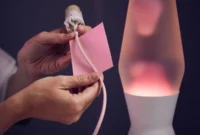
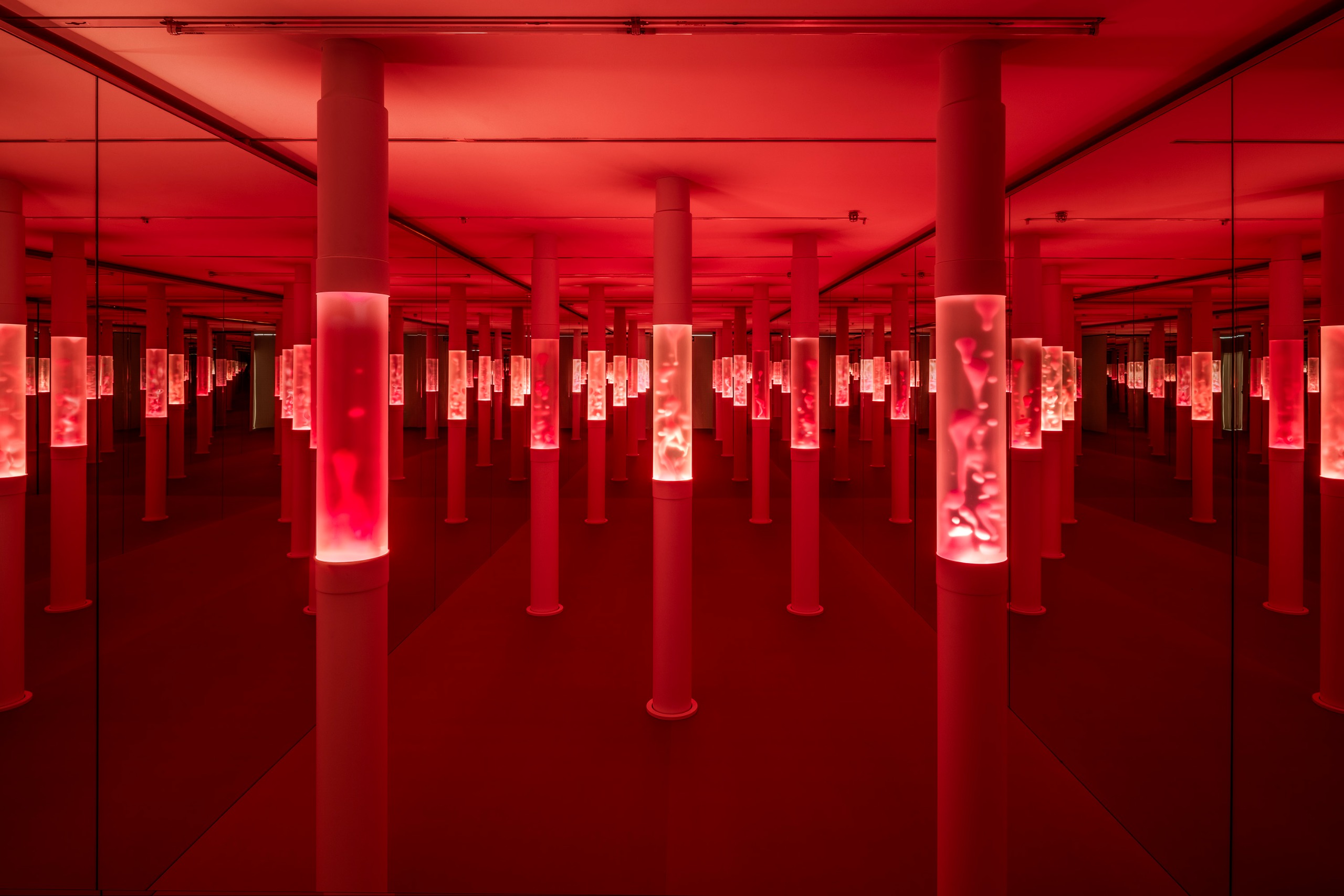
Central to the exhibition is the Mathmos Lava Column installation. This project represents a collaboration with the British manufacturer Mathmos, famous for inventing the lava lamp in 1963. The installation features eight, three-meter-tall columns containing milky, slow-moving wax encased in frosted glass. These columns are positioned within a space lined with mirrors, creating a visual effect that gives the impression of an infinite, pulsating architectural environment.
This installation is a testament to the "total space" approach adopted by Marcelis and Fopp. By moving away from the traditional model of displaying objects on pedestals, they have transformed the museum gallery into an experiential landscape. The use of reflection as a primary design tool invites comparisons to the immersive, high-impact environments popularized by artists such as Yayoi Kusama. The goal is to reach beyond the conventional design enthusiast and engage a broader audience by creating environments that are as much about atmosphere as they are about the objects themselves.
Chronology of Experimentation: From Eindhoven to Global Recognition
The development of Marcelis’s aesthetic can be traced back to her time at the Design Academy Eindhoven. Her graduation project, House Wine, served as a foundational exploration into the behavior of moving liquids—a theme that has persisted throughout her career. Her desire to incorporate fluid dynamics into furniture and lighting design has since become her signature.
Key milestones in her career include:
- 2012: Initial experimentation with resin in Rotterdam, forming the basis of her material library.
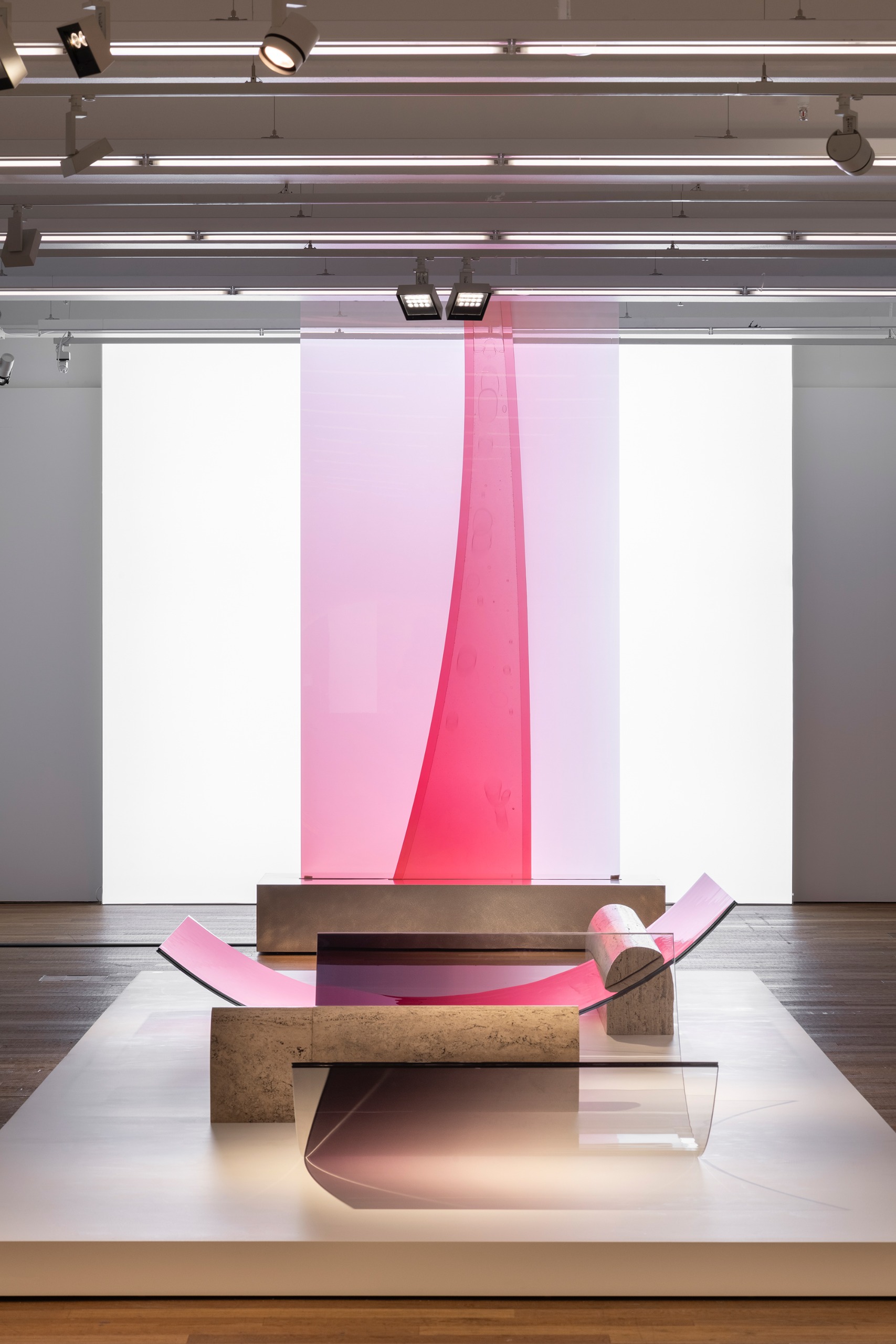
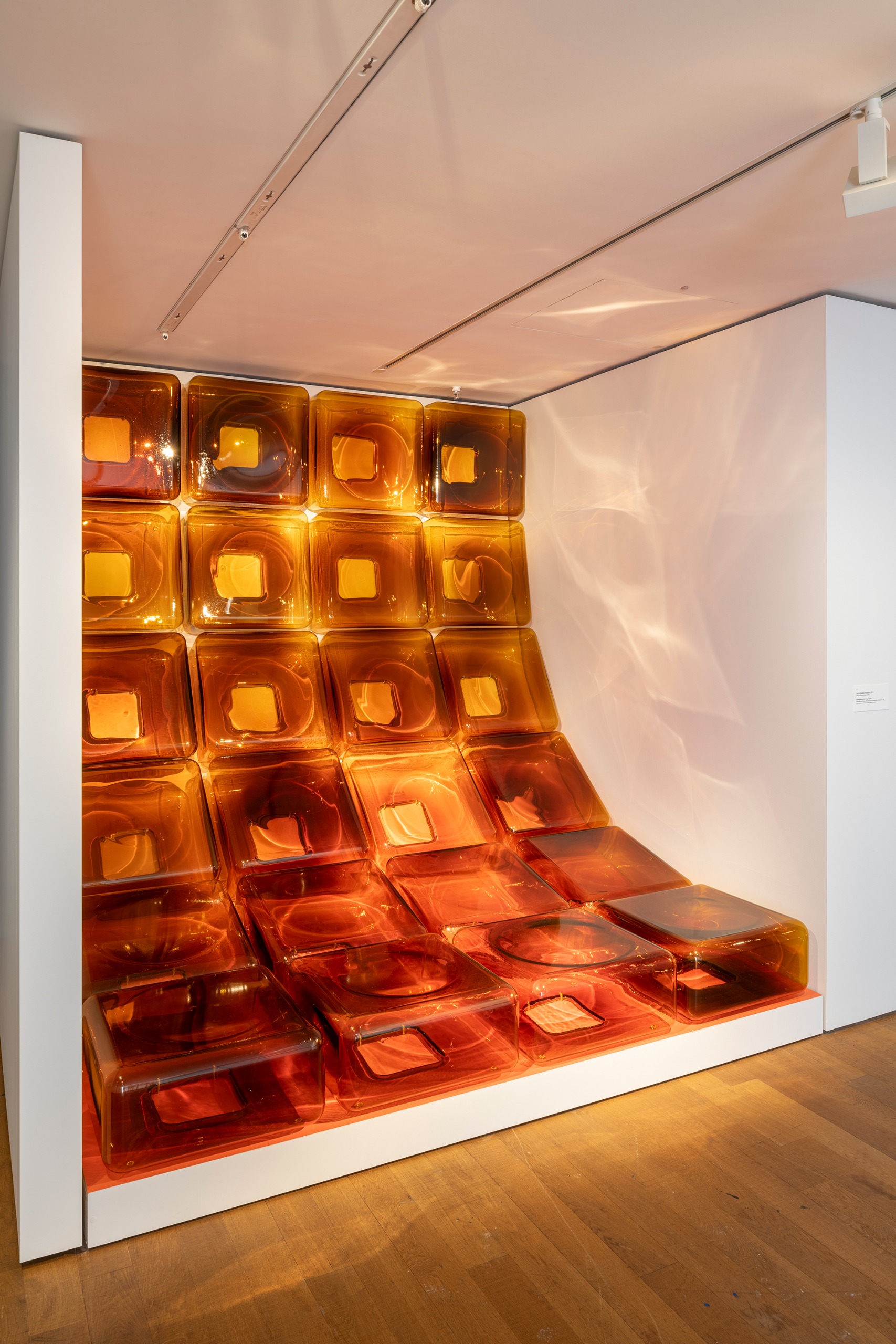
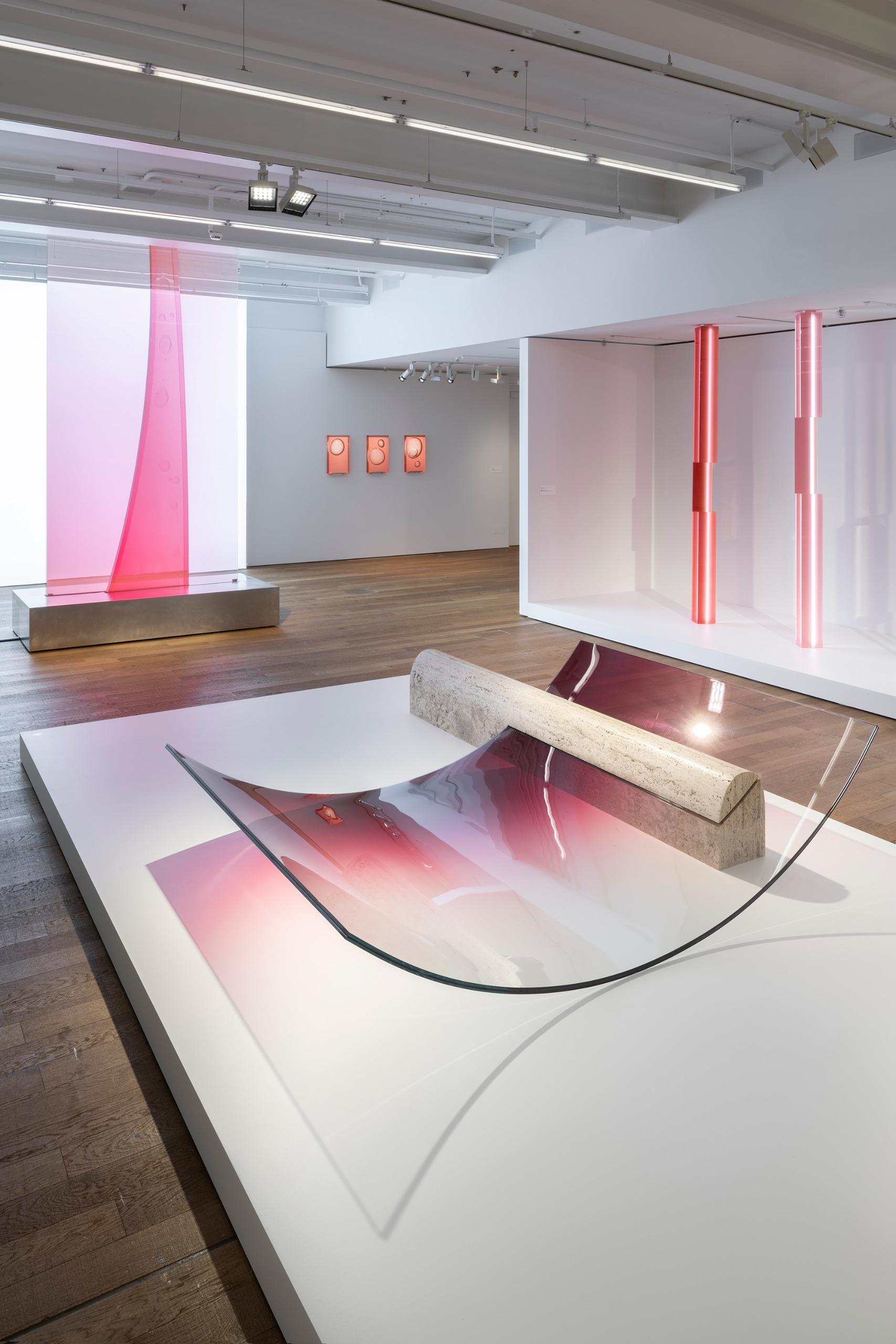
- 2019: The development of the "No Fear of Glass" series, a collection of curved glass chaise longues commissioned for the Mies van der Rohe Pavilion in Barcelona. These pieces, which were delayed in their global tour due to the Covid-19 pandemic, are receiving their second major showing in Zurich.
- 2020: Receipt of the Wallpaper* Designer of the Year award, cementing her status as a global influence.
- 2023: The launch of the Varmblixt collection with IKEA, which achieved record-breaking sales and became a staple of modern home interiors.
The inclusion of the "No Fear of Glass" collection is particularly significant. Marcelis has expressed a continued curiosity regarding the production challenges of these pieces, noting that the manufacturing techniques required to create them were at the limit of what was possible seven years ago. The exhibition serves as a platform to reflect on whether current technological advancements might allow for new iterations of such complex designs.
Digital Presence and the Evolution of the Design Industry
Damian Fopp characterizes Marcelis as being at the forefront of the first generation of designers who effectively bypassed traditional industry "intermediaries." Through the strategic use of social media and direct engagement with manufacturers and consumers, Marcelis has established a brand that exists independently of traditional gallery representation.
However, Fopp cautions that while her work is highly photogenic and performs well on digital platforms, it requires in-person interaction to be truly understood. "Her work with light, color, and reflection is widely known through images, but it has to be experienced in person to understand the material research behind it," Fopp stated. This dichotomy between the digital image and the physical object is a central theme of the exhibition. The show forces the viewer to confront the physical properties—the weight of the glass, the texture of the resin, and the specific temperature of the light—that digital snapshots often fail to capture.
The Science of Color and Material Innovation
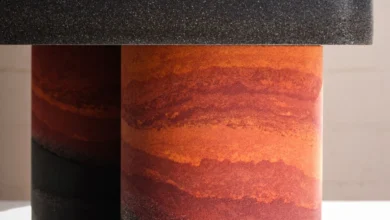
A significant portion of the exhibition is dedicated to the technical challenges of color creation. Marcelis maintains a rigorous, almost sacred approach to her material experiments. She notes that, in the case of resin, certain colors—particularly green—are notoriously difficult to achieve. The studio’s recent transition to a 99 percent bio-based resin has further narrowed her palette, forcing her to innovate within stricter chemical constraints.
In glass production, she remains in pursuit of a "milky white gradient" that maintains clarity and depth without appearing artificial. This iterative process is not merely an aesthetic exercise; it is a fundamental research project. Museum director Christian Brändle notes that Marcelis’s method of "embracing experimentation, testing, and uncertainty" allows her to arrive at solutions that would be impossible through conventional, design-by-brief processes. This scientific curiosity is what the museum hopes will inspire the students of the Zurich University of the Arts, which maintains a close association with the museum.
Broader Impact and Industry Implications
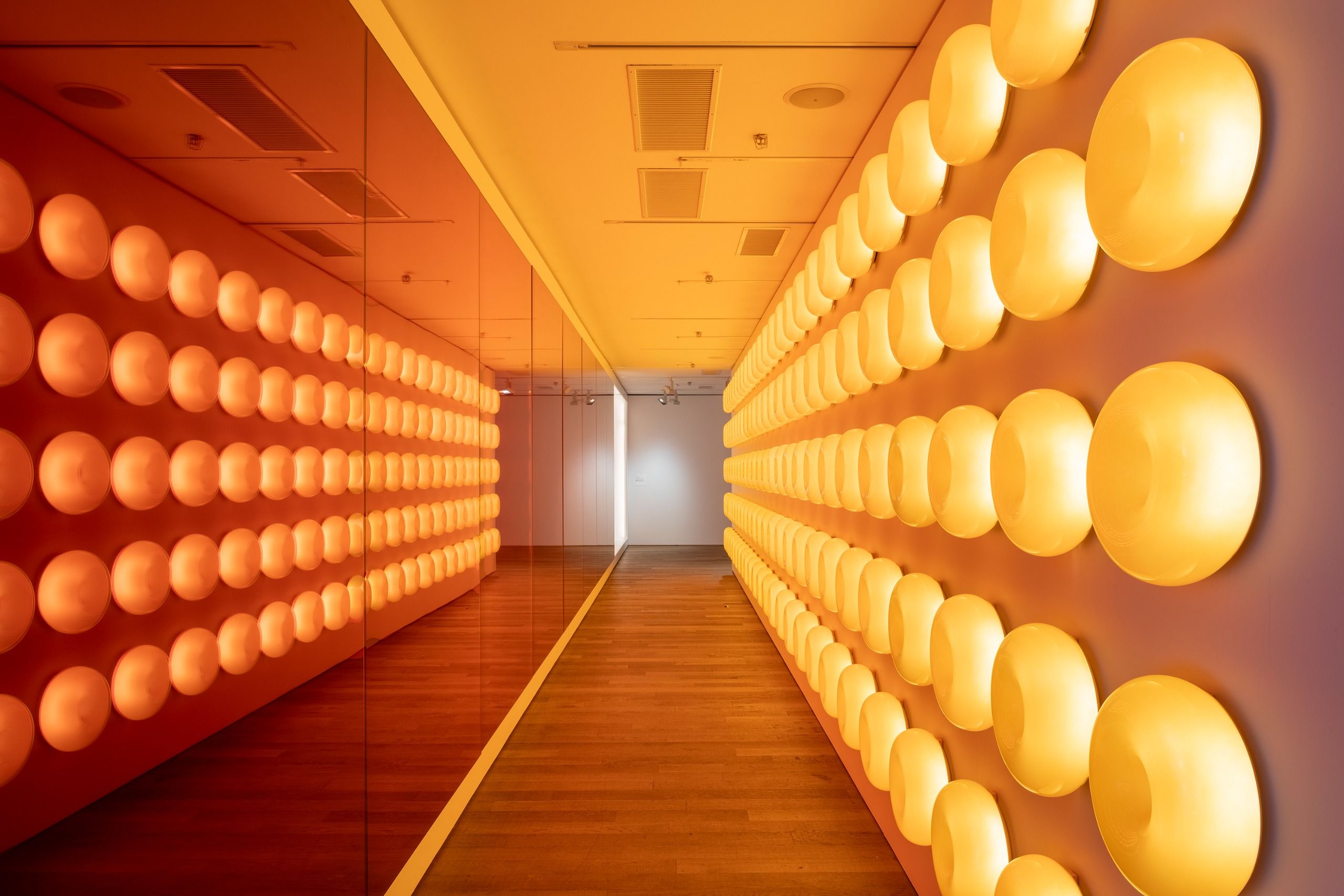
The success of the Varmblixt collection with IKEA serves as a case study for how high-design principles can be successfully democratized. With over a hundred of these orange glass lamps arranged in an 11-meter, walk-through tunnel in the exhibition, the show highlights the scalability of her design language. The installation is not just a display of a popular product; it is a transformation of the object into a spatial, light-filled experience.
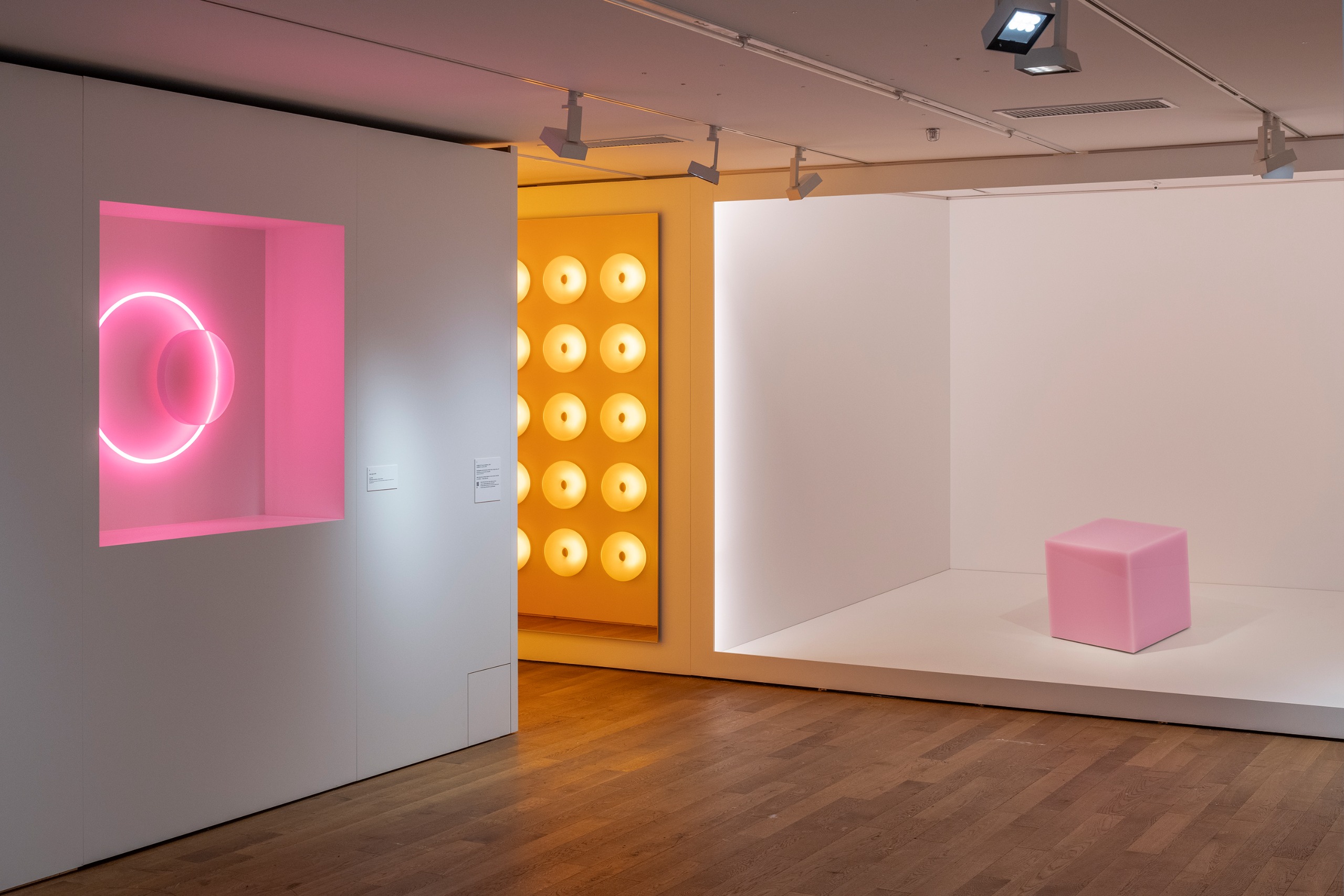
Beyond the aesthetic, there is the "ecosystem" of production. As highlighted in the accompanying book, Making a Show (published by Apartamento and featuring photography by Mattia Balsamini), the realization of Marcelis’s work is a collaborative effort. The book chronicles the production stages of the "Candy Cube," emphasizing that the final product is the result of many hands and diverse expertise. By acknowledging this, the exhibition sheds light on the reality of contemporary design production, which is often far more collaborative than the "solitary genius" narrative suggests.
The Domestic Integration of Design
Marcelis’s own life in Rotterdam, in a former paper factory, serves as a laboratory for her work. By living with her designs—the "Lokum" tables, the "Boa" pouf, and various "Varmblixt" iterations—she is able to test their durability and their impact on a domestic environment. She notes that her home is "not the most conventional," yet the objects she has created have proven to be resilient and functional. Her comment that the "lava column" is often the only light source in her home during the evenings underscores her commitment to using light as a primary architectural element rather than an afterthought.
Conclusion: A Legacy in Formation
The exhibition Light and Color is a definitive statement on the role of the designer in the 21st century. By bridging the gap between artistic exploration and industrial production, Sabine Marcelis has created a path that is both commercially viable and intellectually rigorous.
The exhibition runs until April 4, 2027, at the Toni-Areal location of the Museum für Gestaltung Zürich. For the design community, it offers a rare, in-depth look at the process behind the finished object, proving that even in a digital-first world, the physical experience of light and material remains the most compelling frontier for innovation. Through her collaboration with both established manufacturers and the academic world, Marcelis continues to challenge the definitions of design, proving that the most profound insights often come from the simplest of experiments with light, color, and motion.
Related posts: