Christopher John Rogers Unveils The Studio Collection in Collaboration with The Rug Company

For nearly three decades, The Rug Company has operated at the intersection of high fashion and interior design, consistently challenging the conventional boundaries of floor coverings. Since its founding in 1997, the London-based luxury manufacturer has cultivated a reputation for transforming the humble rug into a canvas for avant-garde artistry. By securing high-profile collaborations with industry titans—ranging from the experimental prints of Marni and the punk-inflected sensibilities of Vivienne Westwood to the meticulously structured, dark romanticism of Alexander McQueen—the firm has effectively bridged the gap between the runway and the living room. This week, the company expands its storied roster of creative partners by announcing a 10-piece collection with the award-winning, New York-based designer Christopher John Rogers.
A Departure into Domestic Artistry
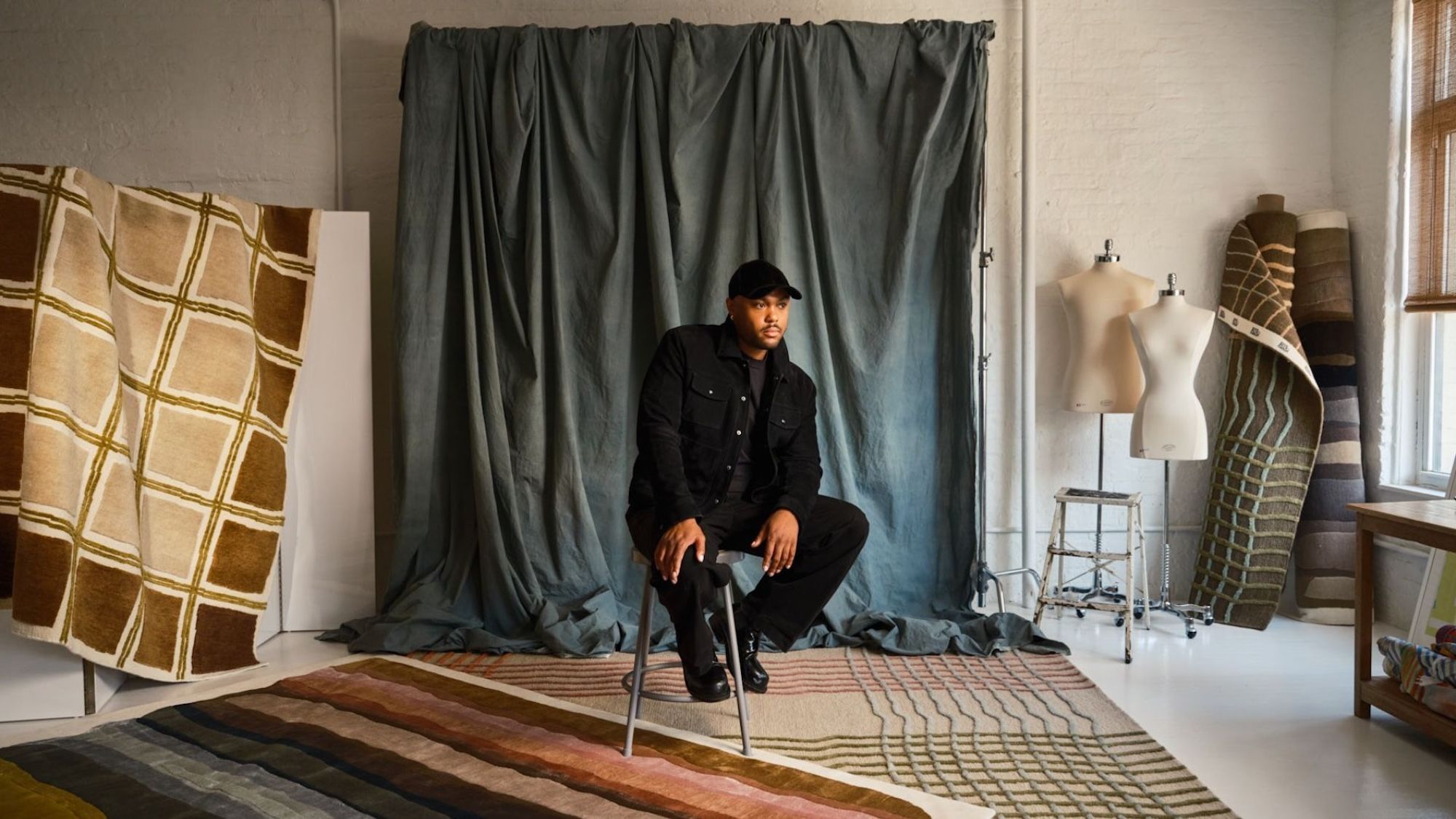
The collection, titled The Studio, marks a significant moment for both the manufacturer and the designer. Christopher John Rogers, widely celebrated for his exuberant use of color, voluminous silhouettes, and technical mastery of textiles, approaches this venture not as a mere extension of his clothing line, but as a deliberate investigation into the creative process itself. Rather than scaling down his famous gala-ready gowns, Rogers has chosen to document the ephemeral ephemera of his own design practice.
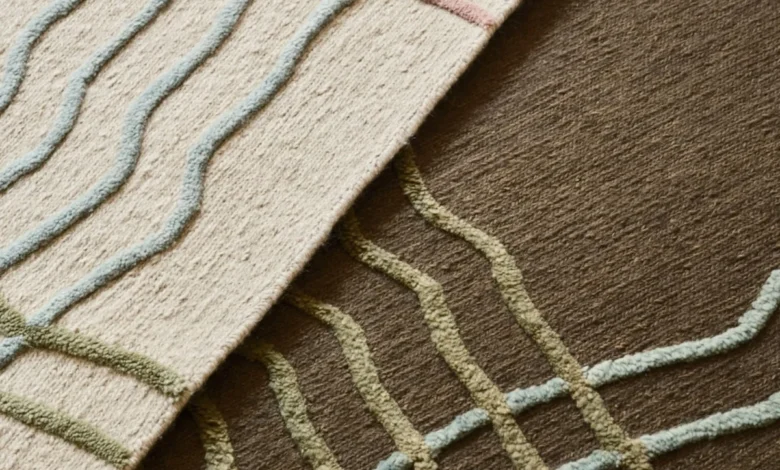
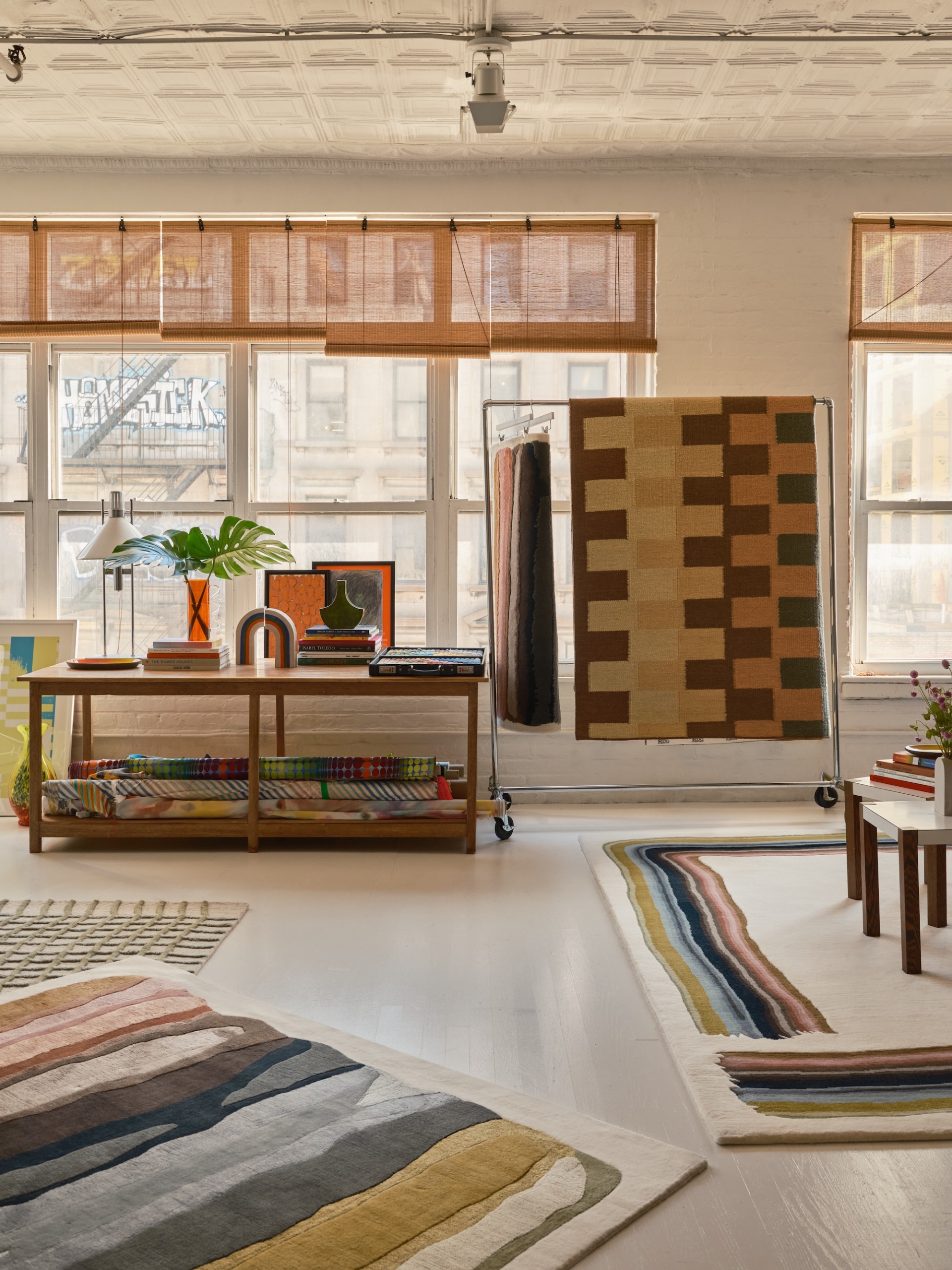
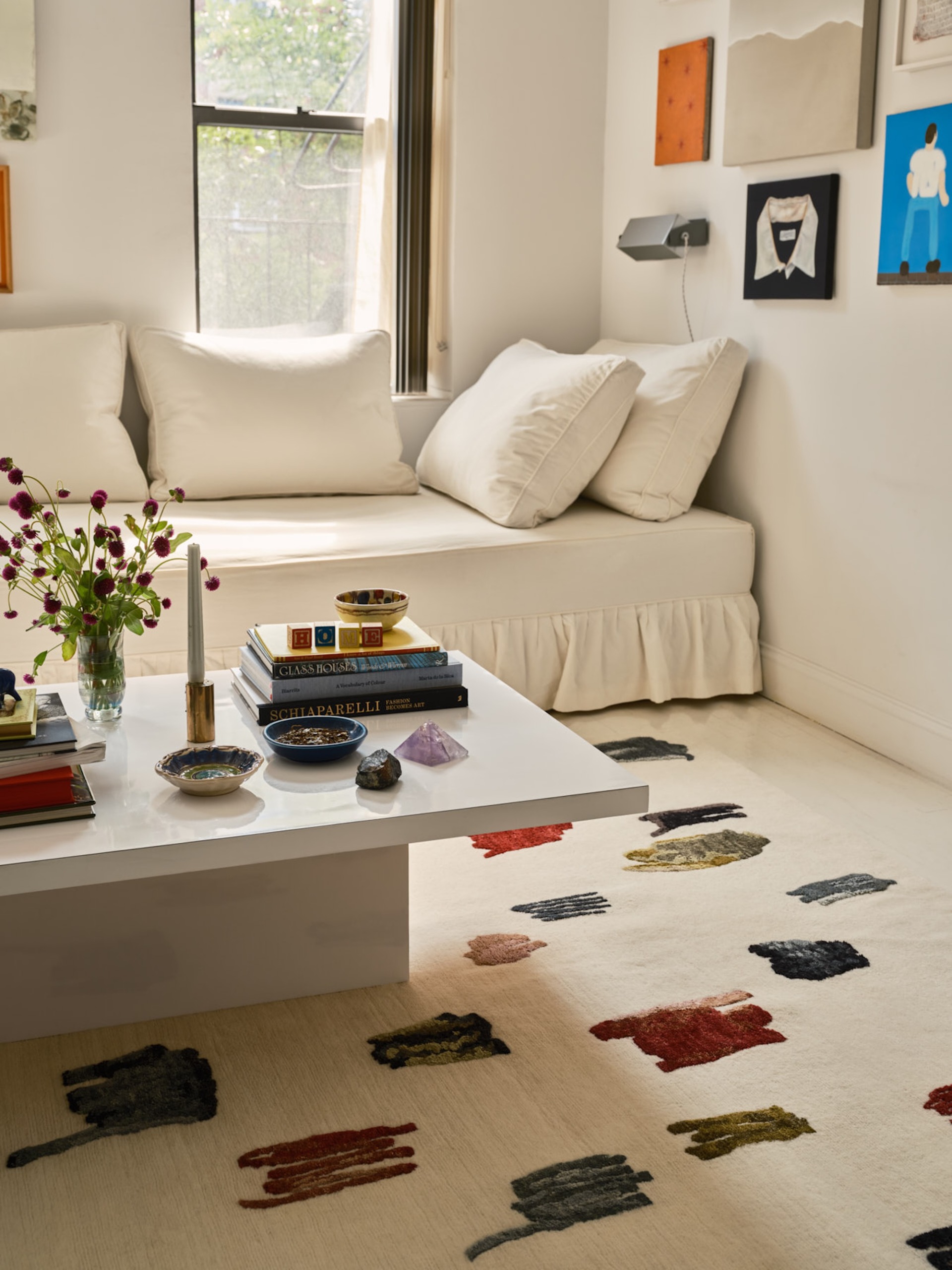
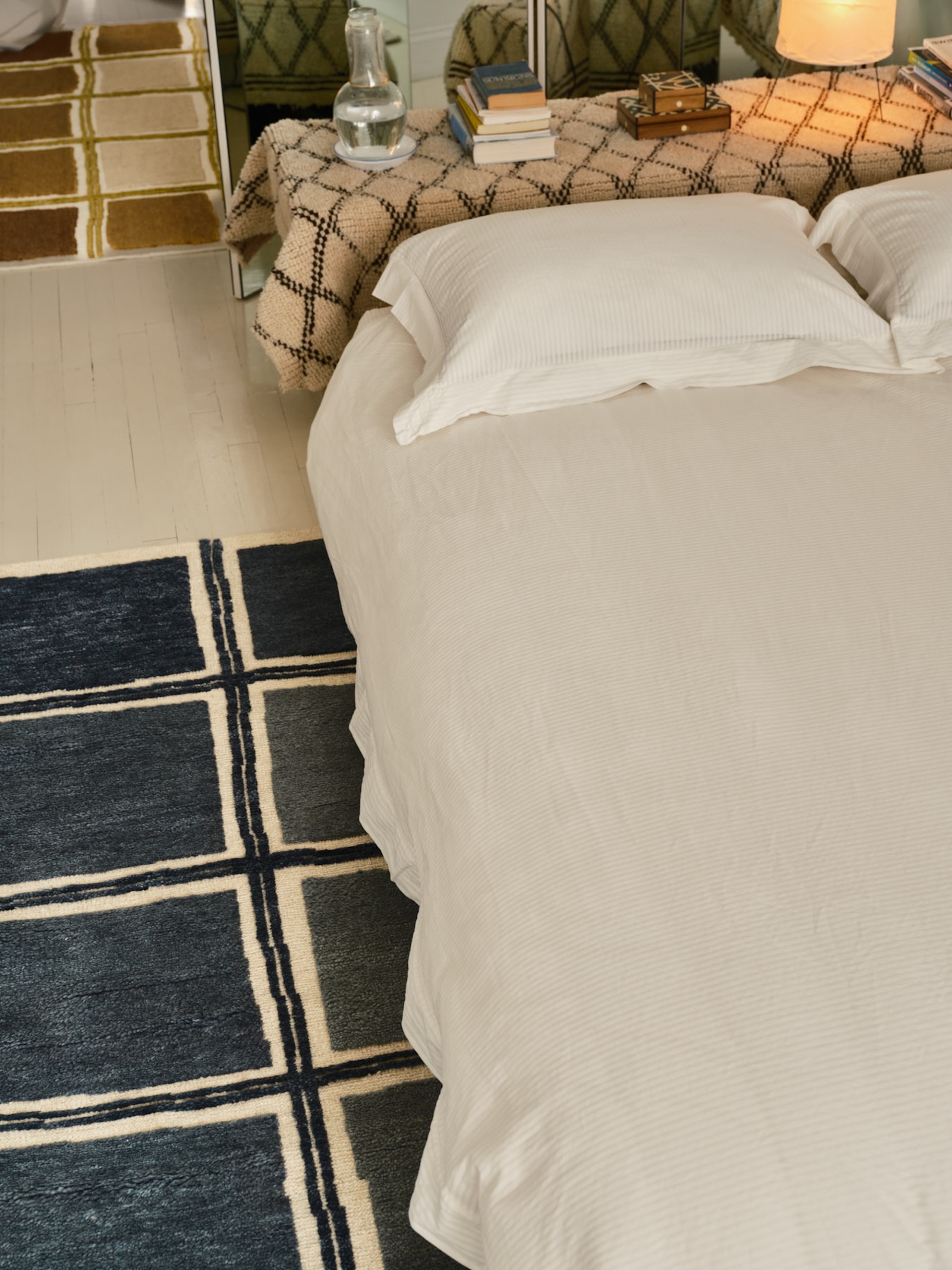
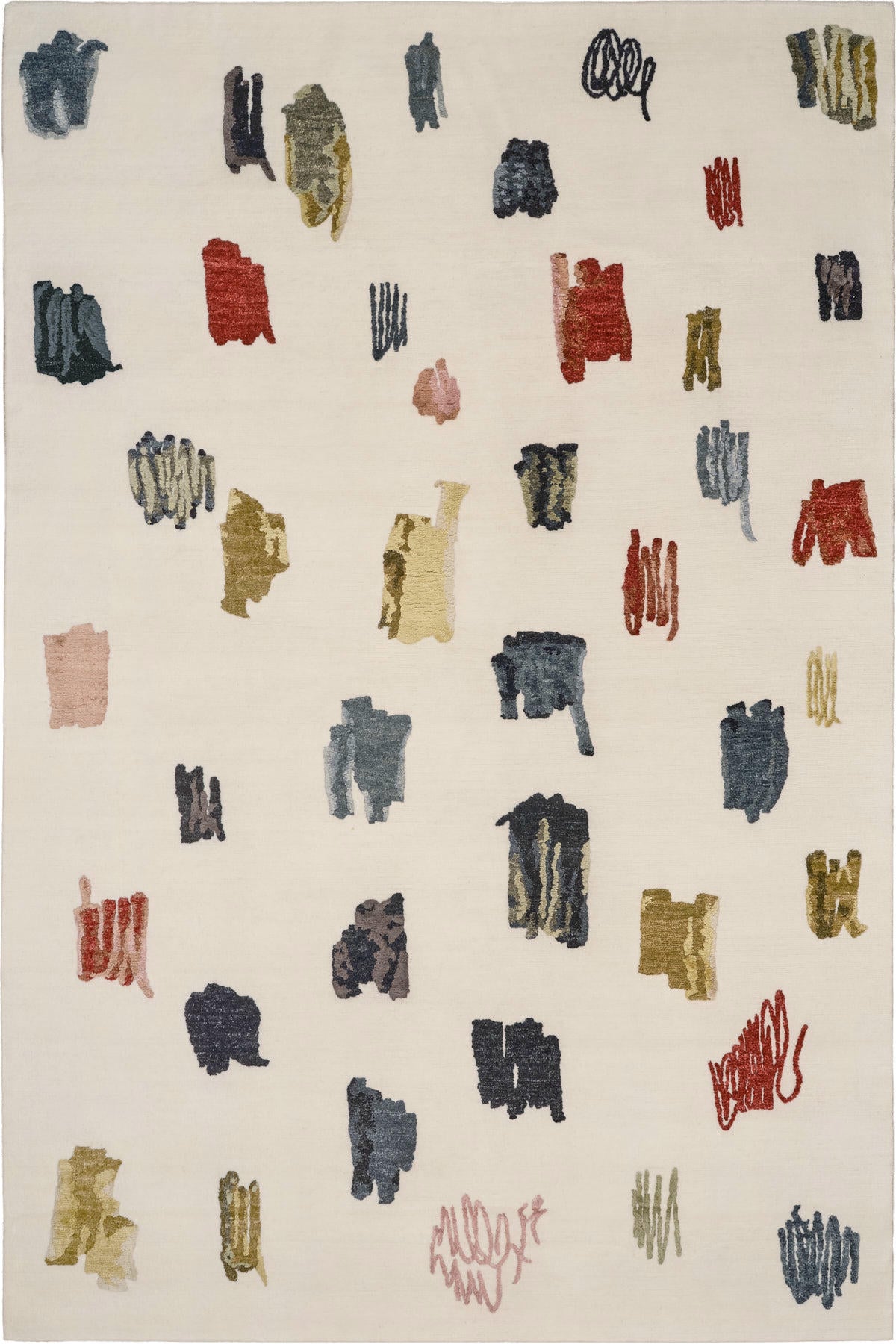
The 10-piece collection features both hand-knotted and flatweave constructions. The inspiration for these textiles draws from the "marginalia" of a fashion atelier: marker tests, stray brushstrokes, color studies, and the chalk lines that serve as the initial, fleeting blueprints for a couture garment. By isolating these utilitarian marks and dramatically altering their scale, Rogers has translated the chaotic energy of a studio environment into a series of refined, color-drenched abstractions that remain accessible for residential application.
The Chronology of a Design Partnership
The collaboration is the latest in a series of strategic moves by The Rug Company to maintain its relevance in an increasingly design-conscious market. The history of the brand’s collaborations serves as a timeline of modern design evolution:
- 1997: The Rug Company is established in London, focusing on high-quality, artisan-made carpets.
- 2005: A seminal collaboration with Vivienne Westwood cements the brand’s reputation for bringing "fashion-forward" aesthetics to floor coverings.
- 2010s: The company deepens its reach, partnering with luxury fashion houses like Marni and iconic designers such as Alexander McQueen, effectively treating rugs as luxury fashion accessories.
- 2023–2024: The Rug Company enters a period of focused collaboration with contemporary American design voices, culminating in the partnership with Christopher John Rogers.
For Rogers, this is not his inaugural foray into the home goods sector. He has previously collaborated with furniture brand Orior and heritage paint manufacturer Farrow & Ball. However, he notes that the scale of a rug—often the largest visual element in a room—offered a distinct challenge compared to wall treatments or upholstery. "Floor coverings felt like a particularly interesting proposition because they occupy so much visual and physical space within a room," Rogers stated during the launch.

Technical Precision and the Art of the Dye
The development of The Studio collection was characterized by a rigorous, iterative dialogue between the designer and the manufacturer’s technical team. Will Cooper, the creative director of The Rug Company, emphasized that the collaboration required a delicate balance between Rogers’ signature boldness and the practical constraints of home decor.
"He is quite specific about color, so that was certainly a conversation when we got to the dyes," Cooper noted. "We adjusted quite a few shades to satisfy his discerning eye."
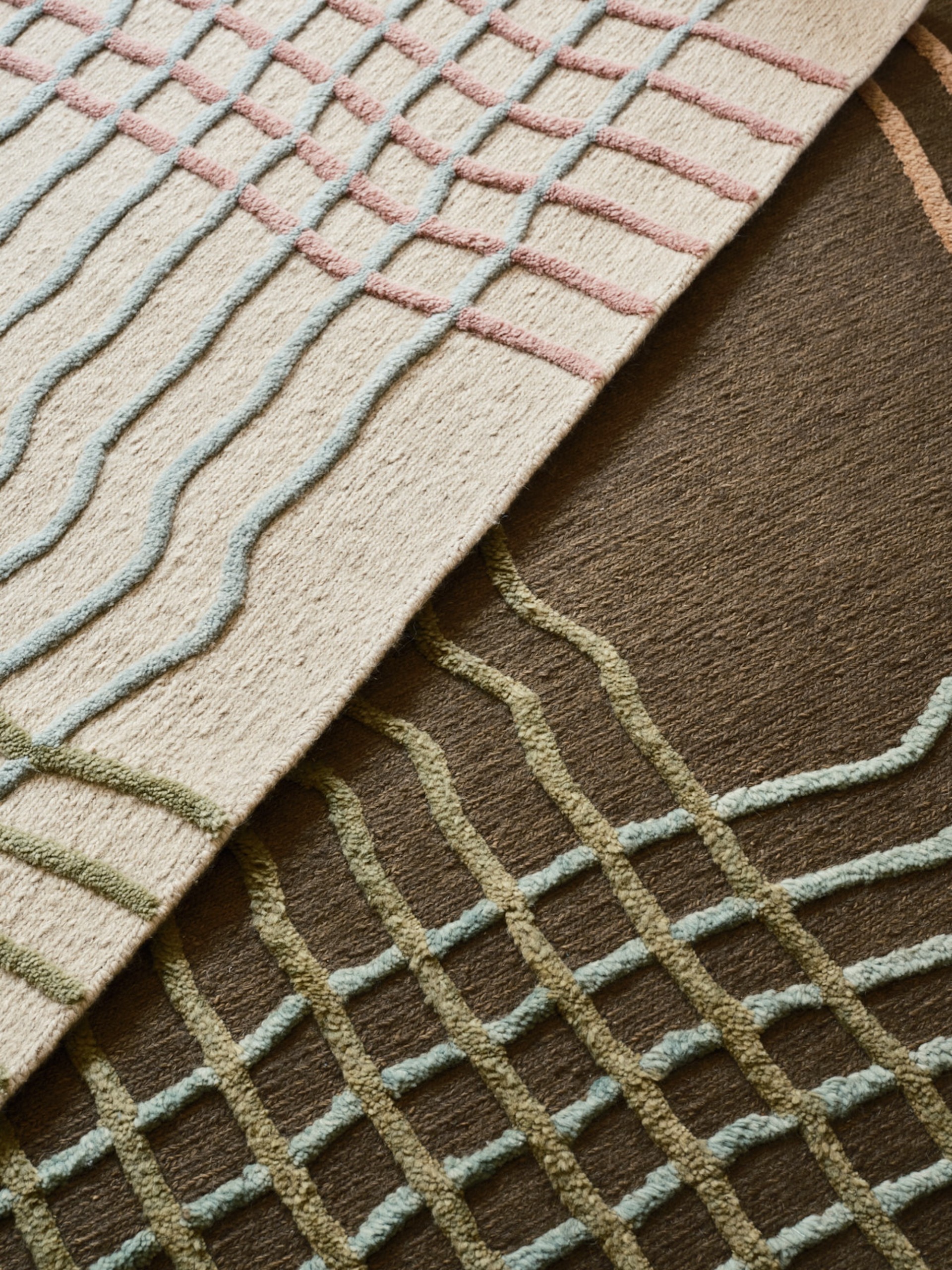
This process reflects a broader trend in the luxury home sector: the shift toward "bespoke-adjacent" manufacturing, where high-end designers demand total control over material outcomes, even when working with traditional artisanal methods. The collection’s palette is notably more muted than some of the vibrant, high-contrast pieces often associated with the Christopher John Rogers brand. This was a conscious decision made by the designer to ensure the pieces functioned as foundational elements within a domestic space, rather than as overwhelming focal points that might clash with a user’s existing interior architecture.
Analysis of the Collection: Finding Beauty in the Mundane
The collection includes standout patterns such as "Chalk Line," which replicates the literal marks left by tailors on fabric before cutting; "Marker Test," which turns repetitive scribbles into a sophisticated, geometric chequered pattern; and "Paintstroke," which utilizes desaturated bands to evoke the fluidity of watercolor.
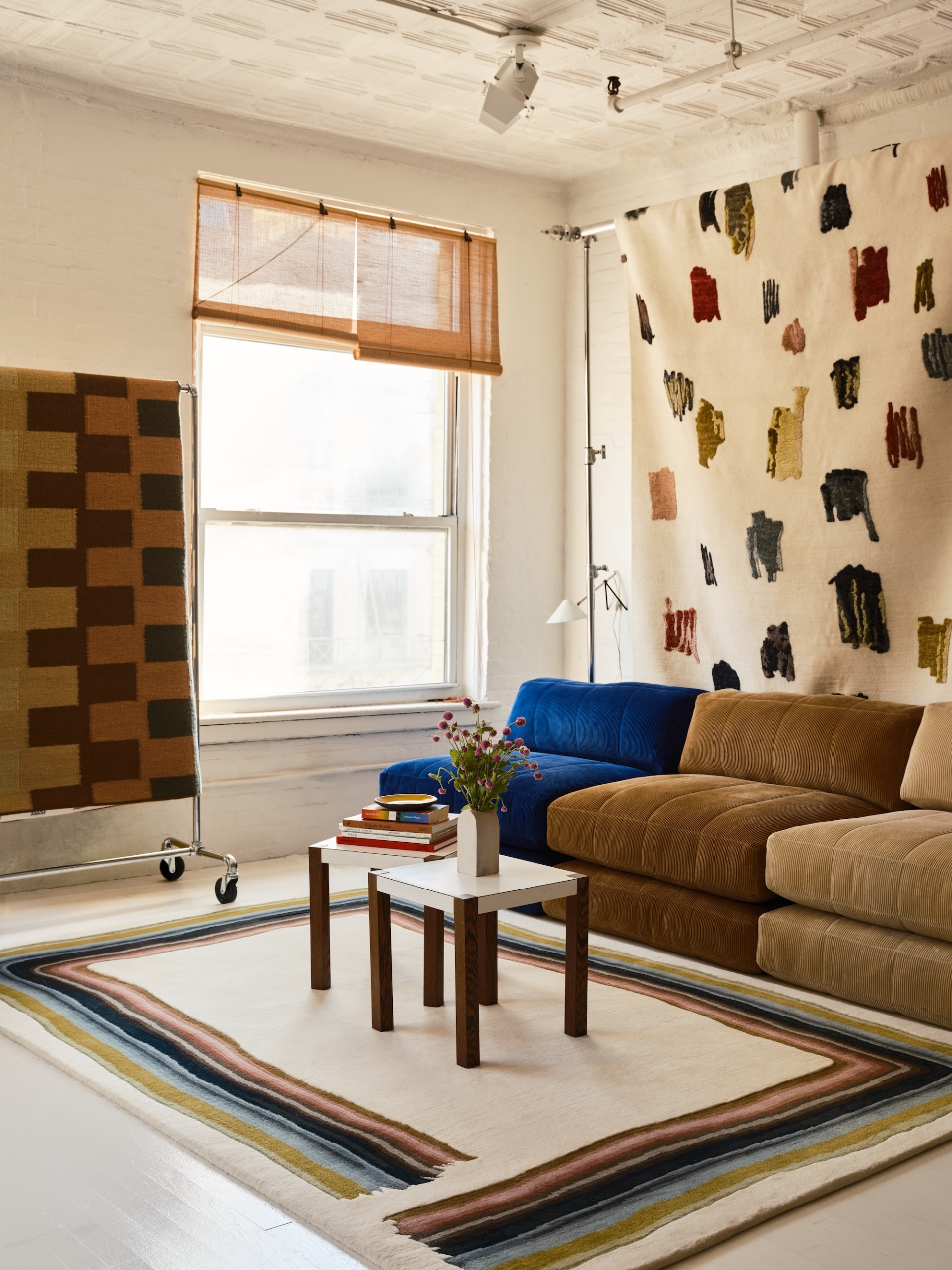
From an analytical perspective, The Studio collection represents a sophisticated evolution of the "art-object" rug. By aestheticizing the "disposable" tools of production—the marker tests and the chalk lines—Rogers is elevating the labor of design. He is inviting the consumer to participate in the "larger visual language" of his brand, offering an entry point into his aesthetic world that exists outside the constraints of seasonal fashion cycles.
Economic and Industry Implications
The collaboration serves as a case study for the current state of the luxury interior design market. Industry data suggests that consumers are increasingly seeking "story-driven" products that provide a sense of provenance and intellectual depth. By anchoring the collection in the specific, lived experience of a high-fashion studio, The Rug Company is effectively positioning these rugs as collectible assets rather than mere floor coverings.
Furthermore, the partnership underscores the growing interdependence between the fashion and home sectors. As the "lifestyle" brand model becomes the standard for designers, the ability to translate a brand’s DNA into physical objects—be it furniture, textiles, or lighting—is becoming a crucial metric of brand longevity. For Christopher John Rogers, this collaboration is a strategic expansion of his influence, proving that his design language is as capable of anchoring a living room as it is of commanding a red carpet.
Official Statements and Brand Strategy
The sentiment from both parties is one of mutual respect for the craft. Will Cooper’s goal for the collection was to ensure it felt "young, sophisticated, and sexy," mirroring the energy of the New York fashion scene while maintaining the heritage quality that defines The Rug Company’s output.
"I’ve never really thought about CJR as something that should only exist on the body," Rogers remarked. "There’s a larger visual language that we’re developing, and I love the idea of giving people different ways to participate in that world."
The Future of High-End Interiors
As the market continues to evolve, collaborations like The Studio suggest that the future of interior design lies in the cross-pollination of creative disciplines. The integration of fashion designers into the home space allows for a more fluid aesthetic, where the boundaries between clothing, art, and furniture continue to blur.
For The Rug Company, the collaboration is a testament to the enduring appeal of traditional craftsmanship when it is injected with the vitality of contemporary creative voices. By allowing designers like Rogers to push the boundaries of color, scale, and pattern, the brand ensures that it remains at the vanguard of the industry. The collection is currently available through The Rug Company’s global channels, serving as a physical manifestation of the designer’s internal process and a bridge between the high-octane world of the runway and the quiet, intimate sanctuary of the home.
Ultimately, the impact of this collection will likely be measured by its longevity. While fashion trends shift rapidly, a high-quality hand-knotted rug is designed to last for decades. By grounding the designs in the timeless, universal elements of artistic creation—the brushstroke, the line, and the color study—Christopher John Rogers has created a collection that is as much an enduring piece of art as it is a functional textile. This marriage of high-fashion sensibility and traditional manufacturing represents the next chapter in the ongoing narrative of modern design.