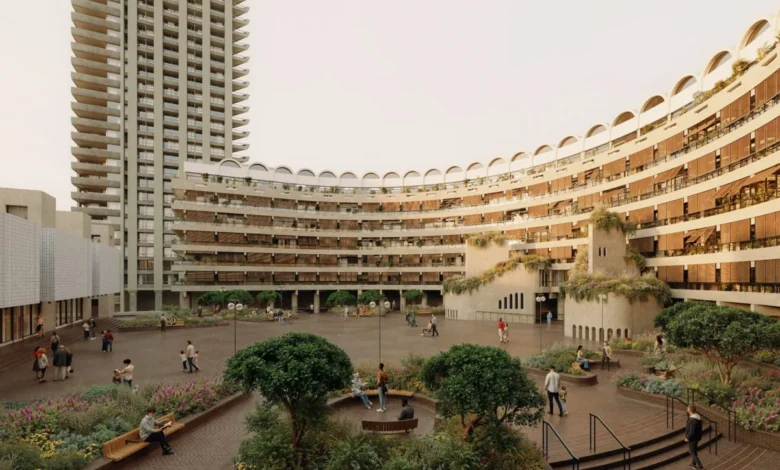
Situated beyond the Art Gallery, perched above the Concert Hall, and framed by the sweeping, geometric curve of Frobisher Crescent, the Barbican’s one-acre Sculpture Court has long been a conceptual cornerstone of the Centre’s design. Conceived by architects Chamberlin, Powell and Bon, the space was originally intended to bridge the gap between high-concept architecture and the rhythms of everyday life. For decades, the courtyard served as an atmospheric, albeit under-utilised, outdoor venue, occasionally hosting seasonal installations and outdoor cinema screenings. However, the relentless passage of time, combined with the inevitable deterioration of its brutalist infrastructure and challenges regarding site accessibility, saw the court fade into a state of relative dormancy.
This is set to change by 2030. As part of the broader "Barbican Renewal" programme—a comprehensive, long-term conservation effort designed to restore the Centre’s most significant spaces ahead of its 50th anniversary—the Sculpture Court will undergo a major refurbishment. The City of London Corporation has formally approved the plans, which aim to breathe new life into this Grade II* listed landscape while ensuring it remains compliant with modern standards of inclusivity and climate resilience.
A Chronology of the Barbican’s Evolution
The Barbican Centre, opened in 1982, represents one of the most ambitious urban planning projects in the United Kingdom’s history. Built on a site decimated during the Second World War, the Centre was designed as a "city within a city," a bastion of arts, education, and housing that exemplified the optimistic, structural ambition of the post-war era.
- 1982: The Barbican Centre officially opens to the public, hailed as a masterpiece of Brutalism. The Sculpture Court is established as a key feature of the elevated pedestrian walkways.
- Early 2000s: The Centre begins a series of incremental upgrades, though the Sculpture Court remains largely relegated to occasional use due to aging infrastructure and complex access routes.
- 2023–2024: The City of London Corporation announces the "Barbican Renewal" programme, a multi-year project to modernize the Centre.
- 2024: The National Lottery Heritage Fund awards an initial grant of £147,000 to kickstart the conservation and development of the Sculpture Court.
- 2025–2029: Development phase, including design refinement, public consultation, and site intervention.
- 2030: The projected reopening of the fully accessible and revitalized Sculpture Court.
The Scope of the Architectural Intervention
The restoration will be led by the renowned architectural firm Allies and Morrison, working in close collaboration with structural and environmental engineers at Buro Happold. The technical challenge is significant: the team must modernize the space without compromising its status as a protected Grade II* listed site.
The proposed interventions are as much about sustainability as they are about heritage. Central to the plan is the introduction of climate-resilient planting. Given the court’s unique position, the planting strategy must account for wind exposure, drainage, and the urban heat island effect, ensuring the space remains a lush, green "lung" for the City.
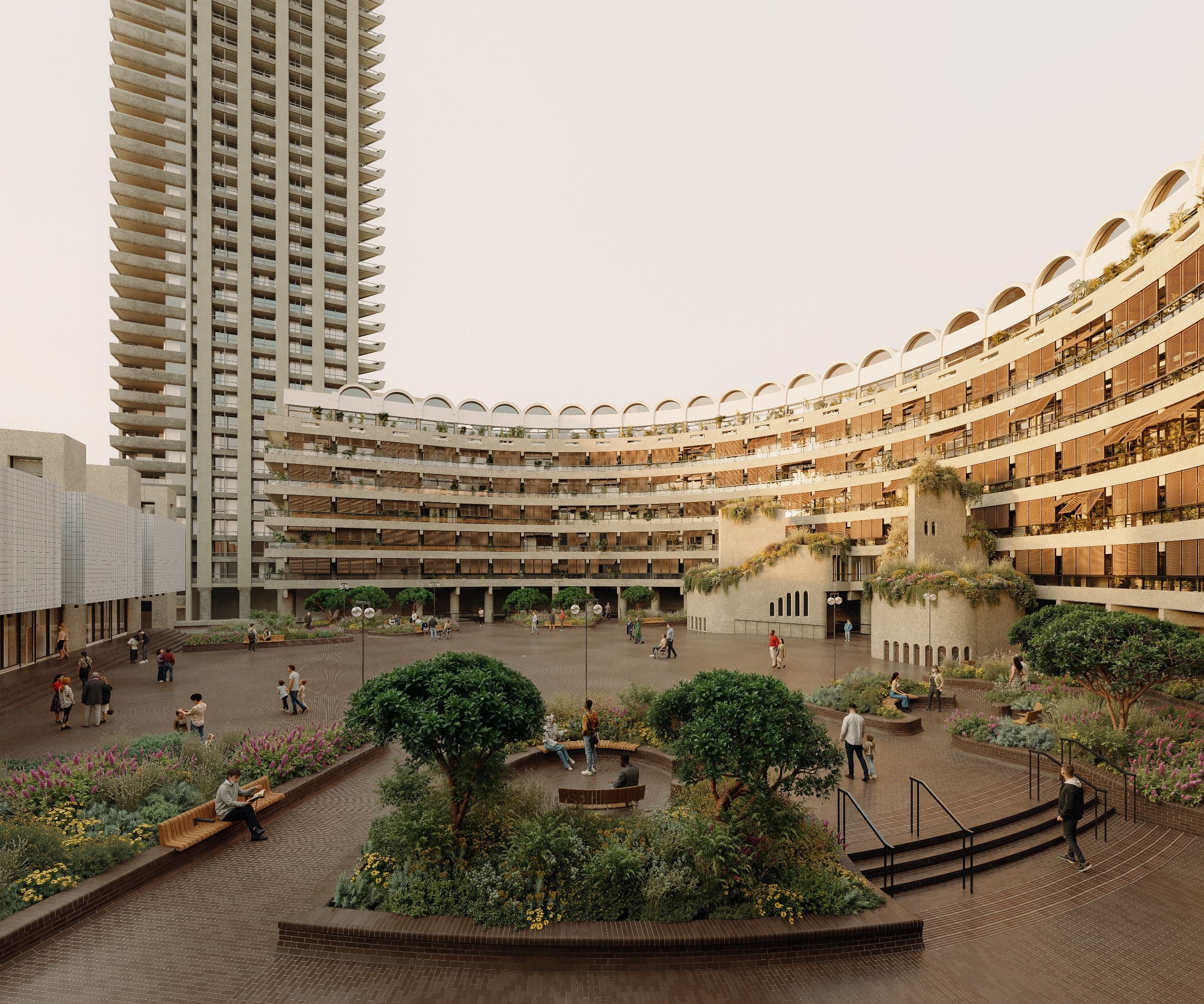
Beyond the landscaping, the project addresses the fundamental barriers to usage that have plagued the area for years. Upgraded lighting systems will enhance safety and extend the court’s viability for evening events, while new, intuitive wayfinding will guide visitors through the sometimes labyrinthine Barbican layout. Crucially, the introduction of step-free access and modern, accessible seating arrangements will ensure that the space is inclusive for all visitors, regardless of mobility requirements. By upgrading the underlying infrastructure to support high-capacity events, the Barbican aims to turn the court into a versatile venue capable of hosting exhibitions, performances, and public gatherings throughout the year.
Financial and Cultural Backing
The project has garnered significant support, most notably from The National Lottery Heritage Fund. Stuart McLeod, Director of England, London & South at the fund, emphasized the project’s cultural weight. "The Sculpture Court is a much-loved part of the Barbican’s remarkable heritage and one of London’s most distinctive Grade II* listed Brutalist landscapes," McLeod stated. "This project will not only safeguard its heritage for future generations but also establish a vibrant urban green space that will enrich the Barbican experience for visitors and the local community."
The £147,000 grant serves as a foundational investment, signaling a broader commitment from the City of London Corporation to maintain the Barbican’s status as a global cultural destination. This investment is not merely about aesthetic repair; it is an economic and social imperative to keep the Barbican relevant in a city that is rapidly evolving.
Inclusive Design and Community Engagement
A defining characteristic of the current renewal effort is its focus on community-led design. Recognising that the Barbican belongs to the public, the development team hosted a "Co-Design Day" specifically targeting youth participants aged 16 to 25. By engaging the next generation in the planning process, the Barbican is attempting to ensure that the revitalized court serves the needs of its future users rather than relying solely on legacy architectural assumptions.
This focus on inclusivity is a reflection of the Centre’s shift in philosophy. Philippa Simpson, Chief Operating Officer at the Barbican Centre, noted, "Culture belongs to everyone, to our communities and to the next generation. These milestones represent further momentum in the Barbican Centre’s renaissance, securing the future of a cultural icon and global destination as we approach our 50th birthday, and making sure these special spaces continue to inspire people for generations to come."
The Broader Impact on London’s Urban Fabric
The restoration of the Sculpture Court is a litmus test for the preservation of mid-century modern architecture. Brutalism has historically been a polarizing style, often criticized for its stark, concrete-heavy aesthetic. However, the Barbican remains a beloved exception, largely due to the successful integration of arts programming with its built environment.
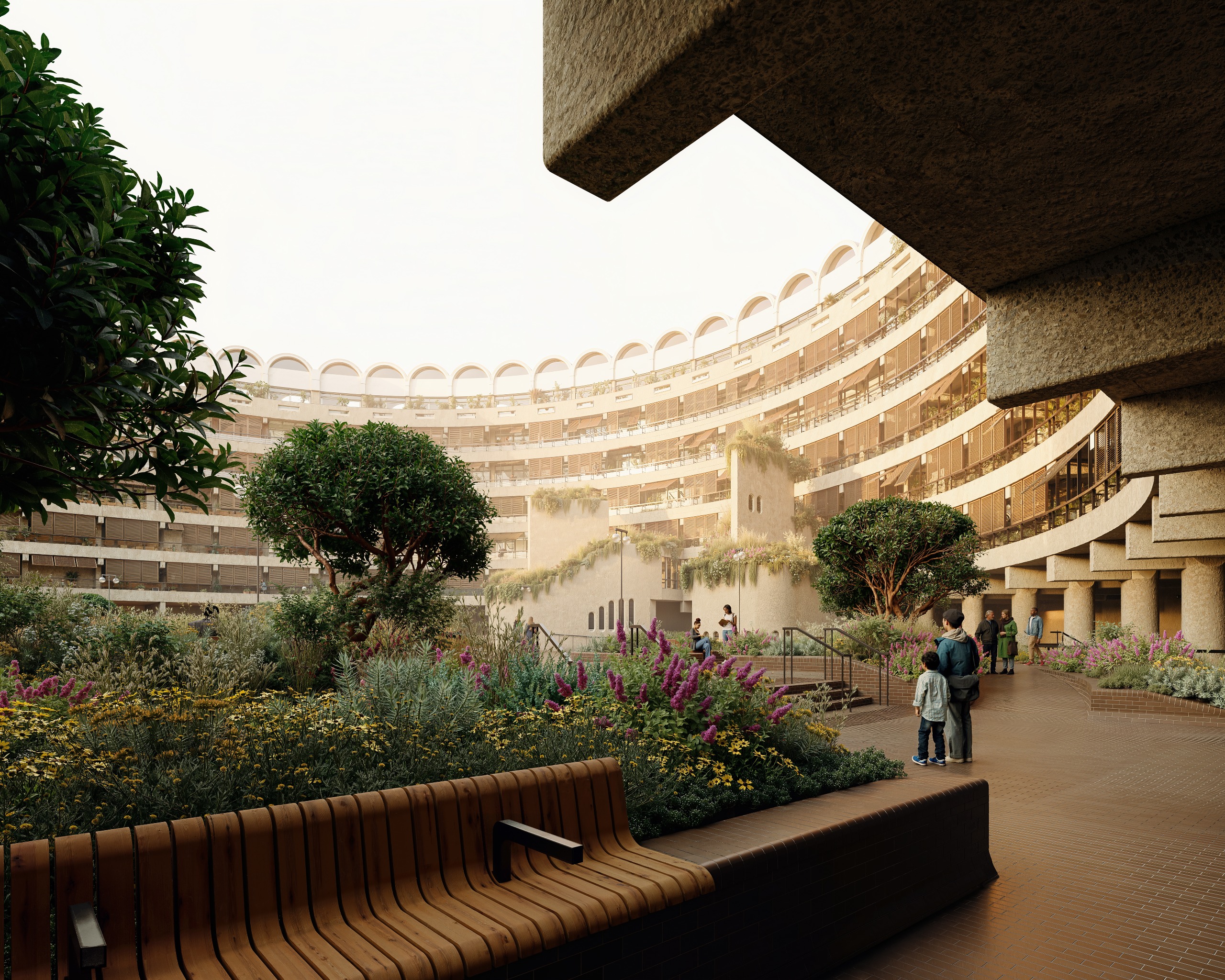
The implications of this project are twofold. First, it demonstrates a model for how heritage sites can be "upcycled" to meet modern environmental standards. By prioritizing climate-resilient planting and energy-efficient lighting, the Barbican is setting a precedent for other protected 20th-century sites that must balance preservation with the urgent need for sustainability.
Second, the revitalization highlights the importance of the "public realm" in a dense financial district. As London continues to grow, the availability of high-quality, free-to-access outdoor space is becoming increasingly rare. The Sculpture Court, once finished, will serve as a sanctuary, providing a rare pause point within the frenetic activity of the City of London.
While the Barbican Centre is expected to undergo various phases of closure during the wider renewal programme, the management has committed to maintaining its presence. By extending programming beyond the walls of the Centre and into other venues across London, the Barbican ensures that its cultural influence remains uninterrupted even as it undergoes this physical metamorphosis.
As the project moves toward its 2030 completion date, the Sculpture Court will serve as a bridge between the radical visions of the 1970s and the diverse, climate-conscious needs of the 2030s. It is a testament to the resilience of the Barbican that its most challenging spaces are not being demolished, but rather invited to participate in a new era of urban vitality. For a site that has seen the city change around it for nearly half a century, the Sculpture Court’s future looks to be as bold as its concrete foundations.