The High-Tech Pursuit of Perfection: Keely Hodgkinson and the Evolution of Track Apparel


The women’s 800-metre outdoor world record remains the most resilient mark in modern athletics, a towering testament to the performance of Czech runner Jarmila Kratochvílová, who clocked 1:53:28 in 1983. For over four decades, this record has withstood the advancements in training science, track surfaces, and nutritional strategies that have seen nearly every other major record in track and field fall. However, the emergence of British middle-distance star Keely Hodgkinson has brought this historic benchmark back into the crosshairs of global athletics. Hodgkinson’s trajectory over the past year has been nothing short of meteoric, culminating in a performance in Stockholm this June that saw her stop the clock at 1:54:33—a new British national record and the sixth-fastest time in the history of the event.
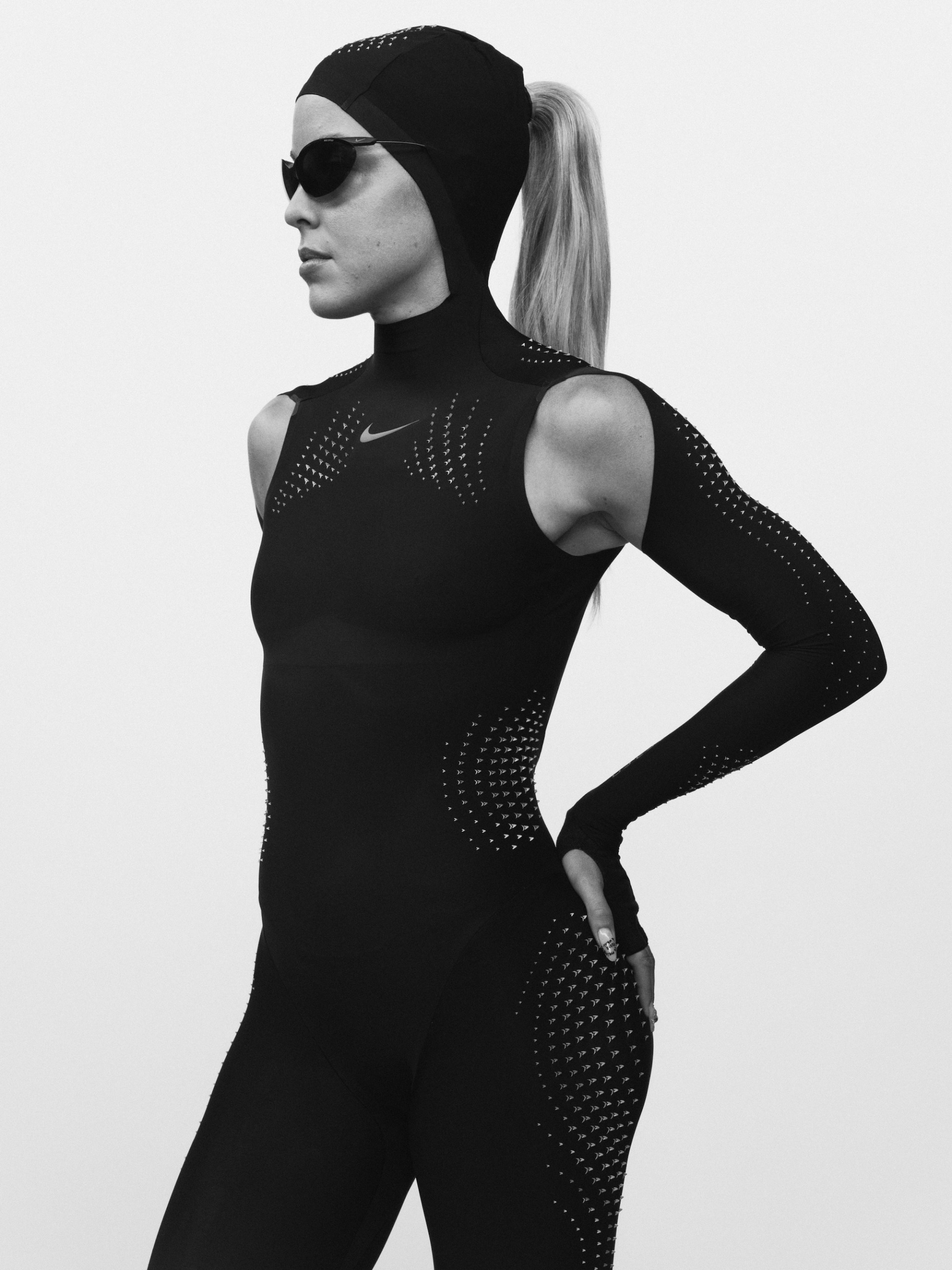
As Hodgkinson concludes her season at the inaugural Athlos meet at London’s StoneX Stadium, the focus shifts not only to her tactical prowess on the track but also to the intersection of human performance and textile engineering. While injury has forced a tactical pause in her assault on the world record, her appearance at Athlos is notable for her debut of a bespoke, high-performance Nike speed suit, an ensemble that represents the current state of the art in athletic apparel.

The Anatomy of the 800 Metres: A Hybrid Challenge
The 800-metre event is widely considered one of the most physically demanding disciplines in track and field. Unlike the 400-metre sprint, which is largely an anaerobic effort, or the 1500-metre run, which relies heavily on aerobic capacity, the 800 metres occupies a precarious middle ground. It requires the explosive speed of a sprinter combined with the aerobic threshold and lactic acid tolerance of a distance runner.
Dan Farron, Nike’s vice president of innovation apparel product design, describes the event as the “last tipping point” before a runner enters the world of pure endurance. This unique physiological requirement informs the design of the equipment worn by athletes like Hodgkinson. The challenge for engineers is to create a kit that provides zero-distraction mobility while maintaining thermoregulation and minimizing aerodynamic drag—factors that become critical when racing at the margins of human capability.
Chronology of a Record-Chasing Rise
Keely Hodgkinson’s ascent has been defined by a rapid succession of milestones that have signaled her intent to challenge the sport’s most elusive record.

- February 2024: Hodgkinson makes a definitive statement by shattering the women’s indoor 800-metre world record, showcasing a level of tactical maturity and speed that suggests she is entering her prime.
- June 2024: During the Diamond League meet in Stockholm, Hodgkinson runs 1:54:33. This time is significant not only as a British record but as an indicator that the 1:53:28 barrier is within a reachable, if narrow, margin of error.
- Late Summer 2024: Following her Olympic success, development begins on a specialized kit in collaboration with Nike’s innovation team. The goal is to provide a competitive edge for end-of-season appearances.
- September 2024: The unveiling of the custom speed suit at the Athlos meet marks a shift in how athletes are approaching marginal gains, moving beyond biomechanics and into the realm of advanced textile engineering.
Engineering the Second Skin
The design process for Hodgkinson’s current speed suit was a multi-month endeavor that bypassed traditional prototyping methods in favor of high-fidelity digital modeling. Utilizing 3D body scanning, Nike’s design team created a precise digital avatar of Hodgkinson. This allowed the team at Nike’s Beaverton, Oregon headquarters to iterate on the suit’s fit without requiring the athlete to travel from her Manchester-based training center.
The suit is a masterclass in functional design, prioritizing the removal of any element that could induce drag. The traditional zipper—a staple of athletic wear—has been completely removed. The ensemble is a seamless, full-length silhouette designed to function as a "second skin."
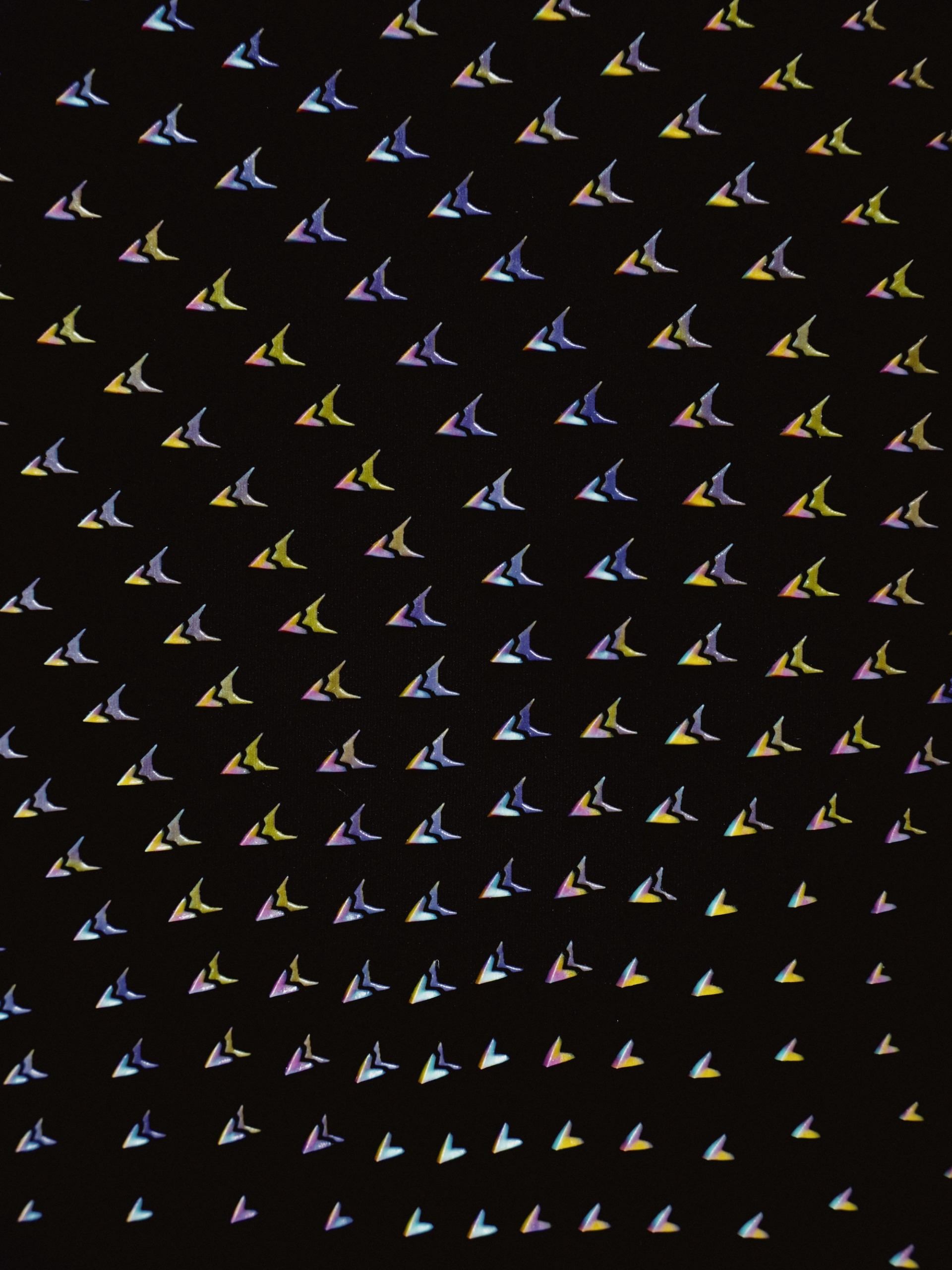
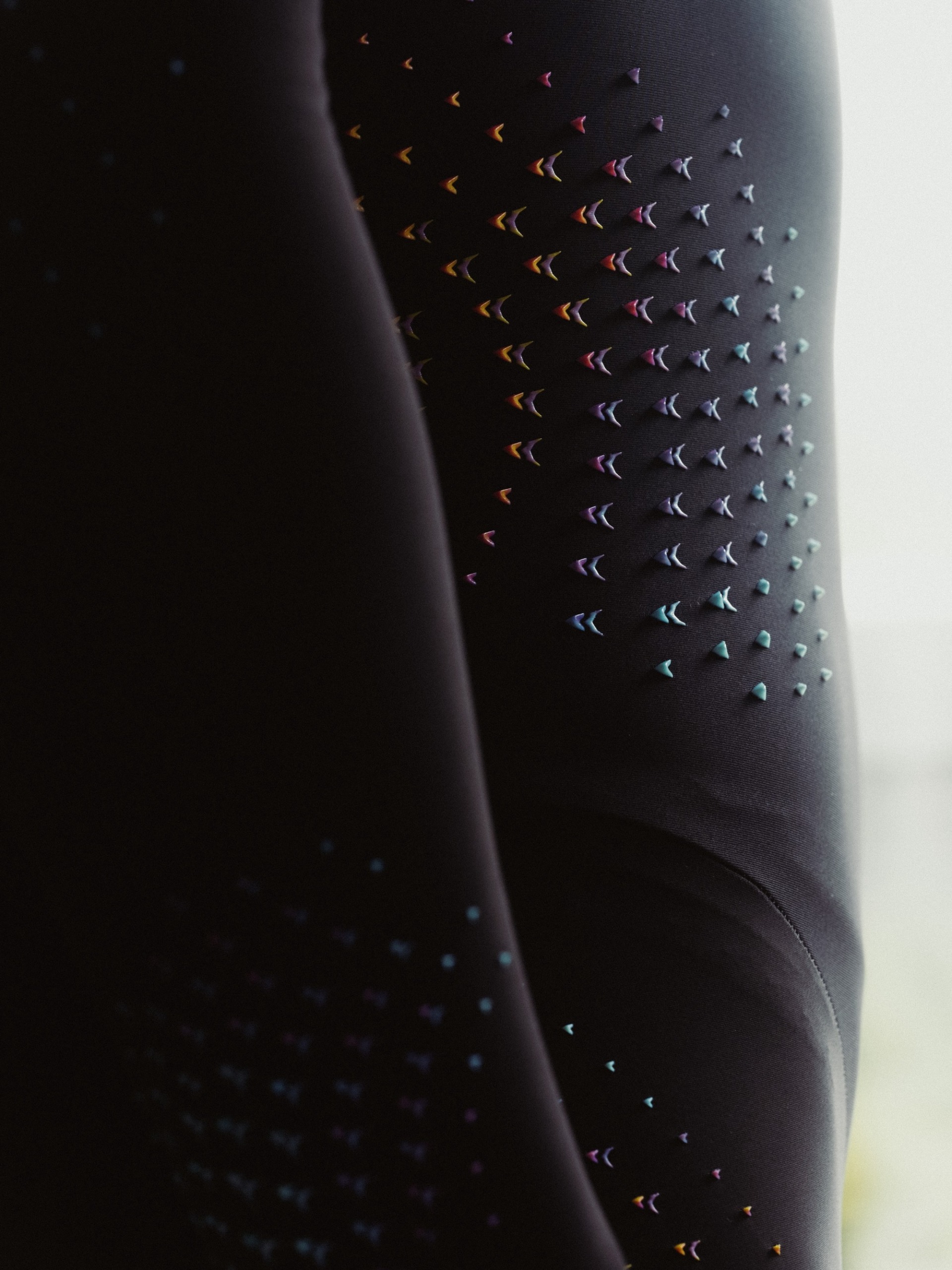
Perhaps the most significant innovation is the integration of "mini vortex generators." These are tiny, wing-shaped 3D protrusions embedded within the polyknit fabric. By manipulating the airflow around the athlete’s limbs, these generators allow for more efficient movement through the air, effectively reducing the energy cost of running at high velocities. Furthermore, the inclusion of integrated finger gloves serves to eliminate fabric bunching at the hands, maintaining a clean, aerodynamic profile throughout the arm-swing motion.
The Return of the Hooded Silhouette
The most visually striking element of the suit is the hood, a design choice that recalls the iconic, controversial, and highly effective "Swift" suits worn by athletes like Cathy Freeman at the 2000 Sydney Olympics.
For the modern athlete, hair management is a significant aerodynamic consideration. A ponytail, while standard, creates turbulence as it moves during the running gait. By incorporating a hood with a dedicated opening for her ponytail, the design team has managed to stabilize the airflow around the head and neck. According to Farron, this was a specific requirement to ensure that Hodgkinson’s signature aesthetic remained intact while maximizing the aerodynamic efficiency of the kit.
"We think we can make you faster if we cover more skin," was the radical hypothesis presented to Hodgkinson. Her acceptance of this premise underscores a growing trend among elite track athletes to embrace specialized, full-coverage gear that was previously reserved for time-trial cyclists or speed skaters.
The Psychology of Performance
Beyond the raw physics of drag coefficients and textile weave, there is the psychological component of elite performance. When an athlete steps onto the track, the perception of their own equipment can influence their confidence and sense of readiness.
Dan Farron emphasizes that while the technical metrics were the priority, the "power" the athlete feels when wearing the gear is equally important. "She has her own style and her own aesthetic. We cannot compromise that," Farron notes. This synthesis of personal brand identity and scientific performance ensures that the athlete is not just wearing a suit, but is, in effect, wearing a piece of technology that is uniquely calibrated to her physiology.
Implications for the Future of Athletics
The development of such specialized apparel raises questions regarding the future of the sport. As the gap between the current record and the top-tier athletes continues to narrow, the influence of technology in athletics becomes more pronounced.
While the International Association of Athletics Federations (IAAF) has strict regulations regarding footwear—primarily concerning the thickness of foam and the use of carbon plates—the regulations governing apparel are focused largely on ensuring fairness and preventing prohibited mechanical assistance. A speed suit, while advanced, remains a passive device. However, as these suits move closer to the performance characteristics of those used in cycling or swimming, the governing bodies may be forced to refine their definitions of what constitutes "natural" athletic performance versus "engineered" performance.
For now, the focus remains on the track. For Keely Hodgkinson, the pursuit of the 800-metre record is a long-term project. Whether or not she ultimately topples Kratochvílová’s time, her willingness to engage with the latest in performance science highlights a shift in the sport. Today’s middle-distance runners are treating their preparation with the same level of granular detail as Formula 1 teams or Olympic track cyclists.
As the Athlos meet brings together the best in women’s track and field, the presence of these specialized suits signals a new era. The sport is no longer just about the strength of the stride or the capacity of the lungs; it is about the marriage of biology and engineering. In this high-stakes environment, every millisecond counts, and for Hodgkinson, the pursuit of the world record is a race being won on both the track and the design floor. With the season drawing to a close, the stage is set for a future where the barriers of the past are dismantled by the innovations of the present.