Recent Additions to Dezeen Showroom Highlight Innovative Global Product Design and Sustainable Materiality

The contemporary design landscape continues to evolve through a synthesis of regional heritage, advanced manufacturing techniques, and a rigorous focus on sustainability. This overarching trend is prominently reflected in the latest round of product launches featured on Dezeen Showroom, a dedicated platform for architecture and design brands to connect with a global audience of specifiers, architects, and interior designers. From seating solutions inspired by the rustic architecture of the Australian outback to tactile surfaces mimicking French limestone and concrete, the recent curation demonstrates how contemporary designers are reinterpreting traditional typologies for modern living and working environments.

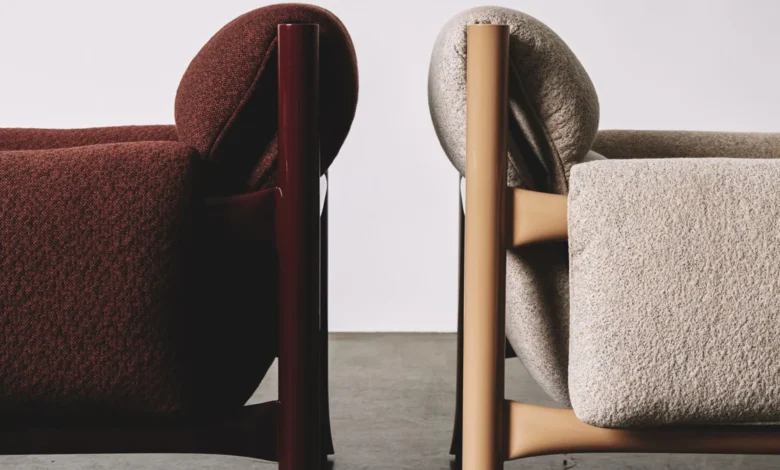
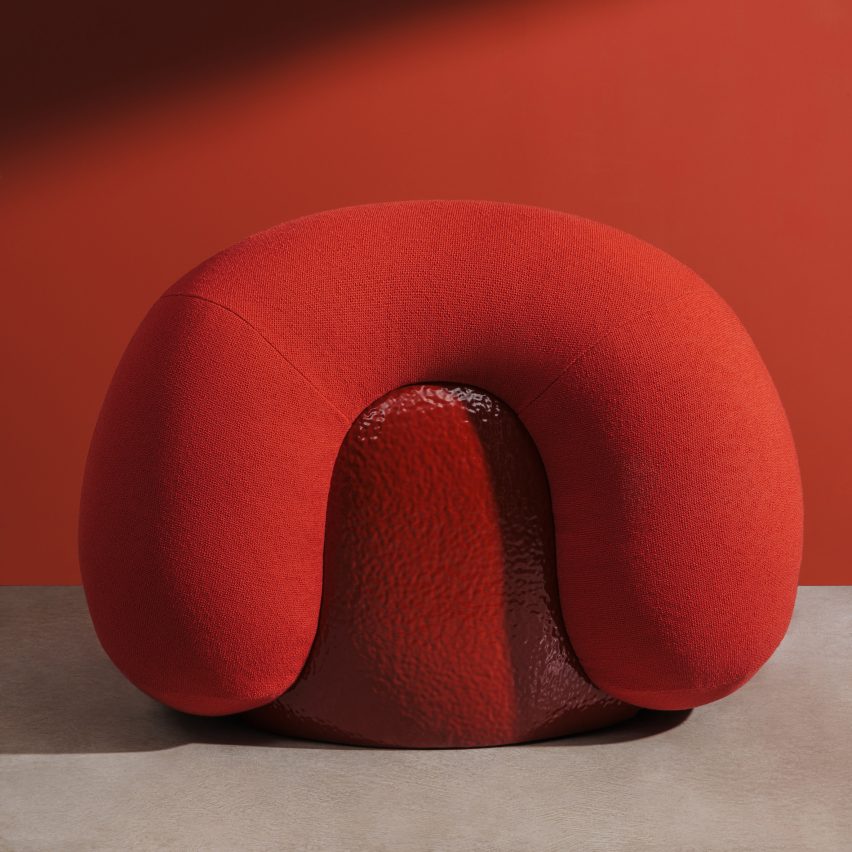
The intersection of narrative-driven storytelling and industrial manufacturing serves as a primary driver for several standout pieces in the current showcase. Chief among these is the Cattle armchair, developed by design duo Gibson Karlo in collaboration with Australian furniture manufacturer Design By Them. The product draws direct visual and structural references from the utilitarian, robust construction methods found in rural agricultural buildings across Australia. By translating the unpretentious geometry of outback infrastructure into a refined commercial seating option, the designers have created a piece that balances industrial ruggedness with domestic comfort. The armchair features a robust metal frame available in glossy deep burgundy or camel beige finishes, complemented by plump, draped cushions upholstered in textiles sourced from premium textile houses Kvadrat and Maharam.
Chronology of Innovation and Material Exploration
The rollout of these products highlights an ongoing industry-wide shift toward sensory-rich interiors and multifunctional spatial components. Over the past several quarters, manufacturing sectors have accelerated the development of composite materials, biophilic references, and adaptable furniture systems to meet the changing demands of post-pandemic residential and commercial architecture.
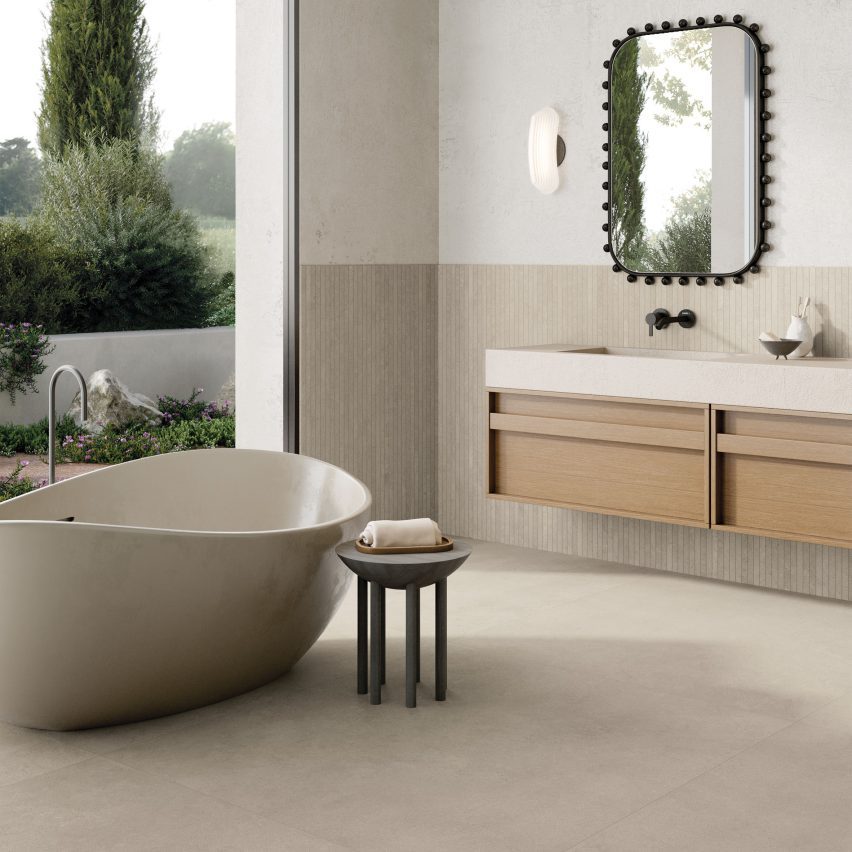
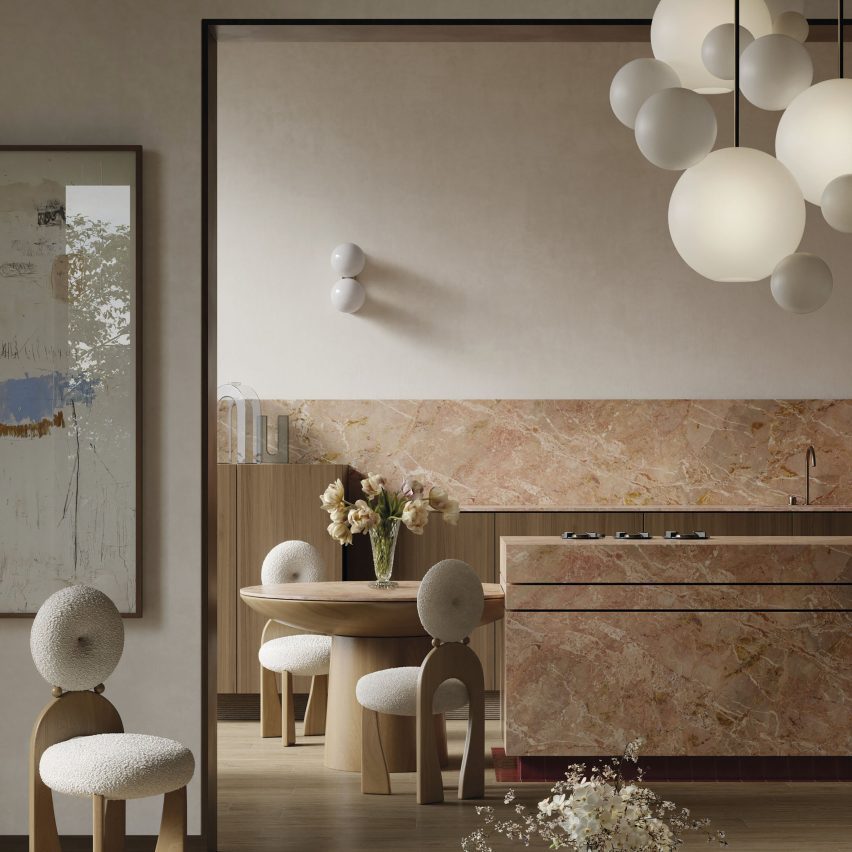
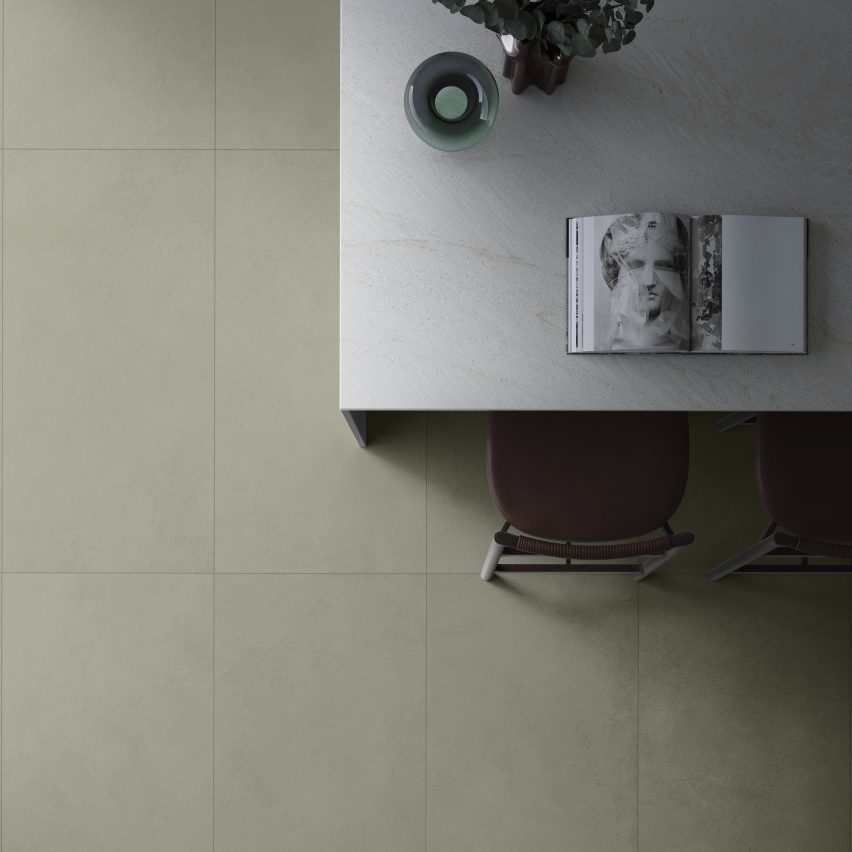
In the realm of architectural finishes, ceramic and solid-surface manufacturers have made significant strides in replicating organic textures with high fidelity. Italian brand Ceramiche Keope introduced its Grace tile collection, which takes its primary aesthetic cues from traditional French limestone. Available in diverse size formats, subtle colorways, and mottled surface finishes, the collection caters to architects seeking the tactile warmth of natural stone combined with the durability and maintenance advantages of porcelain. Similarly, Iris Ceramica expanded its catalog with the Breccia Rosa 4D slab tile, a ceramic product that successfully mimics the soft, rosy tonalities and complex veining of luxury marble, offering varied applications and dual thickness options for large-scale architectural projects.
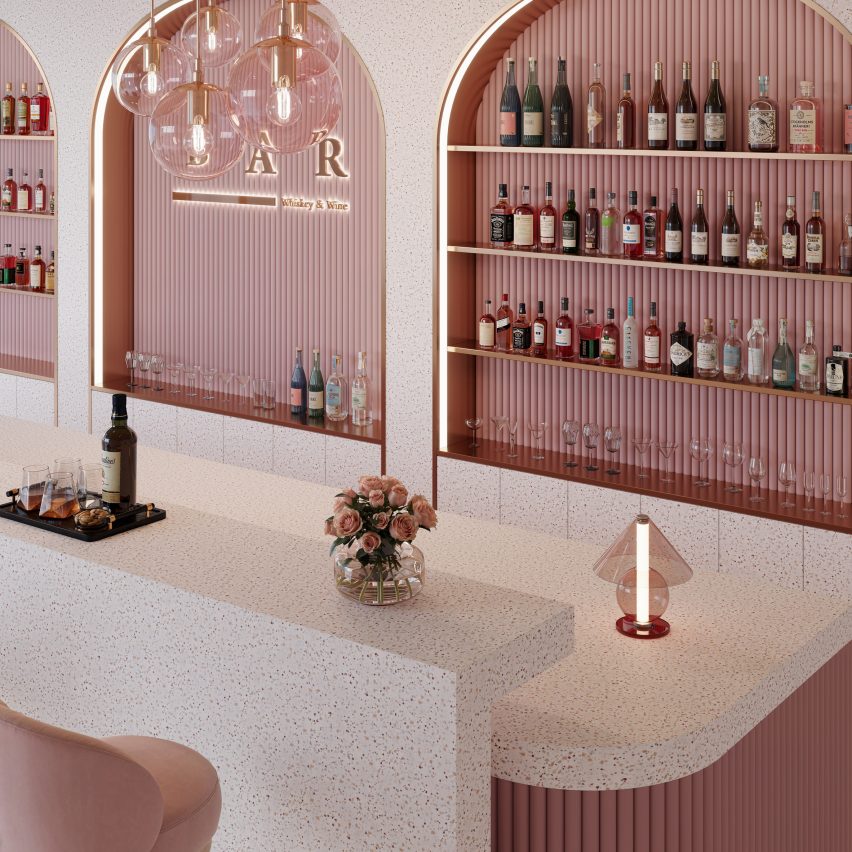
Solid-surface pioneer HIMACS has similarly bolstered its material offerings by introducing five new colourways to its terrazzo-inspired collection: Terrazzo Ulivo, Terrazzo Nuvola, Terrazzo Sorrento, Terrazzo Marsala, and Terrazzo Selva. These additions feature playfully flecked surfaces with minute color variations, responding to an enduring market preference for speckled, aggregate-based aesthetics in both residential kitchens and commercial hospitality venues. Swiss manufacturer Vitra has also contributed to this material exploration with its Resincode porcelain tile collection, which emulates the fine granular texture of industrial concrete across seven distinct colorways.
Evolution of Workplace and Hospitality Seating
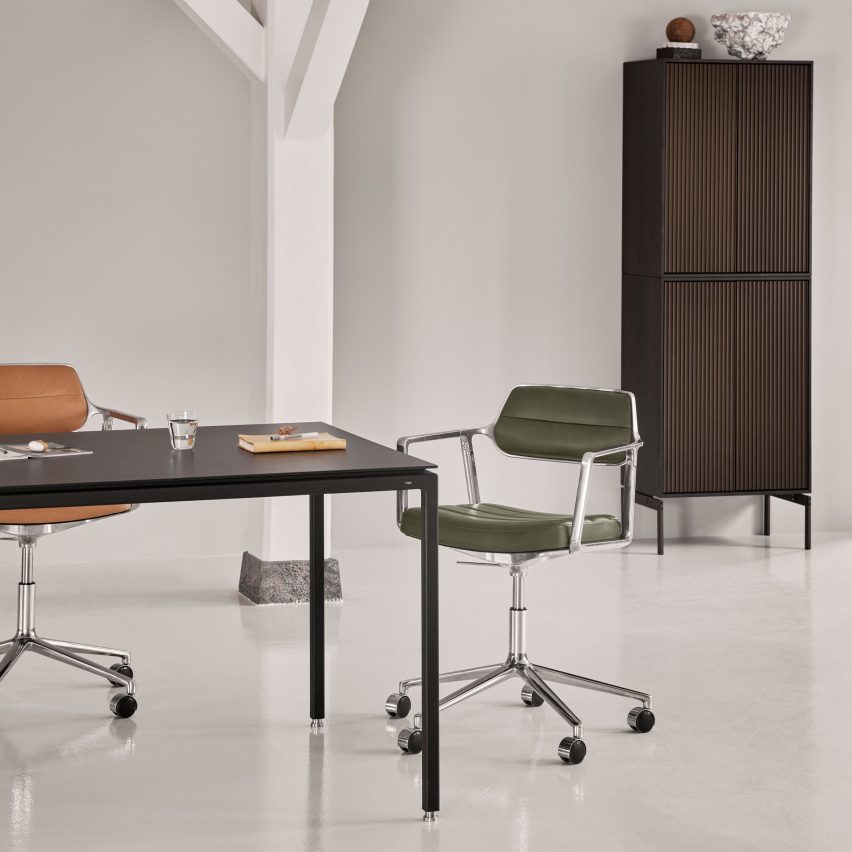
The demand for ergonomic, highly adaptable seating designed for flexible office configurations and hybrid workspaces remains robust. Danish brand Vipp addressed this market sector with the introduction of the Vipp453 Swivel chair. Featuring a minimal, flowing aluminum frame mated to an upholstered seat pad and backrest, the chair is part of a broader collection of task seating. It incorporates a four-star, 360-degree rotating base that can be customized with either castors or stationary gliders, bridging the gap between residential comfort and corporate functionality.
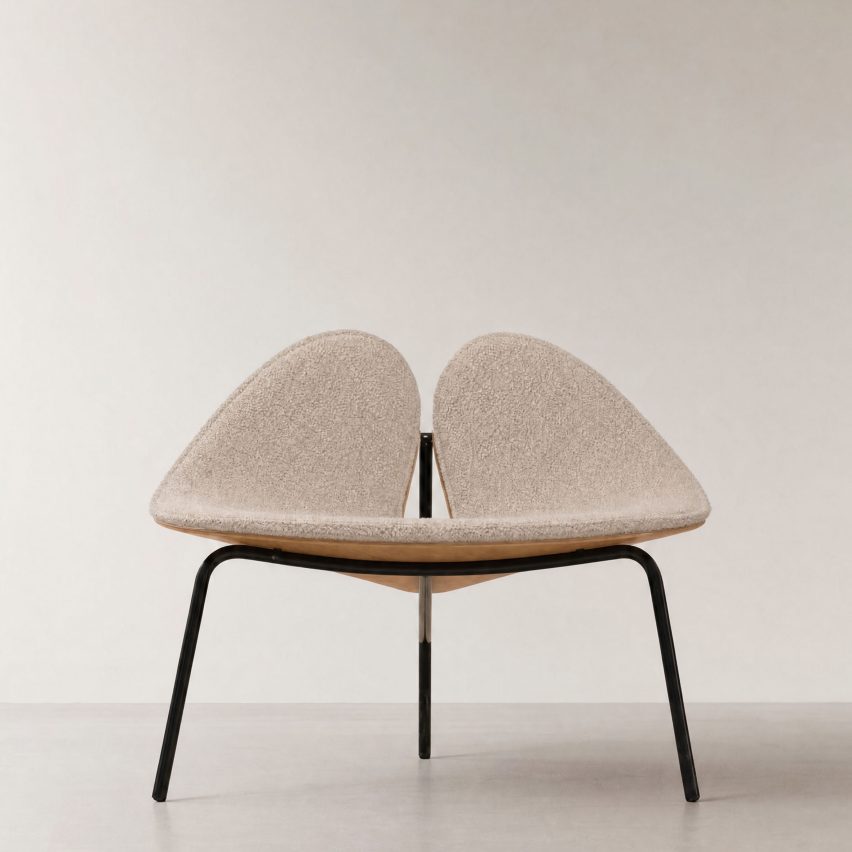
Meanwhile, lounge seating has taken on more expressive, sculptural forms. Designers Anne-mette Bartholin and Morten Ernst revisited their early 2000s design for furniture brand Cozmo, resulting in the Gingko lounge chair. Characterized by a lobed seat and backrest that explicitly reference the distinctive fan-shaped leaves of the ginkgo tree, the chair is supported by a minimal tri-legged base. In a similar vein, designer Patricia Urquiola teamed up with Andreu World to create the Nina lounge chair. Drawing simultaneous inspiration from Baroque painting traditions and 1970s avant-garde design, the Nina chair contrasts a hard, hammered-texture exterior shell with a soft, organically shaped upholstered interior.
Lighting, Heating, and Space-Saving Adaptability
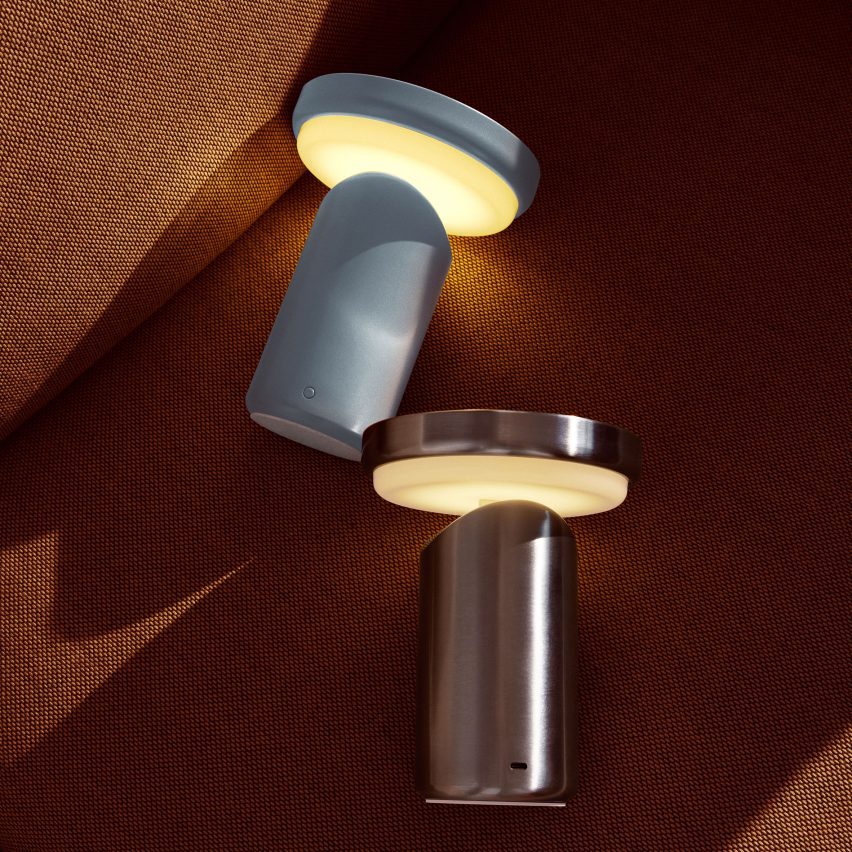
Technological integration and spatial efficiency represent additional key pillars of the recent Dezeen Showroom curation. In the lighting sector, Felix Pöttinger Design Studio collaborated with German brand Maytoni to develop the Topo portable lamp. Designed as a rechargeable table lamp with a tiltable head, Topo is offered in black, light blue, brown, and polished metal finishes, incorporating a translucent diffuser designed to emit a warm, ambient glow suitable for hospitality and residential environments.
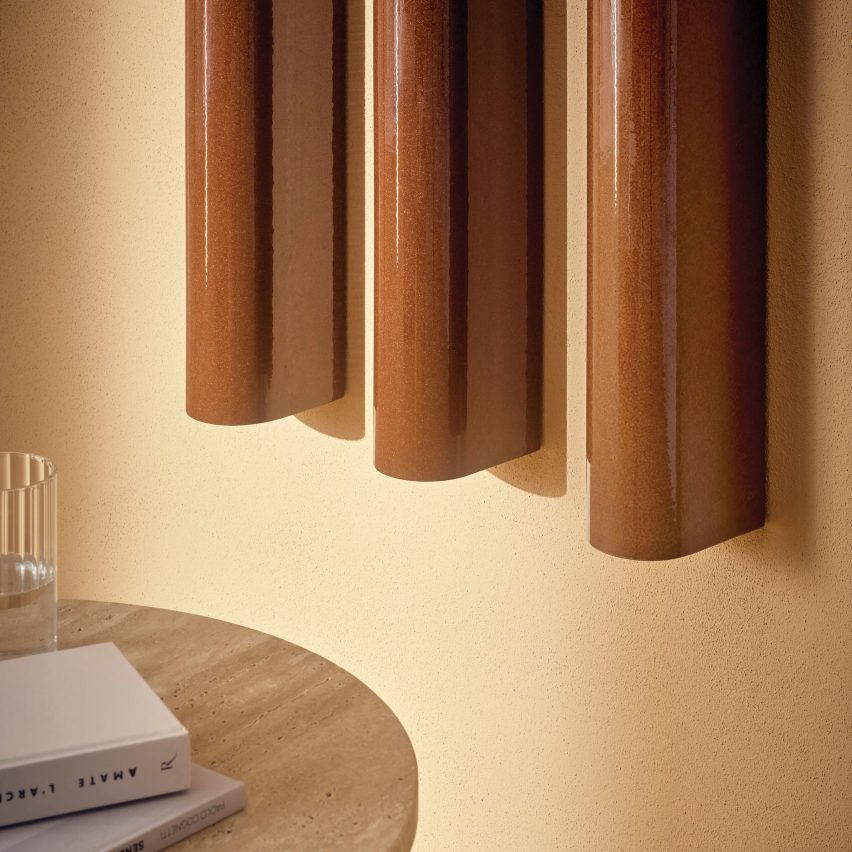
Heating technology has similarly been approached through a design-forward lens. Sebastian Herkner’s collaboration with heating manufacturer Tubes yielded the Terre radiator, a wall-mounted unit crafted from terracotta. Moving away from the purely utilitarian white steel panels traditionally associated with domestic heating, Herkner’s design features a glossy finish available in neutral and vivid palettes, allowing units to be mounted individually or arranged in rhythmic vertical groupings.
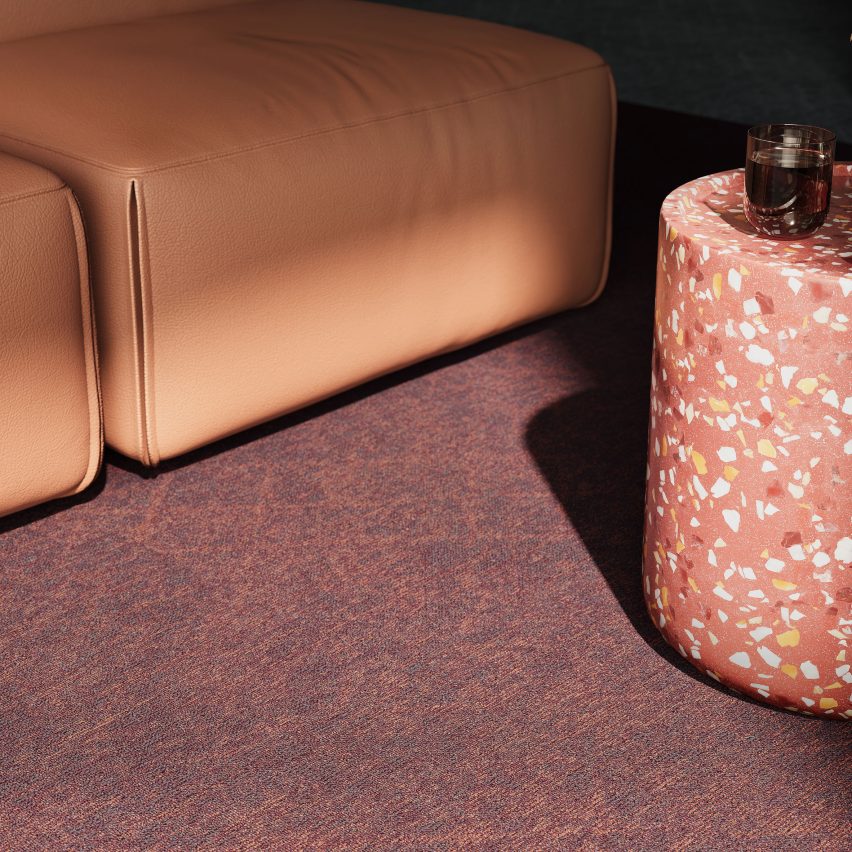
Addressing the spatial constraints of contemporary urban housing, Finnish brand Khoy introduced a transformative seating solution that converts from a compact armchair or sofa into a fully functional floor bed via a simple zip mechanism. Available in sizes ranging from single to king, the Khoy sofa bed offers an adaptable alternative for guest accommodations in small apartments and multi-use spaces. Flooring innovation has also kept pace, with Belgian company Modulyss expanding its modular offerings through the introduction of the First Sway carpet tile and broadloom collection, featuring a brushed pattern of muted tones available across 18 distinct colorways.
Industry Implications and Market Impact
The continuous influx of cross-disciplinary collaborations and material advancements highlights the vital role that digital platforms play in the contemporary design economy. By providing manufacturers with a direct channel to specifiers, showcases such as Dezeen Showroom accelerate the commercial adoption of innovative products.
Analysts note that the current emphasis on tactile surfaces, biophilic forms, and dual-purpose furniture reflects broader consumer and corporate shifts toward spaces that prioritize well-being, psychological comfort, and environmental longevity. As architects and interior designers face increasingly stringent sustainability mandates and shifting spatial requirements, the availability of versatile, high-performance materials and adaptable furnishings will remain a critical factor in shaping the built environment of the future. The diversity of products featured in this latest showcase underscores an industry that is simultaneously looking backward to honor traditional craftsmanship and forward to embrace technological and material evolution.