Audeze Redefines Gaming Audio with the Maxwell 2 ANC Incorporating Advanced Adaptive Noise Cancellation and Seal Compensation Technology

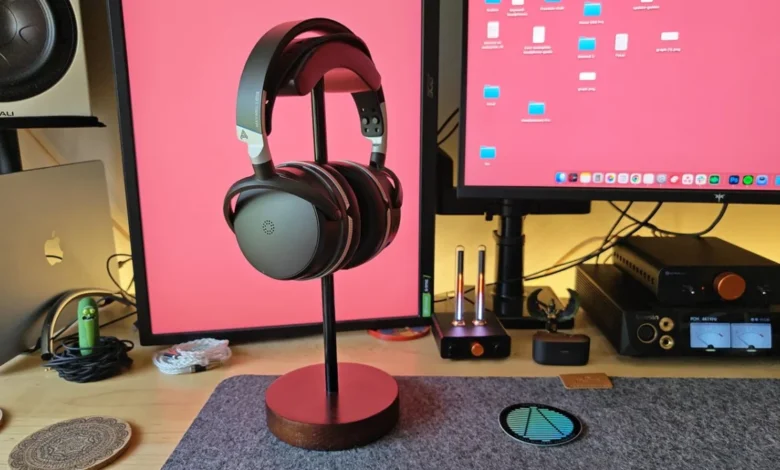
The California-based audio manufacturer Audeze has officially announced the release of the Maxwell 2 ANC, a high-fidelity gaming headset priced at $449 that aims to bridge the gap between professional studio monitoring and low-latency gaming performance. Since its inception in 2008, Audeze has developed 38 distinct headphone models, primarily focusing on the audiophile market through its signature planar magnetic driver technology. However, in recent years, the company has pivoted significantly toward the gaming sector, a move that culminated in the original Maxwell series and now its successor, which integrates an advanced adaptive hybrid Active Noise Cancellation (ANC) system designed to solve traditional acoustic challenges inherent in closed-back designs.
The Maxwell 2 ANC enters a highly competitive premium gaming market, positioning itself against established rivals such as the SteelSeries Arctis Nova Pro and the Turtle Beach Stealth Pro. While many gaming headsets prioritize flashy aesthetics or software-based surround sound, Audeze has focused the Maxwell 2 ANC on raw hardware performance and digital signal processing (DSP) innovations. The primary differentiator for this model is not merely the inclusion of noise cancellation, but the way that cancellation technology interacts with the headset’s tuning to ensure a consistent audio experience across different users.
A Chronology of Innovation: Audeze’s Path to the Maxwell 2 ANC
To understand the significance of the Maxwell 2 ANC, it is necessary to examine the trajectory of Audeze over the last decade and a half. Founded in a garage in 2008, the company initially gained fame for its LCD series of open-back headphones, which became staples in high-end recording studios and the homes of dedicated audiophiles. These headphones utilized planar magnetic drivers—thin diaphragms suspended in a magnetic field—which offered faster transient response and lower distortion than the dynamic drivers found in most consumer electronics.
The company’s foray into gaming began in earnest with the Audeze Mobius in 2018, which introduced Waves Nx 3D audio and head-tracking technology. This was followed by the Penrose, which optimized the wireless experience for console users. However, it was the 2023 launch of the original Maxwell that solidified Audeze’s reputation in the gaming community. The Maxwell was praised for its massive 90mm planar magnetic drivers and exceptional battery life. The release of the Maxwell 2 ANC represents the next stage of this evolution, responding to consumer demand for high-end noise cancellation without sacrificing the planar magnetic sound signature that defines the brand.
This development also follows the 2023 acquisition of Audeze by Sony Interactive Entertainment. While Audeze continues to operate independently, the resources provided by the PlayStation parent company have likely accelerated the integration of complex DSP and AI-driven features seen in the Maxwell 2 ANC.
The Technical Implementation of Adaptive Hybrid ANC
The core of the Maxwell 2 ANC is its adaptive hybrid noise cancellation system. Unlike standard ANC, which often uses a single microphone to flip the phase of external sounds, the Maxwell 2 ANC utilizes a multi-microphone array. This includes feedforward microphones on the exterior of the ear cups to detect ambient environmental noise and feedback microphones located inside the ear cups to monitor the sound reaching the user’s ear.
An AI-controlled processor manages these inputs in real time, adjusting ANC parameters to target specific frequency ranges. A common criticism of ANC in gaming headsets is that it can interfere with "positional audio"—the ability of a player to hear the direction of footsteps or gunfire. Audeze has addressed this by ensuring the ANC targets constant low-frequency drones, such as air conditioning or computer fans, while leaving the high-frequency transients necessary for spatial awareness untouched.
Furthermore, the Maxwell 2 ANC includes a protective audio compressor. This hardware-level component ensures that when the ANC is active, the headphone’s original tuning remains intact. In many consumer headphones, turning on ANC significantly alters the bass response or "thins out" the midrange; the Maxwell 2 ANC is designed to maintain a flat, studio-accurate frequency response regardless of whether the noise cancellation is engaged.
Solving the "Seal" Problem: DSP and Acoustic Consistency
One of the most significant hurdles in headphone design is "unit variation" caused by the user’s physical anatomy. For a closed-back headphone to deliver its intended bass response, a perfect airtight seal must be formed between the ear pads and the user’s head. If this seal is broken—common for users who wear glasses or those with specific head shapes—low-frequency air pressure escapes, resulting in a loss of sub-bass and a shift in the overall tonal balance.
The Maxwell 2 ANC utilizes its internal feedback microphones to solve this issue through a process known as seal compensation. The internal microphones detect when the sound pressure levels within the ear cup deviate from the intended profile. If the system detects a "leak" caused by glasses or hair, the DSP instantly compensates by boosting the affected frequencies. This ensures that every user, regardless of their physical characteristics, hears the same high-performance audio profile. This technology effectively minimizes the acoustic discrepancies that have historically plagued the high-end headphone market.
Specifications and Design Considerations
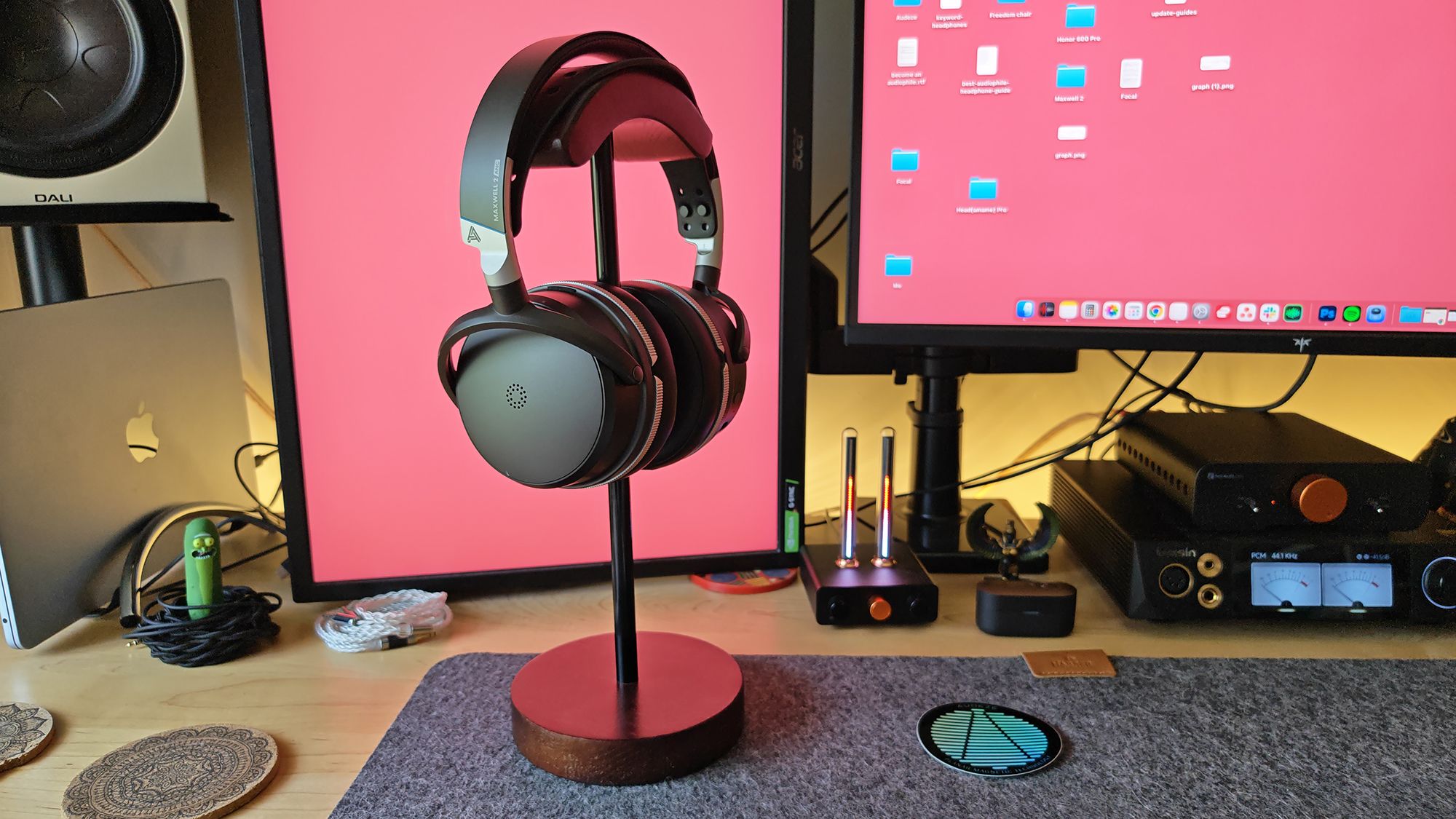
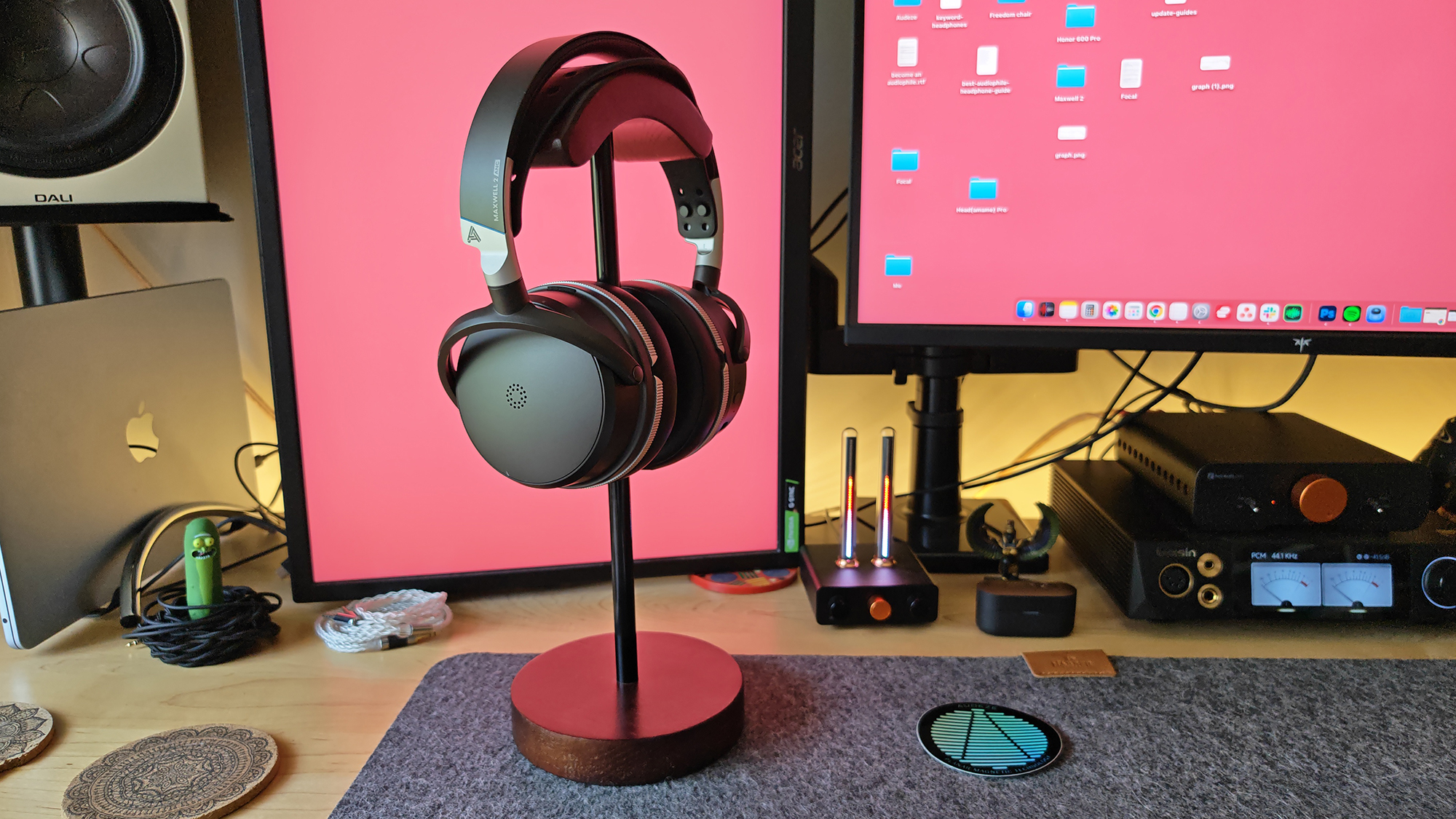
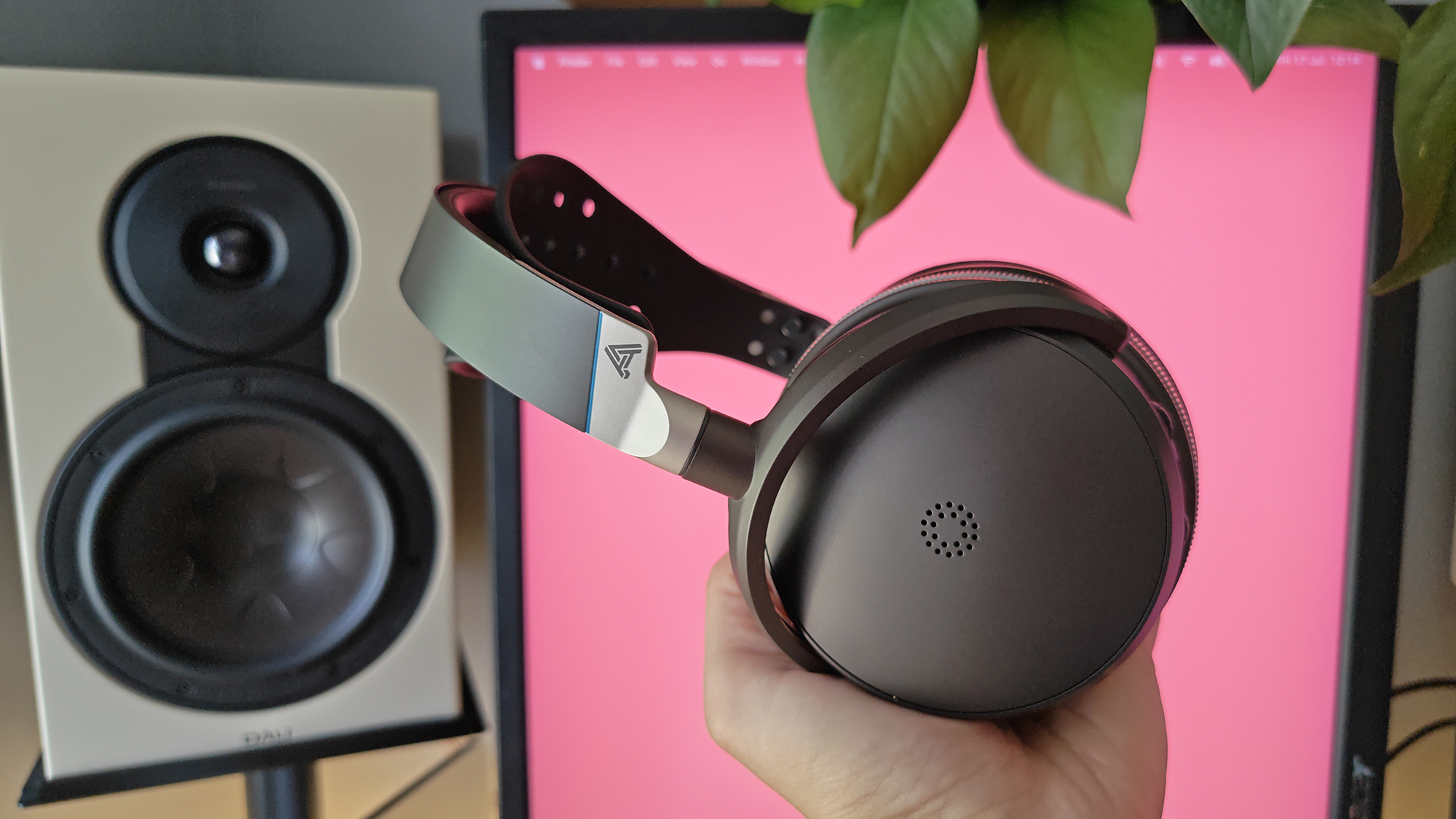
The Maxwell 2 ANC maintains the robust, industrial design language of its predecessors but sees a notable increase in weight. The headset weighs approximately 560 grams, a 70-gram increase over the original Maxwell. This weight is largely attributed to the massive 90mm planar magnetic drivers, the reinforced steel and manganese chassis, and the expanded battery and microphone array required for the new ANC system.
To manage this weight, Audeze employs a suspension headband system. The latest iteration features a wider, ventilated strap designed to distribute pressure more evenly across the cranium. However, the adjustment mechanism remains a point of contention for some; the headset uses three fixed adjustment settings via screws on the headband, rather than a sliding mechanism. While this design is intended for durability and to prevent the headset from loosening over time, it offers less granularity in fit than some competitors.
In terms of connectivity, the Maxwell 2 ANC supports:
- Ultra-Low Latency Wireless: Utilizing a dedicated USB-C dongle for near-instantaneous audio transmission.
- Bluetooth 5.3: Supporting multipoint connections and high-resolution codecs such as LDAC and LC3.
- Simultaneous Audio: Allowing users to hear game audio via the 2.4GHz dongle while simultaneously taking a phone call or listening to music via Bluetooth.
- Wired Connections: Supporting both USB-C digital audio and 3.5mm analog inputs.
The microphone system has also been upgraded, featuring a detachable boom microphone and an internal beamforming array, both of which utilize Audeze’s FILTER AI noise suppression technology to isolate the user’s voice from background clutter.
Market Analysis and Industry Implications
The release of the Maxwell 2 ANC at $449 places it at the top of the consumer gaming headset market. Industry analysts suggest that this pricing reflects a growing trend toward "prosumer" gaming gear, where users are willing to pay a premium for equipment that serves both professional work and high-level play.
The integration of seal-compensating ANC is particularly noteworthy for the broader audio industry. As headphones become more reliant on DSP, the ability to correct for physical fit issues marks a shift from passive acoustic engineering to active, software-defined audio. This approach allows Audeze to maintain its audiophile standards in a form factor—the closed-back gaming headset—that is traditionally difficult to tune for accuracy.
Furthermore, the acquisition by Sony suggests that Audeze’s technology may eventually find its way into broader consumer products. However, by maintaining the Audeze brand as a high-end alternative, Sony is able to capture the enthusiast market that demands planar magnetic performance over the dynamic drivers found in the standard PlayStation Pulse headsets.
Conclusion and Future Outlook
The Audeze Maxwell 2 ANC represents a sophisticated blend of traditional transducer technology and modern computational audio. By addressing the physical limitations of headphone seals and the acoustic interference of environmental noise, Audeze has created a tool that serves the dual needs of competitive gamers and critical listeners.
While the 560-gram weight may be a barrier for users accustomed to lightweight plastic headsets, the trade-off comes in the form of build quality and sonic depth. As the gaming industry continues to move toward more immersive, high-fidelity soundscapes, the demand for hardware capable of reproducing those environments without distortion or external interference is expected to grow. The Maxwell 2 ANC is not just an incremental update; it is a proof of concept for how AI and DSP can be used to ensure acoustic consistency in an inconsistent world. The headset is available for pre-order through major electronics retailers and the Audeze official website, with shipping expected to commence in the coming weeks.