Sparking a Revolution How Lightcrafts New Previs Platform is Democratizing Professional Filmmaking for the Next Generation of Creators

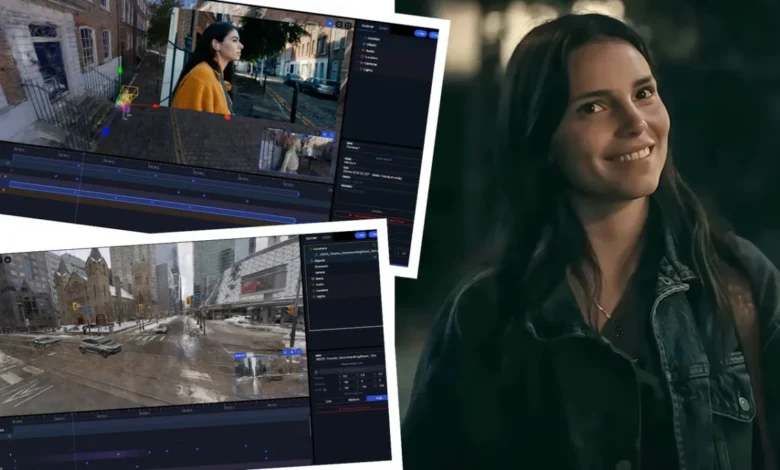
Hollywood has reached a critical crossroads where the traditional studio system’s reliance on established franchises and committee-driven narratives is being challenged by a surge of original, independent content. In recent years, projects like the viral sensation "Backrooms" and the psychological thriller "Obsession" have captured massive global audiences, not through massive marketing budgets, but by offering strange, ambitious, and fundamentally fresh perspectives. This shift in audience appetite has exposed a growing gap between the vision of independent creators and the high-cost barriers of professional-grade production tools. To bridge this divide, Lightcraft has introduced Spark Story, an interactive previsualization (previs) platform designed to empower filmmakers to build, explore, and refine their stories long before a single frame of physical film is shot.
The announcement of Spark Story, scheduled for a beta launch at SIGGRAPH 2026, marks a significant milestone in the evolution of virtual production. For decades, previsualization has been a luxury reserved for high-budget blockbusters—a process where digital versions of complex sequences are created to test camera angles, lighting, and choreography. By bringing these capabilities to a broader demographic through accessible hardware like the iPhone and integration with industry-standard software, Lightcraft is attempting to redefine the "pre-production" phase of filmmaking as a space for unlimited experimentation rather than a logistical bottleneck.
The Evolution of Previsualization and Virtual Production
To understand the impact of Spark Story, one must look at the trajectory of previsualization in cinema. Previs first gained prominence during the digital revolution of the late 1990s and early 2000s, most notably with George Lucas’s "Star Wars" prequels. It allowed directors to map out digital characters and complex visual effects before the technology even existed to render them in final quality. However, the cost of entry was astronomical, requiring specialized teams of animators and expensive proprietary software.
The mid-2010s saw the rise of "Virtual Production," a methodology popularized by Disney’s "The Mandalorian," which utilized real-time game engines like Unreal Engine to display digital environments on massive LED walls. While revolutionary, virtual production remained a tool for the elite. The independent filmmaker was still left with traditional storyboards and manual shot lists—tools that often fail to convey the spatial dynamics and emotional pacing of a scene.
Lightcraft co-founder and president Elijah Welch identifies this as the primary hurdle for modern creators. "People look online, and you just see a lot of people going, ‘Where’s an original story? Where’s something I haven’t seen? Where’s something that feels fresh?’" Welch notes. The challenge, he argues, is that a great idea remains open to interpretation and financial risk until it can be visualized. Spark Story aims to eliminate that ambiguity by providing a "digital sandbox" where the script and the visual world are inextricably linked.
Technical Architecture: The Script as the Central Nervous System
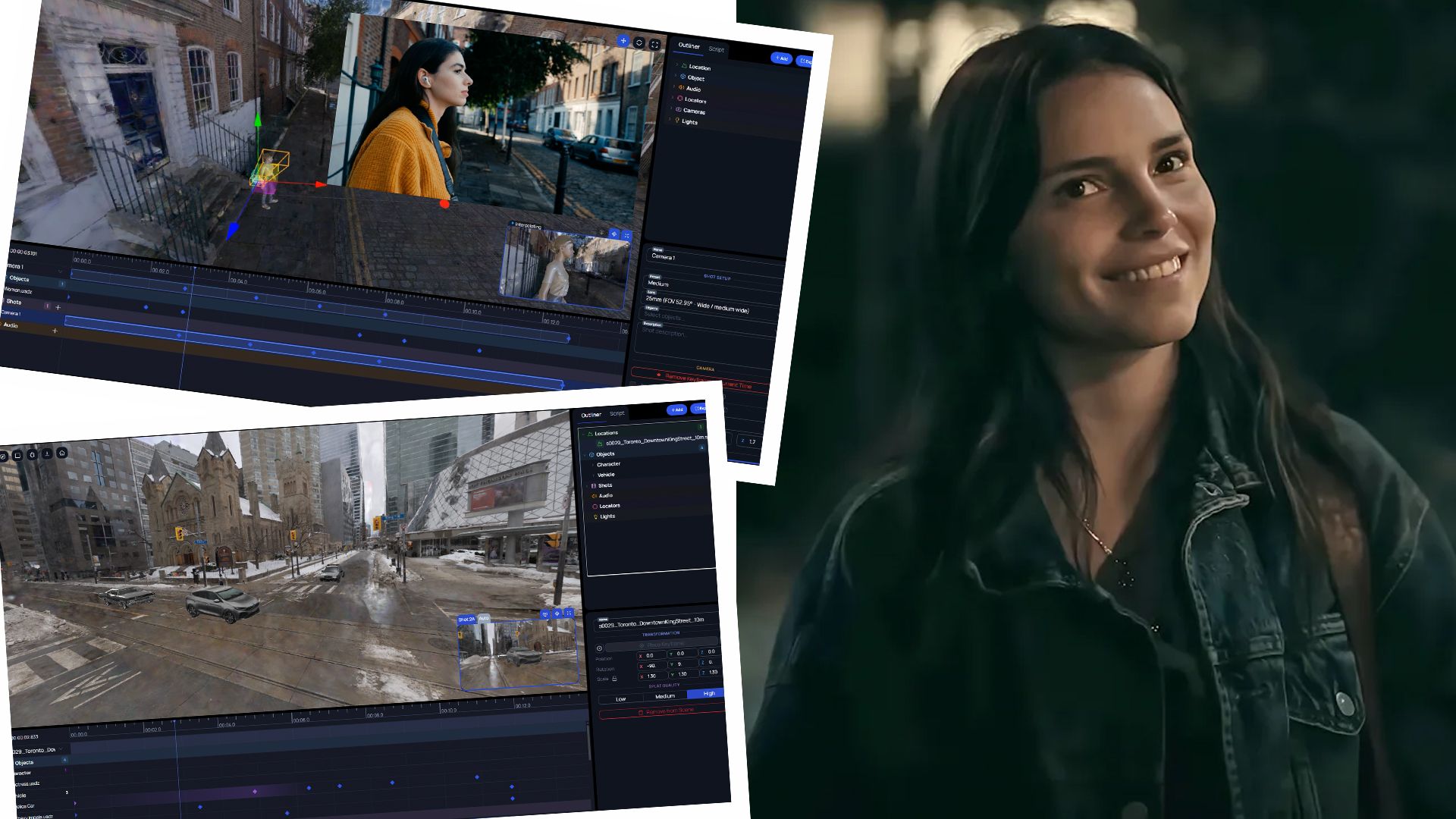
Unlike traditional 3D modeling software or video editing suites, Spark Story is built around the narrative itself. Lightcraft has designed the platform so that the script serves as the "central nervous system" of the entire production database. Every 3D asset, every camera coordinate, and every piece of metadata is tied directly to specific lines of dialogue or scene headings.
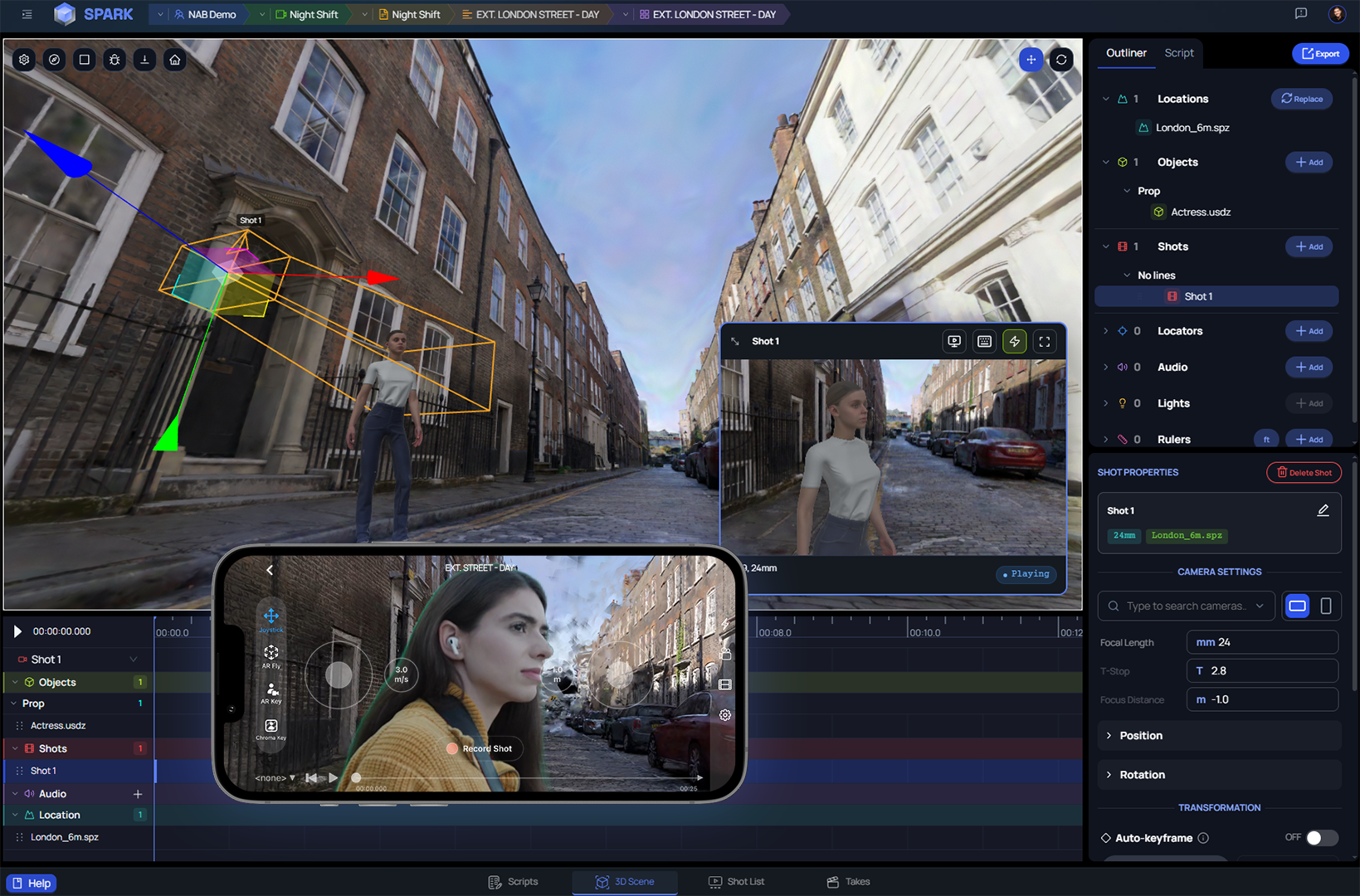
This structural approach addresses one of the most persistent problems in modern production: asset management and team alignment. In a typical production, the script, the concept art, the 3D models, and the final footage often live in separate silos. Spark Story’s integrated environment ensures that when a director moves a virtual camera in an AR environment using an iPhone, that data is instantly tagged to the corresponding scene in the script.
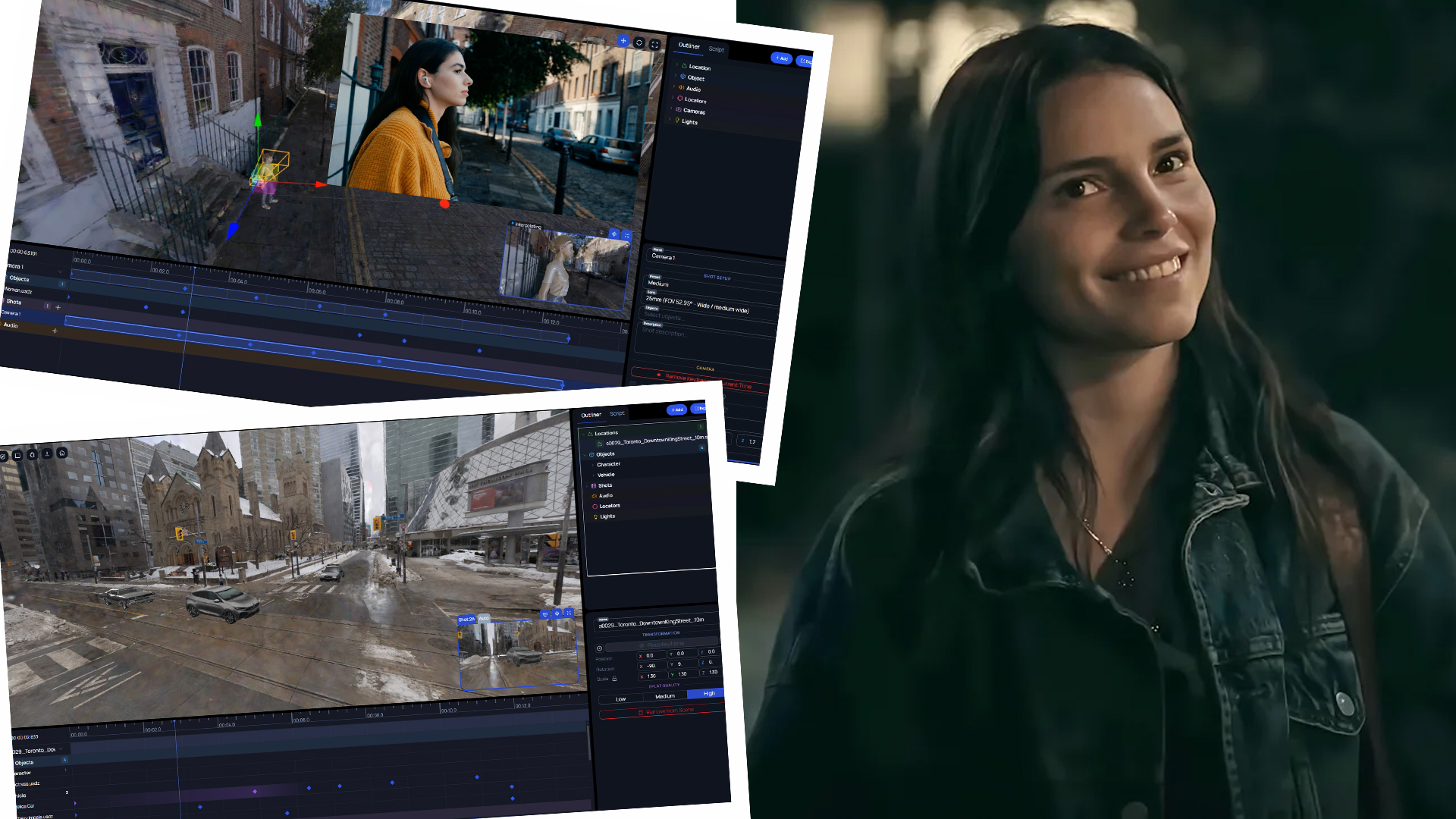
Key features of the platform include:
- iPhone AR Integration: Creators can use their mobile devices as virtual viewfinders, physically walking through a digital set to find the perfect angle.
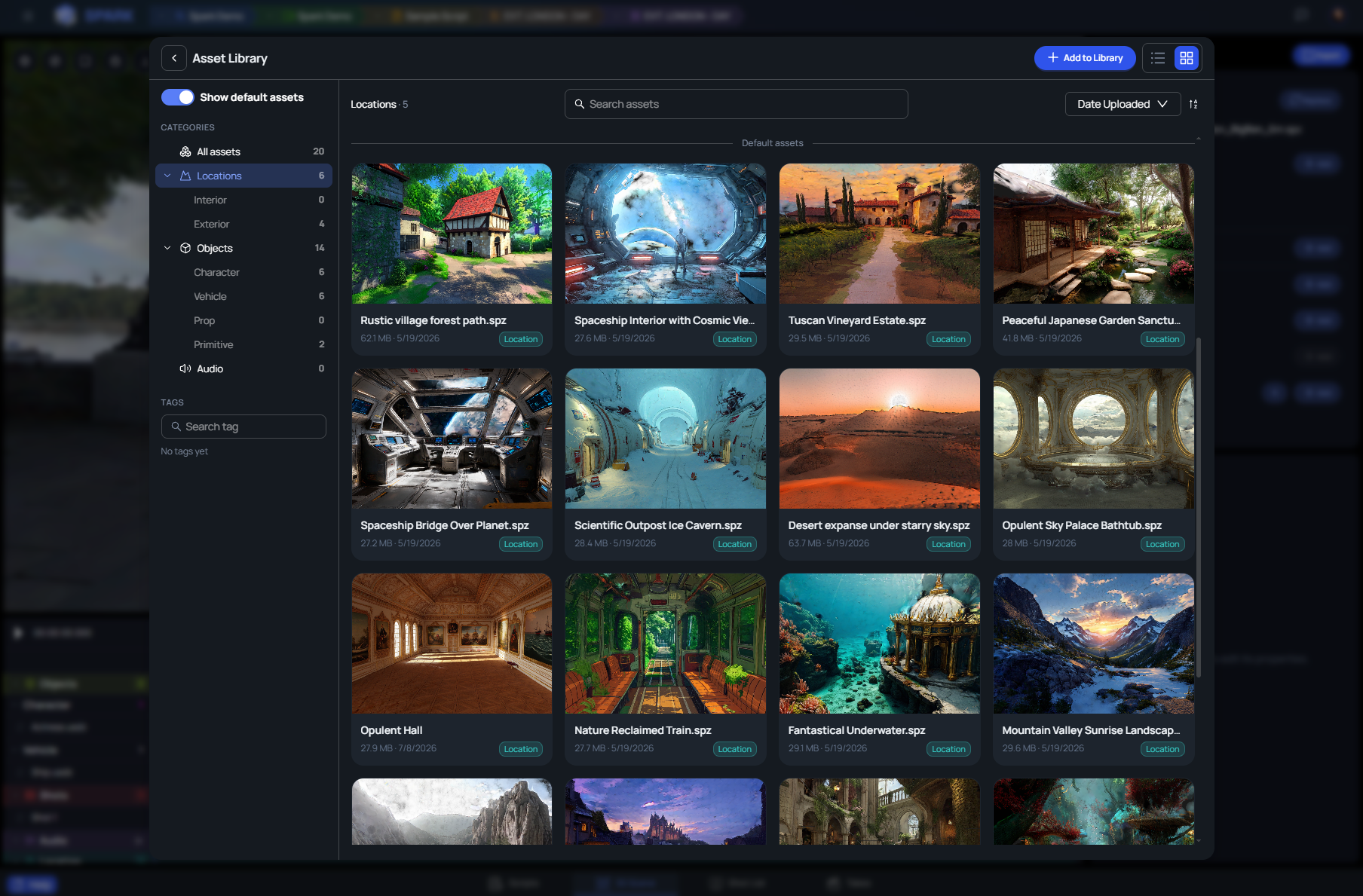
- Cross-Platform Compatibility: Direct imports from Blender, Unreal Engine, and Maya allow artists to bring high-fidelity assets into the previs environment without complex reformatting.
- Spark Atlas: A specialized metadata tracking tool that connects captured "test footage" to the production timeline, allowing editors and producers to track the evolution of a scene from concept to execution.
- Real-Time Compositing: The ability to overlay digital elements onto live-action mobile footage, giving filmmakers an immediate sense of how practical and digital elements will interact.
Chronology of Modern Filmmaking Breakthroughs
The launch of Spark Story is part of a broader timeline of technological democratization that has fundamentally changed the film industry over the last twenty years:
- 2005-2010: The DSLR Revolution. Cameras like the Canon 5D Mark II allowed independent filmmakers to achieve a "cinematic" shallow depth of field for a fraction of the cost of 35mm film.
- 2011-2015: The Rise of Accessible VFX. Software like Blender and the democratization of the Creative Cloud suite meant that high-end post-production was no longer restricted to major houses like ILM or Weta Digital.
- 2016-2022: The Unreal Engine Era. The opening of game engines to filmmakers allowed for real-time rendering, leading to the birth of "in-camera visual effects" (ICVFX).
- 2023-2026: The Previs and AI Integration Phase. Tools like Spark Story and AI-assisted asset generation are now focusing on the "planning" stage, reducing the financial risk of production by allowing for exhaustive iteration before money is spent on location or crew.
Industry Impact: From TikTok to the Big Screen
One of the most profound implications of Lightcraft’s new platform is its appeal to the "creator economy." A generation of storytellers has emerged from platforms like YouTube, TikTok, and Instagram, mastering the art of short-form engagement. However, the leap from a 30-second vertical video to a 30-minute narrative short or a feature film is often stymied by the complexities of professional production management.
"Folks who are used to making 10-second, eight-second, 30-second stuff are starting to see, why can’t I make a 30-minute or a five-minute short?" Welch says. Spark Story provides these creators with a professional workflow that mirrors the intuitive, iterative nature of social media content creation. It allows a solo creator or a small team to "fail fast" in a digital environment, testing drone shots, complex lighting setups, and blocking maneuvers that would be prohibitively expensive to attempt in the "wild."
Furthermore, the platform serves as a powerful communication tool for securing financing. In the independent film world, "pitching" is often the hardest hurdle. Being able to show a potential investor a fully realized, interactive previs of a film’s most ambitious sequence—rather than just a written treatment—can be the difference between a project being greenlit or abandoned.
Expert Analysis and Future Implications
The introduction of Spark Story suggests a future where the distinction between "pre-production" and "production" begins to blur. As real-time rendering becomes more indistinguishable from reality, the previs generated in Spark Story may eventually serve as the foundation for final pixels, further shortening the production pipeline.
Industry analysts suggest that this democratization will lead to a "Second Indie Boom." Much like the 1990s saw a surge of creative energy from directors like Quentin Tarantino and Steven Soderbergh due to cheaper film stock and the rise of film festivals, the mid-2020s are poised for a surge of "high-concept" independent cinema. When the cost of visualizing an ambitious sci-fi world or a complex period piece drops, the only remaining barrier is the quality of the story itself.
However, this shift also places a new burden on creators. With technical barriers falling, the competition for attention will intensify. The "formula" that Elijah Welch notes audiences are tiring of will be replaced by a marketplace of ideas where originality is the primary currency.
Conclusion: A Tool Built for Teams
Ultimately, Lightcraft’s vision for Spark Story is rooted in the collaborative nature of filmmaking. While the technology is impressive, its purpose is to foster better communication between cinematographers, writers, directors, and producers. By creating a shared visual language that is tied directly to the script, Spark Story ensures that the "original idea" that Welch speaks of doesn’t get lost in translation during the grueling process of physical production.
As the platform moves toward its 2026 beta launch at SIGGRAPH, the film industry will be watching closely. If Spark Story delivers on its promise to be the "Google Docs of 3D filmmaking," it could very well be the catalyst that allows the next Peter Jackson or Sam Raimi to emerge, not from the studio system, but from a home office armed with an iPhone and a compelling story to tell. The era of committee-designed cinema is far from over, but for the first time in a generation, the tools to challenge that system are finally within reach of everyone.