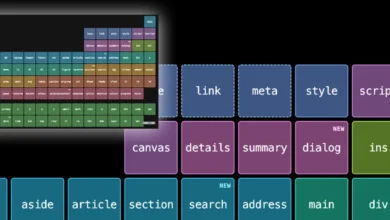
The landscape of frontend development, a critical yet often unseen component of the digital experience, has undergone a profound and rapid transformation over the past two decades. What began as a relatively straightforward process of uploading static files via FTP has evolved into an intricate ecosystem of sophisticated build pipelines, complex JavaScript frameworks, and an ever-expanding array of specialized tools. This evolution, meticulously detailed in a comprehensive deep dive by David Poblador i Garcia, suggests a potential cyclical return to more fundamental HTML-first principles, even as the industry grapples with the implications of advanced technologies.
A Twenty-Year Journey: From Simplicity to Complexity
Poblador’s analysis, titled "The Descent: What Happened to the Frontend While You Weren’t Watching," charts a clear trajectory from the early 2000s to the present day. In its nascent stages, frontend development was largely characterized by static HTML, CSS, and minimal JavaScript, with deployment often as simple as transferring files to a web server. The primary concern was ensuring cross-browser compatibility, a challenge that, while persistent, was arguably less technically demanding than today’s requirements.

The advent of dynamic content, server-side rendering, and later, the explosion of JavaScript frameworks like jQuery, Angular, React, and Vue.js, marked a significant shift. This period saw the rise of Single Page Applications (SPAs), which offered a more app-like user experience but introduced substantial complexity in terms of state management, routing, and build processes. Tools like Grunt, Gulp, and later Webpack and Vite, became indispensable for bundling, transpiling, and optimizing frontend assets, transforming the developer workflow from simple file transfers to intricate build pipeline management.
This increasing complexity, while enabling richer and more interactive user interfaces, also led to concerns about performance, accessibility, and the sheer volume of JavaScript required to render a page. The "bundle size" became a critical metric, and developers continuously sought ways to reduce it, leading to innovations in code splitting, tree shaking, and the adoption of more efficient rendering strategies.
The Rise of Agentic Development and AI Integration
Parallel to this architectural evolution, the concept of "agentic" development is emerging, signaling a new frontier where artificial intelligence plays a more integrated role. Master.dev’s "Agentic Frontend Development" workshop, sponsored by their Codex initiative, highlights a practical approach to leveraging AI in the frontend workflow. This workshop focuses on practical patterns for prompting, reviewing, debugging, and iterating with AI tools like Codex, aiming to streamline the design, building, and refinement of modern interfaces. This integration of AI into the development lifecycle suggests a future where AI assistants will become integral collaborators, handling repetitive tasks and offering intelligent insights, potentially accelerating development cycles and improving code quality. The implication is that AI will not replace frontend developers but will augment their capabilities, allowing them to focus on higher-level architectural decisions and creative problem-solving.

Browser Innovations and Emerging Standards
The browser ecosystem itself continues to be a crucible of innovation, with key developments impacting frontend capabilities. Patrick Brosset’s report on the "CSS Mixins Implementation Starting in Chromium" marks a significant step towards native support for reusable style blocks. The implementation, initiated by the Edge team, mirrors the functionality of preprocessor mixins (like those found in Sass) but brings them directly into the browser. This native integration promises improved performance and reduced reliance on external tooling for certain CSS tasks. The eventual widespread adoption of CSS mixins could simplify CSS architecture and enhance maintainability across large projects.
Furthermore, Safari’s recent advancements, as detailed in "Introducing the Safari MCP Server for Web Developers" by Saron Yitbarek, offer new avenues for debugging and understanding how web content renders. The Model Context Protocol (MCP) server in Safari Technology Preview 247 allows agents to connect to a Safari browser window and gain deep insights into code rendering. This tool is expected to prove invaluable for developers seeking to ensure precise visual fidelity and troubleshoot rendering issues across different environments. Safari Technology Preview 247 also includes support for calc-mix() and addresses numerous CSS and rendering bugs, underscoring Apple’s commitment to advancing web standards and developer tooling.
Evolving CSS Capabilities: Shaping and Borders
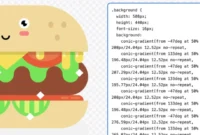
The capabilities of CSS continue to expand, empowering developers with more creative control over visual design. The CSS Tricks article, "Get Ready for the CSS border-shape Property," by Temani Afif, introduces a powerful new feature that builds upon existing shape-related properties. While currently limited to Chromium browsers, the border-shape property, alongside shape() and corner-shape, offers unprecedented flexibility for creating intricate decorations, dynamic animations, and unique visual elements directly within CSS. The potential for this property to revolutionize decorative design and interactive elements is substantial, promising to reduce the need for image-based assets or complex SVG manipulations for certain visual effects.

In a related development, Matthew Morete’s "Fluid Typography with progress()" explores a novel approach to creating fluid typography scales. By utilizing CSS progress() and range mapping, this technique allows for the seamless blending of pixel breakpoints with rem font sizes. This method aims to preserve user accessibility settings by not overriding individual font-size preferences, a crucial consideration for inclusive web design. While currently lacking Firefox support, the ability to fall back to alternative methods ensures its practicality for a broader audience. This innovation highlights the ongoing effort to balance sophisticated design features with user-centric accessibility.
Rethinking Frontend Architecture: Minimalism and Efficiency
Amidst the pursuit of ever-more complex features, a counter-movement towards minimalist engineering and a reliance on web standards is gaining traction. Peter Kröner’s presentation, "Frontend Minimalism in Action: Do More With Less JavaScript," advocates for building maintainable, resilient, and future-friendly projects by deliberately choosing web standards over "hype-driven dependencies." This approach emphasizes leveraging the inherent power of the browser and reducing reliance on large, often rapidly evolving, JavaScript libraries. The benefits of such a philosophy include improved performance, enhanced security, and a more stable development environment, particularly for long-term projects.
David Bushell’s article, "Fixing Full-Bleed CSS," tackles a persistent challenge in responsive design: achieving true full-bleed layouts while managing scrollbars. By moving away from 100vw and employing container query units in conjunction with @property magic, Bushell presents an elegant solution to this long-standing "scrollbar problem." This technique demonstrates a pragmatic application of modern CSS features to solve common, yet often frustrating, layout issues, contributing to a more robust and predictable frontend development experience.

New Tooling and Developer Resources
The developer tool landscape continues to evolve, offering new ways to audit, optimize, and build web applications. Google’s "Agent-Ready Toolkit," detailed on developer.chrome.com, introduces a new Lighthouse toolkit designed to audit website "agent-friendliness." This tool assesses aspects like accessibility tree quality, layout stability, and WebMCP integration, providing a valuable hygiene checklist for developers aiming to create experiences that are robust and performant for both human users and automated agents. While the current scoring is informational, the checklist offers actionable insights for improving overall web quality.
On the more playful and technically impressive side, the "GTA 2 Web – JS Port" showcases the power of modern web technologies. This project demonstrates the classic top-down game GTA 2 ported to run natively within a web browser, complete with WebRTC peer-to-peer multiplayer functionality. Projects like this not only highlight the capabilities of JavaScript and related web APIs but also serve as engaging demonstrations of what is possible within the browser environment, pushing the boundaries of web-based gaming and interactive experiences.
Broader Implications and Future Outlook
The trends observed in these developments point towards a dynamic and multifaceted future for frontend development. The increasing sophistication of CSS and browser APIs, coupled with the growing integration of AI, suggests a future where interfaces can be more visually rich, interactive, and intelligently responsive. However, the persistent discussion around minimalism and web standards indicates a desire for greater sustainability, performance, and accessibility in web development.

The industry appears to be navigating a complex path, balancing the allure of cutting-edge technologies with the fundamental principles of web design. As frontend development continues its rapid evolution, the insights gleaned from these diverse advancements will be crucial for developers aiming to build the next generation of web experiences. The journey from simple file uploads to AI-assisted development is a testament to the enduring innovation and adaptability of the frontend community. The ongoing exploration of new CSS properties, advanced debugging tools, and the potential of agentic development all contribute to a constantly shifting, yet ultimately more capable, frontend landscape. The question of whether we are "circling back to HTML-first principles" remains open, but it is clear that the foundational elements of the web are being re-examined and re-integrated in innovative ways, ensuring a robust and evolving future for how we interact with the digital world.