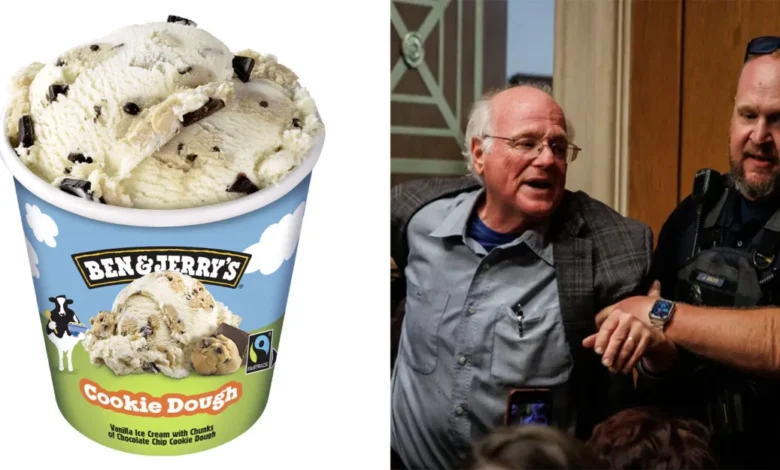
For decades, the Vermont-based ice cream manufacturer Ben & Jerry’s has transcended its primary function as a dessert provider to become a potent, often controversial, pillar of global social and political activism. While many corporations treat social responsibility as a secondary public relations exercise, Ben & Jerry’s has institutionalized its values, integrating them into its brand identity, supply chain, and, most notably, the personal conduct of its founders. This unique approach to business, which prioritizes social equity alongside profitability, has solidified the company’s reputation as a trailblazer in the "values-driven brand" movement. However, this strategy is not without significant risk, as the company frequently finds itself at the intersection of polarized public opinion, legal scrutiny, and the delicate balance between commercial success and ideological commitment.
The genesis of this activism dates back to the brand’s early years, but it gained significant momentum in the 21st century. The company’s approach is characterized by a "three-part mission" that encompasses product quality, economic viability, and social progress. This commitment has manifested in various ways: renaming iconic flavors to support marriage equality, funding campaigns to shutter detention facilities, and utilizing its massive marketing reach to challenge systemic racial injustices.
A Chronology of Activist Engagement
The brand’s history of activism is marked by key moments that illustrate a shift from passive philanthropy to active, on-the-ground protest.
1978: Ben Cohen and Jerry Greenfield open their first ice cream shop in a renovated gas station in Burlington, Vermont, establishing a foundation of community-focused business.
2000: Unilever acquires Ben & Jerry’s. As part of the acquisition, the brand negotiates a unique governance structure that allows an independent board to maintain control over the company’s social mission and brand integrity.
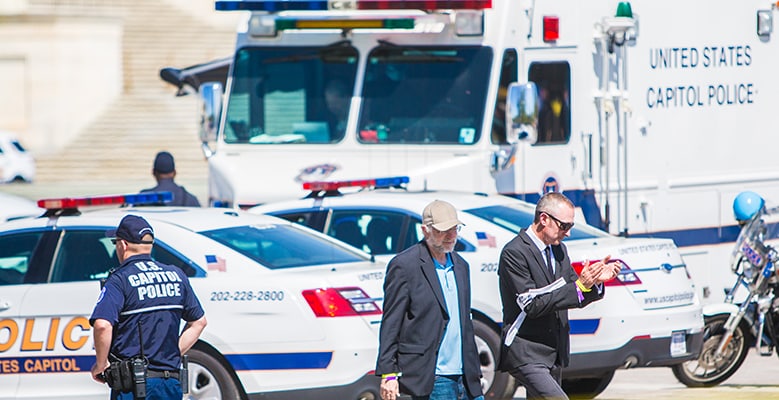
2016: During the Democracy Awakening demonstrations in Washington, D.C., founders Ben Cohen and Jerry Greenfield were arrested while protesting the influence of corporate money in politics and restrictive voting legislation. This event signaled a new era for the brand, where the faces of the company were no longer just executives, but active participants in civil disobedience.
2020: In the wake of the murder of George Floyd, the company issued a powerful, widely circulated statement demanding the dismantling of white supremacy, further cementing its role in the national conversation on racial justice.
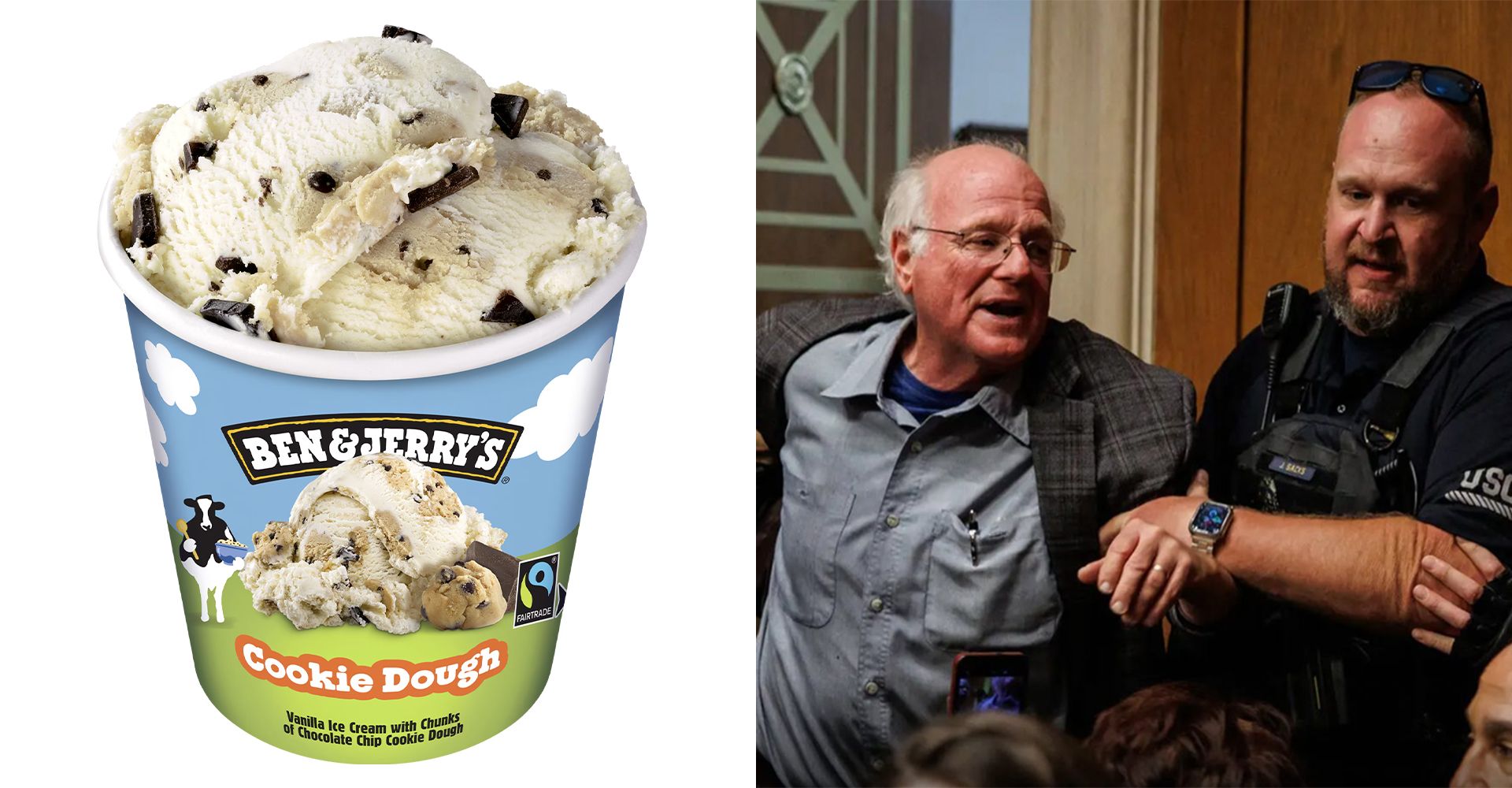
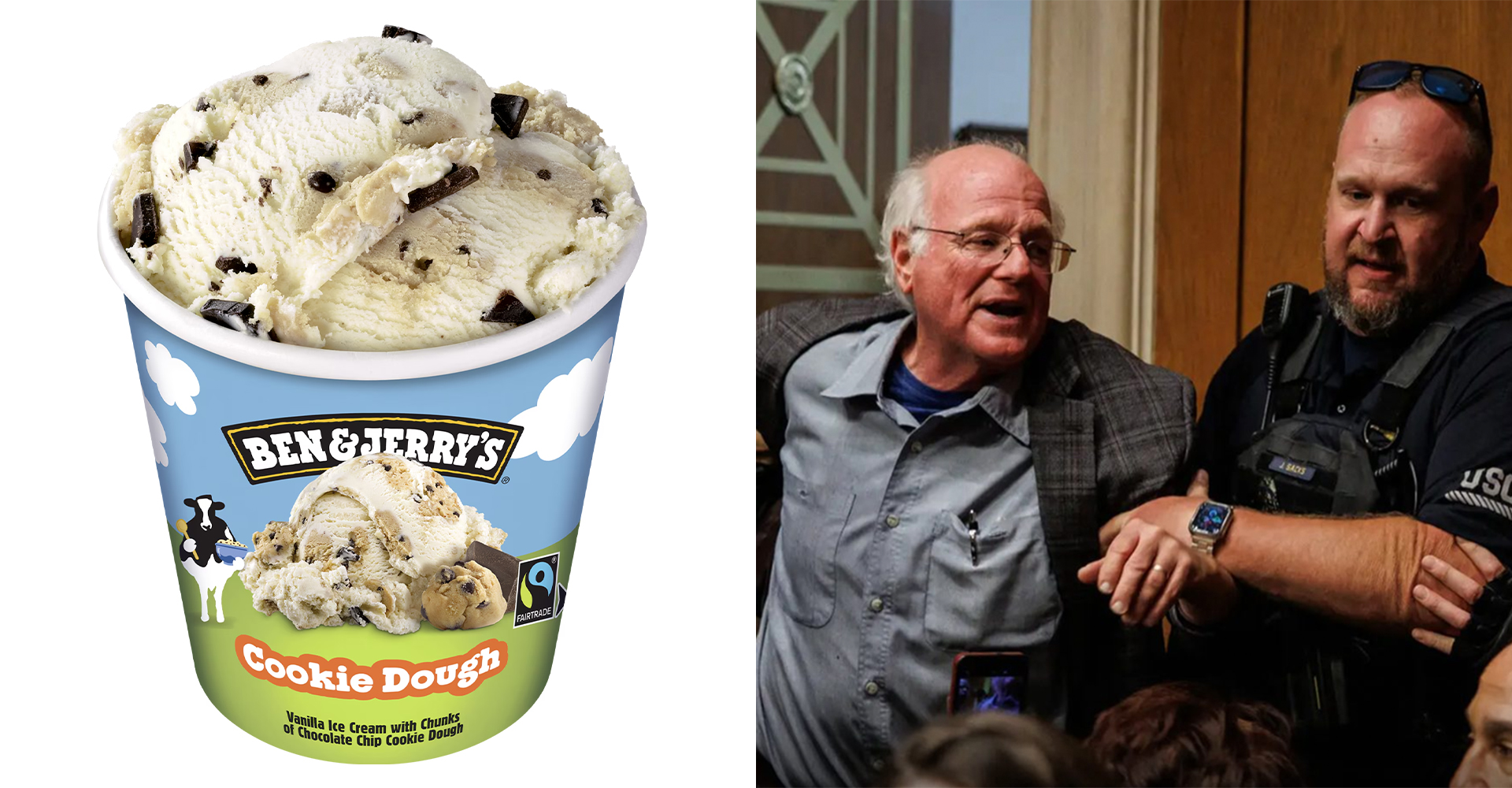
2025: Ben Cohen was arrested during a protest at the U.S. Senate, this time focusing on military aid to Israel and the deepening humanitarian crisis in the Gaza Strip. This incident underscored the company’s willingness to weigh in on sensitive, high-stakes international geopolitical conflicts.
The Philosophy of "Baked-In" Values
At the recent Paradigms conference held in Croatia, Jay Curley, the company’s Global Head of Integrated Marketing, provided insight into the operational mechanics behind this activism. Curley emphasized that for Ben & Jerry’s, activism is not an afterthought or a seasonal marketing campaign; it is an intrinsic part of the business model, as fundamental to the company as its signature "Cookie Dough" chunks.
Curley’s discourse suggests that the modern consumer—particularly the Gen Z and Millennial cohorts—demands more from corporations than simple product utility. They seek brands that align with their ethical frameworks. However, Curley acknowledges the inherent tension in this approach. When a brand takes a firm stance, it inevitably risks alienating a portion of its consumer base. Despite this, Curley argues that the cost of silence—or "sitting on the fence"—is higher than the cost of potential backlash.
The Risks and Rewards of Corporate Stance-Taking
The decision-making process for which causes to champion is complex. It involves an assessment of the brand’s core values, the urgency of the social movement in question, and, critically, where the company can exert a meaningful influence. Ben & Jerry’s does not claim infallibility. In his reflections, Curley admitted that the company has faced internal and external criticism for its actions, noting that perfection should not be a prerequisite for participation in public discourse.
"If we waited until we were perfect in every aspect of our social mission, we would never use our voice," Curley noted. This pragmatic approach—accepting the possibility of error in exchange for the chance to catalyze change—has allowed the brand to remain agile in a shifting political landscape.
Data and Industry Impact
The economic impact of this strategy is a subject of intense debate among market analysts. Traditional business logic dictates that brands should remain neutral to maximize their total addressable market. However, data from various studies on "purpose-driven branding" suggest that aligning with social causes can foster intense brand loyalty.
According to the 2023 Edelman Trust Barometer, 63% of consumers buy or advocate for brands based on their beliefs and values. While Ben & Jerry’s may occasionally see a dip in sales from segments that disagree with their politics, they often see a surge in engagement and long-term brand equity from a demographic that feels represented by the company’s values. Furthermore, Ben & Jerry’s serves as a primary case study for companies like Patagonia and Lush Cosmetics, both of which have adopted similar, "unapologetically bold" postures. These companies, like Ben & Jerry’s, often operate under the assumption that a dedicated, loyal community is more valuable than a broad, indifferent one.
Navigating Internal Dissent
A common question regarding the company’s activist stance is how it manages internal friction. With thousands of employees, achieving total consensus on political issues is impossible. Curley clarifies that the company does not enforce a "values test" for employment. Instead, it utilizes an educational model. The company encourages internal dialogue, providing forums where staff can understand the "why" behind specific campaigns. While employees are free to disagree, the company remains firm in its mission-led trajectory. This transparent approach to internal management has helped mitigate turnover related to political disagreements.
The Broader Implications for Corporate Governance
The Ben & Jerry’s model forces a broader question for the corporate world: Should businesses be engines of social change? Critics argue that corporate activism can be performative or distract from labor practices and supply chain issues. Supporters, conversely, argue that corporations possess the resources, logistical reach, and influence to address global challenges that governments are often too slow or gridlocked to tackle.
As we move toward the latter half of the decade, the example set by Ben & Jerry’s suggests a permanent shift in the expectations placed upon private enterprises. The "neutrality" era of corporate branding is rapidly fading. As consumers gain greater access to information regarding corporate lobbying, political donations, and ethical sourcing, the demand for transparency and alignment will only intensify.
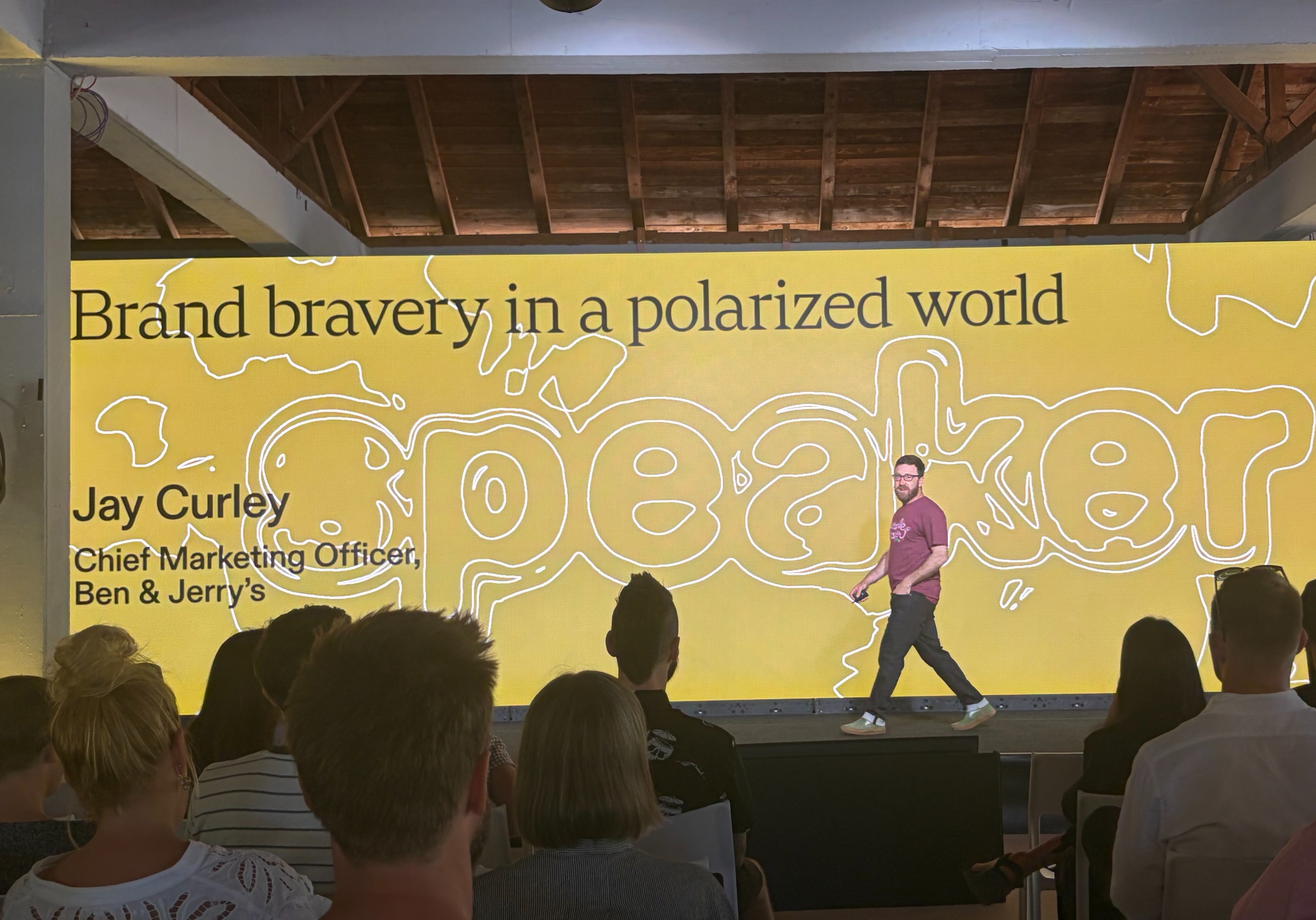
Whether or not one agrees with the specific political stances taken by Cohen, Greenfield, or the brand itself, the effectiveness of their model as a marketing and organizational strategy is undeniable. By transforming the act of purchasing a consumer good into a statement of political or social identity, Ben & Jerry’s has created a moat of brand loyalty that few competitors can replicate. As Jay Curley noted, the goal is not to be everywhere at once, but to contribute to the causes where their presence can turn the tide. For Ben & Jerry’s, the future of business is not just about the quality of the product, but the quality of the impact they leave behind. In a world that is increasingly fractured, the company stands as a persistent, albeit contentious, reminder that for some, the bottom line is not the only line that matters.