Build RAG-ready indexes from Amazon S3 with Amazon OpenSearch intelligent ingestion | Amazon Web Services

The launch of Amazon OpenSearch intelligent ingestion within Amazon OpenSearch Serverless (NextGen) represents a fundamental shift in this paradigm. By offering a fully managed, serverless ingestion capability, Amazon is effectively removing the "plumbing" layer of data architecture. Users can now point directly to Amazon Simple Storage Service (S3) buckets, and the system autonomously handles document discovery, parsing, image description, content chunking, vector embedding generation, and indexing.
The Evolution of Data Ingestion Pipelines
To understand the significance of this development, one must look at the historical trajectory of data engineering. Before serverless ingestion, the standard enterprise architecture for search involved a fragmented stack: an extraction tool to pull text from PDFs, a transformation layer to clean the data, a chunking utility to segment text into context-aware blocks, and an embedding service to convert text into numerical vectors. Each of these layers required its own compute infrastructure—typically clusters of EC2 instances or containerized workloads—that demanded constant monitoring, patching, and capacity planning.
If an organization experienced a surge in data volume, the rigid nature of these pipelines meant that scaling was often a reactive, time-consuming process. Failure modes were common; a malformed PDF or an unexpected change in document structure could break a pipeline, leaving downstream AI applications with stale or incomplete data. By consolidating these functions into the OpenSearch Serverless environment, AWS is signaling a move toward "zero-infrastructure" data management, where the focus shifts from managing servers to refining search relevance and AI model performance.
Core Functionality and Operational Modes
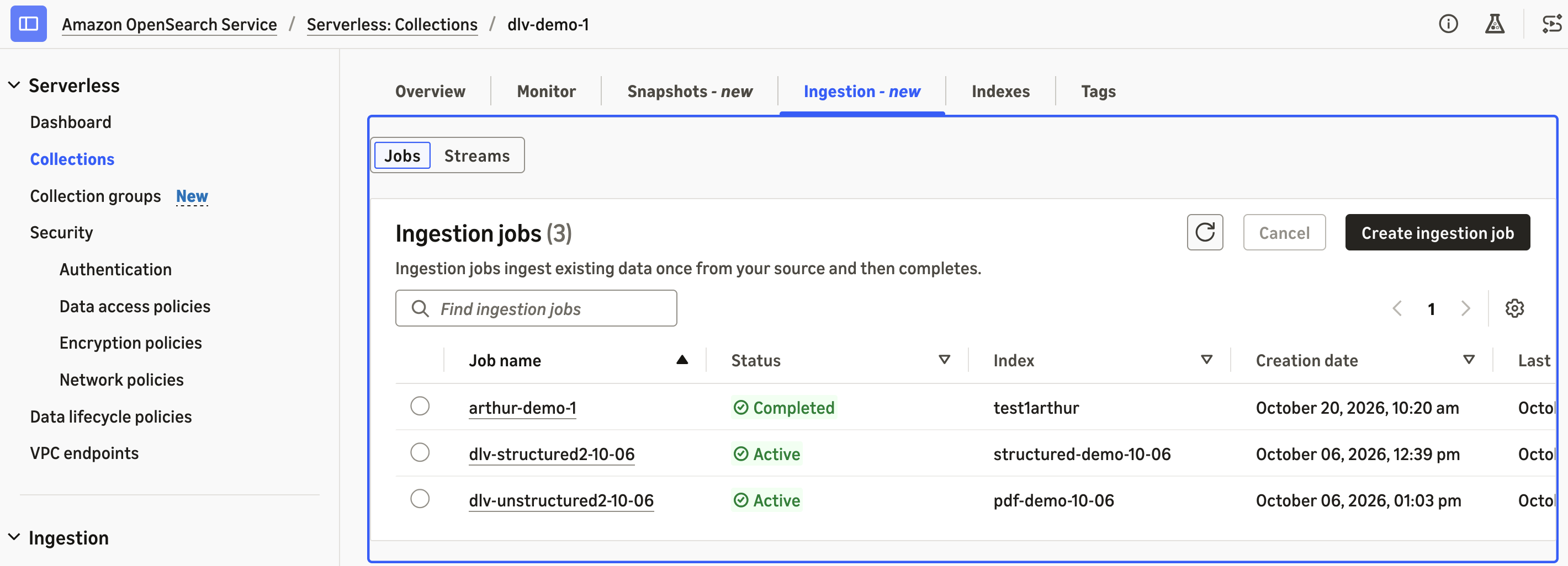
The new service introduces two distinct mechanisms for data movement: Ingestion Jobs and Ingestion Streams. The choice between these two depends largely on the lifecycle of the data being processed.
Ingestion Jobs are designed for static datasets. This is the optimal route for organizations conducting large-scale migrations, initial data loads, or specific backfill operations. Once the job has processed the defined objects within an S3 prefix, it terminates, ensuring that compute costs cease immediately. This predictability is vital for budget-conscious enterprises that perform sporadic but intensive data ingestion.
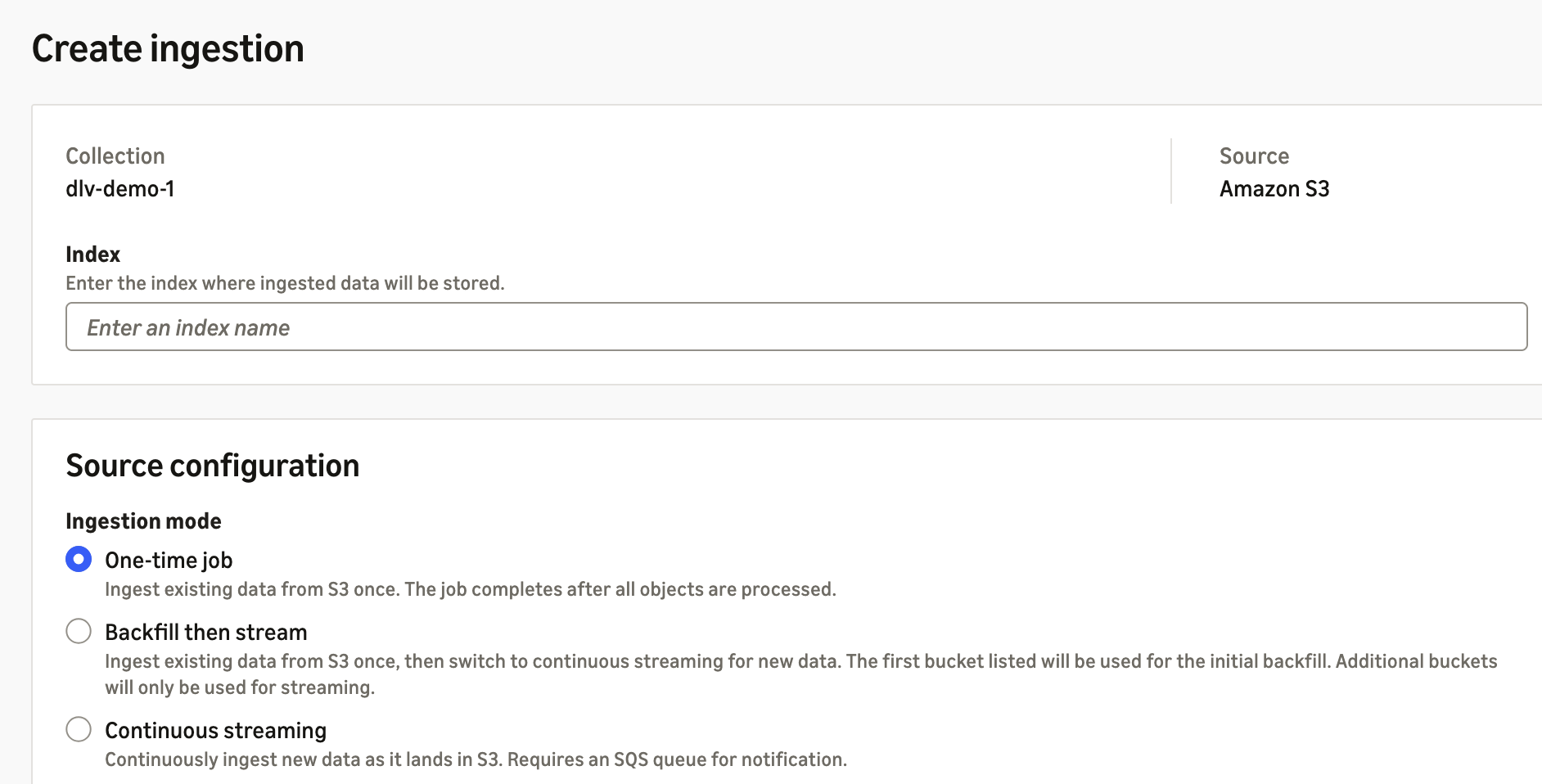
Conversely, Ingestion Streams cater to the dynamic nature of modern enterprise data. As organizations produce new reports, support runbooks, or audit logs, these streams monitor S3 buckets in real-time. By leveraging Amazon SQS (Simple Queue Service) for event notifications, the system ensures that the OpenSearch index remains in near-perfect synchronization with the source repository. This "set it and forget it" model allows businesses to treat their document libraries as living systems rather than static archives.
Supporting Data and Efficiency Metrics
The economic implications of this transition are as significant as the technical ones. Traditionally, the cost of RAG-ready ingestion was obscured by the hidden expenses of developer time and infrastructure maintenance. With intelligent ingestion, AWS has introduced a transparent, consumption-based pricing model.
For structured data like JSON or application logs, the cost is tied directly to the OpenSearch Serverless OpenSearch Compute Units (OCUs) utilized during the active ingestion period. For unstructured, complex documents, the system employs automated parsing and image-to-text processing using Amazon Nova 2 Lite. Internal AWS performance metrics suggest that this automated system can process roughly 600 PDF pages per hour per OCU.
When factoring in the costs of model inference—specifically the usage of Amazon Bedrock for semantic enrichment—the unit economics become highly favorable. Industry estimates suggest that processing 1,000 images costs approximately $1.40, a fraction of what it would cost to build and host custom OCR (Optical Character Recognition) and vision-to-text models on private infrastructure. By providing these figures, AWS is positioning the tool as a cost-efficient alternative to the overhead of proprietary pipeline development.
Broader Implications for Generative AI
The launch of intelligent ingestion reflects a broader industry trend toward "data-centric AI." The performance of a RAG assistant is intrinsically tied to the quality of the data retrieved. If documents are poorly chunked, or if images—which often contain charts, diagrams, and architectural schematics—are ignored, the AI’s ability to provide accurate answers is severely compromised.
By automating image-to-text semantic translation, Amazon is enabling organizations to unlock data that was previously "dark." For instance, a technical manual containing a circuit diagram can now be indexed alongside the explanatory text, allowing a user to ask, "How do I bypass this specific fuse?" and receive an accurate answer derived from both the text and the visual context. This level of granularity was historically difficult to achieve without significant custom integration.
Strategic Implementation and Governance
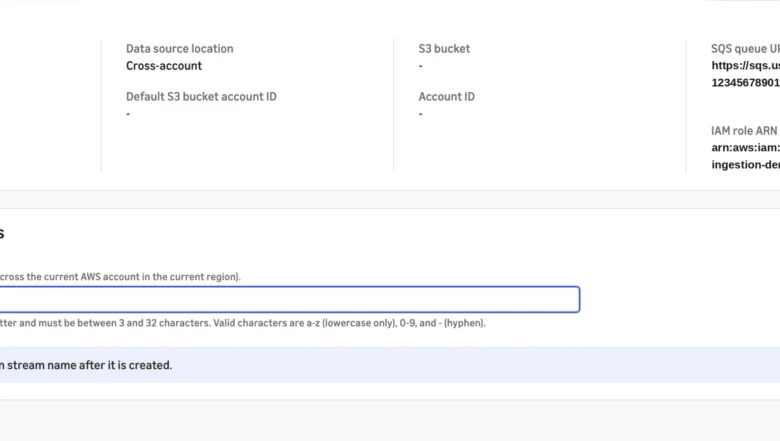
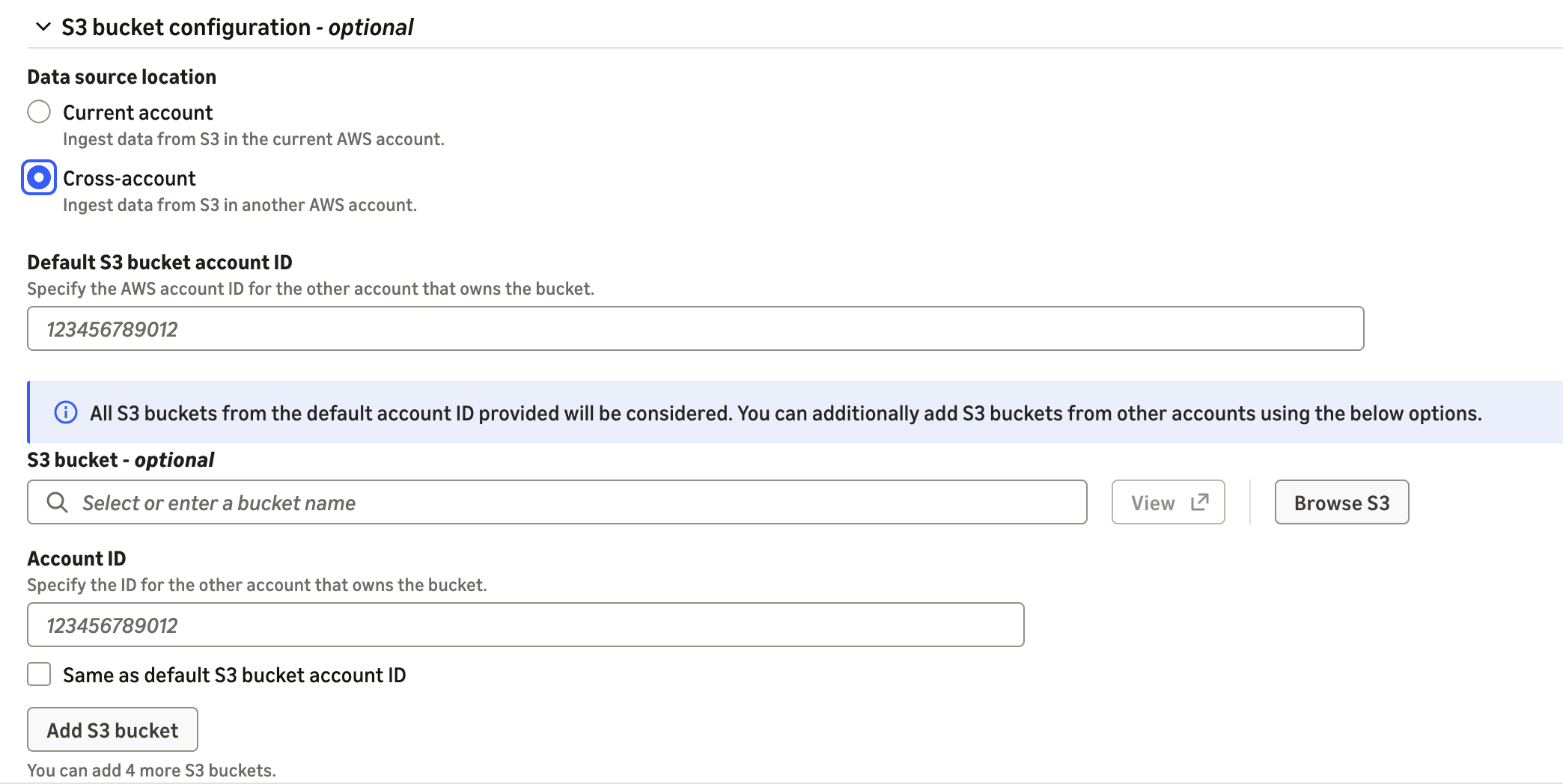
From a security and governance perspective, the service handles cross-account data access through integrated IAM (Identity and Access Management) roles. This is a critical feature for large enterprises where data often resides in disparate AWS accounts managed by different departments. By allowing an OpenSearch collection to pull data from a central S3 repository in a separate account, IT teams can maintain strict perimeter controls while still enabling centralized search and AI capabilities.
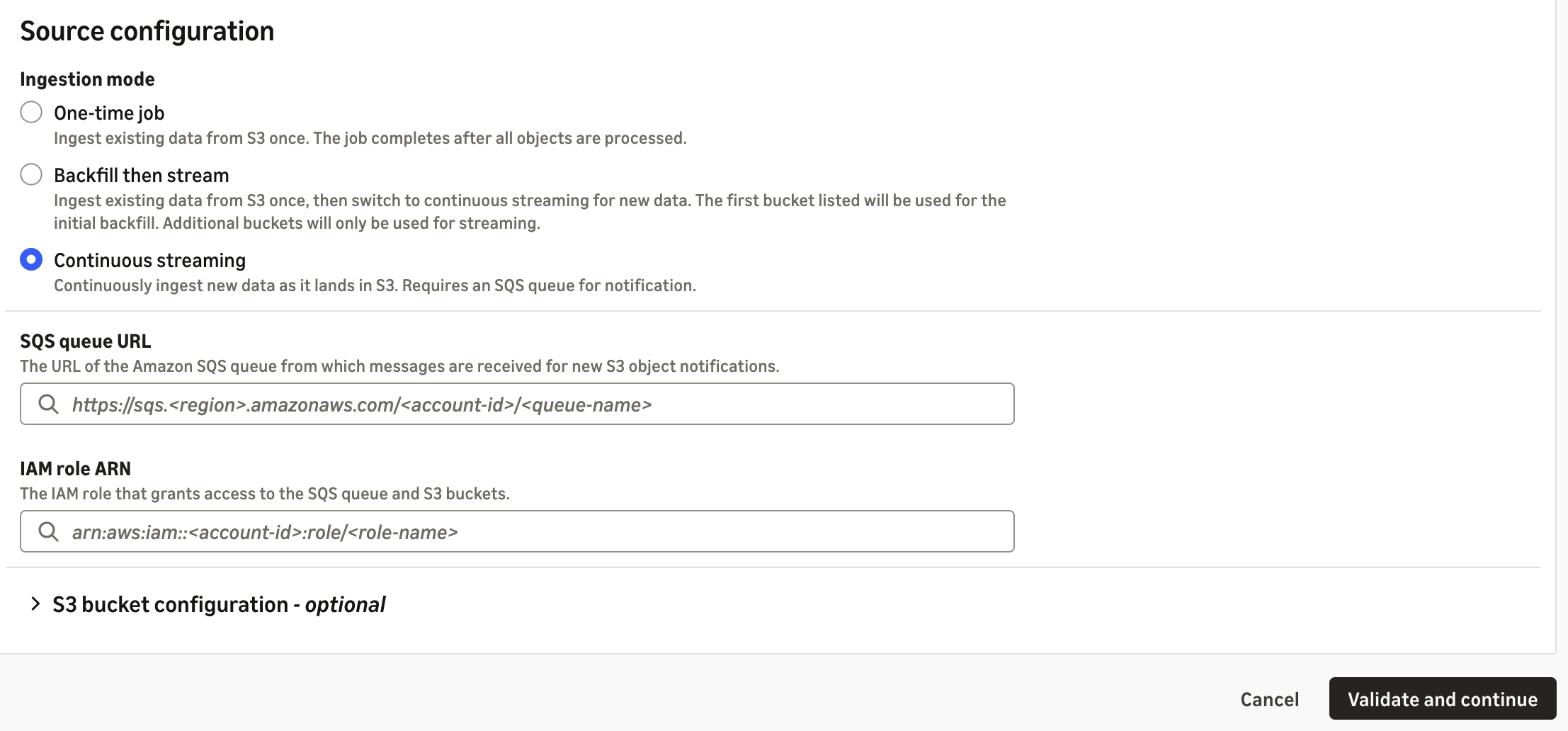
The setup process, accessible via the AWS Management Console, is intentionally low-code. An administrator selects the source bucket, defines the processing parameters, and validates the configuration. The system then provides a dashboard to monitor the status of the ingestion, including document count and indexing progress. This transparency allows for rapid troubleshooting, as teams can see exactly how many documents were successfully ingested versus those that failed, providing a level of observability that was previously difficult to implement.
Industry Context and Future Outlook
This release comes at a time when competition in the vector database and search market is intensifying. With the proliferation of LLMs, the primary differentiator for cloud providers is the ease with which customers can connect their private data to these models. By integrating ingestion directly into the search engine, Amazon is creating a "gravity well" that keeps data within the OpenSearch ecosystem, reducing the need for customers to move data through third-party ETL (Extract, Transform, Load) tools.
For many organizations, the primary barrier to adopting generative AI has been the "data readiness" gap. Many businesses have the data, but it is trapped in formats that AI models cannot easily digest. Amazon’s decision to bake this functionality into the serverless tier of OpenSearch suggests that the company views document ingestion not as a standalone service, but as a mandatory utility for the next generation of cloud-native applications.
As companies continue to scale their RAG implementations, the ability to maintain real-time indexing of millions of documents will become a standard operational requirement. Amazon OpenSearch intelligent ingestion provides a blueprint for how to handle this at scale without the traditional burdens of infrastructure management. For developers and system architects, this marks the end of the "pipeline engineering" era and the beginning of a focus on the intelligence of the applications themselves. By offloading the complexities of data preparation to a fully managed, serverless platform, AWS has provided a significant catalyst for the wider adoption of enterprise-grade generative AI.