Sennheiser Momentum True Wireless 5 changes the game for earbud longevity with user-replaceable batteries

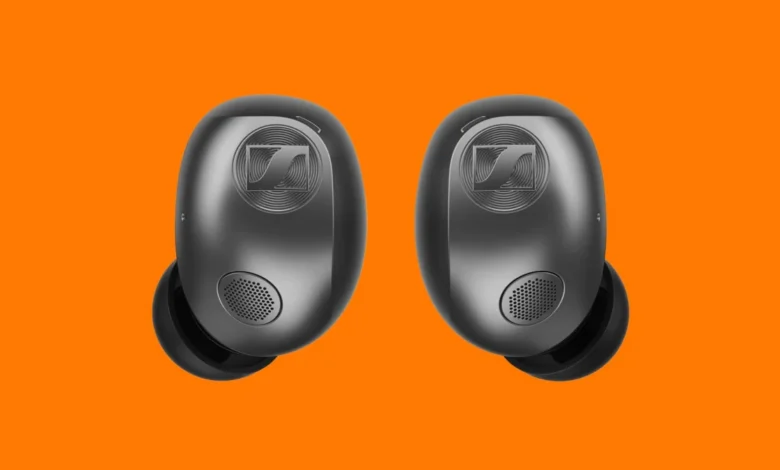
The consumer electronics industry has long faced criticism regarding the inherent "planned obsolescence" of wireless audio hardware. Most modern earbuds, including industry leaders such as Apple’s AirPods and various iterations from Sony and Bose, are hermetically sealed with industrial-grade adhesives. This design choice, while aesthetically sleek and water-resistant, renders the internal lithium-ion batteries inaccessible. Once those batteries inevitably degrade—usually after 18 to 24 months of regular use—the entire device often becomes e-waste. German audio giant Sennheiser has sought to challenge this industry norm with the launch of the Momentum True Wireless 5, a premium earphone system that prioritizes modularity and user-led maintenance.
The Problem with Sealed Audio Technology
The lifecycle of a wireless earbud is dictated almost exclusively by its battery chemistry. Lithium-ion batteries possess a finite number of charge cycles; as these cycles accumulate, the maximum capacity diminishes. In a sealed unit, a 30% reduction in battery capacity effectively signals the end of the product’s functional life for many users. Industry data suggests that the global market for true wireless stereo (TWS) headphones is expected to reach tens of billions of dollars annually, yet the environmental impact of millions of non-recyclable, battery-dead buds accumulating in landfills remains a significant concern for sustainability advocates.
While companies like Apple have faced legal pressure and consumer backlash for their restrictive repair policies, the transition toward "Right to Repair" initiatives has been slow in the audio sector. In 2022, Apple introduced self-repair kits for iPhones, but similar initiatives for their wearable audio ecosystem have remained non-existent. The internal complexity of miniaturized audio hardware—which houses digital-to-analog converters, Bluetooth antennas, and touch-sensitive arrays—makes traditional repair difficult. However, Sennheiser’s approach with the Momentum True Wireless 5 demonstrates that high-fidelity audio and modularity are not mutually exclusive.
A Chronology of the Repairability Movement
The push for repairable consumer electronics gained significant momentum in the early 2020s.
- 2020: Growing consumer awareness regarding electronic waste (e-waste) leads to the first major legislative pushes in the European Union and the United States for standardized repair rights.
- 2022: Apple pivots slightly by launching its "Self Service Repair" program for mobile devices, though it does not extend to the AirPods line.
- 2023: Hardware enthusiasts and independent tinkerers begin publishing "DIY" guides to replace batteries in sealed earbuds, often involving destructive entry methods that ruin the device’s water-resistance rating.
- 2024: The launch of the Fairphone Fairbuds sets a new benchmark for modular design, proving that coin-cell batteries can be made user-accessible without sacrificing form factor.
- 2025: Sennheiser releases the Momentum True Wireless 5, signaling a shift among "premium" audio brands to incorporate modularity into high-end consumer gear.
Technical Specifications and Performance
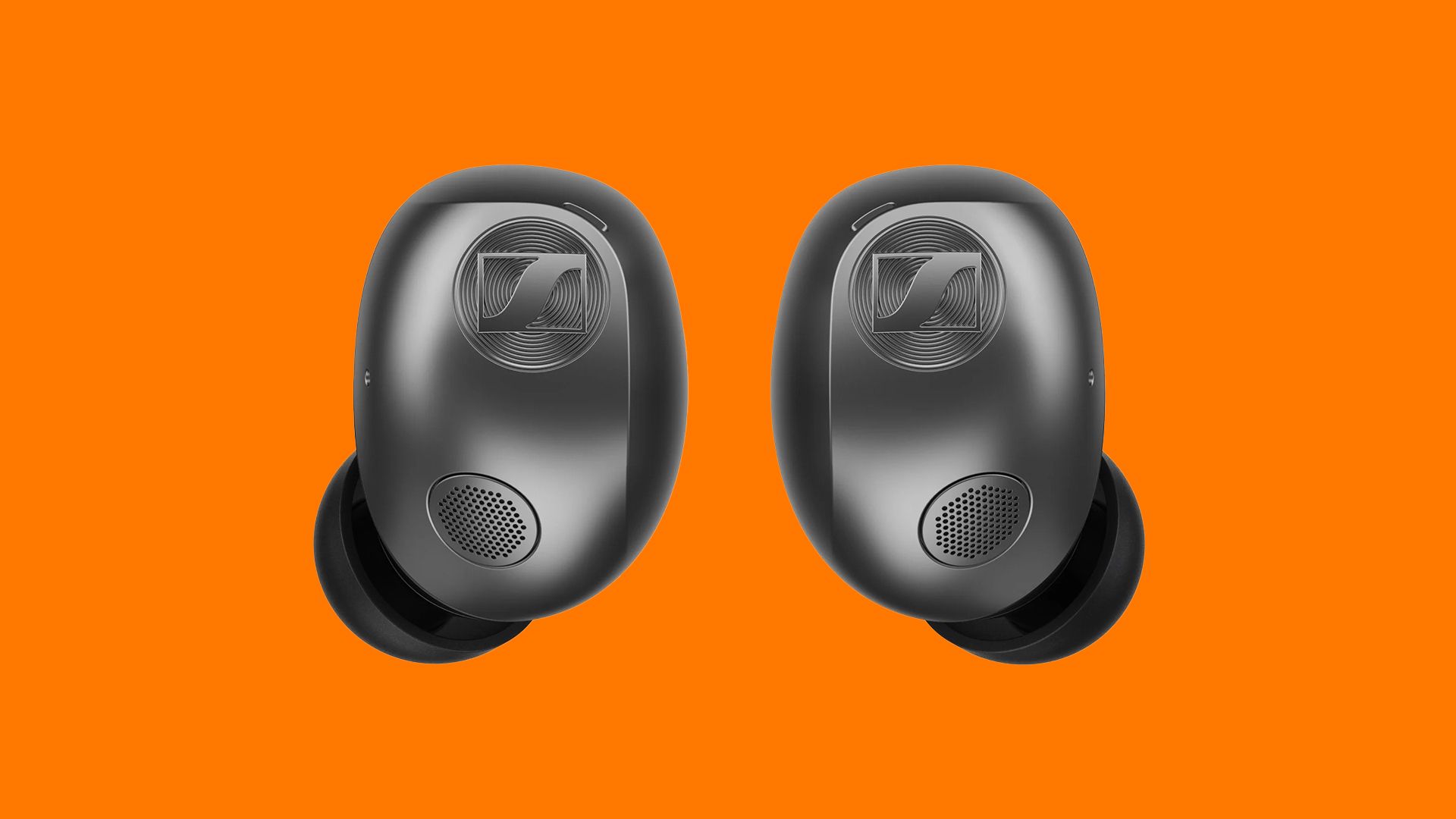
The Momentum True Wireless 5 is not merely a statement on sustainability; it is designed to compete at the highest tier of the audio market. The device features Sennheiser’s proprietary TrueResponse transducers, which are engineered to provide a balanced, high-fidelity sound signature. Key features include:
- Adaptive Active Noise Cancellation (ANC): Utilizing an array of external microphones to monitor ambient noise and adjust anti-noise profiles in real-time.
- Connectivity: Support for high-bitrate codecs, including Lossless audio transmission, which appeals to audiophiles who previously avoided wireless hardware.
- AI-Enhanced Voice Isolation: Advanced digital signal processing (DSP) to isolate human speech from environmental noise during calls.
- Power Management: An improved battery system that provides up to 40 hours of combined playtime with the charging case.
Crucially, the hardware is designed to allow the user to access the battery compartment via standard precision screwdrivers. This eliminates the need for heat guns or specialized solvent chemicals, which are typically required to break the factory-sealed bonds of competitor products.
Implications for the Audio Industry
The introduction of a repairable premium earbud forces a conversation about the cost-benefit analysis of modern tech manufacturing. Critics of the "sealed-by-design" philosophy have long argued that manufacturers prioritize profit margins and design uniformity over the long-term utility of the product. By enabling users to replace their own batteries, Sennheiser is effectively extending the product’s lifecycle by several years.
From a manufacturing standpoint, this shift requires a departure from standard assembly-line practices. Designing a chassis that is both secure enough for daily use and easy to disassemble requires increased precision in mechanical engineering. Sennheiser’s move suggests that the company is betting on brand loyalty; users are more likely to invest in a premium product if they know it will not become obsolete within two years.
Regulatory and Environmental Impact
The environmental implications of this shift are substantial. Electronic waste is currently one of the fastest-growing waste streams globally. By decoupling the battery from the primary audio hardware, the amount of lithium, cobalt, and plastic entering the waste stream could be reduced significantly.
Regulatory bodies, particularly within the European Union, are increasingly favoring manufacturers that adopt "circular economy" principles. New regulations under the EU’s Battery Regulation framework are pushing for devices to have batteries that are "easily removable and replaceable by the end-user" by 2027. Sennheiser’s proactive move with the Momentum True Wireless 5 positions them well ahead of these potential regulatory mandates, effectively future-proofing their product line against upcoming legal requirements.
Market Analysis: Can Repairability Scale?
The primary challenge for the widespread adoption of replaceable batteries is the trade-off in weight and size. Traditional sealed earbuds use pouch cells that are molded to the internal curves of the plastic housing. A modular, screw-based system requires a battery container or a standardized frame, which can occupy precious internal volume.
However, as the Momentum True Wireless 5 demonstrates, modern miniaturization techniques have reached a point where these trade-offs are becoming negligible. The user experience remains premium, and the weight penalty is minimal. Analysts suggest that if consumers begin to prioritize repairability in their purchasing decisions, other major players like Sony, Bose, and Apple will be forced to follow suit to maintain their market share among tech-conscious and environmentally aware consumers.
Conclusion
The Sennheiser Momentum True Wireless 5 represents a critical intersection of high-end audio engineering and sustainable design. By addressing the most common point of failure in wireless electronics—the battery—Sennheiser has created a product that challenges the prevailing industry culture of disposability. While the "Right to Repair" movement continues to gain political and public support, hardware manufacturers like Sennheiser are proving that it is possible to deliver a top-tier consumer experience without sacrificing the long-term utility of the device. As this trend toward modularity continues, the consumer may finally be entering an era where high-quality audio equipment is treated as an investment rather than a temporary consumable.