The Evolution of Character-Driven Worldbuilding and the Modern Realities of the Freelance Digital Art Industry

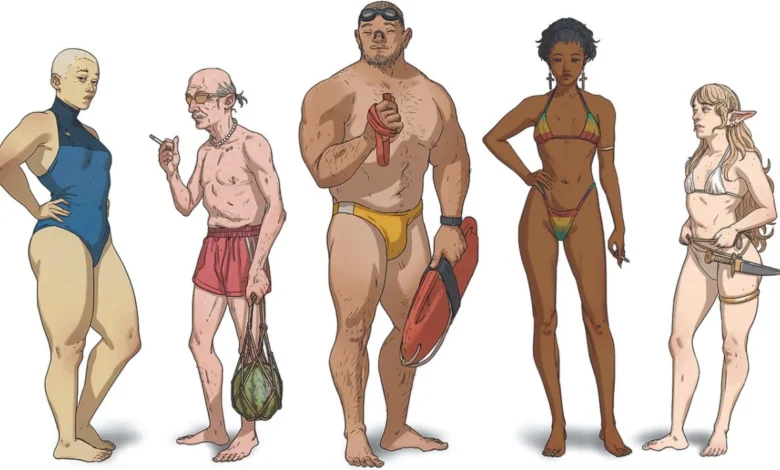
The professional trajectory of Pavel Hristov, a freelance concept artist with extensive experience in the global gaming sector, serves as a compelling case study for the shifting paradigms of digital illustration and character design. Unlike traditional approaches that prioritize immediate visual impact or hyper-stylized aesthetics, Hristov’s methodology utilizes character design as a primary vehicle for narrative worldbuilding and intricate storytelling. This approach, which seeks to embed a sense of history and lived experience into every figure, reflects a broader trend within the entertainment industry where characters are no longer mere avatars but are essential components of environmental and cultural exposition.
The Philosophical Foundation of Character Realism
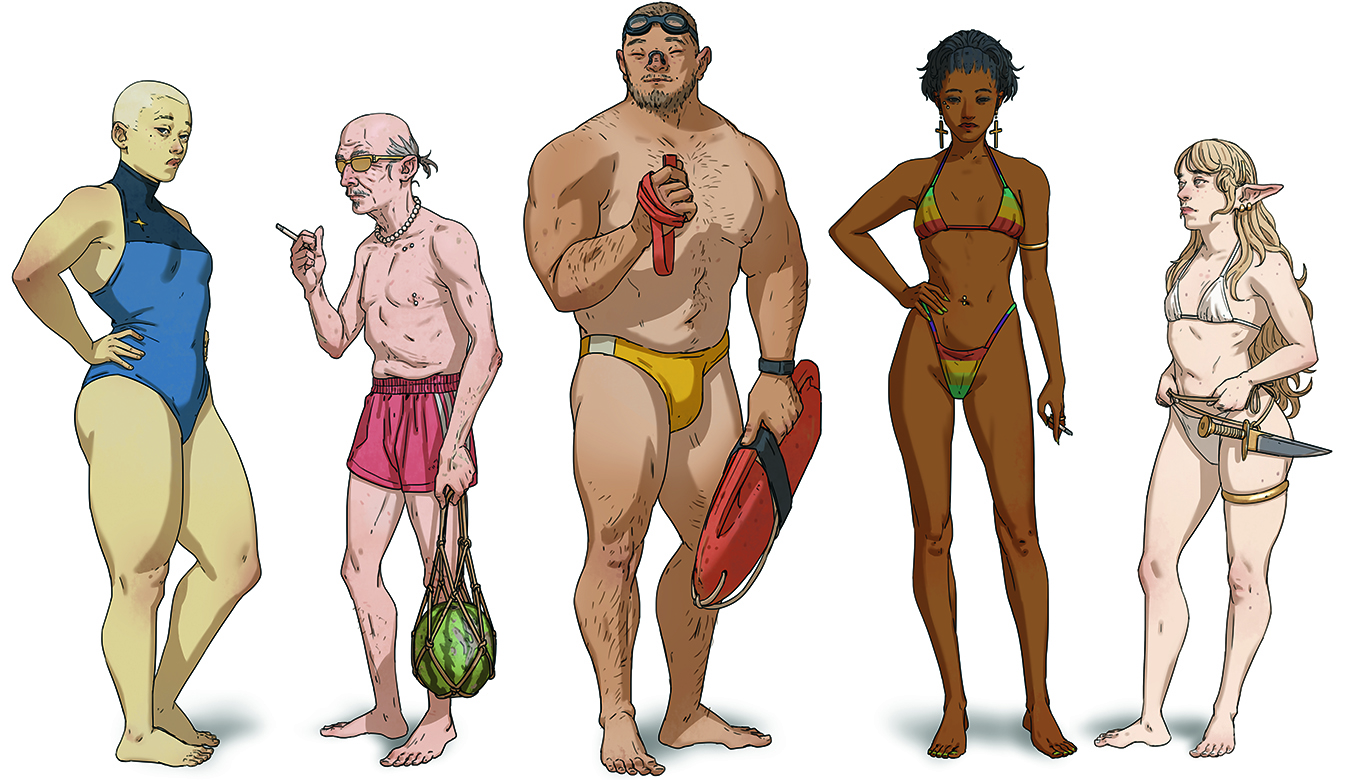
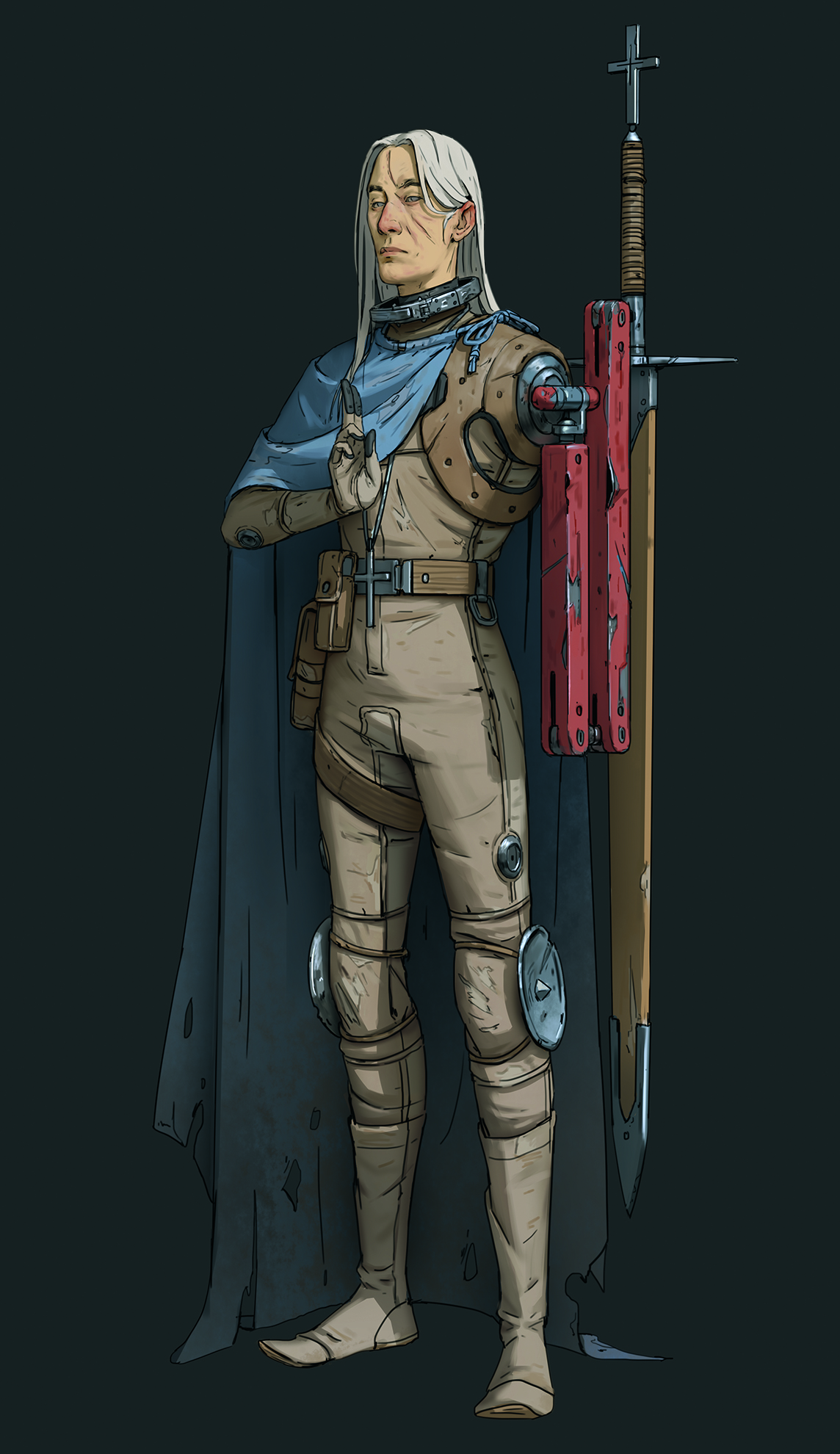
A central tenet of Hristov’s work is the rejection of idealized or exaggerated tropes in favor of what he describes as a "snapshot" of reality. This philosophy is rooted in an unconventional source of inspiration: street fashion photography. During the formative years of his aesthetic development, Hristov was deeply influenced by Japanese fashion magazines that captured random individuals in their natural urban environments. These publications, prevalent before the saturation of social media, offered a look at authentic self-expression devoid of modern artificiality.
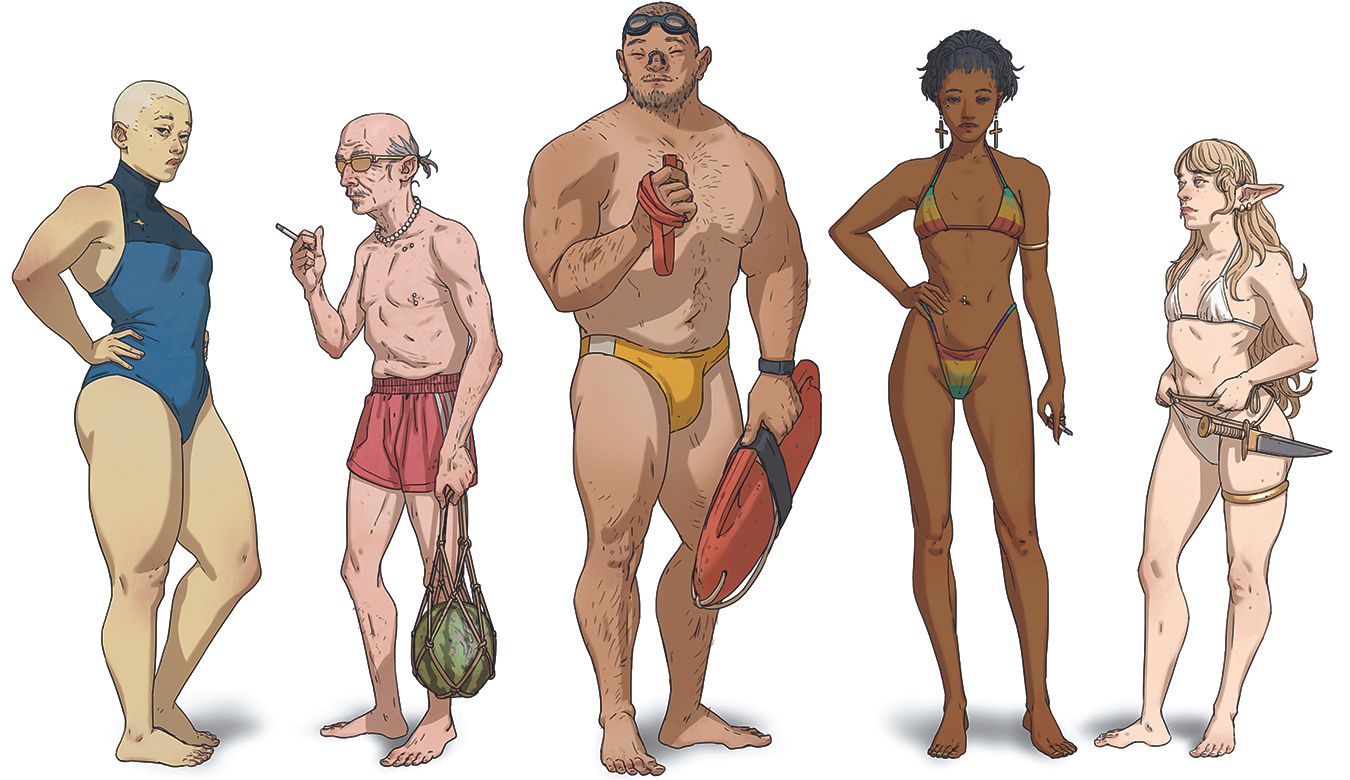
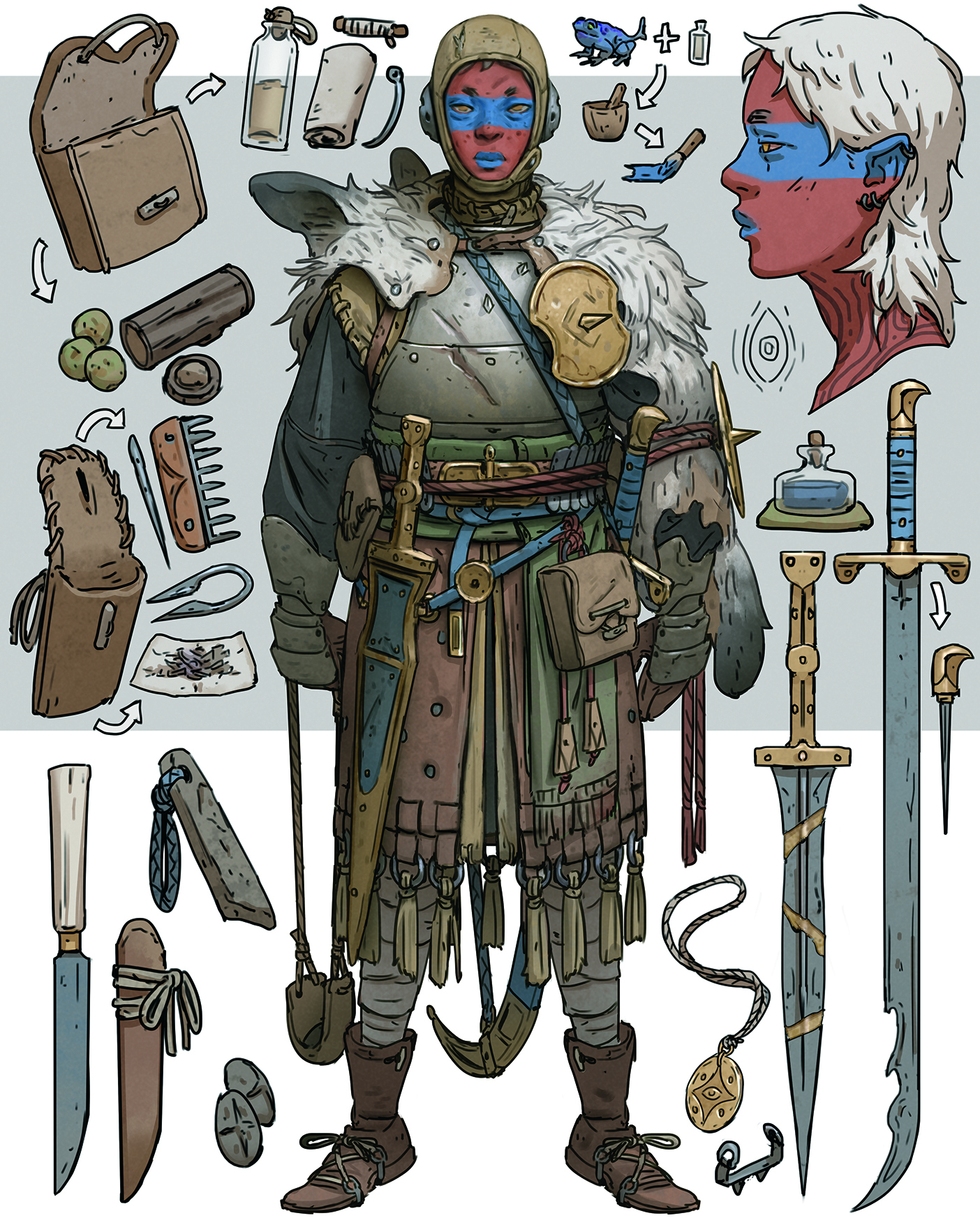
In the context of game design and concept art, this translates to characters that feel grounded in their respective universes. Whether designing a nomadic hunter or a celestial apostle, Hristov’s focus remains on how a character’s attire, posture, and equipment reflect their daily life and social standing. This "anti-idealization" strategy ensures that the characters do not exist in a vacuum; rather, they appear as if they were momentarily captured by a lens while going about their business. This level of authenticity is increasingly sought after by triple-A (AAA) and indie game studios alike, as players demand more immersive and believable worlds.
Chronology of an Accidental Career in Digital Art
The career of Pavel Hristov did not follow a traditional linear path, highlighting the organic and often unpredictable nature of the creative industries. Hristov was initially pursuing a different field of study before a fortuitous opportunity led to his first professional role in the gaming sector. This transition from outsider to industry professional is indicative of the "self-taught" revolution that characterized the early 2010s, a period when online communities and digital portfolios began to bypass traditional gatekeepers.
The timeline of Hristov’s career mirrors the broader evolution of digital art tools and platforms. Over the last decade, the industry has transitioned through several distinct phases:
- The Rise of Digital Tablets (2000s-2010s): The transition from traditional media to Wacom-based workflows allowed artists to iterate at unprecedented speeds.
- The ArtStation Era (2014-Present): The launch of ArtStation provided a centralized, professional hub for artists to showcase work, replacing fragmented forums and personal blogs.
- The Procreate and Mobile Revolution (2016-Present): The introduction of high-fidelity drawing on tablets like the iPad Pro democratized art creation, allowing professionals like Hristov to work outside the traditional studio environment.
- The Current AI Inflection Point (2022-Present): The emergence of generative AI has introduced new challenges regarding copyright, job security, and the definition of artistic "craft."
Hristov’s experience as a freelancer underscores the dual nature of the modern digital art market. While the work allows for creative freedom and the opportunity to collaborate with industry-leading peers on high-profile projects—such as designing creatures or "goblins"—it also demands a high degree of administrative competence. Freelancers must act as their own project managers, accountants, and marketing agents, navigating a market that is increasingly oversaturated and competitive.
Supporting Data: The Economic Landscape of Game Art
To understand the environment in which artists like Hristov operate, it is necessary to examine the economic data surrounding the video game and concept art sectors. As of 2023, the global video game market was valued at approximately $184 billion, with a significant portion of development budgets allocated to visual asset creation.
However, the freelance "gig economy" within this sector presents a complex financial picture. According to industry reports:
- Market Competition: There are an estimated 500,000 active concept artists and illustrators globally on platforms like ArtStation, creating a high barrier to entry for new talent.
- Freelance Stability: A 2023 survey of creative freelancers indicated that 45% cited "inconsistent income" as their primary challenge, a sentiment echoed by Hristov’s observations on the difficulties of the freelance lifestyle.
- AI Integration: Approximately 30% of game studios have begun experimenting with generative AI for "gray-boxing" or initial mood boards, though high-end character design remains largely the domain of human specialists due to the need for narrative consistency and specific art directions.
Industry Response and the Challenge of Generative AI
The digital art community is currently navigating a period of significant tension, a topic Hristov addresses with a mix of optimism and caution. The accessibility of learning resources—ranging from YouTube tutorials to specialized platforms like ImagineFX—has never been higher. Yet, this accessibility is countered by the "algorithmic" nature of social media, which often prioritizes engagement metrics over artistic merit.
The emergence of generative AI represents the most significant disruption to the field in decades. Many artists have voiced concerns that these tools are trained on copyrighted works without consent, leading to a devaluation of human labor. Hristov notes that while there are more ways than ever for artists to monetize their work—such as through independent educational content or personal projects like his "Beyond the Void" space exploration series—the corporate treatment of artists remains a point of contention. The industry is currently seeing a "bifurcation" where some companies leverage AI to reduce costs, while others lean into "human-centric" art as a premium brand differentiator.
The Importance of Artistic Fundamentals
Despite the technological shifts, Hristov emphasizes that the "fundamentals" of art remain the most critical asset for any creator. Anatomy, color theory, lighting, and composition are the bedrock of effective character design. His advice to his younger self—to never become complacent during successful periods—serves as a warning against the "stagnation trap."
In a competitive market, the ability to adapt and expand one’s skill set is vital. Hristov himself has expressed interest in moving beyond static character concepts into the realm of animation. This move toward motion is a growing trend among concept artists, as the boundaries between character design, rigging, and animation continue to blur in modern game engines like Unreal Engine 5.
Broader Impact and Implications for the Future
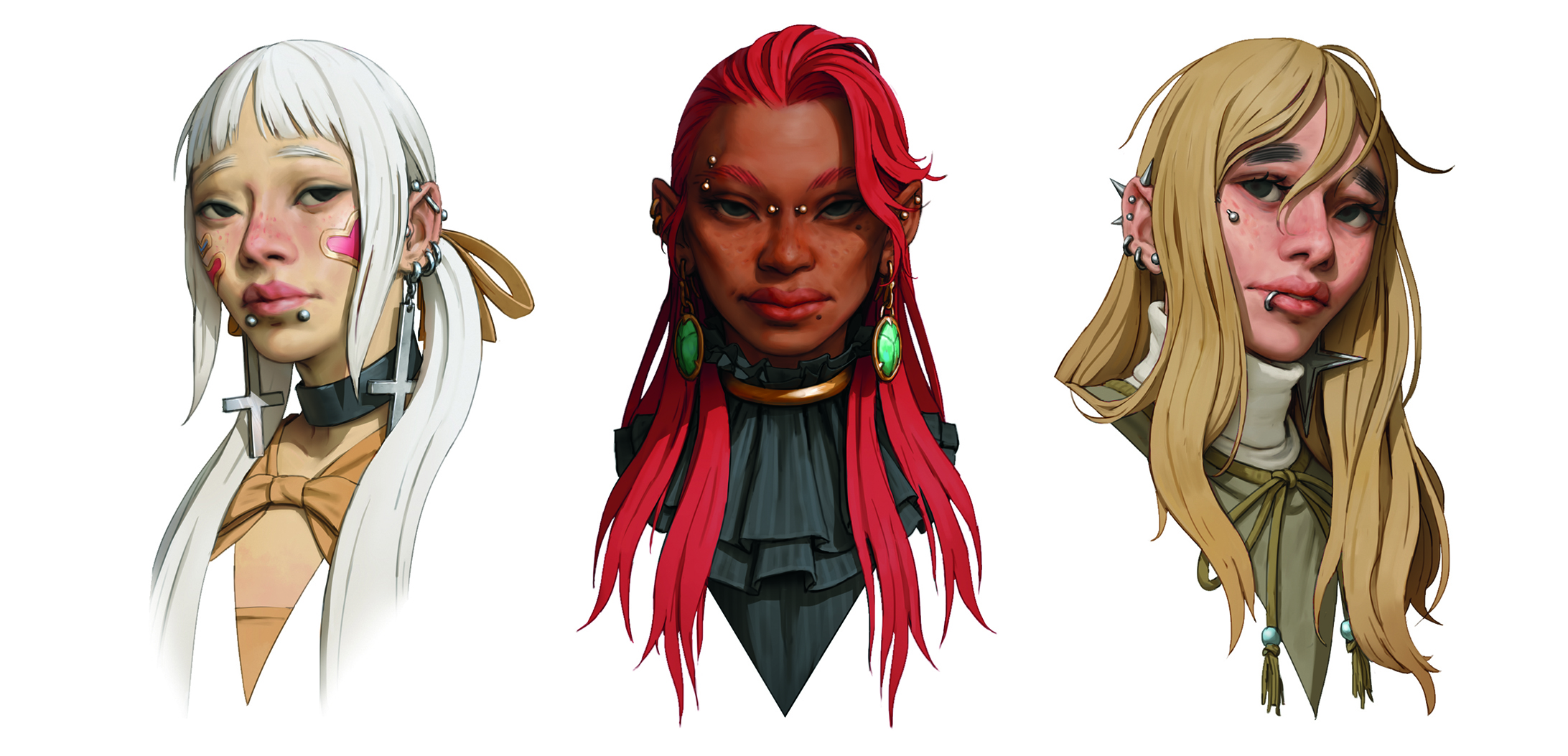
The work of artists like Pavel Hristov has implications that extend beyond the aesthetic quality of video games. Character-driven worldbuilding is a form of cultural production that influences how audiences perceive identity, history, and social structures within fictional spaces. By prioritizing "lived-in" realism over idealized forms, Hristov contributes to a more diverse and nuanced visual vocabulary in digital media.
Furthermore, the shift toward independent personal projects, such as Hristov’s "Beyond the Void," suggests a future where artists are less reliant on major studios and more empowered to act as independent creators. This "creator economy" model allows for greater experimentation and the exploration of niche themes—such as worlds where demons "pupate like insects"—that might be deemed too risky for mainstream commercial projects.
In conclusion, the digital art industry stands at a crossroads. While technological advancements have democratized the tools of creation, they have also introduced systemic challenges that require artists to be more resilient and versatile than ever before. Pavel Hristov’s career illustrates that success in this environment is not merely a product of technical skill, but of a deep-seated commitment to storytelling, a rigorous adherence to artistic fundamentals, and a clear-eyed understanding of the professional landscape. As the industry evolves, the role of the concept artist will likely continue to shift from "image maker" to "world architect," where the characters they create serve as the primary bridge between the audience and the imagination.