The Intersection of Afrofuturism and Hip-Hop Pope Phoenix Reimagines the Classic Playing Card Deck

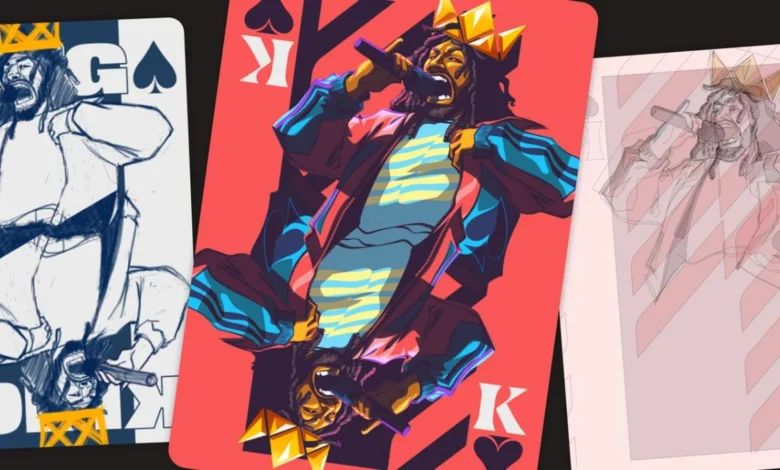
The traditional deck of playing cards, a staple of social interaction and gaming for centuries, has long adhered to a rigid visual vocabulary established by the French-suited decks of the 15th century. However, in a recent collaboration with the design software firm Affinity, New York-based illustrator Pope Phoenix has dismantled these historical conventions to create "King of Spades," a comprehensive deck design that serves as a visual anthology of hip-hop culture. By synthesizing the four pillars of hip-hop—MCing, DJing, Breaking, and Graffiti—with the aesthetic principles of Afrofuturism, Phoenix has transformed a functional object into a narrative medium that explores identity, rhythm, and urban history.
The project originated from an open brief provided by Affinity, the creative software suite developed by Serif, challenging artists to push the boundaries of their tools while conceptualizing a product that could transition from digital pixels to physical cardstock. For Phoenix, whose portfolio includes work for high-profile clients such as IBM, BET, and PBS, the challenge was not merely illustrative but structural. A playing card requires a unique architectural balance: it must be legible when mirrored, recognizable across a table, and evocative within the confines of a three-and-a-half by two-and-a-half-inch frame.
The Historical and Cultural Foundation: The Four Pillars
To understand the depth of the "King of Spades" project, one must look at the historical framework Phoenix utilized. The deck is structured around the four pillars of hip-hop, a cultural movement that originated in the Bronx, New York, during the early 1970s. By assigning these pillars to the royal flush of the spade suit, Phoenix elevates urban street culture to the status of traditional monarchy.
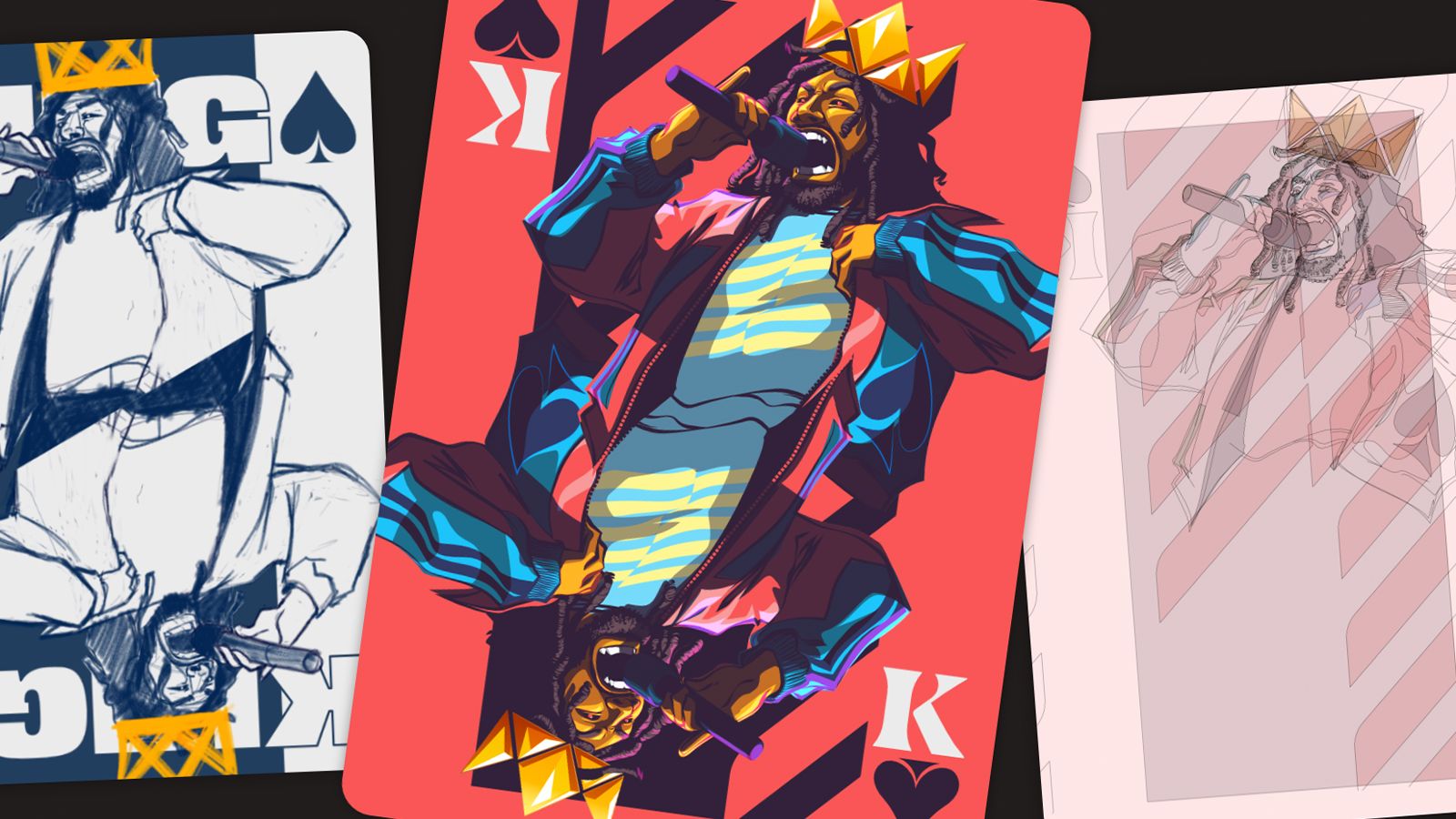
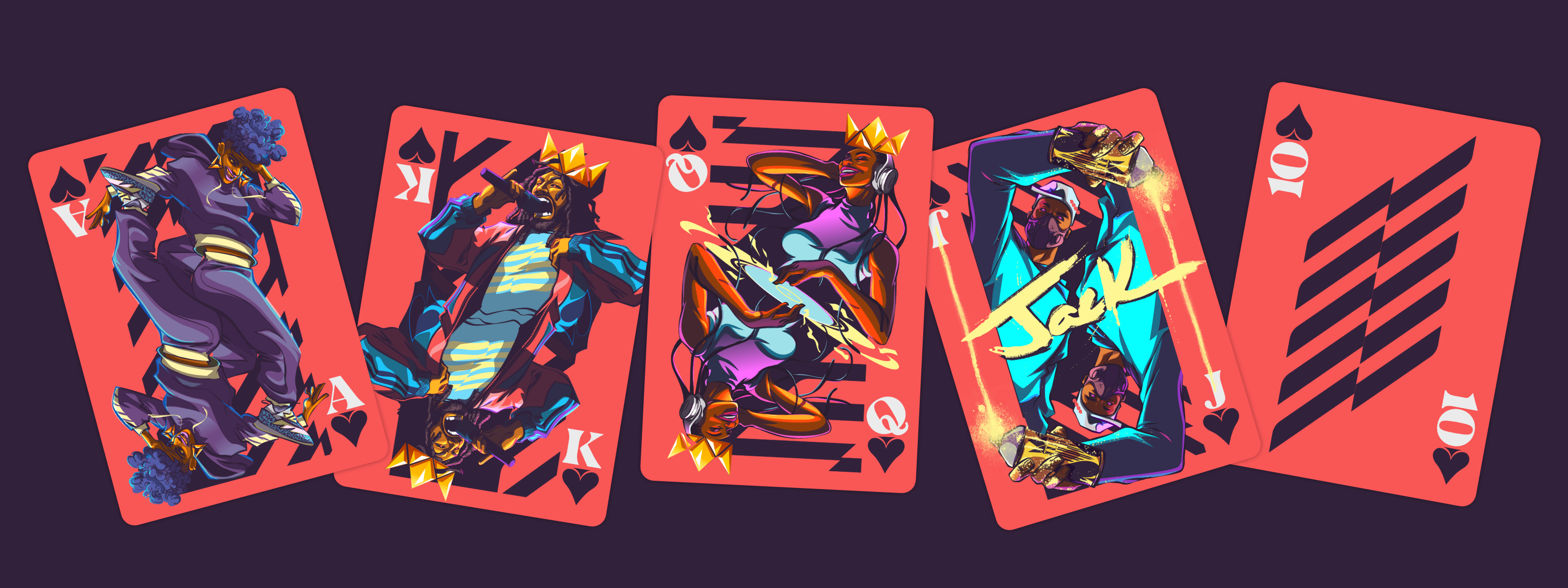
- MCing (The King): Representing the oral tradition and the "voice" of the movement, the King card reflects the lyricism and commanding presence of the Master of Ceremonies.
- DJing (The Queen): Often the backbone of hip-hop production, the DJ is portrayed with the technical precision required for turntablism, symbolizing the rhythmic heart of the culture.
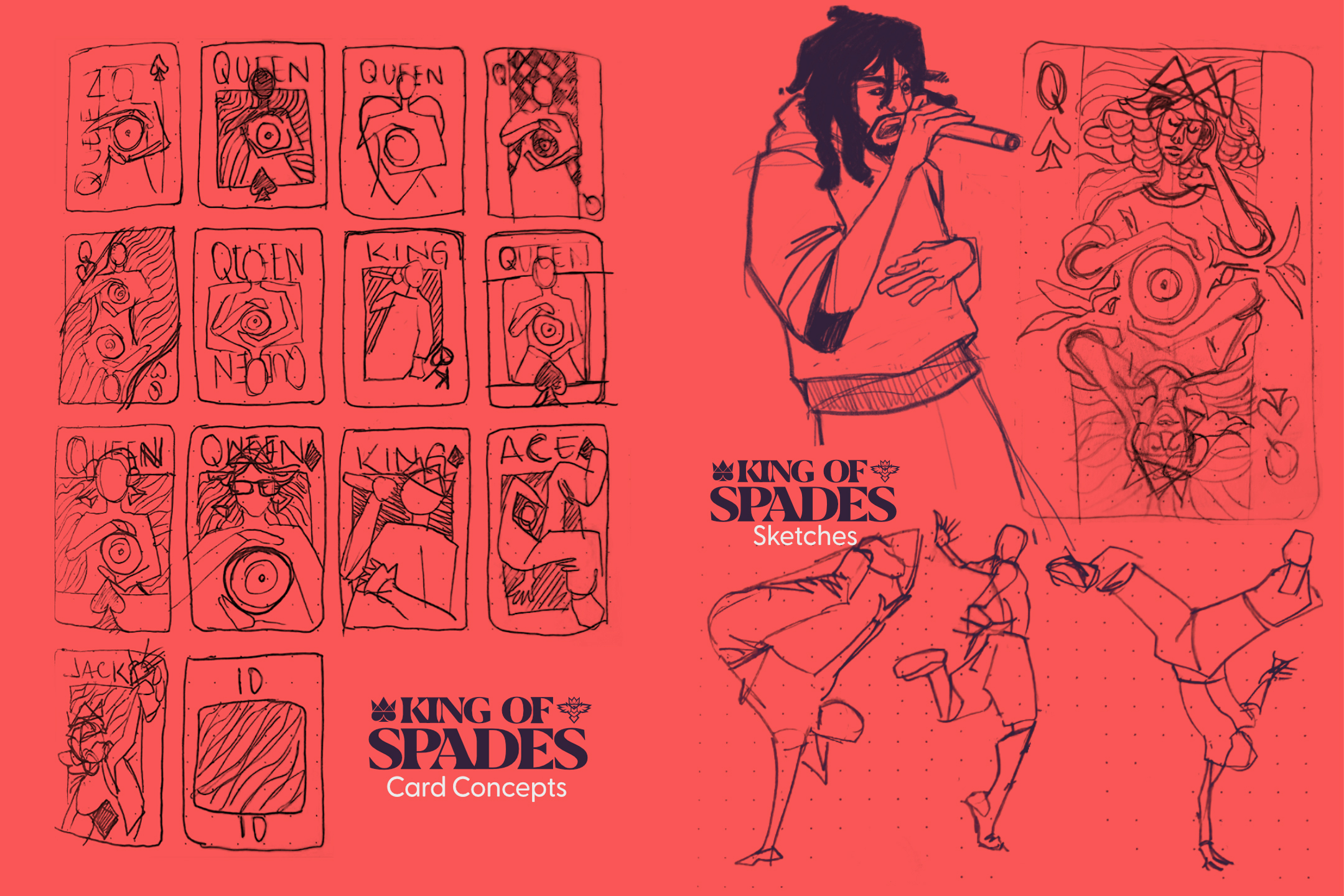
- Breaking (The Jack): Also known as B-boying or B-girling, this pillar represents the physical expression and athletic prowess of the movement. Phoenix utilized more dynamic, kinetic sketches for this card to capture the energy of dance.
- Graffiti (The Ace): As the visual language of the streets, graffiti provides the stylistic flourishes seen in the deck’s typography and background textures.
By centering the deck on these elements, Phoenix creates a "Royal Flush" that is culturally specific yet universally recognizable. This thematic choice aligns with a broader trend in the design world where creators are reclaiming traditional Western formats to center marginalized histories and subcultures.
The Aesthetic Lens: Afrofuturism and Wakandan Influence
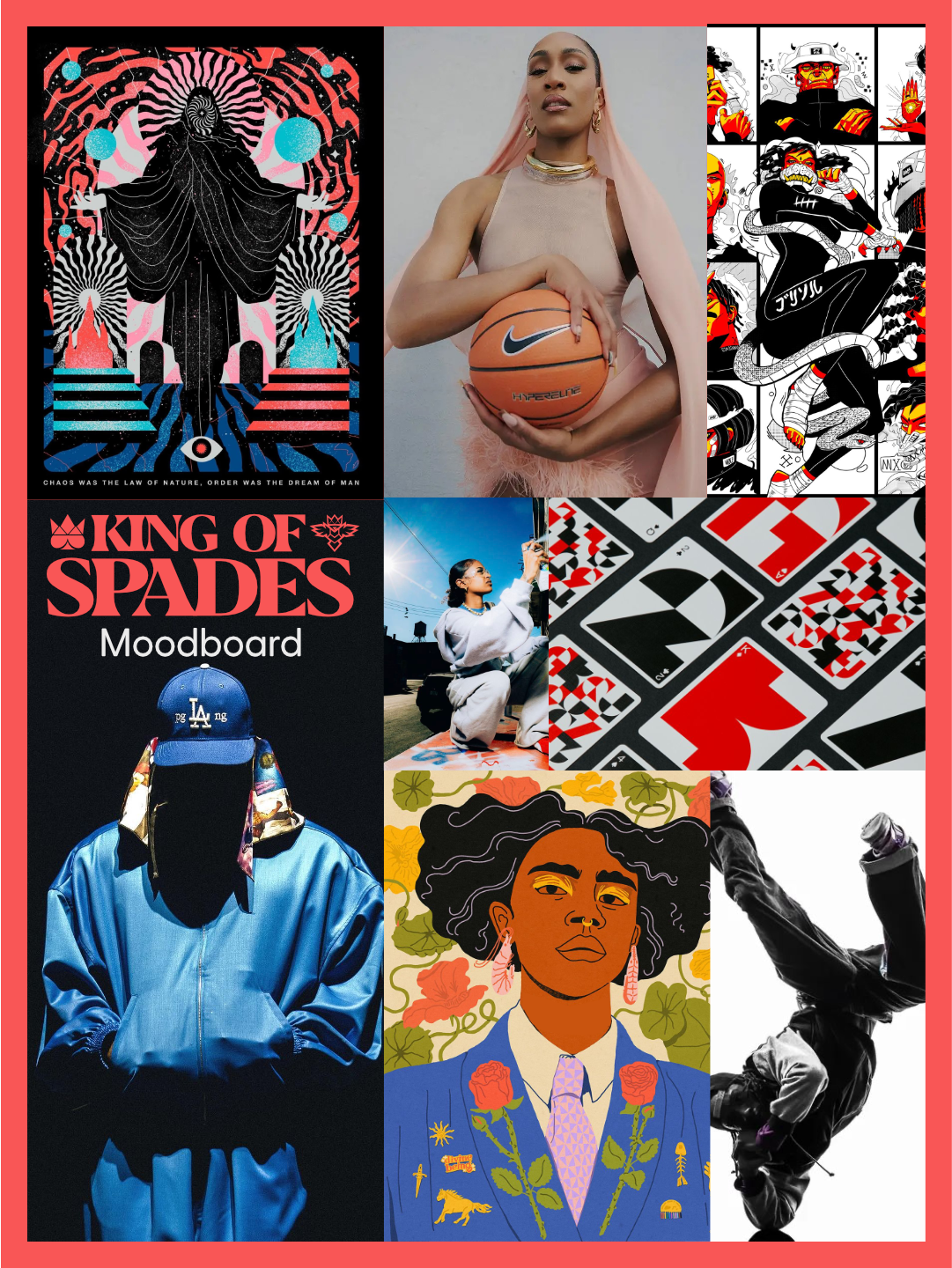
A significant portion of the enrichment in Phoenix’s work comes from the incorporation of Afrofuturism. This cultural aesthetic combines elements of science fiction, historical fiction, and fantasy to explore the African Diaspora’s experience and to imagine futures rooted in Black culture. Phoenix cited the "Wakanda-inspired royal family" as a primary reference point, drawing from the visual world-building seen in contemporary media like Marvel’s Black Panther.
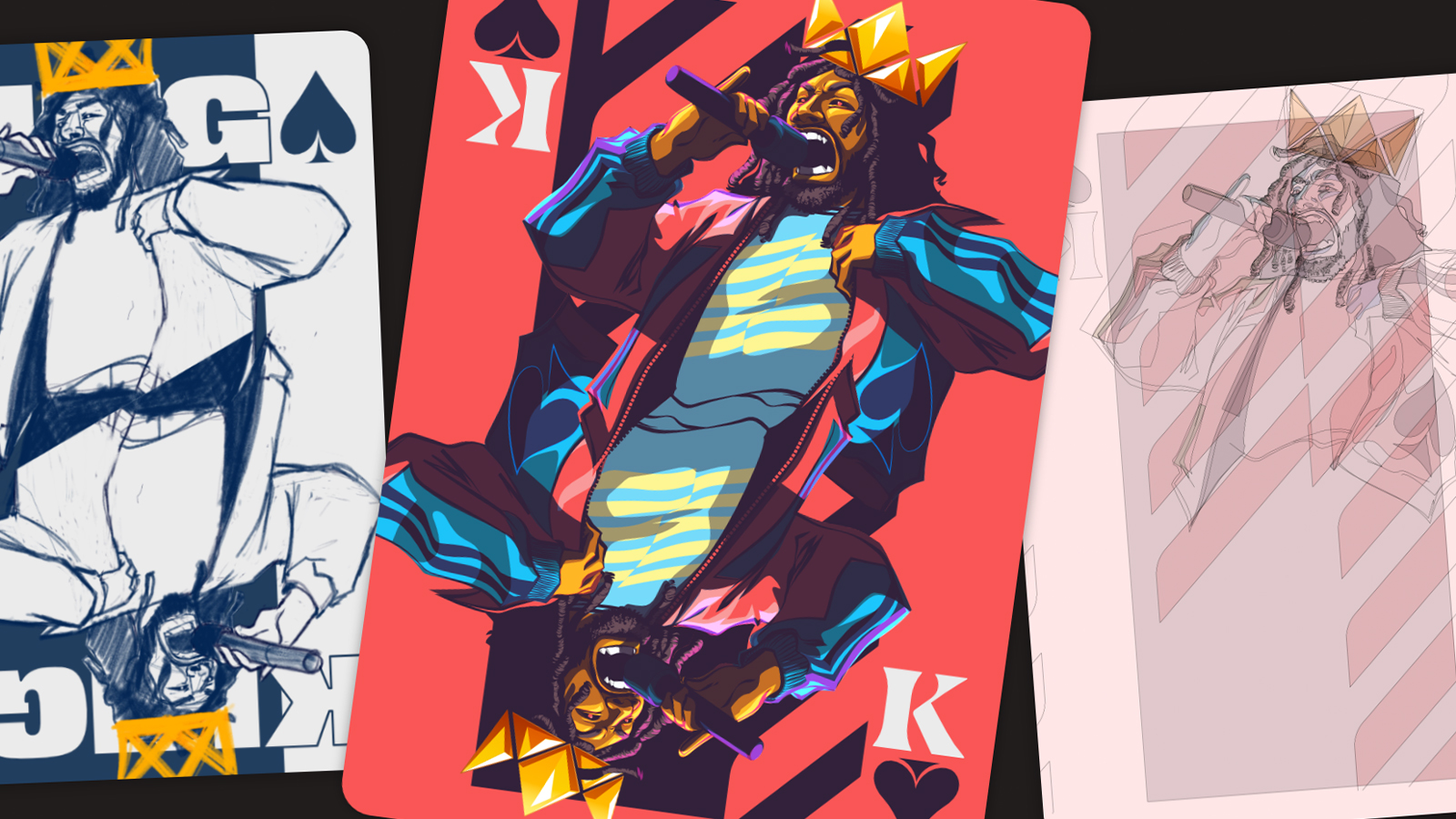
The character designs in "King of Spades" are not merely portraits; they are archetypes. The figures wear clothing that blends modern streetwear with regal, futuristic silhouettes. This "Afrofuturist Royalty" concept allows the deck to move beyond the gritty realism often associated with early hip-hop imagery, instead presenting the culture as an enduring, sophisticated, and evolving empire.
Technical Workflow: Bridging Raster and Vector with Affinity Designer
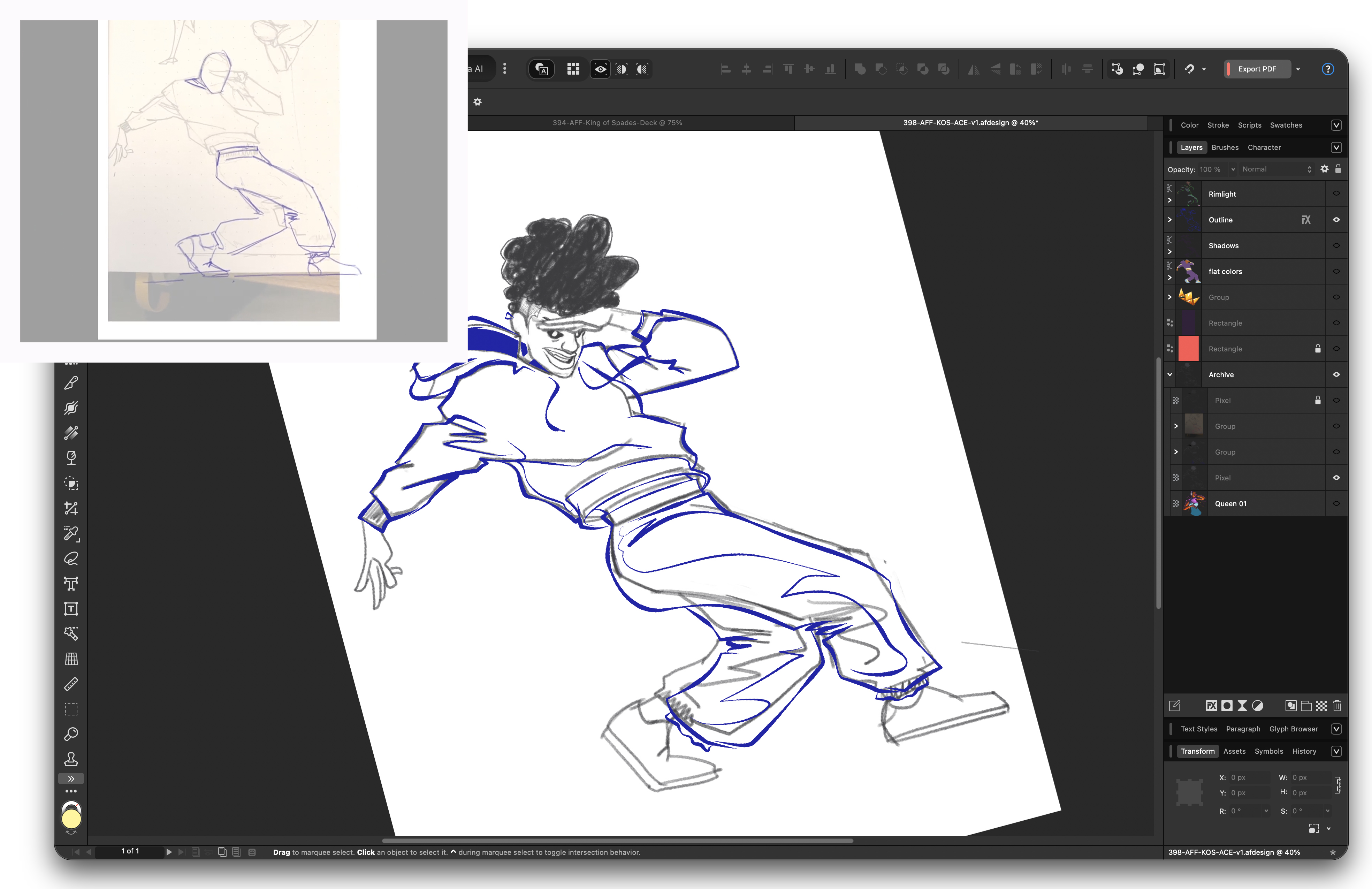
The creation of the deck served as a rigorous test for the capabilities of Affinity Designer. In the professional design landscape, the choice of software often dictates the final texture of the work. While Adobe Illustrator remains the industry standard for vector work, Affinity Designer has gained significant traction for its "Persona" system, which allows artists to switch seamlessly between vector (scalable math-based shapes) and raster (pixel-based painting) environments.
Phoenix’s workflow began with traditional analog methods. He utilized a sketchbook for initial thumbnails, exploring how to mirror characters without losing their distinct personalities. "The mirrored face card structure ensured the cards remained readable no matter how they were held or thrown," Phoenix noted, highlighting the ergonomic necessity of playing card design.
Once the sketches were digitized, Phoenix used raster pencil brushes to refine the linework. The transition to vectors allowed for the clean, sharp edges required for professional printing, while the raster tools enabled the addition of "gritty, hand-drawn details." A notable example of this technical fusion is the "Jack" title. Phoenix modified a physical Tombow marker by roughening the nib with a razor, creating an imperfect, expressive stroke. These physical marks were then scanned and integrated into the digital layout, preserving the "human" element of the design.
Color Theory and Visual Systems
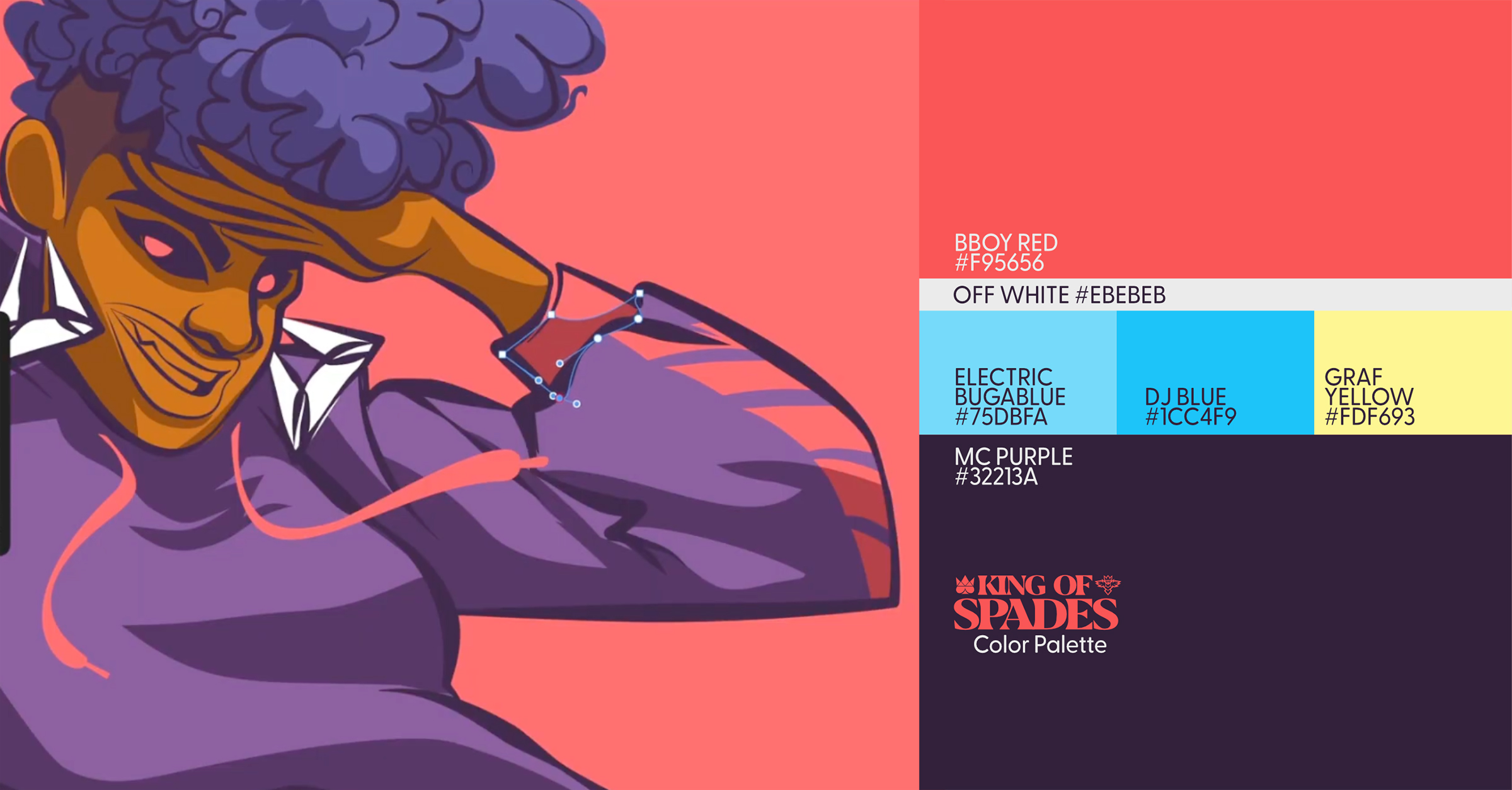
The palette of "King of Spades" is a deliberate departure from the standard red, black, and white of traditional decks. Phoenix developed a sophisticated color system designed to evoke the energy of a neon-lit urban environment.
- Primary Base: A rich, muted red paired with a deep, moody purple. This combination creates a sense of "royal" weight while maintaining a modern, nocturnal vibe.
- Secondary Accents: A dull yellow and a vibrant blue provide contrast, ensuring that the intricate details of the characters’ outfits and tools (like turntables and microphones) pop against the darker backgrounds.
- High-Contrast Highlights: An electric light blue is used for highlights, mimicking the glow of electronics or spray paint, while an off-white is reserved for typography to ensure maximum legibility.
This color strategy serves a dual purpose: it distinguishes the deck from mass-market products and reinforces the Afrofuturist theme by utilizing colors that feel both ancient and synthetic.
The Design Challenge: The 10 Card and the Back Design
While the face cards (King, Queen, Jack, Ace) often receive the most attention, the "King of Spades" project required a cohesive visual system that extended to the number cards and the back design. Phoenix chose to focus on the "10" card as the representative number card for the project.
The evolution of the number card reflects the experimental nature of the design process. Early iterations featured dot systems or graphics inspired by musical bass lines. However, to maintain the hip-hop theme, the final design integrated elements of the MPC (Music Production Center), a legendary sampler and sequencer used by hip-hop producers like J Dilla and DJ Shadow.
The back of the cards presented a different challenge. In card design, the back must be perfectly symmetrical so that "cheating" is impossible; players should not be able to tell if a card is right-side up or upside down. Phoenix solved this by creating a repeating pattern of the MPC graphic, rotating and flipping elements to create a kaleidoscopic effect. This pattern was then contained within a clipping mask, allowing portions of the design to bleed off the edges, giving the deck a modern, high-fashion textile feel.
Market Context and the Rise of Designer Playing Cards
The "King of Spades" project sits within a booming niche market for designer playing cards. Over the last decade, platforms like Kickstarter have seen a surge in "boutique" decks, with companies like Theory11 and Art of Play turning decks of cards into luxury collectibles. These decks often sell for significantly more than standard Bicycle decks, appealing to magicians, cardists (practitioners of card flourishing), and art collectors.
By aligning hip-hop culture with this luxury collectible market, Phoenix is participating in a broader movement of "cultural elevation." Just as hip-hop has moved from the streets of the Bronx to the halls of the Smithsonian and the stages of the Super Bowl, the visual language of the culture is now being applied to classic objects of leisure.
Analysis of Implications: Design as Storytelling
The significance of the "King of Spades" deck extends beyond its aesthetic appeal. It represents a shift in how digital tools are used to preserve and reinterpret cultural history. By using modern software like Affinity Designer to document the "pillars" of a 50-year-old movement, Phoenix creates a bridge between generations.
Furthermore, the project highlights the importance of representation in "everyday" design. For a long time, the kings and queens on playing cards were exclusively modeled after European royalty (specifically Charlemagne, Judith, and Hector of Troy). Phoenix’s work provides an alternative: a deck where the royalty is Black, the setting is the future, and the power is derived from creative expression rather than divine right.
As the design moves toward potential physical production, it stands as a testament to the power of the "open brief." When software companies like Affinity empower artists to explore their own identities through their tools, the result is often a product that is more authentic and impactful than traditional corporate-driven design.
Conclusion: The Legacy of the King of Spades
Pope Phoenix’s "King of Spades" is more than a deck of cards; it is a meticulously crafted artifact that captures the essence of a global movement. Through rigorous research, technical innovation, and a deep respect for the history of hip-hop, Phoenix has successfully navigated the "deceptively simple" challenge of playing card design.
The project serves as a blueprint for future illustrators, demonstrating that even the most established formats—like a 52-card deck—are ripe for reinvention. As hip-hop continues to influence every facet of global culture, from fashion to film, "King of Spades" ensures that the visual rhythm of the four pillars will have a permanent place at the table.