The Future of Filmmaking: Christopher Glass on Balancing Practical Artistry with the Rise of Artificial Intelligence

The landscape of modern cinema is currently undergoing a profound transformation, driven by the rapid integration of artificial intelligence and automated digital production tools. As industry veterans and emerging artists navigate this shifting terrain, the role of the production designer—the architect of a film’s visual language—faces an existential inquiry: does human ingenuity still hold primacy in an era of machine-generated imagery? Christopher Glass, an award-winning production designer recognized for his work on feature films, high-end television, and global advertising campaigns, argues that the soul of filmmaking remains rooted in the tactile, human experience, even as the industry pivots toward unprecedented technological efficiency.
Defining the Role of the Production Designer
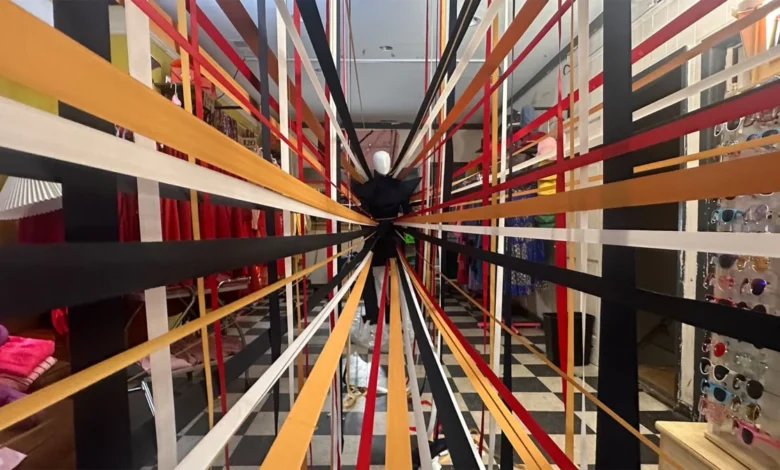
To understand the friction between traditional craft and digital automation, one must first recognize the scope of the production designer’s mandate. Often misunderstood by those outside the industry, the production designer is the individual responsible for the entire visual universe of a motion picture. This role encompasses everything within the frame that is not a costume, the cinematography, or the off-camera lighting.
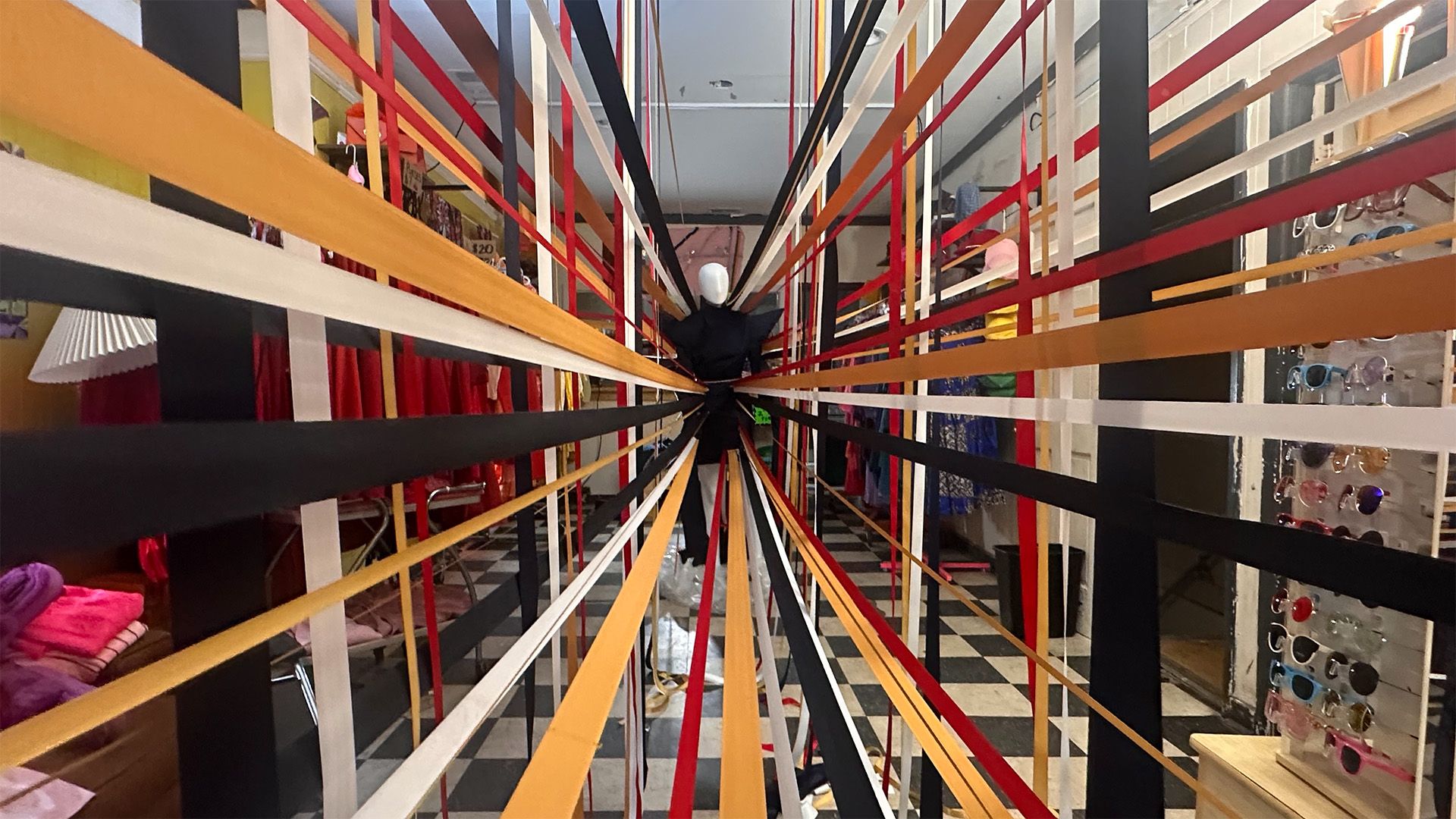
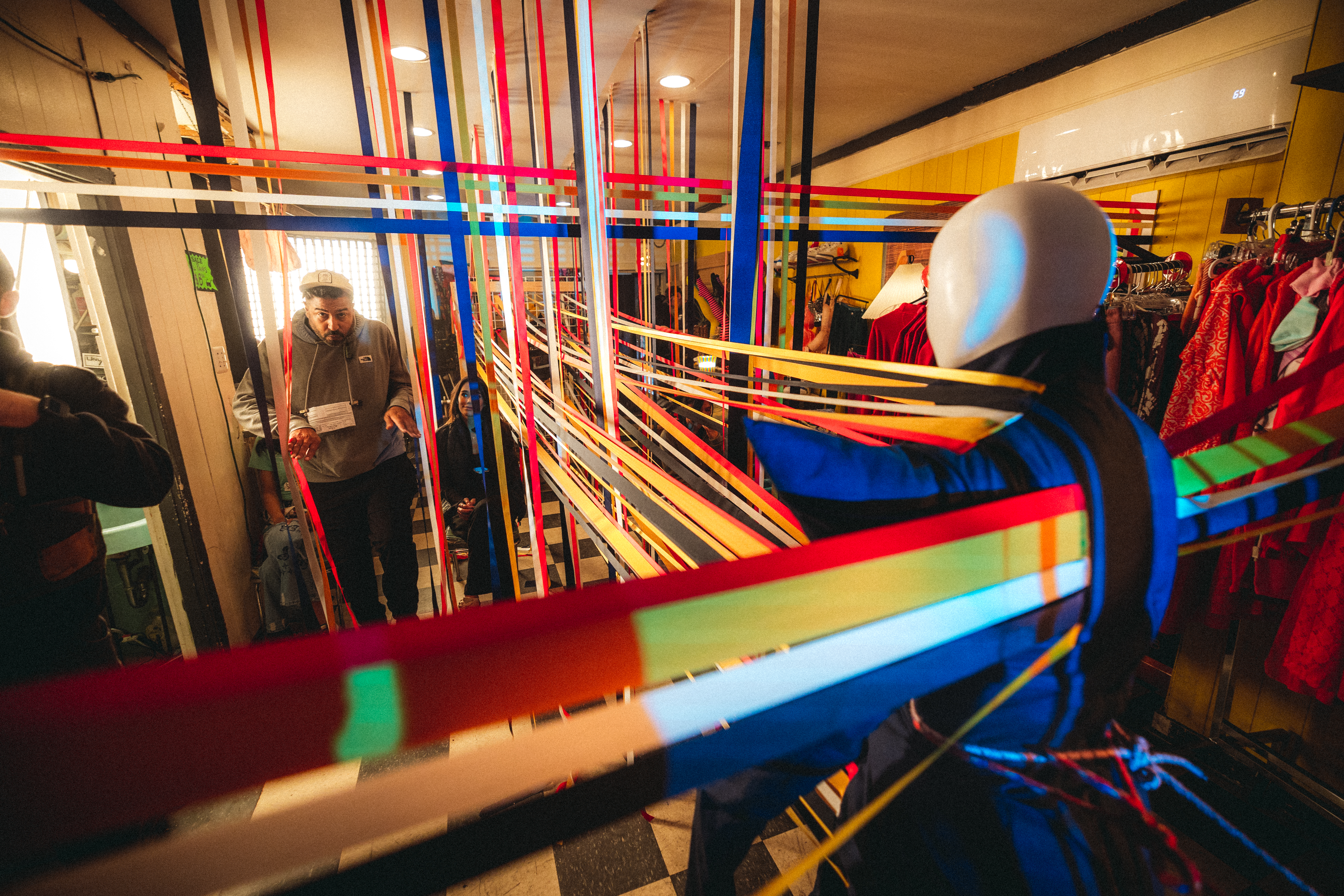
Glass, a decorated professional with over two decades of experience, notes that the ambiguity surrounding this role often stems from its all-encompassing nature. From the selection of color palettes and architectural structures to the creation of immersive physical environments, the production designer acts as the bridge between the director’s narrative intent and the physical reality captured by the camera. Despite the critical importance of this position, even seasoned producers and directors occasionally struggle to quantify the day-to-day contributions required to build these complex, emotionally resonant worlds.
The Evolution of the Production Craft
The history of production design is a narrative of technological adaptation. Throughout the 20th century, the transition from painted backdrops to sophisticated physical sets allowed for greater realism. The early 2000s ushered in the era of digital compositing and green screens, which theoretically freed filmmakers from the constraints of physical space. However, these advancements also introduced a disconnect between actors and their environments.
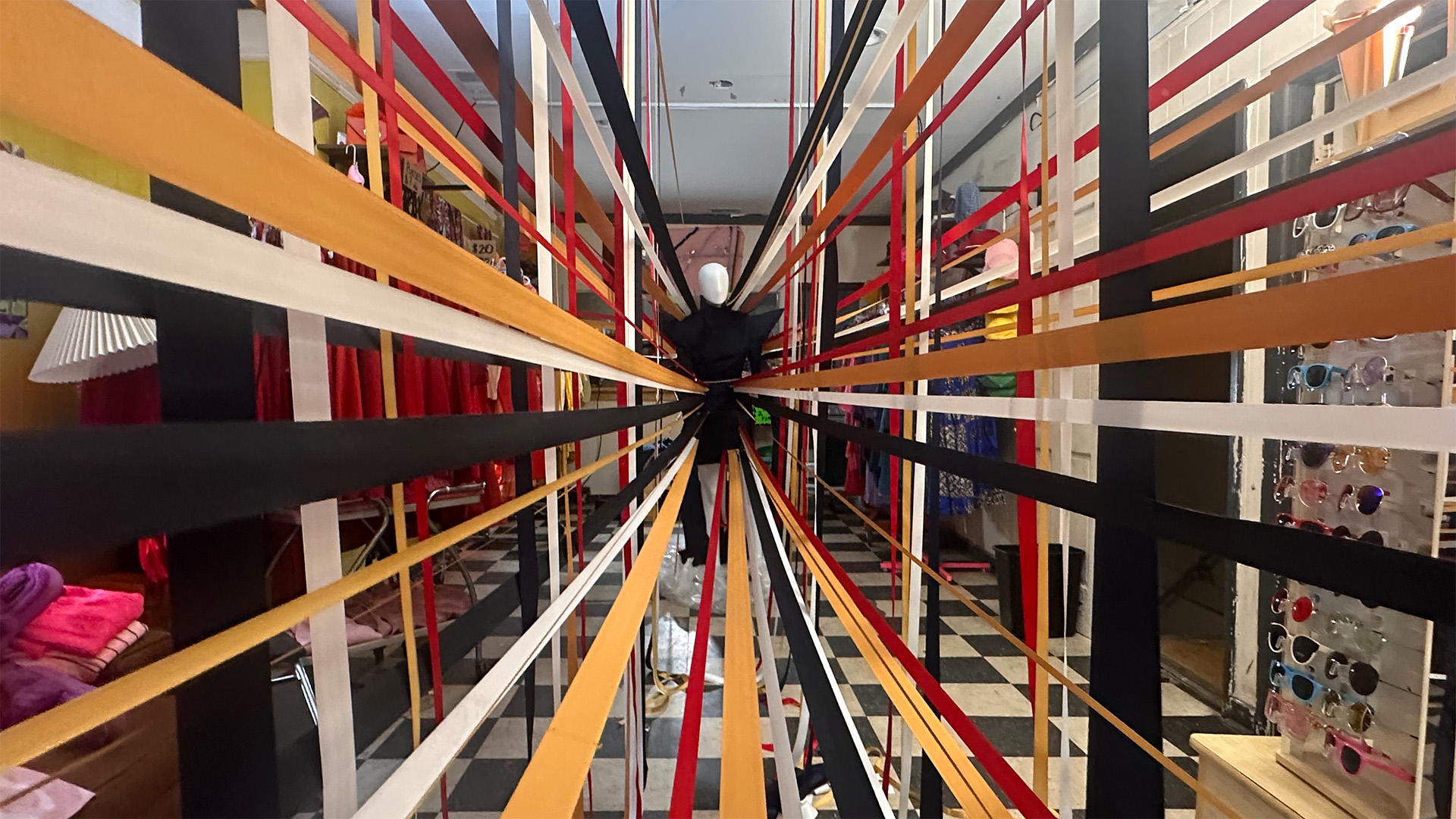
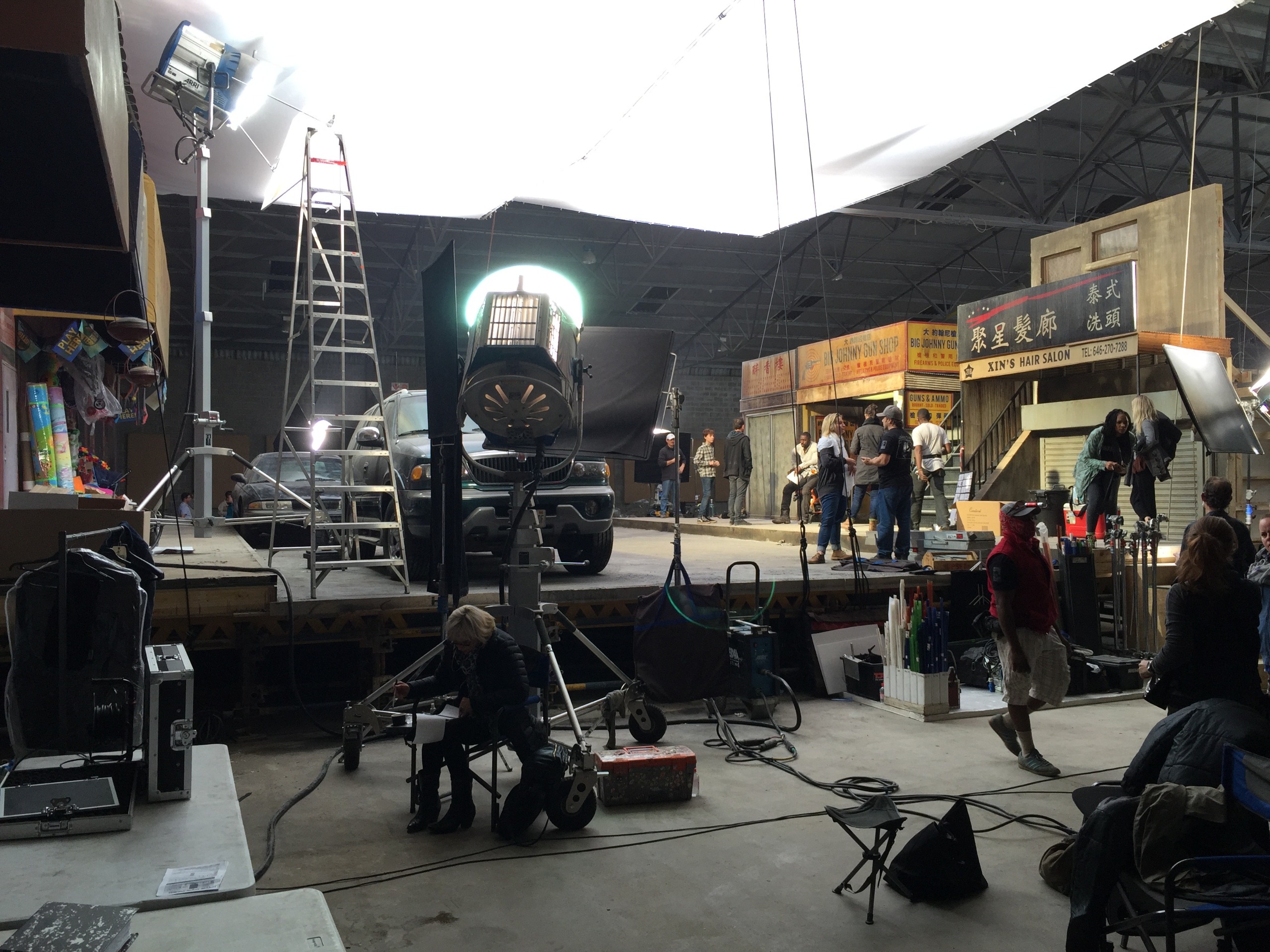
Data from the American Film Institute and various industry production reports suggest that the shift toward "virtual production"—utilizing LED volumes and real-time rendering—has significantly altered the workflow on set. While these tools offer immense cost savings and logistical flexibility, they often come at the expense of tangible reference points for the cast. Glass emphasizes that actors consistently deliver superior performances when interacting with physical sets and tangible effects. The psychological impact of being surrounded by actual textures, lighting, and spatial depth cannot be fully replicated by digital screens, as the human nervous system responds more authentically to environmental stimuli.
The AI Inflection Point: Efficiency vs. Humanity
The current industry discourse is dominated by the emergence of Generative AI. For production designers, this technology is a double-edged sword. On one hand, the technical utility is undeniable. AI-driven software is poised to render traditional green screens and even high-end LED volumes obsolete by automating rig removal and simplifying complex set extensions. Such tools can process visual data in milliseconds, tasks that previously required weeks of manual labor from post-production teams.
However, the rapid adoption of these tools presents a significant challenge to the creative workforce. Economically, studios are incentivized to pursue the fastest, cheapest route to visual completion. This pressure forces creative professionals to adopt tools that many view as the "antithesis of feelings." As Glass observes, the current trend is one of forced adaptation. The fear among many in the art department is not necessarily that AI will fail, but that it will succeed in commodifying creativity to the point where human nuance is discarded in favor of algorithmic efficiency.
Human Cognition and the Creative Edge
Despite the capabilities of AI to aggregate and regurgitate visual patterns from existing datasets, there remains a fundamental gap between machine output and human artistry. Artificial intelligence relies on the "vacuuming" of pre-existing human content—social media posts, forums, and historical archives. It lacks the lived experience, personal memory, and emotional depth that inform truly novel artistic choices.
This distinction is central to the argument that human designers remain essential. While AI can draft a background or suggest a lighting scheme based on historical trends, it cannot "dream" in the context of narrative development. The ability to synthesize disparate human experiences into a cohesive, evocative world is a trait unique to the human mind. Consequently, the industry is seeing a bifurcated path forward: the rise of AI as a utilitarian tool for technical tasks, and the potential resurgence of practical, tactile production design as a premium, "human-centric" value proposition.
Navigating the Future: Advice for Newcomers
For the next generation of filmmakers, the environment is undeniably intimidating. The threat of obsolescence in certain segments of the industry is a reality that cannot be ignored. However, the prevailing advice from industry leaders like Glass is to avoid passive acceptance of these tools.
Instead of viewing AI as a replacement, emerging creatives are encouraged to use these tools strategically—"using their tools against them" by leveraging AI for efficiency to free up time for deeper, more creative exploration. This strategy necessitates a high degree of adaptability. Collaboration, the cornerstone of the film industry, remains more important than ever. The ability to articulate creative visions, admit knowledge gaps, and engage in cross-disciplinary teamwork is what will distinguish the next generation of designers.

The Economic and Cultural Outlook
The implications of this technological shift extend beyond the individual artist. As studios pivot toward AI-integrated workflows, the demand for traditional craft-based roles may fluctuate. Historical data from similar industrial shifts—such as the transition from celluloid to digital film—shows that while certain roles disappear, new, specialized positions emerge.
However, the cost-cutting measures associated with AI carry a risk of visual homogenization. If every production relies on the same sets of generative models, the unique "fingerprint" of the auteur may diminish. To counter this, there is an increasing emphasis on financial literacy within the creative arts. Understanding the budget, the logistics of production, and the value of one’s contribution is now as vital as aesthetic sensibility.
Ultimately, the future of production design will be determined by the balance between technical convenience and the preservation of human craft. While the "tech weenies"—as Glass describes those who would prioritize automation over art—may push for a fully automated future, the enduring power of film lies in its ability to connect with the audience on a human level. As long as audiences value the authenticity of performance and the depth of emotional storytelling, there will remain a place for the production designer who can bridge the gap between imagination and physical reality.
The path ahead requires a blend of humility and audacity. Young designers must be willing to study history, understand the mechanics of budgeting, and maintain a courageous commitment to their vision, even as the industry undergoes its most significant structural change since the inception of sound. In a world of increasing automation, the most valuable commodity in filmmaking will likely be the one thing AI cannot replicate: the uniquely human perspective.