The Future of Freedom: Innovation and Off-Road Capability Define the 2026 Düsseldorf Caravan Salon

The Düsseldorf Caravan Salon, long established as the preeminent global gathering for the recreational vehicle (RV) industry, concluded its 2026 edition with a clear mandate for the coming decade: the fusion of extreme off-road durability with unprecedented interior flexibility. As the industry faces shifting consumer demographics and a heightened demand for sustainable, autonomous travel, this year’s exhibition highlighted a departure from traditional "white-box" motorhome design. Instead, manufacturers are embracing high-performance chassis, advanced materials science, and modular living concepts that challenge the historical limitations of mobile accommodation.
A Chronology of Evolution: From Leisure to Expedition
The trajectory of the RV industry over the last five years has been defined by the "pandemic-era surge," which brought a new, younger demographic into the market. By 2024, the focus shifted from simple availability to premium, technology-driven experiences. The 2026 show marked the next logical step in this evolution: the "Expedition Era." Manufacturers are no longer merely building vehicles for campsites; they are engineering platforms designed for remote, long-term self-sufficiency.
Historically, the Caravan Salon has served as the launchpad for European market trends. In 2026, the event saw a record number of debuts, with over 700 exhibitors showcasing advancements in electrical propulsion, lightweight composite construction, and smart-home integration. The focus has decisively shifted toward vehicles that can handle the "unencumbered road trip," prioritizing all-wheel-drive (AWD) capabilities and ruggedized exteriors that mirror the aesthetic of military-grade overland trucks.
The Rise of the Heavy-Duty Titans
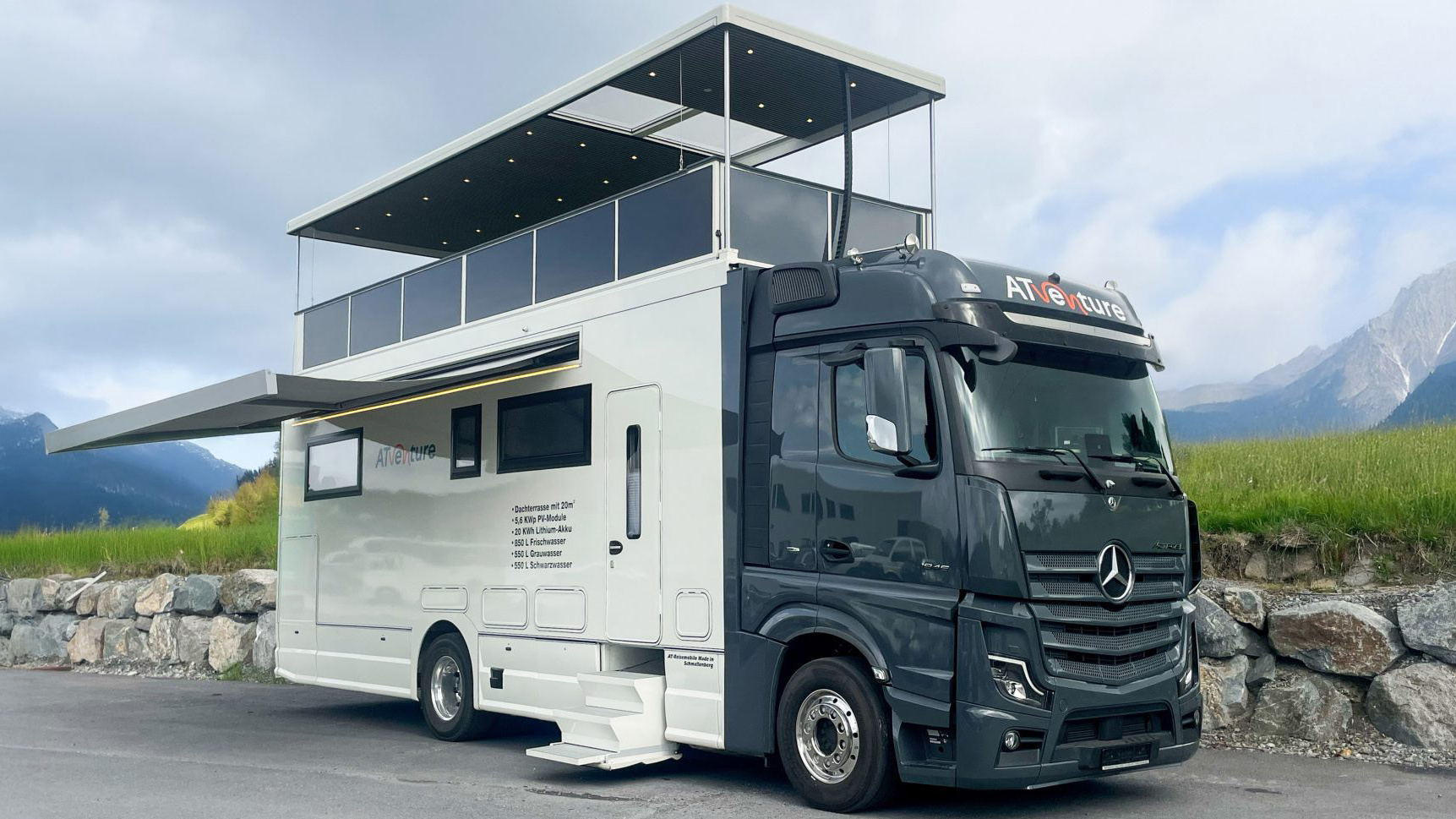
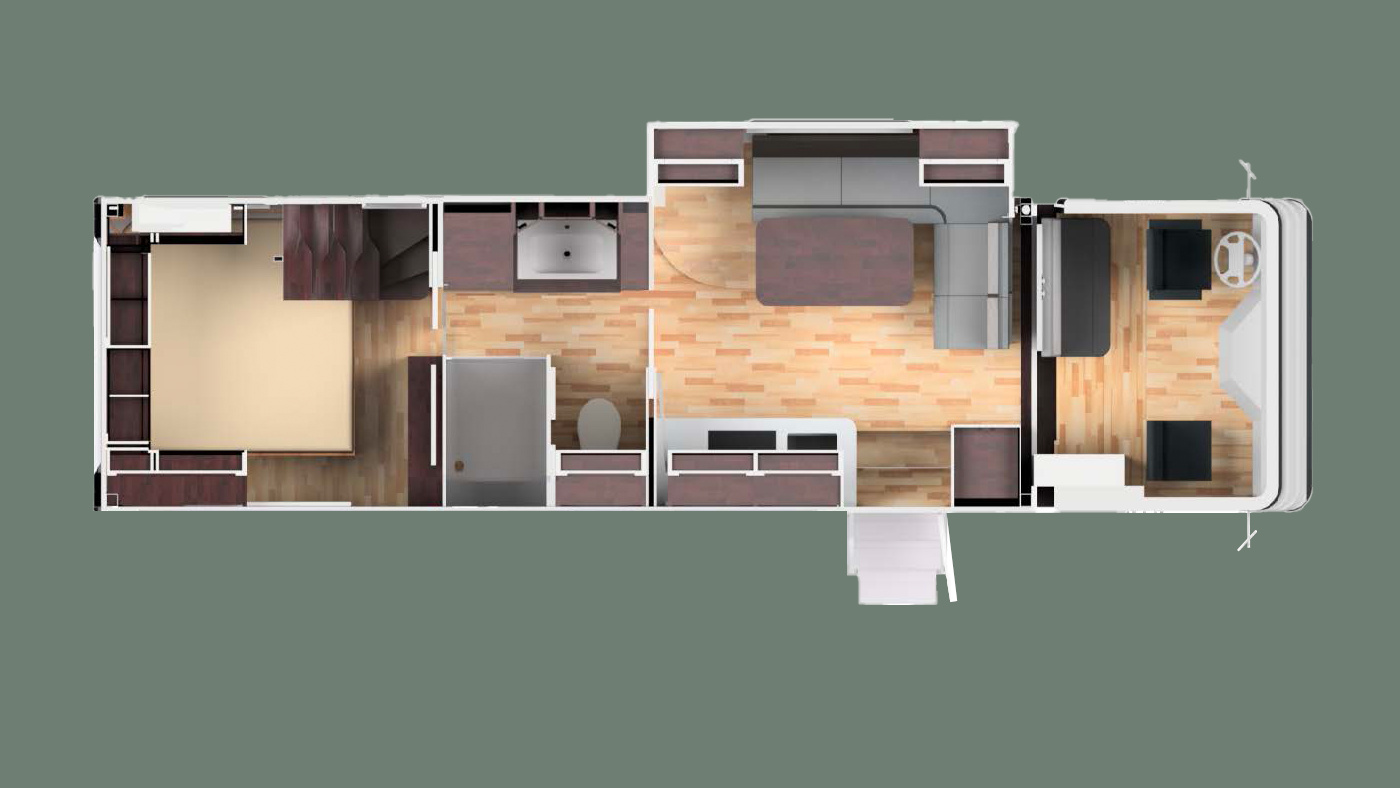
At the upper end of the market, the Reisemobile ATventure 1070 stands as a testament to the industry’s pivot toward luxury expedition vehicles. Constructed on the Mercedes-Benz Actros HGV platform, this 10.7-meter titan redefines the concept of mobile living. While smaller campers prioritize versatility, the 1070 is an architectural statement. By utilizing a slider mechanism that expands the kitchen and dining areas, the designers have created a living space that rivals high-end urban apartments. The integration of a demountable staircase leading to an upper-deck terrace represents a significant shift in how space is utilized, moving from two-dimensional floor plans to three-dimensional, multi-level living.
This shift toward HGV-based platforms reflects a growing segment of the market that is moving away from weekend camping toward full-time mobile residency. For these consumers, the vehicle must function as a secure, high-tech fortress capable of navigating challenging terrain while providing the creature comforts of a permanent home.
Material Science and the Sustainability Imperative
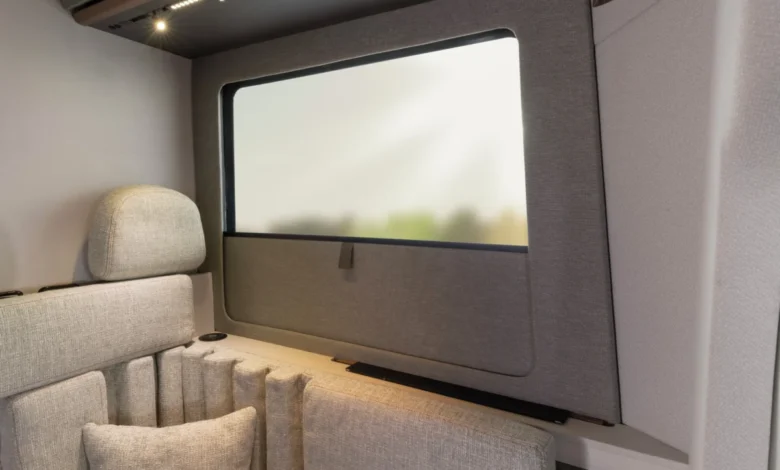
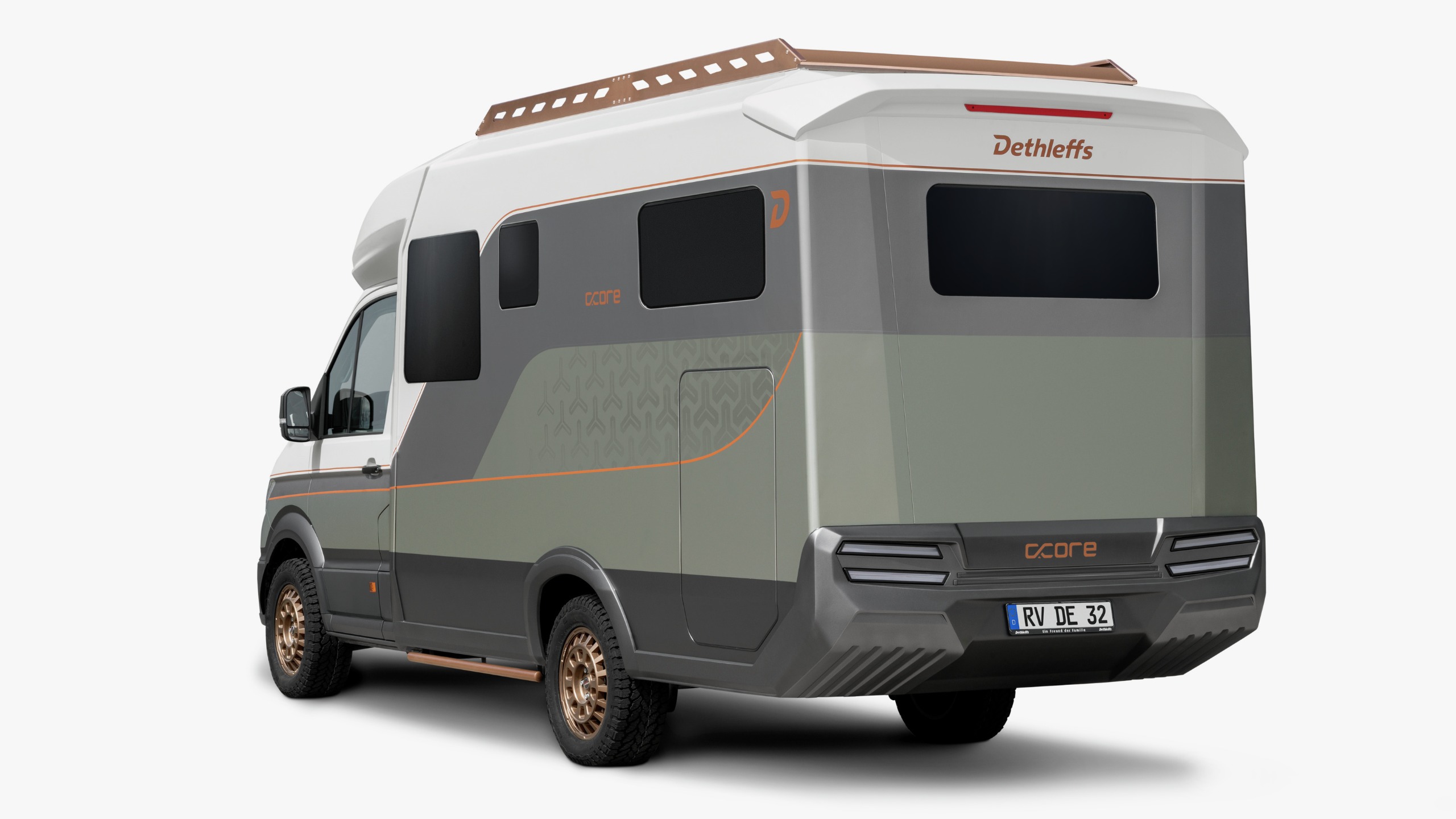
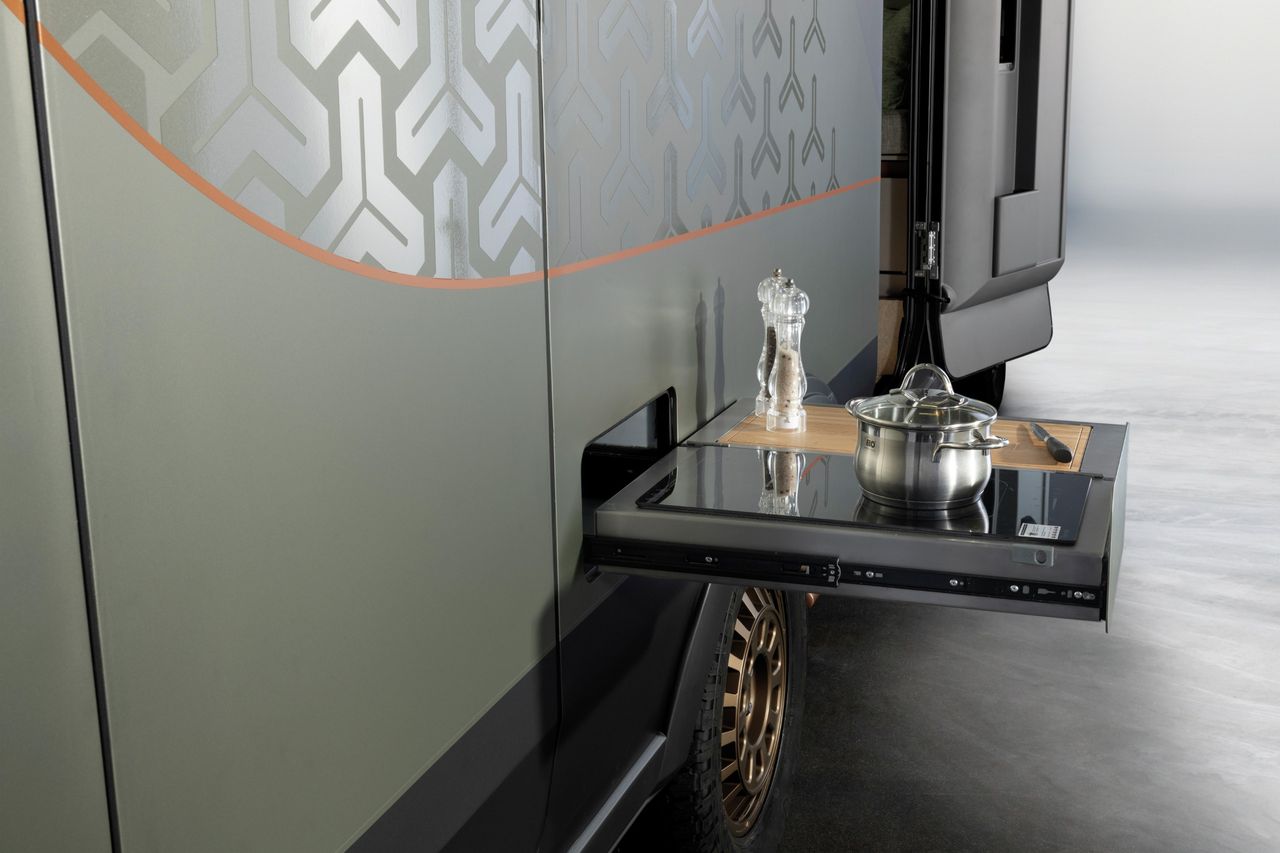
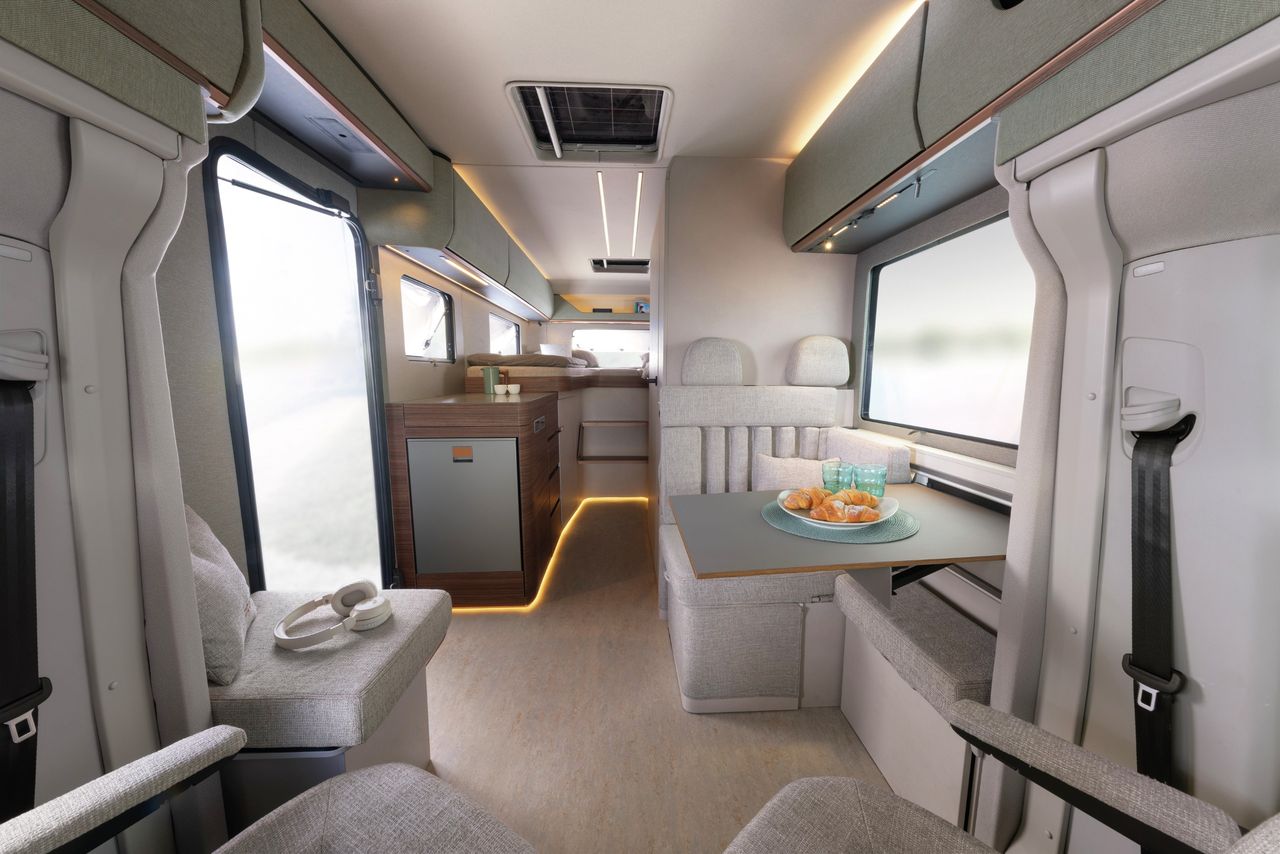
While large-scale trucks dominated the show floor, smaller camper vans showcased the most significant breakthroughs in materials science. The Dethleffs c.core concept is arguably the most important technical development presented at the 2026 show. Developed as a testbed for future manufacturing, the c.core utilizes "Necto"—a bonded aluminum material that offers superior thermal insulation and structural rigidity while significantly reducing the total vehicle weight.
The environmental implications of this innovation are profound. As European regulatory bodies tighten emissions standards for heavy vehicles, the industry is under pressure to reduce the "unladen weight" of RVs to improve fuel efficiency and increase payload capacity. The use of recycled PET plastics in the interior cabinetry, combined with an expandable rooftop photovoltaic array that doubles as a shade awning, signals a move toward a circular economy model. Industry analysts suggest that if the Necto material can be scaled to mass production, it could reduce the carbon footprint of RV manufacturing by up to 30 percent over the next decade.
Flexibility as the New Currency
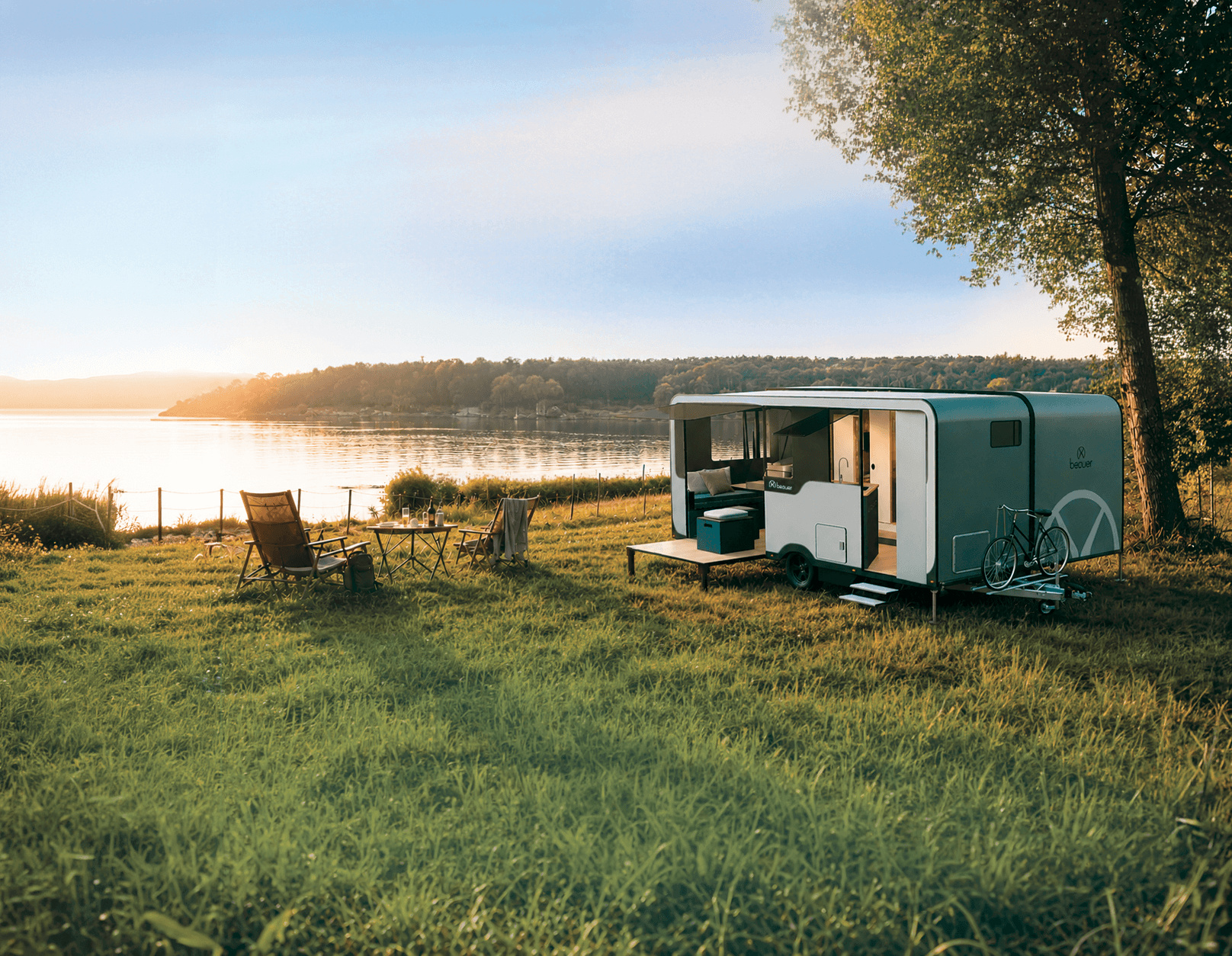
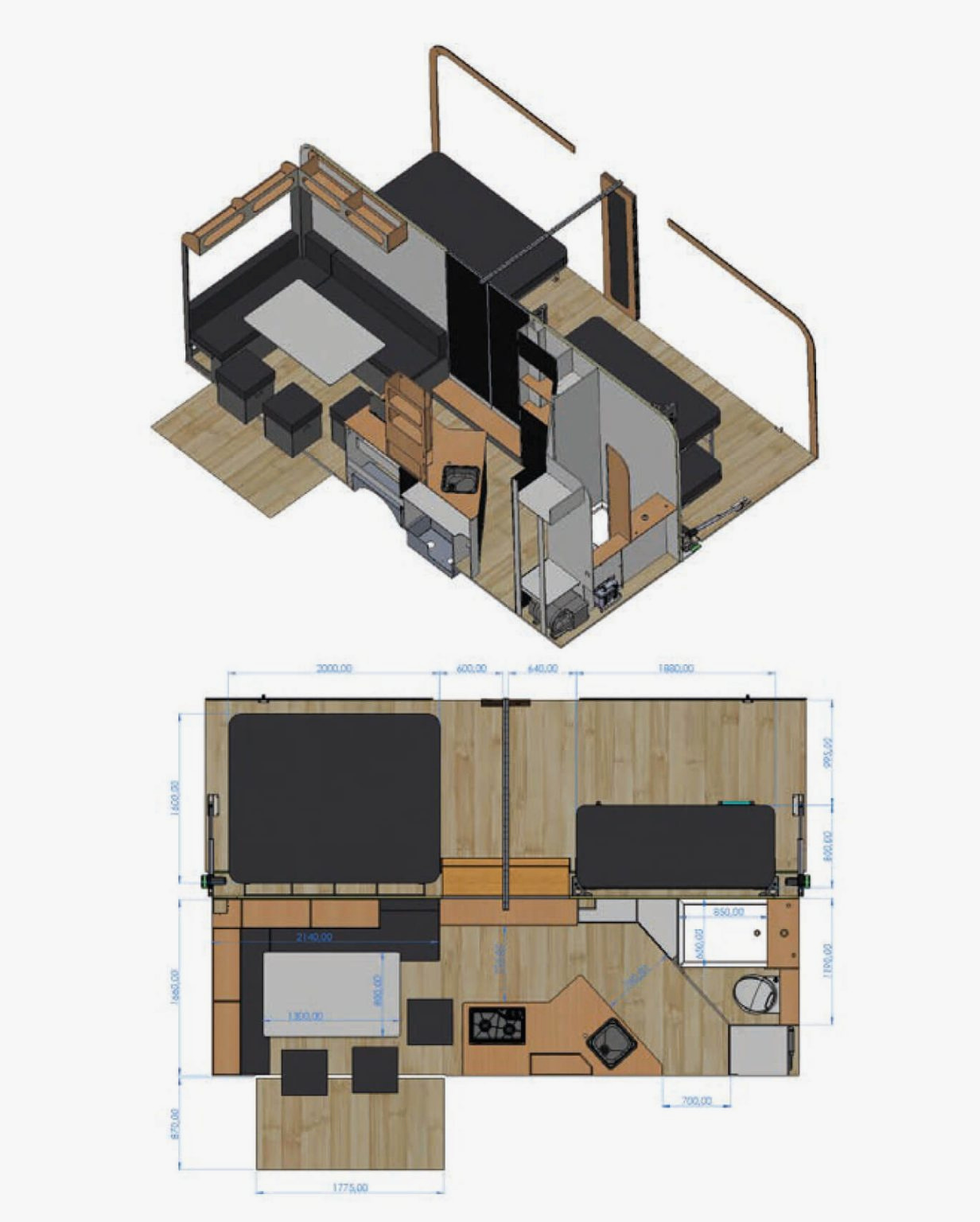
The consumer demand for multifunctional spaces has given rise to a new school of design. The Beauer X6, a French-engineered marvel, exemplifies this modularity. By moving away from fixed layouts, the X6 allows the vehicle to remain compact for transit while expanding to double its width upon arrival at a destination. This "telescopic" architecture, which has been refined since the earlier X3 model, represents a solution to the perennial conflict between vehicle maneuverability and living comfort.
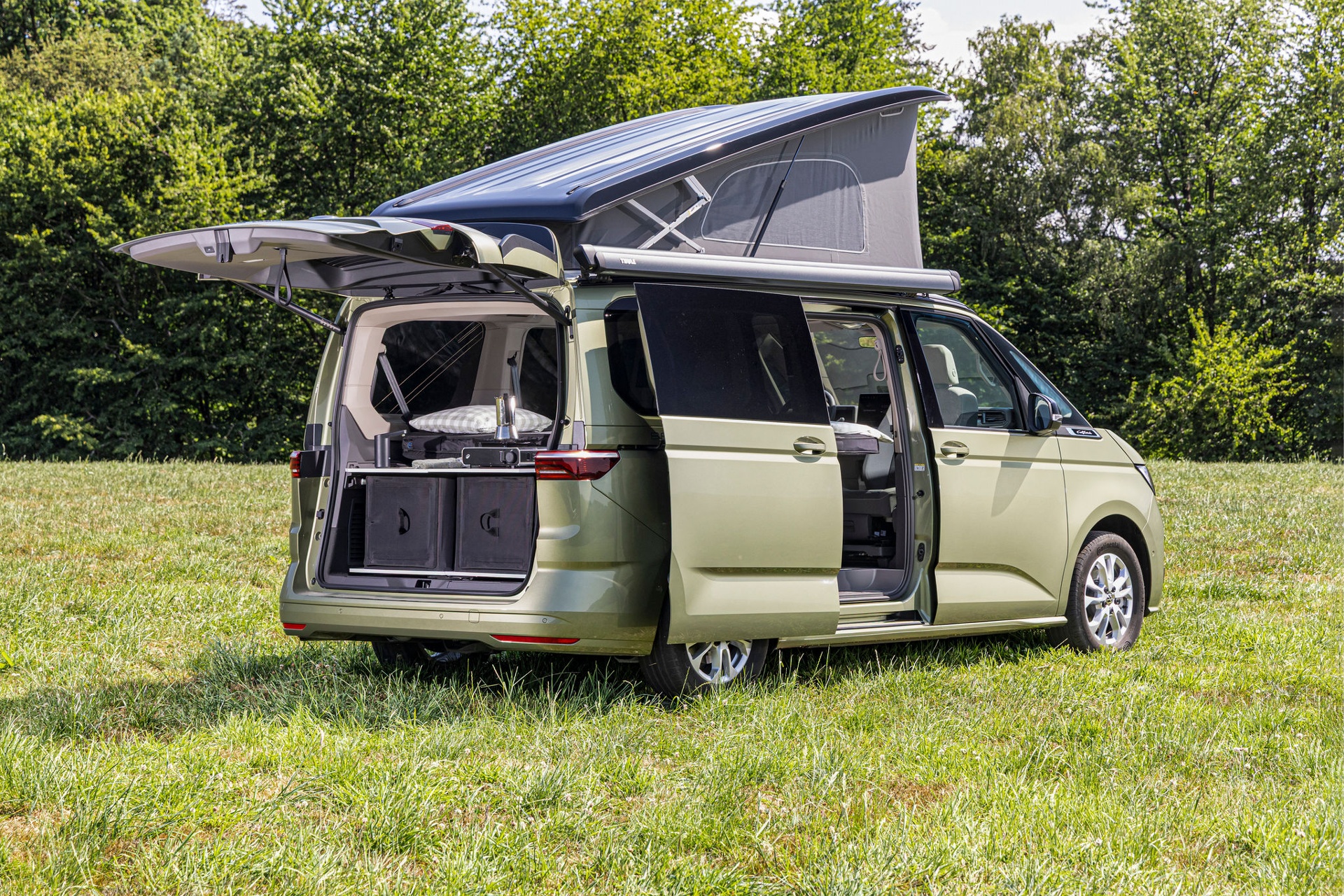
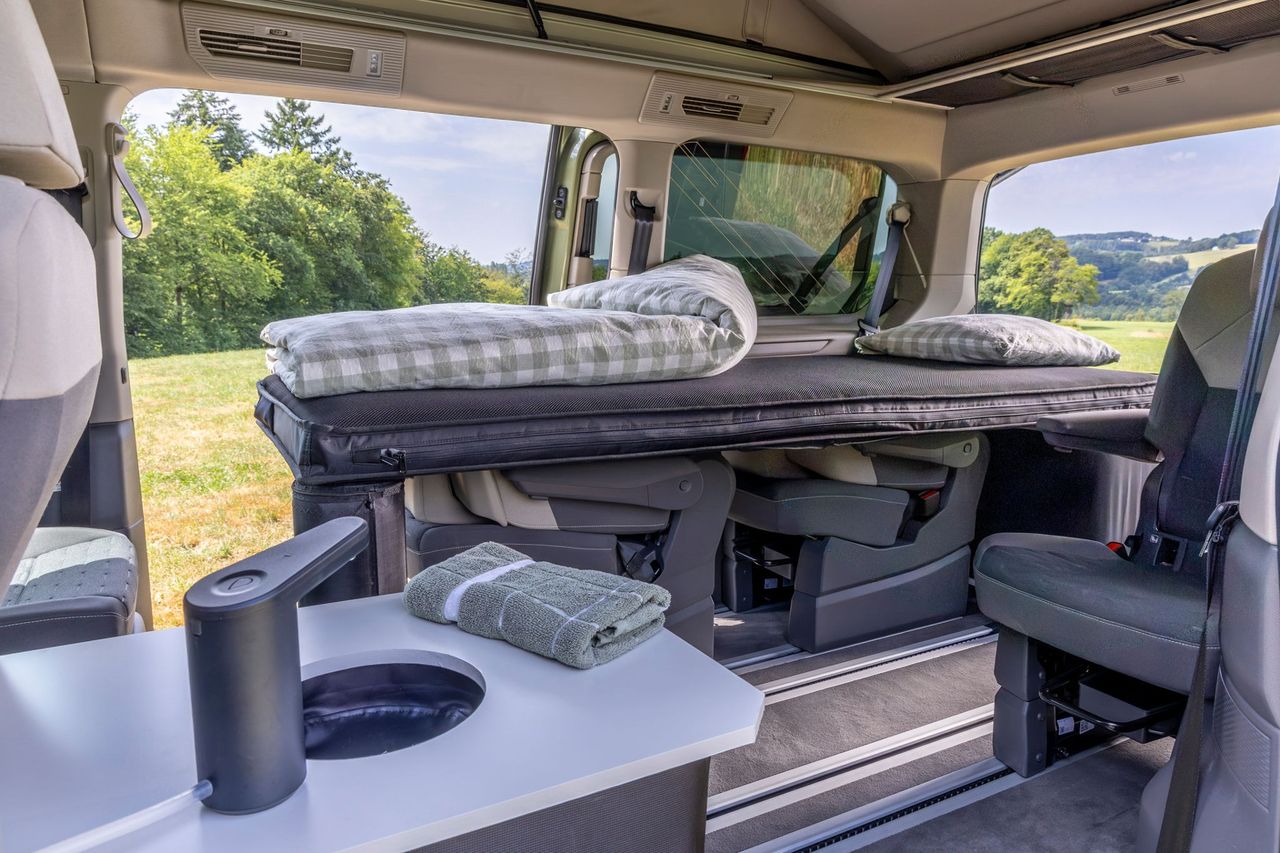
Similarly, the collaboration between Volkswagen and the inflatable technology firm Stuff Bubble indicates that the future of the camper van interior may be soft rather than rigid. By replacing heavy wooden cabinets with high-pressure, modular inflatable units, the weight of the kitchen and bed systems in the California Beach was reduced to just 10kg and 12kg respectively. This development is not merely a design quirk; it directly addresses the issue of "payload anxiety," where heavy internal fixtures leave little room for passengers or cargo.
The Electrification Milestone
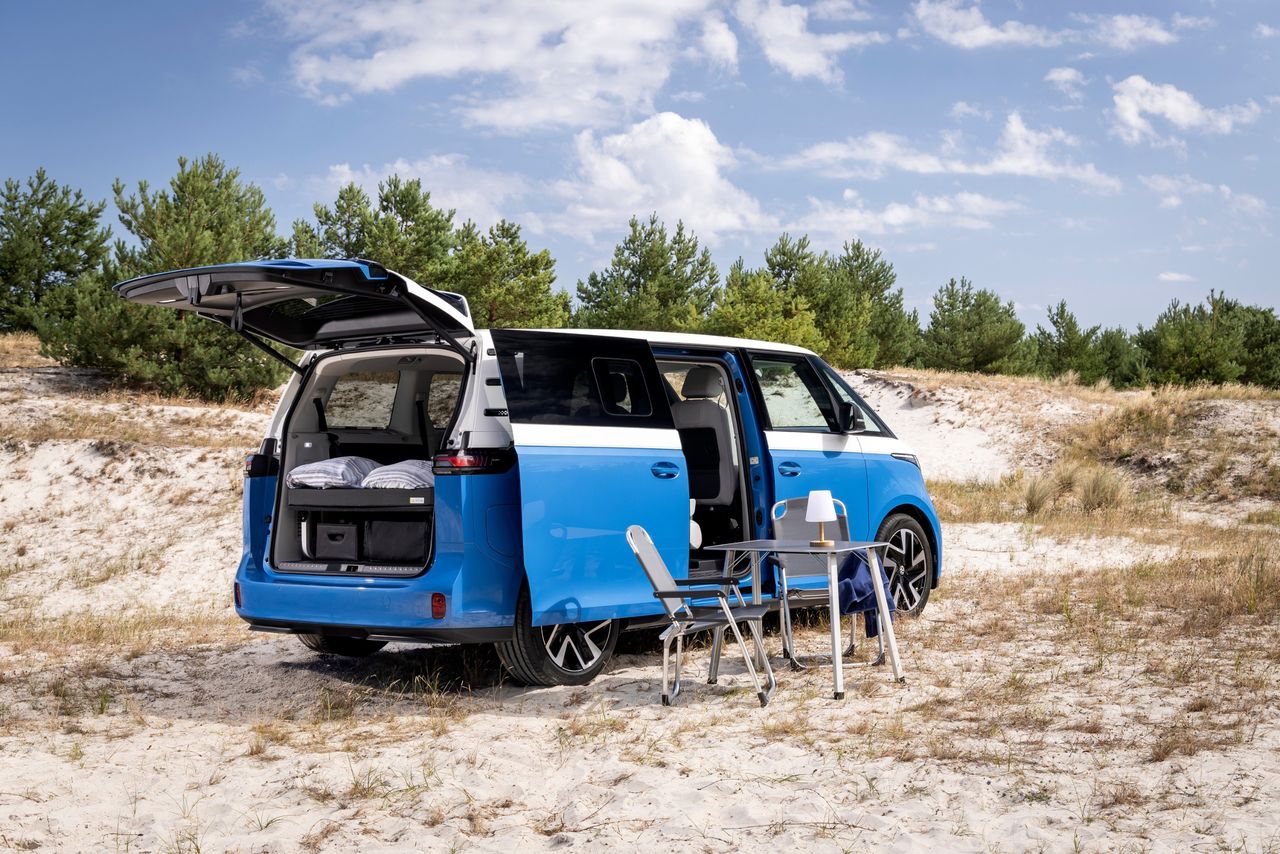
Perhaps the most anticipated reveal was the ID. California Cruise. Serving as the flagship for Volkswagen’s transition to electric mobility, the vehicle is the first all-electric camper in the company’s lineup, based on the ID. Buzz platform. While previous attempts at electric campers have struggled with range limitations, the ID. California Cruise utilizes an optimized power management system that balances the energy needs of the living quarters with the requirements of the drivetrain.
"The industry is currently navigating a bridge between fossil fuel dependency and the electric future," noted a spokesperson for the German Caravanning Industry Association (CIVD). "The ID. California Cruise represents the first viable, mass-market solution for the eco-conscious traveler who refuses to compromise on the nomadic lifestyle."
Comparative Analysis: The Off-Road Capability Gap
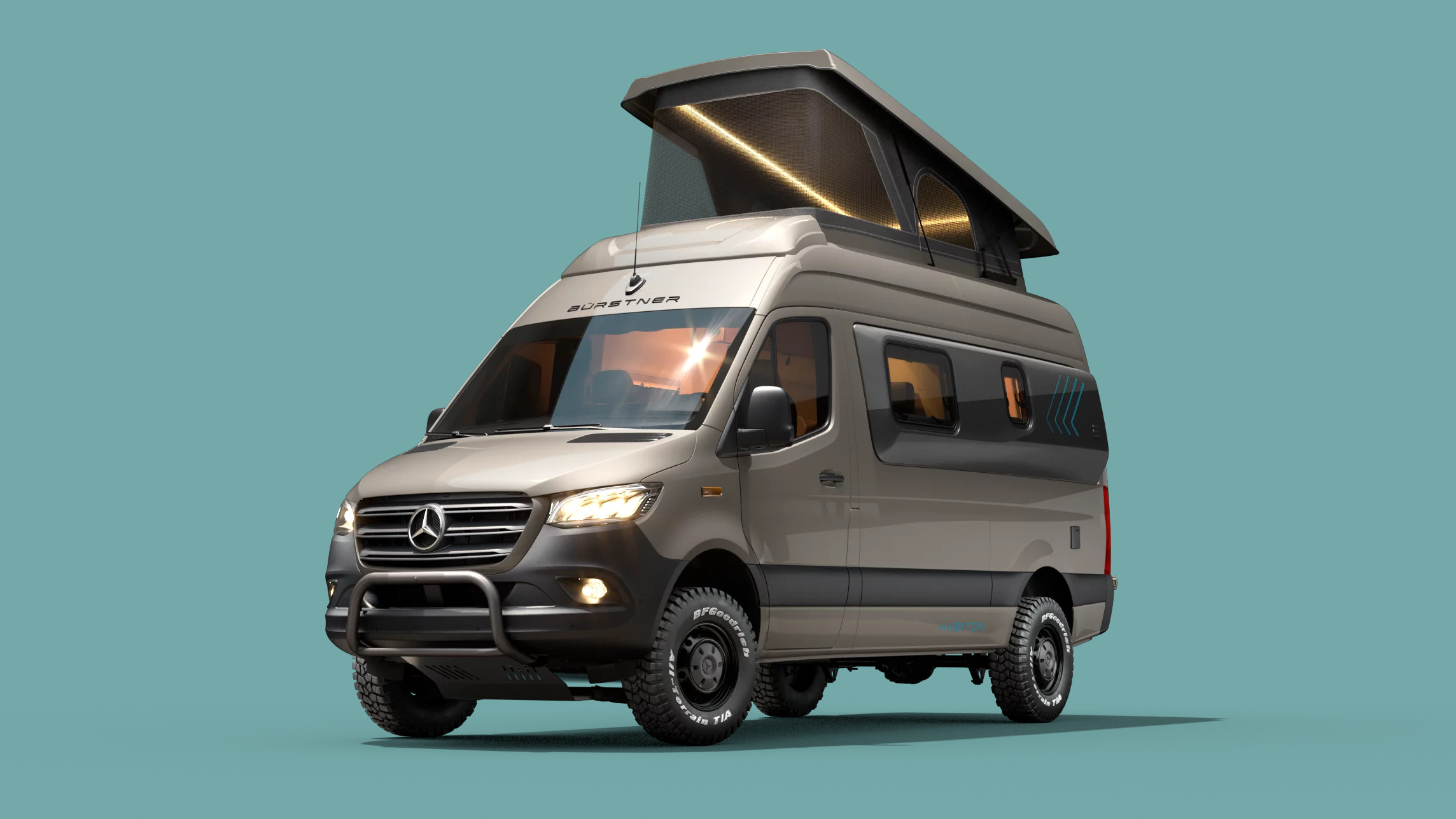
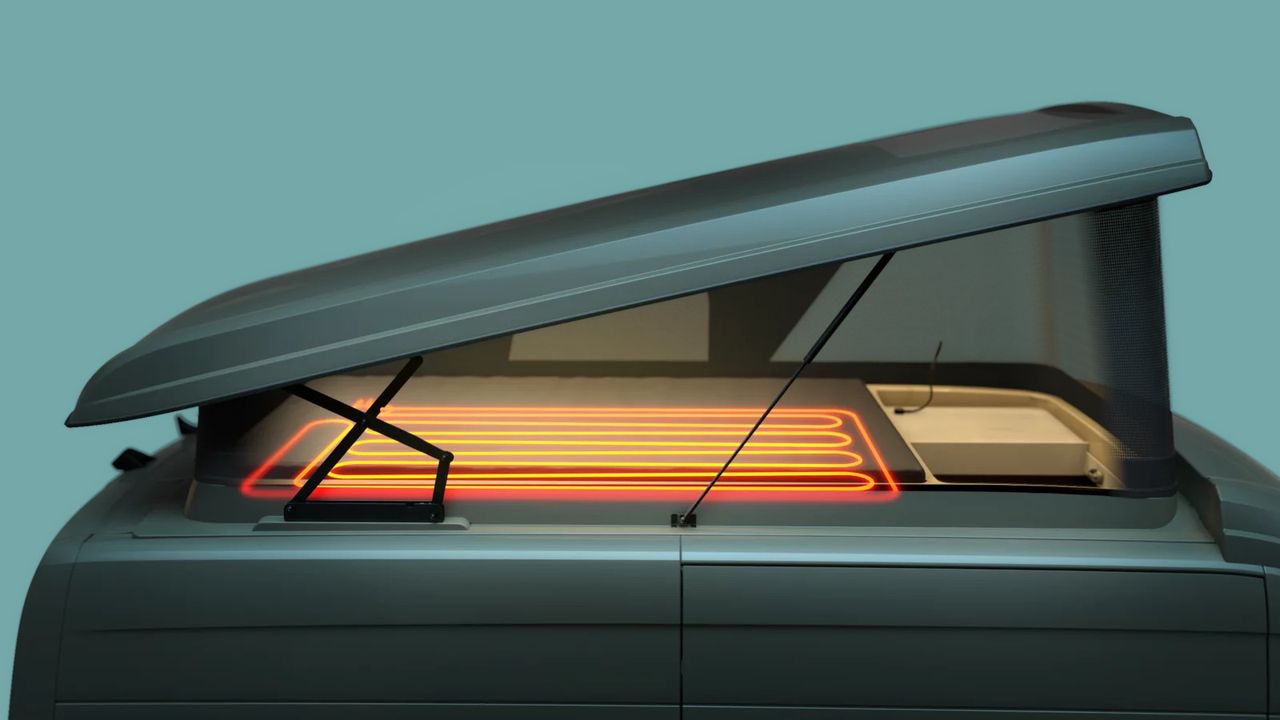
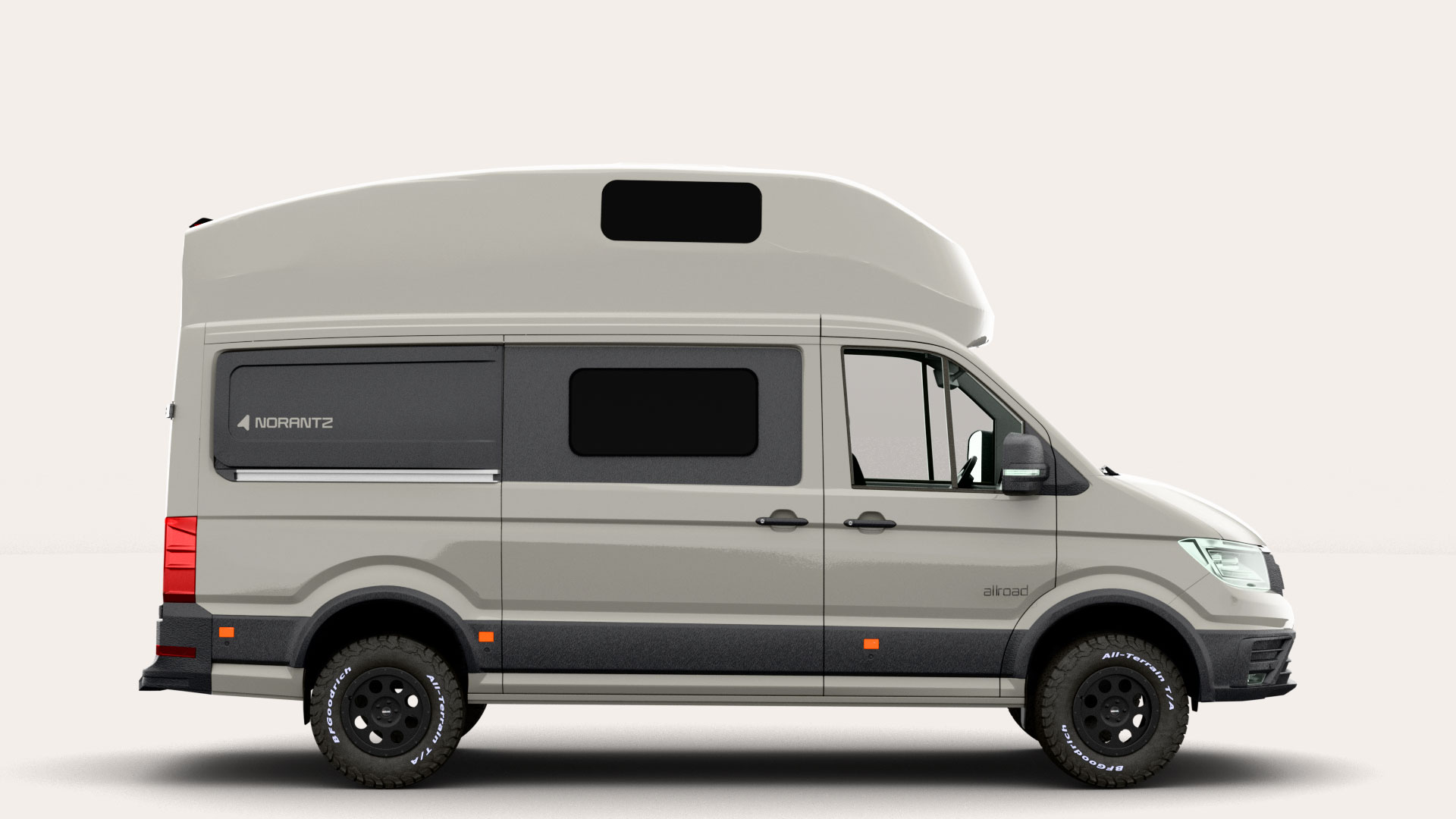
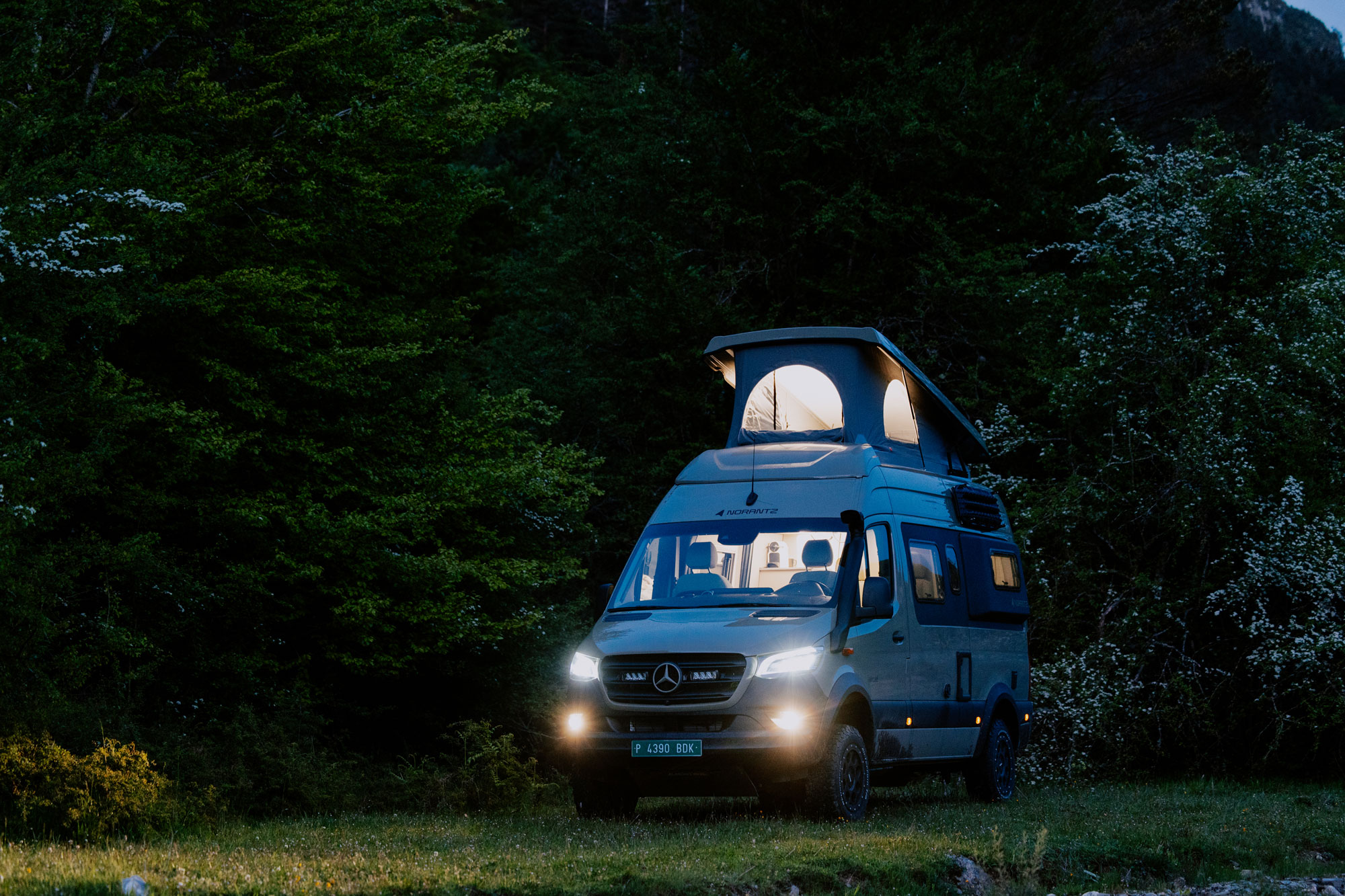
The middle-market segment, dominated by players like Norantz, B&ürstner, and Adria, has converged on the "4×4 Sprinter" archetype. The B&ürstner Habiton 6.1 and the Norantz IPAR 4 are both built on the Mercedes-Benz Sprinter 4×4 chassis, yet they offer distinct philosophies. The Habiton 6.1 focuses on cold-weather endurance with its heated pop-up roof mattress, while the IPAR 4 targets the "explorer" demographic with snorkel exhausts and advanced off-grid storage solutions.
The Adria Supertwin 4×4, priced significantly higher than its counterparts, positions itself as the bridge between the weekend camper and the full-scale expedition vehicle. With its focus on high-quality timber veneers and natural light through expansive skylights, it demonstrates that "rugged" does not have to mean "utilitarian." These vehicles share a commonality: they are designed to bypass traditional, crowded campsites in favor of wild, remote locations, reflecting a broader societal trend toward isolation and self-reliance.
Economic and Societal Implications
The 2026 Caravan Salon also provided a window into the economic health of the sector. Despite global inflationary pressures, the demand for premium, high-spec RVs remains resilient. The trend toward vehicles exceeding €100,000 in price point suggests that the demographic of the "digital nomad" is maturing, with professionals increasingly opting to combine remote work with long-term travel.
However, this growth brings challenges. The increased weight and size of these modern expedition vehicles are placing stress on public infrastructure, leading some European municipalities to introduce stricter parking regulations for large-format campers. This, in turn, is driving innovation in "stealth" design, such as the flush windows and doors seen on the Dethleffs c.core, which allow a vehicle to blend into an urban environment when necessary.
Conclusion: A New Era of Nomadism
The 2026 Düsseldorf Caravan Salon has confirmed that the RV industry is undergoing its most significant transformation since the invention of the motorized home. The convergence of modularity, electrification, and off-road capability is creating a new category of vehicle—one that is as much a high-tech tool for exploration as it is a home. As the lines between urban living and remote exploration blur, the manufacturers that prioritize sustainability, weight efficiency, and adaptive architecture will likely define the market for the next decade. The "romance of the road" remains, but it is now being written in carbon fiber, aluminum, and high-voltage lithium-ion batteries.