Beyond EA Sports FC 27 The Rise of Open Source Development and the Democratization of Football Simulation Games

The EA Sports FC 27 release date is believed to be set for 25 September, with Electronic Arts’ annual football simulation video game expected to be available for PS4, PS5, Xbox One, Xbox Series X/S, Nintendo Switch, and the much-anticipated Switch 2. As the gaming world prepares for another iteration of the most dominant sports franchise in history, a growing segment of the community is looking beyond the polished, high-budget offerings of AAA studios. Following significant player disappointment regarding technical bugs, stagnant mechanics, and the increasingly aggressive implementation of microtransactions in recent installments, a new movement is gaining momentum: the push for enthusiasts to build their own football simulations using open-source tools like the Godot Engine.
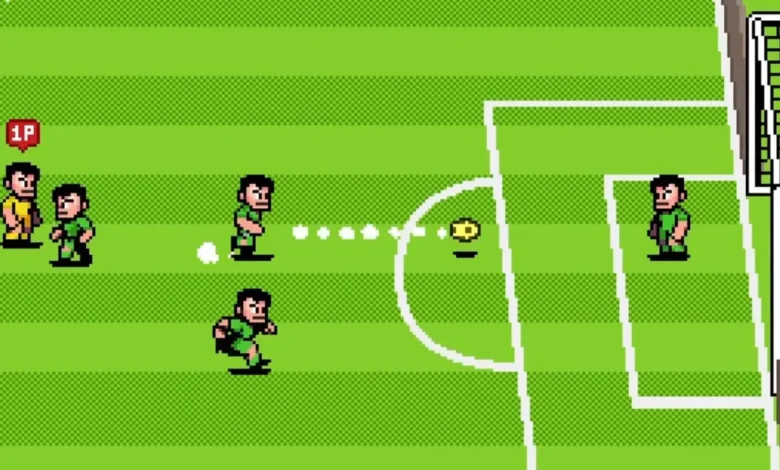
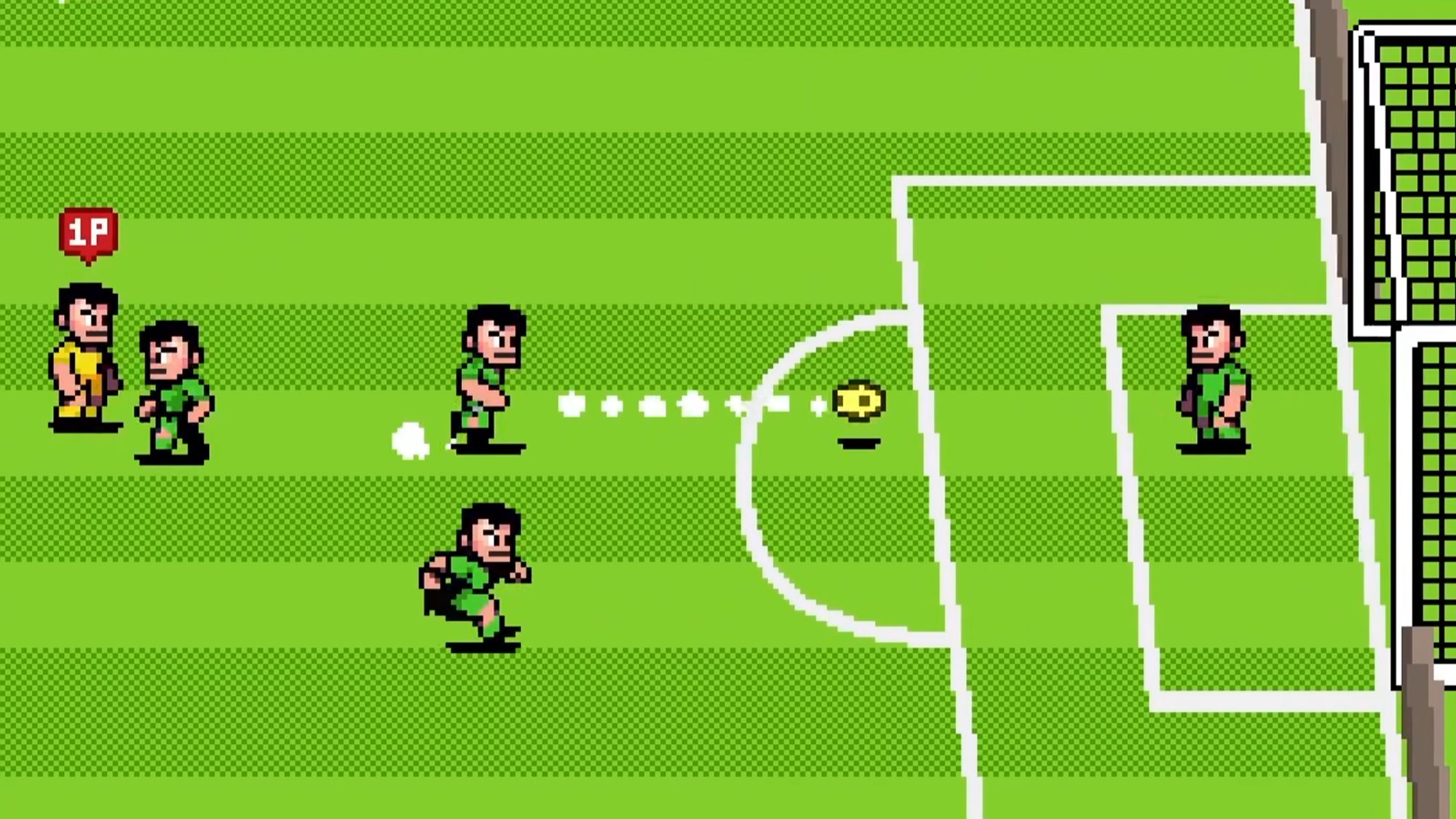
The transition from consumer to creator has never been more accessible. While the "big budget" football games focus on hyper-realistic graphics and exclusive licensing deals, indie developers and hobbyists are turning to the Godot Engine to recapture the "arcade" spirit of classic sports titles. This shift is being fueled by comprehensive educational resources, most notably a free 12-hour course provided by GameDev Tavern on YouTube, which aims to teach aspiring developers how to build a fully functional soccer game from scratch.
The State of the Football Simulation Market
The football gaming landscape has undergone a seismic shift in recent years. After a decades-long partnership, the split between Electronic Arts and FIFA led to the rebranding of the world’s most popular sports game as "EA Sports FC." While the first iteration under the new branding maintained its commercial dominance, it was met with a polarized reception. Hardcore players have frequently cited issues with "scripting," inconsistent physics, and a perceived "pay-to-win" model within the Ultimate Team ecosystem.
In this climate, the demand for alternatives has spiked. While competitors like Konami’s eFootball have struggled to regain their former glory, and new projects like UFL and Goals remain in various stages of development, the DIY (Do It Yourself) approach is emerging as a viable path for those who want a tailored experience. The Godot Engine, a free and open-source tool, has become the centerpiece of this revolution. Unlike proprietary engines that require royalty payments or high-end hardware, Godot offers a lightweight, versatile environment that is increasingly favored by the indie community.
The Godot Engine: A Technical Overview
Godot is frequently cited as one of the best game development software options available today, standing alongside industry giants like Unreal Engine 5 and Unity. Its appeal lies in its "node-based" architecture, which allows developers to organize game elements into hierarchical structures that are easy to visualize and manage. For a complex project like a football game—which requires the coordination of 22 players, a ball with physics, and dynamic AI—this organizational style is invaluable.
The engine uses GDScript, a high-level, dynamically typed programming language with a syntax very similar to Python. This makes it exceptionally beginner-friendly. For those looking to escape the bugs of major releases, Godot provides a "clean slate" where every mechanic—from how the ball bounces to how a goalkeeper reacts—is entirely under the developer’s control.
A Chronology of Modern Football Game Development
To understand why a 12-hour tutorial on Godot is significant, one must look at the evolution of the genre:
- The Arcade Era (1980s–1990s): Games like Sensible Soccer and Kick Off focused on fast-paced, top-down gameplay. Mechanics were simple but required high skill.
- The 3D Revolution (Late 1990s–2000s): FIFA and Pro Evolution Soccer (PES) began the arms race for realism, introducing motion capture and sophisticated ball physics.
- The Licensing Dominance (2010s): EA Sports secured exclusive rights to major leagues, effectively creating a monopoly. During this time, the "Live Service" model was born, shifting focus toward microtransactions.
- The Indie Rebellion (2020–Present): Frustrated by the lack of innovation in AAA titles, developers began using engines like Godot to create "retro-style" or "arcade" football games that prioritize gameplay over licensing.
Breaking Down the 12-Hour Masterclass
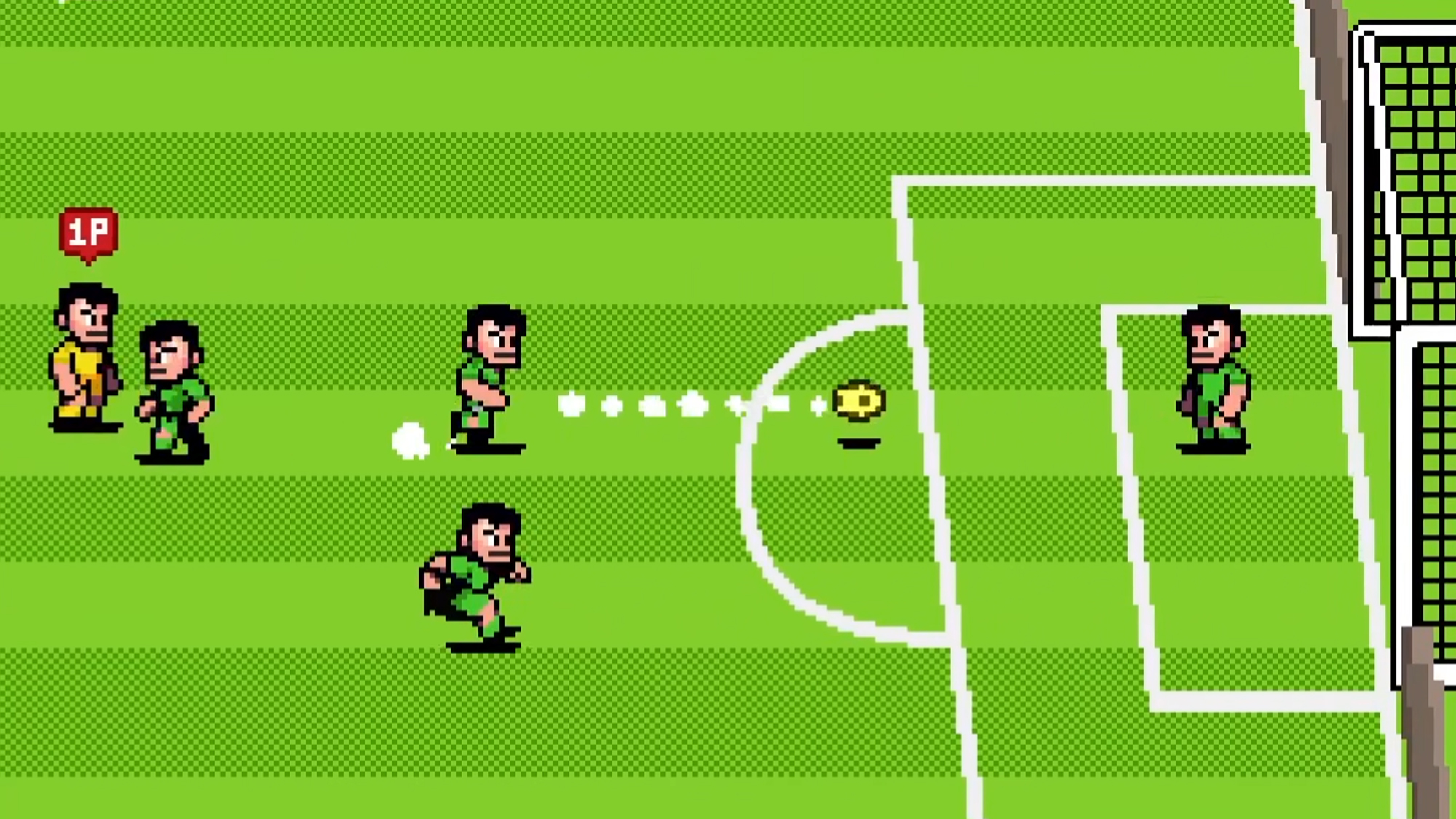
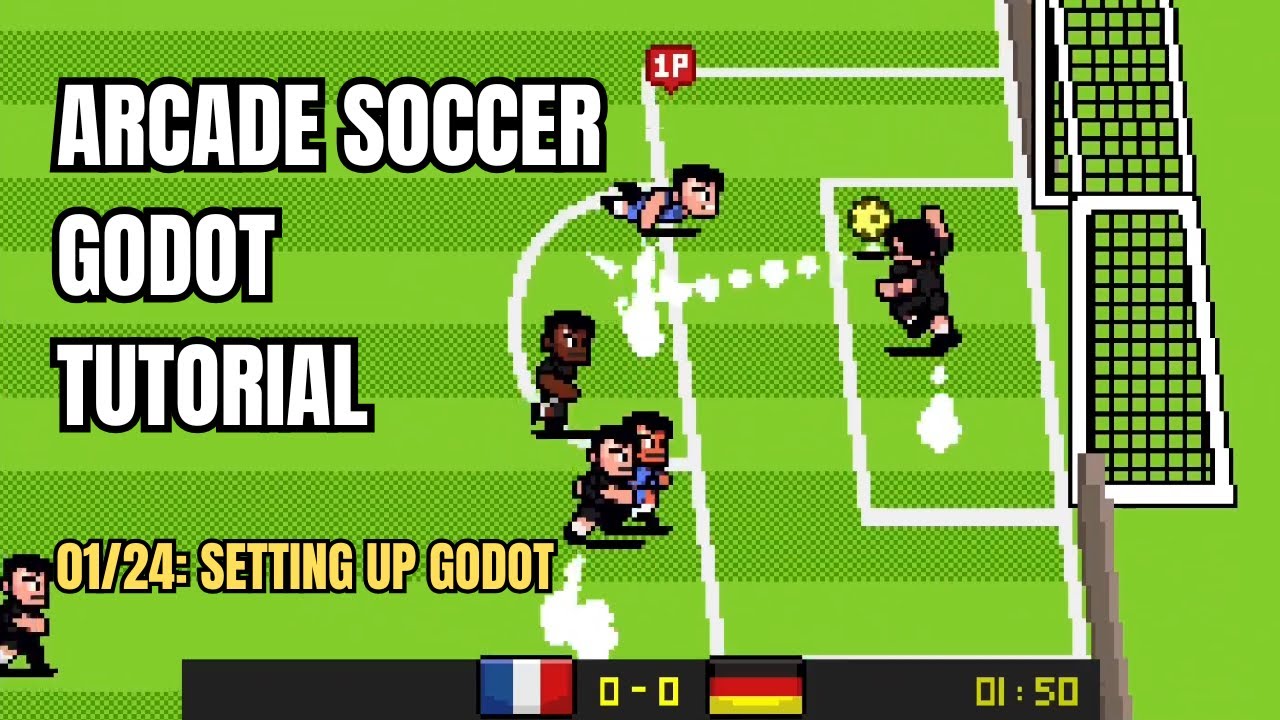
The comprehensive course offered by GameDev Tavern is a prime example of the democratization of game design. Broken down into 24 digestible 30-minute episodes, the curriculum covers the entire lifecycle of a sports game project. This structured approach allows even those with zero coding experience to progress from a blank screen to a playable match.
Phase 1: Foundation and Movement
The initial stages of the course focus on environment setup and basic character movement. In a sports game, "feel" is everything. The tutorial guides users through the creation of responsive controls, ensuring that players move fluidly across the pitch. This is a direct response to common criticisms of AAA games, where players often complain about "heavy" or "unresponsive" movement.
Phase 2: Advanced Mechanics and State Machines
One of the most critical components covered is the "scalable state machine." In game development, a state machine controls what an entity is doing at any given time—such as idling, sprinting, dribbling, or shooting. By making this system scalable, the tutorial teaches developers how to add complex moves like bicycle kicks and diving headers without breaking the core logic of the game.
Phase 3: AI and Decision Making
Perhaps the most difficult aspect of a football game is the Artificial Intelligence. The course delves into "steering behaviors," a method used to make AI players move naturally. This includes "Arrive," "Flee," and "Seek" behaviors, which dictate how a teammate finds space or how a defender tracks an attacker. Furthermore, the course teaches AI decision-making, allowing computer-controlled players to decide when to pass, shoot, or hold the ball.
Phase 4: Data Management and Aesthetics
Modern games rely heavily on data. The tutorial demonstrates how to generate squads using JSON data, a standard format that allows developers to easily manage player names, stats, and attributes. Additionally, it covers the use of shaders to customize player appearances, such as skin color and kit designs, and the implementation of User Interface (UI) elements and visual effects to give the game a professional finish.
Supporting Data and Industry Implications
The rise of tutorials for engines like Godot is reflected in the software’s growth statistics. According to recent developer surveys, Godot has seen a significant uptick in usage following Unity’s controversial pricing changes in late 2023. The "Godot 4.0" update specifically introduced massive improvements to 3D rendering and physics, making it more competitive for sports simulations.
Furthermore, the "Arcade Soccer" assets for this specific course are provided for free via GitHub. This open-source philosophy stands in stark contrast to the "walled garden" approach of EA Sports. By providing the 3D models, textures, and code for free, the community is lowering the barrier to entry, potentially leading to a surge in indie football titles on platforms like Steam and Itch.io.
Reactions from the Development Community
While Electronic Arts has not commented on the rise of indie tutorials, industry analysts suggest that the "indie sports" genre is a growing threat to the lower-tier market. "The frustration with EA Sports FC isn’t necessarily about the graphics; it’s about the soul of the game," says one independent game consultant. "When people realize they can build a game that plays exactly how they want it to in 12 hours of study time, the allure of spending $70 every year on a roster update begins to fade."
Indie developers on platforms like Reddit’s r/godot have praised the GameDev Tavern series for its "no-nonsense" approach to complex math and physics. Many users have noted that the "bicycle kick" logic taught in the course is more transparent and customizable than the animations found in professional titles.
The Broader Impact: Education and Innovation
Beyond the goal of creating a "FIFA killer," these resources serve a vital educational purpose. They transform a passive hobby—playing football games—into an active pursuit of computer science and digital art skills. A student who completes the 12-hour Godot course has effectively learned:
- Vector Mathematics: For player positioning and ball trajectories.
- Logic and Algorithms: For AI decision-making.
- Graphic Design: Through the use of shaders and UI layout.
- Project Management: By following a 24-step development cycle.
As the industry moves toward the release of EA Sports FC 27, the narrative is no longer just about which players have the highest ratings or which stadium licenses have been secured. It is increasingly about the empowerment of the player base. Whether a developer intends to release a commercial hit or simply wants to play a game with friends that doesn’t include loot boxes, the tools are now available, free, and well-documented.
The final product of the tutorial, titled "Super Soccer," is currently playable on Itch.io. It serves as a proof of concept: that a small team, or even a single individual with 12 hours of focused learning, can produce a charming, functional, and most importantly, fun football experience. As the 25 September release date for EA’s next giant approaches, the "Godot revolution" serves as a reminder that in the world of gaming, the most powerful engine is often the one fueled by the community’s passion for the sport.