Dataland Opens in Los Angeles as the Worlds First Dedicated Museum of Artificial Intelligence Arts

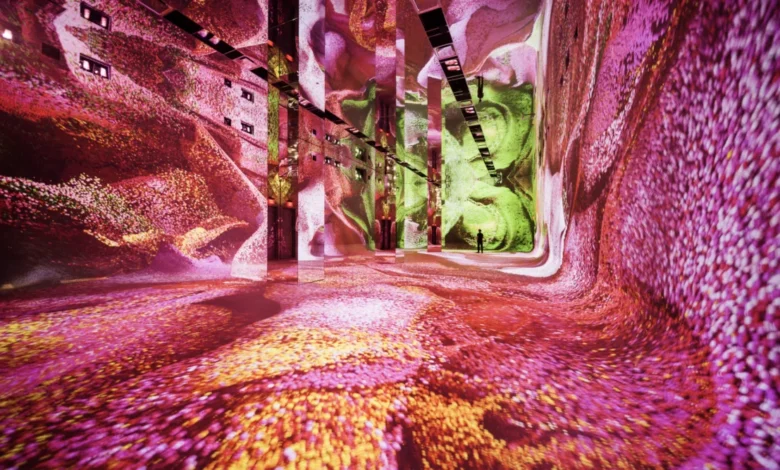
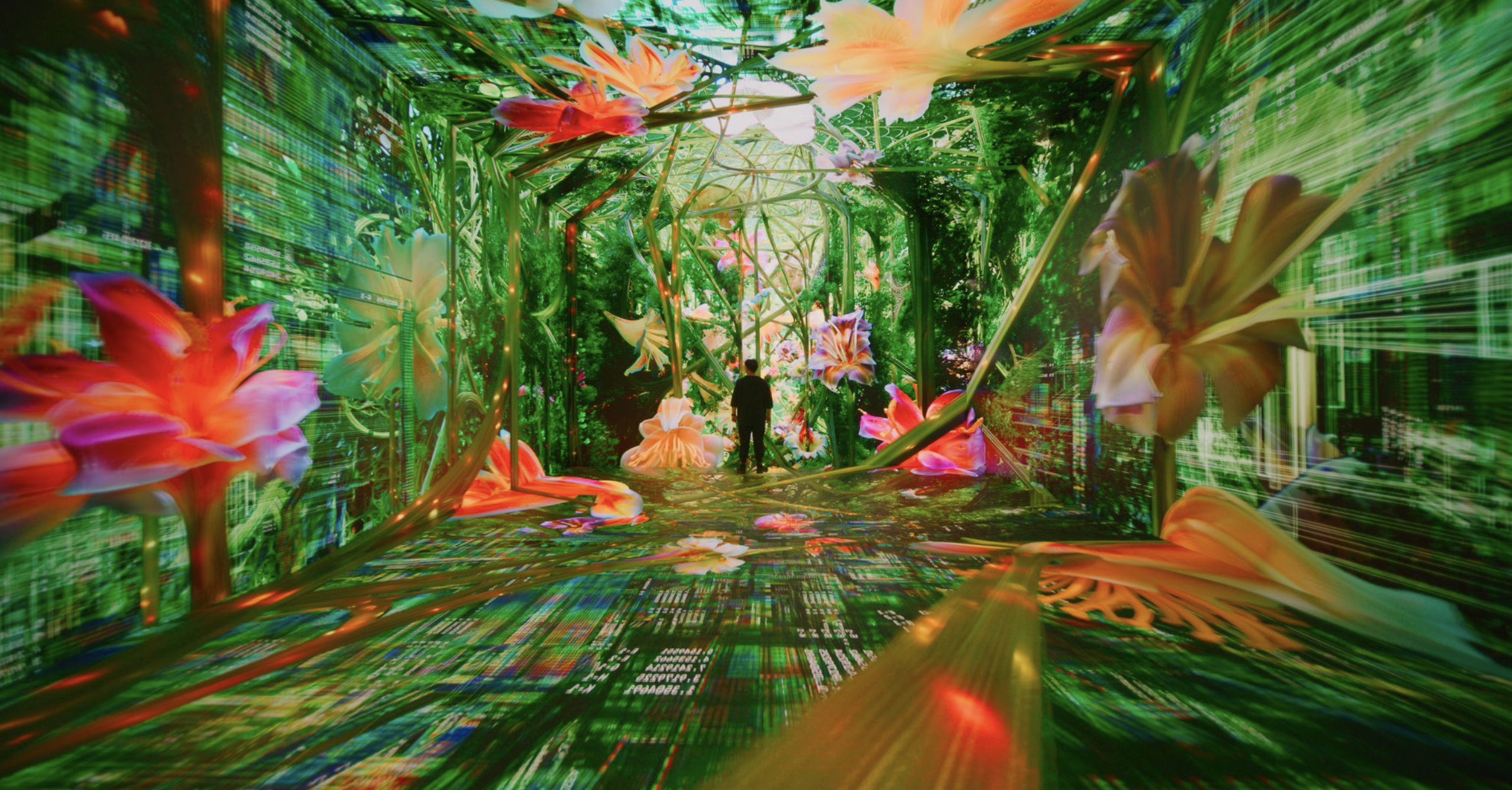
The landscape of contemporary art and technology has converged in a significant new development with the opening of Dataland, the world’s first museum dedicated entirely to artificial intelligence arts. Located in the heart of the Los Angeles downtown arts district, this 25,000-square-foot institution represents the culmination of a decade of research and practice by media artist Refik Anadol and his partner and co-founder, Efsun Erkılınç. Housed within the lower levels of "The Grand," a high-rise complex designed by Pritzker Prize-winning architect Frank Gehry, Dataland seeks to redefine the relationship between human sensory perception and machine intelligence. The museum’s inaugural exhibition, "Machine Dreams: Rainforest," serves as a supernatural fantasy constructed from billions of data points, transforming the digital essence of the natural world into a multisensory immersive environment.
The Genesis of Dataland: From Pandemic Isolation to Digital Nature
The conceptual origins of Dataland can be traced back to the onset of the COVID-19 pandemic in 2019. During this period, Anadol and Erkılınç, like many residents of Los Angeles, found themselves disconnected from the physical world as public parks, hiking trails, and natural reserves were closed to the public. This sense of environmental deprivation sparked a creative inquiry into whether nature could be reconstructed through the lens of artificial intelligence. Working from their studio, the duo began conceptualizing an "AI realm" that could provide the psychological and emotional benefits of nature through high-fidelity data visualization and sonification.
The resulting project, "Machine Dreams: Rainforest," is not merely a collection of films or static images but a generative environment that evolves in real-time. By utilizing vast datasets of biological information, the artists created a digital ecosystem that functions as a living archive. The project transitioned from a studio experiment into a large-scale institutional reality with the development of the Large Nature Model (LNM), which Anadol describes as the world’s first open-source AI model based exclusively on nature data. Unlike many contemporary AI models that draw from unverified or copyrighted web-scraped data, the LNM was trained on ethically sourced datasets, including the Smithsonian’s Encyclopedia of Life and the Cornell Laboratory of Ornithology.
Technical Infrastructure and the Large Nature Model
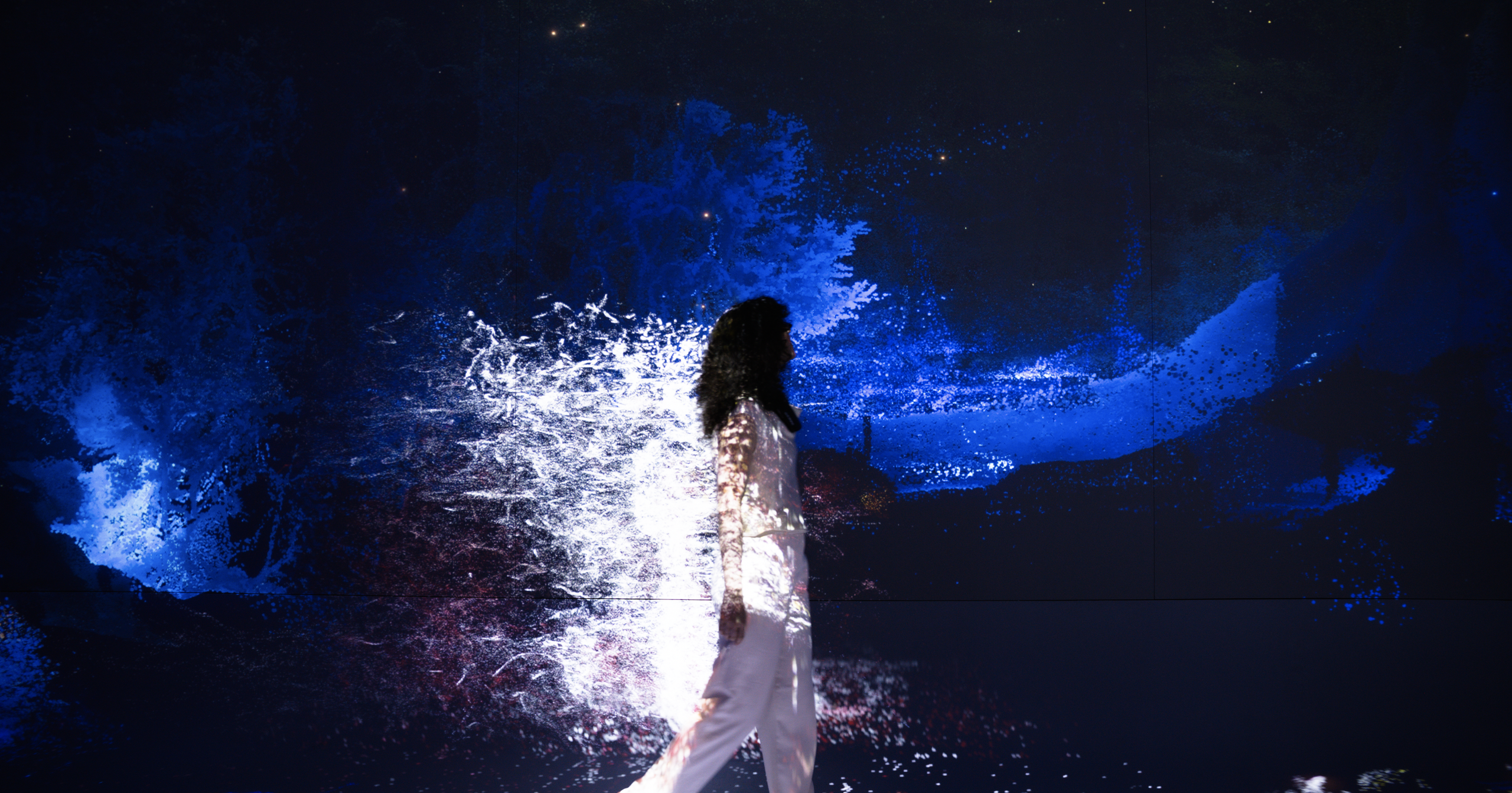
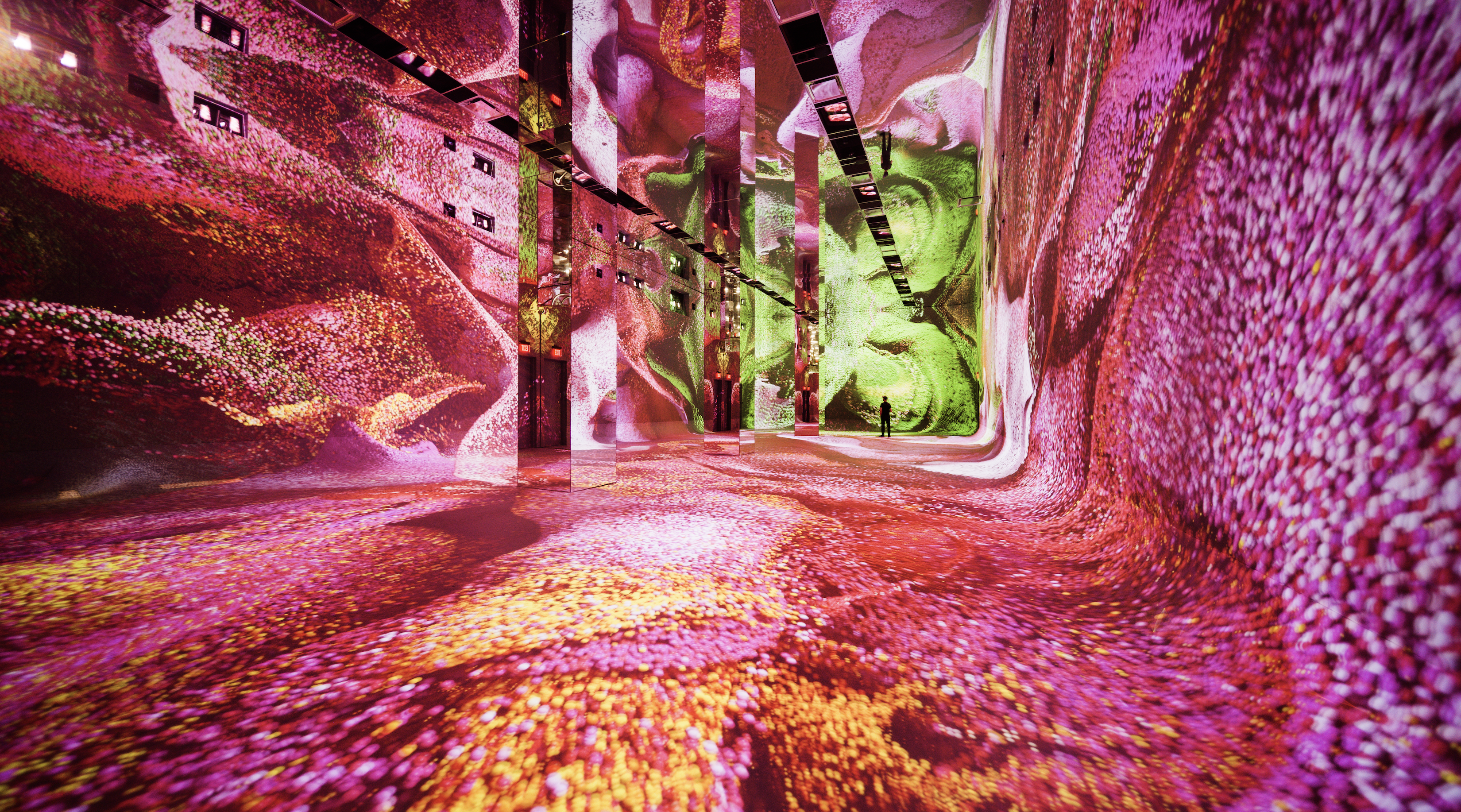
The sheer scale of the technological infrastructure required to power Dataland is unprecedented in the museum sector. The facility utilizes eighty-four 4K Epson projectors to bathe the gallery walls, floors, and ceilings in more than 50 billion pixels. These projections are powered by advanced computational clusters capable of processing massive amounts of environmental data. The imagery—ranging from the intricate wing patterns of Amazonian butterflies to the complex structures of tropical ferns and orchids—is generated by the AI as it interprets the Smithsonian’s digital resources.
Central to this operation is the Large Nature Model. Anadol and his team of researchers, programmers, and data scientists spent years refining this model to ensure it could translate scientific data into aesthetic experiences without losing the integrity of the source material. The model does not simply reproduce photographs; it learns the "language" of nature—the way light filters through a canopy, the fluid dynamics of rainfall, and the geometric growth patterns of flora—to create a "hallucinatory" but scientifically grounded experience.
A Multisensory Experience: Beyond Sight and Sound
Dataland distinguishes itself from typical immersive "van Gogh-style" projections by incorporating a full spectrum of sensory inputs, including smell, touch, and taste. Upon entering the museum, visitors are issued wristbands equipped with sensors that track physiological and emotional responses, such as heart rate and skin temperature. This data is fed back into the system, allowing the environment to react to the collective mood of the audience.
The olfactory dimension of the museum was developed through a high-tech collaboration with L’Oréal. Visitors wear a specialized padded collar that wafts individualized scents designed to complement the visual journey. These fragrances, such as the "sweet moonflower," are triggered by the visitor’s movement and the AI’s current visual state.
The auditory landscape is equally sophisticated. The soundtrack blends techno-pop influences with field recordings of bird songs provided by the Cornell Laboratory of Ornithology. In a nod to the museum’s location across from Disney Hall, the musical score also includes influences from classical masterworks. Esa-Pekka Salonen, conductor laureate of the Los Angeles Philharmonic, suggested the inclusion of movements from Gustav Mahler’s Symphony No. 3, creating a bridge between 19th-century romanticism and 21st-century digital art. One of the most poignant moments in the soundscape is the inclusion of the mating call of a now-extinct Hawaiian bird—the last known recording of its kind—serving as a digital ghost within the machine.
The journey concludes with a taste-based "data sculpture." In collaboration with the Los Angeles-based Valerie Confections, the museum provides visitors with chocolates crafted using data profiles from the exhibition. These sweets vary in flavor from fruity to woodsy and ashy, offering a literal taste of the digital environment.
Integration of Indigenous Wisdom and Conservation
While Dataland is a triumph of modern technology, it also seeks to ground its digital fantasies in the cultural and spiritual realities of the physical rainforest. The exhibition’s "Sanctuary" gallery features the sacred healing songs of the Yawanawá people of the Amazon. This inclusion follows Anadol’s personal research and experiences in the rainforest, including his engagement with indigenous leaders and traditional ceremonies.
By incorporating the voices and traditions of the Yawanawá, Dataland positions itself not just as a tech showcase but as a platform for cultural preservation. The use of AI to archive and present the sights and sounds of the Amazon highlights the fragility of these ecosystems. The museum acts as a digital ark, preserving the "essences" of species and cultures that are currently under threat from climate change and deforestation.
Architectural and Urban Significance
The choice of "The Grand" for Dataland’s location is a strategic alignment of two generations of visionary design. Frank Gehry’s architecture, characterized by its metallic, undulating forms, provides a physical counterpart to Anadol’s fluid digital art. The museum’s presence in downtown Los Angeles marks a significant addition to the city’s "Grand Avenue" cultural corridor, which already includes the Broad Museum, the Museum of Contemporary Art (MOCA), and the Walt Disney Concert Hall.
The integration of Dataland into this district suggests a new era for Los Angeles as a global hub for the intersection of technology and the arts. The museum’s 25,000-square-foot footprint is intentionally designed to be "cable-free" and seamless, ensuring that the technology remains invisible so the "art and technology" can be experienced as a singular entity.
Data Ethics, Privacy, and the Future of AI Art
As an institution built on data, Dataland faces unique questions regarding privacy and the ethics of artificial intelligence. Refik Anadol Studio has implemented a strict data governance policy to address these concerns. While visitors’ physiological data is used to influence the environment in real-time, the studio claims that this data is erased after 30 days. Visitors are given the option to "opt-in" to keep their data, which can then be used to create personalized souvenirs, such as T-shirts decorated with the visual representation of their own emotional response to the exhibit.
The museum also explores new economic models for the arts. Dataland offers memberships that provide priority access and has integrated NFT (Non-Fungible Token) options for those looking to collect portions of the generative art. At the end of the experience, a gallery featuring a large robotic arm demonstrates the transition from the digital to the physical; the arm uses visitor data to produce physical paintings, questioning the traditional definition of the artist’s "hand."
Implications for the Global Art Market
The opening of Dataland comes at a time when the art world is deeply divided over the value and legitimacy of AI-generated work. Critics have historically compared Anadol’s pulsing screens to "lava lamps," questioning the depth of generative art. However, Dataland’s rigorous use of scientific datasets and its immersive, multisensory approach provide a robust rebuttal to these critiques.
By establishing a permanent home for AI arts, Anadol and Erkılınç are signaling that generative art is not a passing trend but a new medium with its own institutional requirements. The museum’s focus on "art that feels us back" introduces a paradigm shift in the viewer-object relationship. If art can respond to the heartbeat and emotions of the viewer, the traditional "static" museum experience may soon be replaced by a "dialogic" one, where the artwork and the audience exist in a constant state of mutual influence.
Dataland stands as a landmark experiment in how humanity might use its most advanced tools to reconnect with a natural world that is increasingly under threat. As the museum begins its first year of operation, it will likely serve as a blueprint for future digital-first institutions worldwide, proving that in the age of the algorithm, the most powerful use of data may be the celebration of life itself.