Web Browser Development Update: New Features in Stable and Beta Releases for July 2026


The landscape of the open web underwent a series of significant architectural adjustments throughout July 2026, as major browser vendors—Google, Mozilla, and Apple—pushed updates to their stable and beta channels. Chrome 151, Firefox 153, and Safari 26.6 each introduced critical enhancements aimed at streamlining developer workflows, refining user interface capabilities, and improving the standards-compliant performance of web applications. These updates represent the culmination of months of work by the Web Hypertext Application Technology Working Group (WHATWG) and the World Wide Web Consortium (W3C) to bridge the gap between native application functionality and web-based performance.
A Chronology of the July 2026 Stable Releases
The month began with a flurry of activity as the major browser engines synchronized their release cycles. Chrome 151 initiated the rollout on July 7, focusing heavily on developer-facing APIs and experimental hardware access. Firefox 153 followed shortly thereafter on July 14, prioritizing the refinement of the browser’s internal parsing logic and internationalization tools. Safari 26.6 concluded the stable release wave on July 21, emphasizing stability, security, and incremental improvements to the WebKit engine. By the end of the month, developers had access to a suite of tools that, while appearing incremental, signal a long-term strategic shift toward greater control over the Document Object Model (DOM) and media handling.
Enhancing DOM Flexibility: The Evolution of Select and Shadow DOM
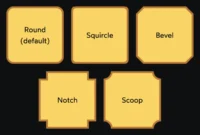
One of the most consequential changes in the July cycle is the update to the HTML parser in Firefox 153 regarding the <select> element. For decades, the <select> element has been a rigid component of web design, historically restricting developers to only allowing <option>, <optgroup>, and <hr> as direct children. This limitation was a significant hurdle in the implementation of "customizable select" interfaces. By allowing arbitrary nested elements to be parsed within the DOM inside a <select>, Firefox has effectively removed a major barrier to modernizing form design. Industry experts note that this change aligns with ongoing W3C efforts to provide developers with the ability to style dropdowns using CSS rather than relying on complex, inaccessible JavaScript-based workarounds.
Simultaneously, Chrome 151 has expanded the Declarative Shadow DOM (DSD) capabilities. The introduction of the shadowrootslotassignment attribute on the <template> element allows for manual slot assignment to be configured declaratively. Previously, developers were forced to rely on imperative JavaScript to invoke attachShadow(slotAssignment: "manual") after the page had already begun rendering, which often led to "Flash of Unstyled Content" (FOUC) or layout shifts. By enabling this configuration directly in the HTML, developers can now achieve more performant, encapsulated component architectures without the initialization latency of older methods.
Advancements in Media, Internationalization, and Performance
The browser vendors also targeted the efficiency of web media and globalized application development this month. Firefox 153’s integration of the desktop Picture-in-Picture (PiP) API marks a major step forward for cross-platform consistency. Previously, PiP support varied significantly across operating systems, but this update standardizes the behavior for Firefox on desktop, ensuring that users can maintain video playback visibility while navigating away from the hosting tab. This feature is widely regarded as a necessity for modern multi-tasking environments, particularly as the web becomes a primary vehicle for professional video conferencing and media consumption.
On the internationalization front, the inclusion of the Intl.Locale Info API in Firefox 153 is a significant boon for developers building global-facing applications. By providing built-in access to calendars, collations, hour cycles, and time zones, the API eliminates the dependency on heavy third-party internationalization libraries like Moment.js or Luxon. This reduction in client-side code bloat can lead to faster page load times and smaller JavaScript bundles—a core metric for Google’s Core Web Vitals.
Data handling also received a boost with the introduction of getAllRecords() for IndexedDB in Firefox 153. Database operations in the browser have historically been hampered by the need for cursor iteration, which is both computationally expensive and syntactically verbose. The ability to fetch entire datasets in a single request simplifies the logic for offline-first applications and complex data-driven web dashboards.

Chrome’s Push for API Ergonomics and User Interaction
Chrome 151’s new textStream() method for Response, Request, and Blob objects addresses a common pain point in streaming binary data. By automating the conversion of raw body data into decoded text strings, the browser removes the need for developers to manually chain TextDecoderStream operations. Furthermore, the introduction of the animation property on AnimationEvent and TransitionEvent interfaces provides a direct hook into underlying animation states. This allows for more precise control over complex CSS animations, particularly when synchronizing them with JavaScript logic.
Perhaps the most experimental feature to launch is the <usermedia> capability element in Chrome 151. This declarative approach to requesting camera and microphone access is an attempt to standardize the user permission experience. By moving the permission request into a browser-managed element rather than a standard JavaScript call, Google aims to improve user trust and transparency. Early feedback suggests that this "trusted element" approach could reduce the prevalence of "permission fatigue" by providing a clearer context for why a site requires access to hardware sensors.
Beta Previews: A Look into the Future
The beta releases of Chrome 152, Firefox 154, and Safari 27 serve as a window into the latter half of 2026. Chrome 152 is heavily focused on CSS and visual fidelity, with support for new pseudo-elements like ::scroll-marker and ::view-transition. These features are expected to drastically simplify the creation of smooth, native-like page transitions and scroll-based animations.
Safari 27 beta is particularly aggressive, introducing the ariaNotify API for improved accessibility announcements and a range of CSS enhancements, including contain: style and transform-aware anchor positioning. Apple’s focus on these features indicates an intent to push WebKit further into the realm of high-performance desktop application development, particularly as Safari continues to integrate with the broader Apple ecosystem.
Analysis: The Strategic Implications for Web Development
The feature sets introduced in July 2026 highlight a clear trend: browser engines are increasingly competing to provide "native-like" performance and control to web developers. By standardizing APIs that were previously fragmented—such as internationalization, shadow DOM configuration, and hardware permission management—the major vendors are effectively lowering the barrier to entry for high-quality web applications.
However, this rapid pace of innovation brings challenges. For developers, keeping track of these changes requires a more rigorous approach to feature detection. The "Baseline" status, which marks when a feature is supported across all major engines, remains the industry’s most important metric. The introduction of these new methods, while beneficial, necessitates that developers test across both the stable and beta channels to ensure backward compatibility for users on older browser versions.
The industry response to these changes has been largely positive. Engineering teams at major tech firms have noted that the reduction in "boilerplate code"—specifically in the context of IndexedDB and internationalization—will allow them to focus more on product logic and less on polyfilling missing browser functionality. As these browsers continue to evolve, the web platform remains the most versatile application delivery mechanism in existence, with the July 2026 releases acting as a testament to the ongoing maturity of the open web.