A Chronology of the Sony Walkman Era
The original Sony MDR-3 headphones were introduced in the late 1970s and early 1980s, coinciding with the launch of the TPS-L2 Walkman in 1979. At the time, the MDR-3 represented a revolutionary shift in personal audio. Before this innovation, headphones were largely bulky, studio-grade peripherals designed for stationary use. Sony’s engineering team prioritized portability, creating a lightweight headband that allowed users to carry their music collections—housed on magnetic tape—into public spaces for the first time.
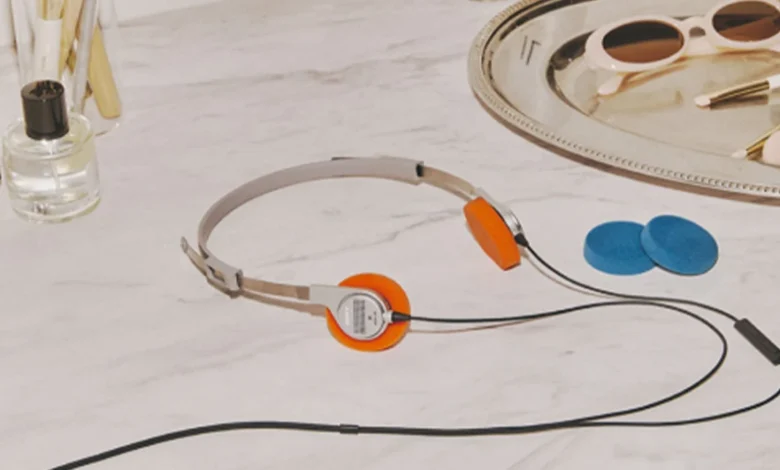
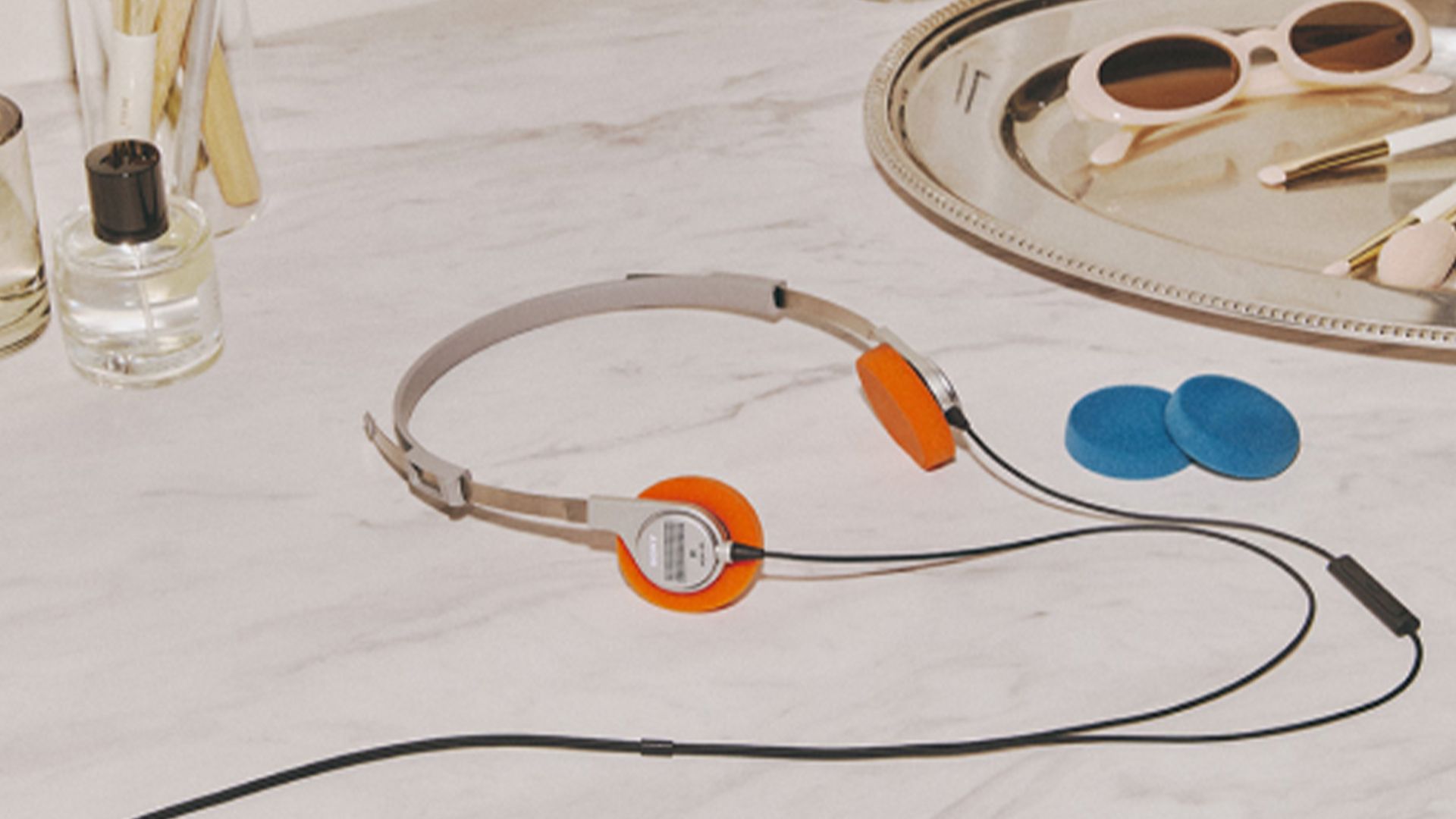
By the mid-1980s, the MDR series had become a global design staple. The aesthetic—characterized by thin, flexible metal headbands and foam-covered drivers—defined the personal music experience for an entire generation. Throughout the 1990s and early 2000s, this design language evolved, but as digital music and Bluetooth connectivity took hold, the wired, on-ear aesthetic was largely relegated to budget-tier products or specialized monitoring equipment. The recent revival of the MDR-3R indicates a strategic pivot by Sony to reclaim the "lifestyle audio" segment, blending the aesthetic nostalgia of the 1980s with current standards like USB-C connectivity.
The Resurgence of Wired Connectivity
The decision to reintroduce the MDR-3R is not an isolated event but rather a response to shifting consumer behaviors. Market analysis from the past three years indicates a measurable plateau in the growth of True Wireless Stereo (TWS) earbuds. While convenience remains a priority for many commuters, a significant segment of the audio-enthusiast community has begun to migrate back to wired solutions for three primary reasons: fidelity, reliability, and the absence of battery-related obsolescence.
Wired headphones eliminate the inherent compression associated with Bluetooth codecs, allowing for a more transparent audio signal. Furthermore, the "wired-only" aesthetic has gained traction as a fashion statement on social media platforms, where Gen Z and younger millennial demographics are actively seeking analog experiences in an increasingly digital world. The MDR-3R fits perfectly into this "Y2K" and "80s-core" trend, providing a tactile, grounded experience that distinguishes itself from the sleek, minimalist design of modern earbuds.
Supporting Data and Market Trends
Industry research reports from the consumer electronics sector suggest that while wireless devices dominate the total unit sales of headphones, the "retro" and "wired" segments are currently growing at a faster percentage rate year-over-year. Data indicates that global spending on wired headphones increased by approximately 8% in the last fiscal year, driven largely by the high demand for vintage-inspired designs and studio-quality monitors.
Sony’s pricing strategy for the MDR-3R—positioned at the sub-£50 price point—is designed to capture both the "nostalgia purchaser" and the "budget audiophile." By maintaining a price point that is accessible compared to high-end planar magnetic or noise-canceling headsets, Sony has successfully created a "must-have" accessory. The immediate sell-out of the initial inventory serves as a testament to the efficacy of this pricing model and the enduring power of the Sony brand heritage.
Analyzing the Impact of the USB-C Integration
The integration of USB-C into the MDR-3R is perhaps the most significant technical update to the classic design. In the original 1980s models, the 3.5mm jack was the universal standard. Today, as smartphone manufacturers continue to remove dedicated headphone ports, a wired headphone without a modern interface would be effectively useless to many consumers.
By utilizing USB-C, Sony has ensured that these headphones are compatible with modern smartphones, tablets, and laptops without the need for cumbersome dongles or adapters. This technical bridge between the 20th and 21st centuries is critical for the product’s success. It allows the user to experience the authentic "retro" sound signature and design aesthetic while retaining the seamless digital integration expected of modern peripherals.
Industry Implications and Corporate Strategy
For Sony, the MDR-3R is more than just a product; it is a branding exercise. The company is leaning into its vast archive of iconic designs to solidify its position as a heritage brand in the audio space. In an era where many tech companies prioritize software-led features, Sony is demonstrating that physical, tangible hardware design still holds immense value.
Analysts suggest that if this strategy continues to yield positive results, we may see further "legacy revivals" from Sony’s back catalog. The company has long been considered the pioneer of the portable music market, and by reminding consumers of its historical dominance, it builds a layer of trust that competitors struggle to replicate. Furthermore, the emphasis on wired technology allows Sony to bypass the expensive and complex development cycles required for new battery management systems and wireless connectivity protocols, potentially offering higher margins on these retro-focused lines.
Consumer Response and the Secondary Market
The immediate exhaustion of stock for the MDR-3R highlights a classic supply-and-demand mismatch. Enthusiasts have already begun to scour secondary markets and specialized audio retailers for similar models. For those unable to secure the official Sony release, the market for "dupes" and alternative wired on-ear models has seen a corresponding surge in traffic. Brands such as Koss, Sennheiser, and even various boutique audio manufacturers have reported increased interest in their own lightweight, wired offerings, suggesting that the "Sony effect" is lifting the entire category of on-ear, wired headphones.
As the retail landscape adjusts to this demand, industry observers expect to see Sony increase production capacity for the MDR-3R to meet the holiday season and beyond. The success of this launch is a clear signal to the rest of the tech industry that consumers are not solely motivated by the latest smart features or AI-integration; they are equally, if not more, motivated by design, heritage, and the simplicity of a wired connection.
In conclusion, the return of the Sony MDR-3R is a milestone in the current trend of retro-tech integration. By honoring the design language that helped define the portable audio revolution, Sony has successfully tapped into a vein of consumer sentiment that values simplicity, longevity, and brand history. As the market continues to fragment, the success of these headphones proves that even in a wireless world, there is still a significant space for the wire.