The project represents more than a mere high-definition remaster. It is a comprehensive reconstruction that introduces refined control schemes, significantly more detailed environments, expanded dialogue, and fully voiced cinematic cutscenes. By addressing the technical limitations of the original hardware—such as the sometimes awkward platforming and rigid character interactions—the development team has sought to modernize the experience for a new generation of players without compromising the fundamental design philosophy that solidified Ocarina of Time as one of the most acclaimed video games in history.
A Chronology of Development and Design Philosophy
The history of Ocarina of Time is deeply rooted in the evolution of 3D gaming. Originally released in November 1998, the game served as a pioneer for lock-on targeting systems and context-sensitive controls. Nearly three decades later, the decision to remake the title for the upcoming Nintendo Switch 2 hardware was driven by both an internal desire to celebrate the franchise’s 40th anniversary and a strategic need to pass on foundational development knowledge to a younger generation of engineers and designers.
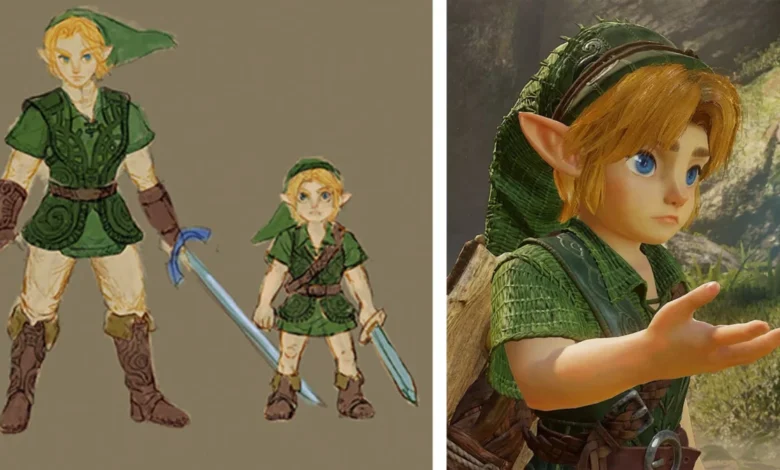
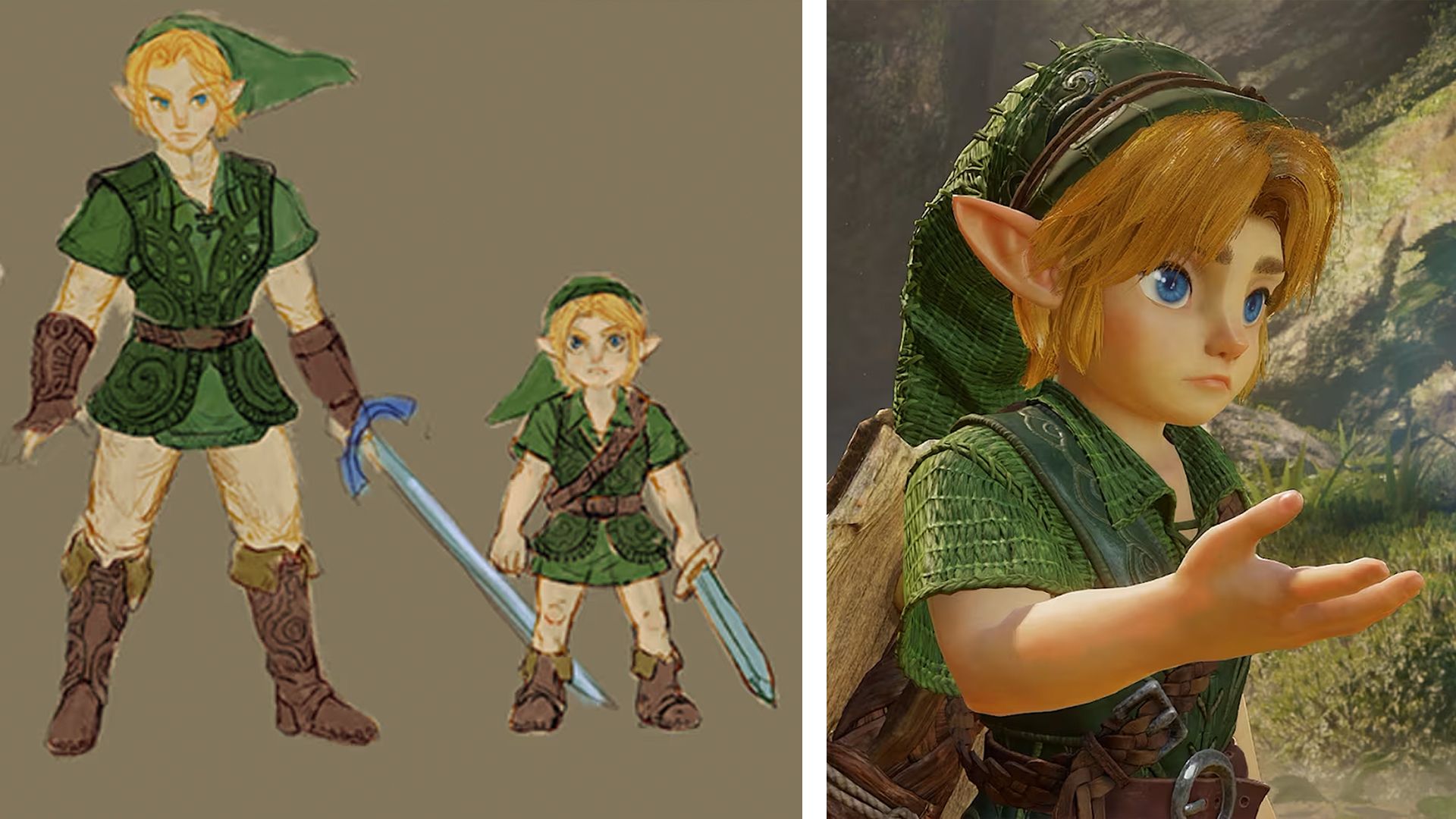
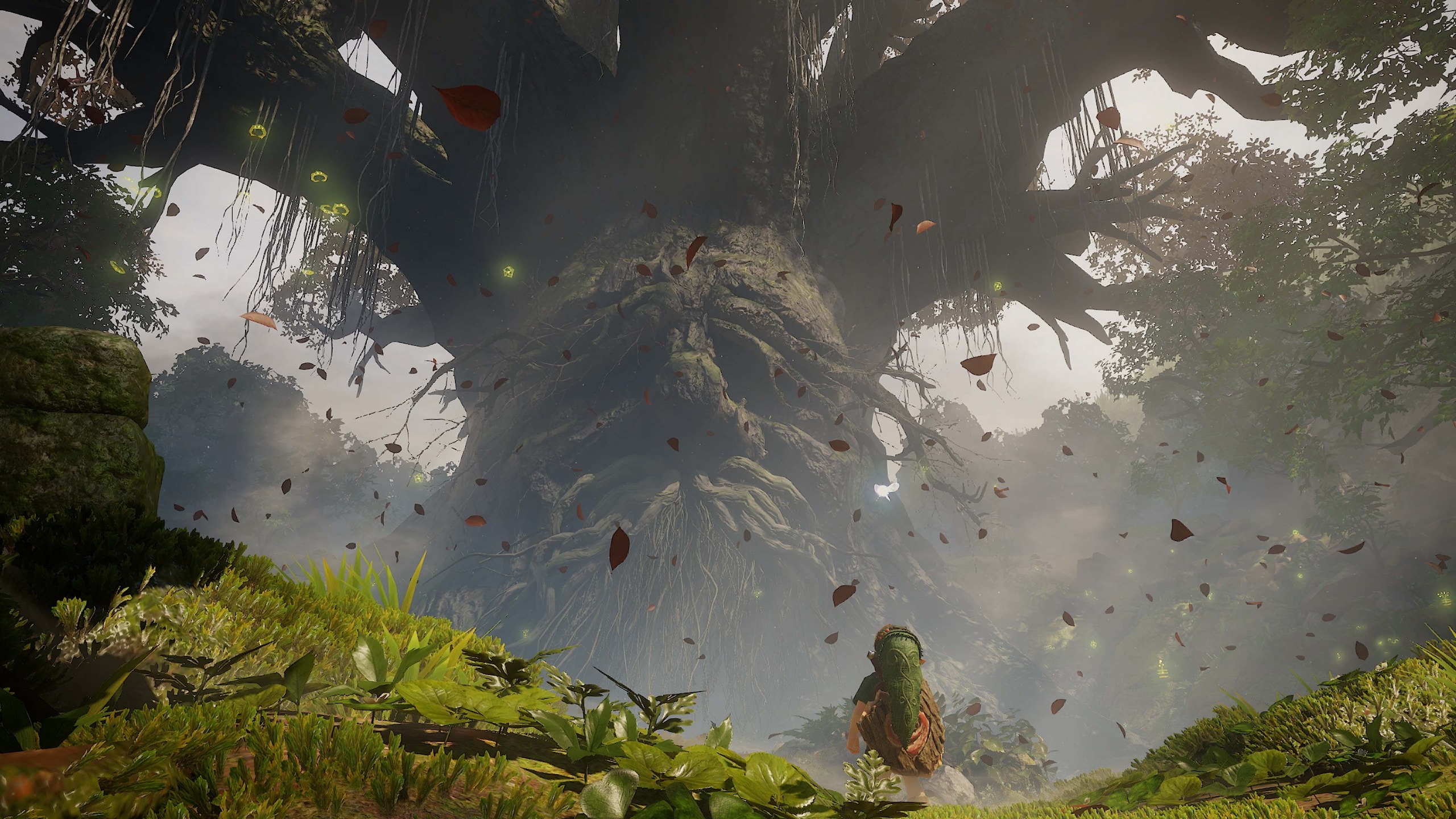
According to interviews conducted as part of Nintendo’s "Ask the Developer" series, the creative process began with a deep analysis of the original’s visual language. Art director Aya Shida explained that the team avoided the path of photorealism. Instead, the design team adopted the concept of a "puppet-show" aesthetic, aiming to capture the tactile, analog feel often found in practical-effects filmmaking. This approach allowed the developers to create a world that feels dense and grounded in reality while simultaneously preserving the whimsical, colorful identity of Hyrule.
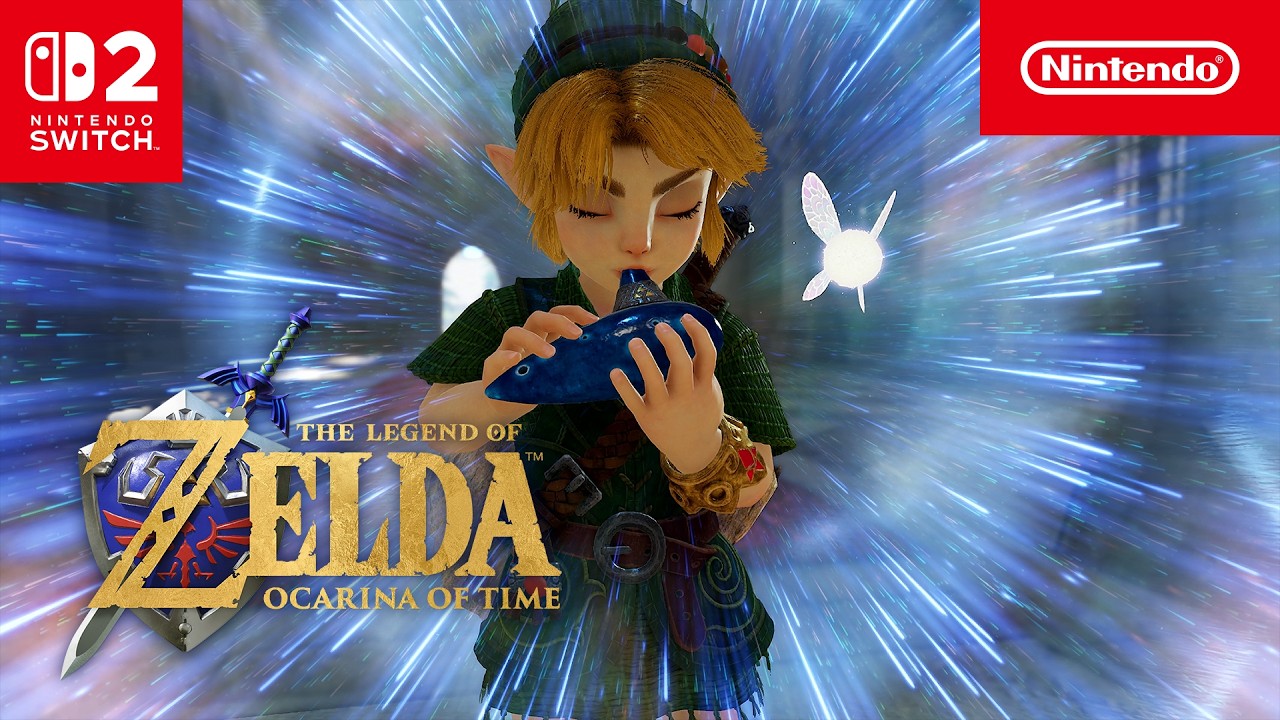
To achieve this, the team engaged in extensive research, including the study of historical textiles and materials found in museums. This was particularly important for the character models, specifically young Link, whose attire was designed to look handmade rather than manufactured. By analyzing the grain of fabrics and the weave of threads, the art team ensured that the visual fidelity provided by the Switch 2 hardware served to ground the characters in their environment, rather than distancing them from the player.
Reconciling Modernization with Core Mechanics
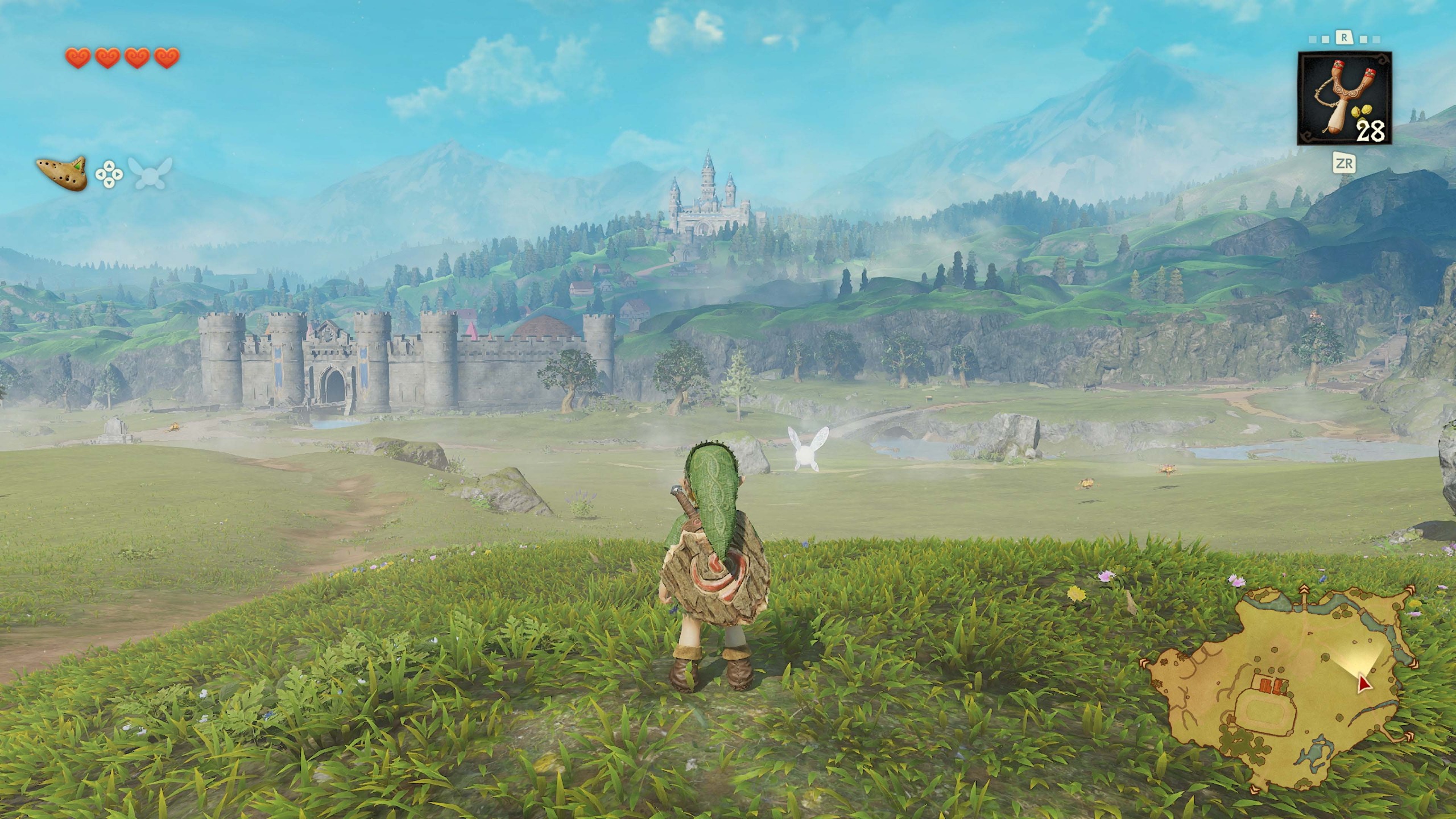
One of the most significant challenges identified during the development process was the temptation to modernize mechanics that are central to the original’s identity. Series producer Eiji Aonuma noted that the team initially experimented with implementing fast-travel warp points, similar to those found in modern titles like The Legend of Zelda: Breath of the Wild. The rationale was to mitigate the repetitive nature of traversing Hyrule Field, which in the original version was often done by players "spamming" the forward-roll maneuver.
However, after internal playtesting, Aonuma and his team concluded that the removal of this manual travel hindered the game’s core structure. The downtime spent traversing the map was not merely "filler"; it was essential for fostering the sense of scale and the spontaneous moments of discovery that define the Ocarina of Time experience. Consequently, the decision was made to remove the warp system, reinforcing the original intention that the journey through the landscape is as vital as the destination.
In contrast, other quality-of-life improvements were deemed necessary. Most notably, the inclusion of a dedicated jump button marks a departure from the original’s automatic, context-sensitive ledge-hopping. While this change may require a period of adjustment for long-time veterans, it provides players with a higher degree of precision during combat and exploration, effectively smoothing out the "creakier" elements of the 1998 controls.
Supporting Data and Technical Context
The 1998 original sold over 7.6 million units worldwide, a staggering figure for the era, and consistently holds one of the highest aggregate scores on Metacritic, sitting at a 99/100. The remake faces the significant challenge of living up to this legacy. Technically, the transition from the N64’s 320×240 resolution to the modern, high-fidelity capabilities of the Switch 2 allows for a dramatic increase in environmental density.
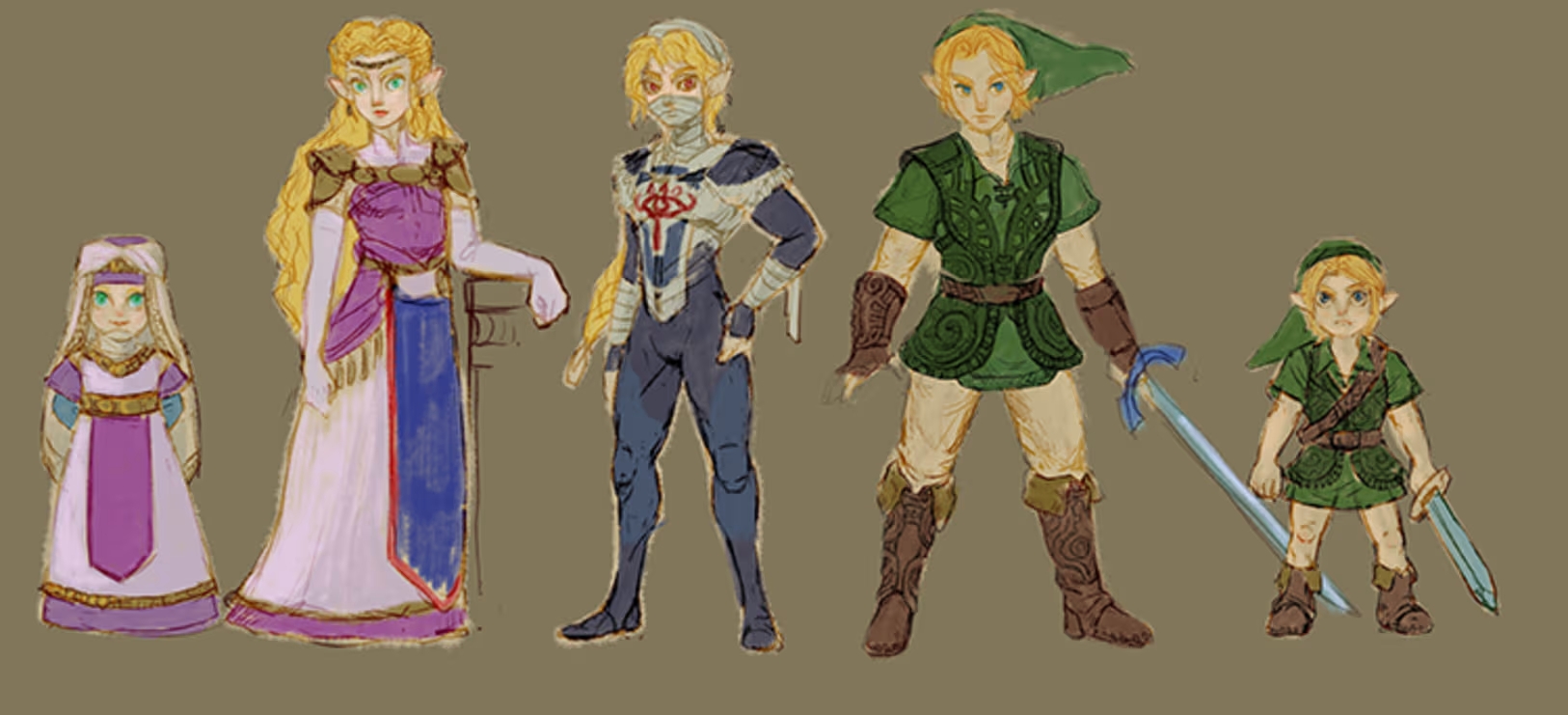
The development team emphasized that the 28-year gap between the original release and the upcoming remake required a delicate balance in character design. By creating 3D models that look distinct from their N64 counterparts—which relied on exaggerated, low-polygon features—the developers had to ensure that the silhouettes and general aesthetics remained recognizable. The focus was placed on how these models appear from a distance, ensuring that the visual transition is intuitive for returning players who have held a mental image of these characters for decades.
Broader Implications for the Zelda Franchise
The development of the Ocarina of Time remake is widely viewed as a "knowledge-transfer" project. By requiring a modern development team to rebuild the original code and assets from the ground up, Nintendo is effectively training its staff on the foundational design principles that have defined the Zelda series since its inception. Aonuma suggested that this process is expected to yield new insights into game structure, which will likely influence the direction of future entries in the franchise.
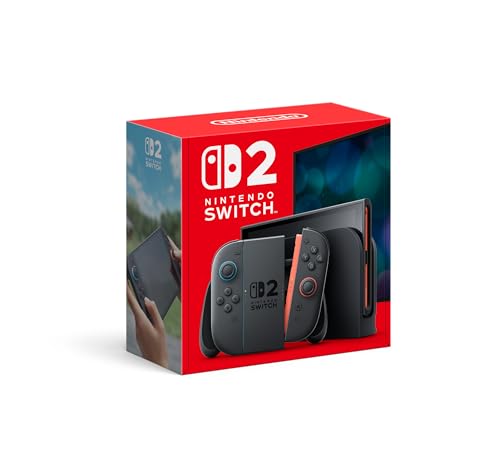
The remake also serves as a critical test case for the Nintendo Switch 2, demonstrating the hardware’s ability to handle high-detail textures and complex lighting systems while maintaining the performance standards expected of first-party titles. The emphasis on the "story behind every object" suggests that the team is applying a level of environmental storytelling consistent with modern AAA design, potentially setting a new benchmark for how Nintendo approaches the preservation of its legacy catalog.
Market Anticipation and Commercial Outlook
With the launch scheduled for 5 November 2026, the game is positioned as a cornerstone release for the Switch 2. Pre-order data and initial industry reaction suggest strong consumer interest, particularly among demographics that grew up with the original title and younger players drawn in by the series’ more recent open-world successes.
The digital and physical editions are being marketed to emphasize the prestige of the title. By maintaining a faithful, yet visually and mechanically refreshed experience, Nintendo is betting that the timeless nature of the game’s design—its dungeons, its music, and its narrative progression—remains potent enough to compete with modern, blockbuster-budget titles.
As the industry moves toward increasingly complex and interconnected game worlds, the decision to revisit Ocarina of Time provides a moment of reflection. The project highlights a growing trend in the gaming industry: the "remake-as-preservation" model. Unlike simple ports, this version seeks to honor the original’s intent while acknowledging that the expectations of the gaming audience have evolved. The collaboration between the original creative visionaries and the modern development team serves as a bridge, ensuring that the legacy of the N64 era is not lost, but rather recontextualized for the hardware capabilities of the next decade.
The success of this remake will likely dictate the strategy for future legacy titles within the Nintendo portfolio. Should the title meet the high expectations set by both critics and the fan base, it could signal a shift toward more frequent, high-effort remakes of classic titles, provided they are handled with the same reverence for the original design philosophy that has been demonstrated in the development of this version of Ocarina of Time. The coming months, leading up to the November release, will undoubtedly see further scrutiny of the title’s performance, but the current consensus points toward a project that respects the history of the medium while embracing the technological advancements of the future.