Wallpaper checks in at Anantara Tented Camp Kafue River: A New Benchmark for Sustainable Luxury Safari in Zambia

The arrival of the Anantara Tented Camp on the banks of the Kafue River in September 2026 represents a significant milestone in Zambia’s evolving luxury tourism sector. As the nation seeks to balance high-end hospitality with the preservation of its vast wilderness, this property serves as a case study in how modern infrastructure can be integrated into delicate ecosystems. Situated within the sprawling expanse of Kafue National Park—Zambia’s largest and oldest national park, covering approximately 22,400 square kilometres—the camp is positioned to attract a demographic of eco-conscious travelers seeking both isolation and high-touch service.
The logistical journey to the camp is currently an exercise in dedication, reflecting the remote nature of the Kafue basin. Travelers typically endure an 11-hour long-haul flight into Zambia, followed by a two-hour regional air transit and a subsequent five-hour overland transfer by 4×4. While the resort’s management has confirmed plans to commission a private airstrip to streamline arrival times, the current journey emphasizes the transition from urban environments to the untamed reality of the Zambian bush. Upon arrival, guests are greeted by a property elevated three metres above the riverbank on a structural stilt system, a design choice intended to minimize the camp’s footprint on the local topography and protect the natural flow of the riparian landscape.
A Three-Year Development Timeline
The project, which underwent a rigorous three-year development and construction phase, was designed with a focus on sustainability. By elevating the structures, the developers have ensured that the migration paths of local wildlife remain unobstructed. This architectural decision is part of a broader shift in safari tourism toward "low-impact, high-value" operations.
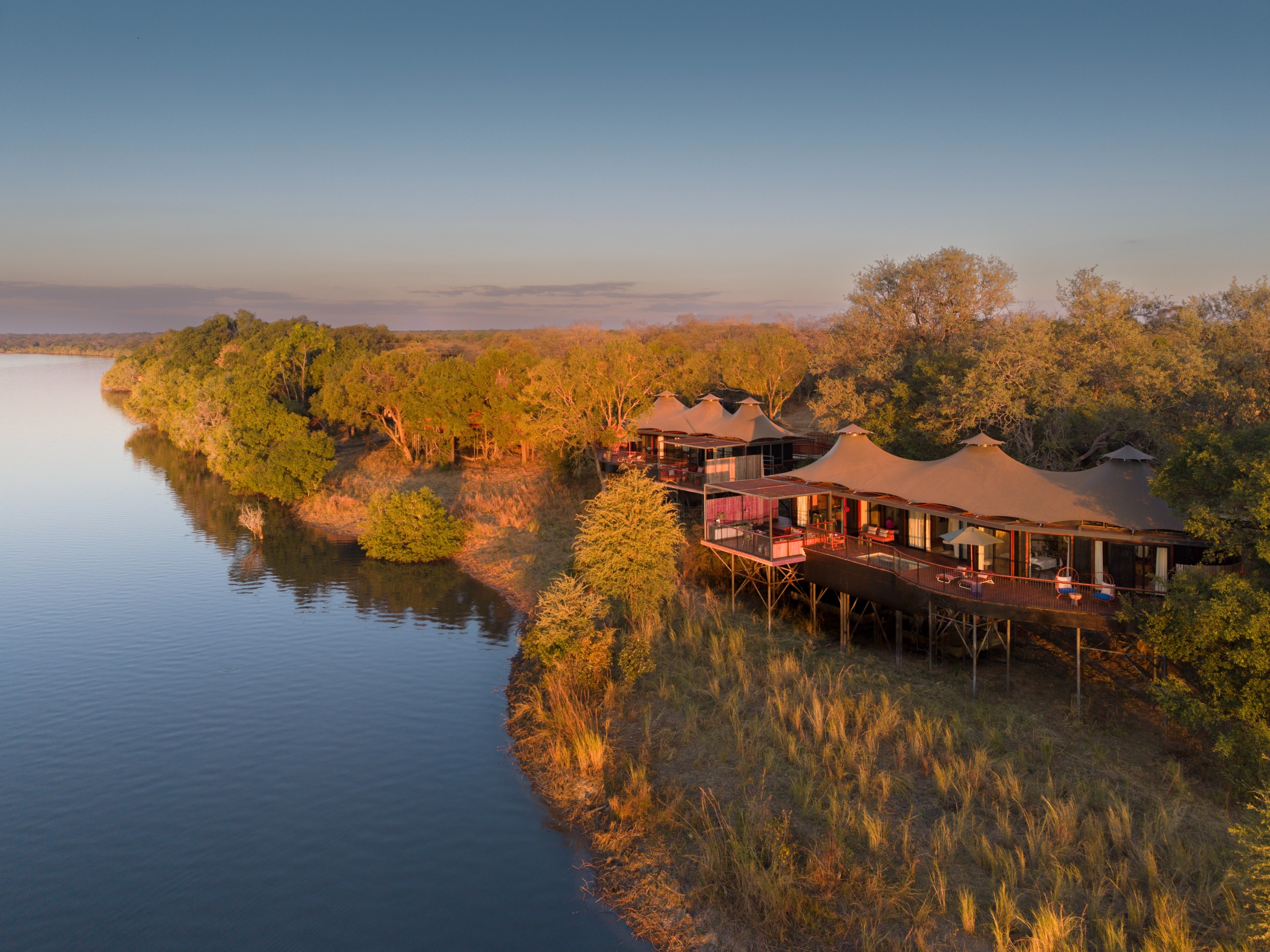
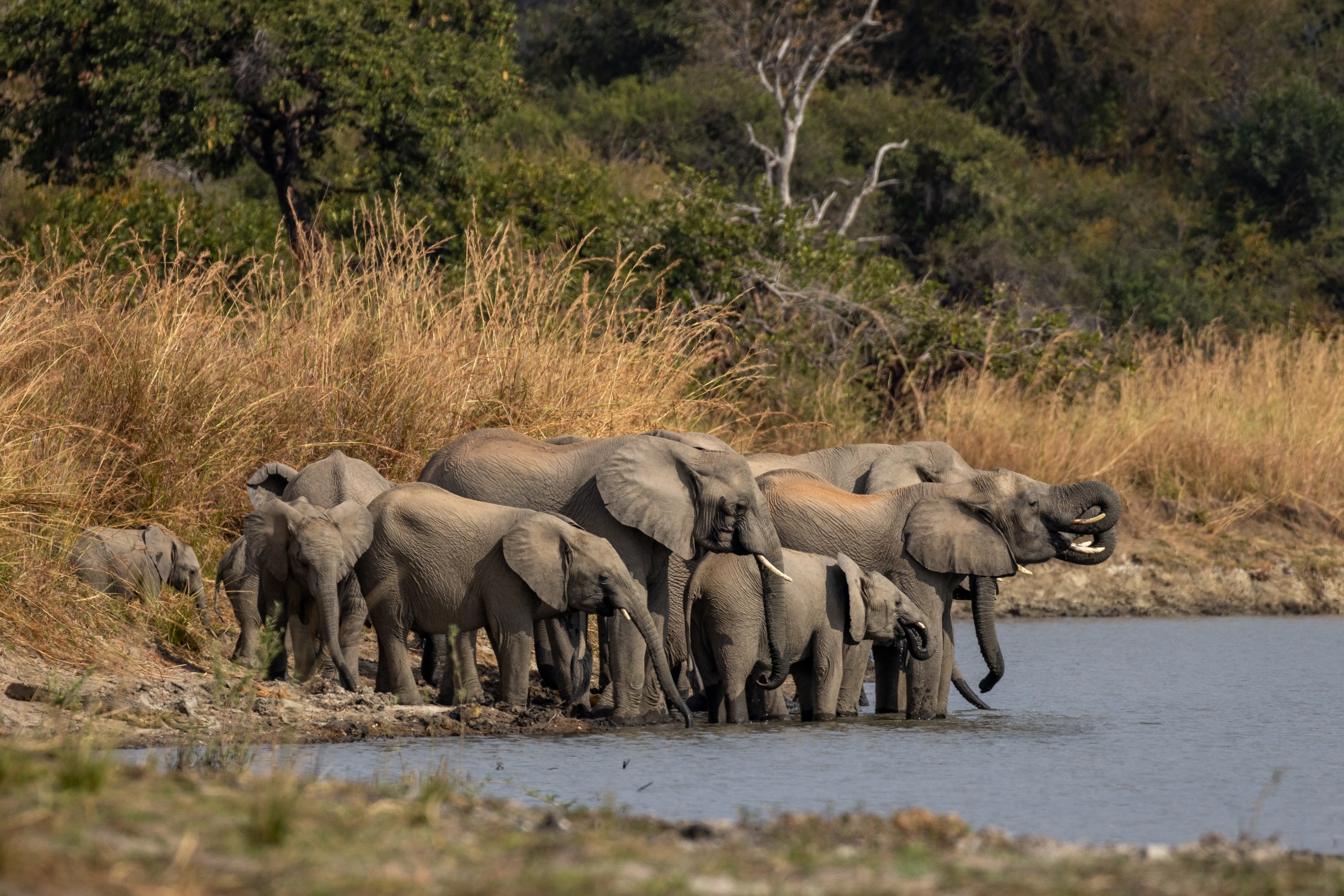
The site selection is strategic, placing the resort along a 1,576km stretch of the Kafue River, which acts as a lifeblood for the surrounding ecosystem. Regular sightings of elephants, hippos, and crocodiles are common, and the proximity to these animals is managed through strict conservation-led protocols. The integration of local biodiversity into the guest experience—such as the presence of monkeys, kingfishers, and resident elephant herds—is marketed as a core component of the stay, yet it is supported by a robust environmental management plan designed to prevent human-wildlife conflict.
Design Philosophy: Moving Beyond the Colonial Cliché
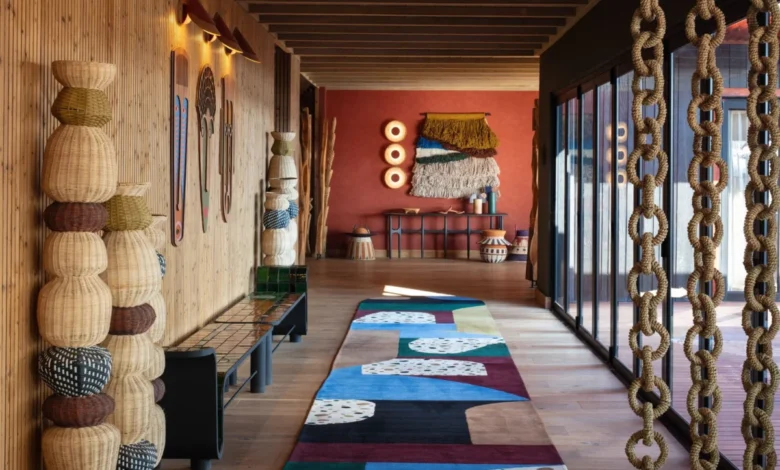
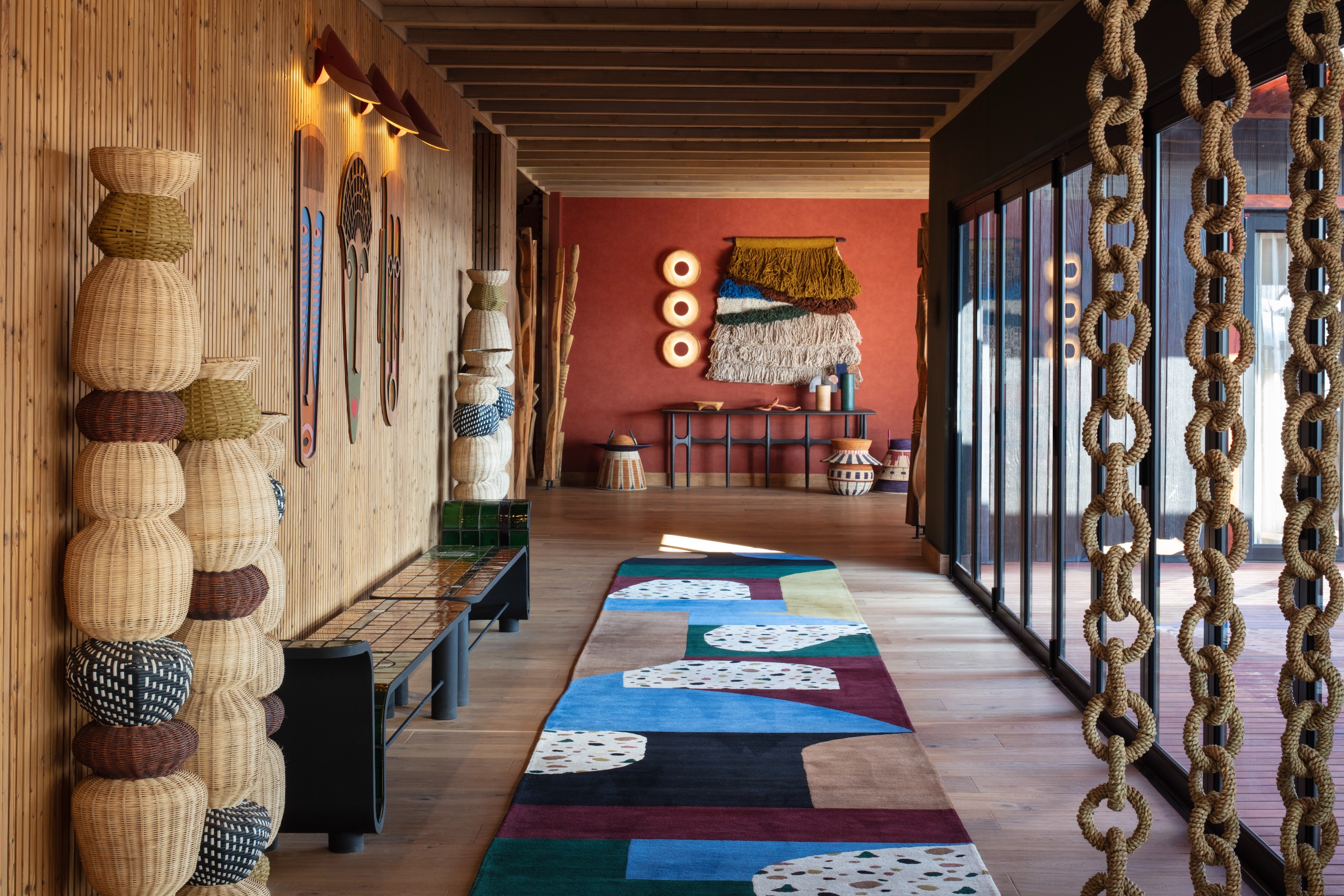
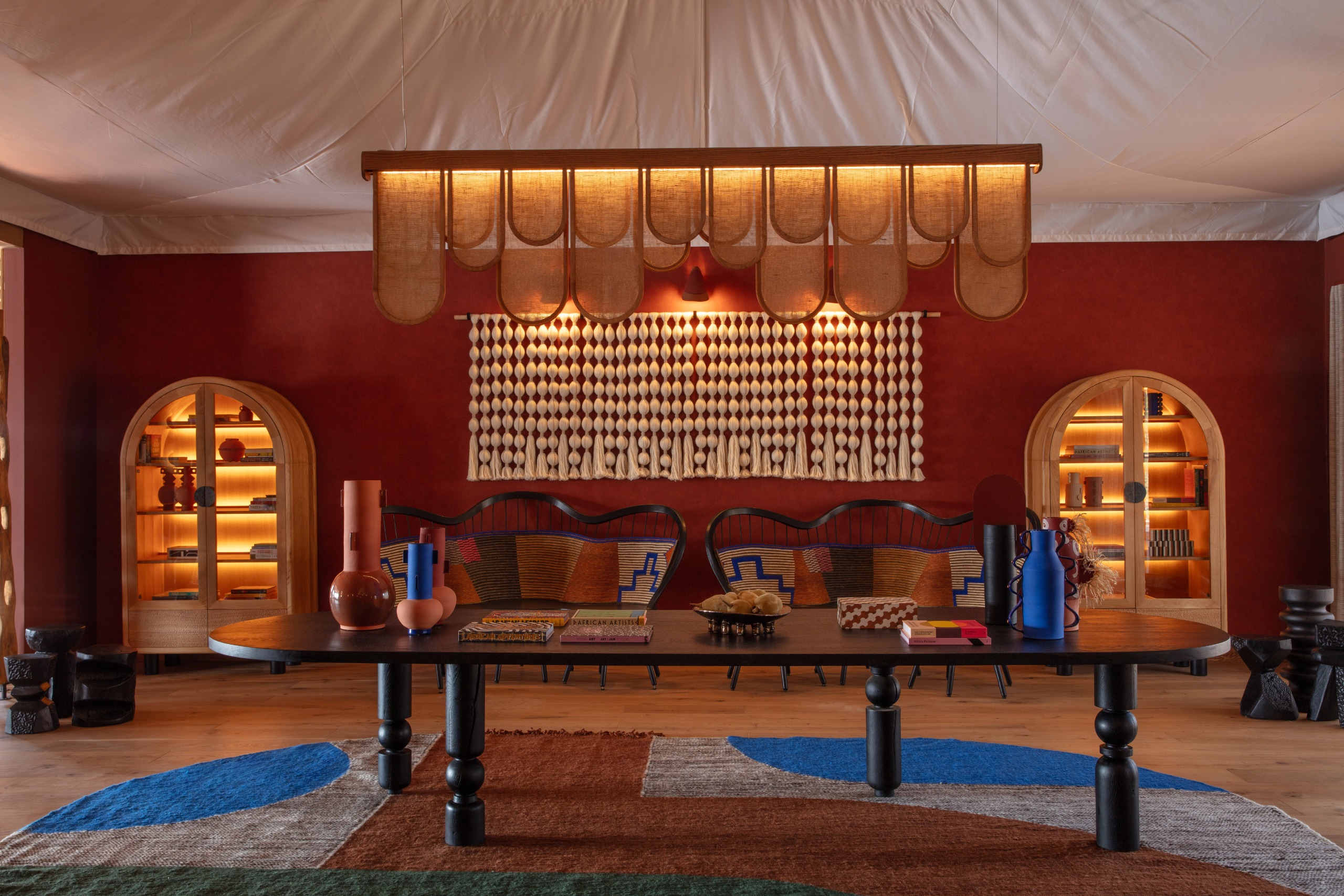
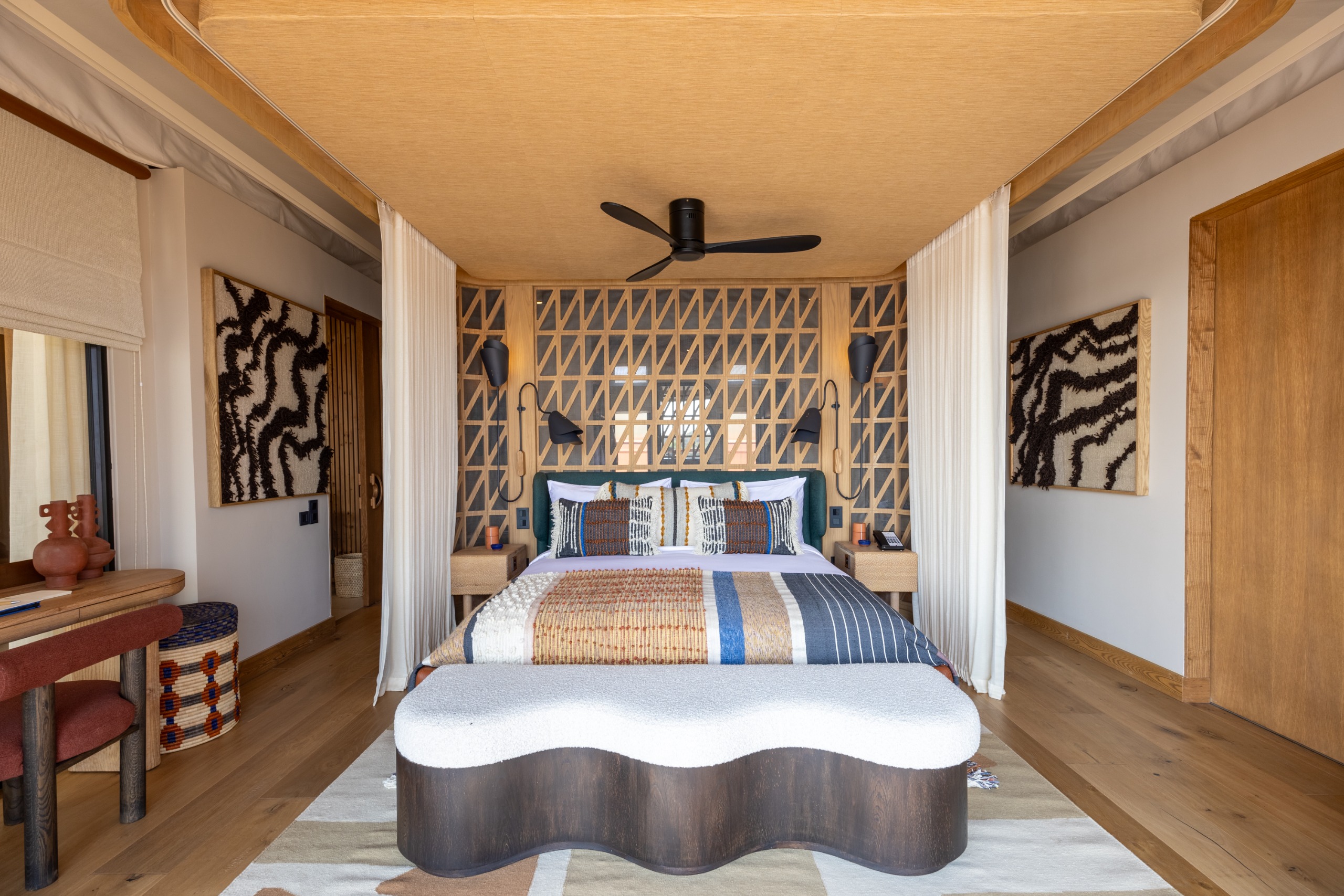
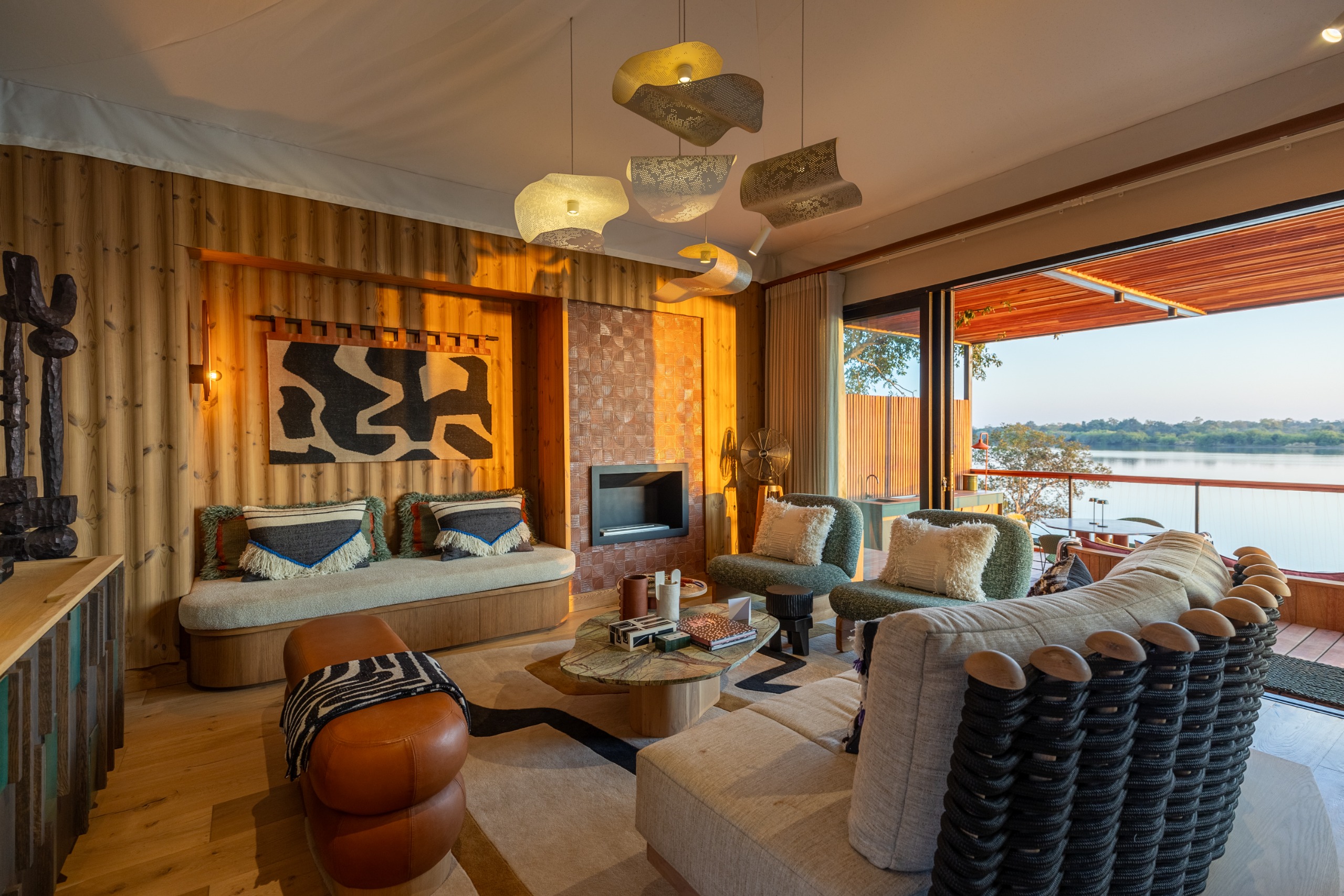
The interior design of the Anantara Tented Camp, led by South African designer Meg Ralph, represents a deliberate departure from the traditional, often Eurocentric, colonial aesthetic that has dominated safari lodges for decades. Instead, the property utilizes an abstract, tactile language that references local craftsmanship without resorting to stereotypical safari tropes.
Key design elements include wall hangings composed of geometric clusters that mimic the patterns of local wildlife, such as giraffes, and the extensive use of locally sourced materials. The integration of curved, sculptural wicker lighting and carefully curated libraries of regional artisanal history creates an environment that feels rooted in its location. By prioritizing local artisans and materials, the camp attempts to create an economic loop that benefits the surrounding Zambian communities, aligning with modern corporate social responsibility (CSR) standards in the hospitality industry.
Operational Excellence and Guest Personalization
Central to the guest experience is the concept of the "villa host," a dedicated staff member who functions as a personalized concierge. This role is reflective of a wider trend in luxury travel, where the value proposition is increasingly defined by the seamless management of a guest’s time and preferences. The host facilitates everything from early-morning beverage services to the coordination of safari logistics, ensuring that the guest’s itinerary remains fluid and responsive to the unpredictable nature of the bush.
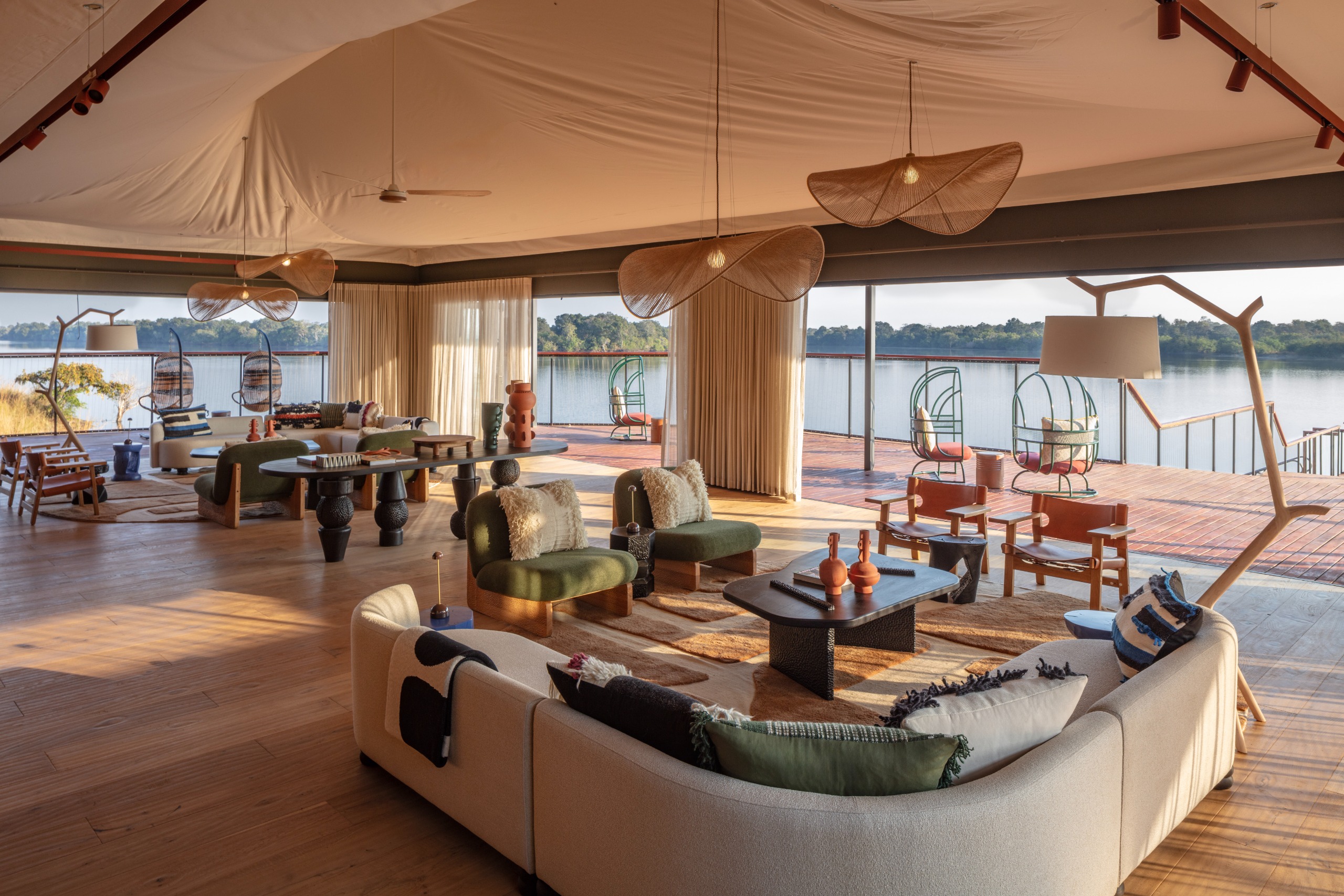
The accommodation comprises ten Kafue Pool Villas and three Horizon Terrace Suites. The villas, each named after indigenous trees, are designed with a focus on interior-exterior flow. The facade features glass sliding doors that open onto private decks, allowing for unobstructed river views. Each unit is equipped with modern amenities—including a stocked kitchenette and a specialized, in-room spa suite—which serves to reduce the need for guests to congregate in large, centralized areas, thereby enhancing the sense of privacy and exclusivity.
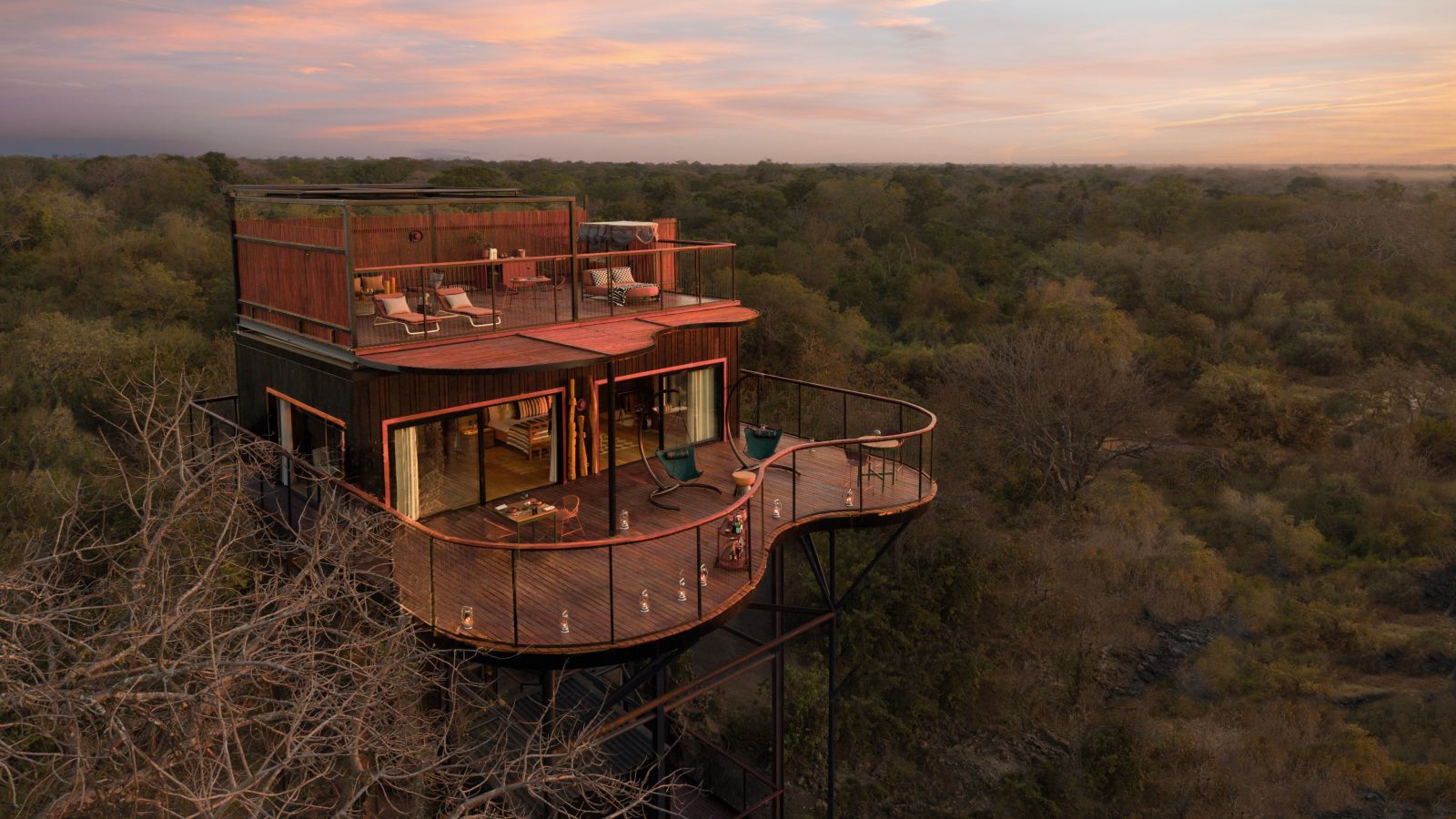
The Horizon Terrace Suites, however, offer a unique architectural perspective. Elevated 14.3 metres above the ground and accessed via a private glass lift, these suites provide a 360-degree vantage point of the canopy and the river. This elevation is notable in the safari industry, where most structures are kept low to blend into the landscape; its inclusion here suggests a premium on the immersive experience of the Zambian landscape.
Environmental Stewardship and Safari Logistics
The camp’s safari offerings are designed to provide both land and water-based experiences. Morning 4×4 drives through the Kafue National Park are led by professional rangers, with the property emphasizing the identification of rare species. For those opting for river safaris, the experience is framed as a calming alternative to the intensity of land-based game tracking.
However, management is quick to provide safety warnings, particularly regarding the wildlife. Guests are strictly cautioned against swimming in the river due to the presence of apex predators and large mammals. Furthermore, the camp provides specific guidance on attire—advising against blue and black clothing, which are known to attract tsetse flies—demonstrating a practical approach to visitor safety and education.
From a fitness perspective, the property features a first-of-its-kind floating gym in the African bush, equipped with Technogym technology. By placing the gym on the water, the design forces a connection between the guest’s routine and the immediate environment, reinforcing the theme of "conscious travel."
Economic and Sustainability Implications
The entry price, which starts at approximately £5,500 per room per night on a full-board basis, places this camp at the ultra-luxury tier of the global travel market. This price point is inclusive of high-end amenities, personalized massage treatments, and private game drives, reflecting the high operational costs associated with maintaining a remote, high-luxury property in the Zambian wilderness.
The economic implications for the region are significant. By attracting a high-spending demographic, the property contributes to the local economy through direct employment and the procurement of local goods. Furthermore, the reliance on sustainable building practices and the focus on wildlife preservation provide a blueprint for other potential developers in the Kafue region.
As a subsidiary of the wider Anantara brand—which already maintains a significant presence in Zambia, notably at The Royal Livingstone near Victoria Falls—the new camp serves to expand the brand’s footprint while simultaneously diversifying the types of experiences available to high-net-worth individuals in the country. The shift toward smaller, more intimate tented camps as opposed to large, permanent hotel structures signals a broader industry recognition that modern luxury is increasingly synonymous with conservation.
A New Standard for Wilderness Tourism
The verdict from early observations is that the Anantara Tented Camp is successfully attempting to redefine the luxury safari experience. While the physical comfort and design sophistication of the villas are clear, the true test of the property’s longevity will be its ability to maintain its commitment to sustainability as guest volumes fluctuate.
The hospitality provided is marked by a high level of attentiveness, a necessity for a property located in such a remote region. As Zambia continues to promote itself as a premier destination for high-end eco-tourism, the success of the Anantara Tented Camp will likely be measured by its ability to foster a genuine connection between the international visitor and the natural heritage of the Kafue River basin, all while maintaining the highest standards of operational, social, and environmental responsibility.