Jean Prounis Pays Homage to the Golden Age of New York Art Deco with Her New Moderne Collection

The landscape of contemporary fine jewelry is often characterized by a push toward either minimalist abstraction or avant-garde experimentation. However, New York-based jeweler Jean Prounis has chosen a different path for her latest collection, "Moderne," opting instead to excavate the visual lexicon of a transformative era in American history. By synthesizing the architectural grandeur of 1930s Manhattan with the intimate personal history of her own lineage, Prounis has crafted a series that bridges the gap between historical reverence and modern luxury.
A Departure from Antiquity
Since establishing her eponymous brand in 2017, Jean Prounis has earned a reputation for designs deeply rooted in the ancient world. Her early portfolios were heavily influenced by the structural simplicity and raw materiality of Etruscan, Greek, and Roman artifacts. These pieces often featured muted, high-karat gold and a focus on the organic, weathered textures of antiquity.
With "Moderne," the designer has pivoted away from the Mediterranean basin to focus on the concrete and steel canyons of her hometown. This shift represents a significant evolution in her design philosophy. According to the studio, the transition was fueled by a desire to interrogate the "stately visuals" of the early 20th century, specifically the period between the 1910s and 1930s. To achieve this, Prounis and her team conducted extensive research at the New York Public Library, specifically focusing on pochoir prints—a sophisticated French stencil technique used to apply vibrant layers of gouache paint—and the industrial geometry of New York’s iconic skyline.
The Versailles Connection: A Personal History
The inspiration for "Moderne" is not merely aesthetic; it is genealogical. The collection serves as a direct tribute to the designer’s great-grandfather, Otto Prounis, a central figure in the mid-century New York social scene. In 1936, at the height of the Art Deco movement, Otto Prounis co-founded "Versailles," a premier nightclub situated directly opposite the Waldorf Astoria.
During its operation, Versailles stood as a bastion of Art Deco refinement. Contemporary accounts of the venue highlight its commitment to immersive design: sage-green silk tablecloths, bespoke silver service, and menus illustrated with hand-gouached motifs. The club was a cultural magnet, drawing international talent such as Edith Piaf and Bob Hope. By looking back at the aesthetic standards of her great-grandfather’s venture, Jean Prounis has effectively translated the "nightlife luxury" of the 1930s into wearable, contemporary forms.
Design Elements and Technical Craftsmanship
The "Moderne" collection marks a technical departure for the brand. While Prounis has historically favored the raw aesthetic of ancient gold, this new collection utilizes 22-carat yellow gold as a framework for more structured, geometric compositions. The collection features:
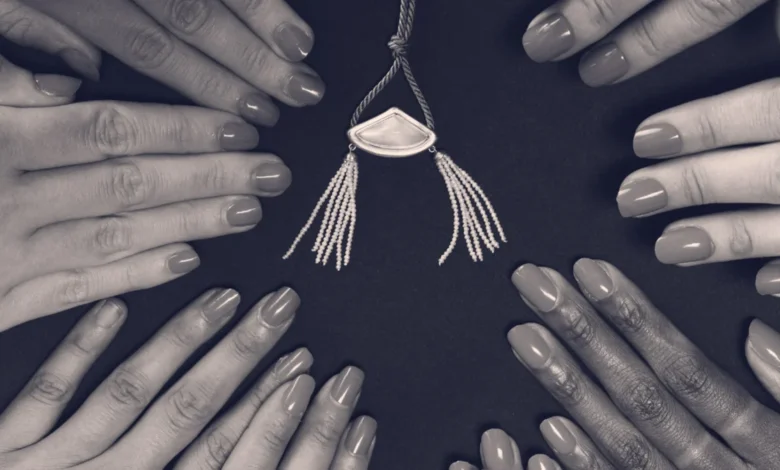
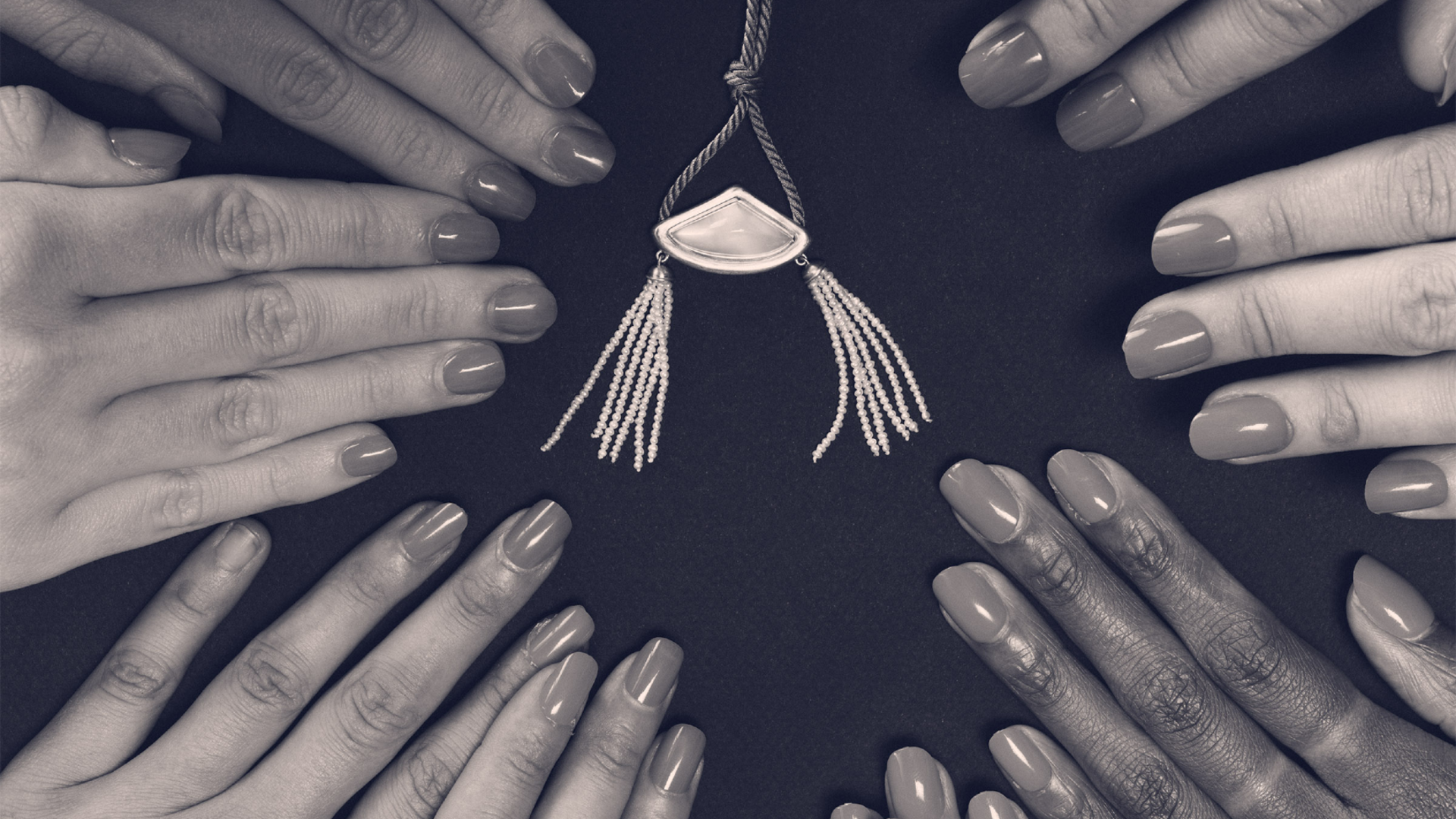
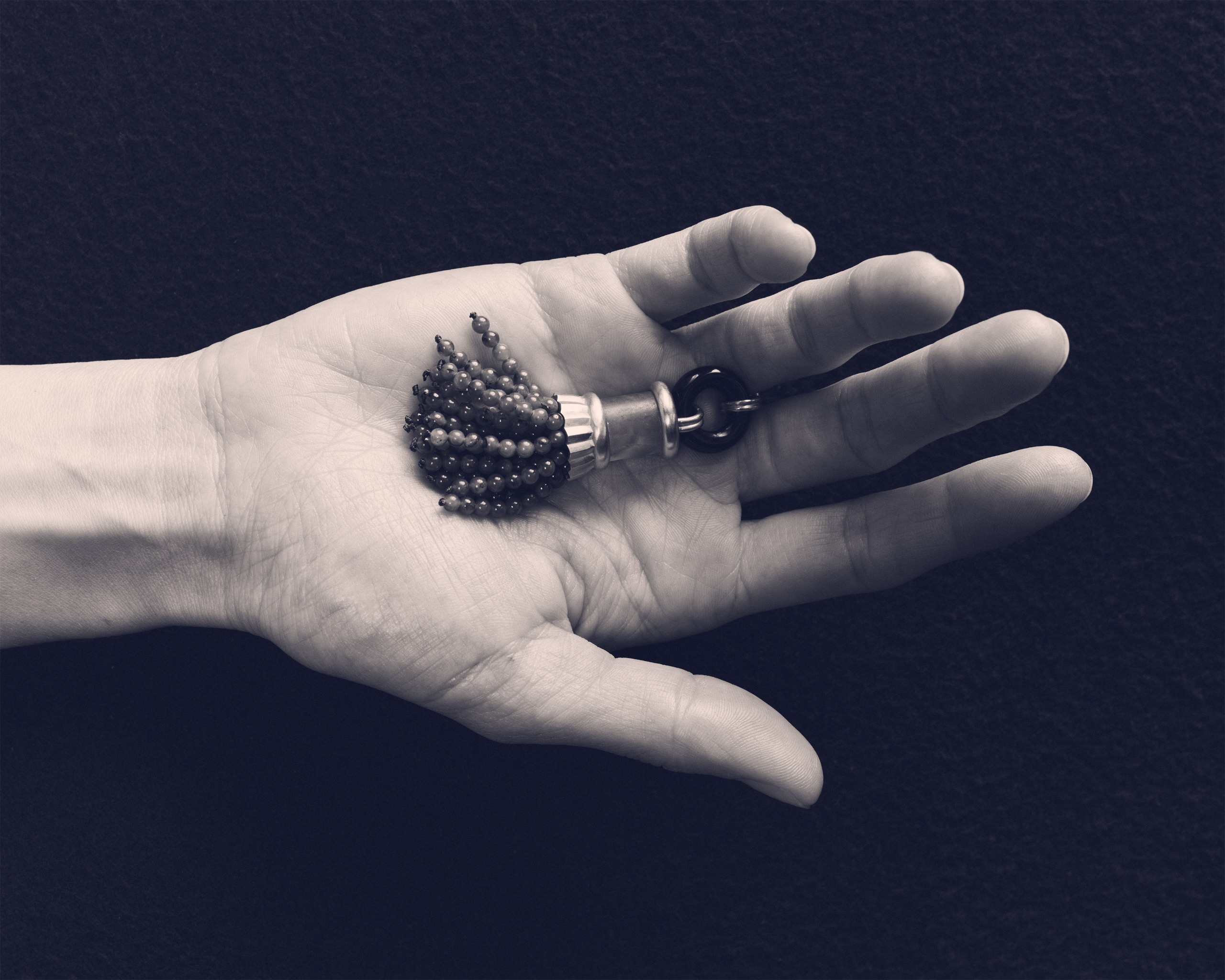
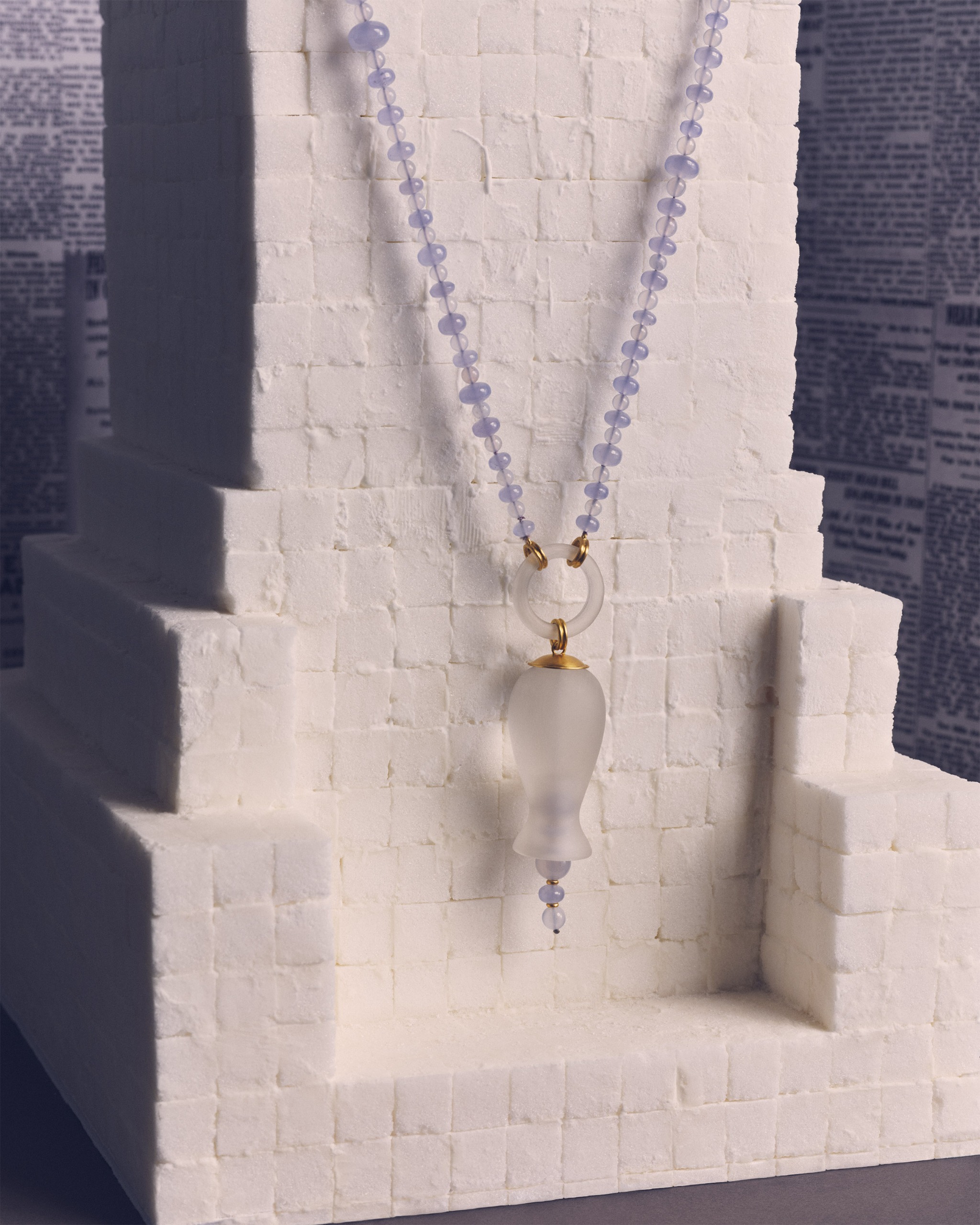
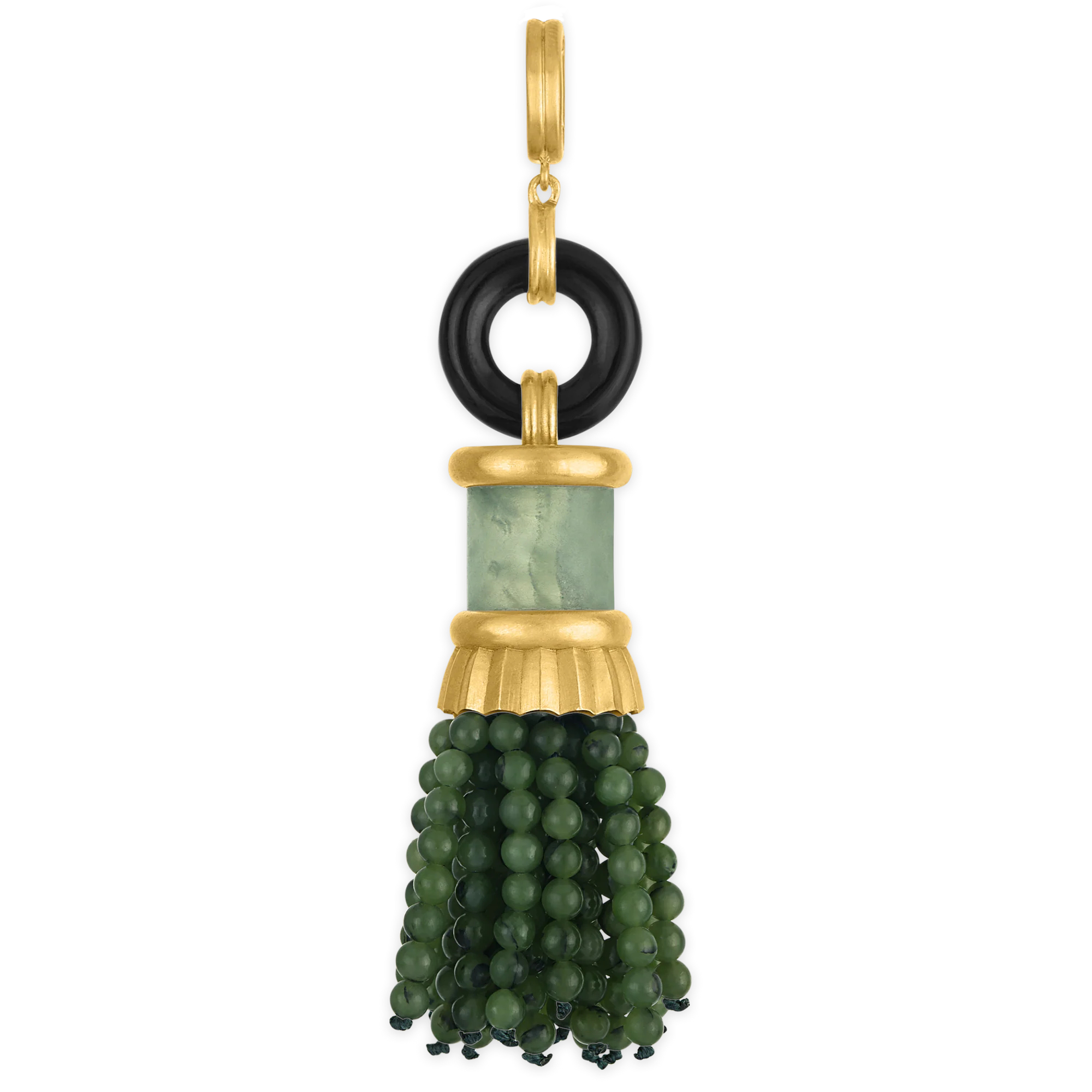
- The Sautoir Necklace: A signature piece of the collection, these long, flowing necklaces incorporate jade, frosted rock crystal, and red jasper. The use of "brushes"—Prounis’s term for her tactile tassel elements—serves as a nod to the decorative excess of the period.
- Geometric Diamond Cuts: In keeping with the precision of Art Deco architecture, the collection features square-cut stones, specifically Asscher and carré cuts. These cuts were selected to mirror the grid-like layouts of New York streets and the symmetrical facades of period buildings.
- The Rosemary Ring: Named as a tribute to the designer’s great-grandmother, this piece utilizes an old-mine diamond at its center. The geometric mounting is a direct interpretation of a vintage ring originally worn by her ancestor, demonstrating the collection’s focus on heritage and familial continuity.
The Context of Art Deco in Jewelry
The Art Deco era remains one of the most influential periods in the history of design. Emerging in the 1920s as a reaction against the fluid, organic lines of Art Nouveau, Art Deco embraced the machine age. Its defining characteristics include bold geometric shapes, strong colors, and the use of modern materials such as bakelite, chrome, and stainless steel, often balanced by the inclusion of precious gemstones.
Prounis’s inclusion of archival influences from heritage houses such as Maison Fouquet and Cartier aligns with a broader trend in the high-jewelry market: the "revivalist" approach. Luxury brands are increasingly looking to the interwar period to find inspiration for designs that feel both nostalgic and structurally sound. By sourcing gems through expert curators and hand-crafting each piece in Manhattan’s traditional jewelry district, Prounis maintains the integrity of the "Made in New York" label, which remains a potent selling point for the brand’s demographic.
Economic and Cultural Implications
The decision to launch "Moderne" at this juncture reflects a wider market interest in "quiet luxury" and historical provenance. As global economic volatility continues to influence consumer spending, collectors are increasingly turning toward investment-grade jewelry that possesses a clear narrative.
From a market perspective, the "Moderne" collection serves to cement the Prounis brand as one that is capable of scaling its aesthetic beyond its original "ancient-world" niche. By diversifying her source material, the designer mitigates the risk of being pigeonholed into a specific design era. Furthermore, the use of rare, historically significant diamond cuts (such as the old-mine and carré) appeals to a sophisticated buyer base that prioritizes technical rarity over mere carat weight.
Analytical Outlook
The success of "Moderne" will likely be measured by its ability to maintain the brand’s core identity while successfully appealing to a demographic interested in urban history. The integration of 22-carat gold—a hallmark of the Prounis house—with the sharp, angular motifs of Art Deco creates a unique visual tension. It is neither a slavish reproduction of 1930s jewelry nor a modern piece that ignores history; rather, it is a hybrid of the two.
In the broader context of the New York jewelry industry, the collection highlights the ongoing revitalization of the city’s manufacturing districts. Despite the challenges posed by high rent and shifting commercial real estate trends, the concentration of jewelry artisans in Manhattan remains a vital part of the city’s creative economy. By keeping production local, Prounis is contributing to the preservation of a dying artisan culture, ensuring that the techniques required to set complex stone shapes or forge heavy-gauge gold remain within the city’s borders.
Conclusion
Jean Prounis has managed to capture the spirit of an era that defined the American twentieth century. Through the "Moderne" collection, the legacy of the Versailles nightclub and the architectural evolution of Manhattan are given new life in gold and stone. By shifting her focus from the ruins of ancient civilizations to the relatively recent history of her own family, the designer has created a body of work that is both deeply personal and globally resonant.
As the collection begins to reach the market, the jewelry industry will be watching closely to see how this synthesis of historical research and modern craftsmanship performs. For the collector, "Moderne" offers more than just ornamentation; it provides a tangible connection to the glamour, ambition, and structural innovation of a bygone New York, rendered with the precision of a modern master. Whether through the fluidity of a jade sautoir or the rigid, calculated geometry of an old-mine diamond ring, the collection succeeds in its primary goal: to honor the past while defining the aesthetic priorities of the present.
Related posts: