The digital landscape is undergoing its most profound structural transformation since the commercialization of the graphical user interface (GUI) in the late 1970s and 1980s. For decades, software has relied heavily on point-and-click interactions, menus, forms, and multi-step sales funnels. Systems pioneered by the Xerox Star and popularized by the Apple Macintosh established a paradigm where users spent considerable time managing software rather than achieving their underlying goals. Today, fueled by rapid advancements in artificial intelligence and large language models (LLMs), a new design philosophy is emerging: Intent-Driven Design. This shift moves web architecture away from visible interfaces and toward transparent, human-centric experiences where software executes complex multi-step tasks autonomously in the background.
The Evolution of Human-Computer Interaction
The historical trajectory of human-computer interaction (HCI) has consistently aimed at reducing cognitive load. In the early days of personal computing, the command-line interface required specialized technical literacy. The introduction of the GUI bridged this gap by translating abstract commands into visible metaphors—folders, desktops, and clickable buttons. However, as web applications grew more sophisticated, this graphical freedom introduced a new kind of friction.

By the 2010s, digital interactions had become notoriously bloated. Booking a routine flight, researching a medical condition, or purchasing consumer goods routinely demanded navigating a labyrinth of cookie pop-ups, range sliders, dropdown menus, and dozens of browser tabs just to cross-reference basic information. Industry visionaries began pushing back against this complexity. Notably, designer Golden Krishna popularized the manifesto "The Best Interface Is No Interface," aligning with Don Norman’s foundational principles of human-centered design. These philosophies argued that the ultimate goal of digital product design should not be to build prettier buttons or flashier animations, but to eliminate unnecessary interface friction entirely.
From Multi-Step Workflows to Intent-Driven Flows
To understand the magnitude of the current shift, one must examine the mechanics of traditional workflows. Consider the standard process of purchasing an airline ticket online. A user typically engages in a hyper-interactive, multi-step sequence: navigating to a travel aggregator, inputting departure and arrival cities, selecting calendar dates via dropdown menus, filtering by non-stop preferences, sorting by price, navigating separate baggage fee screens, entering passenger details, and finally reaching the payment gateway.
This workflow exemplifies the traditional point-and-click UI paradigm. The computer functions as a passive container of data, while the human acts as an exhausted orchestrator manually inputting parameters and executing micro-actions.
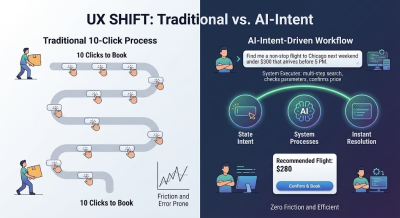
Intent-driven design reverses this dynamic entirely. Instead of forcing users to navigate the mechanical steps of how to find a flight, modern intent-based architectures pose a singular, high-level question: What is the user trying to accomplish? When a consumer inputs a natural language prompt—such as "Find me a non-stop flight to Chicago next weekend under $300 arriving before 5 PM"—the underlying software processes the intent, queries multiple databases in the background, cross-references restrictions, and presents a single, actionable resolution. The traditional ten-click process collapses into a single frictionless outcome.
Real-World Implementation Across Web Platforms
This architectural shift is no longer confined to academic theory; it is actively reshaping prominent consumer and enterprise platforms.
-
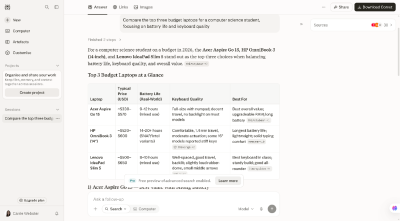
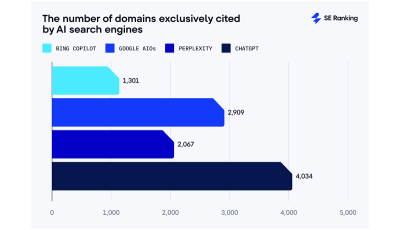
Perplexity AI and Conversational Search: Traditional search engines like Google were historically built as digital directories, rewarding users with a list of blue links and leaving the manual labor of opening tabs, dodging advertisements, and synthesizing information to the user. Platforms like Perplexity AI bypass this friction by capturing search intent and immediately synthesizing comprehensive, multi-source answers with inline citations, eliminating the need for manual tab management.
-
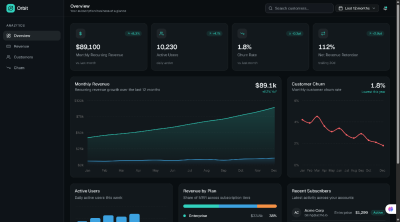
Vercel v0 and Generative UI: Historically, web development and UI design required manual layout construction in tools like Figma, followed by tedious hand-coding of CSS, padding values, and hex codes. Generative interface builders like Vercel v0 allow users to input plain-text prompts to instantly render fully functional, responsive user interface components and SaaS dashboards on the fly, fundamentally changing how digital products are prototyped and deployed.
-
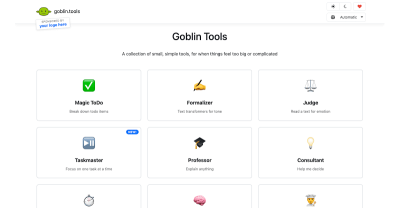
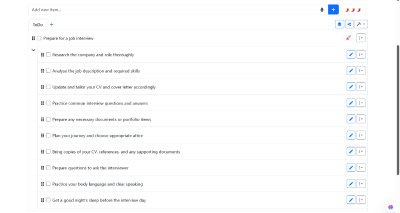
Goblin.tools and Micro-Task Automation: Traditional productivity software forces users to manually construct Kanban boards, assign deadlines, and categorize tasks. Single-page AI utilities like Goblin.tools ingest overwhelming, unstructured human inputs—such as preparing for a complex job interview—and automatically decompose them into manageable, chronological checklists tailored to neurodivergent users and busy professionals alike.
Core Pillars of Intent-Driven Web Architecture
Transitioning away from static sidebars, menus, and fixed forms requires a complete re-calibration of UX principles. Industry pioneers are organizing this transition around three fundamental pillars:
-
User Input Shift: Systems are moving away from micro-actions—such as clicks, toggles, and dropdown menus—toward natural language processing, contextual awareness, and behavioral habit tracking. Drawing from Apple’s Human Interface Guidelines on Contextual and Ambient Design, modern applications passively read environmental metadata, including device states and location, to anticipate user needs before explicit commands are given.
-
Generative UI: In legacy web design, all users encounter identical static layouts. Under the new paradigm—highlighted by the Nielsen Norman Group’s analyses of AI as a novel UX framework—computing shifts toward outcome-specification. Generative UI dynamically renders interface components based on the immediate context of the user’s goal, displaying complex financial calculators or data tables only when necessary and retiring them once the task is complete.
-
Autonomous Execution by AI Agents: Traditional software relies heavily on preemptive friction, bombarding users with confirmation dialog boxes and warning modals. Intent-driven platforms adapt Jakob Nielsen’s usability heuristics regarding error recovery by prioritizing seamless, frictionless reversibility. Rather than asking "Are you sure?", these systems execute tasks autonomously while offering prominent "Undo" buttons, simple revision prompts, and transparent audit logs.
Ethical Challenges and Product Design Risks
While removing interface friction offers significant user benefits, stripping away visual controls introduces complex ethical, technical, and psychological challenges that designers must actively manage.
The Illusion of Control and Autonomy: When software begins making autonomous decisions on behalf of the user, applications risk feeling invasive or patronizing. Research from the Stanford Human-Computer Interaction (HCI) Group emphasizes that automation must maintain strict boundaries. Guidelines established by organizations like the Center for Humane Technology caution that designers must guard against manipulative defaults. Routine execution can be automated, but high-stakes actions—such as financial transactions, public data publishing, or privacy modifications—must always require explicit user confirmation.
The Black Box Problem: In a traditional user interface, unexpected outcomes are easily traceable; a user can immediately identify an incorrect filter checkbox or a misselected date. In contrast, intent-driven interfaces frequently obscure their decision-making processes. To mitigate this "black box" dilemma, frameworks such as the Google PAIR (People + AI Research) Guidebook advocate for transparent feedback loops. Systems must explicitly display their interpretation of a user’s prompt—such as stating "Searching for non-stop flights to Chicago under $300…"—enabling users to calibrate trust and correct algorithmic misunderstandings instantaneously.
Implications for the UX Design Profession
For UX professionals, the rise of intent-driven AI requires a fundamental re-evaluation of their core competencies. The craft is shifting away from designing static buttons, rigid forms, and pixel-perfect page layouts toward mapping dynamic, generative UI components that adapt on the fly to human intent. Designers must master emerging interaction patterns, including ambient feedback loops, inline conversational prompts, and transparent AI status indicators.
This evolution directly challenges legacy web analytics. For decades, the digital economy evaluated software success through engagement metrics like time spent in-app, click-through rates, and page views per session. Websites were intentionally engineered to maximize user interaction volume.
The philosophy championed by Golden Krishna and the Center for Humane Technology’s "Time Well Spent" movement inverted these traditional success metrics. The ultimate benchmark of a modern digital product is no longer how visually captivating its buttons are, but rather how effectively the software solves a human problem and gets out of the user’s way.
As the digital ecosystem transitions further into this era, web applications will be measured not by the complexity of their interfaces, but by their ability to render those interfaces entirely obsolete. The future of the web is defined not by increased interaction, but by seamless, invisible completion.