Interop 2027: Evaluating the Future of Universal Browser Compatibility and Advanced Web Standards

The evolution of the modern web relies heavily on the synchronization of browser engines, a task historically plagued by fragmentation. For several years, the Interop project—a collaborative initiative involving Google, Apple, Microsoft, Mozilla, Igalia, and Bocoup—has served as the primary mechanism for harmonizing web technology implementations. As the industry approaches 2027, the planning phase for the upcoming year of interoperability has commenced, marked by the launch of a new community-driven ranking system that will determine which features receive priority for cross-browser standardization.
The Provenance and Success of the Interop Initiative
The Interop project emerged as a strategic response to the persistent "browser wars" that left developers grappling with inconsistent feature support. By selecting specific focus areas each year and committing to rigorous testing via Web Platform Tests (WPT), participating vendors have successfully accelerated the adoption of critical technologies.
The effectiveness of this model is evidenced by the trajectory of CSS Subgrid. Before its inclusion in Interop 2023, the feature suffered from a fragmented implementation landscape, with support largely confined to Firefox. Following its designation as a priority, the industry witnessed a rapid convergence, with support rising from roughly 12% in January 2023 to near-universal compatibility by year-end. This success serves as the blueprint for Interop 2027, which aims to address a new slate of sophisticated CSS and layout capabilities that promise to redefine user interface design.
The 2027 Prioritization Process
Mozilla, acting as a primary coordinator for the upcoming cycle, has introduced an interactive ranking system that allows the developer community to upvote requested features. This data-driven approach ensures that the roadmap reflects the practical needs of those building the web, rather than theoretical academic interest alone. Currently, the list of candidates includes advancements in CSS functionality, layout control, and state-based styling, all of which are undergoing rigorous review by engineering teams at the major browser vendors.
Emerging Standards and Technical Implications
The current proposals for Interop 2027 represent a significant leap in how developers interact with the browser’s rendering engine. Among the most discussed is the introduction of CSS functions. Currently, developers are limited by the static nature of CSS, often requiring JavaScript to calculate complex values. The proposed @function directive would allow for the definition of reusable logic, such as polar-to-cartesian coordinate conversions, directly within style sheets. This could substantially reduce the reliance on external scripts for UI animations, potentially improving performance and maintainability.

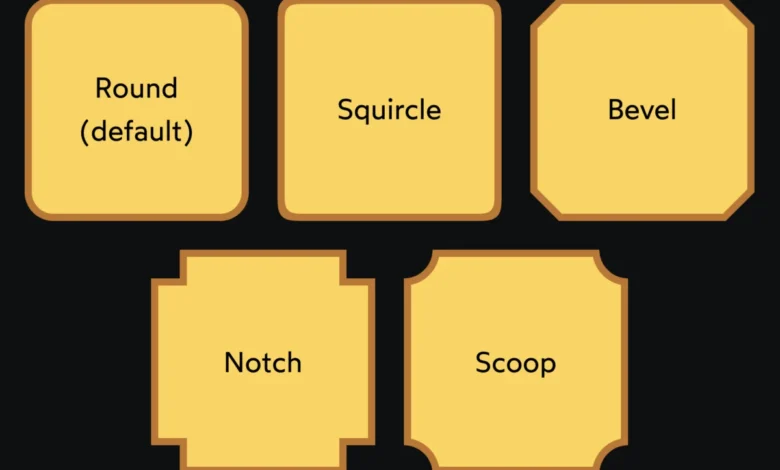
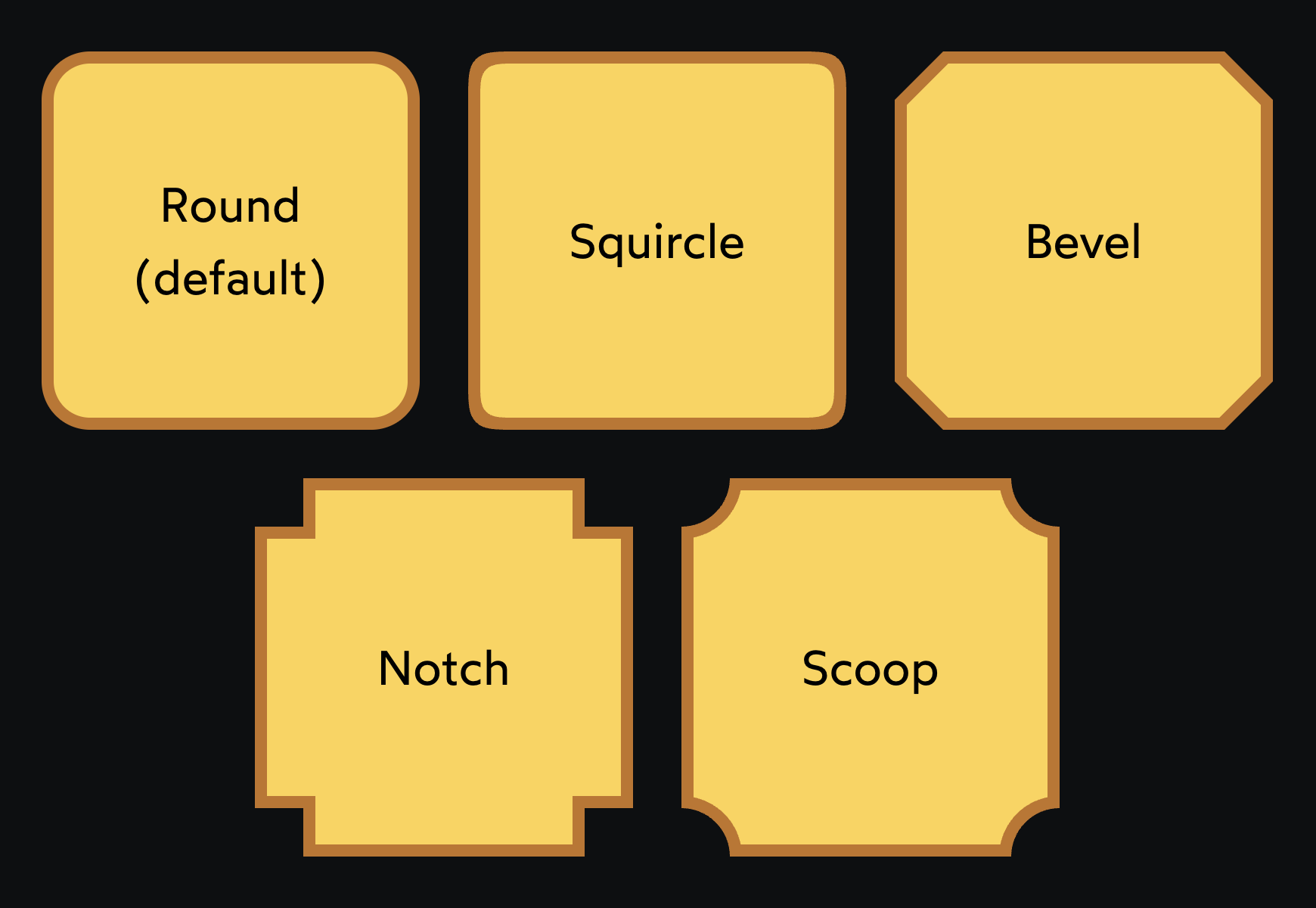
Another critical area is the enhancement of geometry and shape control. The proposed corner-shape and border-shape properties seek to move beyond the limitations of border-radius. By allowing developers to define custom shapes—such as bevels, notches, and superellipses—these properties enable a higher level of design fidelity that previously required cumbersome workarounds like clip-path or SVG masks. Crucially, these new properties update the element’s actual border-box, ensuring that borders, outlines, and shadows adhere to the custom geometry.
Addressing Accessibility and Responsive Layouts
As web applications become increasingly complex, the disconnect between visual layout and the underlying Document Object Model (DOM) has created accessibility challenges. The proposed reading-flow property aims to rectify this by allowing developers to dictate the focus navigation order, independent of the source order. This is a vital development for responsive design, where elements are frequently reordered via CSS Grid or Flexbox, often rendering keyboard-based navigation unintuitive for users relying on assistive technologies. By standardizing this behavior, the W3C and browser vendors are taking a proactive step toward ensuring that visual fluidity does not come at the cost of inclusivity.
Scroll-Driven and Scroll-Triggered Mechanics
The success of scroll-driven animations in Interop 2026 has paved the way for more sophisticated scroll-based interactions. The focus for 2027 includes "scroll-triggered" animations, which would allow developers to initiate keyframe sequences once a user reaches a specific scroll threshold. This functionality, currently achievable only through complex JavaScript IntersectionObserver implementations, would be moved into the CSS layer. Such a shift promises to lower the barrier for high-performance, scroll-linked storytelling and UI feedback.
Similarly, the proposed "sticky state" container queries represent an attempt to standardize how browsers report the status of elements. By enabling CSS to detect when a position: sticky element is actively anchored to the viewport, developers can dynamically adjust styles—such as header backgrounds or shadow depth—without resorting to JavaScript event listeners.
The Role of Progressive Enhancement
Despite the enthusiasm surrounding these features, the industry remains in a transition period. As of October 2026, many of these proposals are either in early-stage development or exclusive to Chromium-based browsers. However, the industry consensus is that these features should be treated as "progressive enhancements." By utilizing @supports queries, developers can implement these advanced features for modern browsers while providing stable fallbacks for legacy environments.
The argument for keeping pace with these standards is reinforced by the changing landscape of development. While Large Language Models (LLMs) and AI agents are increasingly used to generate code, these systems often rely on historical data that may exclude the latest CSS capabilities. Therefore, human developers must remain the primary architects of web architecture, possessing the deep technical knowledge required to guide AI tools toward the most efficient and standards-compliant implementations.
Broader Economic and Industrial Impact
The Interop process has fundamentally changed the economic landscape of web development. By reducing the "tax" of cross-browser testing, companies can allocate resources toward building features rather than debugging platform-specific inconsistencies. Furthermore, the collaboration between rivals like Google, Apple, and Microsoft suggests a maturing web ecosystem where the focus has shifted from proprietary lock-in to platform utility.
Industry analysts observe that as the web platform becomes more powerful, the need for centralized coordination becomes more acute. The Interop 2027 cycle is expected to further solidify this trajectory, likely resulting in a more uniform experience for end-users across mobile and desktop environments. The successful implementation of these features will not only provide aesthetic and functional benefits but will also ensure that the web remains the most versatile application delivery platform in existence.
Conclusion
As the development community looks toward the conclusion of the 2026 calendar year and the formalization of the 2027 Interop roadmap, the primary objective remains clear: to create a predictable and feature-rich environment for all web users. The upcoming year of standardization will likely be defined by a shift toward more dynamic, state-aware, and accessible CSS.

For developers, the call to action is to engage with the ranking process and begin testing these features within their own projects. As the history of the Interop project has demonstrated, once a feature is prioritized by the collective, the timeline from proposal to universal availability is significantly compressed. The future of the web, therefore, is not merely being written by individual vendors, but by a collaborative effort that prioritizes the health and longevity of the open web platform.