Streamlining Modern Data Architectures with Amazon Redshift Data Sharing and dbt Cloud

In the modern enterprise landscape, the ability to transform raw data into actionable intelligence at scale is the primary differentiator between market leaders and those struggling to keep pace. Global, data-driven organizations now treat data as a mission-critical asset, necessitating a transition toward decentralized architectures that allow different lines of business (LOBs) to derive insights without the technical friction of traditional data movement. This evolution has prompted a shift toward "zero-copy" data strategies, where live, consistent data is shared across organizational boundaries, eliminating the latency and security risks associated with legacy extract, transform, and load (ETL) pipelines.
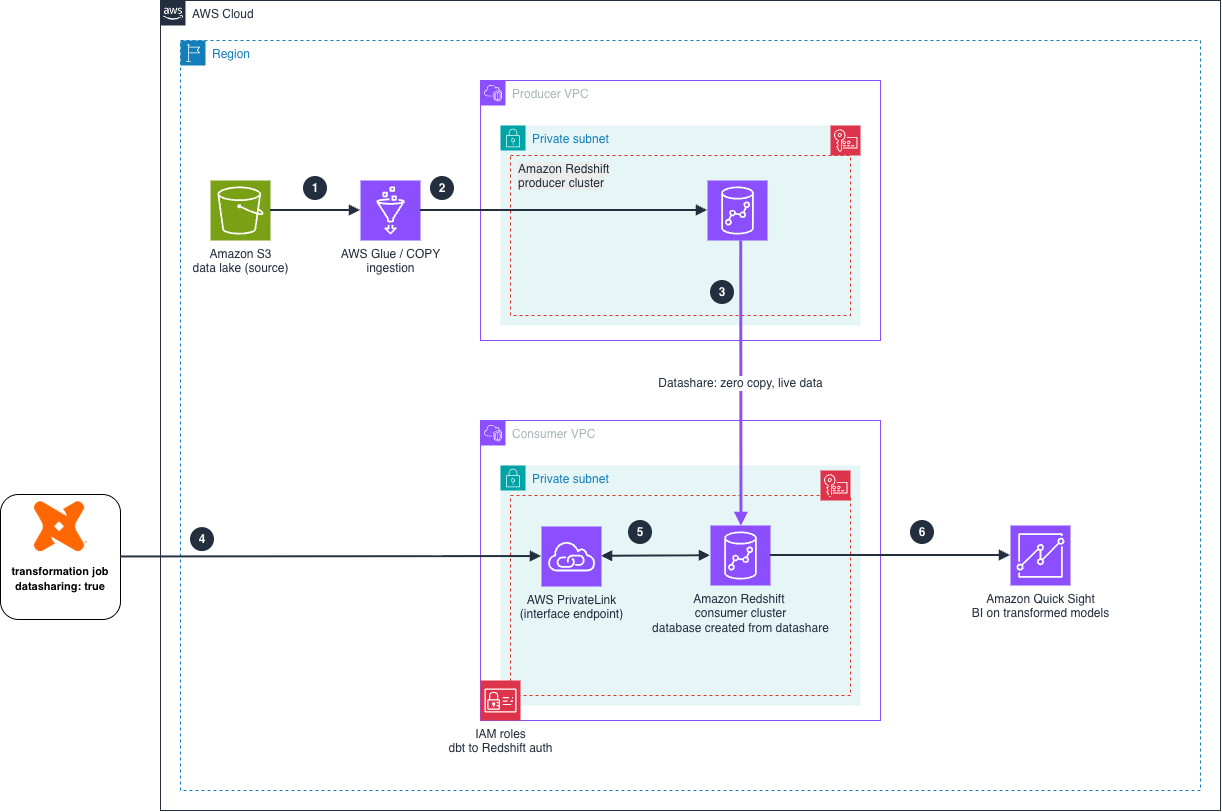
The traditional approach to multi-cluster data management—characterized by the persistent copying of data between silos—has long been a bottleneck for engineering teams. By utilizing Amazon Redshift, a fully managed, scalable data warehouse, organizations can now leverage data sharing capabilities that bypass the need for physical data replication. When paired with the orchestration and modularity of dbt Cloud, this architecture enables teams to enforce strict governance, maintain clear lineage, and implement software engineering best practices, such as continuous integration and continuous deployment (CI/CD), directly within their analytics workflows.
The Evolution of Distributed Data Warehousing
For years, the standard architecture for large-scale analytics involved monolithic data warehouses that eventually fractured into multiple clusters as organizations sought to isolate workloads, manage costs by department, and comply with strict data residency requirements. However, this fragmentation created an "ETL tax." Every time data needed to be moved from a producer cluster to a consumer cluster for a specific analytics project, teams faced increased latency, higher storage costs, and a divergence in the "single source of truth."
Amazon Redshift Data Sharing addresses this by allowing clusters to interact with live, transactionally consistent data at the namespace level. Because the data remains in the producer’s managed storage, consumers can query the information in real-time without the risk of stale data or the operational burden of managing complex data pipelines. This shift represents a transition from a "move-to-compute" model to a "compute-on-data" model, which is fundamental to the emerging data mesh paradigm.
Strategic Implementation: A Technical Chronology
The integration of dbt Cloud into this environment adds a critical layer of automation and quality control. By following a structured implementation, organizations can ensure that their analytics layer is as robust as their core production software.
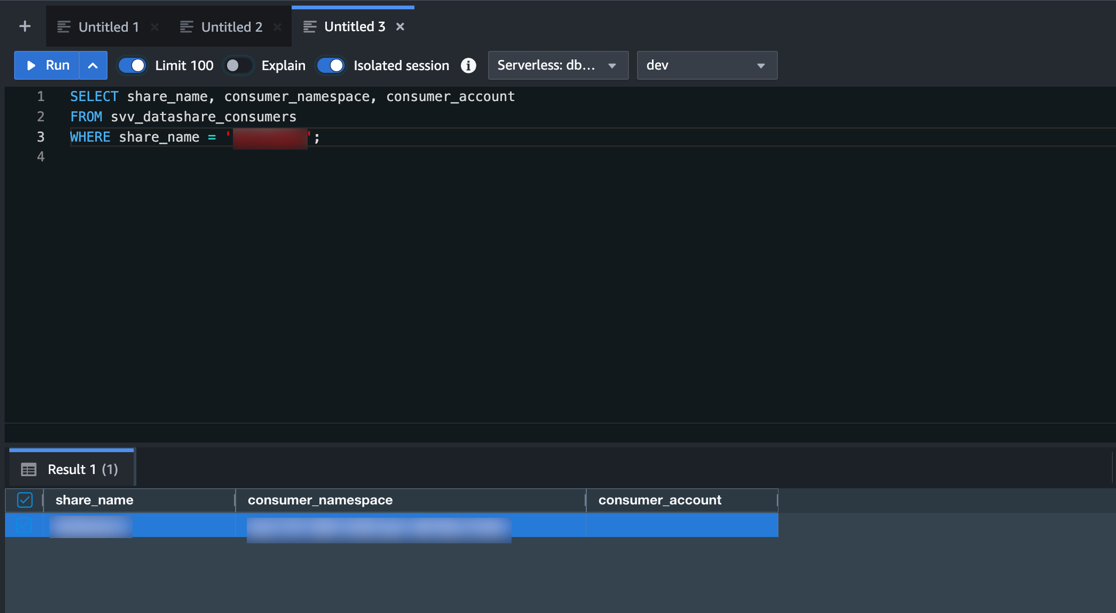
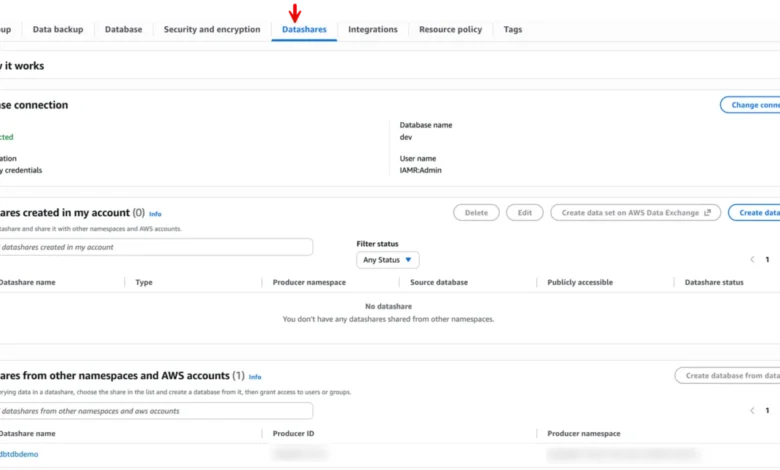
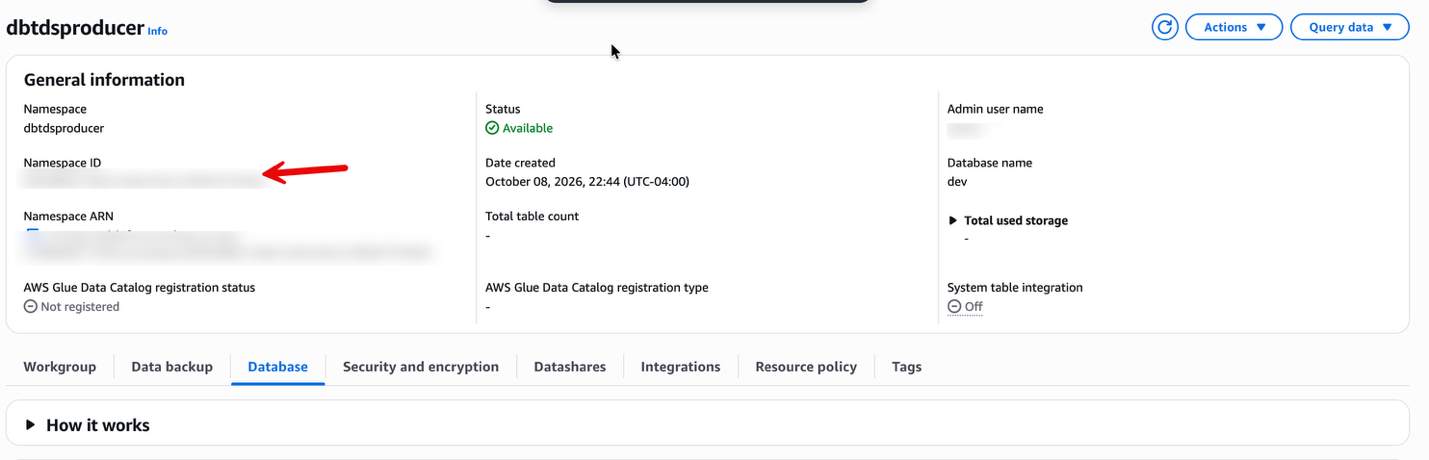
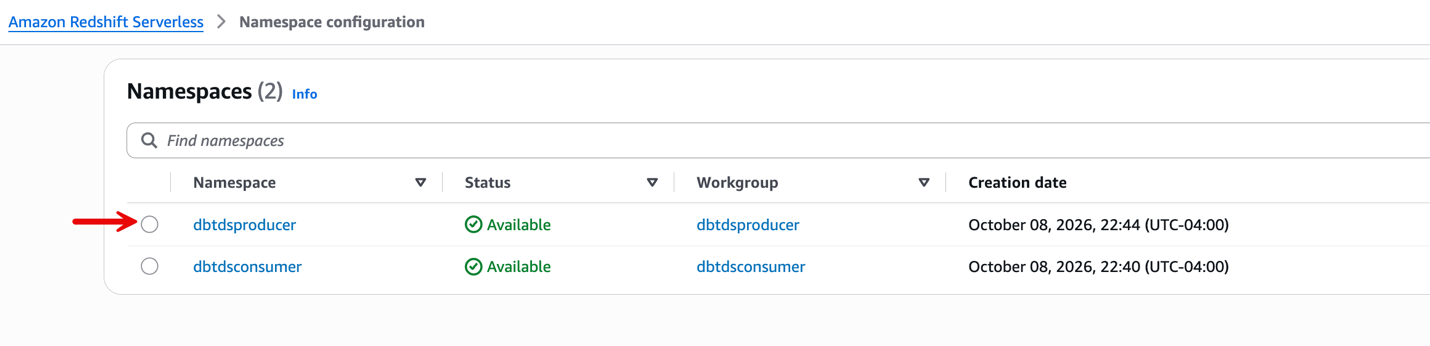
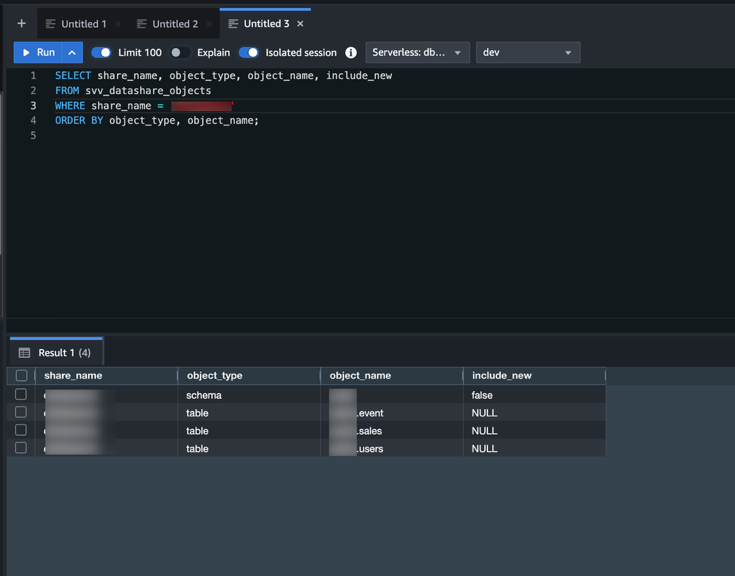
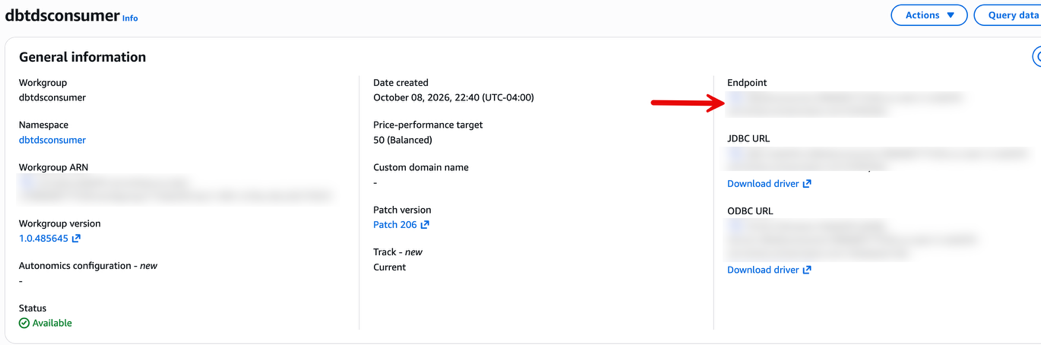
- Namespace Identification and Access Control: The foundation of this architecture is the namespace, a globally unique identifier for Redshift clusters or serverless workgroups. The producer identifies its namespace and creates a datashare object, which acts as a catalog of the specific schemas, tables, and views intended for consumption.
- Granting Usage and Principle of Least Privilege: Security is maintained by granting
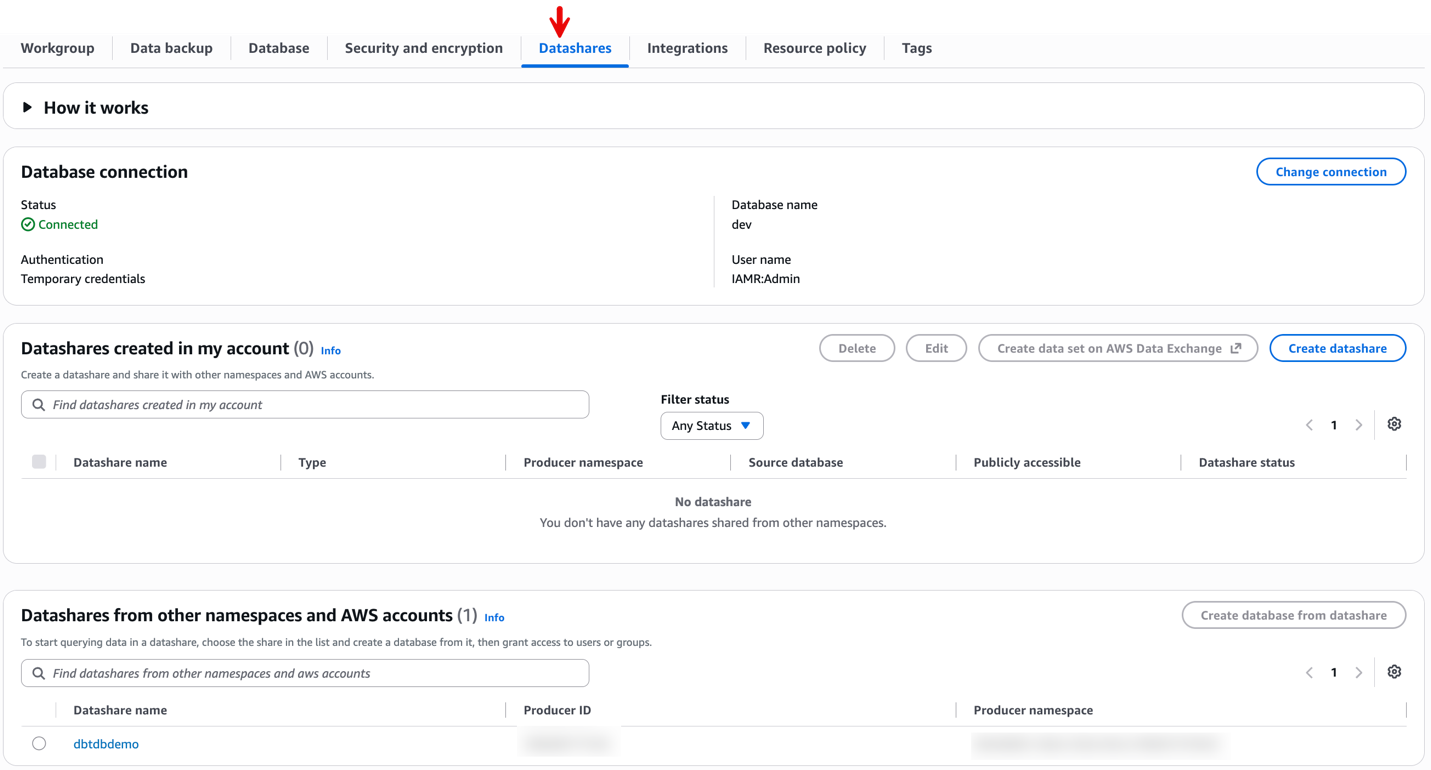
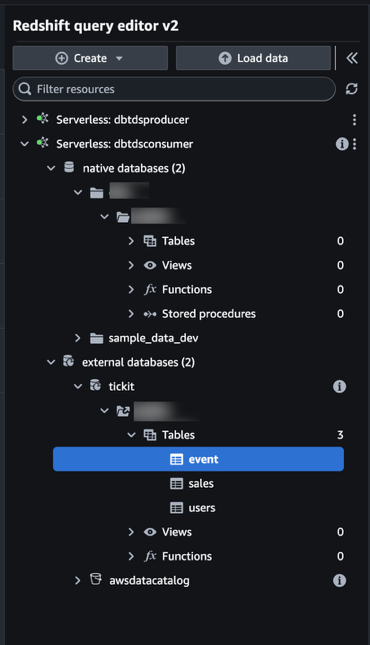
USAGEon the datashare to specific consumer accounts or namespaces. By explicitly choosing which tables to share, administrators avoid the "over-sharing" risks associated with bulk data movement. - Consumer-Side Database Creation: The consumer cluster creates a local database from the inbound datashare. This database acts as a gateway to the producer’s data, allowing users to join shared tables with local data—a powerful capability for cross-functional analysis.
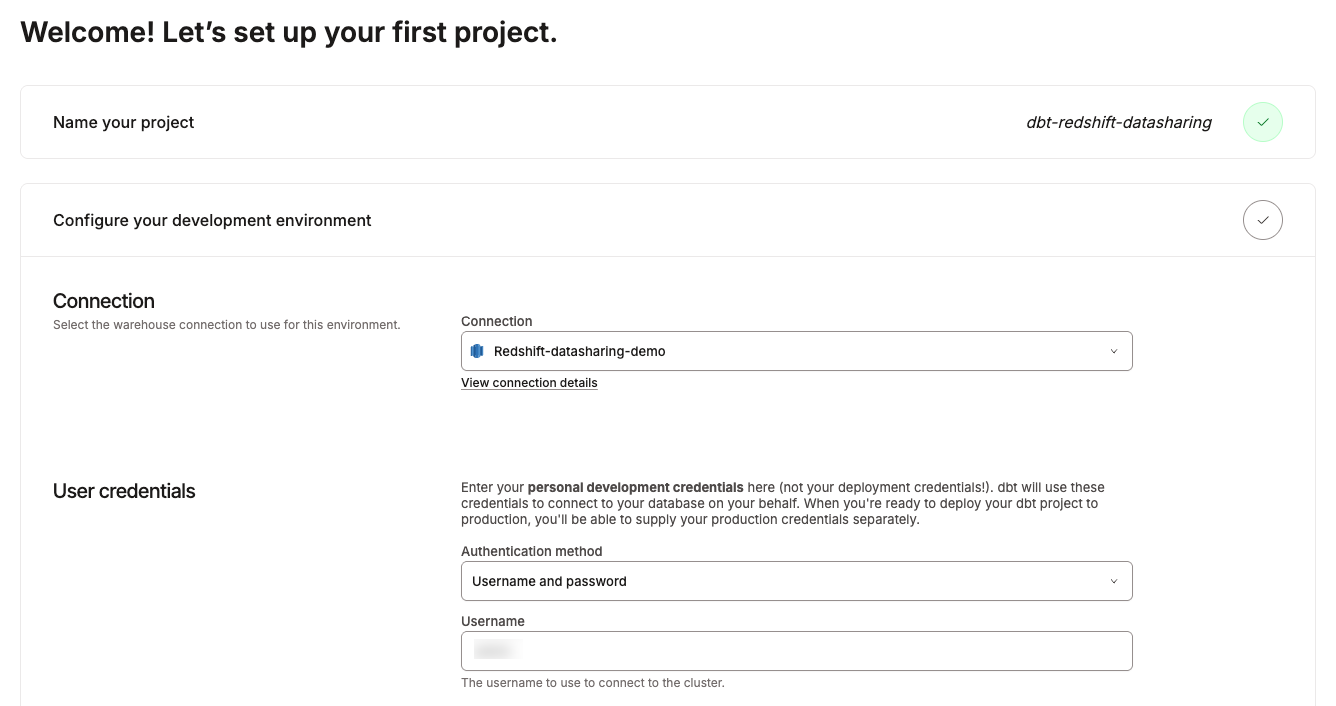
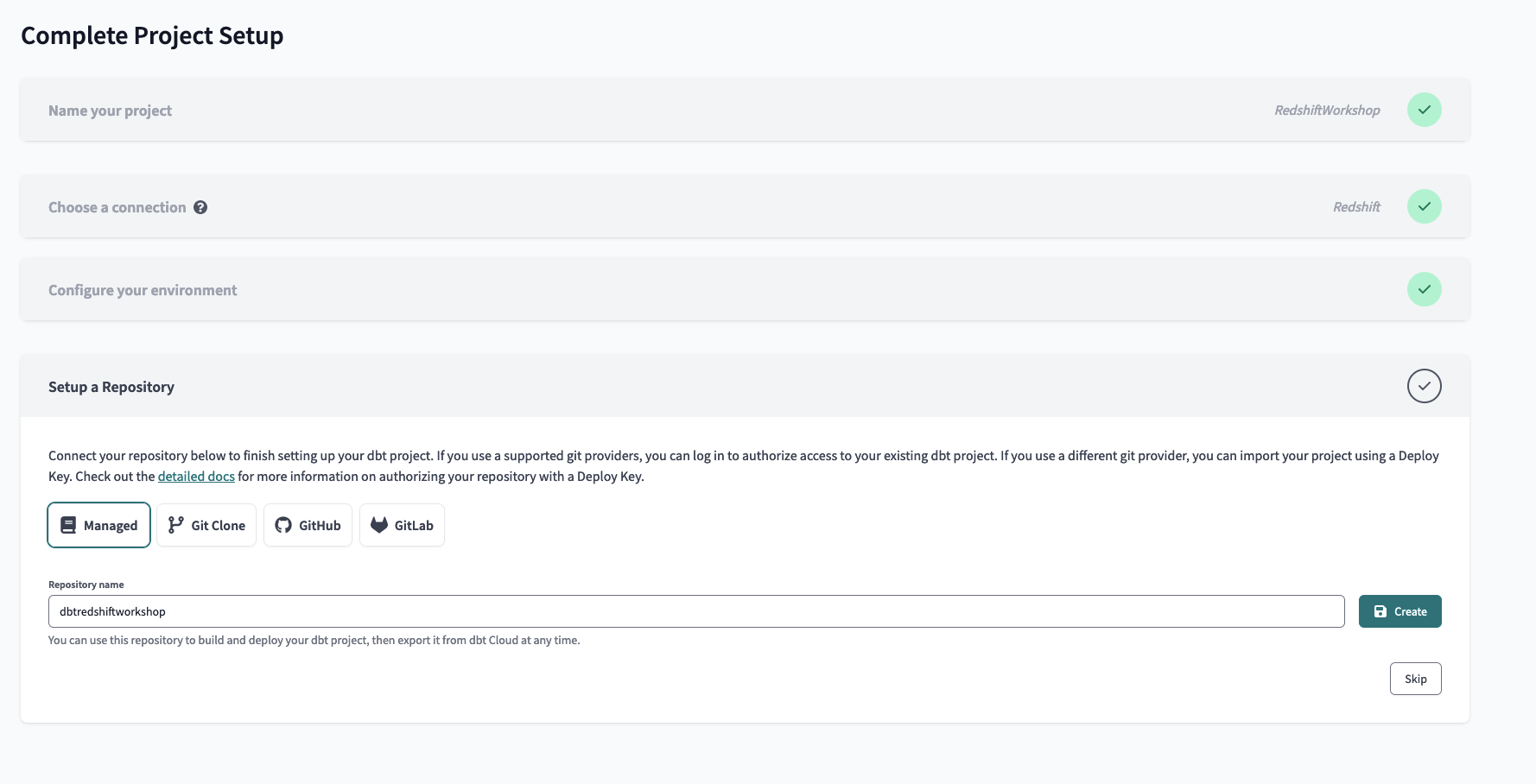
- dbt Cloud Orchestration: Once the plumbing is in place, dbt Cloud is connected to the consumer cluster. Using the
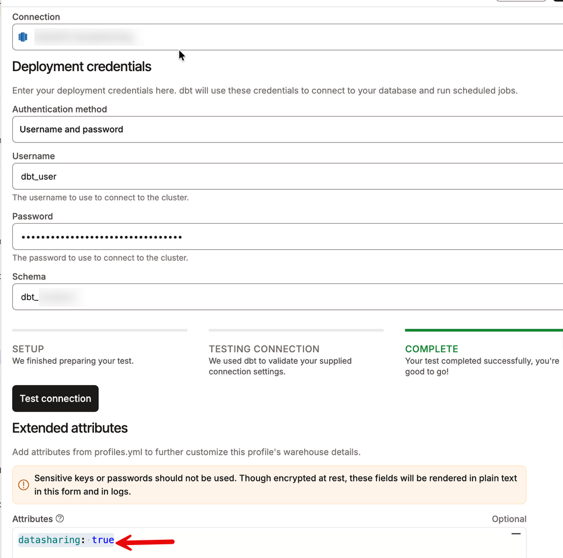
datasharing: trueconfiguration, the dbt adapter shifts from querying localinformation_schematables to utilizing system views likeSVV_ALL_TABLES, which are specifically designed to traverse cross-database boundaries.
Supporting Data and Performance Implications
The efficiency gains of this architecture are quantifiable. Organizations that have transitioned from traditional ETL-heavy pipelines to zero-copy data sharing typically see a 30% to 50% reduction in storage costs, as the need for redundant copies of petabyte-scale datasets is eliminated. Furthermore, the removal of multi-hour batch ETL jobs means that the "data freshness" metric drops from a 24-hour cycle to near real-time.
From an administrative perspective, the use of dbt Cloud provides an audit trail that is often missing in manual SQL scripts. By defining transformations as code and storing them in version-controlled repositories, data teams ensure that every change to the analytics logic is documented, peer-reviewed, and tested before it reaches production.
Official Perspectives on Governance and Lineage
Industry analysts and data architects have noted that the primary challenge in a distributed data mesh is not technical, but rather one of governance. When data is shared across account boundaries, the risk of "lineage loss"—where the origin and transformation history of a data point become obscured—is significant.
The integration of dbt Cloud mitigates this by generating documentation and lineage graphs that span the producer-consumer divide. Because dbt treats the shared data as a "source" within its project manifest, the downstream reporting models inherit the metadata from the producer. This ensures that a data analyst looking at a final dashboard can trace the numbers back to the exact source table on the producer cluster, even if they lack direct write access to that environment.
Broader Impact on Enterprise Analytics
The convergence of Amazon Redshift’s storage architecture and dbt’s transformation engine is indicative of a broader shift in the data industry toward "composable data stacks." By decoupling the storage of data from the transformation logic, organizations can achieve a higher degree of agility.
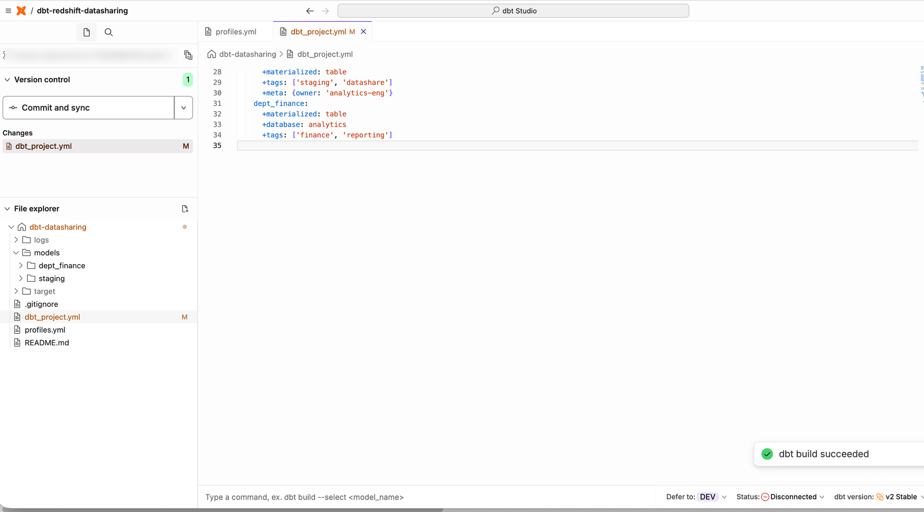
For instance, consider a retail enterprise that maintains a producer cluster containing raw transactional data. Marketing, finance, and logistics departments can all consume this data as a datashare. Each department can then use their own dbt Cloud project to perform domain-specific transformations. The finance team might create a reporting model for quarterly revenue, while the logistics team builds a model for inventory turnover. Because they are all querying the same underlying, live data, there is no risk of "metric drift," where different departments arrive at different numbers due to inconsistencies in how they copied or processed the source data.
Future Considerations and Security Protocols
While the benefits of this architecture are clear, organizations must remain vigilant regarding security. When sharing data across accounts, the use of AWS Identity and Access Management (IAM) is critical. For production environments, it is recommended to use IAM user authentication rather than static database credentials. Storing credentials in AWS Secrets Manager and injecting them as environment variables during runtime prevents the exposure of sensitive access keys in source control.

Furthermore, as data sets grow, the choice of materialization within dbt becomes crucial. While "table" materialization is a safe default, it does create a copy of the data on the consumer side. For massive datasets where storage costs are a concern, "view with bind=false" (late-binding views) provides a way to query data live without creating any storage footprint on the consumer cluster. Balancing these materialization strategies allows for a highly optimized, cost-effective infrastructure.
Conclusion
The transition toward live, shared data environments represents a significant maturation of the enterprise data warehouse. By removing the technical debt of legacy ETL processes, companies can focus on the core mission of data analytics: generating insights. The combination of Amazon Redshift Data Sharing and dbt Cloud offers a mature, secure, and scalable framework for organizations looking to implement a data mesh or a distributed analytics architecture. As data volumes continue to climb, the ability to manage, govern, and transform data in place will remain the hallmark of high-performing, data-centric organizations. This methodology not only reduces the operational overhead of the data engineering team but also empowers business users with faster access to accurate, consistent, and actionable information.