Bridging the Data Divide: Integrating Snowflake Assets into Amazon SageMaker Unified Studio for Seamless Governance

In the modern enterprise, the fragmentation of data across disparate environments has become a critical operational bottleneck. Many organizations currently maintain a hybrid architecture where core data assets reside within Snowflake’s cloud data platform, while complex analytics and machine learning workloads are executed within the Amazon Web Services (AWS) ecosystem. Historically, this separation has necessitated the construction of fragile, time-consuming extraction, transformation, and loading (ETL) pipelines, leading to significant governance gaps, discovery friction, and the costly duplication of storage resources. The introduction of Amazon SageMaker Unified Studio, combined with AWS Glue Data Quality, provides a streamlined mechanism to bridge this divide, allowing organizations to maintain a unified data estate without the traditional burden of data replication.
The Challenge of Distributed Data Environments
For years, data engineers have faced a difficult trade-off between the specialized performance of Snowflake and the vast analytical capabilities of AWS. According to industry data from recent cloud adoption reports, over 70% of large-scale enterprises now operate in multi-cloud or hybrid-cloud configurations. This architectural reality often results in "data silos" where teams working in SageMaker lack visibility into the business context of data locked within Snowflake.
Prior to this integration, practitioners often spent days architecting data movement pipelines just to catalog Snowflake tables for use in AWS-based projects. This manual effort was not only inefficient but also introduced security risks, as data in transit and data at rest in multiple locations increased the surface area for potential policy violations. The new approach, which leverages federated connectivity, allows users to query, catalog, and validate data directly at the source. This reduces the time-to-insight from a multi-day cycle to a 5-to-15-minute process, effectively eliminating the need for custom ETL code and the associated maintenance overhead.
Technical Architecture and Federated Connectivity
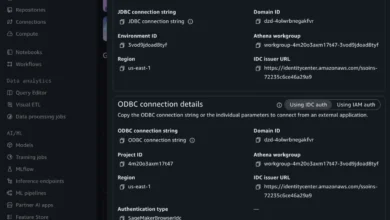
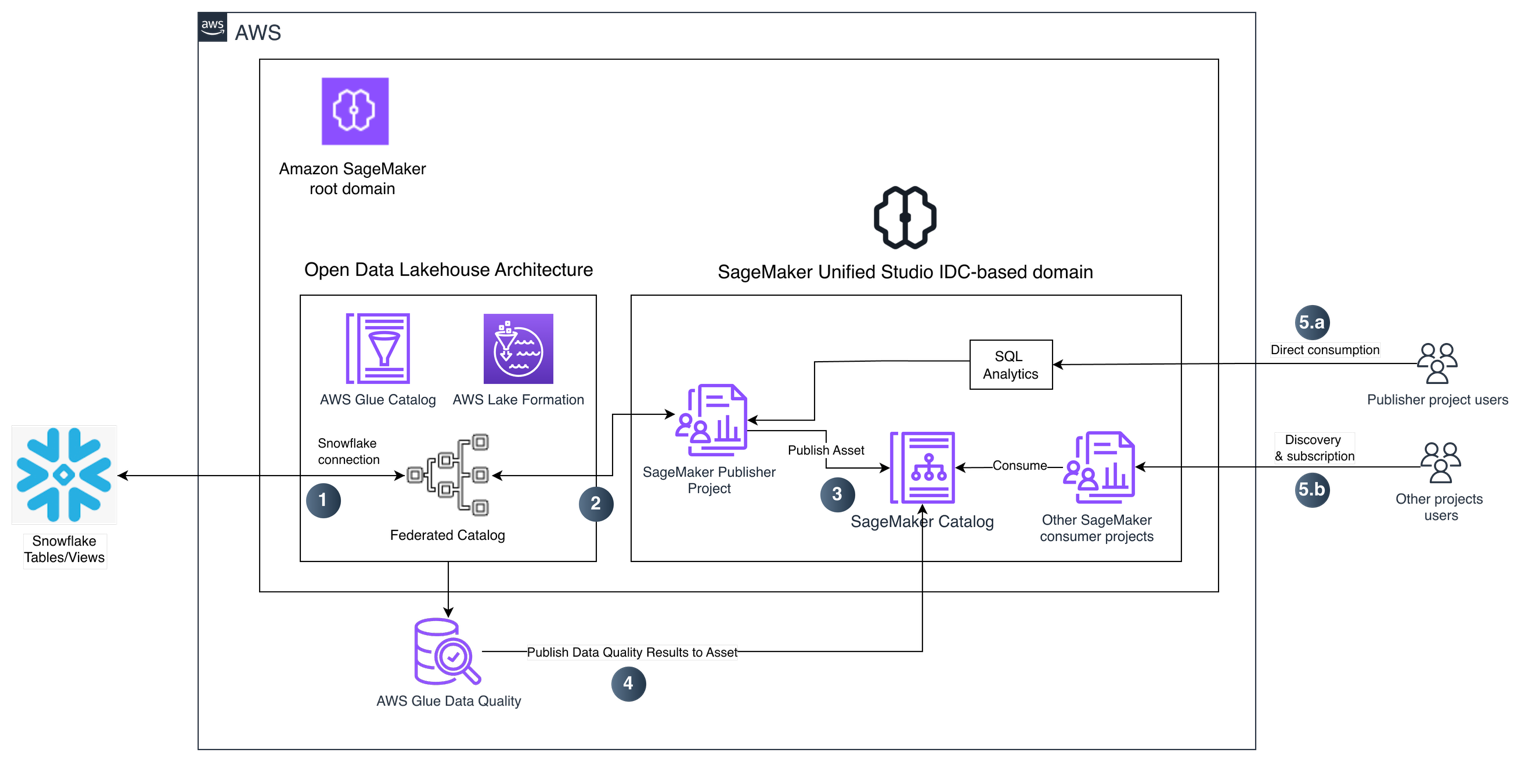
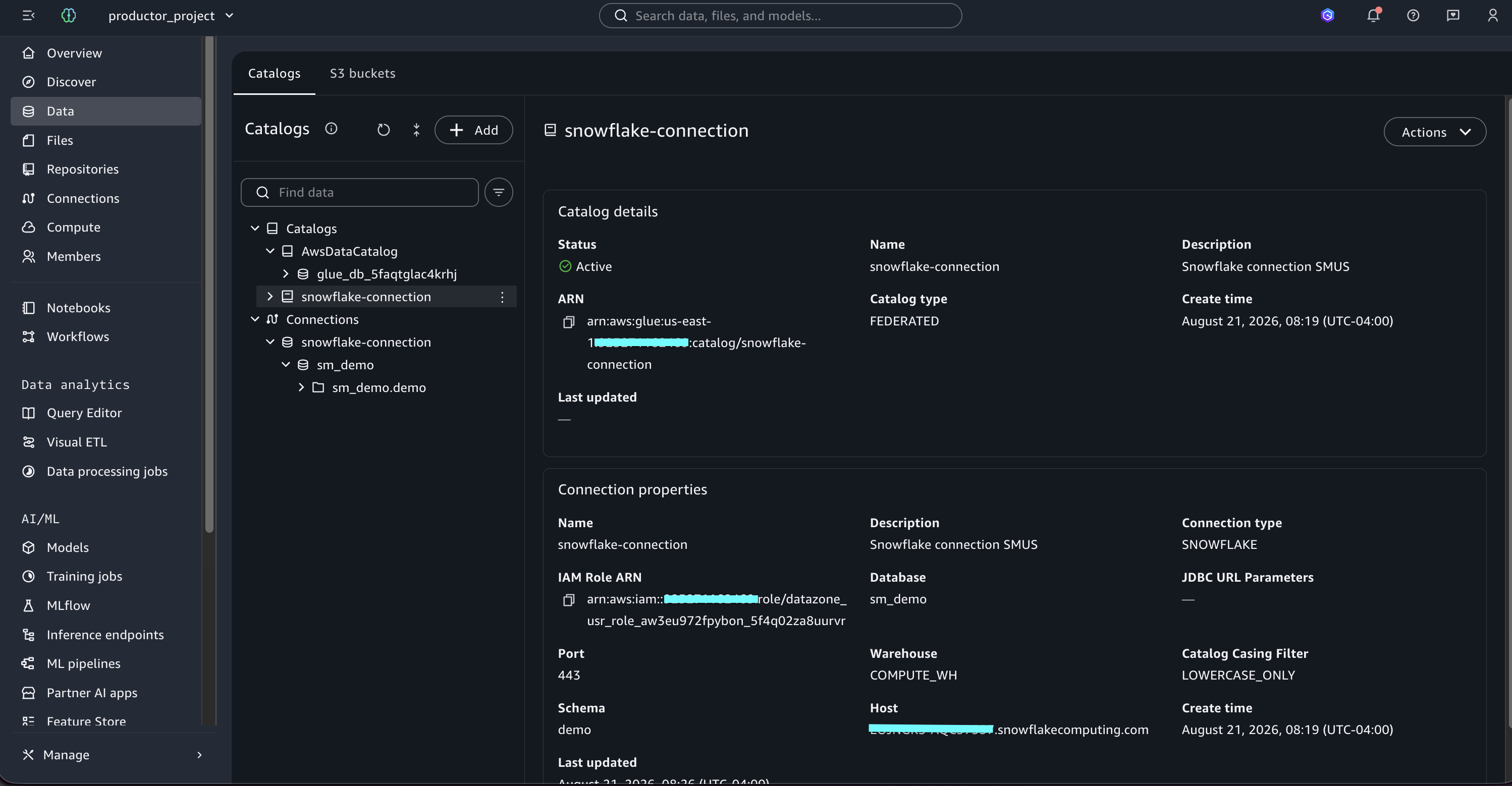
The technical foundation of this solution relies on AWS Glue connections that act as a bridge between the Snowflake catalog and the SageMaker Unified Studio environment. By utilizing Amazon Athena as the underlying query engine, SageMaker Unified Studio can pull table definitions from the AWS Glue Data Catalog, which in turn establishes a secure, direct link to the Snowflake instance.
When a user executes a SQL query within the SageMaker Unified Studio query editor, the process follows a push-down execution model. The query is routed through Athena, which interprets the metadata, communicates with Snowflake to execute the operation in situ, and retrieves only the resulting dataset. Because the heavy lifting occurs within the Snowflake environment, there is no requirement to move large volumes of data into Amazon S3 or other intermediary storage, which significantly lowers egress costs and reduces latency.
The Role of Automated Data Quality
Data quality remains the most significant hurdle for organizations scaling their AI and machine learning initiatives. Inaccurate or incomplete data can lead to skewed models and erroneous business intelligence. The integration of AWS Glue Data Quality into this workflow addresses these concerns by enabling the application of Data Quality Definition Language (DQDL) rules directly to federated assets.
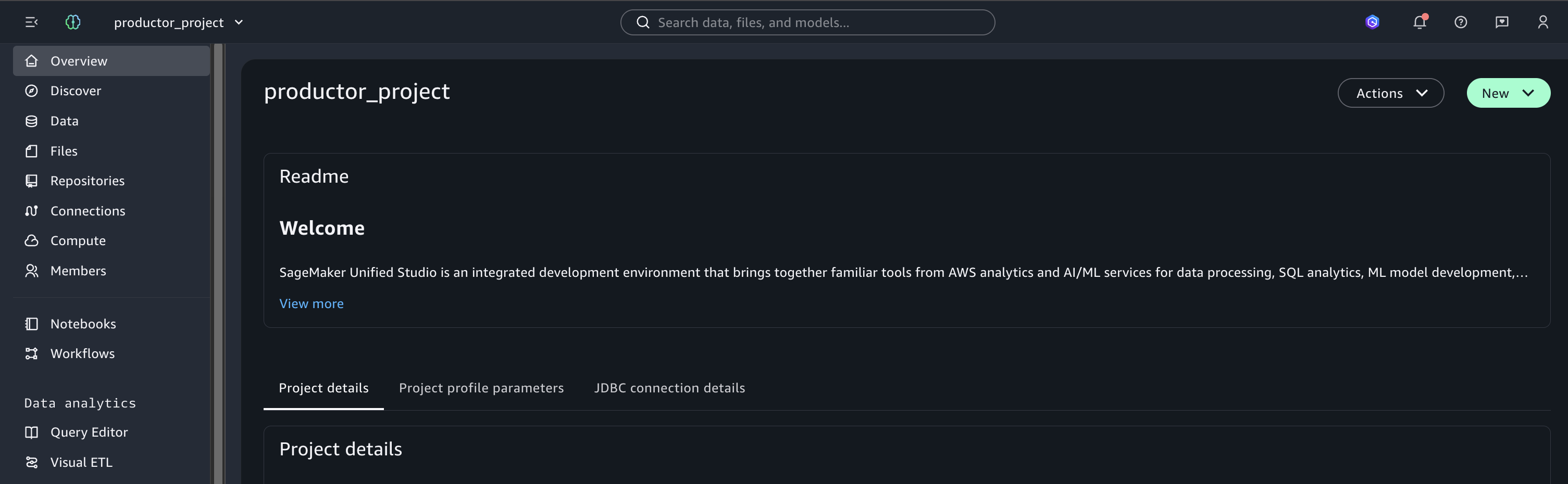
By configuring an AWS Glue Visual ETL job, engineers can define complex validation logic—such as schema checks, null value thresholds, and distribution patterns—and apply them to Snowflake tables as if they were native AWS datasets. Once the ETL job executes, the results are posted back to the Amazon SageMaker Catalog. This provides data consumers with a "trust score" or metadata-driven health report, ensuring that any analyst or data scientist browsing the catalog can immediately verify the integrity of the data before building a model or report.
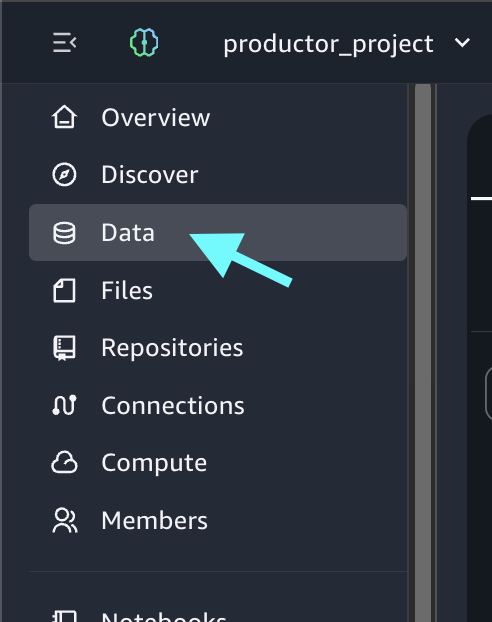
Implementation Chronology and Operational Prerequisites
Implementing this integration requires a disciplined approach to identity and access management (IAM). The process begins with the establishment of necessary permissions for the AWS Glue job execution role. This role must be granted specific access to search and list listings within the SageMaker domain, as well as the ability to post time-series data points regarding data quality metrics.
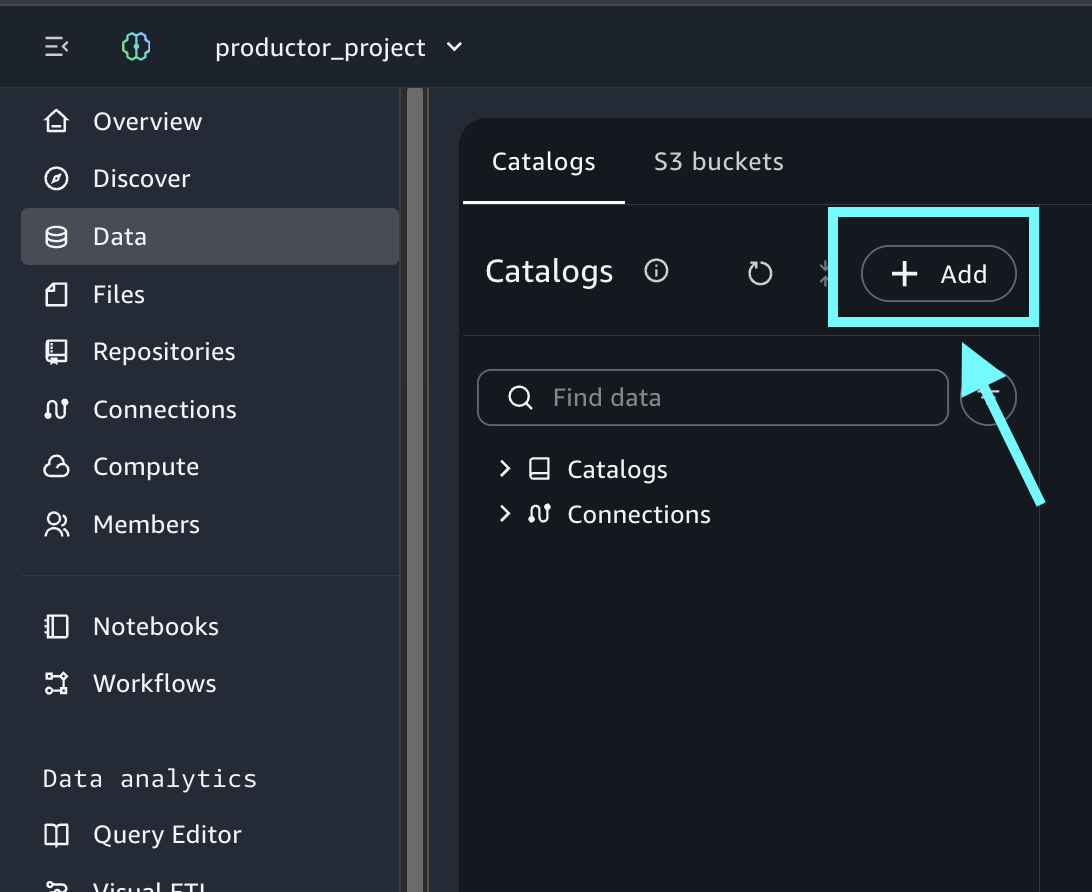
The operational steps follow a logical progression:
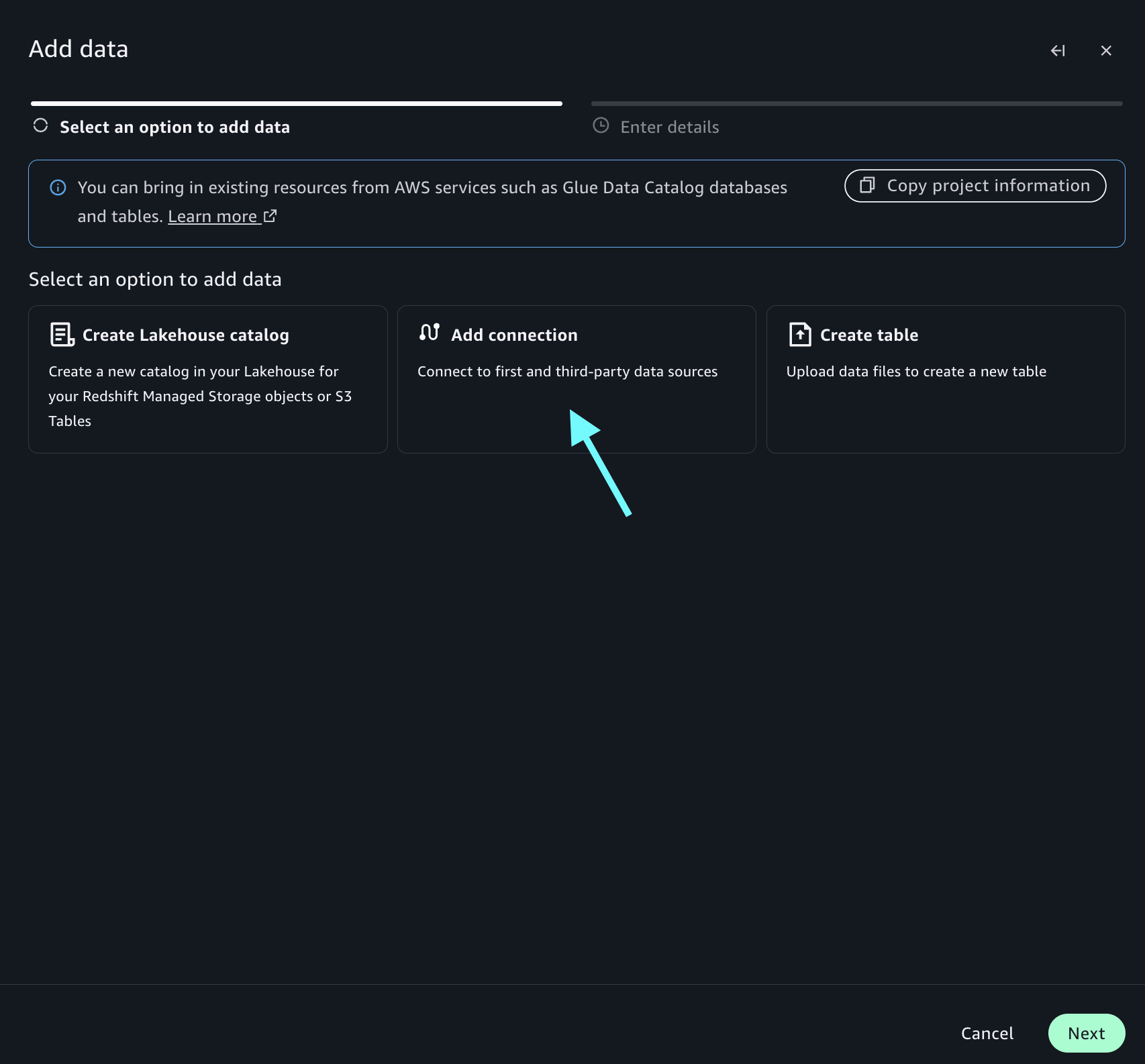
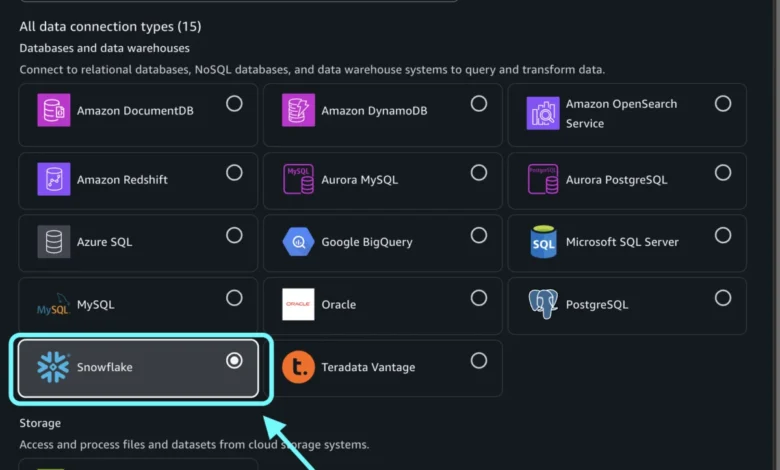
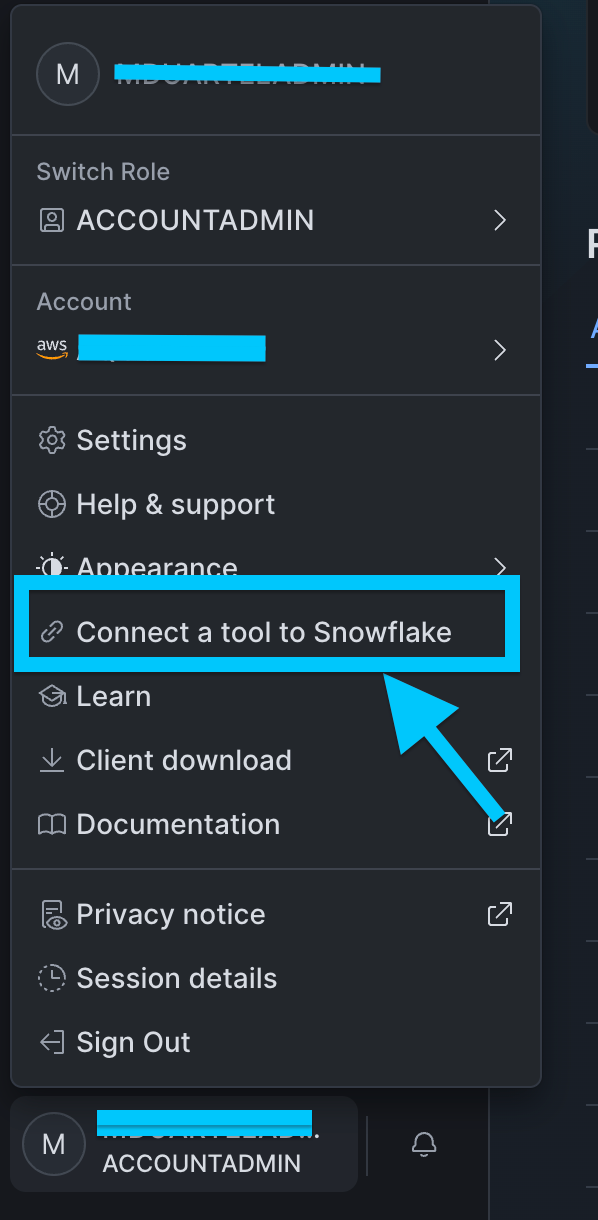
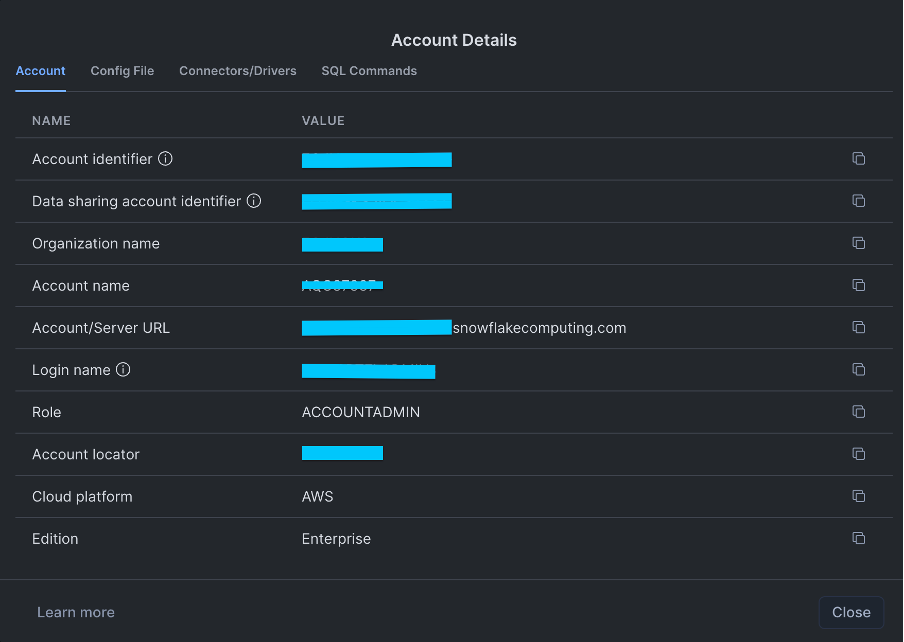
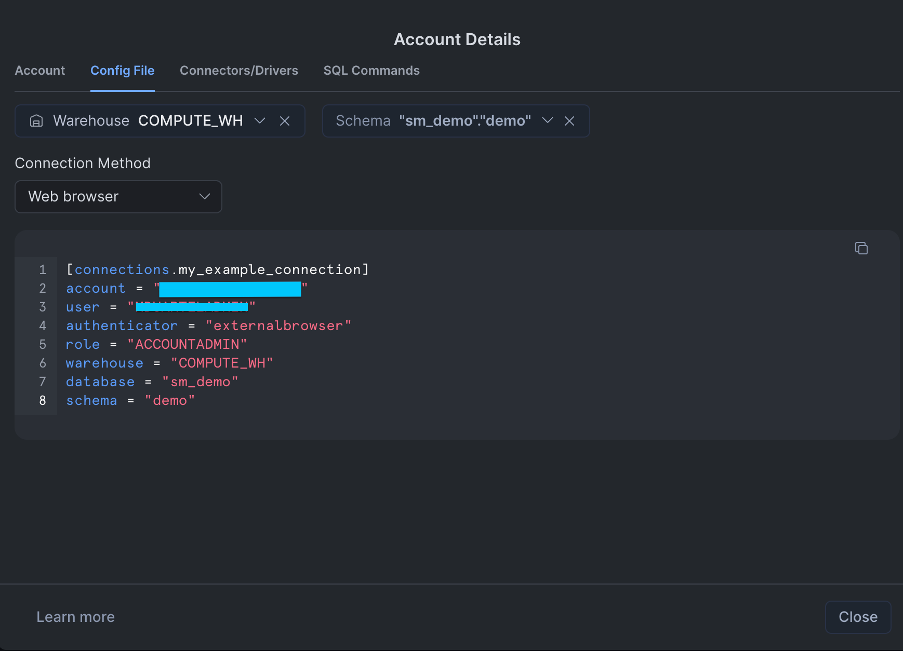
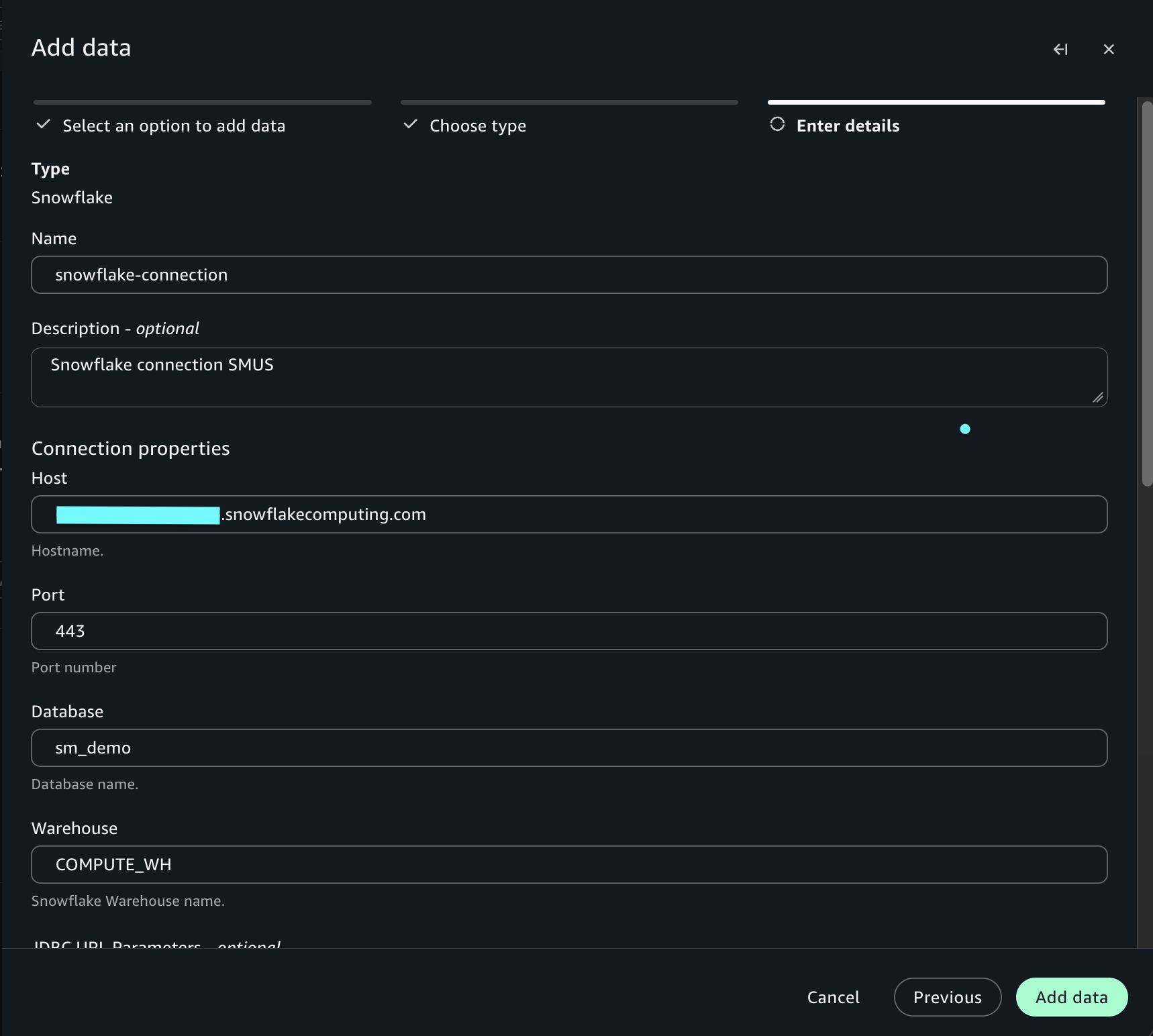
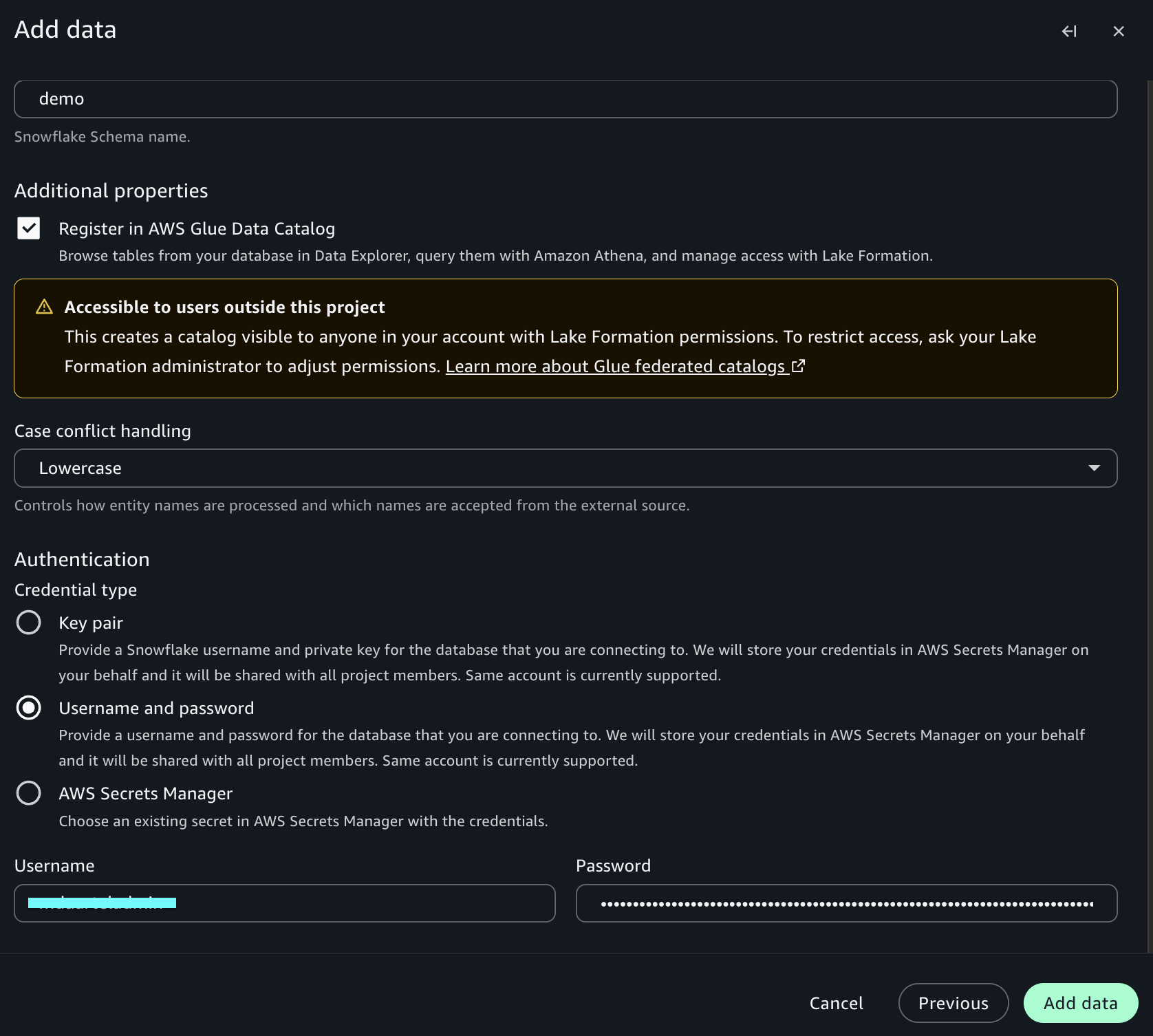
- Connectivity Configuration: Capturing Snowflake connection credentials and defining the database schema within the SageMaker Unified Studio project settings.
- Catalog Registration: Synchronizing the Snowflake tables with the AWS Glue Data Catalog to make them discoverable within the SageMaker interface.
- ETL Pipeline Construction: Utilizing the AWS Glue Studio visual editor to design the validation pipeline, incorporating the custom "Datazone DQ Result Sink" transform.
- Metadata Enrichment: Once the data is cataloged, using built-in automated tools to generate business descriptions and tag assets, transforming raw technical tables into accessible business resources.
Implications for Enterprise Data Governance
The broader implication of this integration is a shift toward "governance-by-design." By centralizing the cataloging process, organizations can enforce consistent security policies and audit trails across their entire distributed estate. This is particularly vital for regulated industries, such as finance and healthcare, where the lineage of data must be strictly documented from ingestion to consumption.
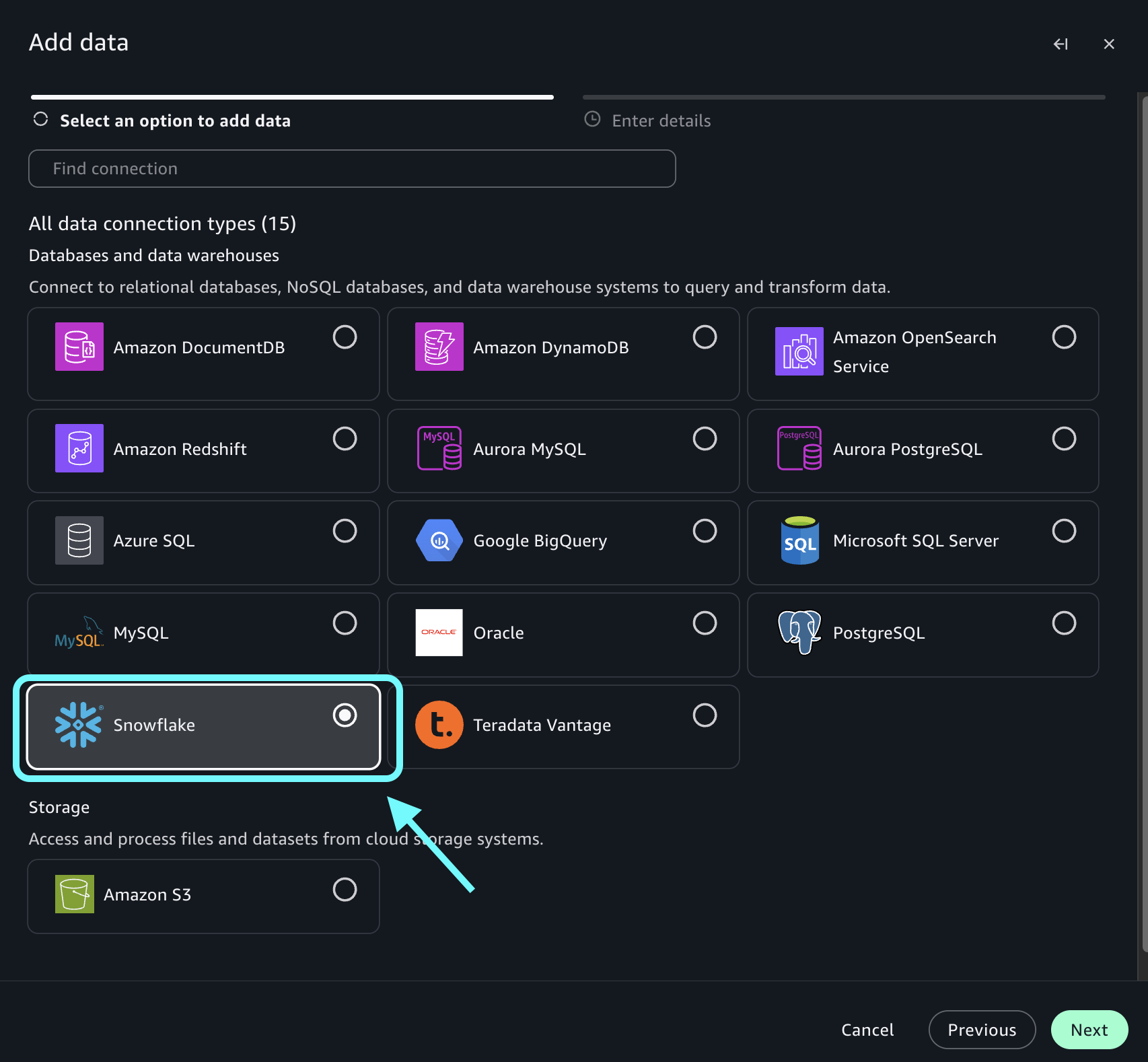
Industry analysts note that this shift away from manual data movement toward federated access represents a maturation of the modern data stack. "The goal is to stop moving data simply to make it discoverable," says one senior cloud architect. "When you provide a single pane of glass through which users can search, query, and validate data regardless of its physical location, you empower teams to act faster and with higher confidence."
Future Outlook and Strategic Advantages
As organizations continue to integrate diverse data sources, the ability to maintain a "single source of truth" without physical data replication will become a competitive advantage. The ability to view data quality scores directly alongside the asset in the SageMaker Catalog removes the "blind trust" often associated with shared datasets. Users no longer need to contact data owners or run their own validation tests to ensure a table is reliable.
Furthermore, this setup significantly reduces the maintenance burden on IT departments. Because there are no ETL pipelines to break, the system is inherently more resilient to schema changes in the source Snowflake environment. The infrastructure scales automatically with the workload, ensuring that as an organization’s data volume grows, the governance and cataloging overhead remains manageable.
Conclusion
The collaboration between Snowflake and AWS through Amazon SageMaker Unified Studio marks a significant advancement in data integration. By allowing data to remain in its native environment while providing the robust cataloging, quality, and governance tools of the AWS cloud, enterprises can finally overcome the friction that has hindered the democratization of data. For organizations looking to leverage the full power of their Snowflake investments while utilizing the machine learning and analytical tools of AWS, this federated approach offers a sustainable, efficient, and highly scalable path forward. As the ecosystem matures, further integrations are expected to deepen these ties, potentially simplifying the movement of complex machine learning models back into production environments directly linked to federated datasets. For now, the current solution provides a foundational framework for any enterprise seeking to harmonize its hybrid data architecture.