Musso E80 Muse Review: A New Standard for Ergonomic Inclusivity in Office Furniture Design

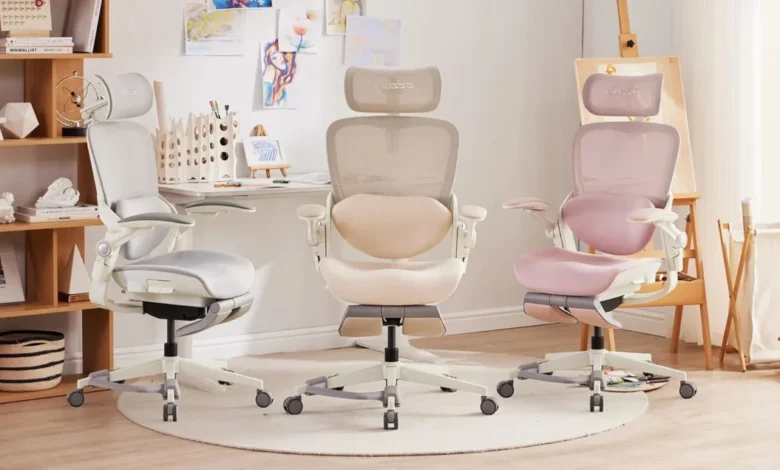
For decades, the standard office chair has been designed around the "average" male frame, leaving a significant portion of the workforce—particularly those of shorter stature or different physiological proportions—to struggle with poorly fitting equipment. The release of the Musso E80 Muse represents a notable shift in the ergonomics industry, focusing on inclusivity and adaptability. By catering to users ranging from 4ft 9in to 5ft 11in, the E80 Muse addresses systemic oversights in office furniture manufacturing, providing a compelling case study for the necessity of universal design in the modern workplace.
The Problem with "Average" Ergonomics
The history of ergonomic product design is often cited as a failure of data-driven inclusivity. Anthropometric data, which informs the dimensions of everything from vehicle seatbelts to workstations, has historically relied on datasets that over-represent male physical proportions. This "one-size-fits-all" approach has led to widespread, though often ignored, discomfort among office workers.
When a chair is too deep, the seat pan presses against the back of the knees, restricting circulation and encouraging users to slouch to find support. When the lumbar adjustment is positioned too high, it fails to support the natural curve of the lower back, often leading to chronic musculoskeletal issues. The Musso E80 Muse was developed to counteract these issues, integrating a shorter backrest and a significantly lower seat-height threshold. This engineering decision is not merely an aesthetic choice; it is a functional requirement for a more diverse demographic of professionals.
Design Philosophy and Material Innovation
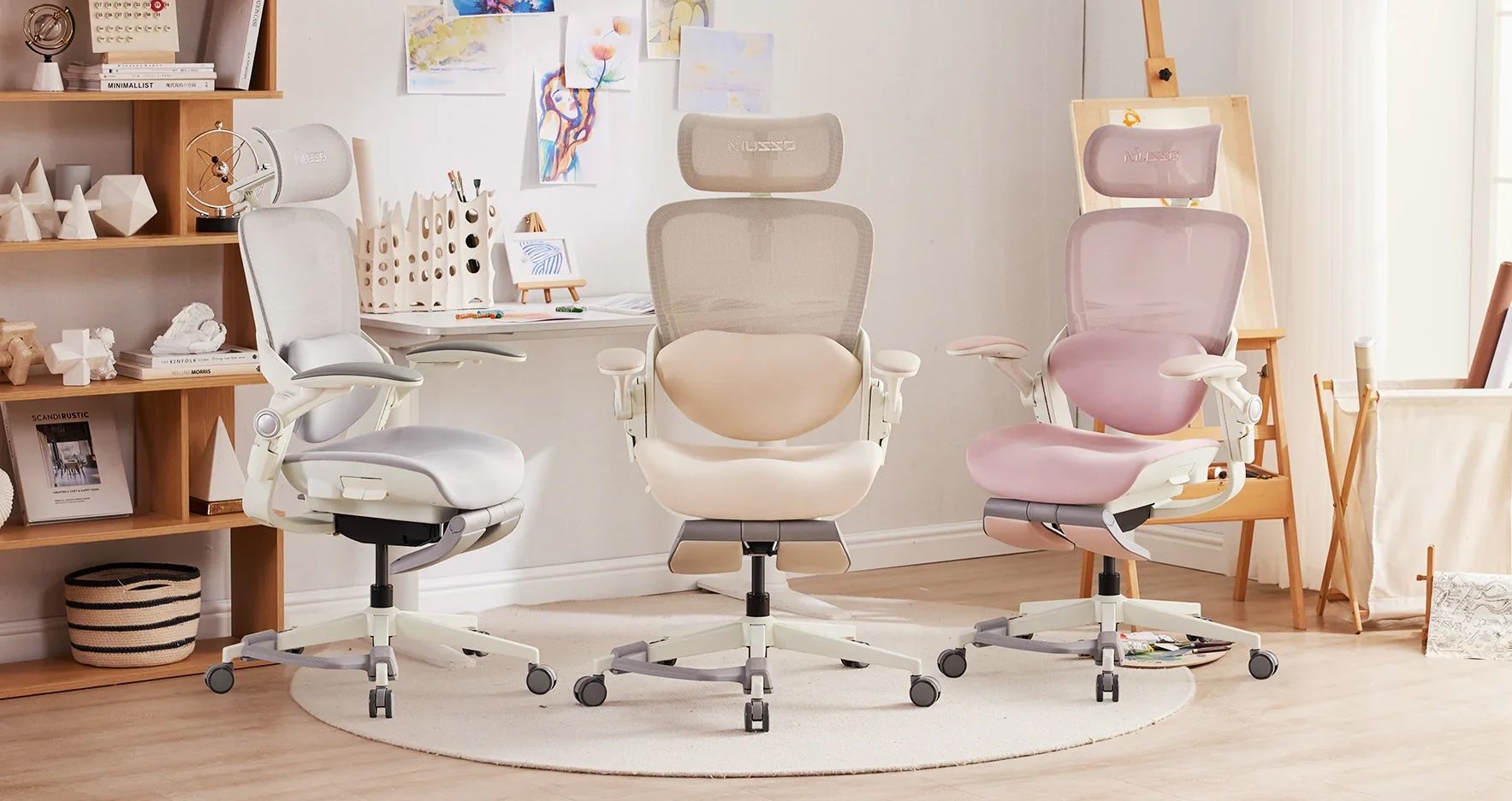
The E80 Muse departs from the "brutalist" aesthetic that has dominated office chair design for the last twenty years. Rather than defaulting to industrial mesh and rigid plastics, the Muse utilizes a soft, tactile fabric finish available in a curated palette of Blush, Pink, Grey, and White. While color choice is subjective, the departure from standard office black signals a shift toward making professional environments feel more integrated with domestic or creative spaces.
However, the design goes beyond the surface. The chair features a high-density, plush foam structure that offers more "give" than standard ergonomic mesh chairs. In traditional office chairs, mesh is intended to provide breathability, but it can often feel unyielding. The Muse prioritizes pressure distribution, which is a critical factor for individuals who spend upwards of eight hours a day at a desk.
Technical Specifications and Performance
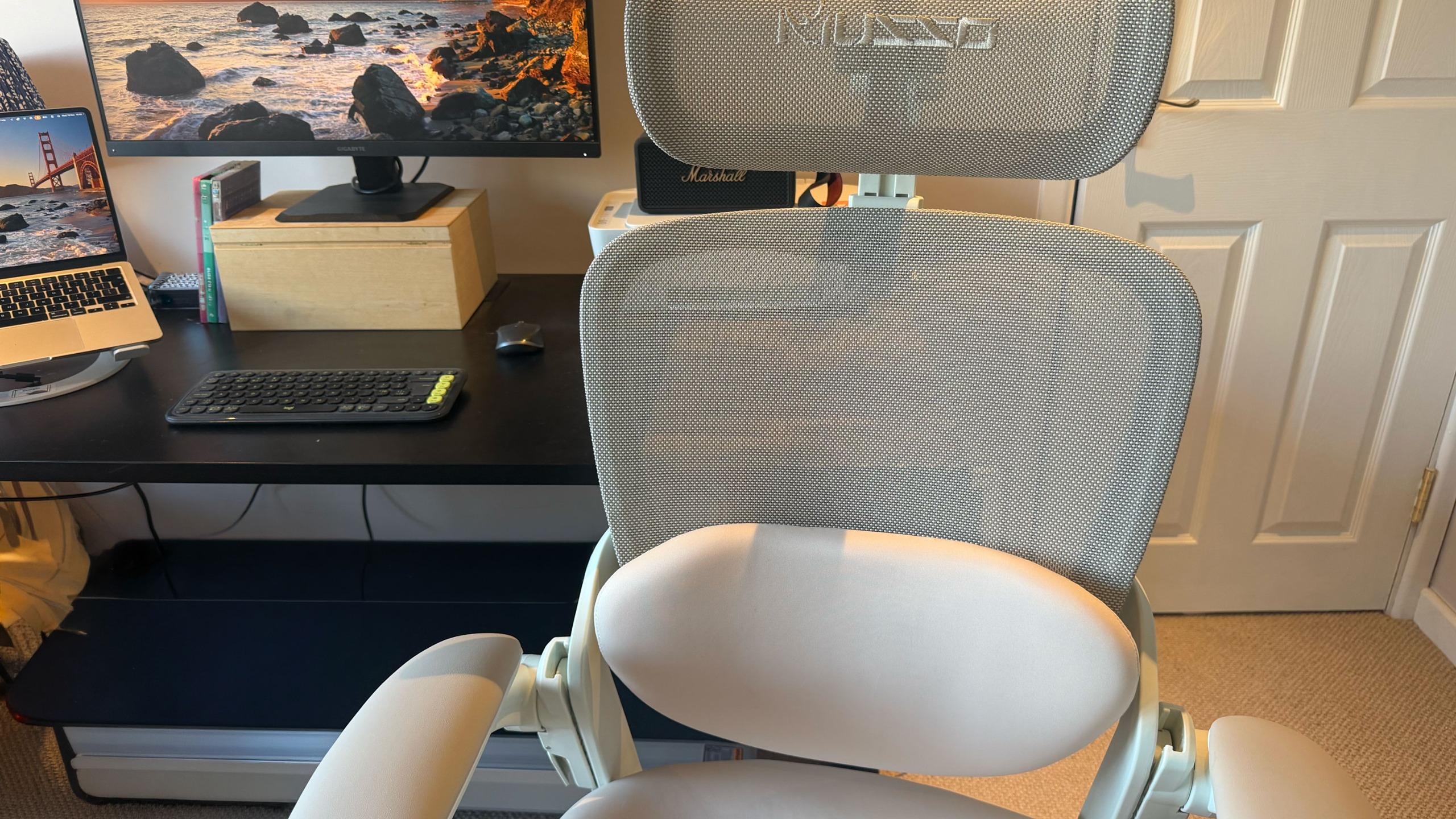
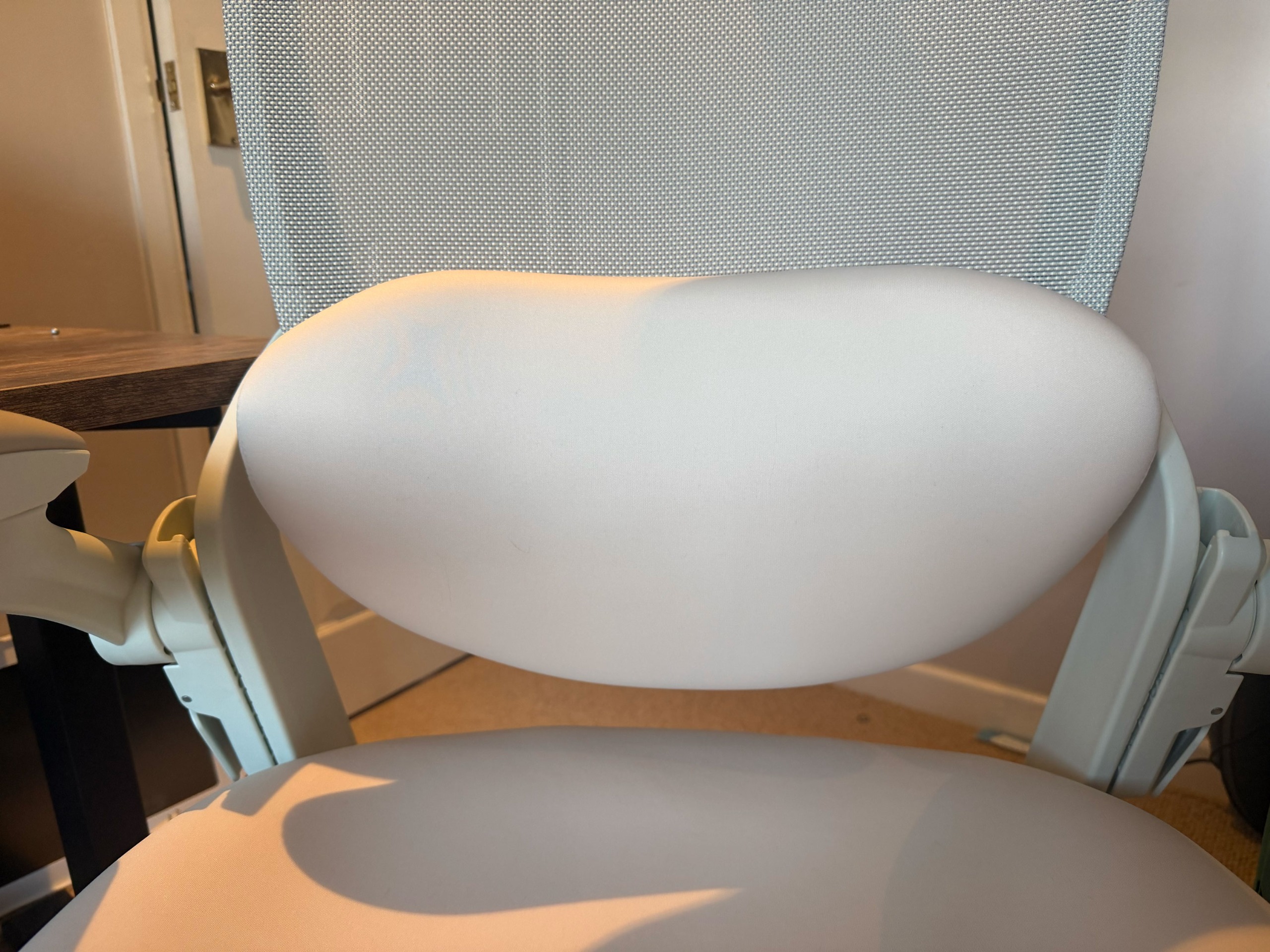
The performance of the Musso E80 Muse is defined by its granular adjustability. The chair features a multi-directional lumbar support system that can be tuned to the specific curvature of the user’s spine. For many users, the most significant revelation during testing is the seat-height range. By allowing the seat to drop lower than typical office chairs, the Muse enables individuals with shorter legs to maintain a 90-degree angle at the knees without the need for supplementary footrests.
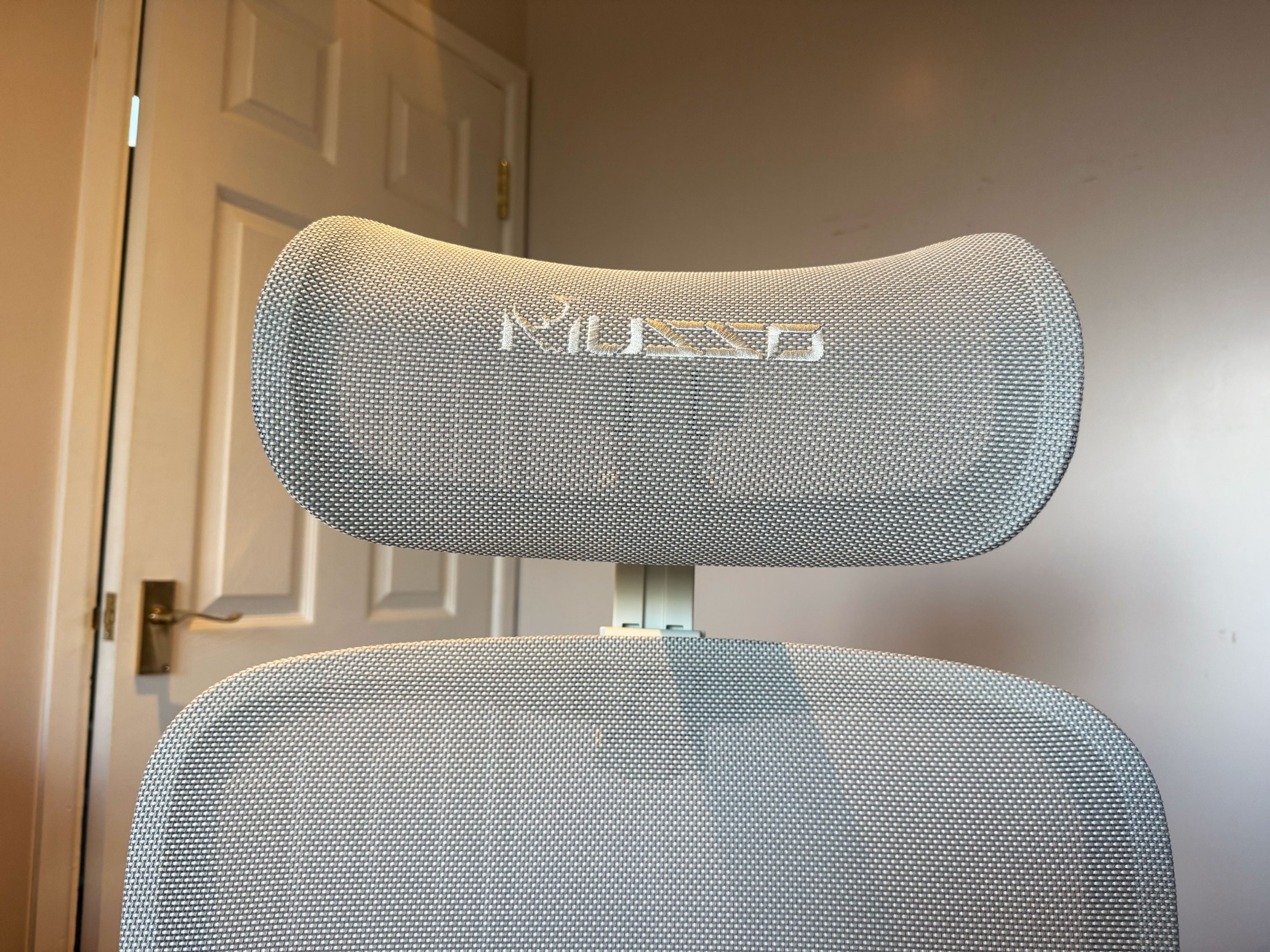
Furthermore, the headrest has been engineered to project further forward, accommodating the smaller head-to-neck distance of users who are typically underserved by standard, rear-leaning headrests. While the primary components—the seat, armrests, and lumbar pad—exhibit high levels of craftsmanship, there is a clear trade-off in the peripheral hardware. The adjustment levers and knobs, constructed from a lighter plastic, feel less substantial than the chair’s core frame. This is a common compromise in the $369 price bracket, where manufacturers must decide between luxury finishing or structural integrity. Musso has clearly opted for the latter, investing the budget into the parts of the chair that directly impact the user’s physical health.
Market Context and Economic Positioning
The $369 price point places the Musso E80 Muse in the mid-range sector of the office furniture market. In a post-pandemic economy, where remote and hybrid work models are now standard, the demand for high-quality home office equipment has surged. Analysts from industry market research firms have noted that the "home office" category has transitioned from a temporary trend to a permanent fixture of corporate infrastructure.
The E80 Muse is positioned to compete with entry-level commercial chairs, which often lack customization, and high-end ergonomic chairs that can exceed $1,000. By targeting the underserved segment of the market—shorter individuals and those seeking non-traditional aesthetics—Musso is utilizing a "niche-down" strategy to capture a loyal customer base.
The Broader Implications of Inclusive Design
The release of the E80 Muse invites a wider conversation about the standards of workplace safety and productivity. Employers are increasingly aware that equipment that does not fit the employee is a liability. Musculoskeletal disorders (MSDs) remain one of the most common causes of work-related disability, often exacerbated by static, improper seating.
When organizations move away from "one-size-fits-all" procurement and toward inclusive design, the potential benefits include reduced absenteeism and increased focus. The success of the E80 Muse suggests that the market is ready for more specialized equipment. There is an increasing demand for products that reflect the physiological reality of the workforce, rather than a theoretical average.
Evaluating the Trade-offs
Prospective buyers must weigh the advantages of the E80 Muse’s customized fit against the potential longevity of its secondary components. The adjustment knobs and levers, while functional, are the most likely points of wear. For users who do not change their chair settings frequently once the initial setup is complete, this is likely a non-issue. However, for dynamic work environments where multiple users might share a desk, the durability of these plastic elements should be a consideration.
The initial setup process also requires patience. Achieving the "perfect" configuration—the balance between lumbar depth, seat height, and headrest angle—requires a period of trial and error. Users accustomed to "plug-and-play" office chairs may find the adjustment process tedious, yet the long-term comfort gains are significant.
Conclusion
The Musso E80 Muse is a testament to the importance of inclusive engineering. By acknowledging that the standard office chair is not, in fact, standard for everyone, Musso has created a product that offers tangible, physical relief for a specific and often overlooked demographic. While it makes minor compromises in material finish to maintain an accessible price point, the core ergonomic performance is difficult to ignore.
As the office furniture industry continues to evolve, the E80 Muse serves as a benchmark for future designs. It proves that there is a viable, profitable market for products that prioritize physiological diversity. For those who have long suffered from the "one-size-fits-all" approach to office seating, the Muse is not just a chair; it is an acknowledgment that their physical needs deserve to be met with precision, comfort, and thoughtful design.
As we look toward the future of the modern workplace, the emphasis on bespoke, adaptable environments will likely continue to grow. Manufacturers that follow the example set by the Muse—focusing on the user’s actual body rather than outdated industry norms—will be the ones to define the next generation of office excellence. Whether for the home office or the corporate suite, the E80 Muse provides a compelling argument for moving past the "average" and embracing a more inclusive approach to productivity.
Related posts: