Whoop expands its footprint in elite sport through a landmark partnership with Formula 1 as the wearable tech market continues to evolve.

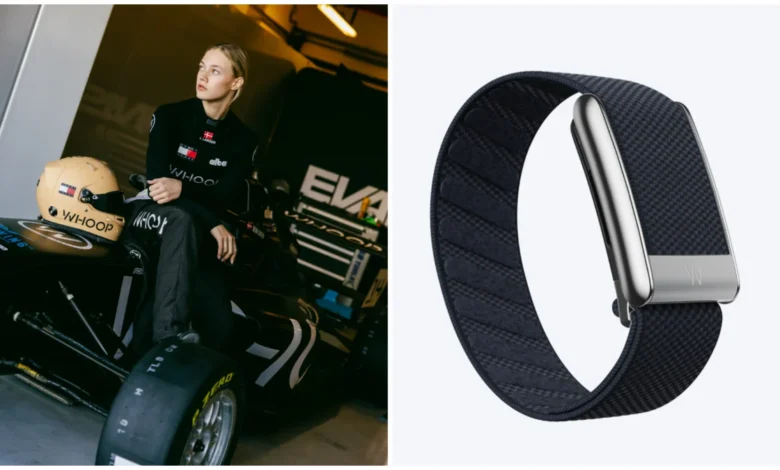
The landscape of professional sports performance is undergoing a significant digital transformation, characterized by an increasing reliance on biometric data to manage athlete longevity and output. Whoop, the subscription-based health and fitness wearable, has cemented its role in this transition by announcing a strategic partnership with Formula 1. Beginning in 2027, the technology will be integrated into the race-day operations of the sport, allowing teams and, crucially, viewers to monitor the physiological stressors placed on drivers such as Lewis Hamilton, Lando Norris, and rising stars like Kimi Antonelli as they navigate the extreme conditions of a Grand Prix.
This partnership marks a major milestone for the company, which already holds an established relationship with Scuderia Ferrari HP. By moving from private training environments into the public-facing domain of the world’s most prestigious motorsport, the brand is positioning itself as a standard-bearer for real-time physiological monitoring. The collaboration aims to provide unprecedented transparency into the physical demands of high-speed racing, where heart rates, stress levels, and recovery metrics often fluctuate wildly under the pressure of intense competition.
The Evolution of Wearable Biometrics in Athletics
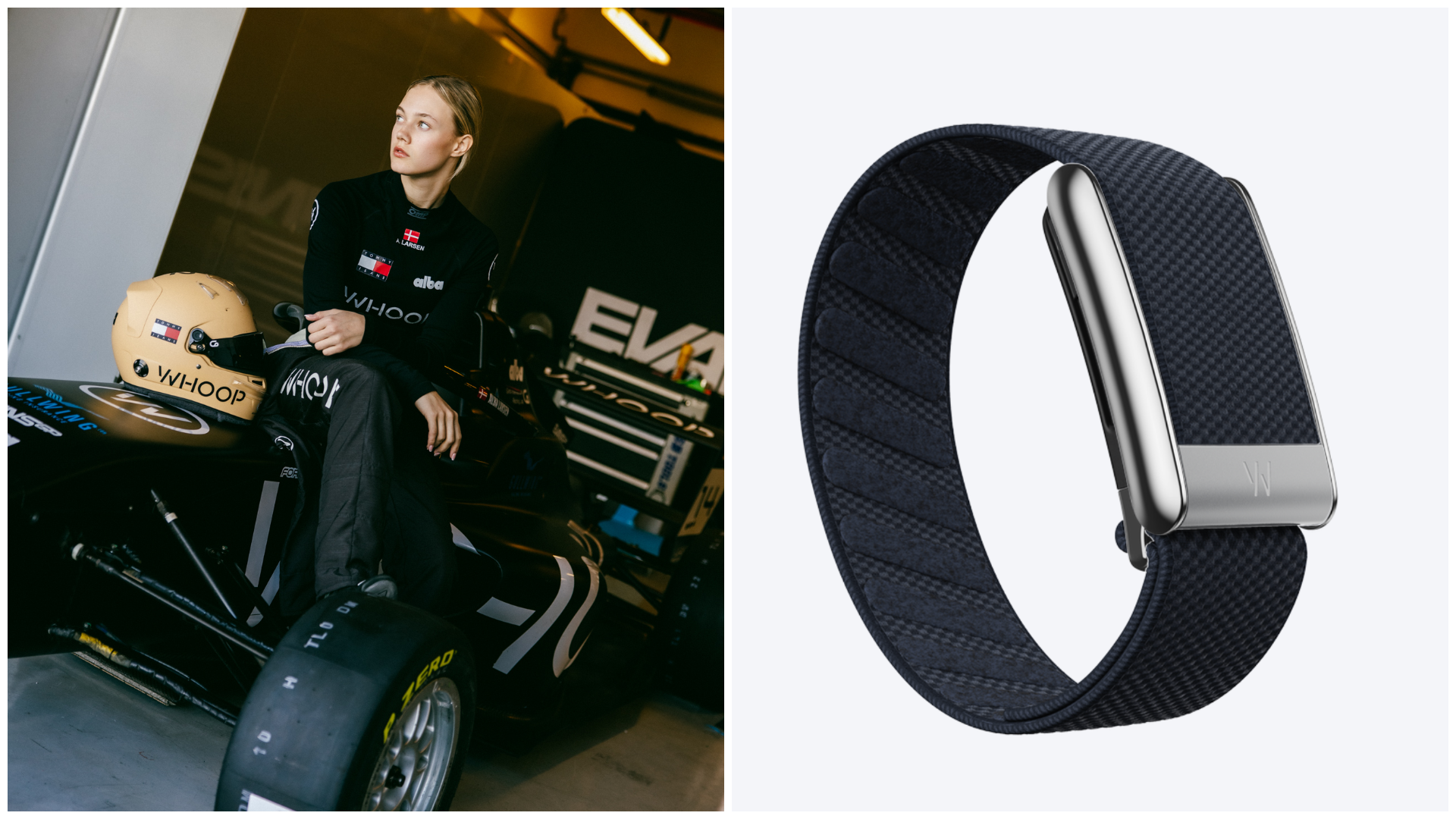
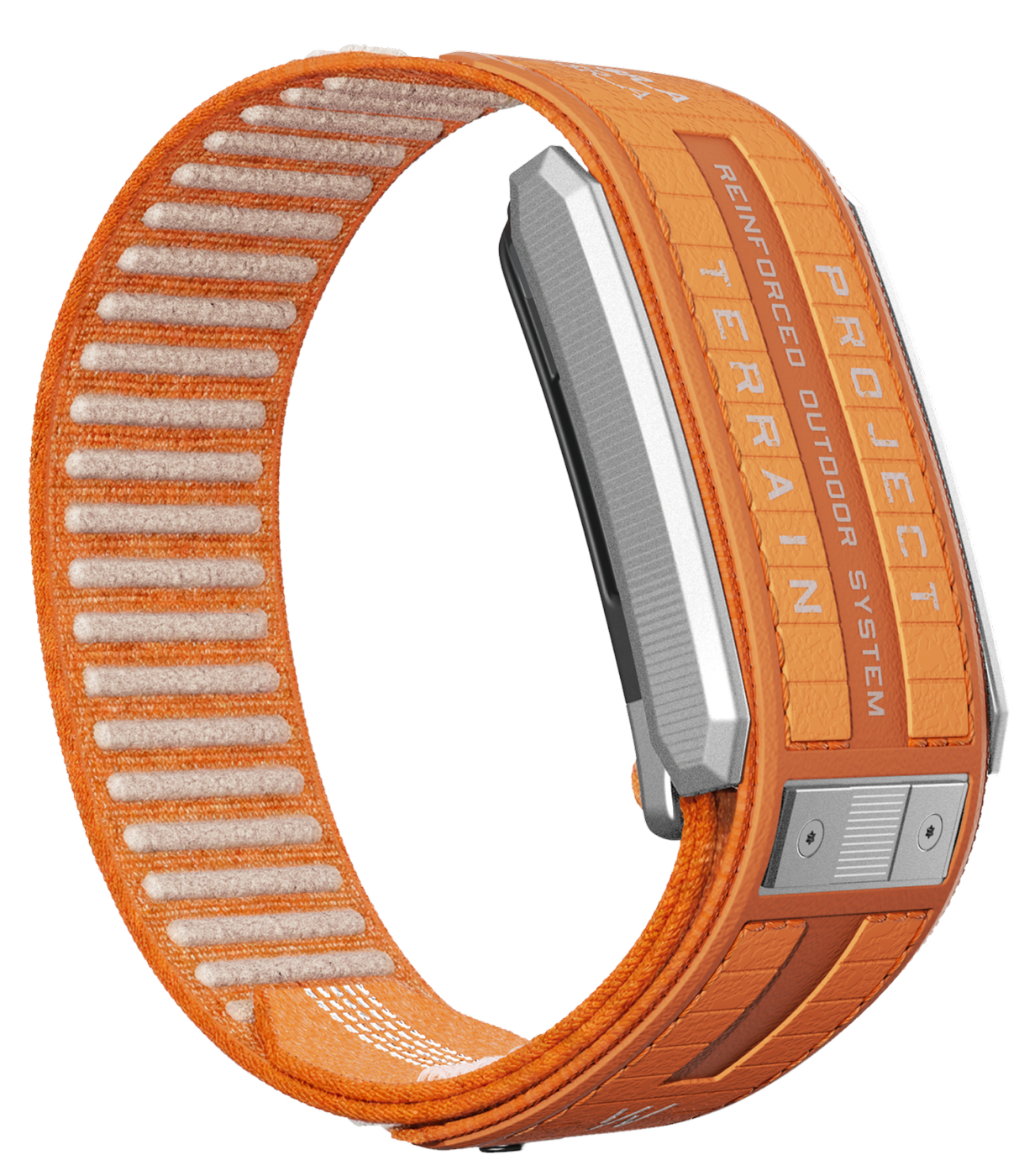
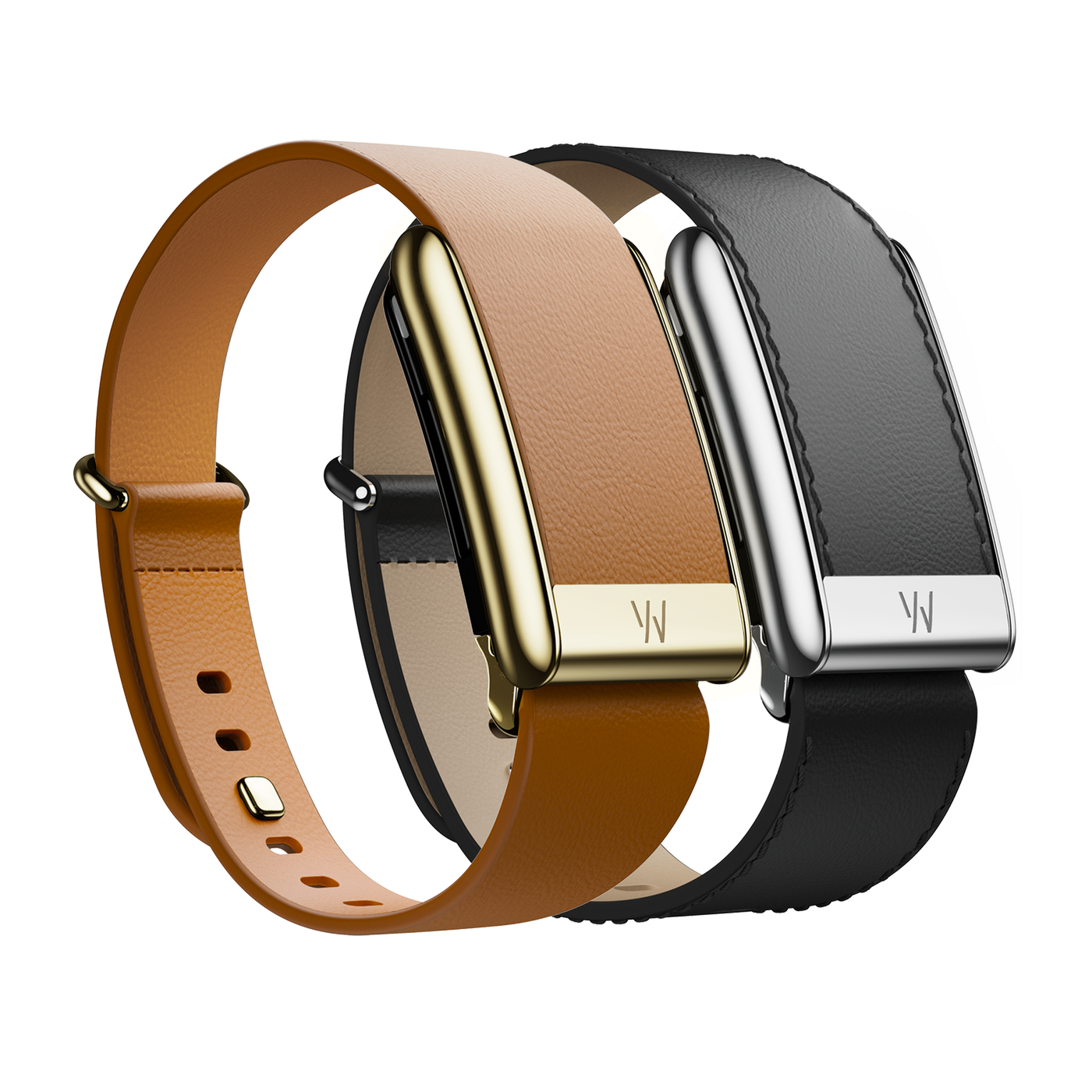
Founded in 2012, Whoop has evolved through five iterations of its hardware, distancing itself from the traditional smartwatch market by omitting a screen entirely. This design choice is rooted in the company’s philosophy: to reduce digital distraction while providing granular, 24/7 health data. With more than three million users globally, the platform has cultivated a robust database that claims to help its daily users achieve 20 minutes of additional sleep and 90 minutes of increased weekly physical activity.
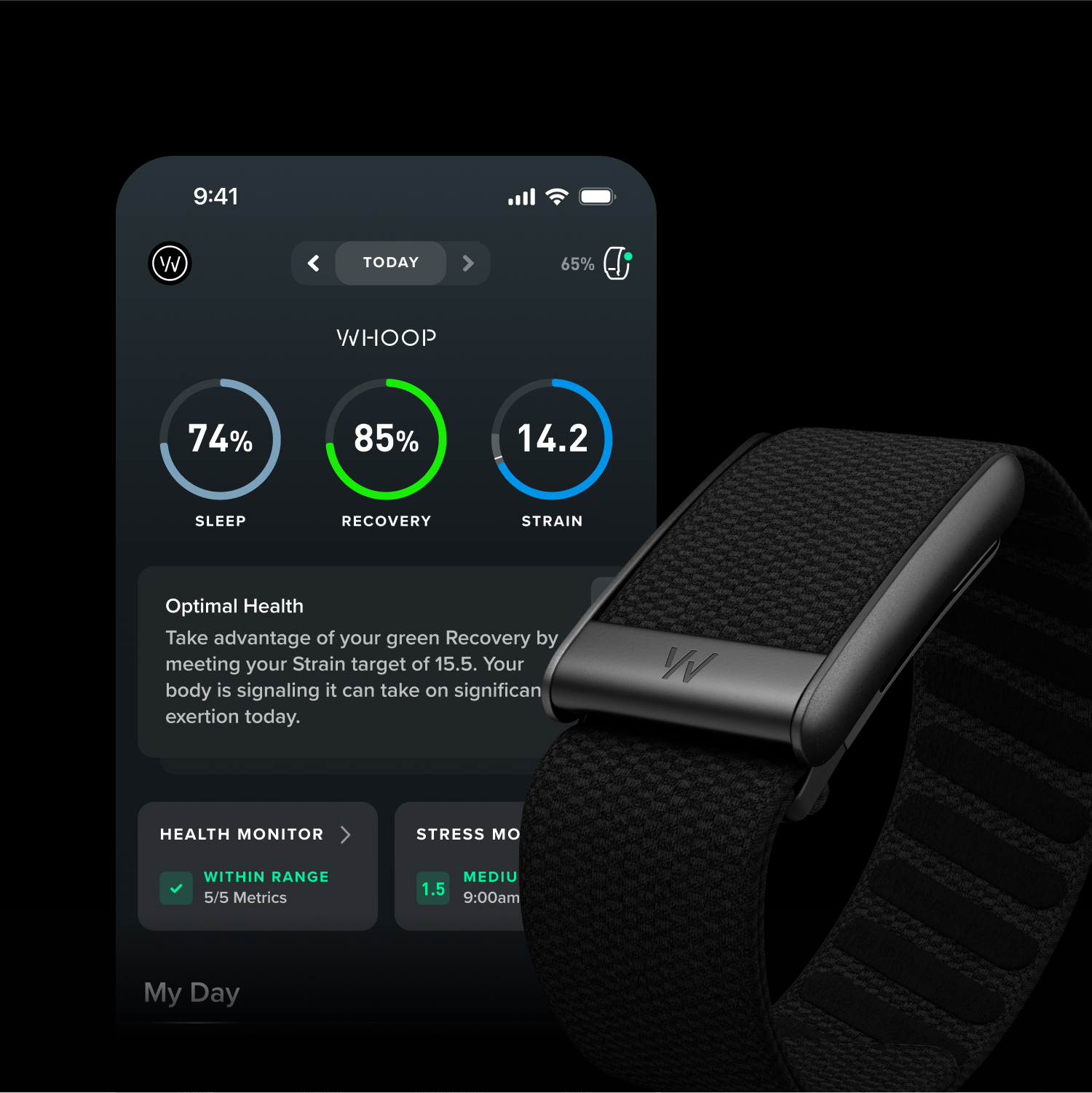
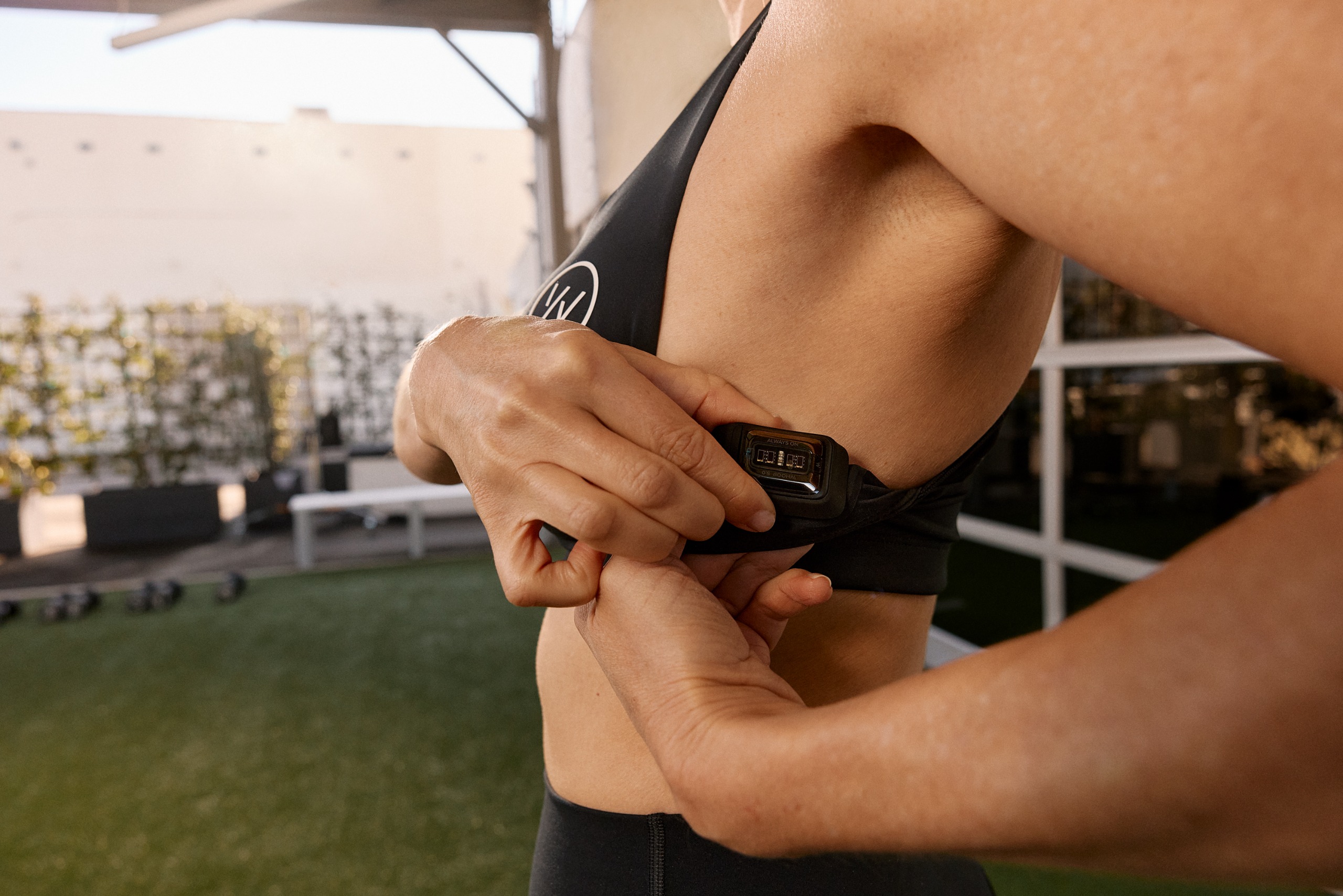
The device measures a comprehensive array of metrics, including heart rate variability (HRV), resting heart rate, blood oxygen levels, skin temperature, and respiratory rate. By feeding this information into an AI-driven interface, the system generates actionable insights regarding recovery, strain, and sleep quality. For an elite athlete, these metrics are not merely lifestyle trackers; they are professional tools used to calibrate training loads, prevent overtraining, and optimize recovery windows before major events.
Chronology of the Partnership and Sporting Integration
The journey toward this F1 partnership began with isolated pilot programs involving individual teams and athletes. Ferrari’s early adoption of the technology served as the proof-of-concept that demonstrated the utility of biometric tracking in the cockpit.
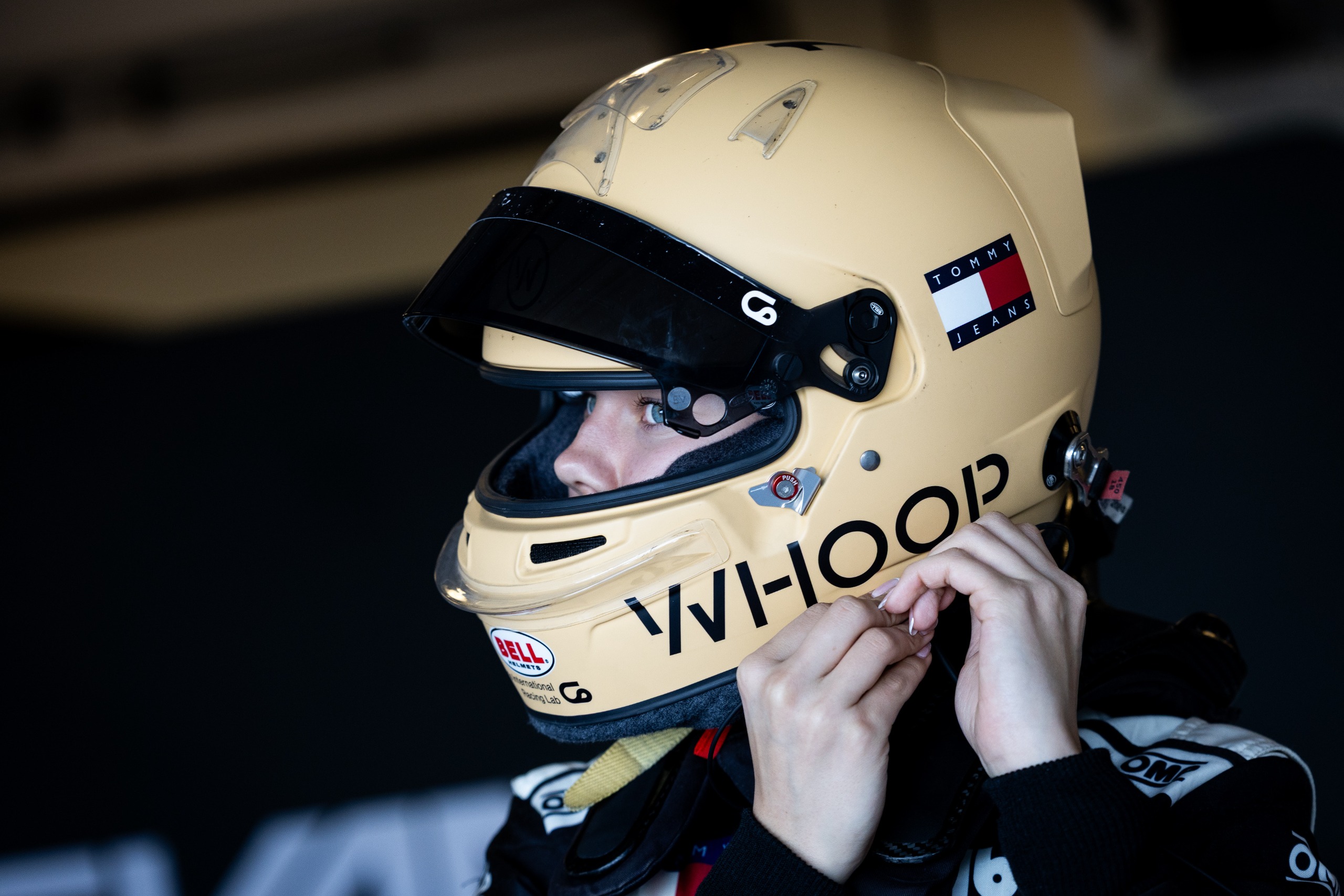
Alba Larsen, a 17-year-old Danish racing driver and a prominent figure in the F1 Academy—a competition designed to bridge the gap between karting and professional open-wheel racing—has served as a key brand ambassador. Her experience over the past year highlights the practical application of the device. According to Larsen, the data provided by the wearable is instrumental in managing the physical toll of racing. During high-stakes sessions, such as qualifying rounds where adrenaline and focus are at their peak, drivers often see their heart rates surge to 180 beats per minute. By tracking these spikes, athletes can implement breathing techniques and stress-management protocols to lower their heart rates to a more manageable 120–130 bpm during race stints, a skill that can arguably influence the outcome of a race where milliseconds define the podium.
The upcoming 2027 integration into the broader Formula 1 broadcast environment will utilize "Whoop Live," a feature designed to overlay biometric data directly onto the race broadcast. This development mirrors the growing trend of "gamifying" and "humanizing" professional sports, offering fans a deeper connection to the physical struggle inherent in elite motor racing.
Physiological Demands: A Data-Driven Analysis
Formula 1 is a sport that hides its physical intensity behind the machine. A driver’s ability to remain calm and composed while subjected to high G-forces and extreme cockpit temperatures is a testament to their physical conditioning. The data collected by Whoop during these events serves as a vital diagnostic tool.
For instance, the correlation between sleep consistency and recovery is a core tenet of the platform. Larsen notes that for a driver, sleep is not just about duration but about the quality of rest in the days leading up to a race. The platform discourages the "catch-up" mentality—the idea that one can compensate for a week of sleep deprivation with a single long night of rest. Instead, it emphasizes a long-term, consistent approach to recovery, ensuring that the driver enters a race weekend in a "green" state—the platform’s indicator for optimal physiological readiness.
Furthermore, the technology’s ability to detect early signs of illness or physical fatigue before the athlete consciously perceives them has become a key feature. By monitoring subtle deviations in baseline metrics like HRV, the AI can suggest when an athlete should scale back their training intensity, potentially preventing injury or burnout.
Implications for Mainstream Wellness
While the technology is being validated at the elite level, its application for the "everyday health seeker" remains the primary driver of the company’s growth. The model adopted by the platform—a membership-based service rather than a one-time hardware purchase—reflects a shift in the tech sector toward continuous service and support.
For the average user, the benefits mirror those of the elite athlete, albeit at a different scale. The device’s ability to suggest behavioral changes, such as modifying late-afternoon caffeine intake or adjusting evening routines to improve sleep architecture, is designed to be accessible to a wide demographic. Whether the user is a professional driver managing the effects of jet lag across time zones or a working parent navigating the stressors of daily life, the underlying mechanism of data-informed lifestyle optimization remains consistent.
The Role of Artificial Intelligence in Coaching
One of the most significant aspects of the current generation of wearables is the move from descriptive analytics—simply telling the user what happened—to prescriptive analytics. The AI integration serves as a virtual coach, parsing complex biological data to offer tailored suggestions.
During the trial period of the current device, users have reported that the AI’s capability to adapt to individual constraints—such as recurring joint pain or specific time limitations—adds a layer of personalization that static fitness trackers often lack. The software can generate alternative exercise plans on demand, ensuring that users can maintain their "strain" goals without over-exerting themselves in ways that could be detrimental to their long-term health.
This, however, raises questions about the psychological reliance on algorithms for health decisions. While the feedback is largely constructive, the reliance on AI-generated "readiness" scores requires a balance between technological guidance and personal intuition. The company maintains that the device is an enabler, not a replacement for human agency, emphasizing that the user must ultimately choose to follow through on the recommended behavioral adjustments.
Broader Impact and Future Outlook
The partnership between Whoop and Formula 1 is indicative of a broader trend: the integration of professional health monitoring into the entertainment and broadcast sectors of sports. As fans increasingly demand more engagement and transparency, the data generated by these wearables provides a new narrative arc for sports broadcasting.
Moreover, the normalization of 24/7 health tracking by high-profile athletes is likely to drive further adoption among the general public. As the cost of such technology decreases and the accuracy of wearable sensors continues to improve, the ability to monitor one’s own health in real-time will likely become a standard component of preventative healthcare.
As the 2027 launch date approaches, the focus will likely shift to how this data is presented to the public and what ethical considerations will surround the broadcast of a driver’s internal state. However, the trajectory is clear: the intersection of high-performance sport and personal health technology is no longer a niche interest, but a central component of the modern athletic experience. For now, the integration remains an experimental yet promising frontier, one that may well redefine the boundaries of what is possible in human performance and our collective understanding of physical wellbeing.