Bridging the Enterprise Data Gap: How Model Context Protocol and AI Agents are Revolutionizing Federated Analytics

Modern enterprise data ecosystems are increasingly defined by a profound fragmentation that hampers operational agility. As organizations scale, they inevitably accumulate a complex tapestry of specialized storage systems: Amazon Simple Storage Service (S3) for massive data lakes, Amazon Kinesis for real-time streaming telemetry, and various relational databases for transactional customer management. Historically, accessing these disparate sources required a high degree of technical specialization. A business leader seeking a cross-functional insight—such as correlating streaming viewership quality with customer support ticket trends—would be forced to submit a request to a data engineering team. This process, often involving long wait times and the manual creation of static reports, frequently renders the final output obsolete by the time it reaches the decision-maker.
The current paradigm creates two distinct, systemic barriers: the "data silo" problem and the "access gap." Silos arise because batch stores, real-time streams, and OLTP databases utilize fundamentally different authentication models, query languages, and access patterns. While solutions like data meshes or centralized data lakes attempt to mitigate this, they demand enormous engineering overhead and continuous maintenance. Simultaneously, the access gap persists because the technical expertise required to navigate these systems remains concentrated within a small subset of the workforce. This bottleneck effectively prevents business users from achieving true self-service analytics, leaving organizations reliant on reactive, dashboard-based reporting that fails to address unique, one-time inquiries.
The Emergence of the Model Context Protocol (MCP)
A transformative approach to this challenge has emerged in the form of the Model Context Protocol (MCP). Rather than attempting the expensive and often impossible task of consolidating all enterprise data into a single repository, MCP provides an open, standardized framework that allows AI agents to interface directly with the systems where data already resides. By wrapping diverse software-as-a-service (SaaS) applications, databases, and storage services behind a uniform interface, MCP enables standardized tool discovery, invocation, and response handling.
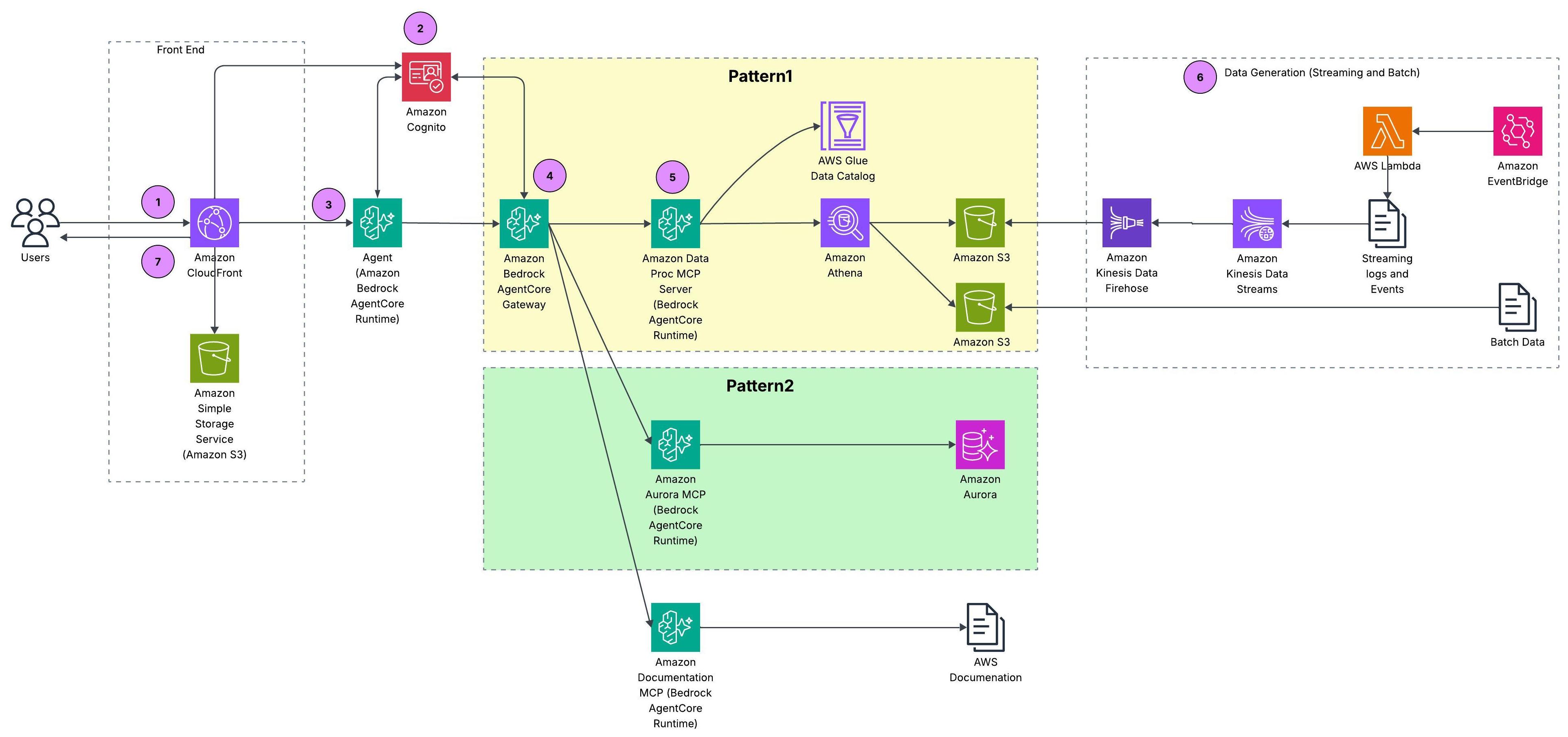
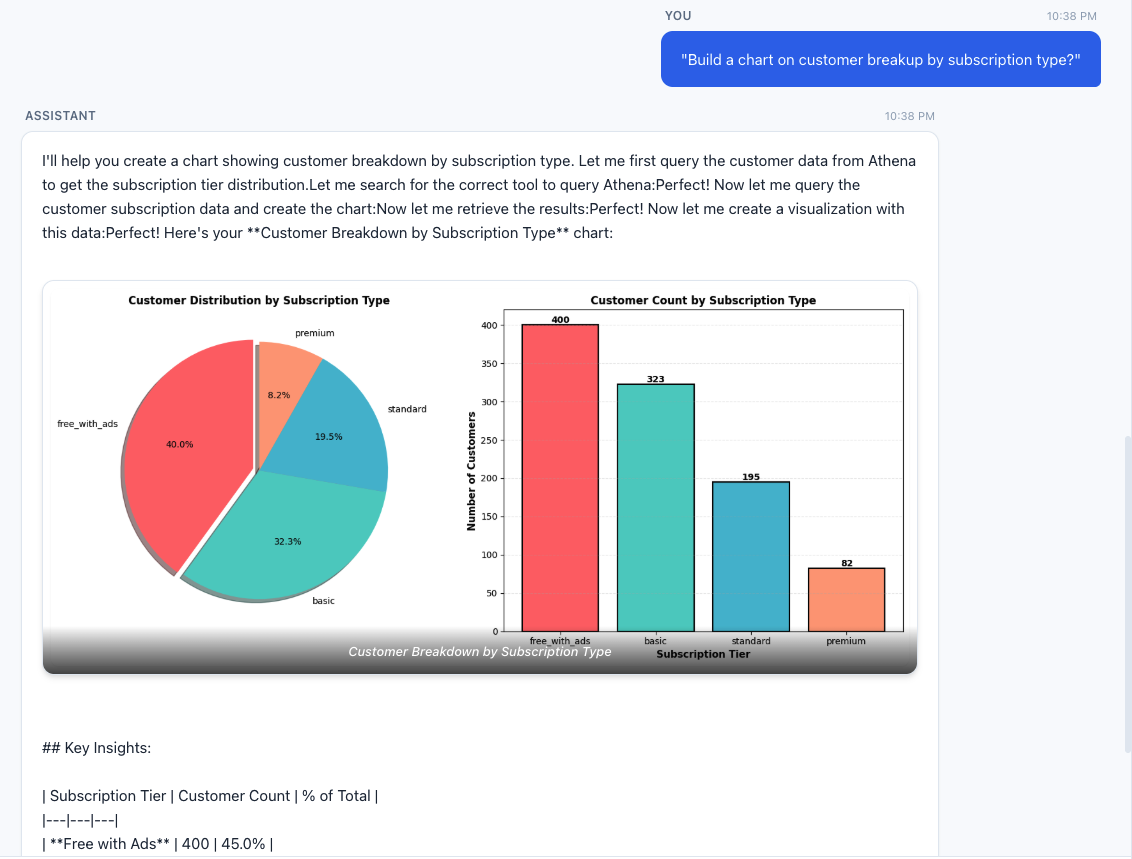
This development marks a significant shift in the timeline of generative AI integration. Early AI deployments in the enterprise were largely limited to general knowledge or isolated document analysis. The integration of MCP, supported by platforms like Amazon Bedrock AgentCore, signals a move toward "agentic" workflows where AI can act as an orchestrator across a company’s entire data estate. When a user poses a question in natural language, the agent interprets the request, determines which system holds the relevant data, selects the appropriate tool, and performs the query without the user needing to understand the underlying infrastructure.
Reference Architectures for Federated Data Access
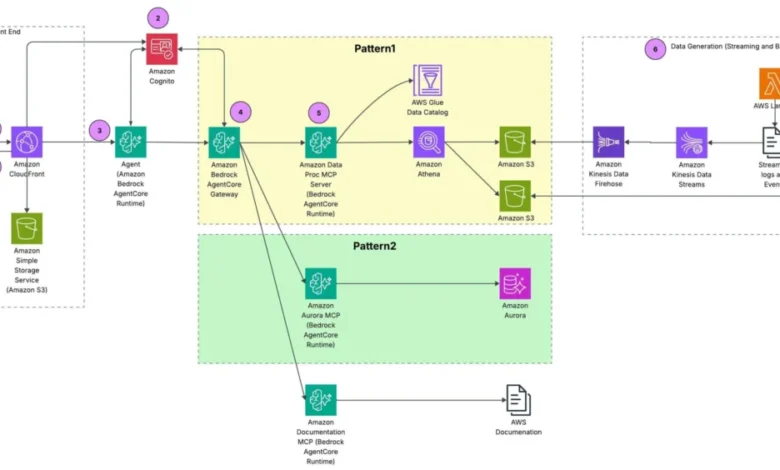
To demonstrate the efficacy of this approach, architects have developed three distinct design patterns that allow for federated data access. These patterns range from highly governed, catalog-first models to more flexible, direct-source access, providing a spectrum of choices for different enterprise needs.
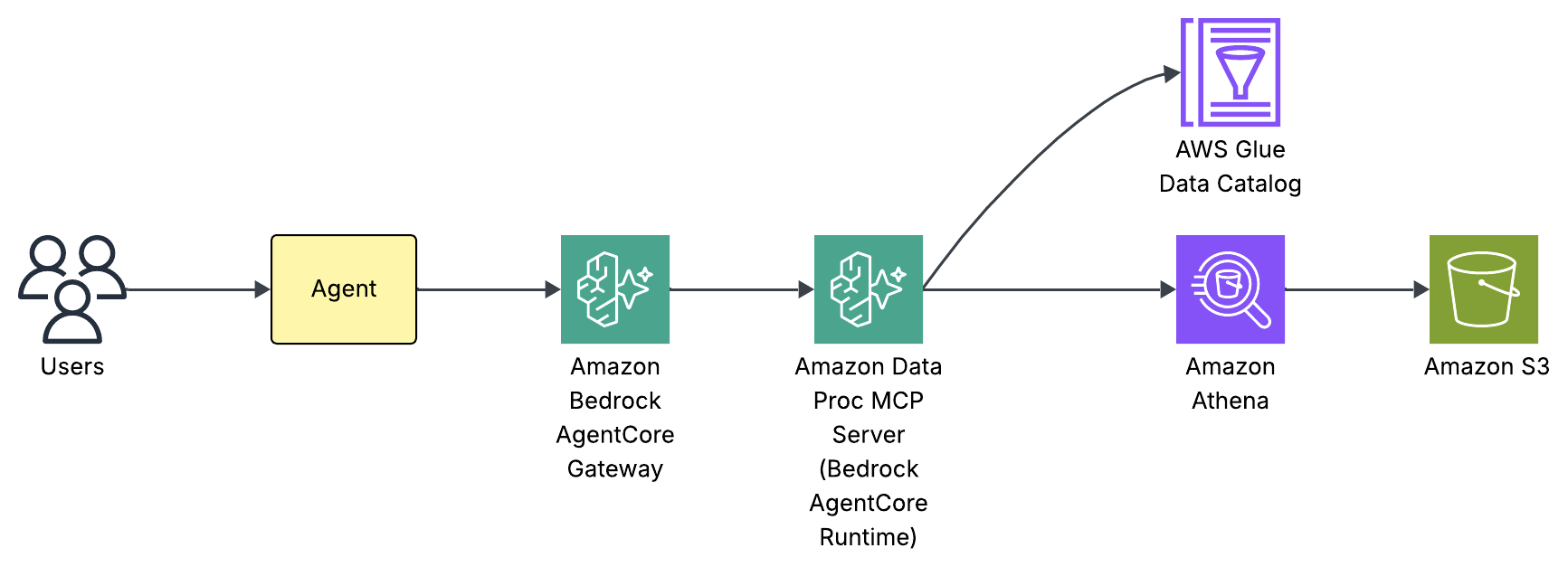
Pattern 1: The Catalog-First Approach
The catalog-first pattern leverages metadata layers—such as the AWS Glue Data Catalog—to provide a unified view of available assets. In this model, the agent first queries the catalog to understand schemas, data quality metrics, and lineage. This ensures that when an agent is tasked with a query, such as identifying the ad campaigns that drove the highest subscriber activations, it can resolve business terminology against metadata before executing a join through compute engines like Amazon Athena. This pattern is particularly suited for organizations that prioritize strict governance and data lineage.
Pattern 2: Direct Source Access
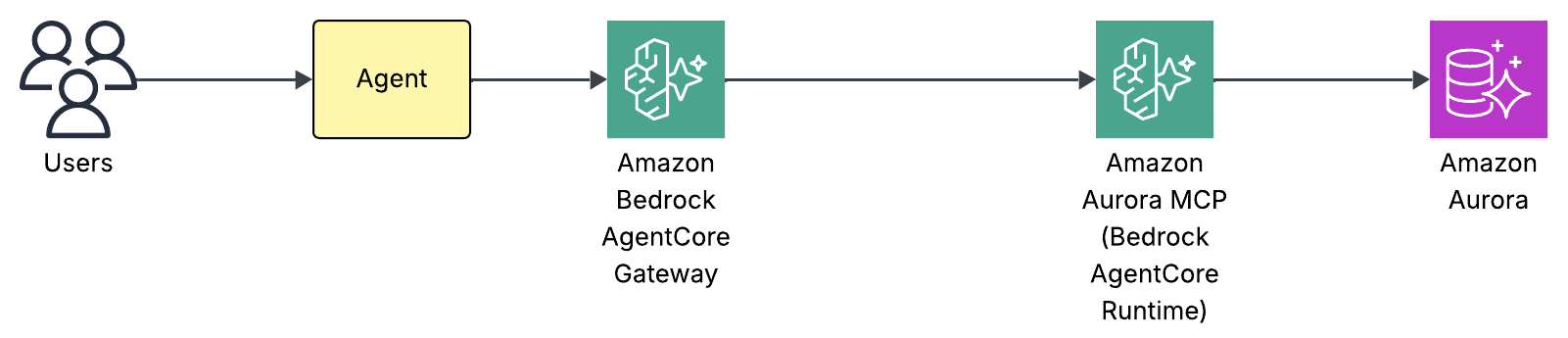
In scenarios where schema stability is high and rapid access is the primary priority, the direct source access pattern offers a more streamlined alternative. Here, the AI agent communicates directly with a database, such as an Amazon Aurora instance, through a dedicated MCP server. The server manages authentication—often utilizing services like AWS Secrets Manager—and exposes only necessary tools, such as query execution and schema inspection. This removes the overhead of maintaining a metadata catalog for every internal table, allowing the agent to provide immediate answers to operational questions regarding support tickets or subscriber status.
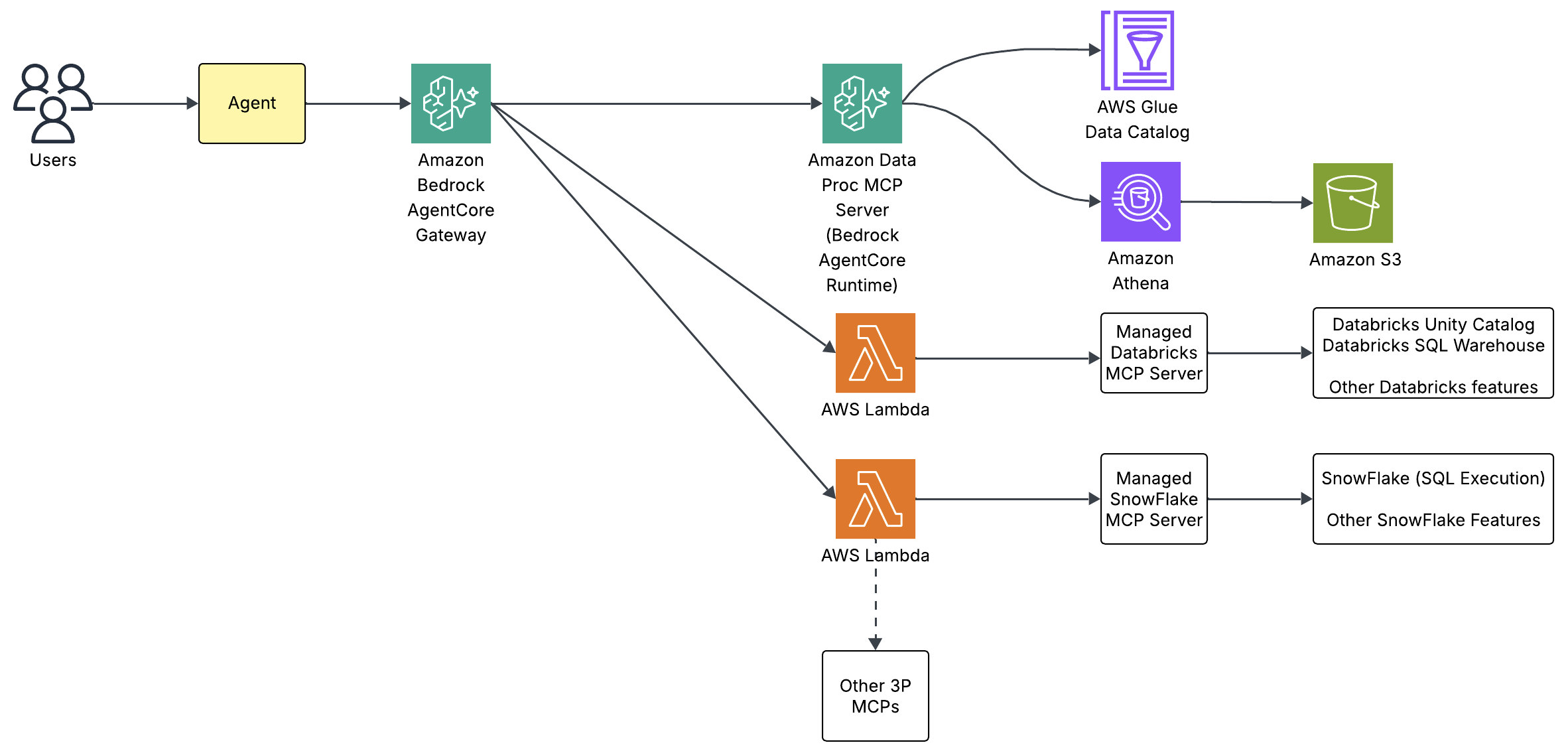
Pattern 3: Hybrid Federated Access
The third and most common real-world pattern is the hybrid approach. Organizations typically possess a mix of data types: some that require the rigorous governance of a catalog, and others that function best as operational data stores. By deploying a single orchestrator agent capable of routing requests to either catalog-governed tools or direct-source tools, companies can bridge these environments. This architecture allows the agent to synthesize information from multiple sources, such as correlating high-level content ratings from a CRM with granular viewership data from a streaming telemetry stream.
Implications and Future Outlook
The implications of this shift for the corporate data landscape are substantial. By moving the burden of system navigation from the human user to the AI agent, organizations can democratize data access in a way that was previously unattainable. However, this transition is not without its complexities. Industry analysts point to several critical considerations for enterprises moving toward an MCP-based architecture:
- Identity and Authorization: As agents become the primary consumers of data, traditional role-based access control (RBAC) must be reimagined to ensure that agents do not exceed the privileges of the human users they represent.
- Auditability and Traceability: While agents provide efficiency, they also introduce the need for robust audit trails that document not only the data retrieved but the reasoning path the agent took to reach a conclusion.
- Data Lineage in Composed Outputs: As agents begin to combine data from multiple, disparate sources, maintaining a clear lineage of how a final report was constructed becomes essential for maintaining data integrity and trust.
The broader industry trend is clearly leaning toward standardization. The recent general availability of the AWS MCP Server and the expansion of the Agent Toolkit for AWS indicate that major cloud providers are prioritizing the interoperability of agents with core infrastructure. This suggests that the "agentic" era of data management is moving beyond the experimental phase and into production-grade deployment.
Broader Impact on Enterprise Productivity
The move toward agent-orchestrated federated access promises to break the cycle of "ticket-based" analytics. For a streaming media company—or any data-heavy organization—the time from question to insight is a primary competitive advantage. If a marketing leader can determine the ROI of a specific campaign by asking an AI agent, rather than waiting for a data engineer to manually query an S3 bucket and join it with a CRM, the organization can pivot its strategy in hours rather than weeks.
As this technology matures, the definition of a "data user" will continue to evolve. The focus will likely shift from learning how to query specific databases toward learning how to construct effective, intent-driven prompts that guide agents through complex analytical workflows. Organizations that adopt these reference architectures now are positioning themselves to capitalize on the increasing speed of AI, effectively turning their vast, hidden data stores into active, queryable assets.
Ultimately, the transition to MCP-based federated access represents the next logical step in the evolution of enterprise computing. By decoupling the interface from the underlying storage technology, businesses can finally begin to treat their data as a unified, accessible resource, regardless of how fragmented the physical architecture may be. As the ecosystem of MCP servers grows and the capabilities of foundation models like those offered via Amazon Bedrock continue to improve, the gap between the "data haves" and the "data have-nots" will increasingly be defined by their ability to deploy these intelligent, autonomous analytical agents.