Bambu Lab Early Black Friday Deals Bring Significant Discounts to 3D Printing Enthusiasts

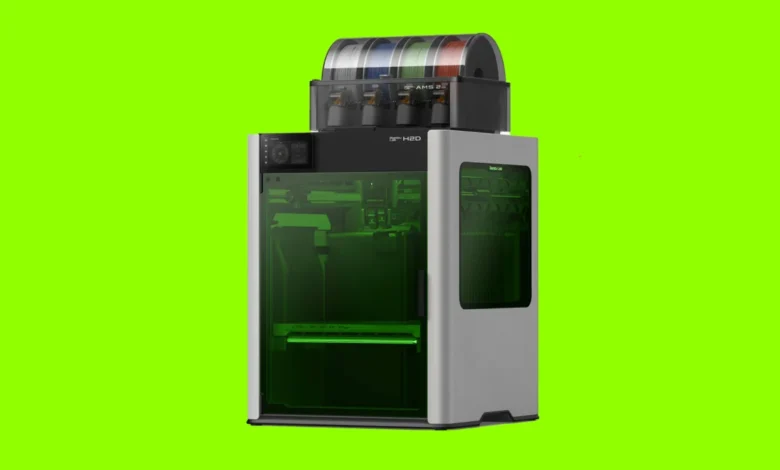
The landscape of consumer-grade additive manufacturing has shifted dramatically over the past three years, and the current early-access Black Friday event hosted by Bambu Lab serves as a clear indicator of the company’s aggressive market strategy. By launching these promotions nearly a month ahead of the traditional post-Thanksgiving retail window, Bambu Lab is positioning itself to capture the attention of hobbyists, professional designers, and educational institutions well before the peak of the holiday shopping season. This year’s sale, which extends through December 1, offers substantial price reductions across the company’s core hardware portfolio, including the flagship A1 series and advanced multi-material systems.
The Evolution of the Black Friday 3D Printing Market
Traditionally, Black Friday served as a clearance mechanism for older hardware, often involving legacy Cartesian-style printers that required significant manual calibration. The market, however, has undergone a paradigm shift toward "plug-and-play" functionality. Bambu Lab, a company that entered the market with the goal of eliminating the "tinkering" barrier associated with 3D printing, has been at the forefront of this trend.
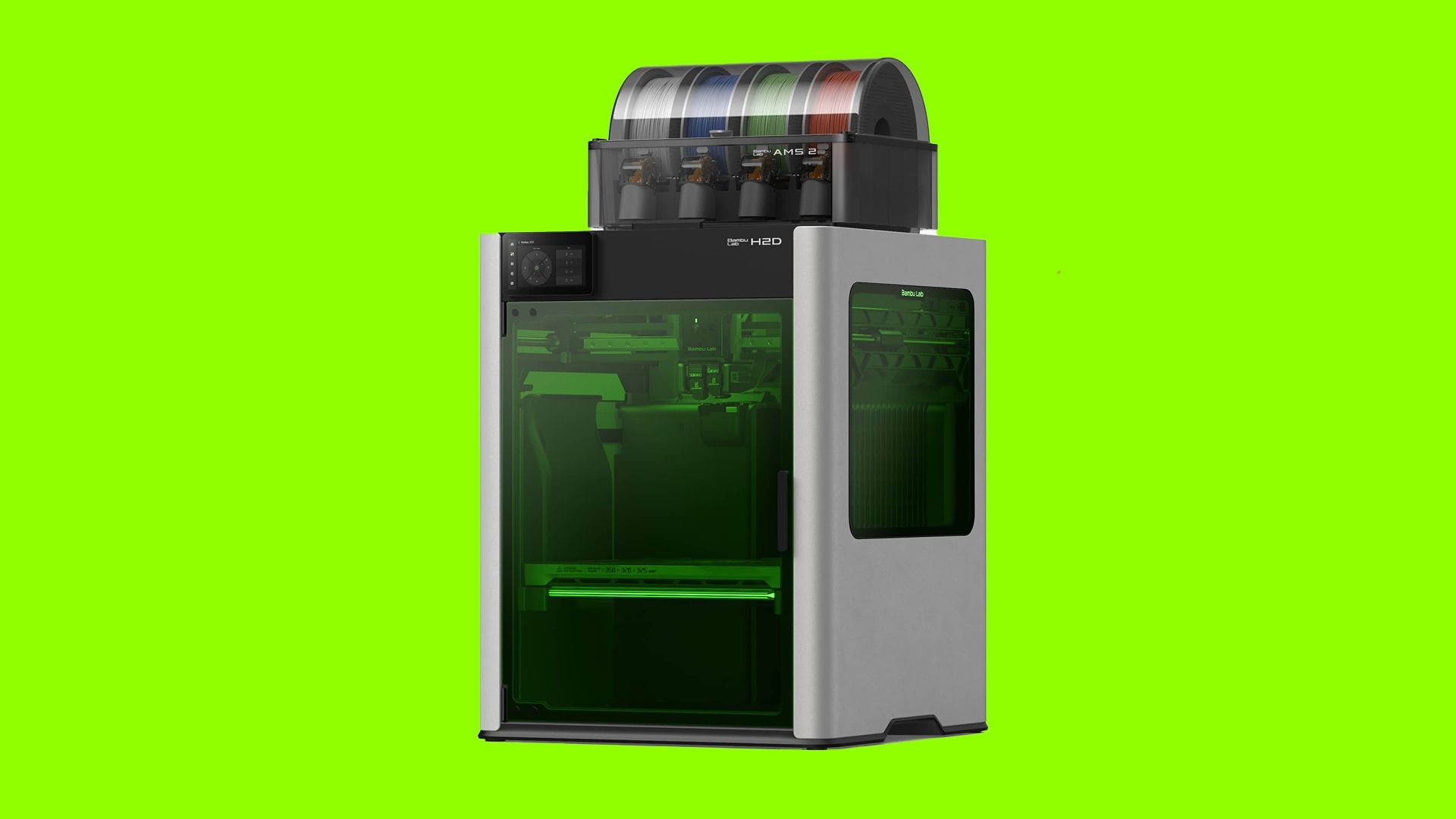
The current promotional cycle reflects a broader industry move toward bundling hardware with proprietary accessories. By offering deep discounts on the H2D AMS (Automatic Material System) Combo, the company is not merely selling a printer; it is selling an ecosystem. This strategy is designed to build brand loyalty, as the AMS units require proprietary filament spools or specific spool sizes, creating a recurring revenue model for the manufacturer while providing the user with a streamlined, multi-color printing experience that was once restricted to industrial-grade machines costing thousands of dollars.
Chronology and Availability of the Sale
Bambu Lab’s decision to initiate these discounts in late October—officially branded as part of their seasonal promotional rollout—aligns with the global shift toward "Black November." Retail data indicates that consumer electronics spending has been increasingly front-loaded, with shoppers seeking to avoid the logistical bottlenecks and shipping delays that historically plague late-December deliveries.
The sale is structured in distinct phases, beginning with early-access pricing and culminating on December 1. This extended window is a tactical choice; it allows potential customers to compare specifications and read reviews during the transition from October to November, effectively removing the pressure of a 24-hour "flash sale" while still maintaining a sense of urgency through the inclusion of limited-stock bundles.
Hardware Analysis: From Entry-Level to Prosumer
The highlight of the current promotion is undoubtedly the reduction on the A1 Mini, which is now available for $199. This price point is significant because it brings high-speed, automated bed-leveling technology into the same budget category as entry-level "DIY" kits that lack the advanced safety and quality-of-life features found in Bambu Lab hardware.
For the professional segment, the discounts on the H2D AMS Combo are particularly noteworthy. The integration of plotting and cutting capabilities alongside 3D printing suggests that the company is aiming to serve the "maker" demographic—users who move between digital design, physical prototyping, and craft-based output. By reducing the price of these complex units by up to $250, Bambu Lab is actively lowering the barrier to entry for users who might have otherwise opted for separate machines for each task.
Supporting Data and Consumer Trends
Recent industry reports on the 3D printing sector suggest that market growth is currently driven by ease of use. Data from the first three quarters of the year shows a strong correlation between "speed-to-print" capabilities and purchase intent. Bambu Lab’s printers are consistently rated highly in industry benchmarks for their "out-of-the-box" performance, a stark contrast to the standard expectation of hours of calibration required by competing brands.
Furthermore, the 35% discount on bulk filament purchases indicates a strategic focus on retention. In the 3D printing industry, the hardware is often a one-time purchase, but filament is a consumable. By incentivizing bulk orders during the holiday season, the company ensures that users are stocked with material throughout the winter months, effectively increasing the "active user" count and fostering a cycle of continuous creation.
Official Stance and Market Impact
While Bambu Lab has not released formal statements regarding the specific profit margins during these sales, the company’s recent press materials emphasize the democratization of technology. The underlying philosophy—that additive manufacturing should be as reliable as a standard 2D paper printer—remains the core of their public messaging.
The impact of this pricing strategy on the broader market cannot be overstated. Competitors in the budget sector, such as Creality and Anycubic, have historically relied on price-slashing to maintain dominance. Bambu Lab’s entry into the lower price brackets forces these incumbents to respond, either by further lowering prices or by accelerating their own R&D cycles to match the feature sets of the newer, faster printers. This competitive pressure ultimately benefits the end-user, who now has access to higher-quality hardware at a fraction of the cost seen in 2020 or 2021.
Implications for Future Design and Prototyping
The accessibility of these machines has significant implications for small businesses and independent designers. With the cost of a high-performance 3D printing setup dropping below the $300 threshold for entry-level models, the barrier for rapid prototyping has virtually evaporated. This allows for faster iterations in product development, from custom mechanical parts to complex visual models.
For educational institutions and makerspaces, the current sale period represents an opportunity to upgrade fleets of printers. The reliability of the Bambu Lab ecosystem, coupled with these reduced prices, makes it feasible for schools to introduce 3D printing into their curricula without the high maintenance overhead that previously discouraged the adoption of the technology in classrooms.
Strategic Recommendations for Prospective Buyers
For those considering a purchase during this period, it is important to distinguish between "need" and "want" regarding the additional accessories. While the printer units themselves are highly capable, the real value of the Bambu Lab ecosystem is realized through the multi-material capabilities of the AMS units.
Buyers should consider the following:
- Workspace Requirements: Ensure there is adequate ventilation, even though these printers are largely enclosed or optimized for safety.
- Material Compatibility: While the sales on filament are extensive, verify that the types of filament purchased are compatible with the specific printer model, as high-temperature materials may require hardened steel nozzles not included in every base kit.
- Firmware and Software: Bambu Lab’s proprietary software (Bambu Studio) is central to the user experience. Prospective users should familiarize themselves with the software environment, as it is a significant part of the value proposition compared to open-source alternatives like Cura or PrusaSlicer.
Conclusion: A Turning Point for the Industry
The current Black Friday event is more than a seasonal sale; it is a barometer for the health and maturity of the consumer 3D printing industry. As hardware becomes more affordable and reliable, the focus shifts toward the software and the ecosystem. Bambu Lab’s aggressive pricing, combined with their focus on high-speed performance and user-friendly features, is setting a new standard for what consumers should expect from the market.
As the sale continues through December 1, consumers have a rare opportunity to invest in technology that is rapidly becoming a staple of the modern home office and small-scale design studio. Whether for professional development, education, or creative hobbyism, the accessibility offered by these discounts ensures that the barrier to entry for high-quality additive manufacturing is lower than ever before. With inventory levels expected to fluctuate as the holiday season nears its peak, those interested in these specific hardware configurations would do well to evaluate their needs and finalize their decisions early, ensuring they can take full advantage of the current promotional window.
Related posts: