Lady White Co Redefines Retail Minimalism with the Expansion of its Silverlake Flagship Store

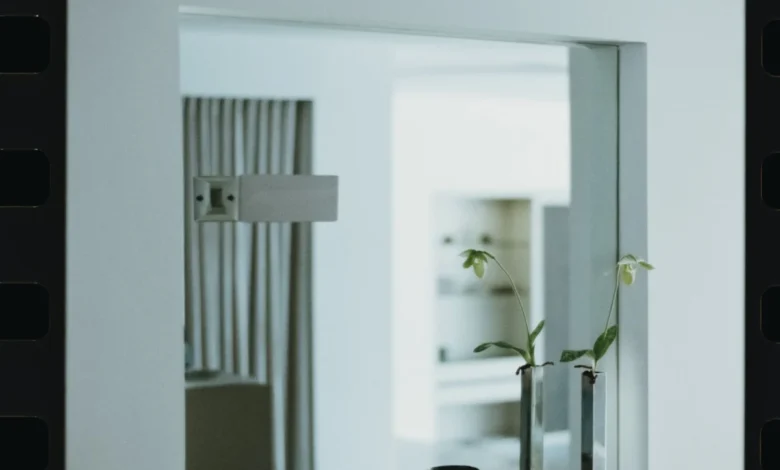
Founded in 2015 by Phillip and Sarah Proyce, the Los Angeles-based fashion label Lady White Co has spent the last decade methodically perfecting the art of the white T-shirt. What began as a singular, focused endeavor to refine a wardrobe staple has since evolved into a comprehensive library of high-quality jersey and sportswear basics. This month, as the brand celebrates its tenth anniversary, it has unveiled a significant expansion of its inaugural retail location, LW-C1, situated in the heart of the Silverlake neighborhood. The renovation, designed in collaboration with the local architecture and interior design studio WOE (Width Over Ears), marks a pivotal moment for the brand, signaling a transition from a niche manufacturing label to a sophisticated, design-conscious retail entity.
A Decade of Manufacturing Precision
Lady White Co’s growth strategy has always been rooted in proximity and control. Since its inception, the brand has maintained a strictly localized production model. Every garment in its collection is manufactured in family-owned factories located within a ten-mile radius of the company’s East Los Angeles design headquarters. By keeping the supply chain hyper-local, the brand ensures consistent quality control and a reduced carbon footprint, an approach that has resonated deeply with a consumer base increasingly concerned with the origins of their clothing.
The label’s philosophy—described by the founders as an “uncommon approach to familiar classics”—has allowed it to thrive in a saturated market by focusing on subtle, high-quality fabrications rather than seasonal trends. The ten-year mark serves not only as a milestone for longevity but as an inflection point for the company’s physical presence. As the business has matured, the founders identified a need for their retail environment to better communicate the technical rigor and aesthetic restraint inherent in their products.
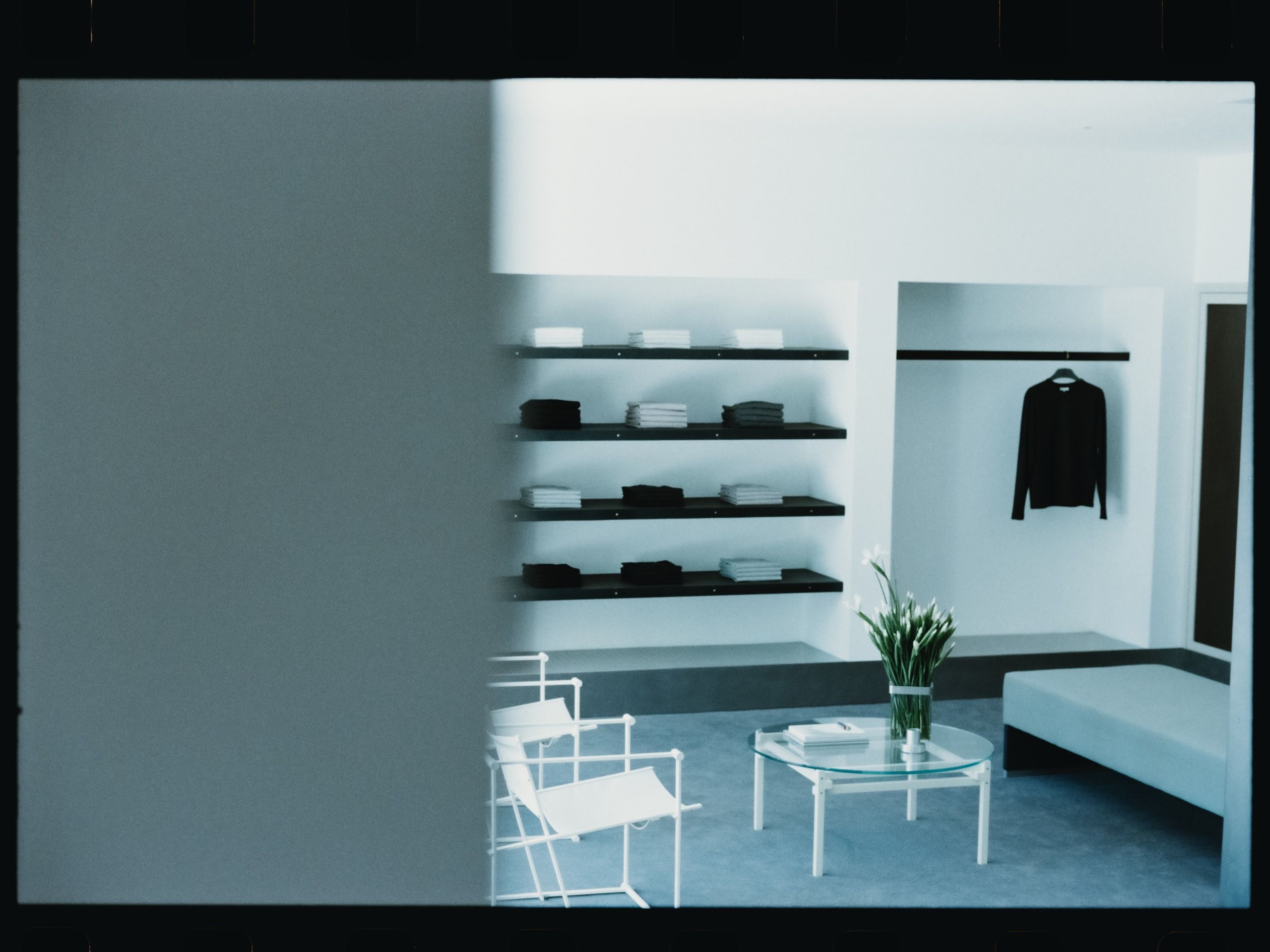
The Evolution of LW-C1: From Garage to Gallery
The original LW-C1 storefront, which occupied a former garage space on Hyperion Avenue, was characterized by its intimacy and functional simplicity. However, as the brand’s product range expanded—incorporating more complex sportswear, knitwear, and trousers—the constraints of the original footprint became apparent. Phillip Proyce and long-time collaborator Taylor Caruso, who joined as co-owner, recognized that the retail experience needed to mirror the "breathing room" found in their design process.
"We needed more space," Proyce explains. "But mainly we felt like the level of detail that we put into our clothes was not being mirrored in our old store build-out. We wanted space for customers to take in the clothes at a slower, more thoughtful pace."
The decision to expand into the entirety of their building—which previously served as both a storefront and a back-of-house office—was a strategic move to create a more immersive, contemplative retail environment. The project required a design partner capable of translating the brand’s utilitarian ethos into a physical space. Enter Nicole Choy and Justin Coates of the Los Angeles-based studio Width Over Ears (WOE).
Architectural Influences and Design Philosophy
The partnership between Lady White Co and WOE was built on a foundation of shared intellectual interests. Choy and Coates, who have long followed the brand’s trajectory, found common ground with the founders in their mutual appreciation for modernist architecture, esoteric textile studies, and the history of fashion photography.
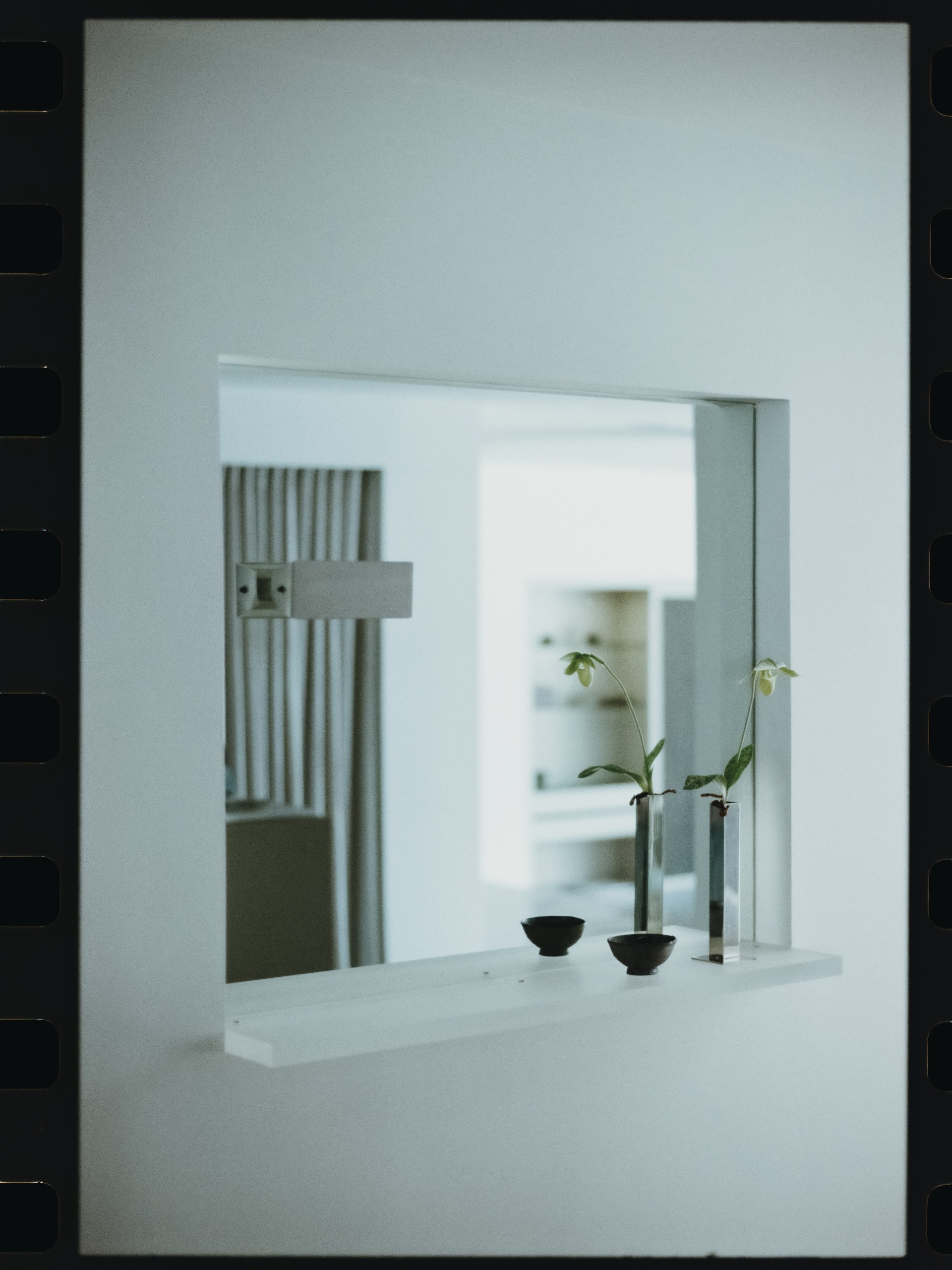
For the renovation of LW-C1, the architects drew inspiration from the masters of midcentury functionalism. The design language references the personal and enduring expressions found in Eileen Gray’s E-1027 villa on the Côte d’Azur and the revolutionary industrial aesthetics of Pierre Chareau’s Maison de Verre in Paris. Furthermore, the interior layout pays homage to the work of Belgian architect Juliaan Lampens, particularly in the way his designs integrate bespoke plywood "closets" into larger, monolithic concrete structures.
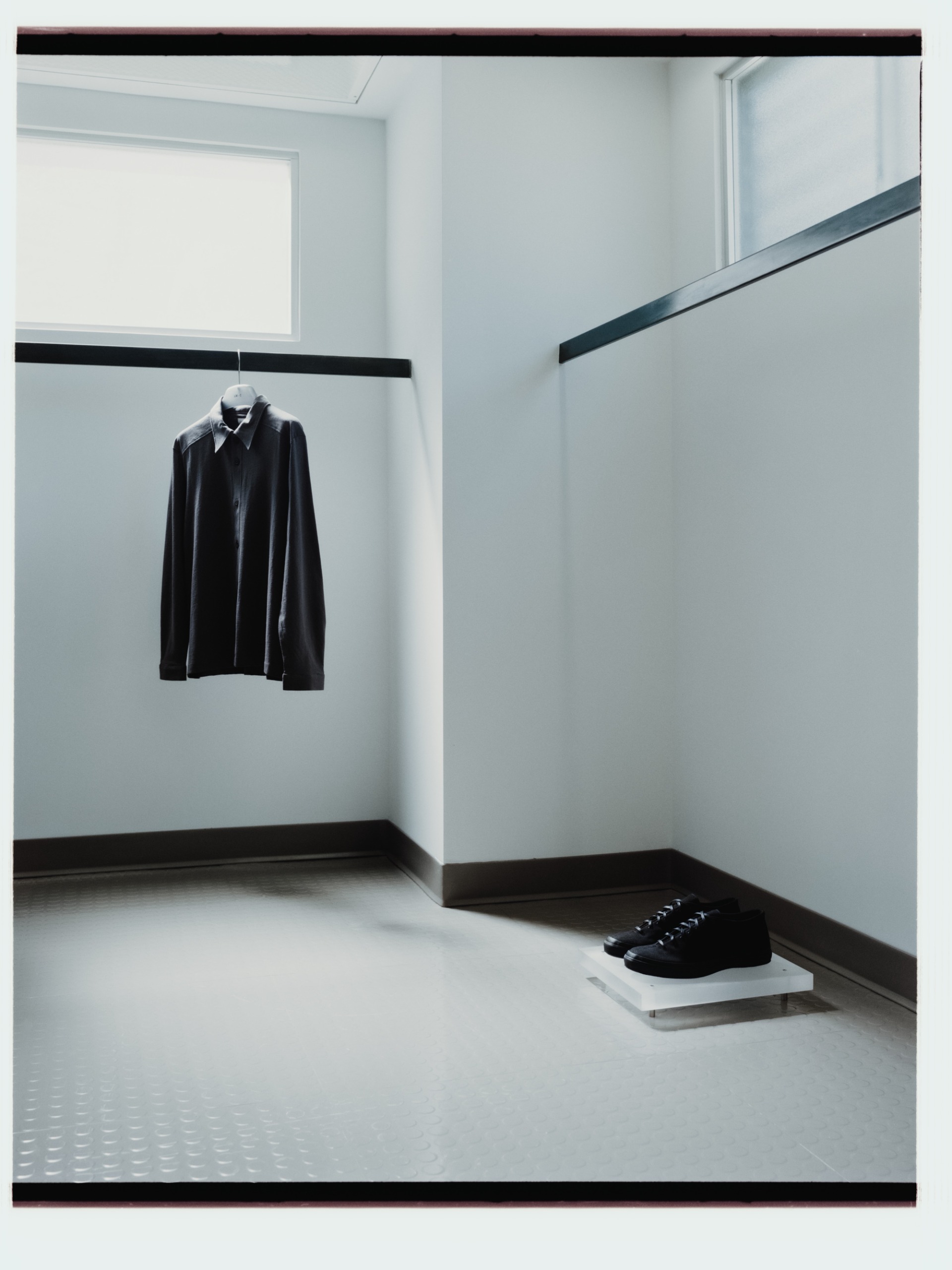
The result is a space that feels at once grounded and intentionally spare. The store features a palette of industrial materials, including studded rubber flooring and aluminum accordion doors, which the design team notes are "commonly used in institutional settings." This choice serves to emphasize the brand’s commitment to "a less precious, more utilitarian sensibility." The storage units and display tables are finished in painted wood rather than natural veneers, a deliberate move to strip away the "luxury" tropes often associated with boutique retail in favor of something more honest and durable.
The Logic of Location: Silverlake’s Modernist Legacy
Silverlake has long served as a critical anchor for Los Angeles’ architectural identity, hosting significant works by Richard Neutra, Rudolph Schindler, and other titans of the modernist movement. For Lady White Co, the decision to remain on Hyperion Avenue was driven by the desire to exist within this specific cultural fabric.
"Within a couple blocks there are several great works by Neutra, Schindler, and others," note Proyce and Caruso. "All that great architecture is the foundation for further creativity in and around the neighborhood."
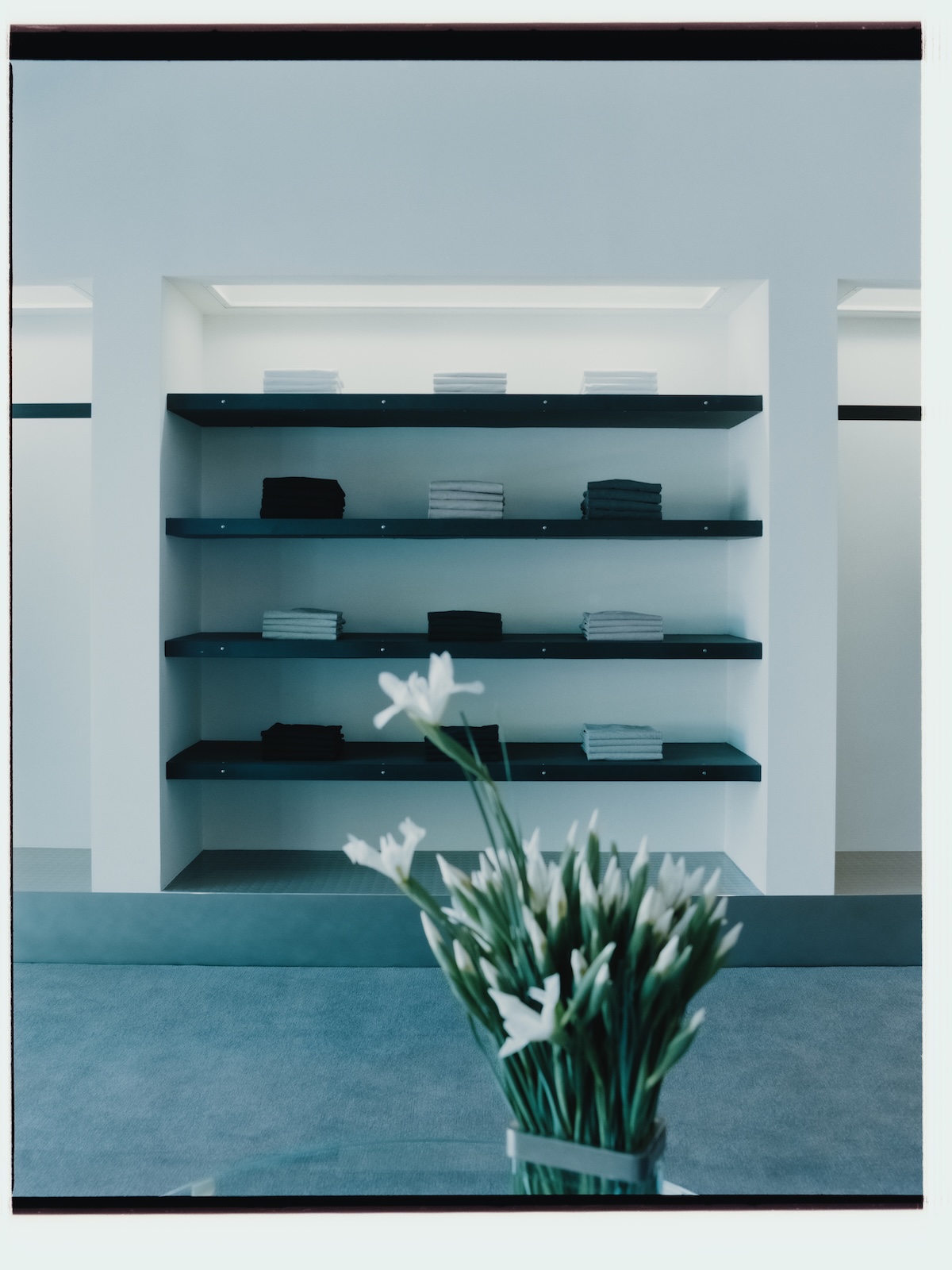
The store’s location on Hyperion—a thoroughfare that balances high-traffic visibility with a neighborhood feel—provides a fitting backdrop for a brand that views itself as a "1950s relic" of sorts, blending seamlessly into the environment. By choosing to renovate their existing space rather than relocating to a high-end commercial district, Lady White Co has reinforced its commitment to community-based development and the preservation of the "real" over the manufactured.
Industry Implications and Market Positioning
The expansion of LW-C1 is indicative of a broader trend among direct-to-consumer (DTC) fashion brands. After years of digital-first growth, many labels are now investing in physical flagships that act as brand embassies. However, unlike traditional luxury flagships that focus on opulence and high-touch service, brands like Lady White Co are opting for "anti-retail" environments.
The implication here is a shift in consumer behavior: shoppers are increasingly seeking spaces that feel like galleries or archives rather than traditional points of sale. By utilizing "municipal-looking" aesthetics—spaces that evoke waiting rooms, libraries, or educational facilities—the brand is signaling that its products are tools for living, rather than mere status symbols.
Data from the retail sector suggests that brands that prioritize a consistent, authentic brand narrative in their physical locations see higher customer retention rates and stronger brand affinity. For Lady White Co, this move serves to solidify its status as a "cult" brand—one that is defined by its refusal to participate in the "preciousness" of the broader fashion industry.
Future Outlook
As Lady White Co enters its second decade, the focus remains on incremental, thoughtful growth. The successful scaling of the Silverlake store serves as a template for future developments, including the continued success of their second location, LW-C2, which opened in the Arts District in 2021.
The brand’s ability to maintain its "uncommon approach" while scaling its retail footprint speaks to the strength of its founding vision. By focusing on the intersection of utility and beauty, and by rooting its identity in the specific architectural and cultural landscape of Los Angeles, Lady White Co has successfully navigated the transition from a niche T-shirt maker to a defining voice in contemporary American basics.
The new LW-C1, with its disciplined palette and focus on architectural integrity, is more than just a store; it is a manifestation of the brand’s last ten years of work. It is a space that suggests that while the clothing may be "simple," the thought behind it is anything but. As the company continues to refine its offerings, the store will likely remain a pilgrimage site for those who value the "real" in an increasingly filtered world.
Chronology of Brand Development
- 2015: Lady White Co is founded by Phillip and Sarah Proyce with an initial focus on perfecting the white T-shirt.
- 2015-2018: The brand expands its range to include jersey basics and develops its localized, ten-mile radius production model in East Los Angeles.
- 2019: The brand establishes its first retail presence, LW-C1, in a garage space in Silverlake.
- 2021: Expansion into the Arts District with the launch of the second retail location, LW-C2.
- 2024: Celebration of the tenth anniversary; announcement and completion of the renovated and expanded LW-C1 flagship store designed by WOE.
Official Statements and Synthesis
In conversations regarding the new design, the founders and the architects emphasized a shared vocabulary. Proyce and Caruso expressed a "very odd love for municipal-looking spaces," noting that they intentionally sought out a firm like WOE to avoid a "regurgitated" retail aesthetic. "We didn’t want someone to regurgitate our look and vice versa," they stated. "It is not easy to make something look ‘real’ these days, but WOE achieves that."
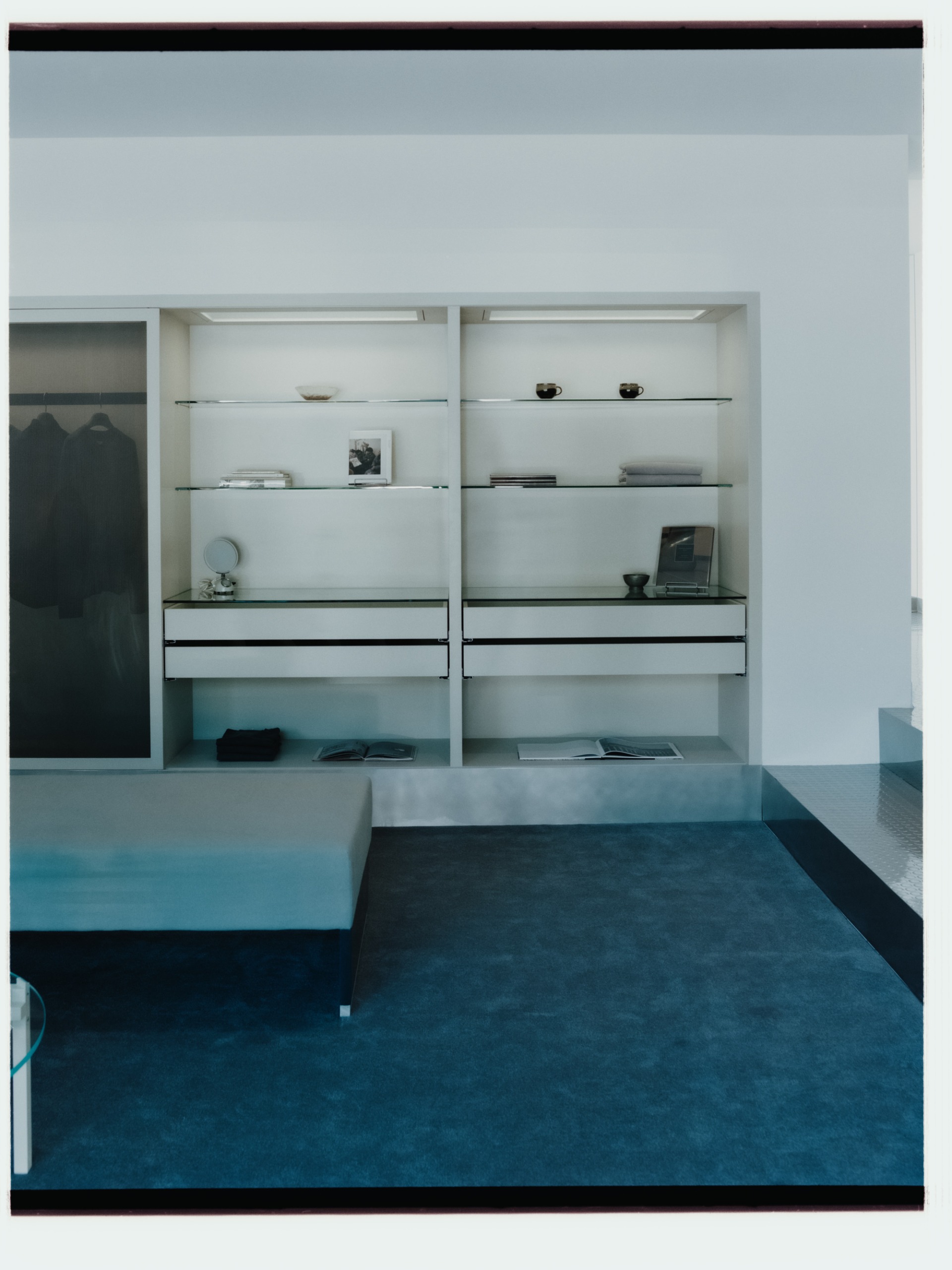
For Choy and Coates, the project was an exercise in restraint. Their goal was to ensure the architecture functioned as a silent partner to the clothing. "The design is meant to complement the qualities of the brand: subtle but sharp, distinct but familiar, utilitarian but beautiful."
This synthesis of vision—where the retail space functions as a physical extension of the brand’s core values—marks Lady White Co as a company to watch in the coming decade. In a market often driven by speed and high-turnover trends, the label’s commitment to "normality," "pragmatism," and "enduring expressions" stands as a notable departure, offering a blueprint for how a brand can grow without losing its essential character.
The renovated LW-C1 is now open to the public at 2431 Hyperion Ave, standing as a testament to the idea that in fashion, as in architecture, the most enduring designs are often those that require the most careful, quiet, and deliberate consideration.