The Evolution of 2D Artistry in Modern Game Development: An In-Depth Look at SFB Games and the Detective Grimoire Series

The narrative of video game history is frequently distilled into a teleological march toward technical realism, a transition from the rudimentary 2D sprites of the 1980s to the high-fidelity 3D rendering engines that dominate the contemporary landscape. However, this perspective often overlooks the sophisticated maturation of 2D art, which has evolved not merely through technological necessity, but through the refined creative sensibilities of artists like Adam Vian. Alongside his brother Tom, Vian has navigated two decades of industry shifts, transitioning from the rapid-fire production cycle of Adobe Flash browser games to the development of the critically acclaimed Detective Grimoire series. As the studio prepares for the release of the franchise’s fourth installment, The Mermaid Mask, the trajectory of SFB Games serves as a compelling case study on how independent developers leverage evolving artistic influences to maintain relevance in a competitive market.
The Origins of SFB Games and the Flash Era
The story of SFB Games began in the early 2000s, rooted in the experimental ecosystem of Newgrounds, a platform that functioned as a vital proving ground for aspiring developers. For the Vian brothers, this period was defined by the accessibility of Adobe Flash. During this formative era, the lack of robust copyright enforcement allowed young creators to iterate rapidly, building games that frequently featured existing intellectual properties or popular music.
The Vian brothers’ early output was characterized by high-volume development. Their first significant project, Kirby’s Star Scramble, capitalized on the ease of animating the titular character, providing an entry point into game mechanics and audience feedback loops. In retrospect, Adam Vian describes the Flash era as an "accelerant" for their professional development. The ability to upload a game and receive near-instant user feedback allowed the duo to exhaust their "bad ideas" early in their careers. Statistically, the rapid iteration of the browser-game market served as a filter; for the Vians, it was a process of burning through a hundred sub-par prototypes to reach a higher standard of design and mechanical cohesion.
The Detective Grimoire Franchise: A Chronology of Aesthetic Evolution
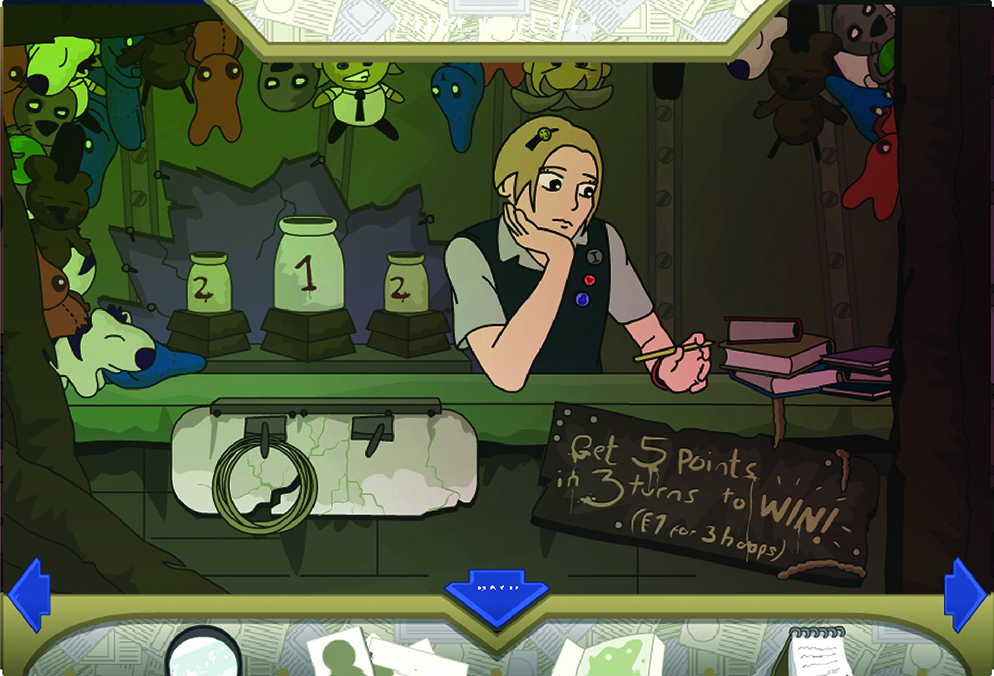
The Detective Grimoire series emerged during this prolific period, heavily influenced by the point-and-click adventure genre. The brothers drew inspiration from classic titles such as Monkey Island and Indiana Jones and the Fate of Atlantis, but it was Capcom’s Ace Attorney series that provided the blueprint for the Grimoire franchise. The appeal of the Ace Attorney formula—a game centered on dialogue, character interaction, and puzzle-solving—offered a low-friction, high-engagement model that aligned with the brothers’ developing creative goals.
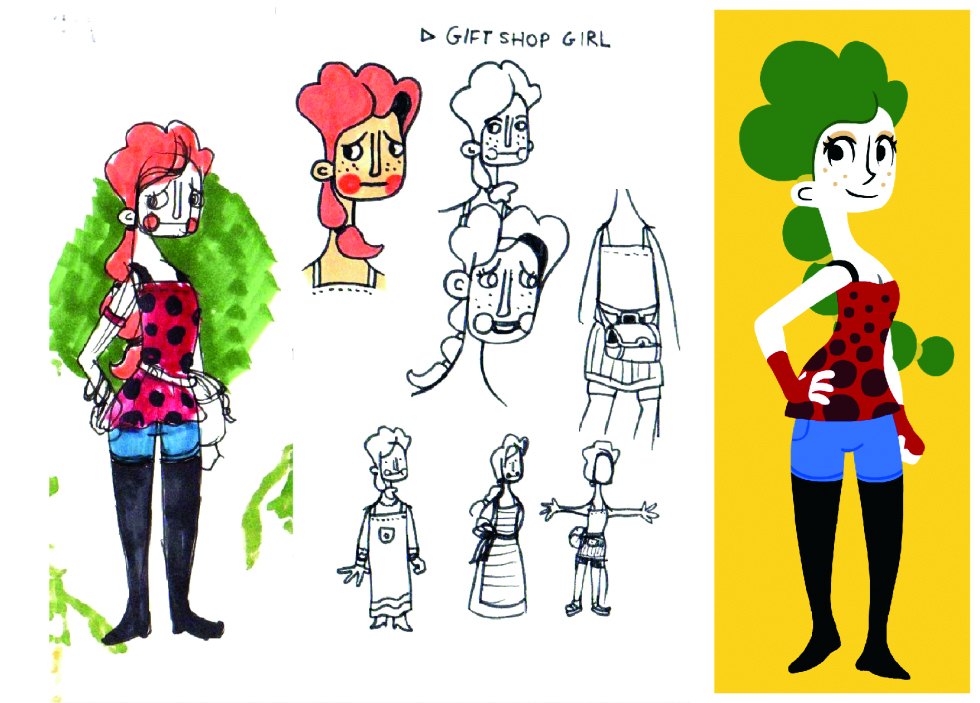
When the original Detective Grimoire launched, Adam Vian was seventeen, drawing from a "default" cartoon aesthetic. However, the subsequent years spent at the University for the Creative Arts provided a more formal artistic foundation. This period marked a transition from derivative character designs to a more intentional, stylized approach. The introduction of artist Catherine Unger to the team proved to be a pivotal moment for the studio. Unger’s integration into the pre-production process shifted the development workflow from a solo endeavor to a collaborative, iterative dialogue.
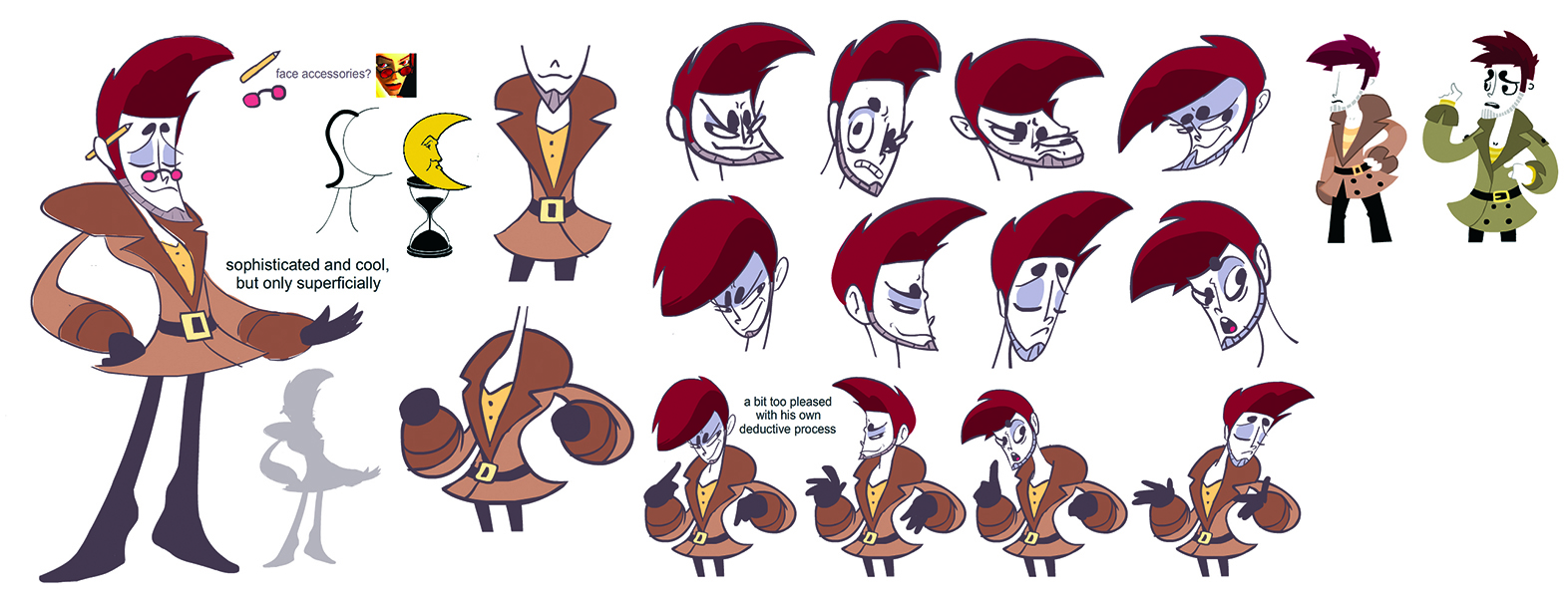
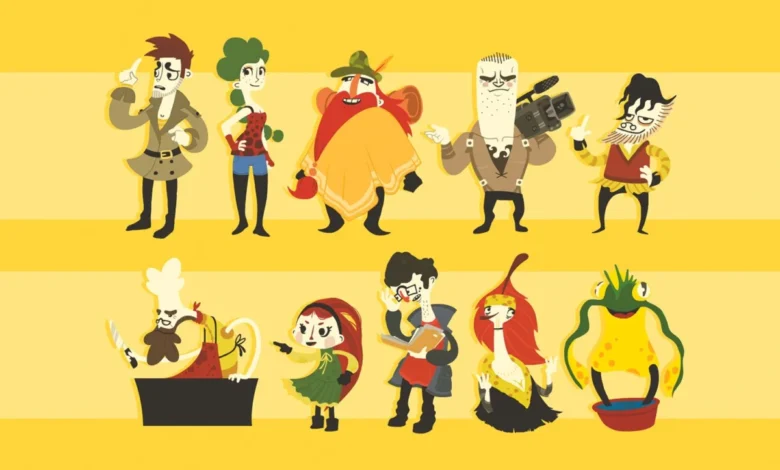
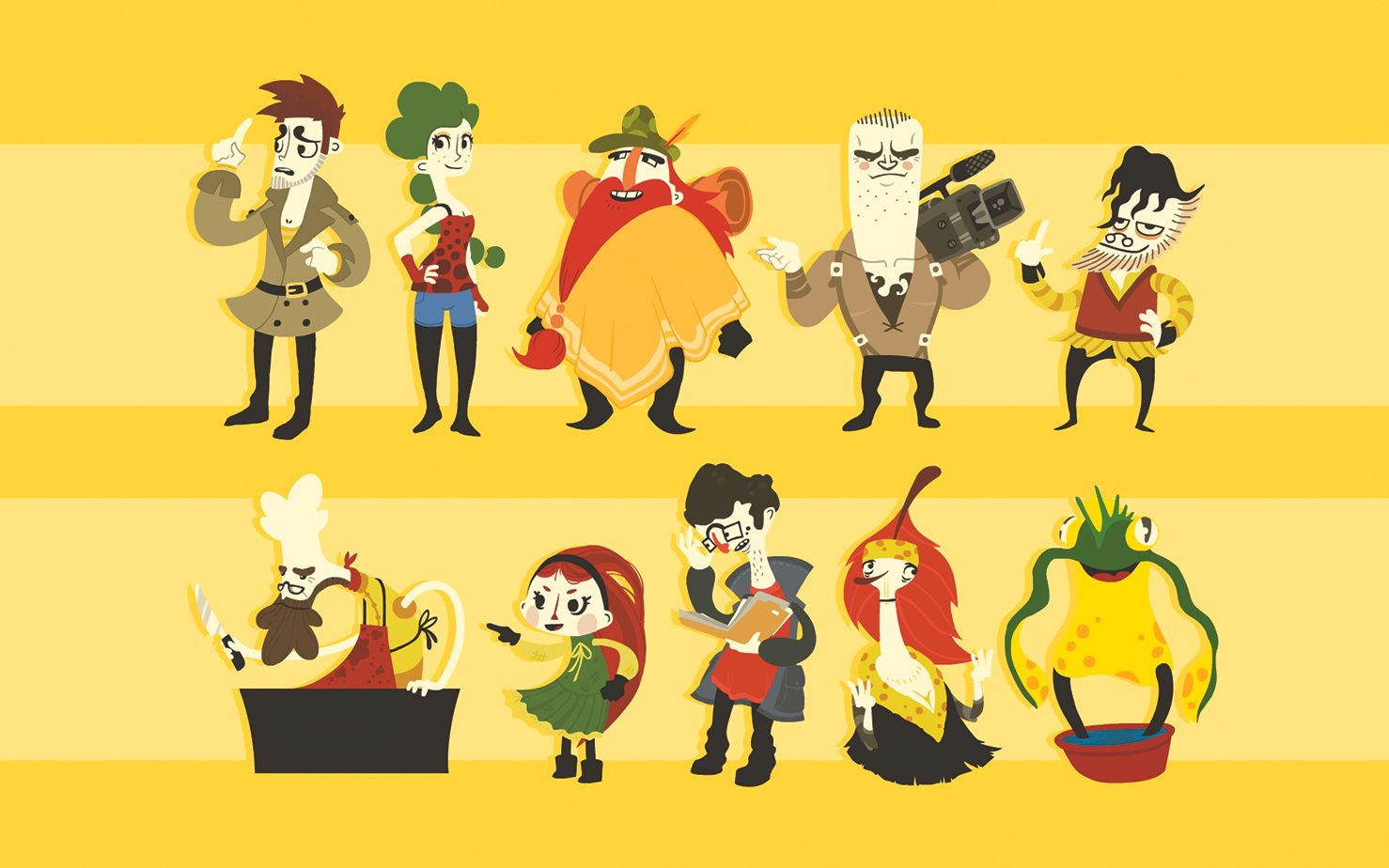
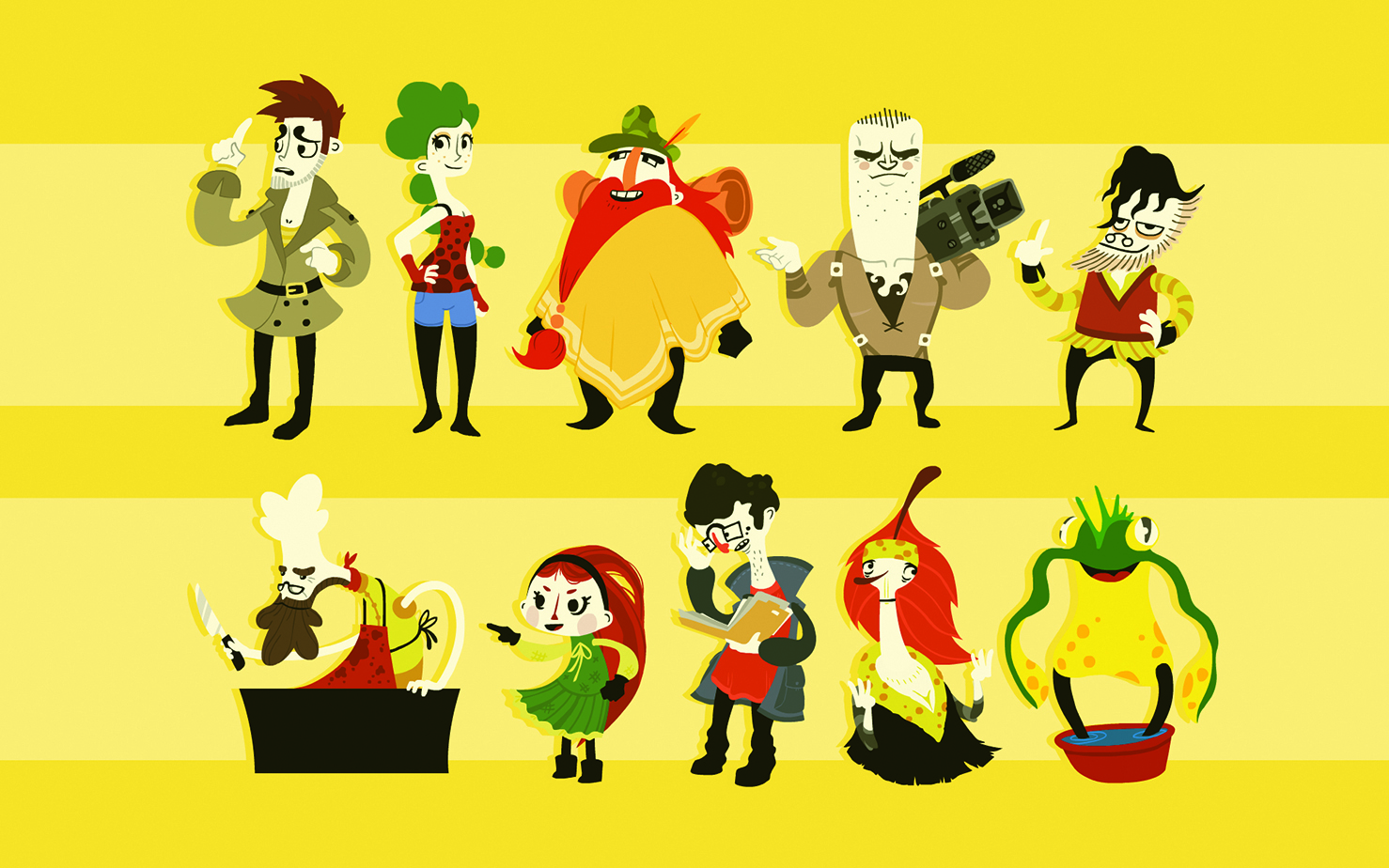
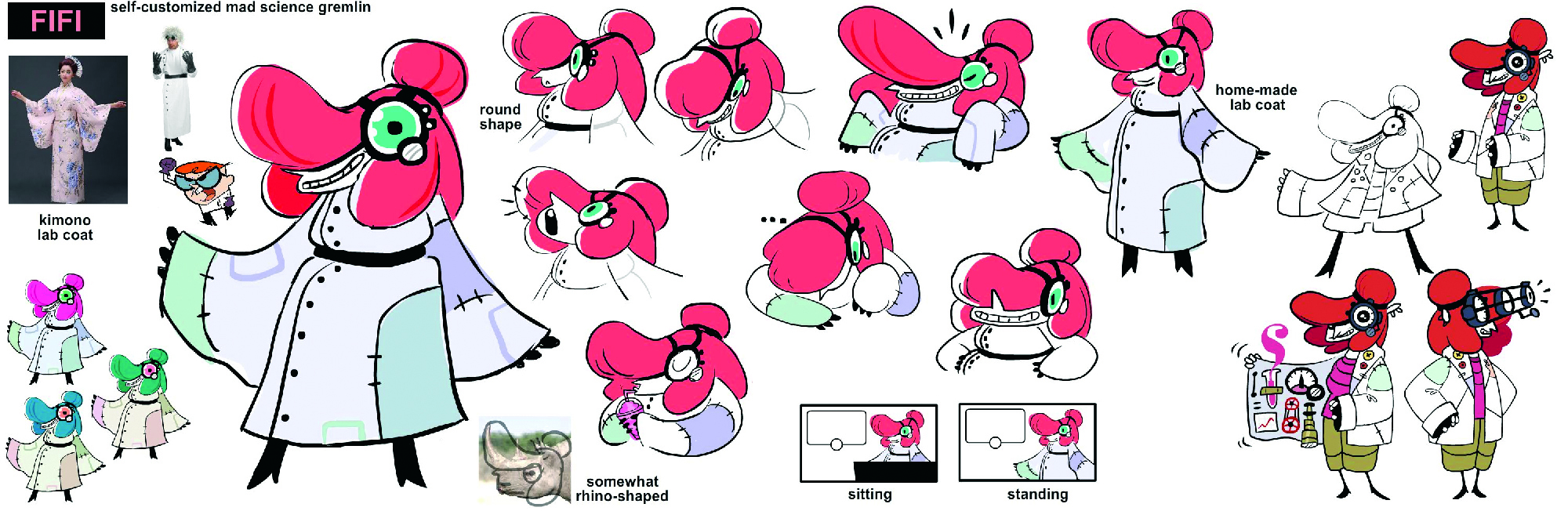
This evolution is evident in the visual shifts across the series. In the transition to Secret of the Swamp, the characters adopted a stark, high-contrast aesthetic characterized by pure white skin. Vian notes that this was a deliberate choice to ensure character visibility against complex backdrops, drawing influence from Richard Williams’ unfinished animation masterpiece, The Thief and the Cobbler, and the sharp, shape-driven philosophy of Genndy Tartakovsky. The underlying mantra was simple: good character design is defined by strong silhouettes. This philosophy allowed the studio to create memorable, distinct characters—tall, thin, or blobby—that communicated personality through geometry rather than texture.
By the time Tangle Tower was released, the team had further refined their visual language. The harsh edges of previous iterations were softened, replaced by a more fluid, colorful, and "blobby" aesthetic that felt more cohesive and modern. The upcoming release, The Mermaid Mask, represents a milestone for the studio; it is the first time the team has opted to retain their existing art style, engine, and character animations rather than rebuilding from scratch. This consistency signals a brand maturity that allows the team to focus on narrative expansion rather than technical reinvention.
Collaborative Workflows and Pre-Production Rigor
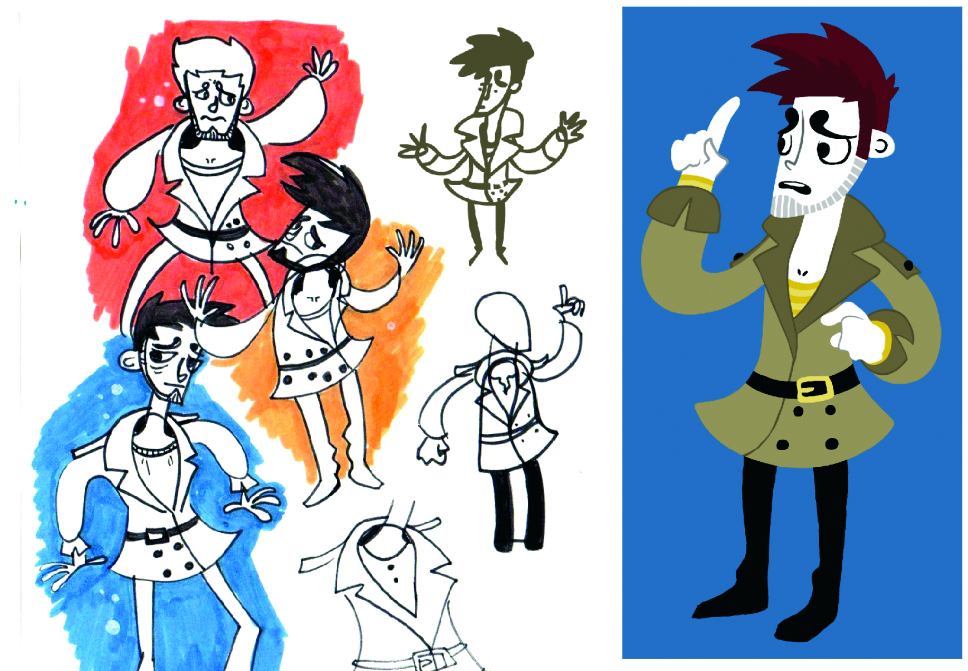
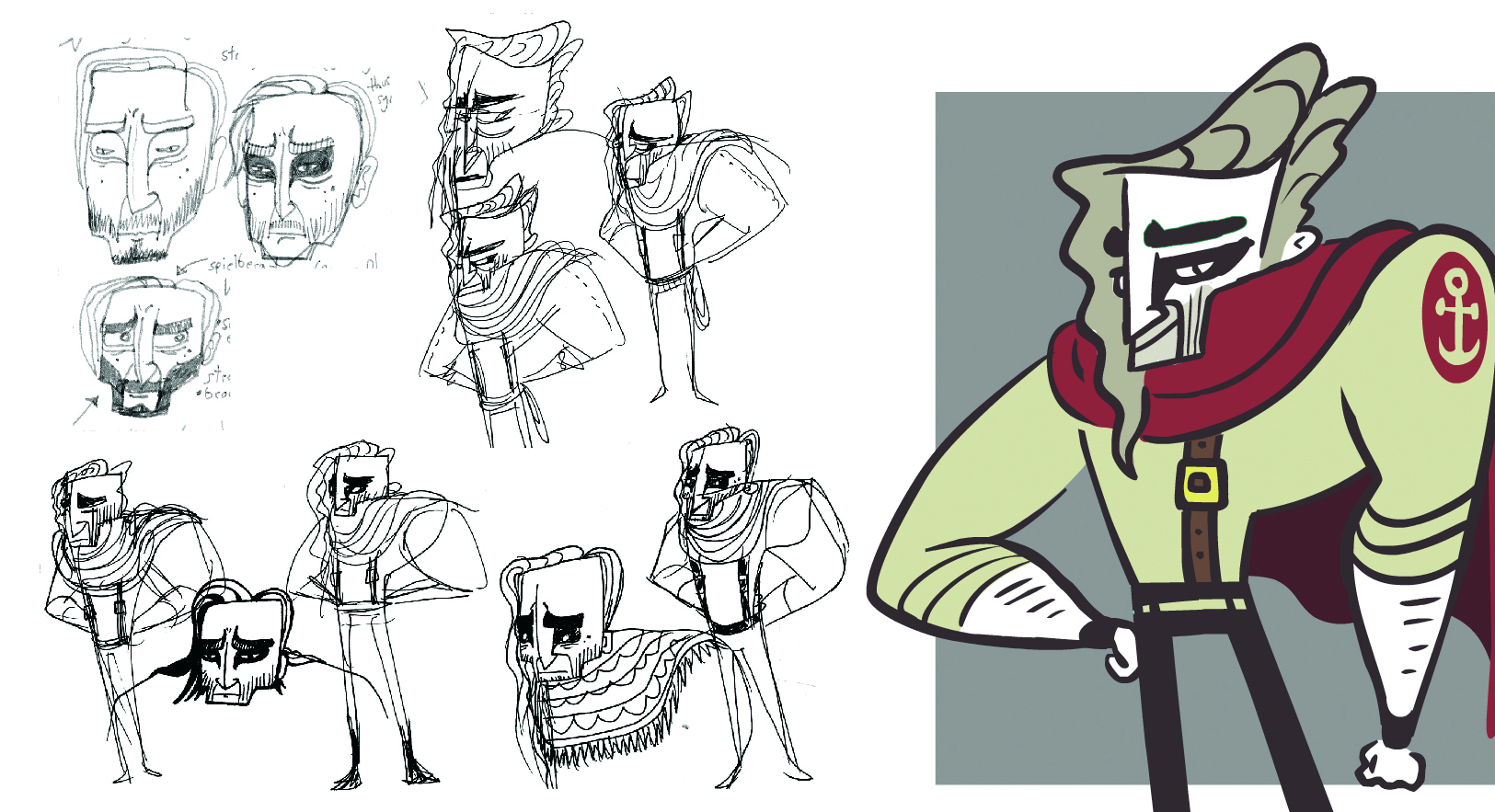
The success of SFB Games’ recent titles is heavily predicated on an extensive pre-production phase. Unlike many indie studios that move quickly into implementation, SFB Games prioritizes design iteration. The process is collaborative and often unorthodox: for The Mermaid Mask, Vian and Unger would independently sketch character concepts, withholding their work from each other to ensure that their creative output remained untainted by the other’s biases.
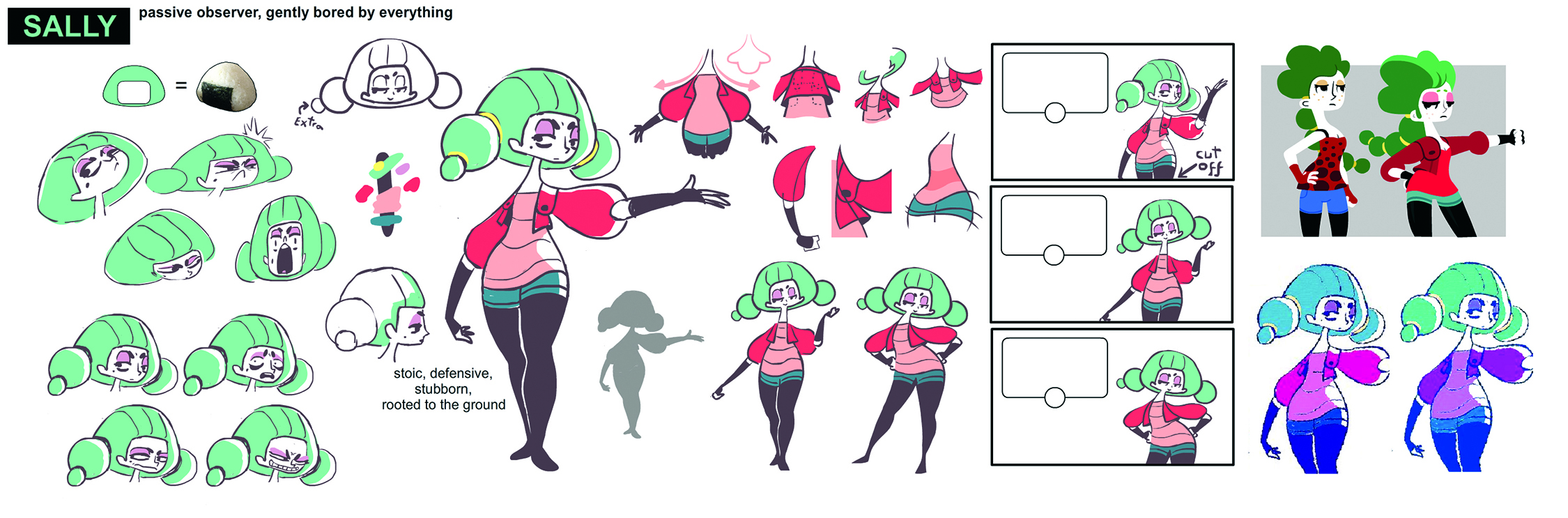
Once these initial sketches were compared, the team would synthesize the best elements of each approach. This back-and-forth, coupled with the input of lead animator Charlotte Harris, ensures that characters are designed not just for static imagery but for fluid motion and emotional range. The depth of this process is necessary because of the nature of the games; as a mystery-driven series, the player spends extended periods interacting with the same cast. The character models must be sufficiently "complete" to sustain this prolonged focus.
Integrating 3D Elements into a 2D World
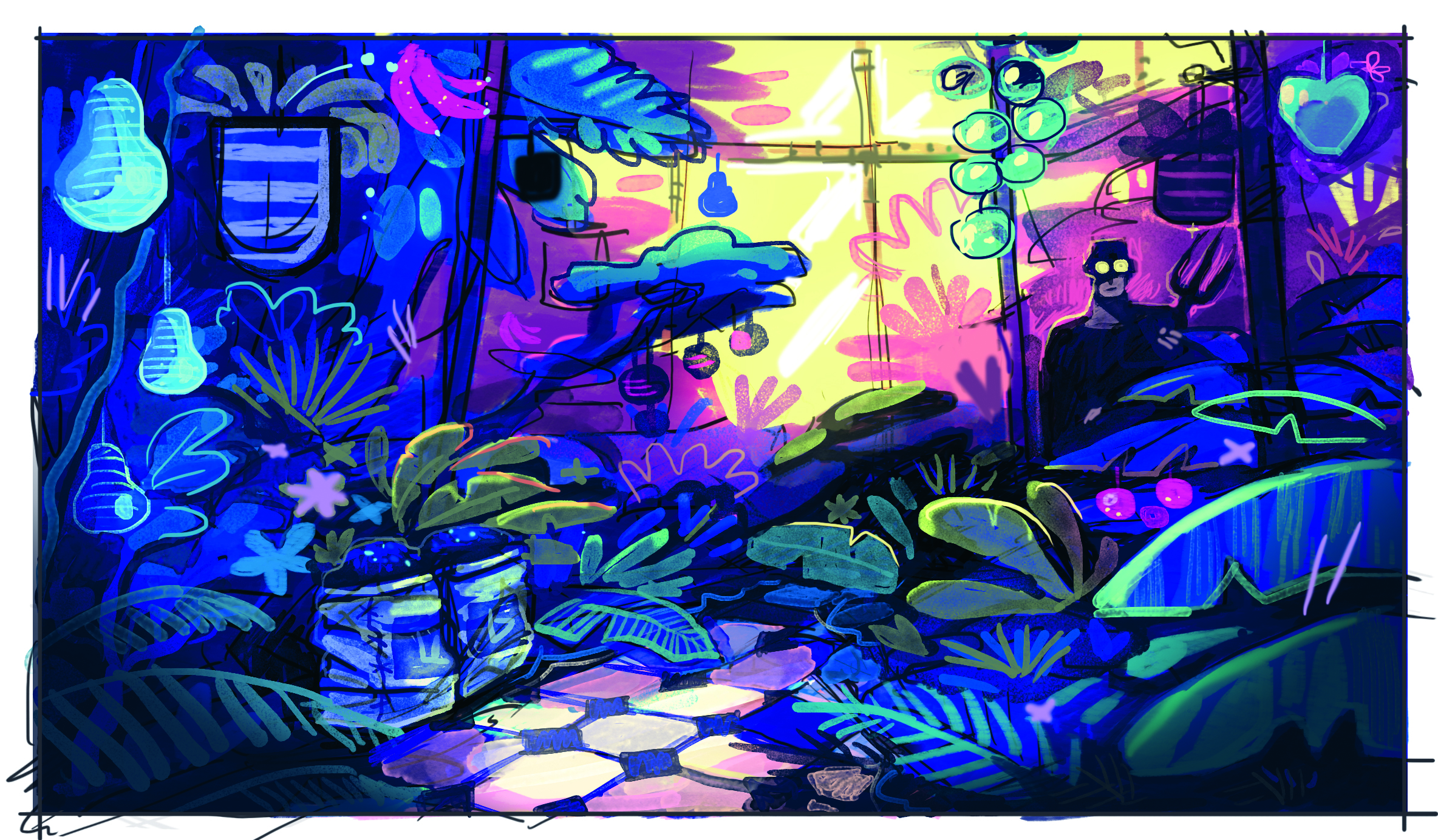
A central challenge for The Mermaid Mask was the integration of 3D objects into a traditional 2D, hand-drawn environment. The studio found inspiration in the work of fans who had successfully translated Unger’s 2D painting style into 3D models. Recognizing that the game’s "clue-gathering" mechanic felt static in previous entries, the team sought a way to make these objects interactive.
The solution involved hiring 3D artist Kindra Dantone, who worked closely with Unger to ensure that the 3D models mimicked the brushstrokes and textures of the 2D art. To bridge the gap, Tom Vian implemented custom shader technology that generates a dynamic, colored outline around the 3D models, complete with a "wobble" effect that simulates a human brushstroke. This technical bridge allows for interactive gameplay—such as opening books or inspecting items from multiple angles—without shattering the series’ consistent hand-drawn aesthetic. The addition of these interactive elements marks a significant pivot toward a more tactile, "hands-on" experience, moving the series closer to a fully interactive game than a passive visual novel.
Industry Implications for Independent Developers
The arc of SFB Games provides a roadmap for independent developers operating in the current market. By emphasizing the "finish-first" mentality, the studio highlights a common pitfall in game development: the tendency for early-career developers to attempt massive, scope-heavy projects—such as open-world RPGs—before they possess the technical or creative experience to execute them.
The studio’s success underscores the importance of the itch.io model and modern game engines like Unity, which allow for the browser-based deployment of smaller, manageable projects. The data-backed reality of the industry suggests that finishing a small, polished project is far more beneficial for professional development than stalling on an overly ambitious "magnum opus." The transition from the chaotic, copyright-free days of the early 2000s to a professional studio collaborating with industry giants like Nintendo and Apple highlights the viability of a long-term, iterative approach to creative work.
The Broader Context of Artistic Persistence
The Detective Grimoire series is a testament to the idea that 2D art is not a vestige of the past, but a medium that, when treated with the same rigorous design principles as 3D, remains powerful and immersive. The series’ longevity is a result of its willingness to change: from the derivative character work of a teenager to the polished, shape-driven, and interactive environments of today. As the industry continues to chase photorealism, the success of studios like SFB Games demonstrates that there is significant, enduring value in the stylized, hand-drawn aesthetic.
For the aspiring artist, the lesson is clear: technical advancement is a tool, not the goal. The true evolution of a game designer lies in the refinement of their aesthetic voice and the creation of a workflow that fosters, rather than suppresses, the collaborative exchange of ideas. With The Mermaid Mask, SFB Games continues to push the boundaries of what a 2D-focused studio can achieve, proving that the most compelling mysteries are often found in the deliberate, thoughtful, and highly detailed work of those who refuse to stop refining their craft.