The Sharge Flow Mini 2 power bank offers a compact charging solution for modern mobile users as retail prices drop to under 25 dollars.

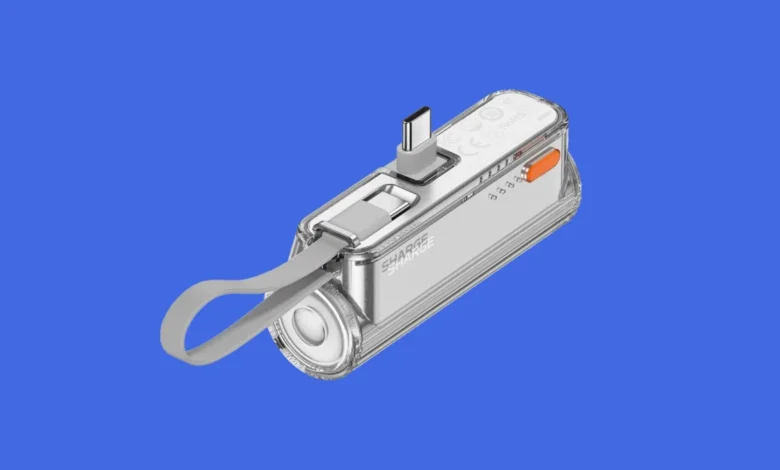
The portable power bank market has undergone a significant transformation over the last decade, shifting from bulky, high-capacity bricks to slim, pocket-friendly devices designed for daily utility. As smartphone battery technology has struggled to keep pace with the power demands of high-refresh-rate displays, 5G connectivity, and intensive background processing, the need for portable, reliable charging has become a cornerstone of the consumer electronics industry. The recent price adjustment for the Sharge Flow Mini 2, which has seen its retail cost decline from 29 dollars to 22.90 dollars on major e-commerce platforms, highlights a broader trend toward aggressive competition in the entry-level accessories market.
Evolution of Portable Charging Technology
The chronology of mobile power solutions began with heavy, lead-acid-based designs that were relegated to emergency use. By the mid-2010s, lithium-ion advancements allowed for the proliferation of "power banks" that could fit into a briefcase. However, the current iteration—represented by devices like the Sharge Flow Mini 2—focuses on the "Everyday Carry" (EDC) philosophy.
This specific device, which gained notable market attention upon its release in late 2023, represents a departure from the "more is better" philosophy. Instead of prioritizing massive 20,000mAh or 30,000mAh capacities, which often come at the expense of weight and bulk, manufacturers are pivoting toward 5,000mAh units that prioritize form factor and integrated connectivity. This shift is a direct response to consumer feedback data indicating that the majority of users require only a "top-up" to get through a workday, rather than a full multi-day charge.
Technical Specifications and Design Architecture
At the core of the Sharge Flow Mini 2 is a 5,000mAh lithium-polymer cell configuration. While this capacity is modest compared to professional-grade power stations, it is optimized for rapid energy delivery. The device features a maximum output of 22.5W, which adheres to modern Power Delivery (PD) standards, ensuring compatibility with the fast-charging protocols of most contemporary smartphones, including Apple’s iPhone 15 and 16 series and various Android flagships.
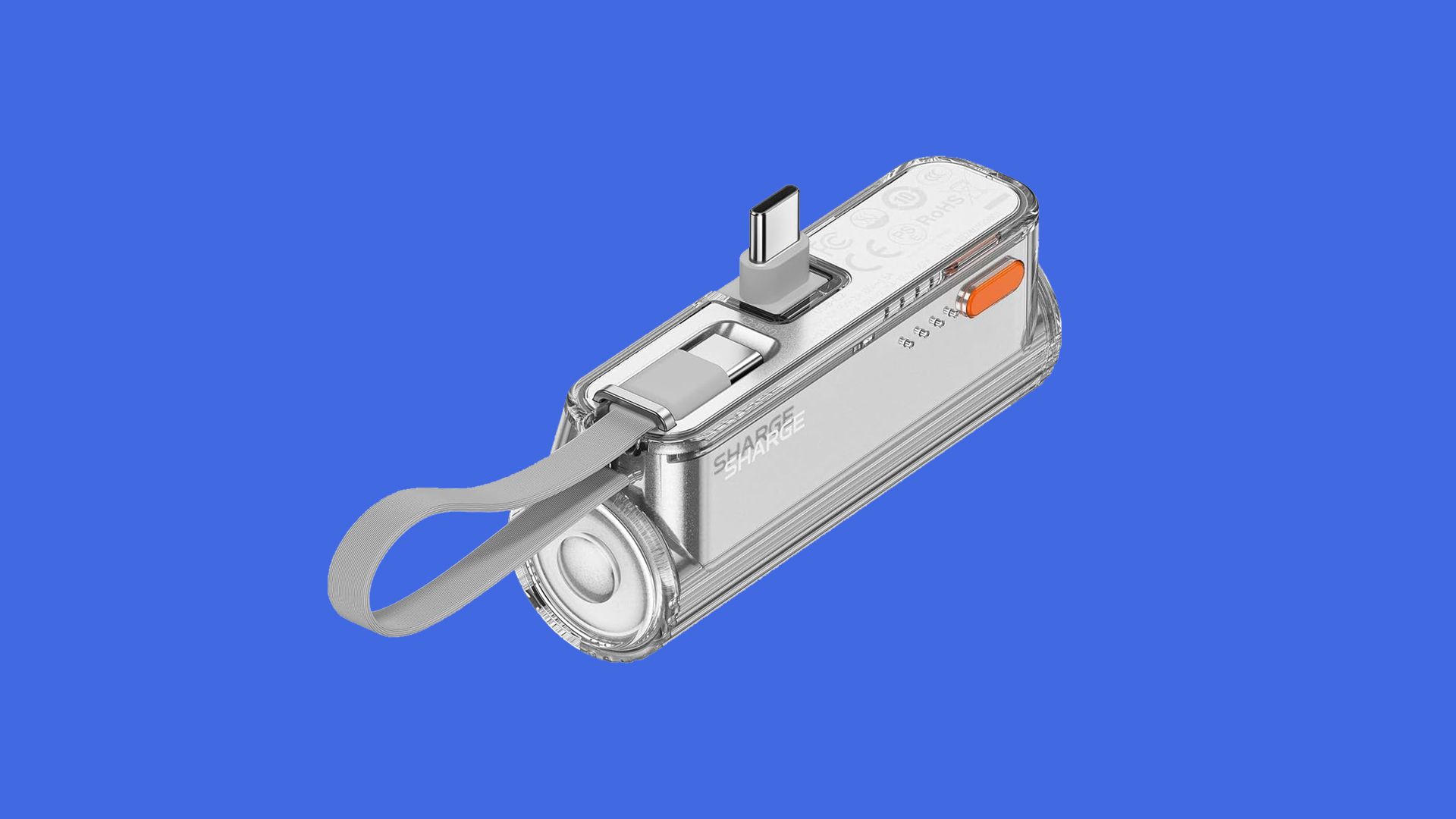
The most distinctive feature of the unit is its integrated cabling system. By incorporating a built-in USB-C cable that utilizes swappable connectors, the device eliminates the common consumer frustration of carrying disparate charging cables. This "all-in-one" design approach reflects a wider industry trend toward modularity and cable reduction, as seen in the broader adoption of USB-C across global markets, driven in part by regulatory pressures in the European Union.
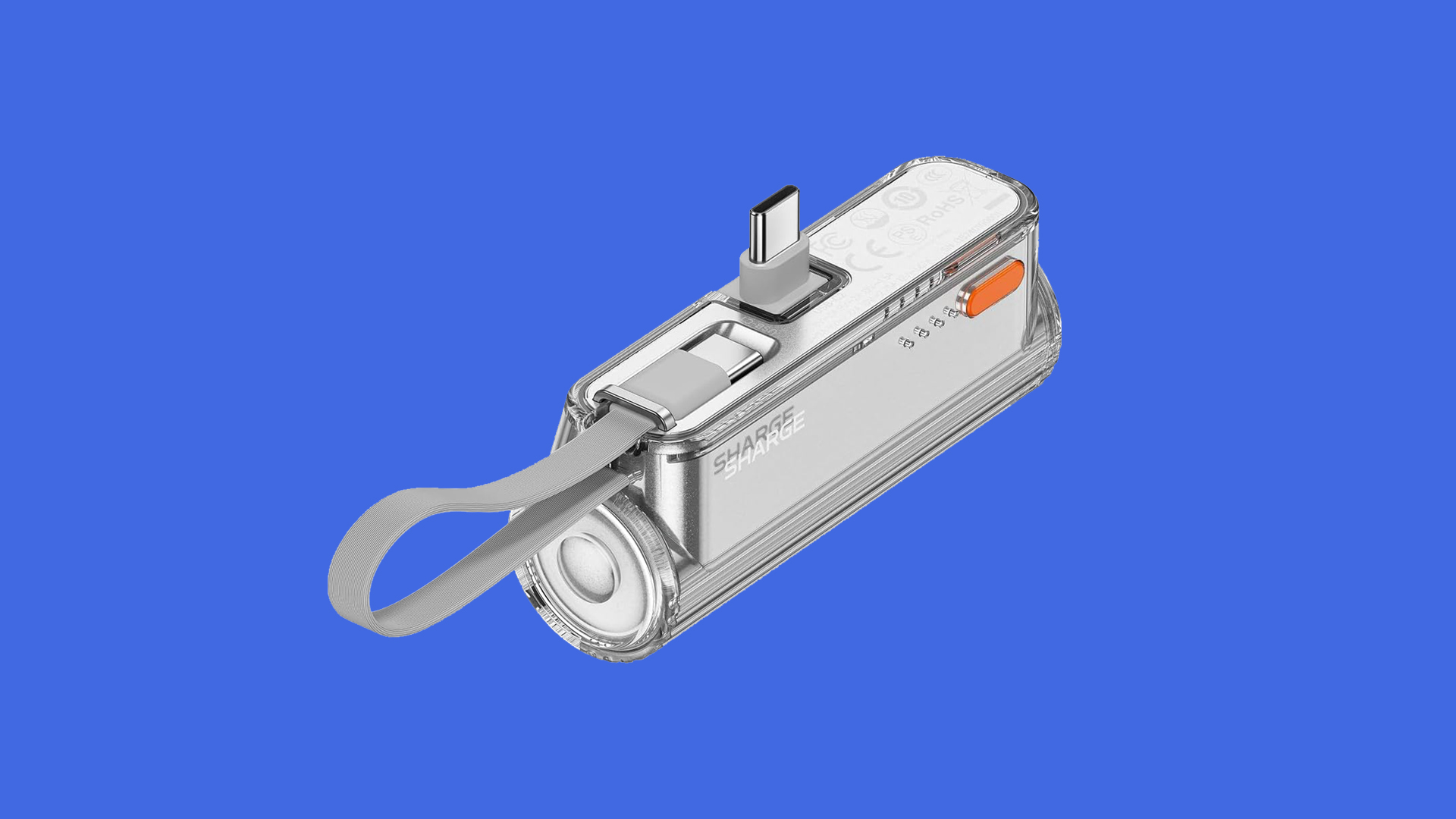
From a design perspective, the unit utilizes a metallic trim and a high-visibility orange accent, which serves as a departure from the utilitarian, all-black aesthetic that has dominated the category for years. This design choice is often attributed to the "gamification" of consumer tech, where peripheral devices are marketed as lifestyle accessories rather than mere functional tools.
Comparative Market Analysis
When evaluating the Sharge Flow Mini 2 against its competitors, analysts look at the price-to-performance ratio. For instance, the Anker MagGo 5K, a popular alternative, is often priced at approximately 55 dollars. While the Anker unit offers magnetic attachment capabilities, it commands a price point more than double that of the Sharge device. Conversely, the Anker Prime 20K represents the other end of the spectrum, offering 20,000mAh of capacity at an 89-dollar price point.
The trade-off is clear: users opting for the Sharge device accept a limited capacity—typically enough for one full recharge of a standard smartphone—in exchange for extreme portability and a lower barrier to entry. The 22.5W output is sufficient for most mobile devices, but it falls short for users attempting to charge modern laptops, which typically require 45W to 100W of power delivery. Therefore, the Sharge Flow Mini 2 is positioned not as a universal power solution, but as a specialized tool for mobile-first users.
Industry Implications and Consumer Behavior
The proliferation of these sub-30-dollar power banks suggests a maturation of the secondary electronics market. As smartphone manufacturers increasingly omit power adapters from retail packaging, consumers have been forced to look toward third-party manufacturers for charging hardware. This has created a robust ecosystem for companies like Sharge, Anker, and Baseus to compete on price, build quality, and proprietary design features.
Market analysts note that the "low-battery anxiety" phenomenon is a key driver for this segment. Retail data suggests that consumers are more likely to make impulse purchases of small, inexpensive power banks at checkout counters or through online "deal of the day" promotions. The price reduction of the Sharge Flow Mini 2 is likely a strategic move to clear inventory or capture market share in a highly saturated sector where brand loyalty is often secondary to immediate price and aesthetic appeal.
Future Projections for Power Management
Looking forward, the industry is expected to move toward even higher energy density in smaller cells. Research into solid-state batteries promises to eventually allow for even smaller footprints while maintaining or exceeding current capacity levels. However, until such technology reaches commercial viability at a mass-market price, devices like the Sharge Flow Mini 2 serve as the current state-of-the-art for compact energy storage.
The integration of smart power management, which is already present in higher-end models, is also expected to trickle down to these lower-cost tiers. Future iterations may include digital displays that show real-time wattage, remaining percentage, and battery health, further bridging the gap between basic utility and professional-grade monitoring.
Conclusion
The current market environment provides a unique opportunity for consumers to acquire high-quality, specialized charging hardware at reduced costs. While the Sharge Flow Mini 2 does not claim to replace high-capacity, heavy-duty power banks intended for long-term travel or laptop usage, it succeeds in its primary objective: providing a reliable, aesthetically pleasing, and highly portable energy reserve for everyday use. As the technology behind these devices continues to evolve, the focus will likely remain on reducing the friction between the user and their hardware, making the "portable charger" an essential, rather than optional, component of the modern digital lifestyle. For the cost-conscious consumer, the current pricing reflects a high-value entry point into the premium segment of small-form-factor charging technology.