Latest Additions to Dezeen Showroom Highlight Global Innovations in Sustainable Furniture, Lighting, and Architectural Finishes

The contemporary design landscape continues to evolve rapidly, blending vernacular inspirations with cutting-edge manufacturing techniques. Recently, the curated digital platform Dezeen Showroom has unveiled a fresh wave of product launches from internationally acclaimed designers and forward-thinking brands. Spanning several categories—including bespoke seating, innovative architectural surfaces, highly versatile lighting solutions, and modular flooring—these latest additions emphasize a collective industry shift toward tactile richness, environmental consciousness, and multifunctional design. Among the standout pieces are furniture pieces influenced by the austere architecture of the Australian outback, Italian ceramic slabs mimicking rare stones, and versatile European home accessories designed for modern, fluid living environments.
Vernacular Inspiration Meets Industrial Craftsmanship in Seating
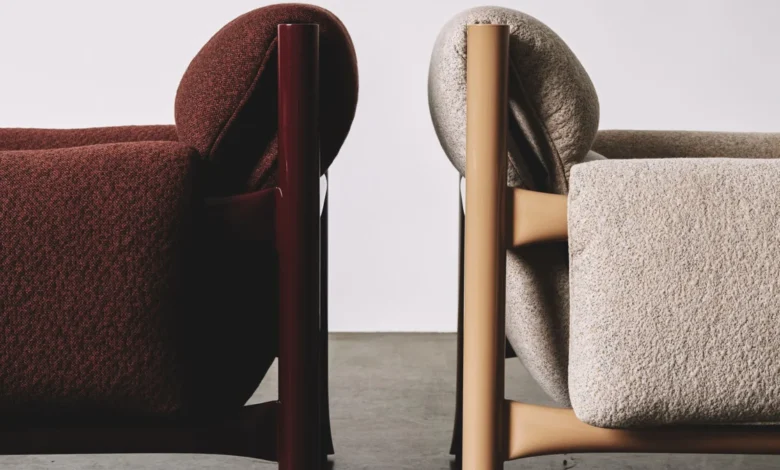
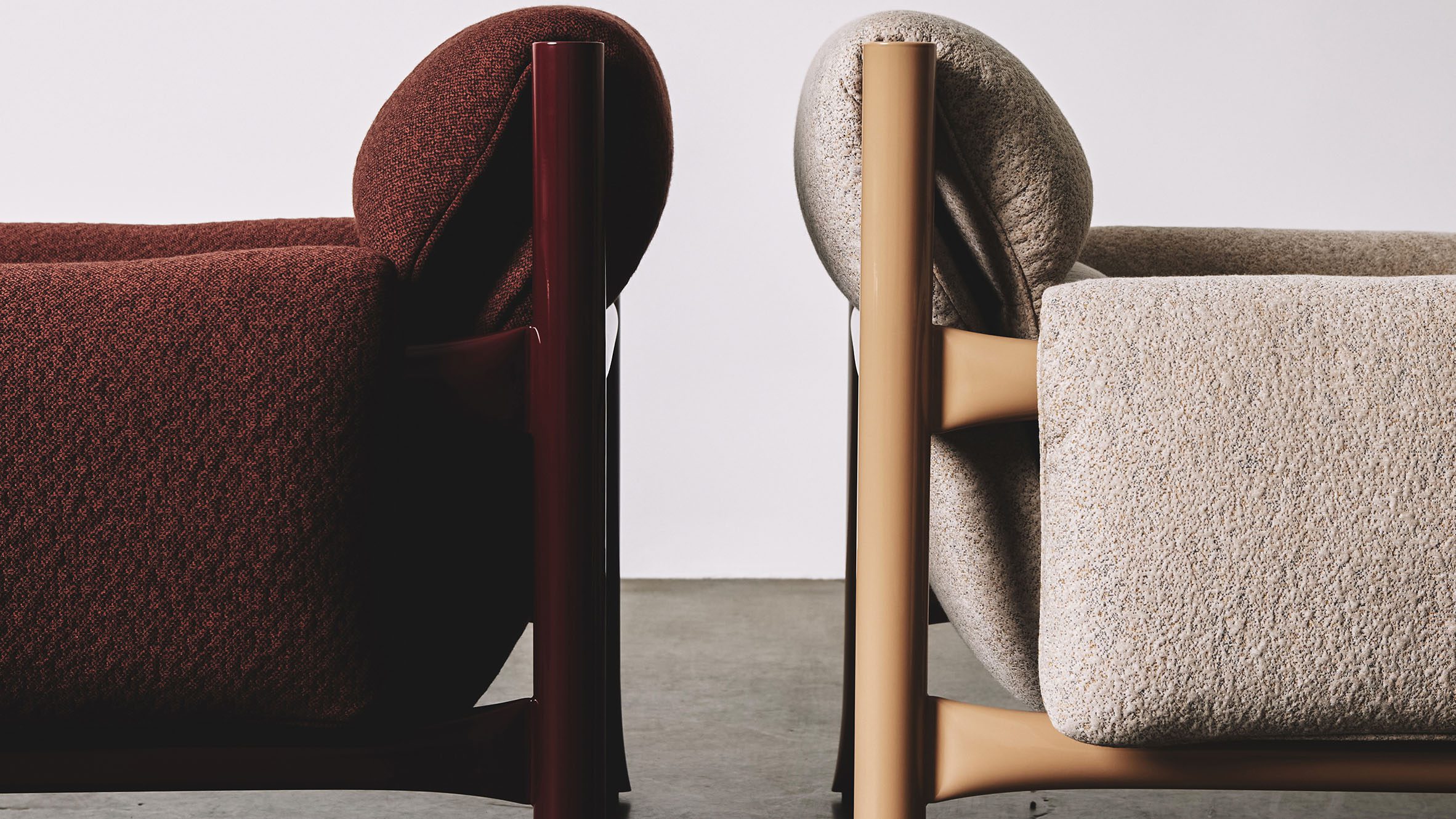
One of the most notable pieces introduced to the digital showroom is the Cattle armchair, developed by design duo Gibson Karlo in collaboration with Australian furniture manufacturer Design By Them. Drawing heavily on the rustic structural archetypes found throughout rural and outback Australia, the armchair translates utilitarian agricultural aesthetics into a refined residential and commercial seating option. The product features a robust metal frame available in high-gloss finishes of deep burgundy or camel beige, paired deliberately with draped, oversized cushioning. To elevate the tactile experience, the cushions can be upholstered in a bespoke selection of premium textiles sourced from renowned fabric houses Kvadrat and Maharam. According to industry analysts, this piece reflects a broader post-pandemic design trend wherein urban interiors seek emotional grounding through rural, heritage-inspired motifs.
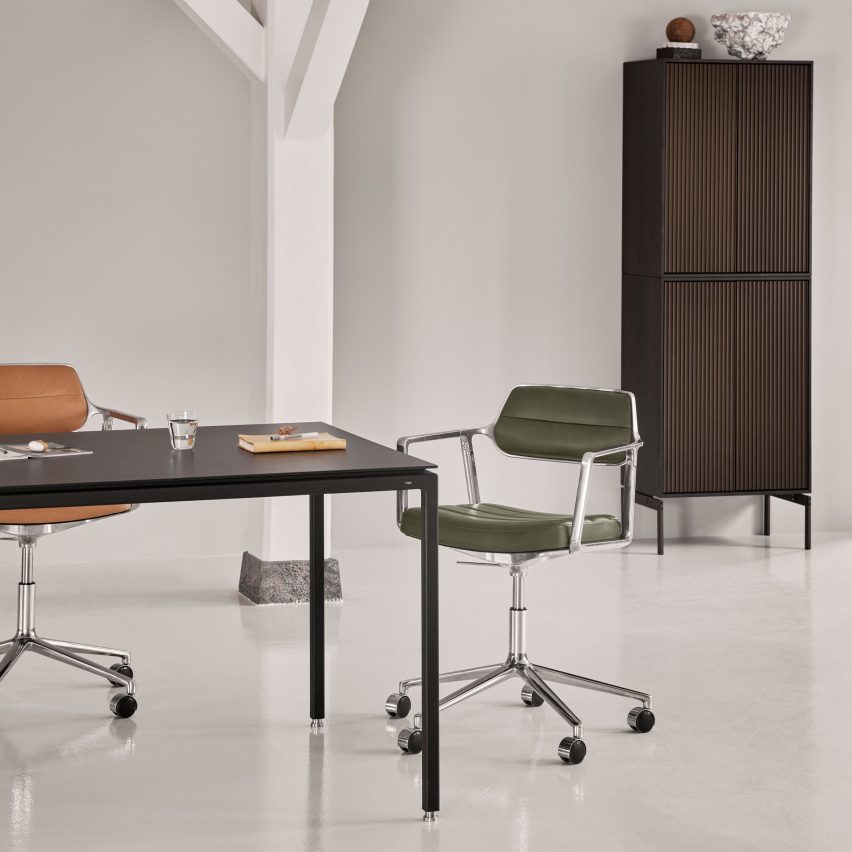
Further expanding the boundaries of seating design, Danish brand Vipp has introduced the Vipp453 Swivel chair. Designed to serve as an agile, highly functional task chair, the 453 model features a minimal, flowing cast-aluminium frame supporting an ergonomically contoured seat pad and backrest. The chair rests upon a 360-degree rotating four-star base, which can be configured with either castors or static gliders depending on the spatial requirements of the office or domestic workspace.

In the realm of lounge seating, historic and organic forms have heavily influenced recent releases. Designers Anne-mette Bartholin and Morten Ernst have revisited their early 2000s Ginkgo lounge chair for furniture brand Cozmo. Named after the distinct, fan-shaped foliage of the ginkgo tree, the chair features an expressive, lobed seat and backrest supported by an understated tri-legged base. Similarly, Spanish designer Patricia Urquiola has partnered with Andreu World to create the Nina lounge chair. Drawing conceptual inspiration from both seventeenth-century Baroque art and the experimental, space-age aesthetics of the 1970s, the Nina lounge chair pairs a hard, hammered-texture structural shell with a soft, amorphous, and inviting upholstered interior.
Advancements in Architectural Surfaces and Materials
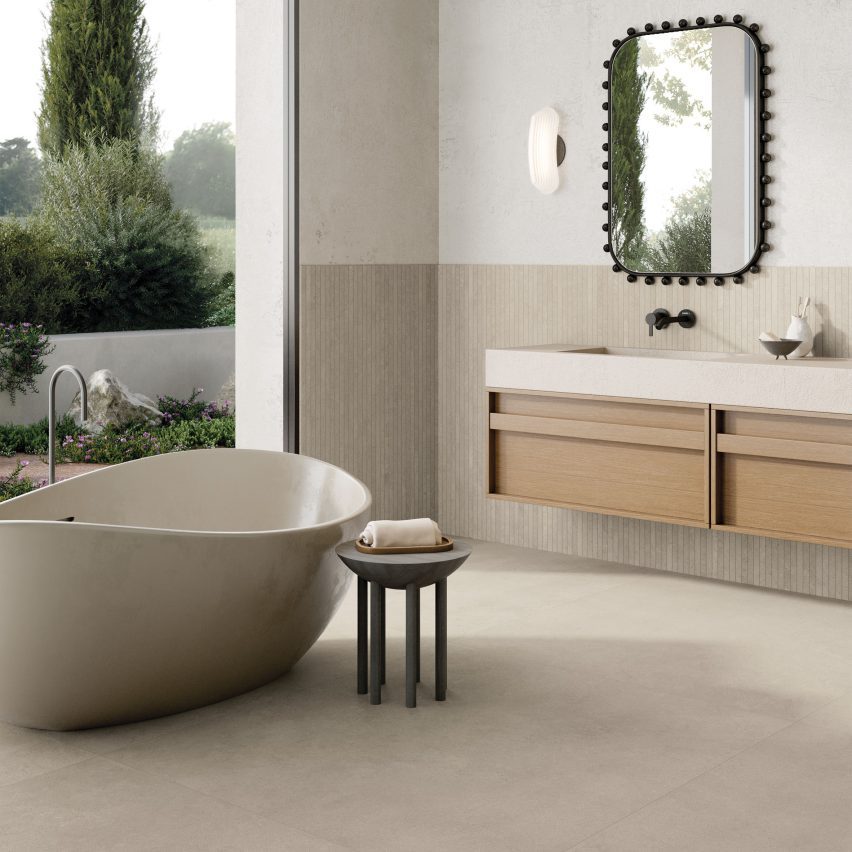
The architectural finishes sector has also seen significant technological and aesthetic leaps, particularly in the development of ceramic slabs and solid surfaces that emulate natural geological formations. Italian tile manufacturer Ceramiche Keope has launched the Grace tile collection, which takes its primary visual cue from the unique texture and tonal variations of traditional French limestone. The collection is offered in a diverse array of sizes, geometric formats, and subtle colourways, each characterized by a carefully engineered mottled surface finish designed to add depth to both interior floors and exterior facades.
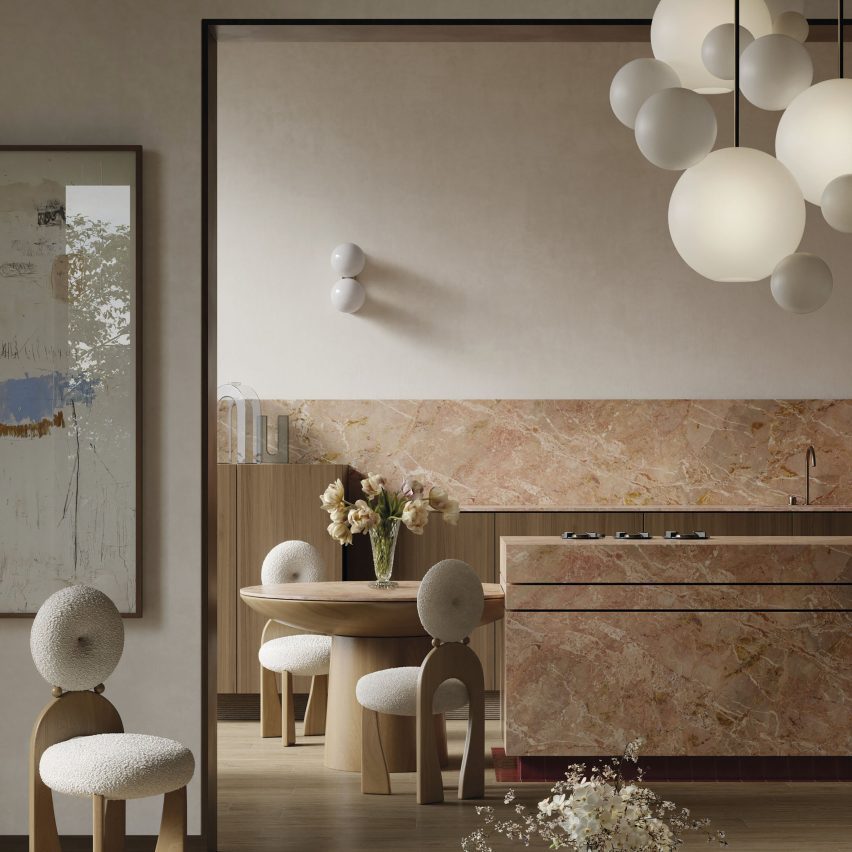
In a similar vein, Italian manufacturer Iris Ceramica has expanded its catalog with the introduction of the Breccia Rosa 4D slab tile. These large-format ceramic surfaces meticulously recreate the dramatic, romantic veining and rosy pink hues of rare natural marble. Engineered for high versatility, the Breccia Rosa 4D tiles are manufactured in two distinct thicknesses, allowing them to be deployed across a wide spectrum of architectural applications, ranging from kitchen countertops to seamless wall cladding.
Solid surface manufacturer HIMACS has also updated its product portfolio by introducing five new colourways to its popular terrazzo-inspired collection: Terrazzo Ulivo, Terrazzo Nuvola, Terrazzo Sorrento, Terrazzo Marsala, and Terrazzo Selva. These additions offer architects and interior designers playfully flecked surfaces with nuanced colour shifts, providing durable, non-porous alternatives to traditional cement-based terrazzo. Meanwhile, Swiss manufacturer Vitra has made waves with its Resincode porcelain tile collection, which authentically captures the granular, industrial texture of poured concrete across seven distinct architectural colourways.
Innovative Lighting and Heating Solutions for Modern Interiors
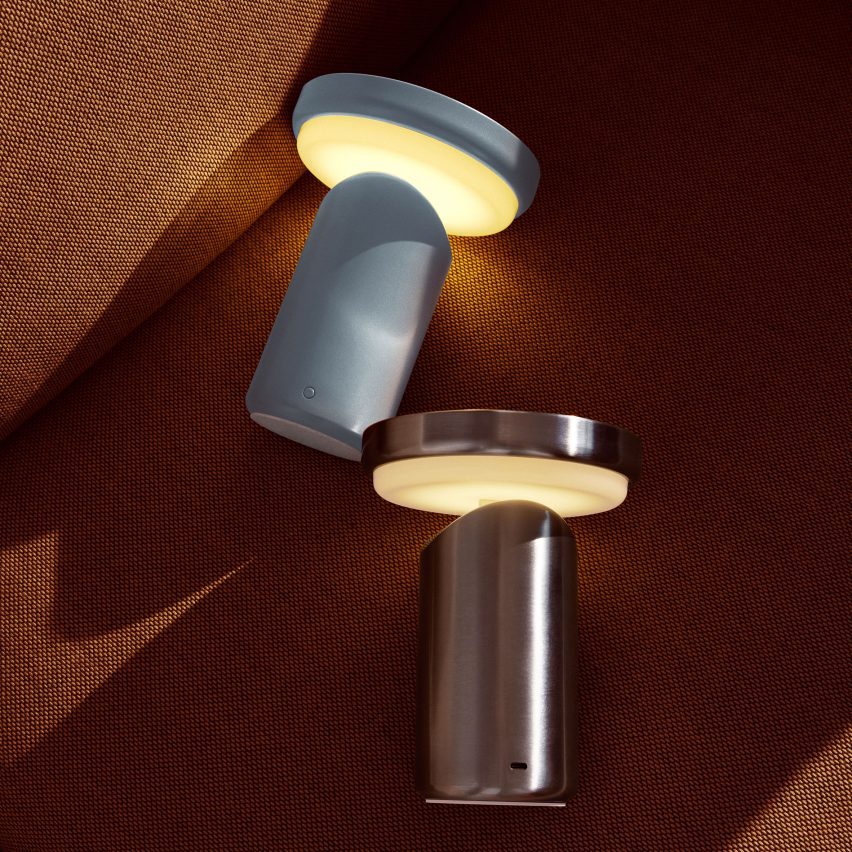
Lighting design continues to prioritize adaptability and portability, catering to the nomadic lifestyles of contemporary consumers. The Topo portable lamp, created by Felix Pöttinger Design Studio for German lighting manufacturer Maytoni, exemplifies this shift. Designed as a rechargeable table lamp featuring a fully tiltable head, the Topo lamp is available in a sophisticated palette of black, light blue, brown, and polished metal finishes. It utilizes an integrated translucent diffuser designed to cast a warm, ambient glow across dining tables, hospitality environments, and home offices.
Heating technology is similarly undergoing an aesthetic reinvention. Designer Sebastian Herkner has collaborated with heating specialist brand Tubes to create the Terre radiator. Constructed primarily from terracotta with a lustrous glossy finish, this minimalist wall-mounted heating unit challenges the traditional perception of domestic radiators as purely utilitarian objects. Available in a spectrum of neutral and vivid colourways, the Terre radiator can be installed as an individual sculptural element or grouped in rhythmic compositions along residential and commercial walls.
Multifunctionality and Flooring Innovations
Addressing the demands of compact urban living, Finnish brand Khoy has launched its signature product: a transformable seating solution that transitions seamlessly into a floor bed with a simple unzipping mechanism. Offered in dimensions ranging from single up to king sizes, the Khoy sofa bed is available in a variety of high-end finishes, offering an elegant spatial-saving strategy for modern apartments and guest rooms.
Completing the recent wave of product introductions, Belgian flooring specialist Modulyss has unveiled the First Sway carpet collection. Featuring a delicate, brushed pattern rendered in a series of muted tones across 18 distinct colourways, the collection—available in both carpet tiles and broadloom formats—expands upon the brand’s successful wider First collection, offering sustainable and durable flooring options for high-traffic corporate and hospitality interiors.
Broader Implications for the Global Design Industry
The steady rollout of these diverse products via digital showcases like Dezeen Showroom highlights a fundamental transformation in how interior architects and designers source materials and furniture. By bridging the gap between physical craftsmanship and digital accessibility, platforms of this nature enable independent designers and multinational manufacturing brands alike to reach a global audience instantly.
The emphasis on sustainable materials—such as long-lasting ceramics, recyclable metals, and energy-efficient LED lighting—underscores an industry-wide commitment to circular economy principles. As consumer demand shifts toward products that tell a compelling narrative, whether through the vernacular heritage of rural Australia or the organic geometries of botanical forms, manufacturers are increasingly rewarded for investing in authentic storytelling and meticulous material innovation. Industry observers anticipate that these trends will heavily influence forthcoming interior architecture projects throughout the remainder of the decade, as spaces continue to prioritize tactile comfort, adaptability, and environmental resilience.