Implementing Scalable Cross-Account Data Governance in Amazon Redshift Using Amazon SageMaker Unified Studio

In the current landscape of enterprise data management, the ability to share information across disparate business units while maintaining rigorous security standards has become a primary operational bottleneck. Organizations operating multiple Amazon Redshift clusters across various AWS accounts frequently encounter significant friction, often relying on manual, error-prone processes to facilitate data sharing. To address these complexities, Amazon Web Services (AWS) has introduced a streamlined approach using Amazon SageMaker Unified Studio, enabling the implementation of cross-account data sharing based on data mesh principles. This architecture effectively separates data producers from consumers through a centralized governance layer, reducing the operational burden that has historically plagued large-scale data ecosystems.
The Evolution of Data Governance and the Data Mesh Paradigm
The shift toward a data mesh architecture represents a fundamental change in how modern enterprises handle information. Historically, data management was centralized in monolithic warehouses, which often became bottlenecks as organizations grew. The data mesh approach decentralizes ownership, treating data as a product managed by specific domains or business units. However, decentralization without coordination leads to silos. Amazon SageMaker Unified Studio acts as the connective tissue in this environment, providing a unified catalog and governance framework that allows for decentralized ownership with centralized oversight.
Industry analysts from firms such as Gartner and IDC have noted that organizations utilizing a data mesh approach can reduce the time-to-value for new data products by up to 40%. By leveraging SageMaker Unified Studio, AWS is providing the tools to realize these gains without the need for custom-built middleware or extensive manual coordination between AWS account administrators. This service integrates tools from Amazon EMR, AWS Glue, Amazon Athena, and Amazon Bedrock, creating a comprehensive environment for both data engineering and artificial intelligence development.
Architectural Framework: A Three-Account Strategy
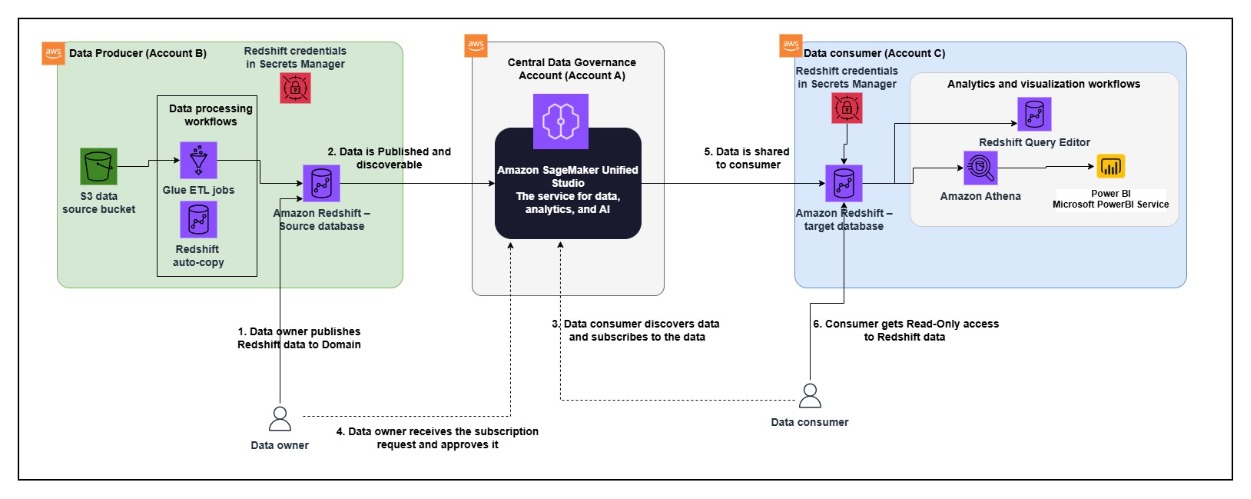
The proposed solution for cross-account sharing is built upon a robust three-tier account structure. This design ensures that security boundaries are maintained while allowing for fluid data discovery and access.
- The Central Data Governance Account (Account A): This account serves as the administrative hub. It hosts the Amazon SageMaker Unified Studio domain, which acts as the master catalog. Here, data discovery, access control, and subscription management are handled. By centralizing these functions, the organization maintains a single source of truth for who owns what data and who is authorized to see it.
- The Data Producer Account (Account B): This is where the raw data resides and where processing occurs. Data is ingested into Amazon S3 and moved into Amazon Redshift via AWS Glue ETL jobs or Redshift’s auto-copy functionality. The producer remains the "owner" of the data product, responsible for its quality and the initial publishing to the central catalog.
- The Data Consumer Account (Account C): This account represents the end-users—data scientists, business analysts, or downstream applications. Once the consumer finds a data asset in the central catalog and their subscription request is approved, they can query the data directly from their own Redshift cluster without the data ever needing to be physically moved or duplicated across accounts.
Chronology of Implementation: From Configuration to Consumption
The transition to a governed data mesh involves a specific sequence of technical milestones. Organizations typically follow a structured timeline to ensure that security protocols are validated before data becomes discoverable.
Phase 1: Foundation and Blueprinting
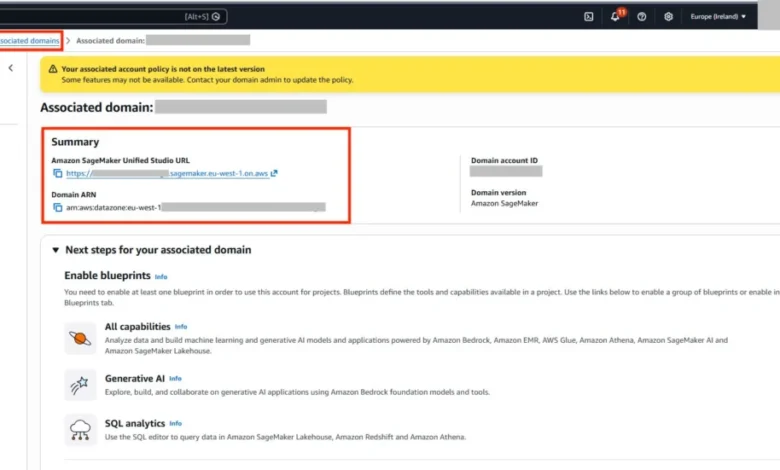
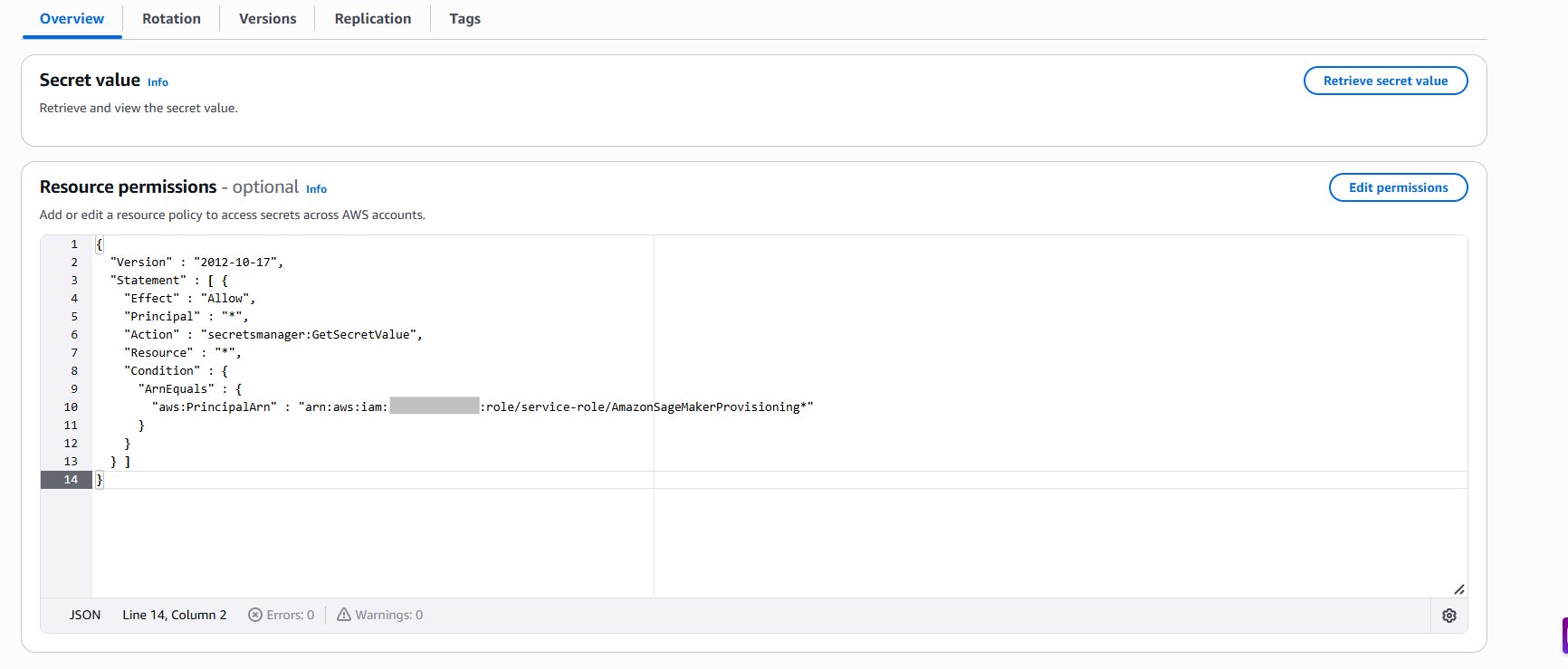
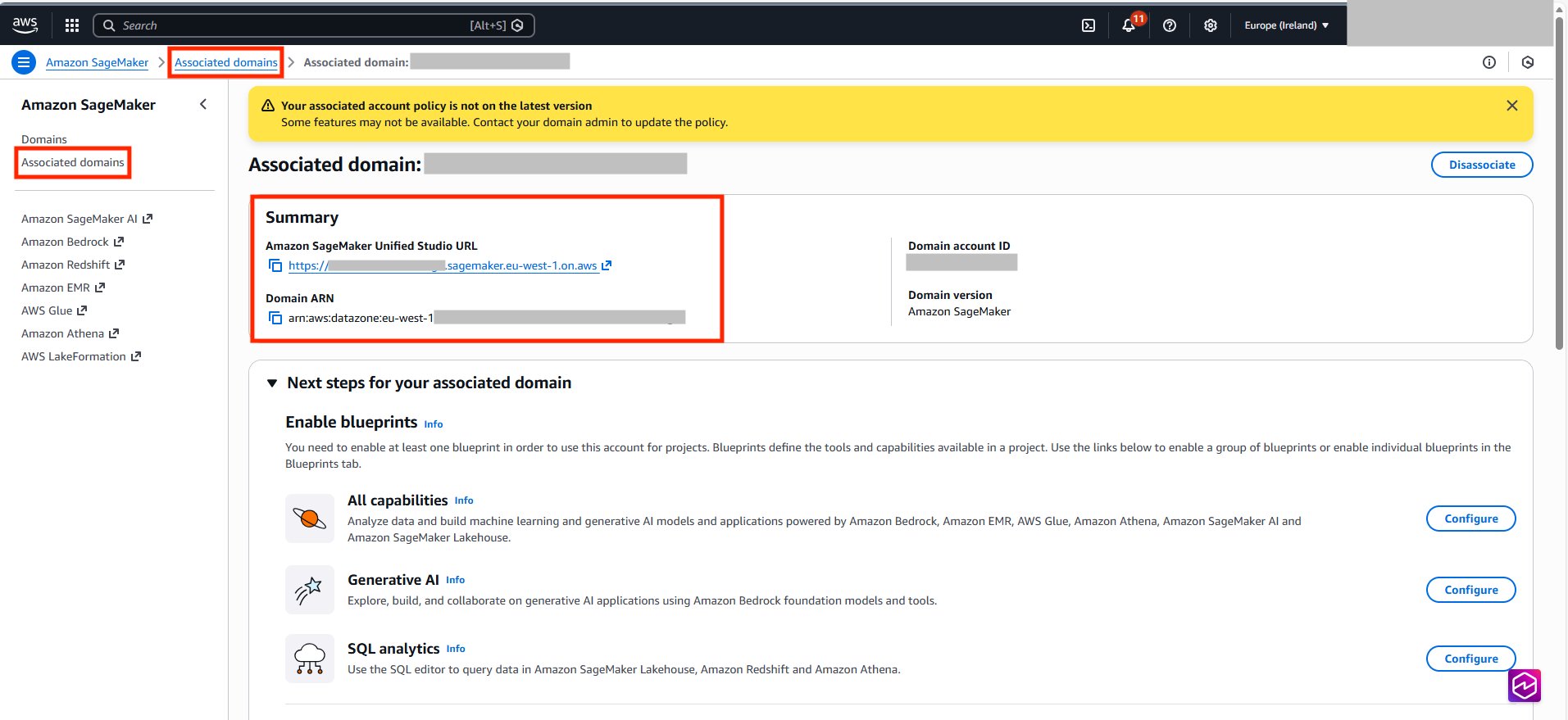
The process begins with account association. Administrators must link the producer and consumer accounts to the central governance domain. This is achieved through "blueprints" within SageMaker Unified Studio, which automate the creation of necessary IAM roles and resource policies. This phase effectively "onboards" the different business units into the mesh.
Phase 2: Secure Credential Management
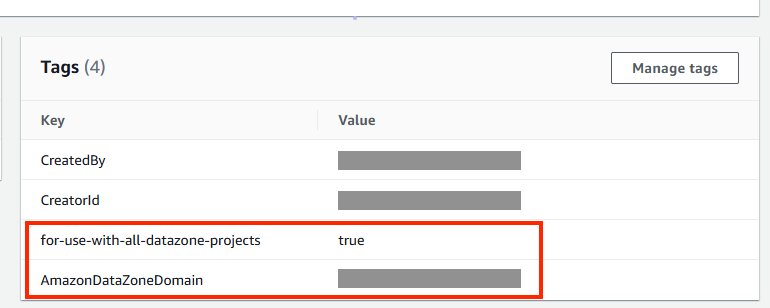
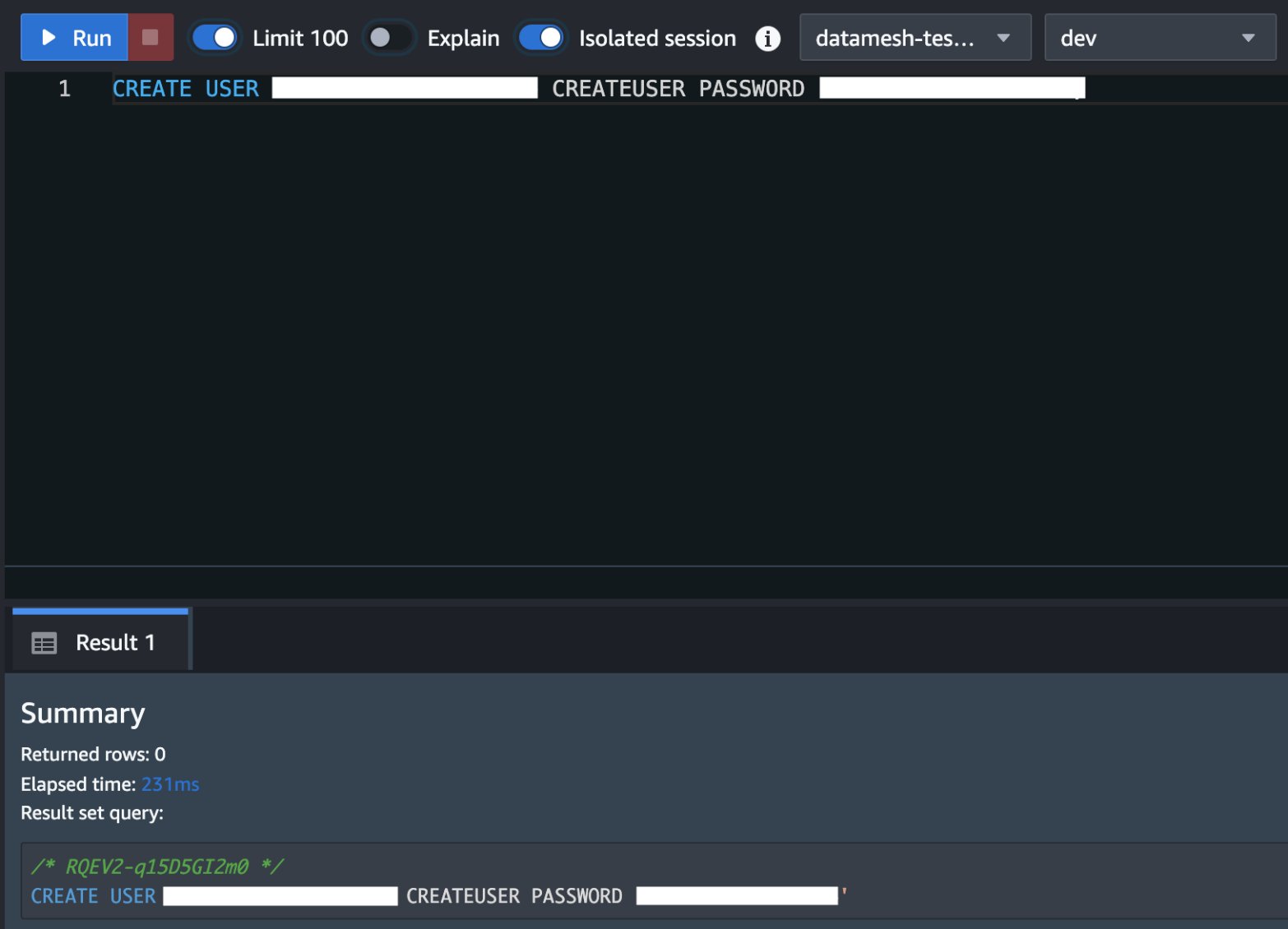
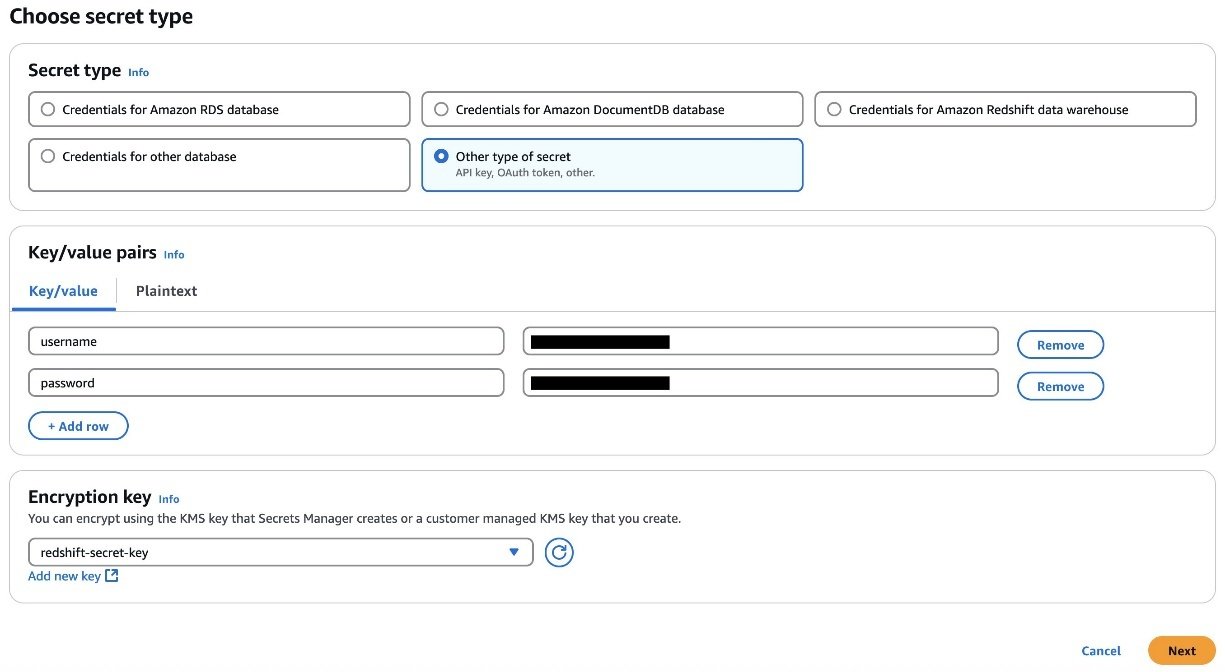
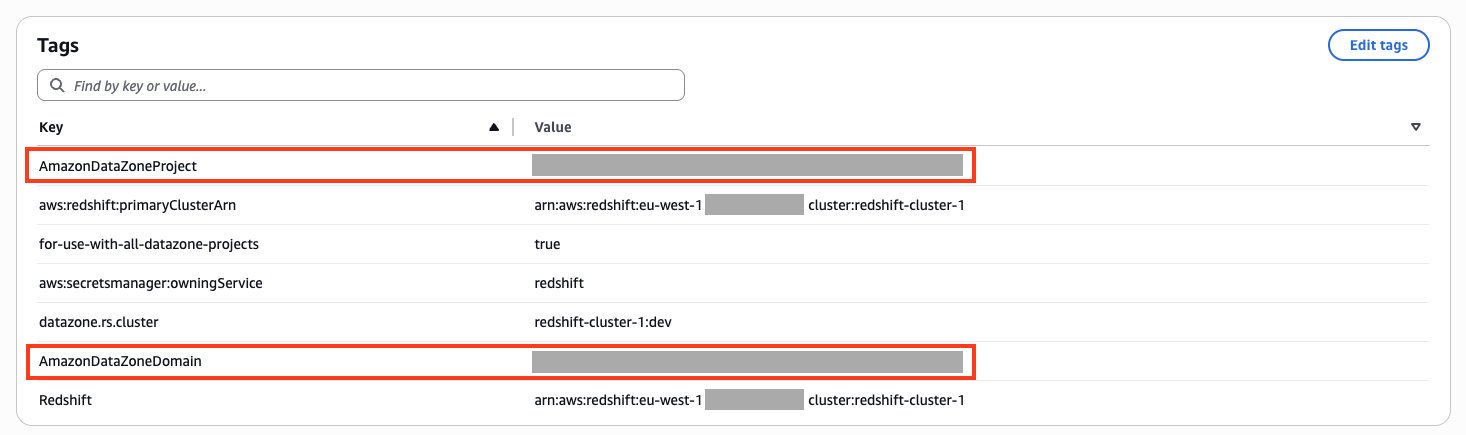
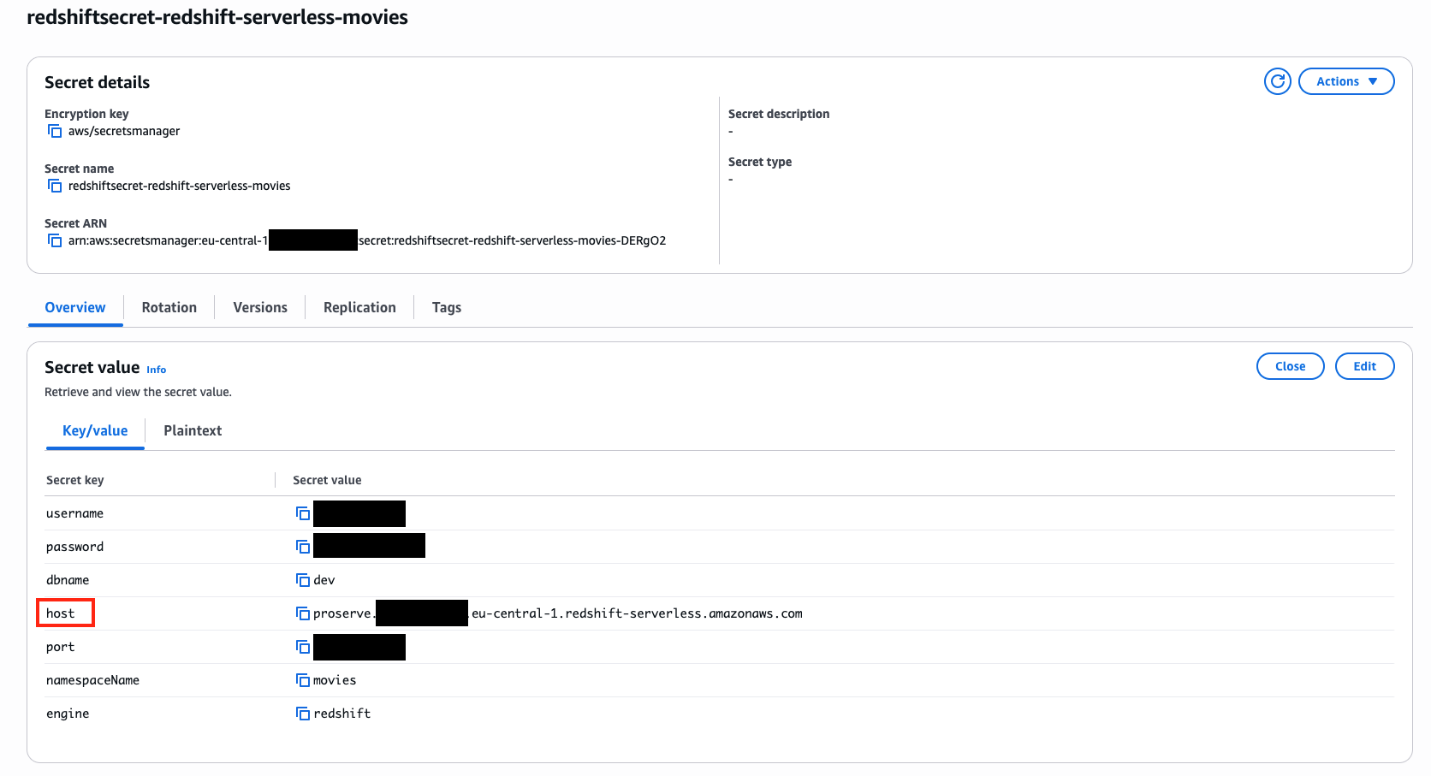
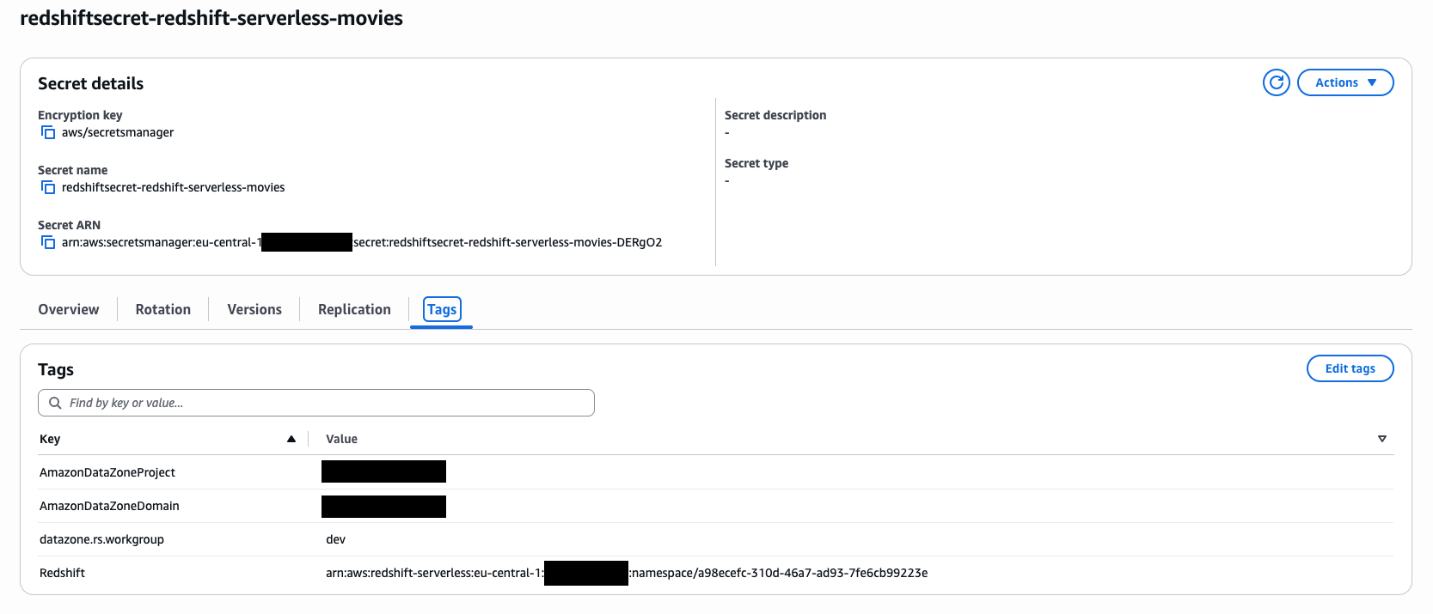
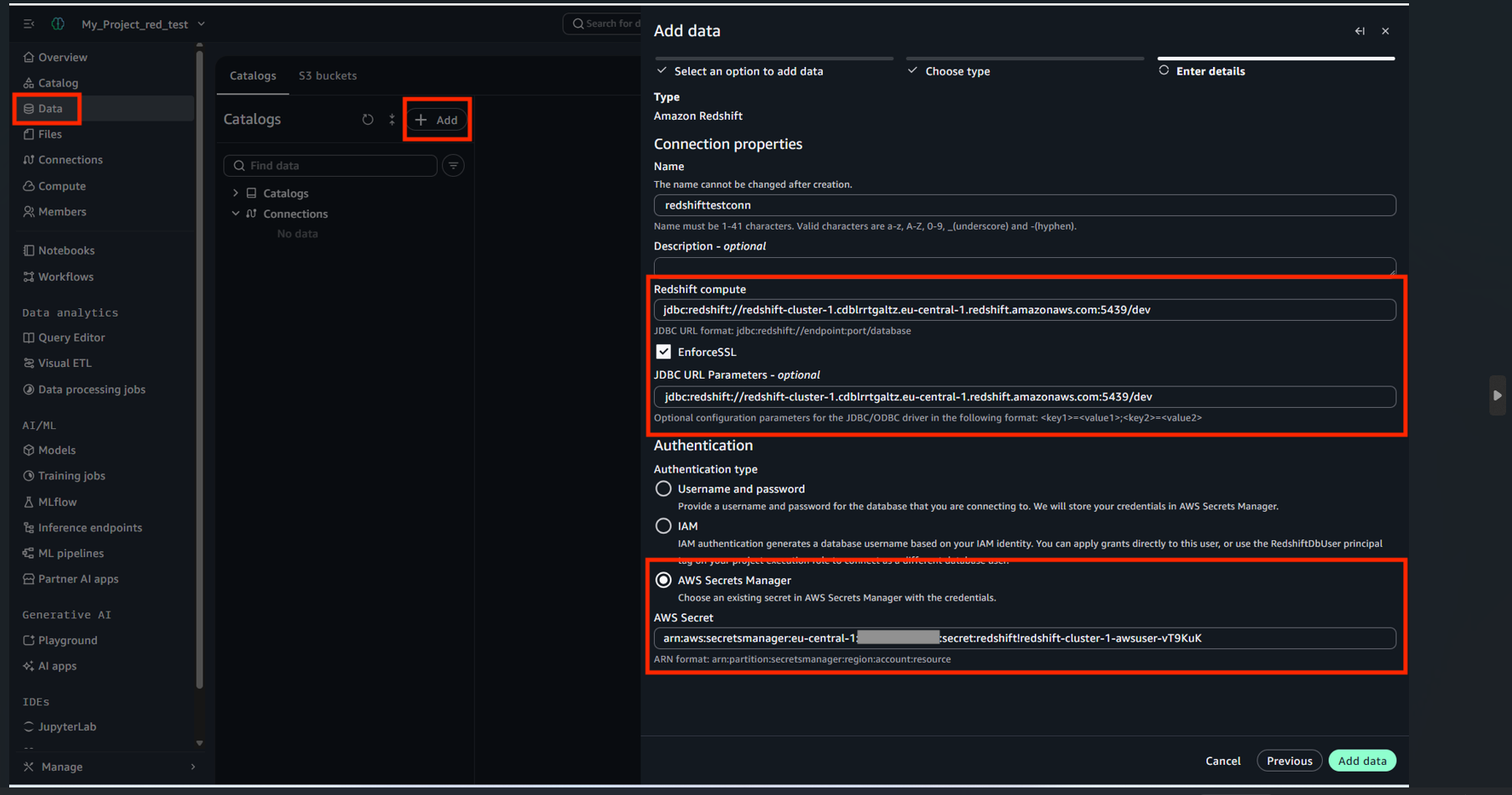
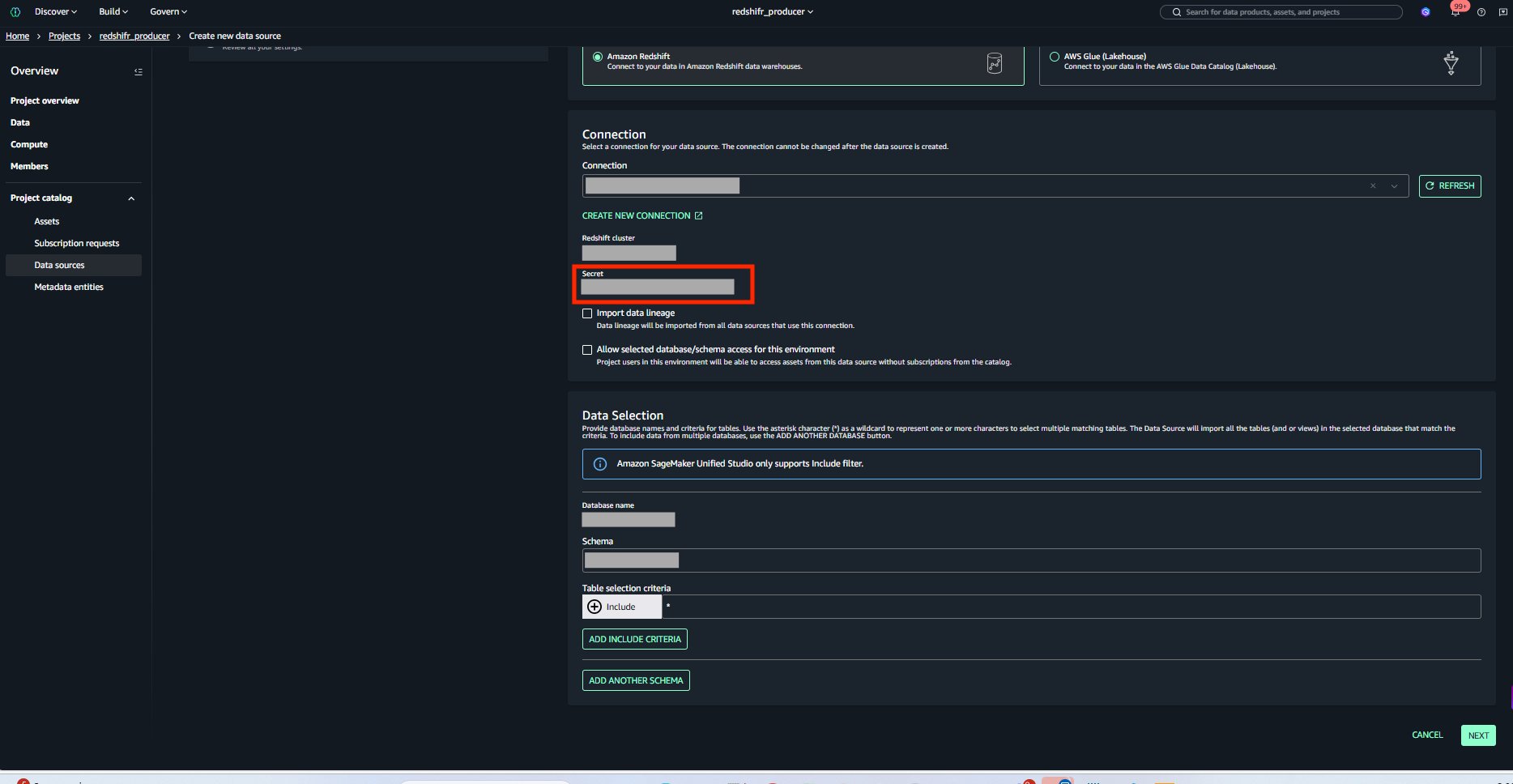
A critical step in the chronology is the configuration of AWS Secrets Manager. To allow SageMaker Unified Studio to manage data sharing, it must have secure, governed access to the Redshift clusters. This involves creating secrets that store cluster credentials and applying specific resource policies. These policies must allow the SageMaker service roles to decrypt the secrets and manage grants. A key best practice during this phase is the implementation of automatic secret rotation, ensuring that long-lived credentials do not become a security liability.

Phase 3: Publishing Data Products
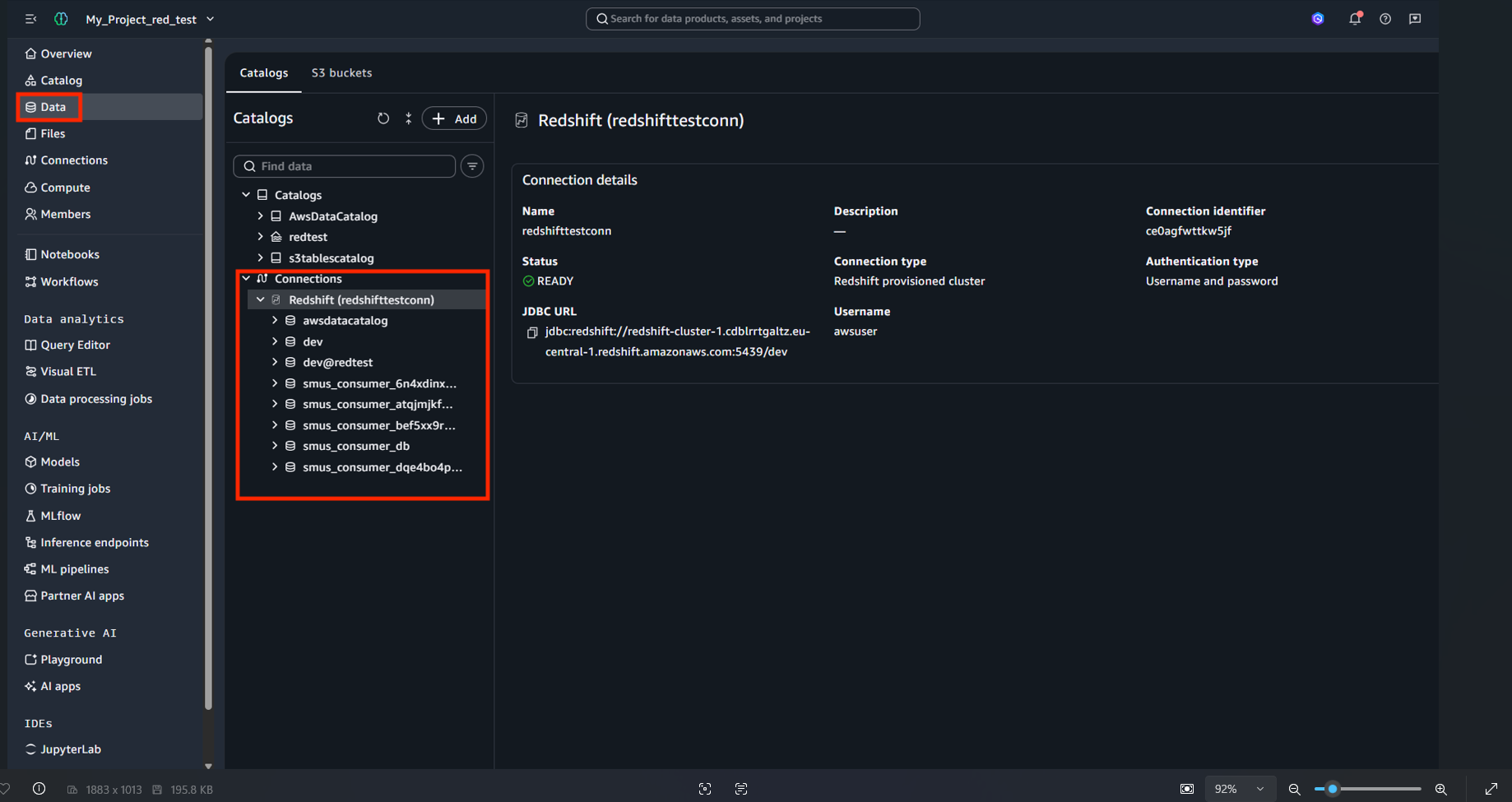
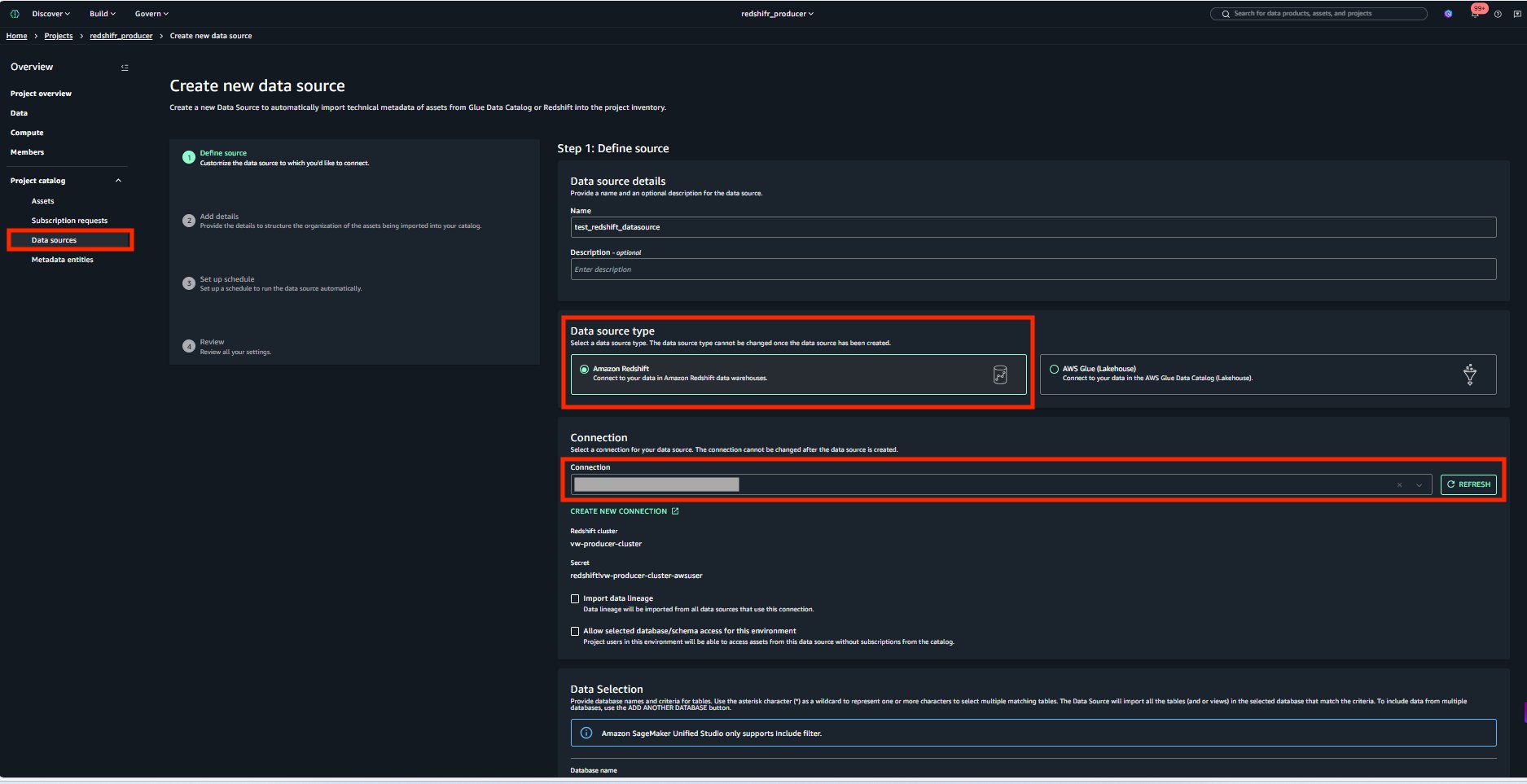
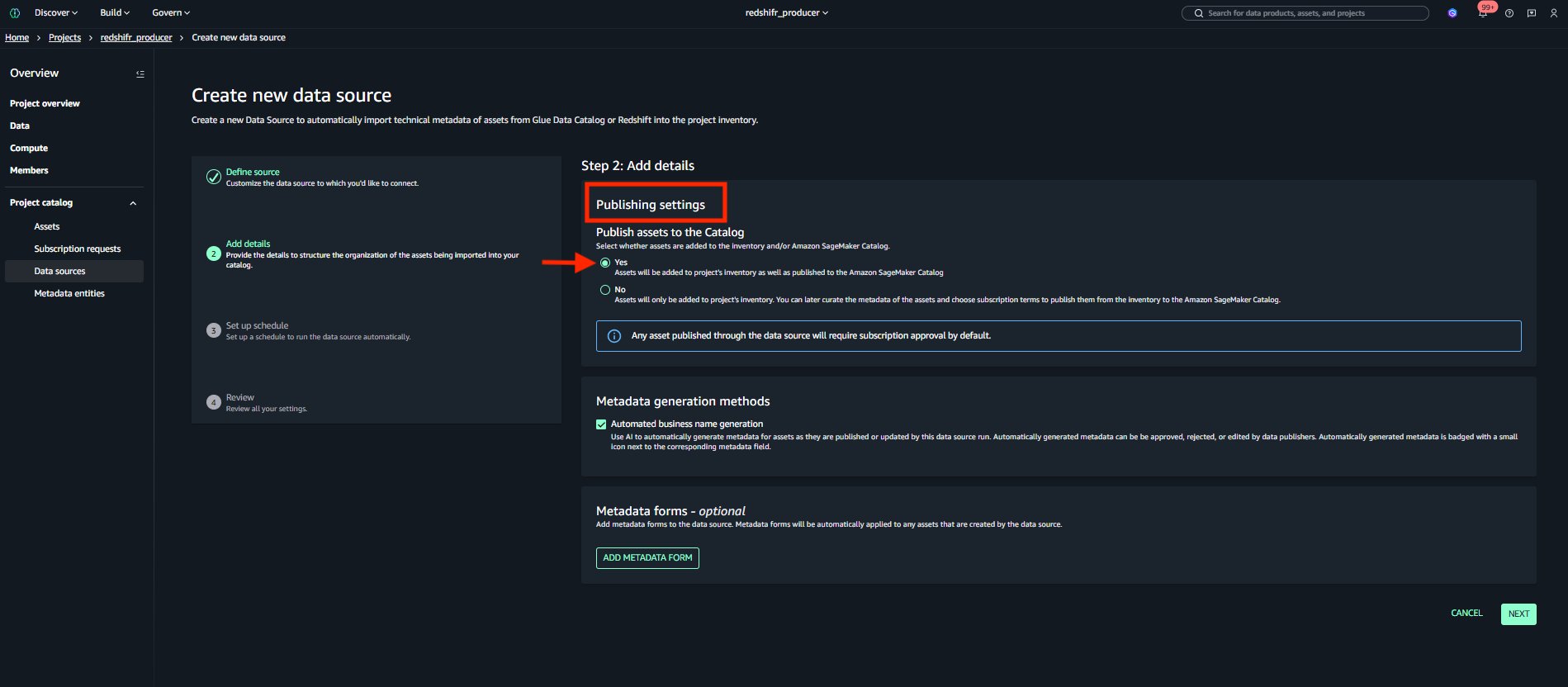
Once the infrastructure is linked, the producer registers their Redshift cluster as a data source. This involves defining which databases and schemas should be visible to the mesh. When the producer "runs" the data source, SageMaker Unified Studio crawls the metadata—tables, views, and column definitions—and populates the central catalog. At this point, the data becomes "discoverable" to anyone with access to the central portal.
Phase 4: Subscription and Access Fulfillment
The final stage in the lifecycle is the consumer’s request for access. A user in Account C searches the catalog, identifies the required dataset, and submits a subscription request. This triggers a workflow where the data owner (the producer) must approve the request. Upon approval, SageMaker Unified Studio automatically configures the cross-account Redshift data shares, creating a "subscription target" in the consumer’s cluster. The consumer then sees a local view of the remote data, ready for immediate querying.
Supporting Data and Operational Benefits
The implementation of this automated workflow addresses several quantitative challenges in data engineering. Traditional manual cross-account sharing often involves dozens of manual steps, including the creation of IAM roles, VPC peering or PrivateLink setup, and manual SQL commands to create data shares and grants.
Internal benchmarks suggest that automating this through SageMaker Unified Studio can reduce the administrative time required for a single data share request from several days (including internal ticketing and security reviews) to just a few minutes of automated processing once approval is granted. Furthermore, because the system uses Redshift’s native data sharing capabilities, there is zero data latency and no additional storage costs for the consumer, as they are querying the data in place.
Industry Implications and Executive Reactions
The move toward unified data and AI studios has drawn positive reactions from Chief Technology Officers (CTOs) across the financial and healthcare sectors, where data privacy and auditability are paramount. "The ability to provide a self-service data marketplace while maintaining a hard audit trail of every access request is the ‘holy grail’ of data governance," noted one industry consultant specializing in cloud migrations.
The broader implication of this technology is the democratization of AI. By removing the friction of data access, data scientists can spend more time building models in SageMaker and less time negotiating with database administrators for access to training sets. This synergy between data governance and AI development is a cornerstone of the SageMaker Unified Studio value proposition.
Security, Auditing, and Compliance
In a professional newsroom context, it is essential to highlight the transparency of the system. Every action taken within this data mesh—from the initial publishing of a table to the approval of a subscription—is recorded.
- AWS CloudTrail: All API calls made by SageMaker Unified Studio and DataZone are logged, providing a forensic record of administrative actions.
- Redshift Audit Logging: Connection logs and query logs (such as
STL_QUERY) allow organizations to see exactly who queried which data and when. - Centralized Approvals: The governance account maintains a historical record of all subscription approvals and rejections, which is vital for meeting regulatory requirements like GDPR or HIPAA.
Conclusion: A Unified Future for Data and AI
The implementation of cross-account data sharing via Amazon SageMaker Unified Studio marks a significant milestone in the maturity of cloud-native data architectures. By adopting a data mesh approach, organizations can finally resolve the tension between the need for data agility and the requirement for strict governance.
As enterprises continue to pivot toward generative AI and large-scale machine learning, the foundation of a well-governed data mesh becomes even more critical. The integration of discovery, sharing, and model building within a single environment ensures that the right data is available to the right people at the right time, all while maintaining the security boundaries necessary in a complex, multi-account AWS environment. For organizations looking to scale their data operations, the transition from manual sharing to a governed, automated mesh is no longer an option—it is a strategic necessity.