Amman Design Week 2026: Accumulations marks a triumphant return for the Jordanian design landscape

After a seven-year hiatus that began in 2019, the Jordanian Design Biennial, known globally as Amman Design Week, made a resounding return this October. The event, which serves as a critical bridge between traditional craftsmanship and contemporary industrial design, signaled a period of growth and maturity for the regional creative economy. Spanning districts from the urban core of Ras El Ain and Jabal Al Lweibdeh to the historic rural landscape of Iraq Al Amir, the fourth edition of the festival was characterized by a scale and ambition that far surpassed its predecessors. With a program twice as long as the 2019 edition and featuring nearly double the number of participating designers, the event offered a comprehensive survey of how regional practitioners have navigated the challenges of the last decade.
A Chronology of Resilience and Evolution
To understand the significance of the 2026 edition, one must look at the event’s trajectory. Inaugurated in 2016, Amman Design Week was established to cultivate a professional platform for designers in Jordan and the wider Levant. The inaugural 2016 event set a standard for community engagement, followed by iterations in 2017 and 2019 that solidified Amman’s position as a regional design hub.
The forced pause starting in 2020—due to the global pandemic and subsequent regional economic shifts—did not result in a stagnation of creative output. Instead, the theme of this year’s exhibition, Accumulations, serves as an analytical reflection on that dormant period. As exhibition curator Faysal Tabbarah notes, the theme highlights the silent, persistent labor that designers continued to perform during the hiatus. "It is an acknowledgment that there has been work in the last seven years, but also an acknowledgment that any work that happens here builds on the work that came before us," explain new co-directors Bisher Tabbaa and Sarah Hejazin. The shift from the singular "Accumulation" to the plural "Accumulations" underscores a strategic decision to embrace multiple, sometimes competing, narratives of development, history, and social change.
The Scope of the 2026 Program
The 2026 edition expanded the event’s geographical footprint, moving beyond the capital for the first time. A notable collaboration with the arts organization Wujud introduced a satellite installation in Aqaba, Jordan’s only coastal city. This expansion suggests a conscious effort to integrate regional labor networks and diverse geographic contexts into the national design discourse.
The programming was overseen by architect and curator Khaled Al-Bashir, whose approach emphasized the intersection of academic research and public engagement. The schedule featured a wide array of activities, including:
- An experimental six-week weaving residency led by textile artist and wool researcher Ishraq Zraikat.
- Guided tours of community-led agroecological projects, highlighting the intersection of design and environmental sustainability.
- Scholarly discussions on the history of print media in Jordan and Palestine.
- Collaborative musical performances hosted in partnership with the Amman-based Al Balad Theatre.
Data-Driven Design and Material Inquiry
The work on display at the Ras El Ain Hangar—a 1930s former electricity station—reflected a shift toward research-based practice. The exhibits were categorized by curators into three distinct functionalities: the explicitly functional, the vaguely functional, and the provocatively functional.
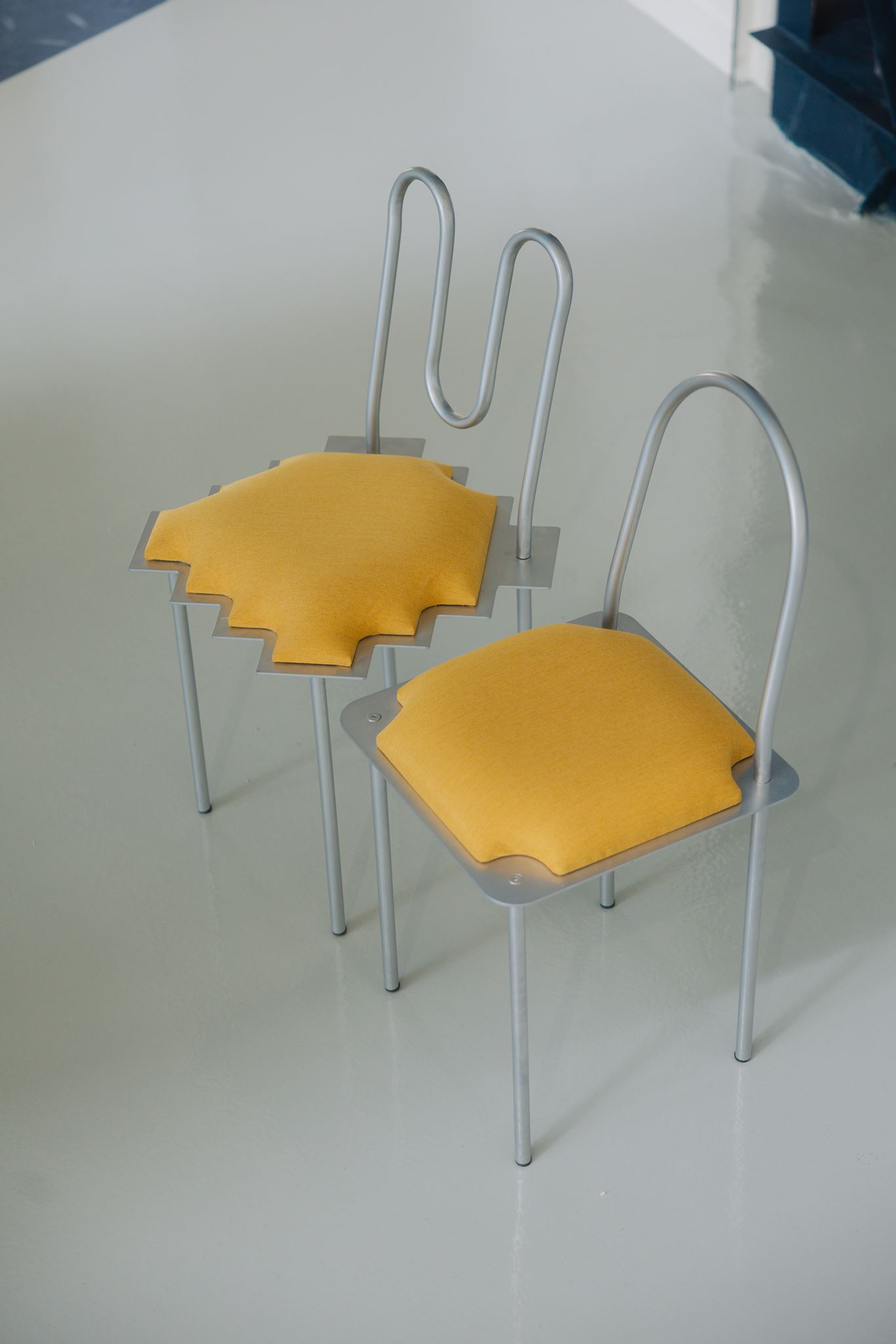
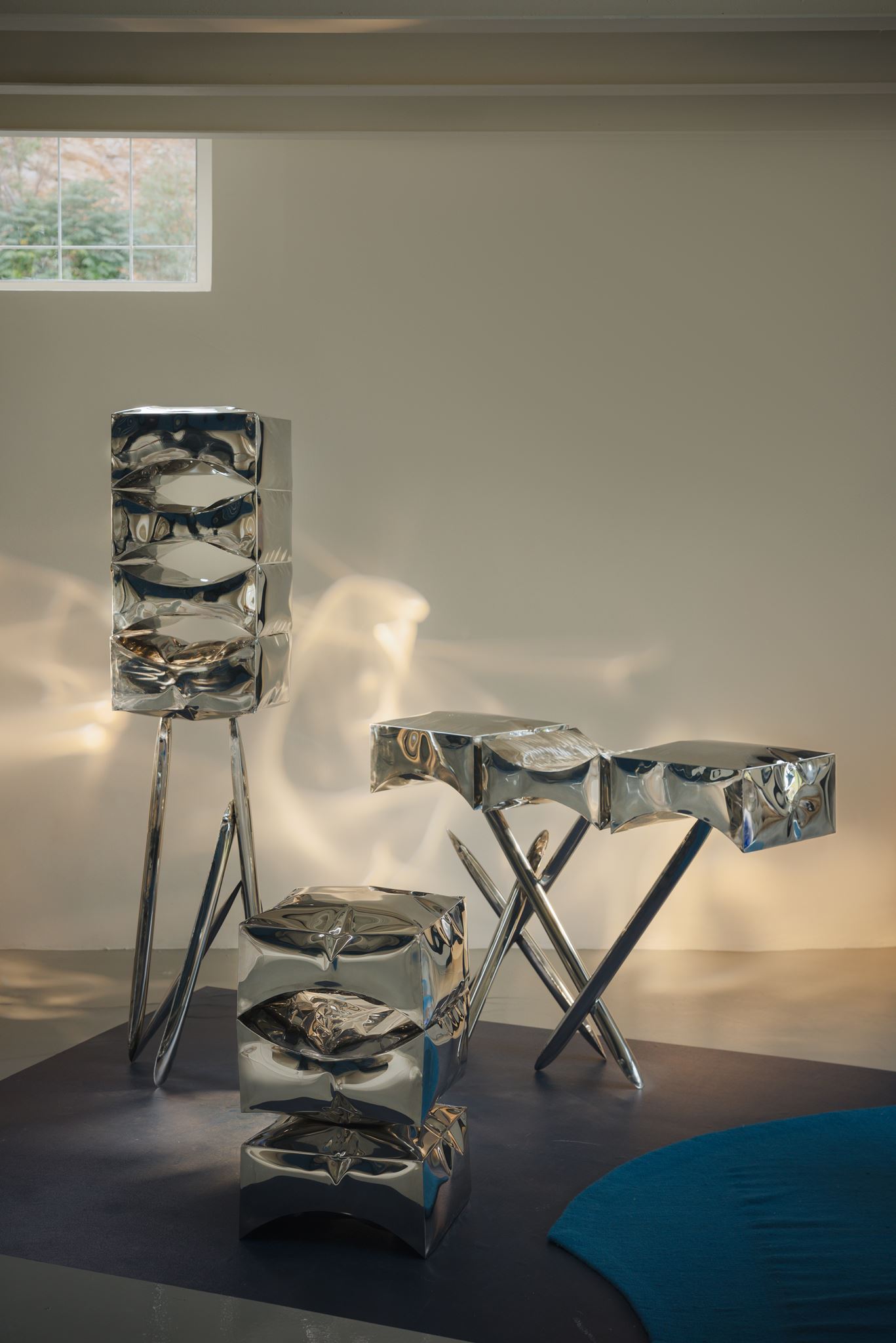
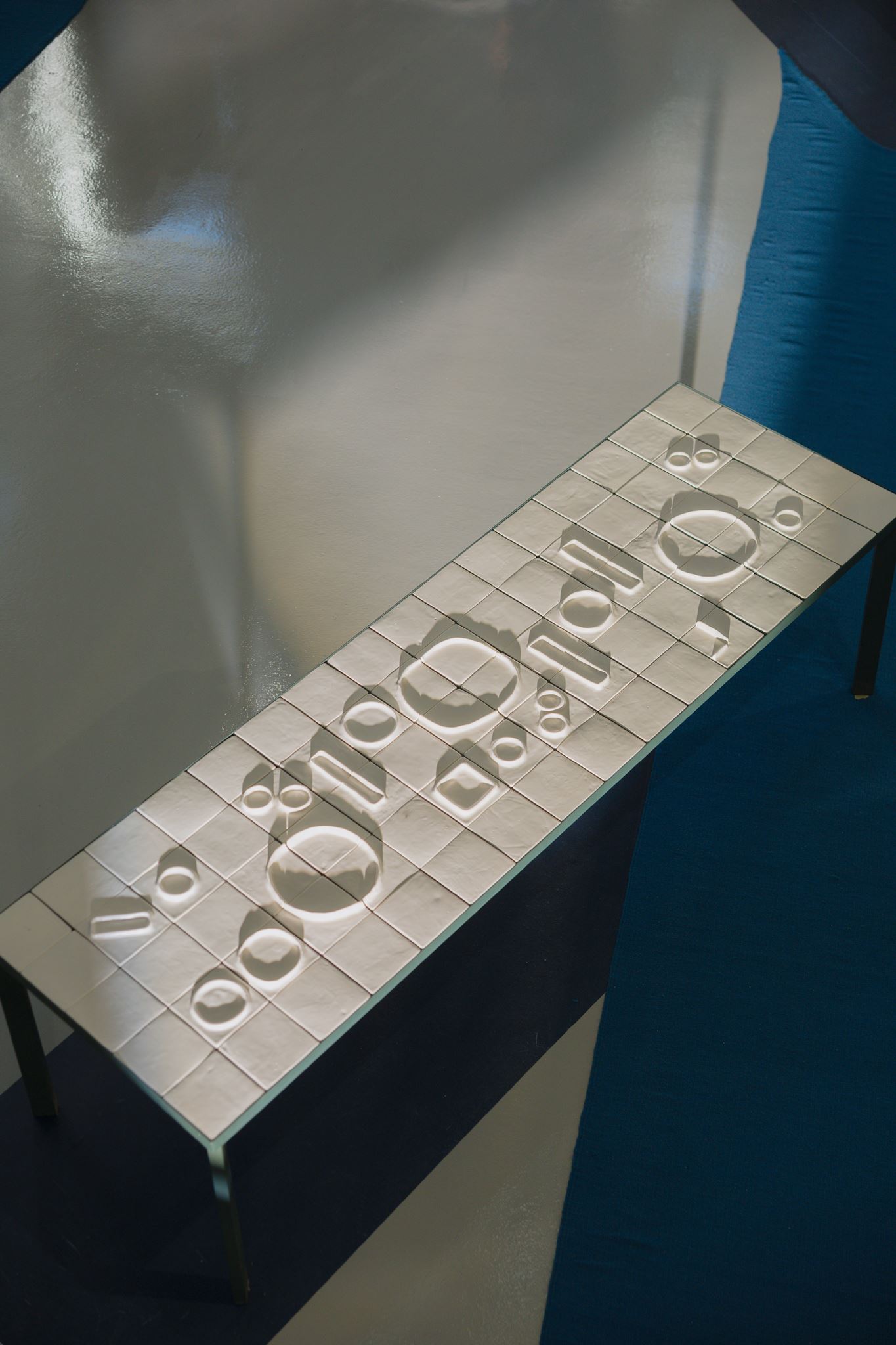
The "explicitly functional" category was exemplified by the (Dis)Connect 2.0 chairs, created by local architects Daniel+Qusai. These modular units reflect a modern shift toward user-autonomy, allowing the consumer to participate in the assembly and aesthetic customization of their own furniture. Conversely, the "vaguely functional" works, such as the inflated steel cabinets by Studio Sarah Naghawi, pushed the boundaries of material science, using deformation to create structural integrity. Finally, the "provocatively functional" pieces, such as the Sufra dining table by Raya Shaban, utilized material culture—in this case, 80 hand-pressed ceramic tiles—to initiate discourse on social rituals and the act of communal dining.
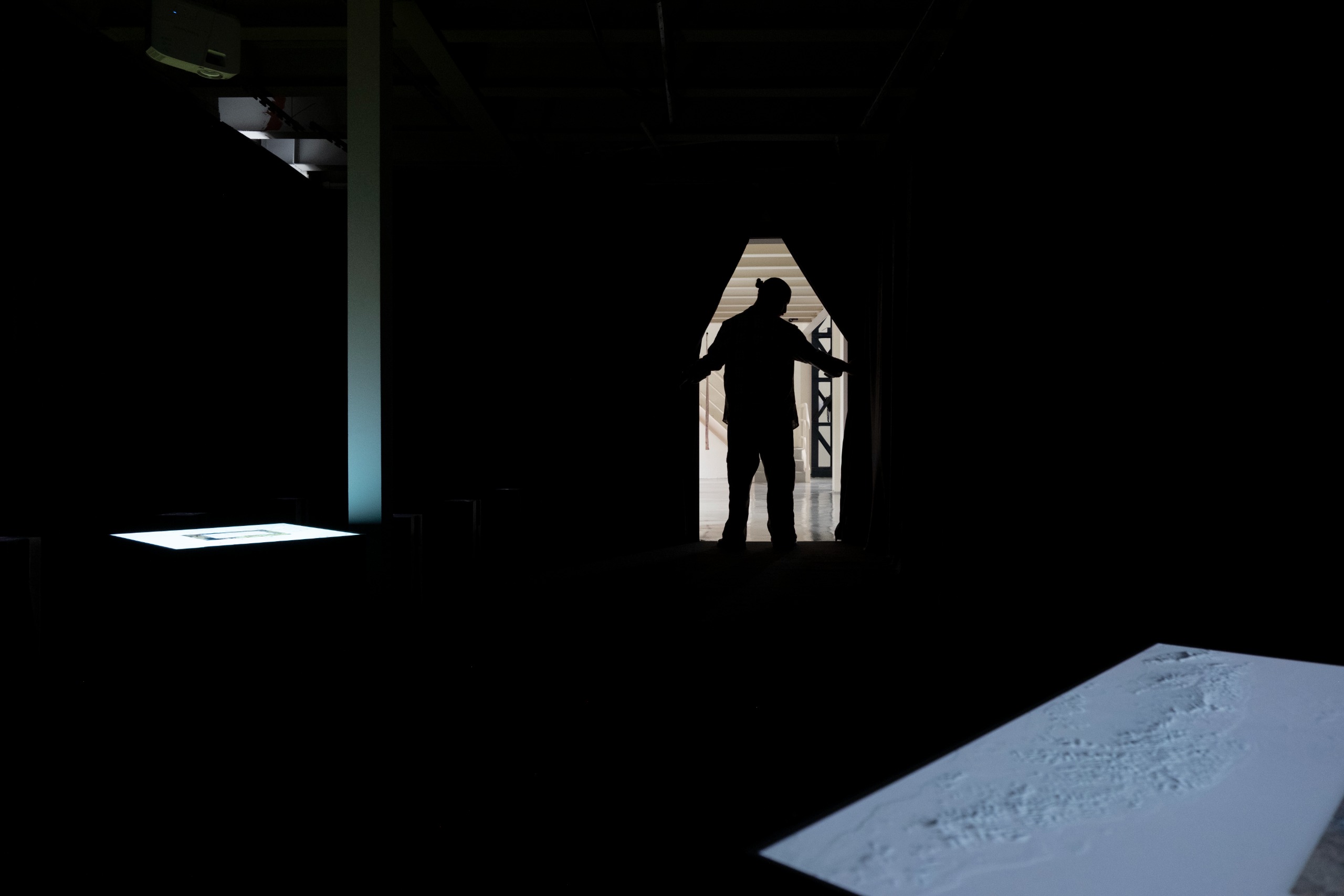
Perhaps the most significant shift in the 2026 exhibition was the overt inclusion of political and environmental inquiry. A research-based video installation by Iraqi architect Farah Alkhoury and Armenian researcher Tigran Kostandyan provided a sobering critique of the environmental legacy of geopolitical conflicts in the Global South. By mapping the toxic impact on soil, water, and air, the project forced visitors to confront the "cumulative" nature of environmental violence, mirroring the broader theme of the exhibition.
Industry Collaboration and the Future of Craft
A recurring motif throughout the 2026 edition was the emphasis on "existing regional labor networks." Unlike previous design weeks that may have focused solely on the designer as an individual creator, the 2026 iteration highlighted the symbiotic relationship between designers and traditional artisans.
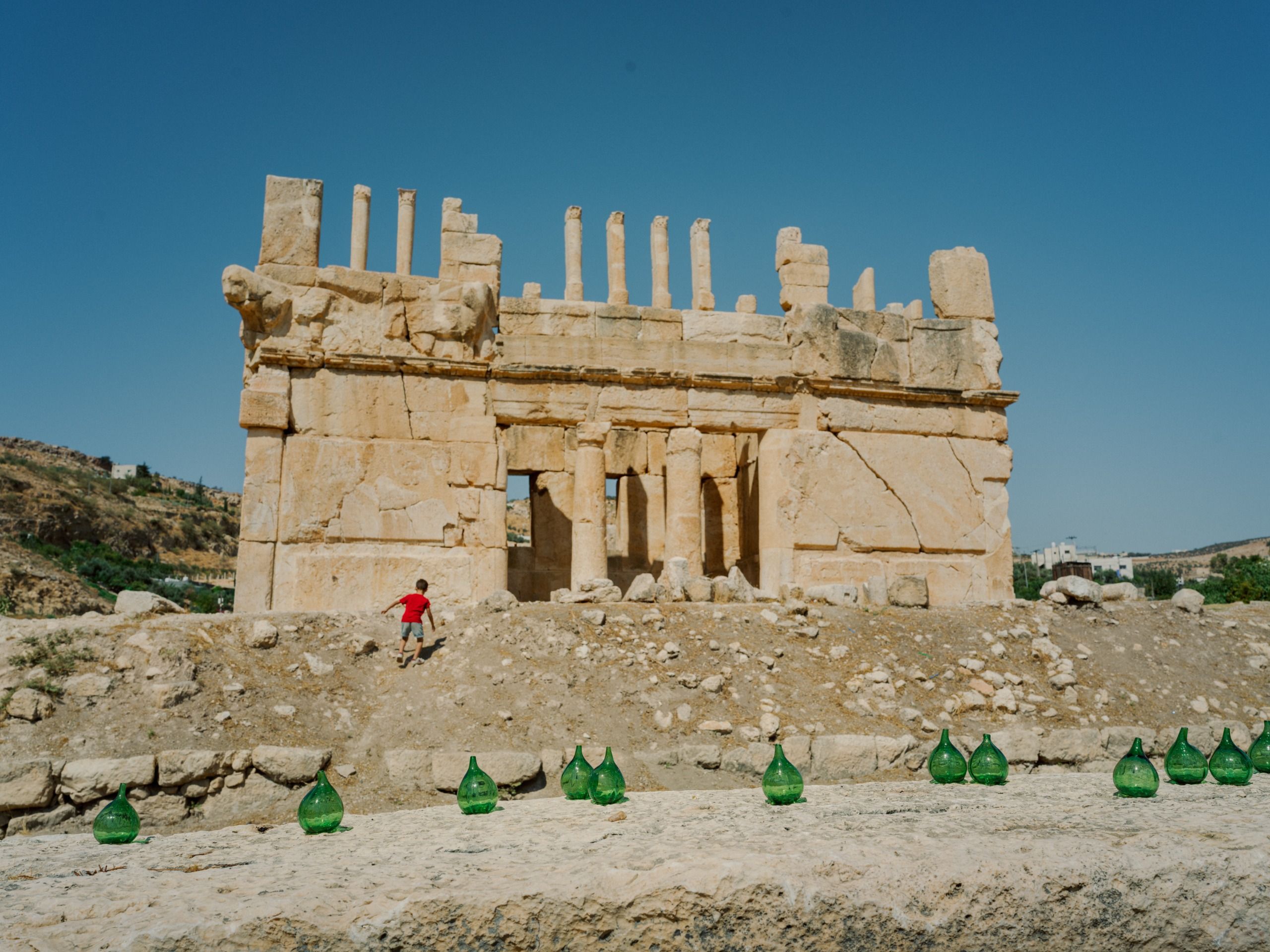
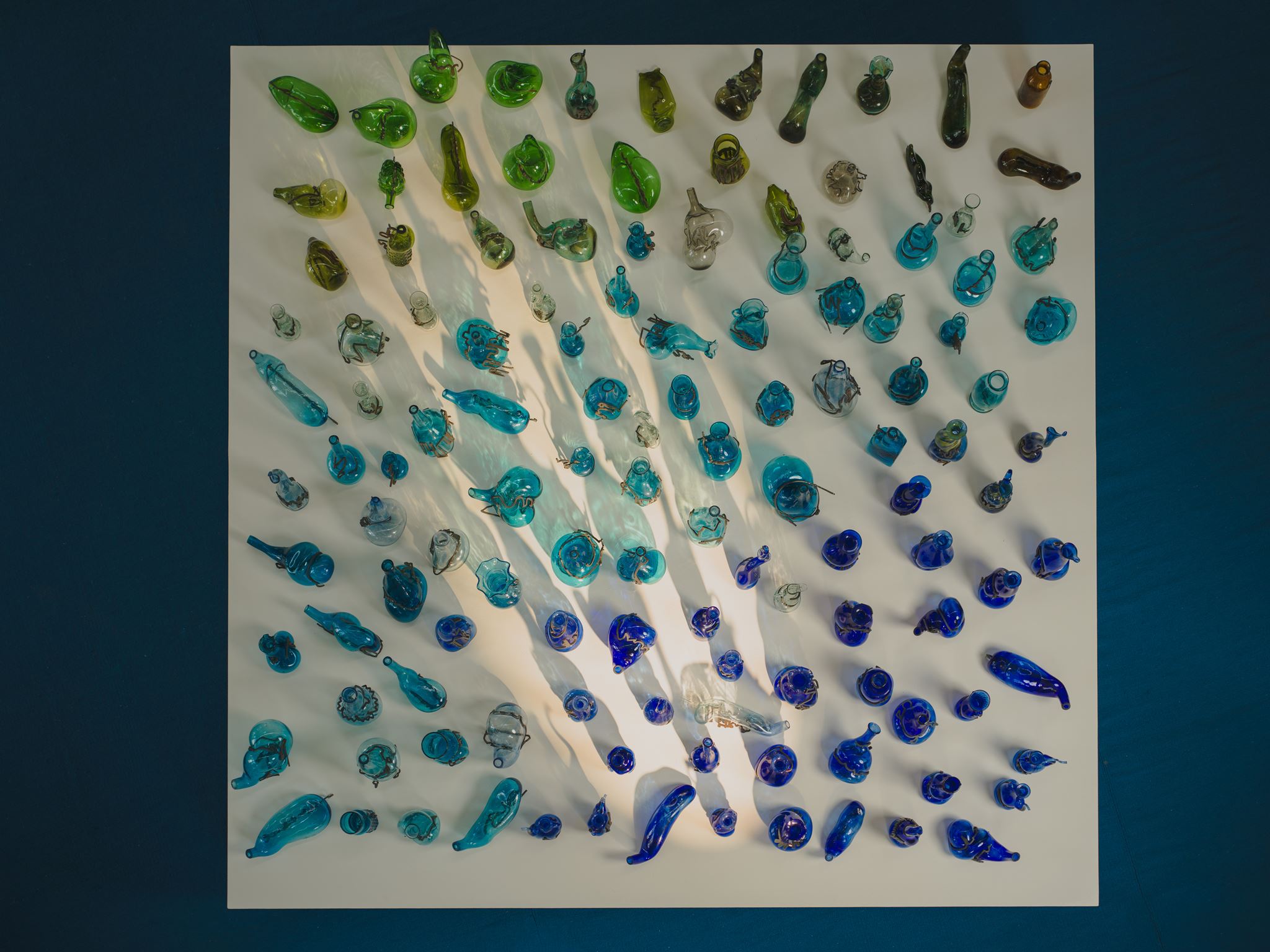
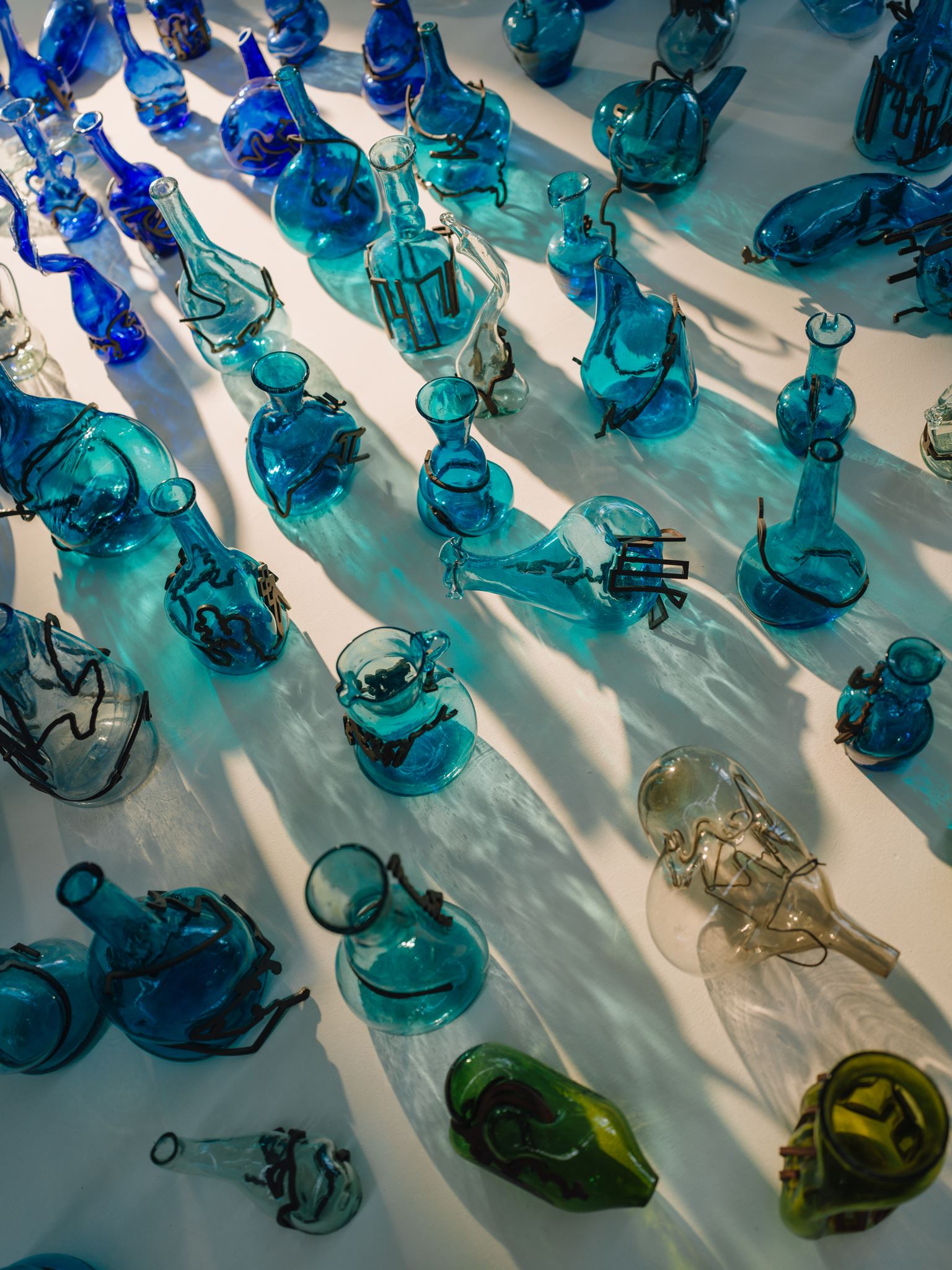
A prime example is the work of Syrian-Lebanese designer Ranim AlHalaky. Her glass vessel collection, I Held Your Voice in Glass, was not merely a design exercise but a collaborative production with Damascus-based glassblower Ahmad AlHalaak. The project utilized the designer’s grandmother’s recorded voice as a structural template for the glasswork. By formally acknowledging AlHalaak’s role as an essential co-producer, the project models a sustainable future for the craft industry in the Middle East—one that preserves heritage techniques while applying them to contemporary visual languages.
Urban Interventions and Heritage Preservation
The event also acted as a catalyst for urban renewal. The use of Darat Abu Adnan—a 1950s heritage home renovated by Al Ameed Coffee—as a flagship site demonstrates the potential for the private sector to preserve Jordan’s architectural history. The venue hosted the student exhibition, which featured work from 47 students who underwent a nine-month mentorship program. This initiative suggests a robust pipeline for the next generation of Jordanian designers.
Outside the house, the city itself became a canvas. Architect Wesam Al Asali’s installation at the Al-Hussain Cultural Centre utilized vaulted stone construction—a technique historically prevalent in the region—to provide both seating and architectural enclosure. This project serves as a practical application of "vernacular modernism," proving that ancient building methods can solve modern spatial problems.
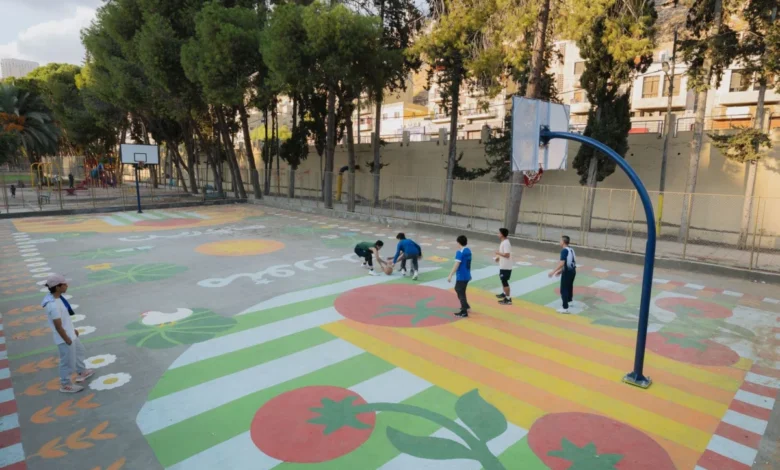
Similarly, the permanent installation by Abeer Anabtawi in Ras El Ain Park—a 30-meter basketball court adorned with local flora motifs—serves as a tribute to the agricultural history of the valley. By blending play with local agricultural narratives, the installation grounds the design in the site’s specific ecological past.
Implications and Future Outlook
The success of the 2026 Amman Design Week carries significant implications for the creative industries in the Middle East. First, it confirms that the "biennial" model remains viable even after prolonged periods of inactivity, provided there is a clear thematic continuity and a focus on long-term capacity building. Second, the event has effectively repositioned design as a form of social and historical research rather than mere aesthetic production.
The decision to include the Iraq Al Amir rural site—and the performance of Dima Srouji, whose career began at the 2016 event—highlights the importance of institutional memory. By bringing artists back to the sites of their early success, the organizers reinforced the idea that design is a cumulative, generational project.
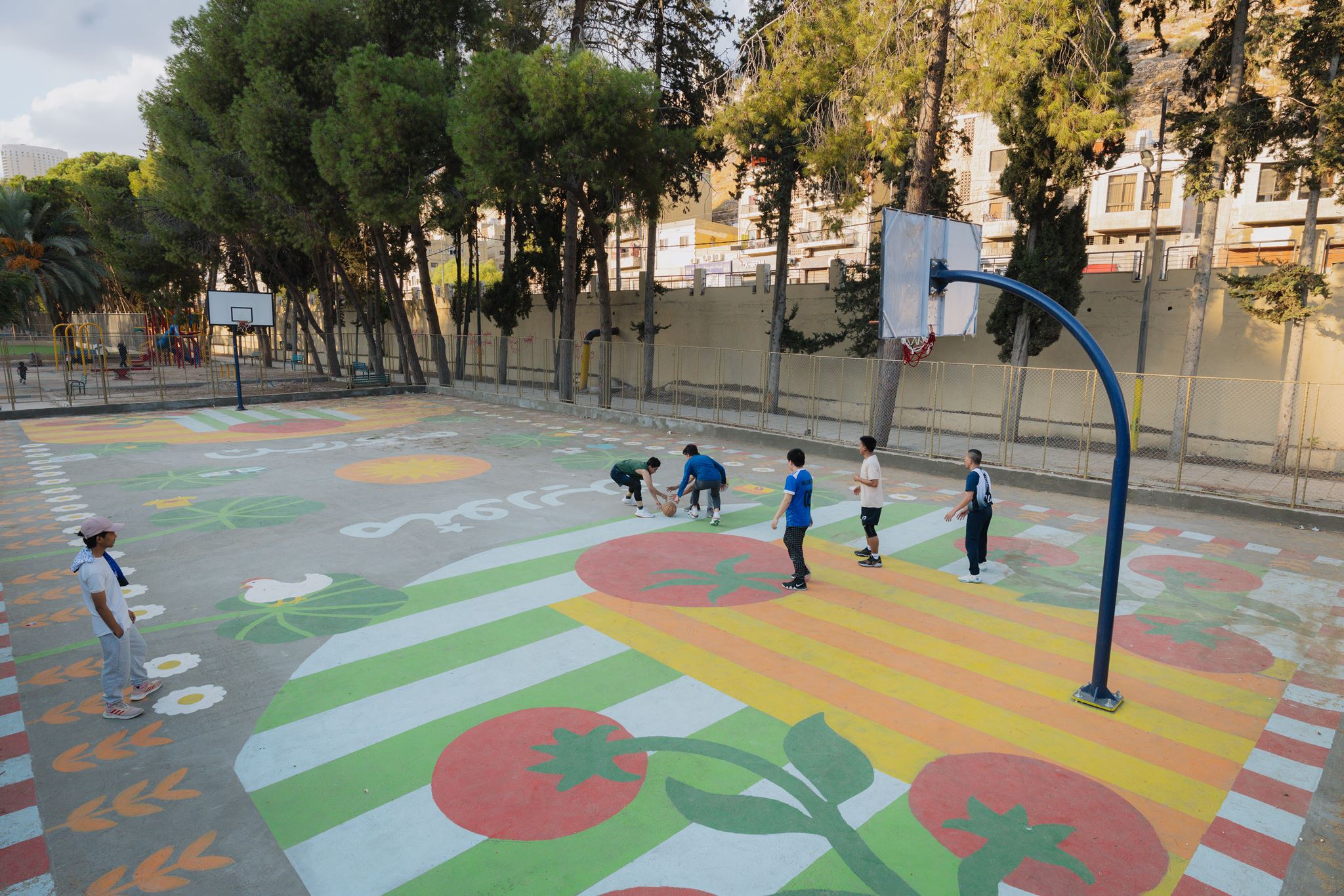
As of the conclusion of the event, the organizers have expressed an intention to maintain the momentum generated during this month. The shift toward permanent installations, such as the basketball court and the long-term programming plans for heritage sites like Darat Abu Adnan, suggests that the event is evolving from a temporary festival into a year-round cultural force. For the designers involved, the 2026 edition has provided more than just a stage; it has provided a framework for documenting, interpreting, and continuing the rich, layered history of the region’s creative output.
The "Accumulations" of the past seven years have not been lost; instead, they have been distilled into a sophisticated, multi-disciplinary, and globally relevant exhibition that defines the current state of Jordanian design. As the country moves forward, the success of this biennial will likely serve as a blueprint for how other nations in the region can leverage their unique cultural histories to foster modern innovation.
Related posts: