Elizabeth Unique Venice A Masterclass in Contemporary Venetian Elegance and Heritage Restoration

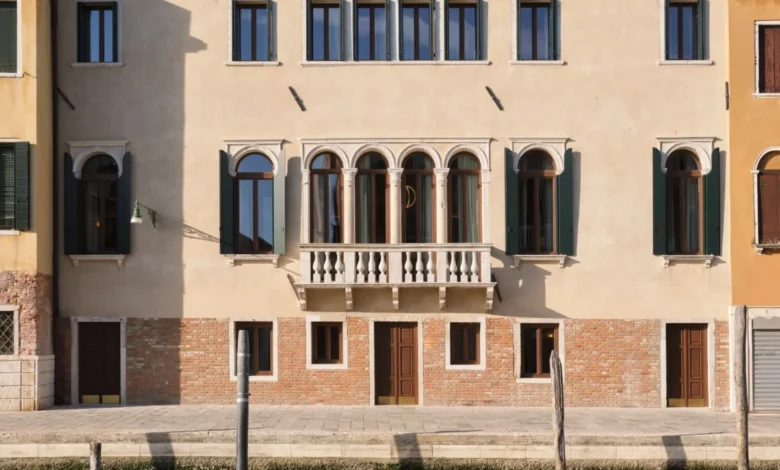
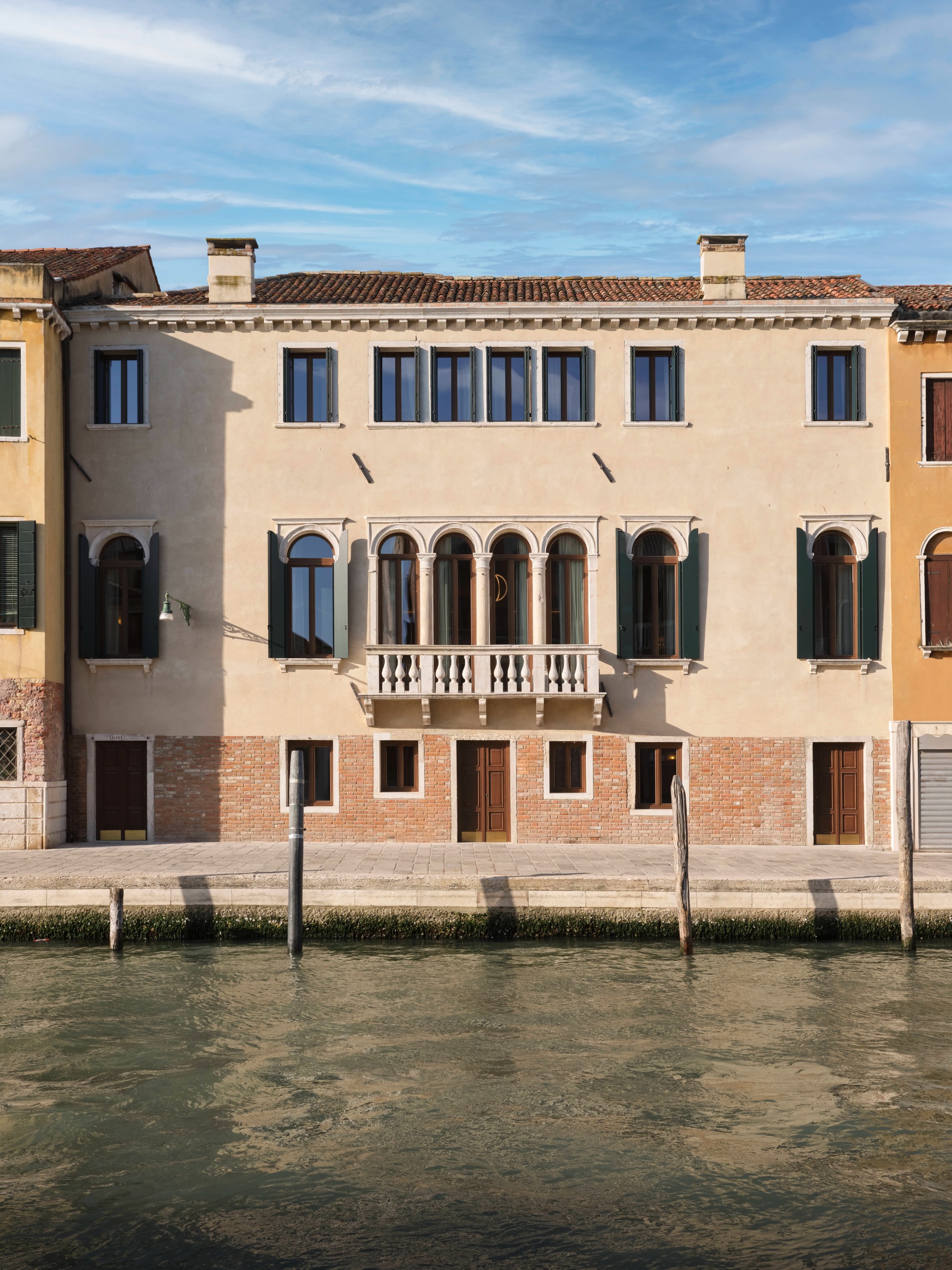
The storied streets of Venice, a city defined by its interplay of light, water, and centuries of artistic pedigree, have long served as a canvas for the world’s most influential creative minds. From the dramatic chiaroscuro of Tintoretto’s masterpieces in the Cannaregio district to the modern industrial design sensibilities of Luca Nichetto, the city remains an inexhaustible font of inspiration. This summer, the Venetian hospitality landscape saw a significant addition with the unveiling of Elizabeth Unique Venice, a boutique property that seeks to bridge the gap between historical preservation and modern luxury. Situated within a meticulously restored 17th-century palazzo, the hotel represents a strategic intervention in a city currently grappling with the pressures of mass tourism and the preservation of its architectural soul.
Historical Context and Architectural Preservation
The Cannaregio district, one of the six historic sestieri of Venice, offers a more introspective and authentic experience compared to the bustling tourist corridors of San Marco. The building housing Elizabeth Unique Venice traces its origins back to the 17th century, a period marked by the zenith of Venetian maritime power and architectural refinement. Over the centuries, the structure underwent various modifications that often obscured its original design language.
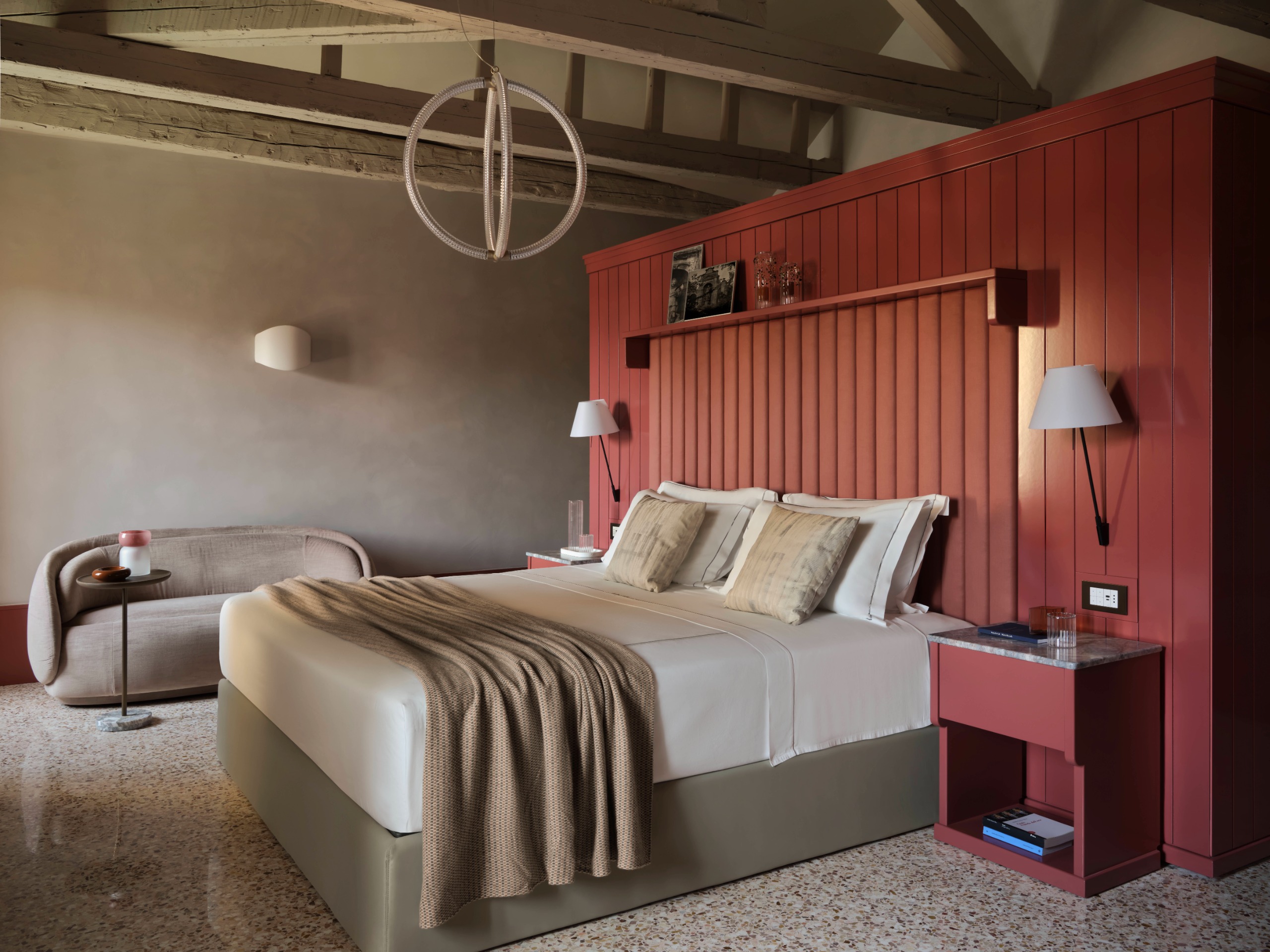
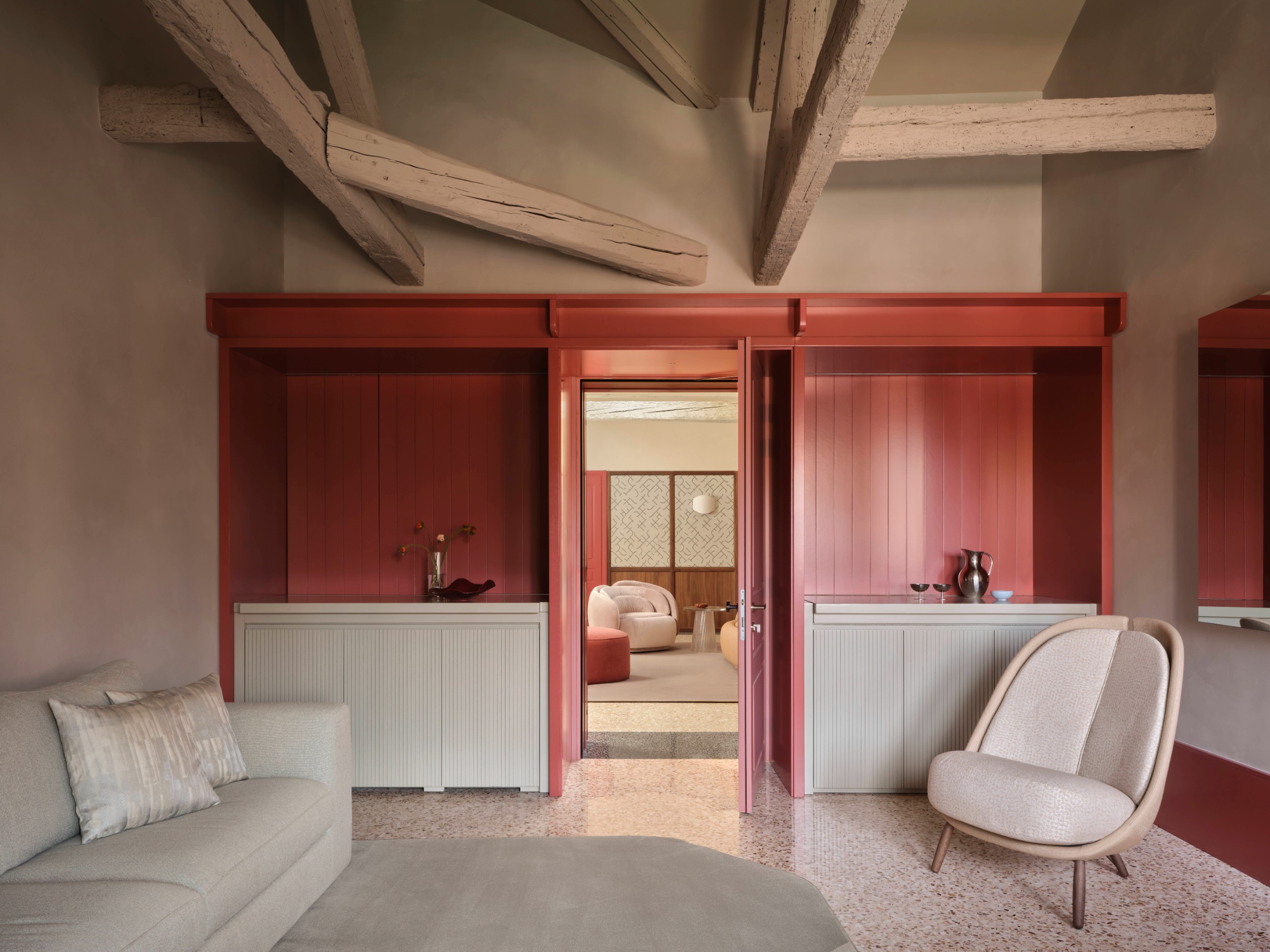
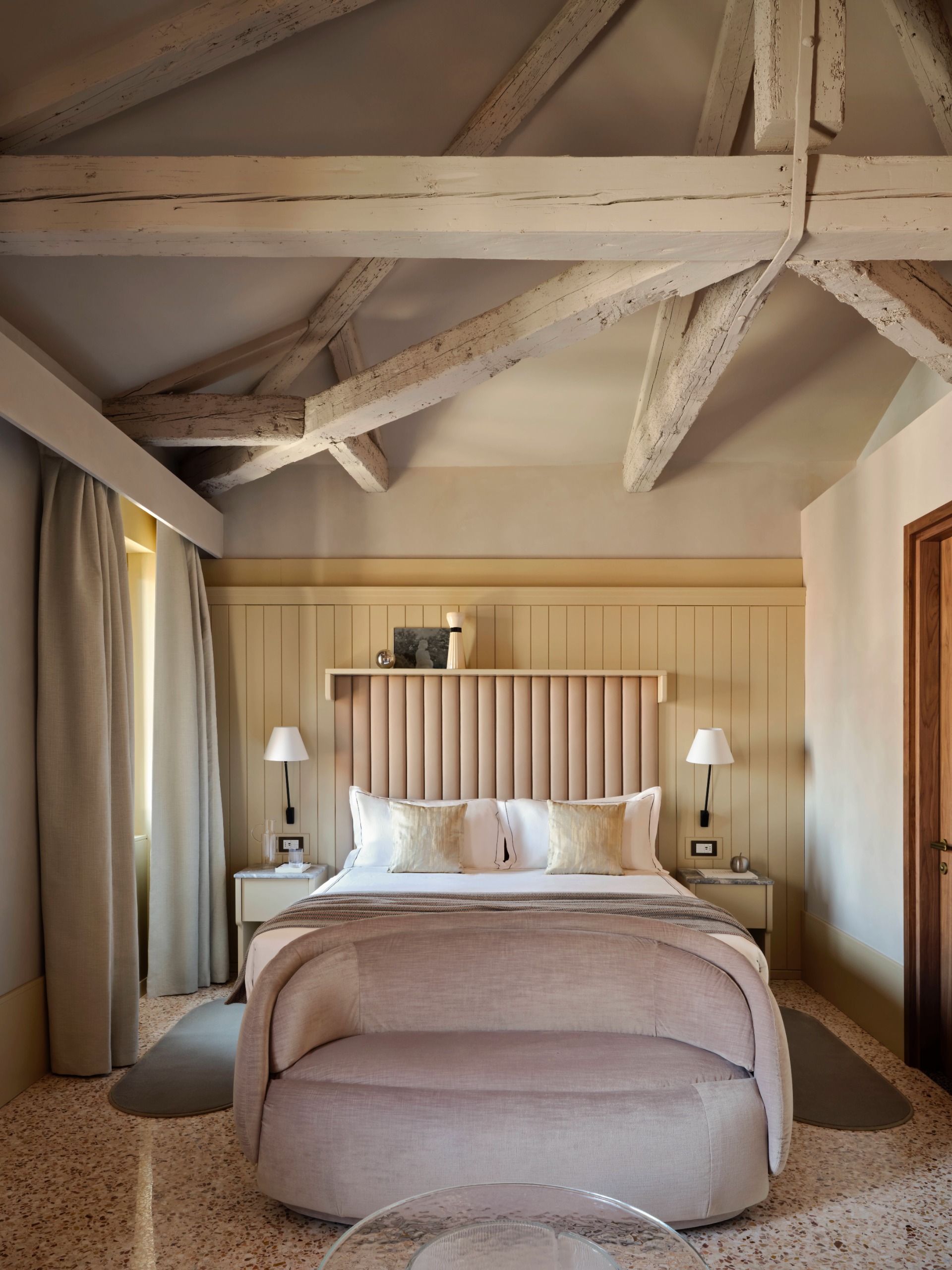
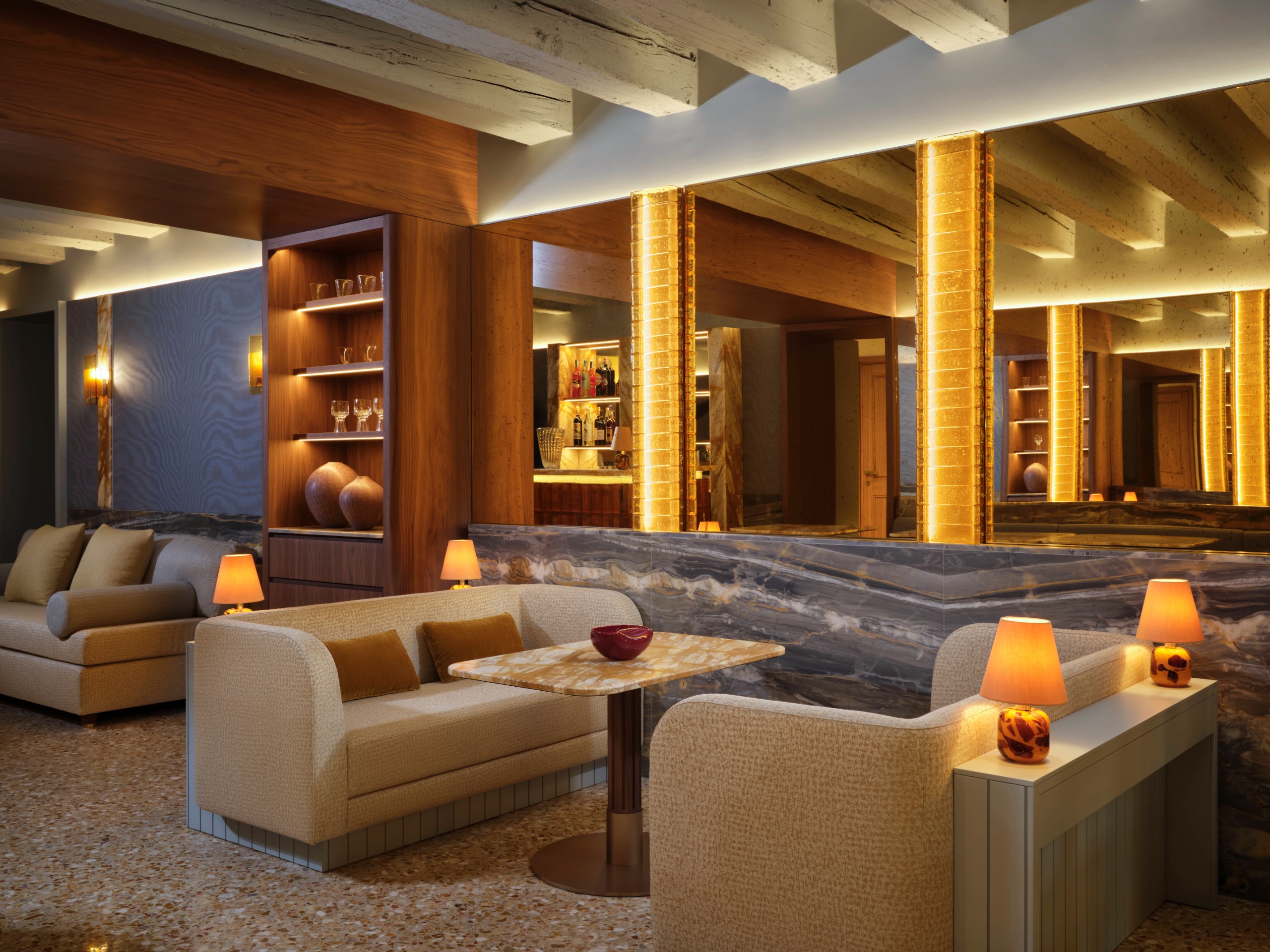
The renovation project, spearheaded by the Milan-based architect and designer Cristina Celestino, required a surgical approach to restoration. Celestino, a graduate of the IUAV School of Architecture in Venice, was tasked with stripping away centuries of unsympathetic alterations. Her primary objective was to reclaim the palazzo’s original identity while integrating the requirements of a high-end, 14-key boutique hotel. Central to this effort was the preservation of the historic timber ceilings and load-bearing beams, which serve as the architectural spine of the property. By retaining these elements, the design team established a visual dialogue between the 17th-century craftsmanship and the contemporary interior interventions.
Design Philosophy and Materiality
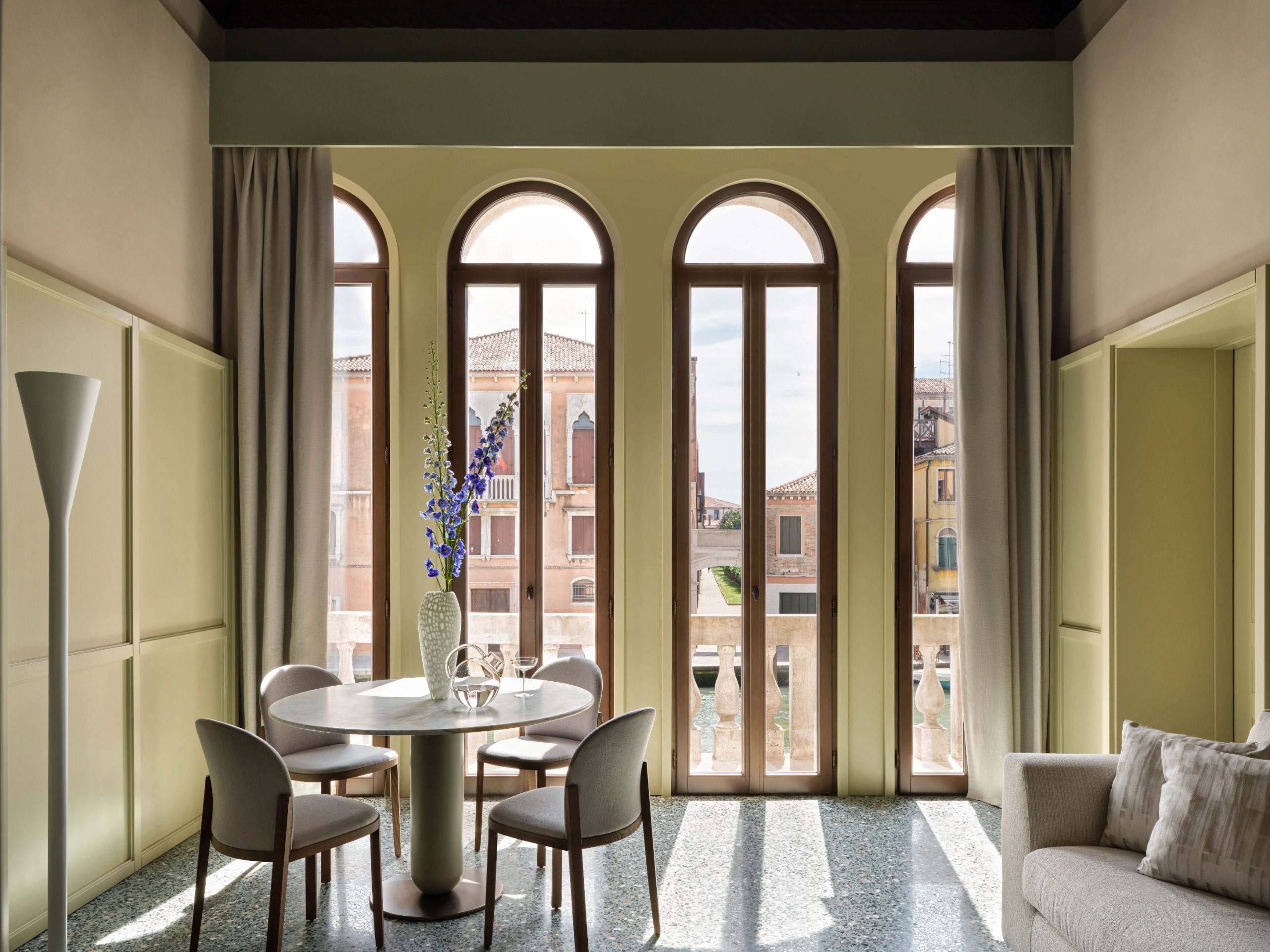
Cristina Celestino’s approach to the project is rooted in a reinterpretation of Venetian opulence, filtered through a contemporary lens. Her design methodology moves beyond the superficial tropes of Italian luxury, focusing instead on texture, color theory, and spatial flow. The materiality of the hotel is deeply connected to the local environment. One of the most significant technical challenges was the restoration of the flooring. The traditional seminato veneziano—a technique involving the setting of marble chips into a cementitious base—was completely replaced. This allowed the design team to introduce custom color combinations that harmonize with the broader aesthetic palette of the building.
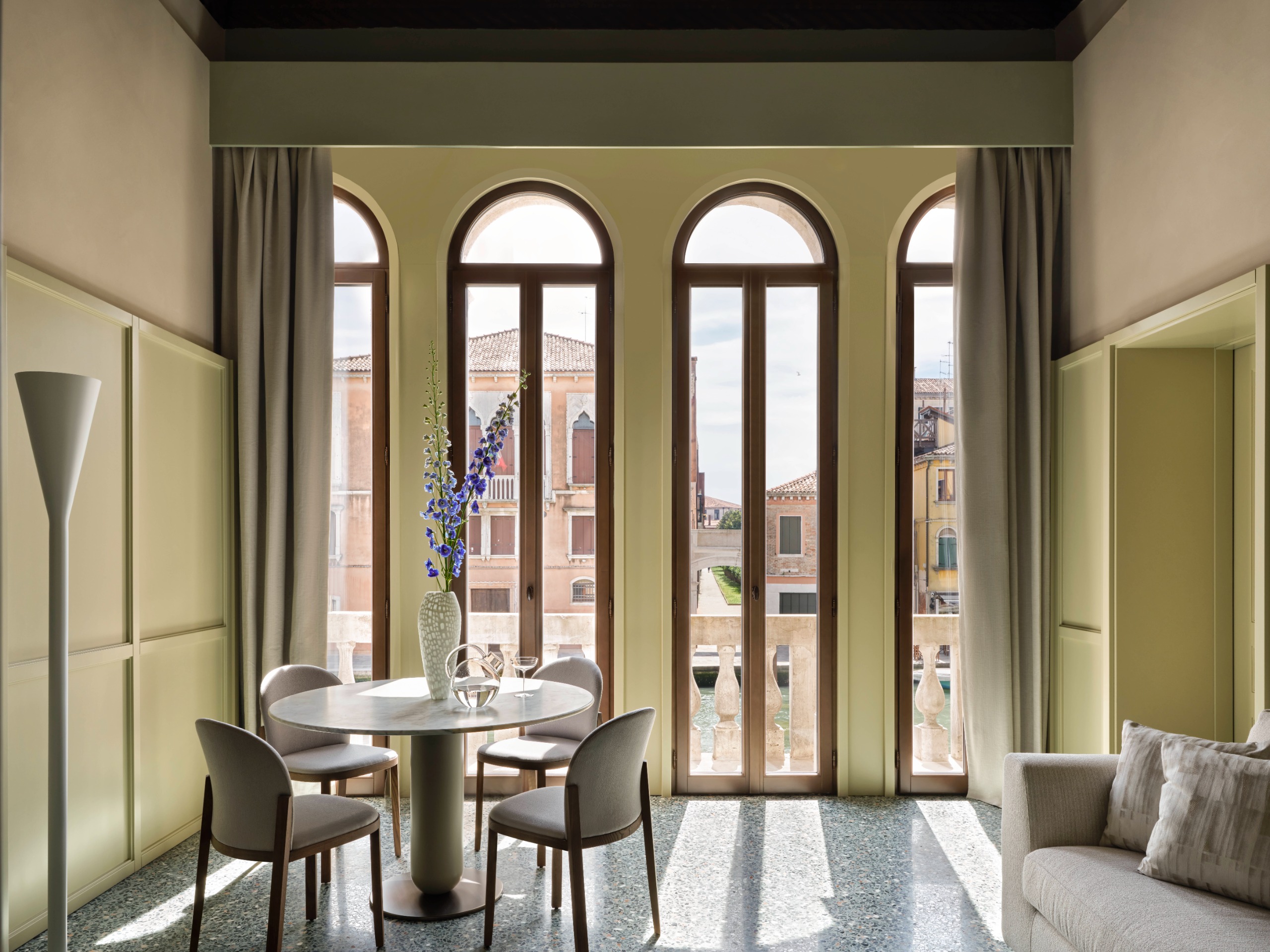
In the bathrooms, the use of large-format ceramic wall panels by Cedit represents a modern technological solution to a traditional design problem. By reducing the number of grout lines, the designer achieved a seamless, minimalist aesthetic that provides a stark, calming contrast to the intricate patterns of the flooring. The lighting scheme, which utilizes a mix of Celestino’s own designs and iconic pieces such as Michele de Lucchi’s Dioscuri globe lights, is engineered to manipulate the unique quality of Venetian light, particularly the soft, diffused glow that enters from the canal-facing windows.
Operational Data and Guest Experience
Elizabeth Unique Venice comprises 14 keys, a scale that deliberately prioritizes intimacy and personalized service over high-volume occupancy. The room inventory is evenly split between suites and bedrooms, with the Canal Suite on the first floor serving as the property’s flagship offering. This suite, which includes a private sauna, features high arched windows that frame the lagoon, reinforcing the connection between the interior environment and the city’s aquatic topography.
The operational strategy relies on subtle, high-touch details. For instance, the use of brass door handles from Manital and Olivari, as well as color-coded slippers and bathrobe trims, serves to foster a sense of individual ownership for guests. Such details are designed to transform a temporary stay into a residential experience. The introduction of a separate street entrance for the suites further enhances this sense of exclusivity, effectively distancing the guest from the public-facing aspects of the hotel’s operations.
The Role of Local Culture in Hospitality
The hotel’s food and beverage offering, centered on the restaurant Da grandMa, underscores a commitment to authentic Venetian culinary traditions. By focusing on staples such as creamed salt cod (baccalà mantecato) and the traditional cuttlefish and pea risotto (risi e bisi), the establishment aims to cater to both international travelers and a local clientele seeking a refined iteration of home-style Italian cooking. With a seating capacity of 20 internally and additional space outdoors, the restaurant operates as a boutique dining venue that reflects the hotel’s overall philosophy of curated, intimate experiences.
The proximity to historical landmarks is a significant draw. The property is located approximately 10 minutes from the main canal and 20 minutes on foot from the monumental works of Tintoretto at San Rocco and the Piazza San Marco. However, the hotel’s immediate surroundings are perhaps more historically significant. Situated behind the hotel is the site of Europe’s first Ghetto, the Jewish quarter of Venice. This location provides guests with immediate access to a deeply layered part of Venetian history that is often overlooked in traditional tourist itineraries.
Strategic Implications for the Venice Hotel Market
The emergence of Elizabeth Unique Venice highlights a growing trend in the luxury hospitality sector: the move toward "hyper-local" design. As major global hotel chains continue to standardize the luxury experience, independent properties that leverage local architects and local craft traditions are finding a significant competitive advantage. The success of this project hinges on the designer’s ability to balance the rigid requirements of building conservation with the functional needs of modern luxury travelers.
From a market perspective, the investment in such properties signals a shift in how Venice is being marketed to high-net-worth individuals. There is a clear move away from the grand, impersonal hotels of the mid-20th century toward smaller, design-led environments that offer a "private residence" feel. This trend aligns with broader shifts in global travel, where the focus has moved from "sightseeing" to "immersion."
Chronology of the Project
The timeline of the project reflects the complexity of renovating heritage assets in a UNESCO World Heritage site. Following the acquisition of the 17th-century building, the initial phase involved extensive structural assessments to determine which modern additions could be safely removed. The second phase, lasting approximately 18 months, focused on the restoration of the primary structure and the installation of modern MEP (Mechanical, Electrical, and Plumbing) systems that comply with strict local environmental and historical preservation codes. The final stage, involving the bespoke interior design by Celestino, prioritized the installation of artisan-made furniture and custom lighting, culminating in the hotel’s soft launch this summer.
Official Perspective and Future Outlook
While the hotel maintains a low-profile, exclusive operational model, the reception from the design community has been overwhelmingly positive, citing the project as a benchmark for contemporary restoration. By avoiding the "Disneyfication" of Venetian aesthetics and opting for a more grounded, historically informed design, Elizabeth Unique Venice positions itself as a significant contributor to the ongoing discourse on how Venice should evolve in the 21st century.
As the city continues to navigate the challenges of sustainability and urban management, the role of boutique hotels in preserving the structural and cultural heritage of the city becomes increasingly critical. Elizabeth Unique Venice serves as a case study for how private capital, when directed by skilled architectural visionaries, can contribute to the preservation of the city’s built environment. Whether this model can be scaled or replicated in other parts of the historic center remains to be seen, but for now, the property stands as a testament to the enduring dialogue between Venice’s storied past and its modern, design-focused future.
For visitors, the property offers more than just a place to stay; it provides a controlled, aestheticized environment that encourages a deeper engagement with the city’s complex identity. As the tourism landscape continues to fragment into niche markets, the success of Elizabeth Unique Venice suggests that the future of luxury travel lies in the intersection of authenticity, craftsmanship, and the quiet, measured luxury of the private residence.