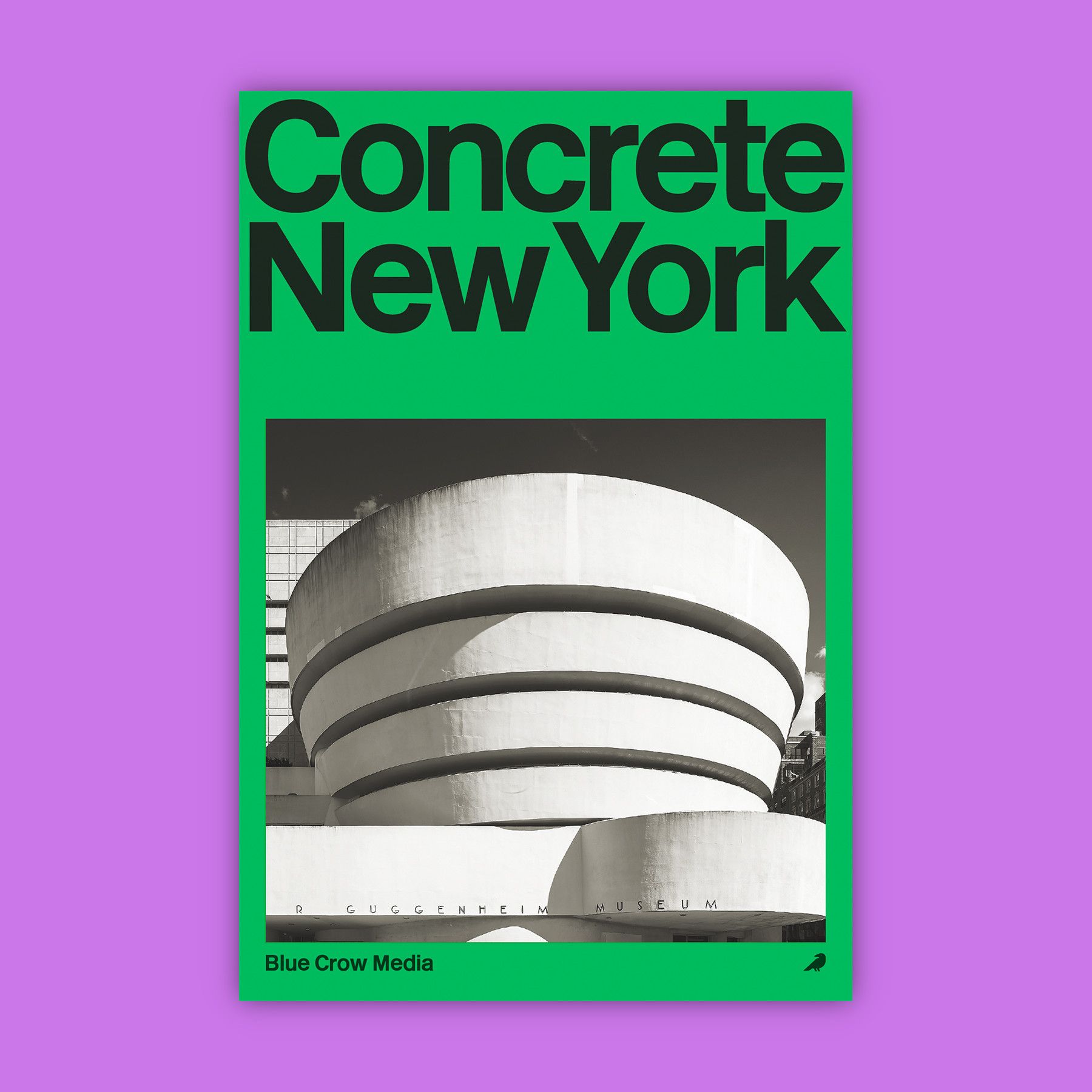
Concrete New York is the latest Blue Crow guidebook to sculptural architectural design

A Legacy of Form and Function
While New York is globally synonymous with the rise of the steel-framed skyscraper, its concrete legacy remains a vital, if often overlooked, component of its urban fabric. Unlike the dense, monolithic Brutalist clusters found in post-war European cities, New York’s concrete architecture is characterized by an eclectic mix of structural innovation and civic ambition.
The publication, written by architecture historian and author Allison C. Meier, serves as both a field guide and a scholarly survey. It challenges the common perception that the city’s architectural identity is limited to Art Deco spires or late-modern glass boxes. Instead, the book highlights how concrete allowed mid-century architects to push the boundaries of structural expressionism, creating fluid, organic, and often daring forms that contrast sharply with the rigid grid of Manhattan.
Chronology of Concrete Innovation in New York
The narrative of concrete in New York is best understood through a timeline that spans the mid-20th century to the present day:
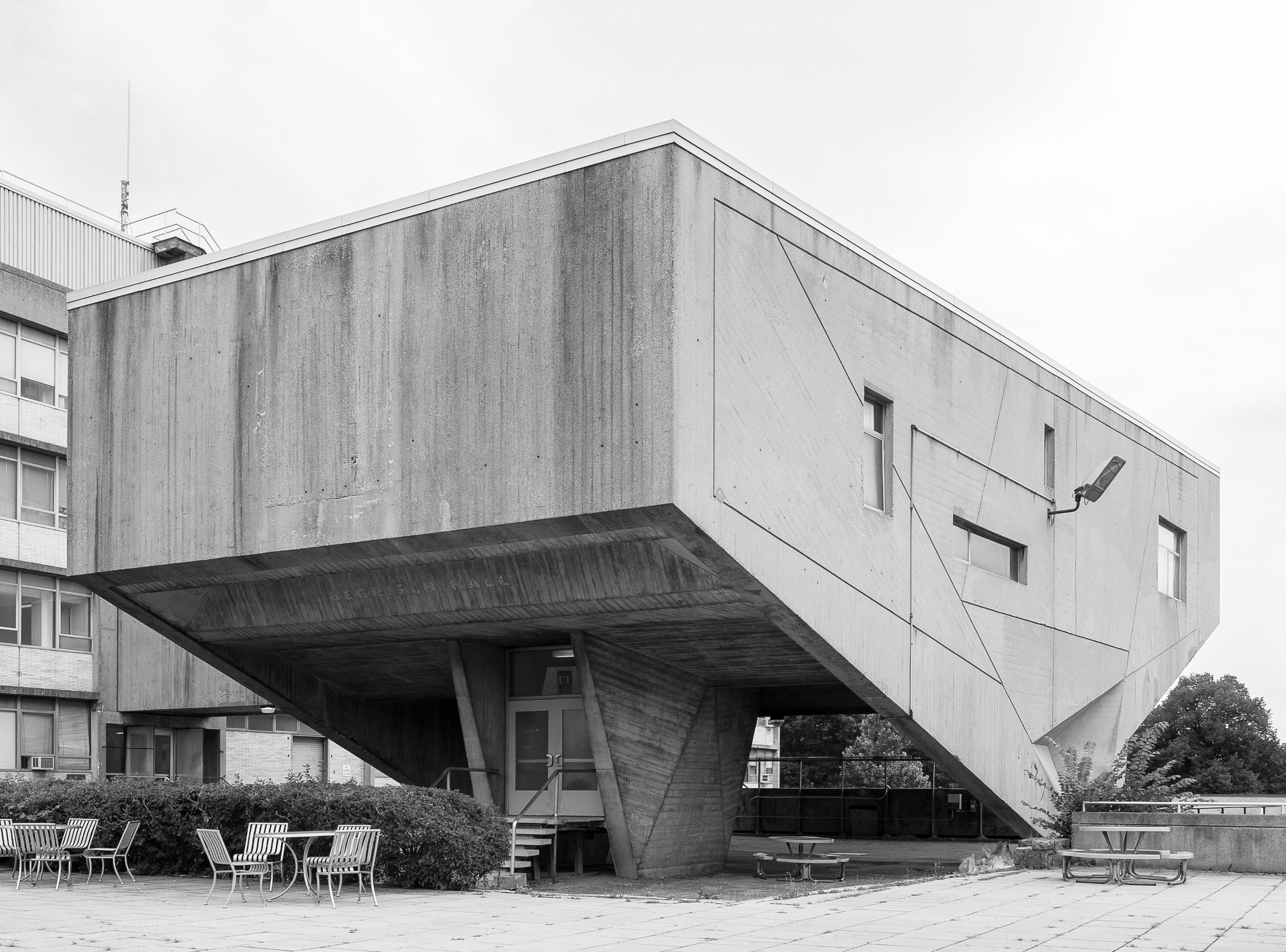
- 1950s–1960s: The "Golden Age" of New York concrete. This period saw the rise of iconic structures that utilized poured-in-place concrete for its plastic, sculptural qualities. Projects like the Bronx Community College’s Begrisch Hall (Marcel Breuer & Associates, 1961) demonstrated the material’s ability to define academic and public spaces with heavy, textured geometric forms.
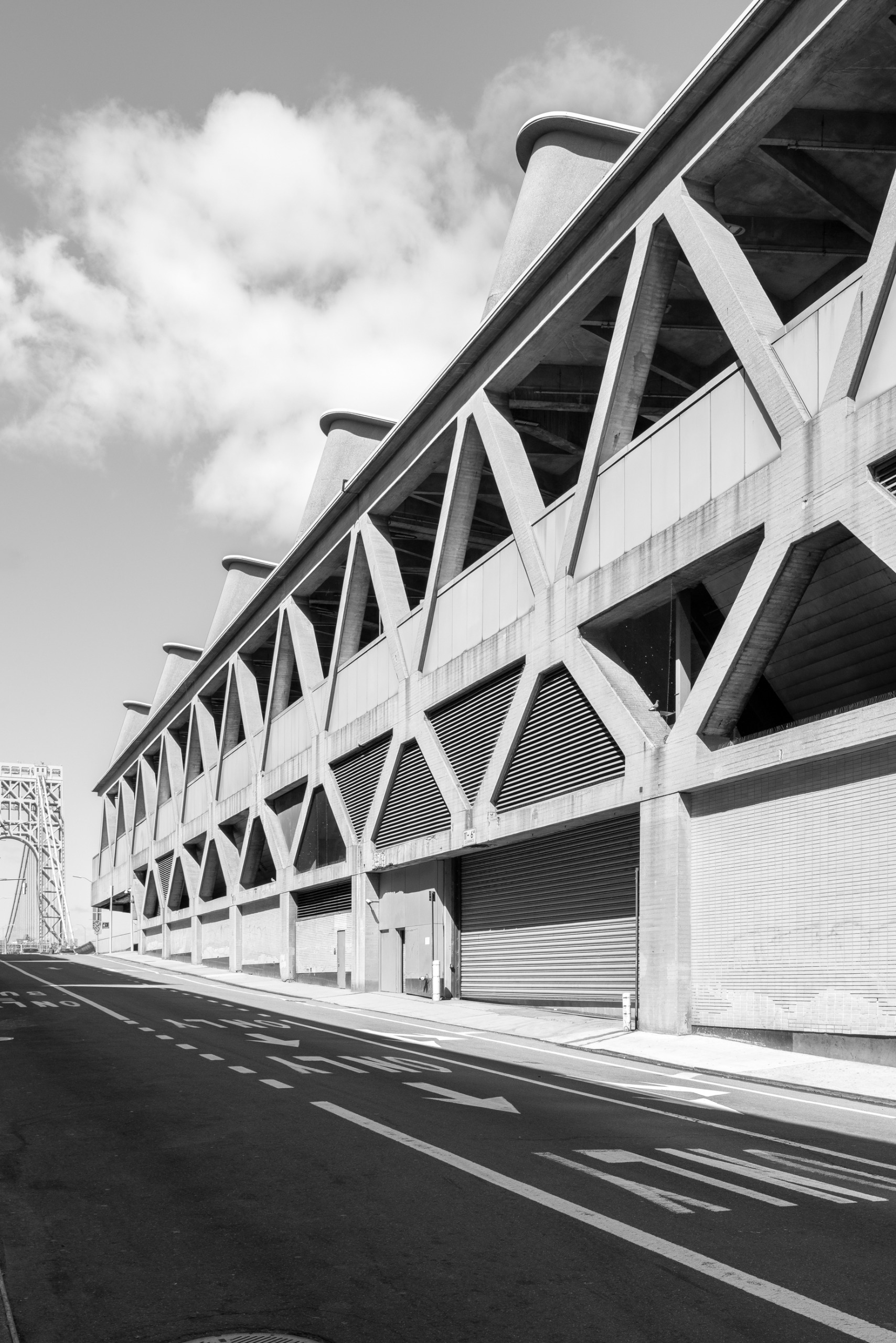
- 1960–1963: Pier Luigi Nervi’s George Washington Bridge Bus Station stands as a testament to engineering prowess, showcasing the material’s ability to create dramatic, expansive roof lines that define transit hubs.
- 1964: The New York Hall of Science’s Great Hall, designed by Harrison and Abramovitz, pushed the material toward a lighter, more ethereal aesthetic, later renovated by Ennead Architects in 2015 to preserve its original vision while updating it for modern standards.
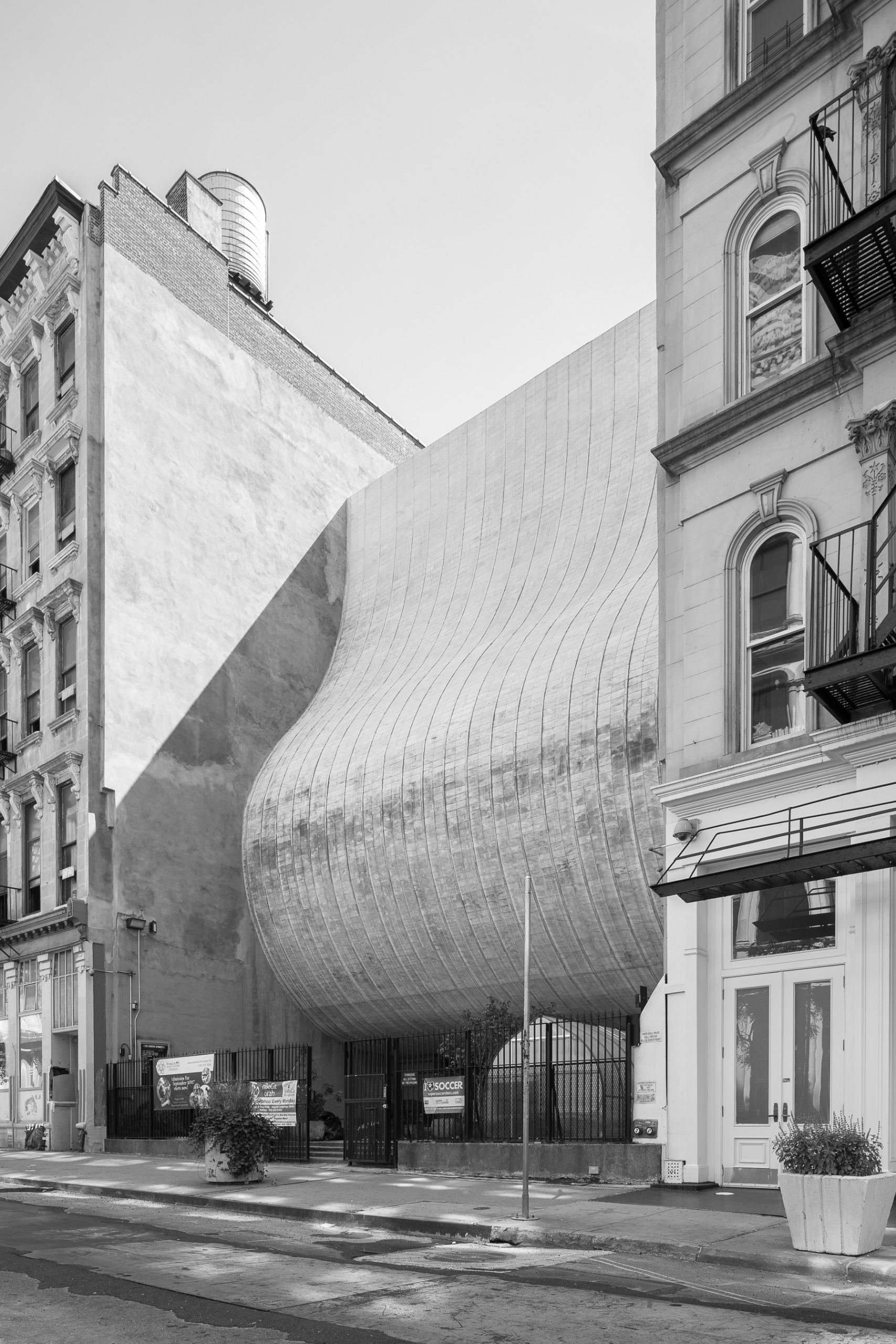
- 1965–1967: The Tribeca Synagogue by William N. Breger Associates introduced a "ribbon wall" concept that, in retrospect, anticipated the parametric and fluid designs of later architects like Zaha Hadid.
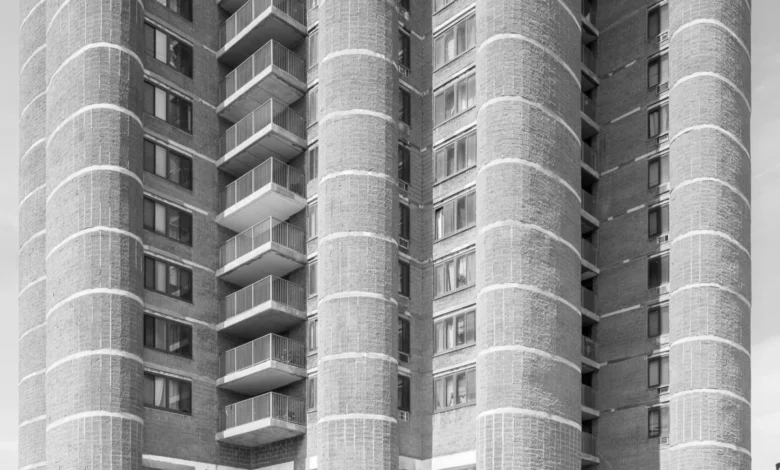
- 1972: Paul Rudolph’s Tracey Towers in the Bronx stands as an uncompromising example of late-modern concrete verticality, often serving as a focal point for debates regarding the preservation of massive residential complexes.
- Modern Era: The inclusion of contemporary works by firms such as Studio Gang, David Adjaye, and Steven Holl demonstrates that concrete remains a primary medium for architects looking to marry sustainability with high-concept design.
Supporting Data and Editorial Vision
The guide features more than 50 distinct structures, meticulously documented through photography by Jason R. Woods. His black-and-white photography strips away the distracting colors of the modern city, forcing the reader to focus on the interplay of light, shadow, and texture on the concrete surfaces.
From an editorial standpoint, Blue Crow Media’s strategy remains consistent: pairing widely recognized landmarks, such as Frank Lloyd Wright’s Solomon R. Guggenheim Museum, with peripheral, lesser-known neighborhood gems. This juxtaposition serves a specific educational purpose—it forces the reader to acknowledge the material’s ubiquity. While the Guggenheim is celebrated as an artistic achievement, the inclusion of smaller, functional, or even residential concrete projects provides a more comprehensive view of how the material has shaped the lives of New Yorkers over several decades.
The Evolution of the Architectural Guidebook
The shift from the publisher’s earlier Concrete New York Map to this comprehensive hardcover volume reflects a broader trend in the publishing industry: the move from transient, souvenir-style ephemera to durable, archival-quality resources. By providing more than 1,200 words of context, detailed building history, and professional photography, the publisher is catering to a growing demographic of architectural enthusiasts who prioritize depth and research over simple tourism.
The decision to include the Tribeca Synagogue, for instance, highlights a scholarly intent to draw parallels between 1960s structural experiments and contemporary digital design. This contextualization transforms the book from a simple list of locations into a coherent historical argument about the importance of material innovation in urban planning.
Broader Implications for Urban Preservation
The publication of Concrete New York arrives at a critical juncture for the city’s architectural preservationists. Many of the buildings featured—particularly those from the 1960s and 70s—are reaching an age where they require significant retrofitting or face the threat of demolition. Concrete, while durable, is susceptible to carbonation and structural decay if not properly maintained.
By highlighting these structures, the book serves an implicit advocacy function. By educating the public on the history and significance of these buildings, the guide helps build a constituency for their preservation. The inclusion of renovated buildings, such as the New York Hall of Science, serves as a case study in how to adapt historic concrete structures to modern energy and accessibility standards without losing their defining character.
Expert Perspective and Market Context
Architectural critics have long noted that concrete’s reputation in North America suffers from its association with low-cost housing and institutional austerity. However, Concrete New York succeeds by focusing on the "muscular" and "dramatic" aspects of the material. By elevating the profile of these structures, the book aligns with a broader international movement to re-evaluate the mid-century modern canon.
Market response to these types of publications has been positive, with demand for "architectural city guides" reaching a new high. The publisher’s decision to offer the book as part of a three-volume set—alongside other regional guides—indicates that there is a robust, globally distributed audience for localized, high-quality architectural surveys. This suggests that the value of such books lies not just in their information, but in their status as collectible artifacts that reflect a refined interest in the built environment.
Conclusion: A Living History
Concrete New York does not merely catalogue buildings; it documents a period of architectural optimism. Through its careful selection of sites and high-fidelity visual documentation, the volume provides an essential service to both the resident of New York and the global observer of architectural history. It reinforces the fact that concrete, often dismissed as a base material, is actually the silent, enduring partner in the city’s ongoing evolution.
As the city continues to densify, the lessons found in these mid-century experiments—regarding light, structural efficiency, and civic integration—remain as relevant as ever. Whether one is visiting the Bronx to see the imposing stature of Tracey Towers or studying the fluid curves of the Guggenheim, the guide provides the necessary context to appreciate the concrete skeleton of one of the world’s most complex urban landscapes.
For those looking to engage with this history, the volume is priced at £24, with the expanded three-book set available for £56. As the architectural community continues to debate the sustainability and future of concrete in the face of the climate crisis, this guide serves as a timely reminder of the material’s profound, if sometimes complicated, legacy in shaping the skyline of New York.