A Departure from Historical Precedent
The decision to integrate touch into the MacBook Pro represents a calculated evolution of Apple’s human-interface guidelines. In 2010, Steve Jobs famously characterized vertical touch surfaces as "ergonomically terrible," noting that extended use would inevitably lead to user fatigue—a phenomenon often referred to in industry circles as "gorilla arm."
For thirteen years, Apple maintained this stance, opting to refine the trackpad and introduce the Touch Bar—a short-lived, narrow OLED strip above the keyboard that sought to bridge the gap without forcing users to reach for the screen. The discontinuation of the Touch Bar in recent iterations of the MacBook Pro suggested that Apple had abandoned the experiment entirely. The introduction of the PROLED XDR touch interface, therefore, comes as a surprise to many industry analysts who expected the company to maintain a rigid separation between its tablet and laptop lines.
Technical Specifications and Hardware Refinement
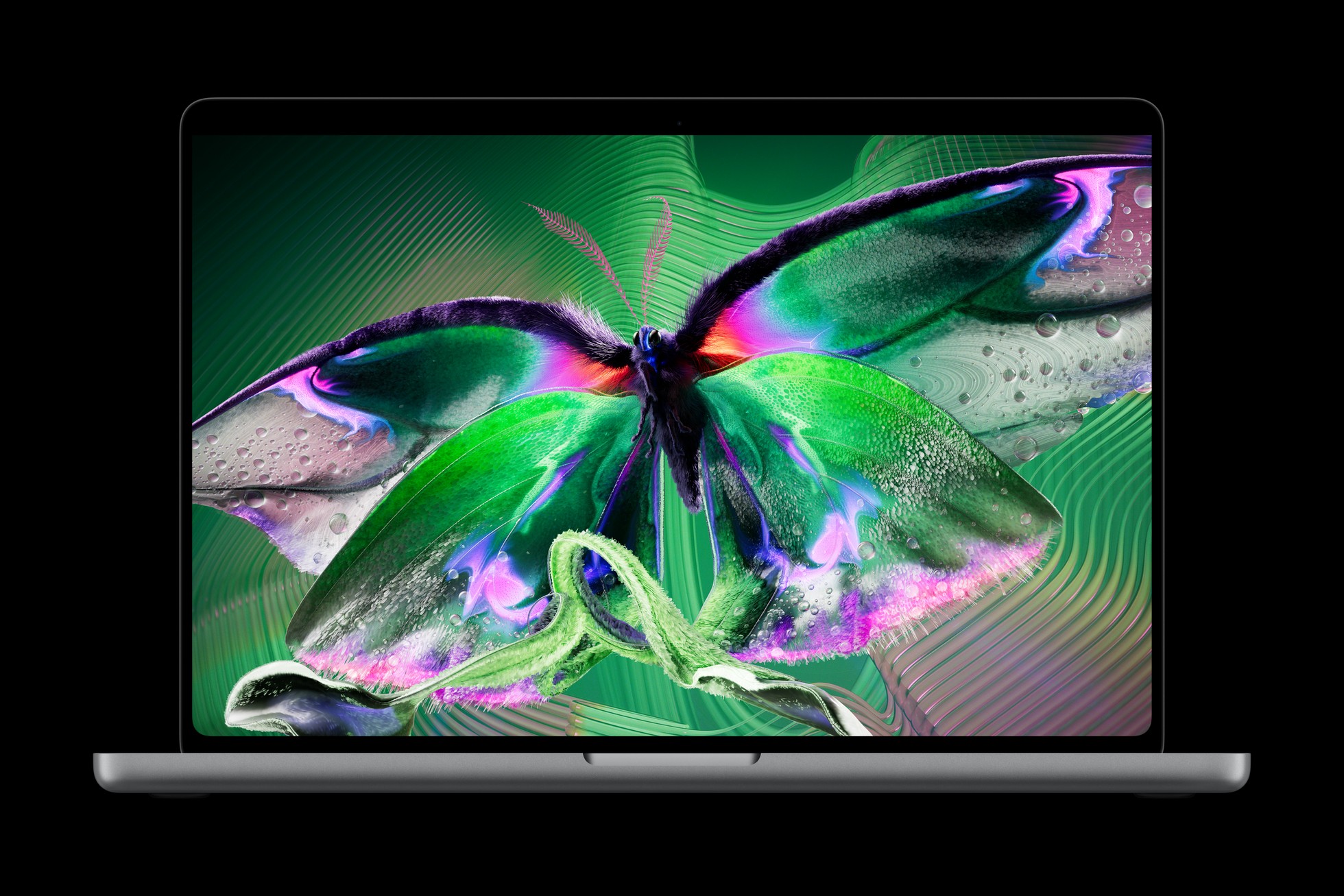
The new MacBook Pro utilizes a proprietary PROLED XDR display technology, which Apple claims provides industry-leading contrast ratios, color accuracy, and brightness levels. Unlike standard consumer-grade touchscreens, this panel has been engineered to withstand the rigorous demands of professional creative workflows.
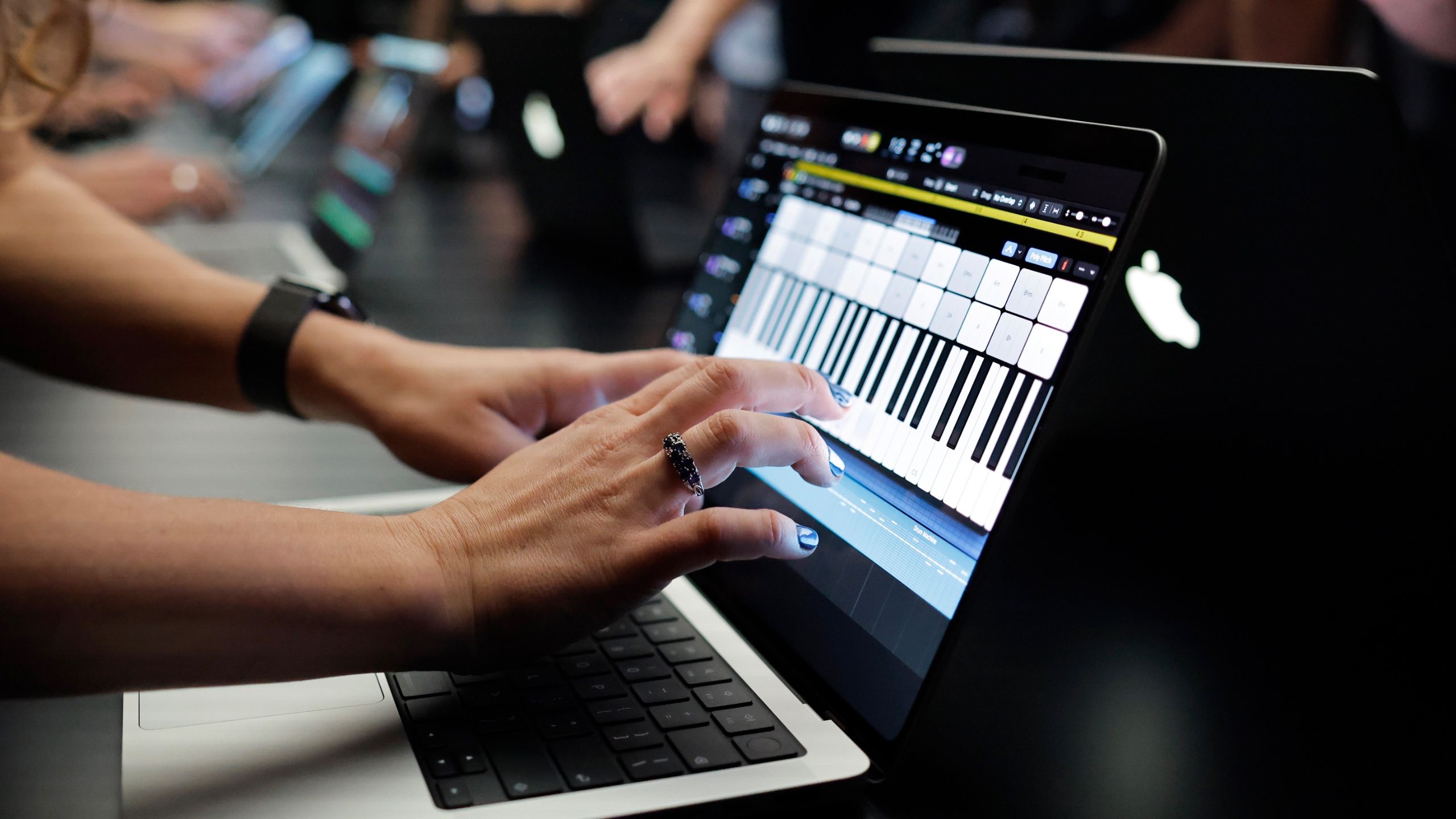
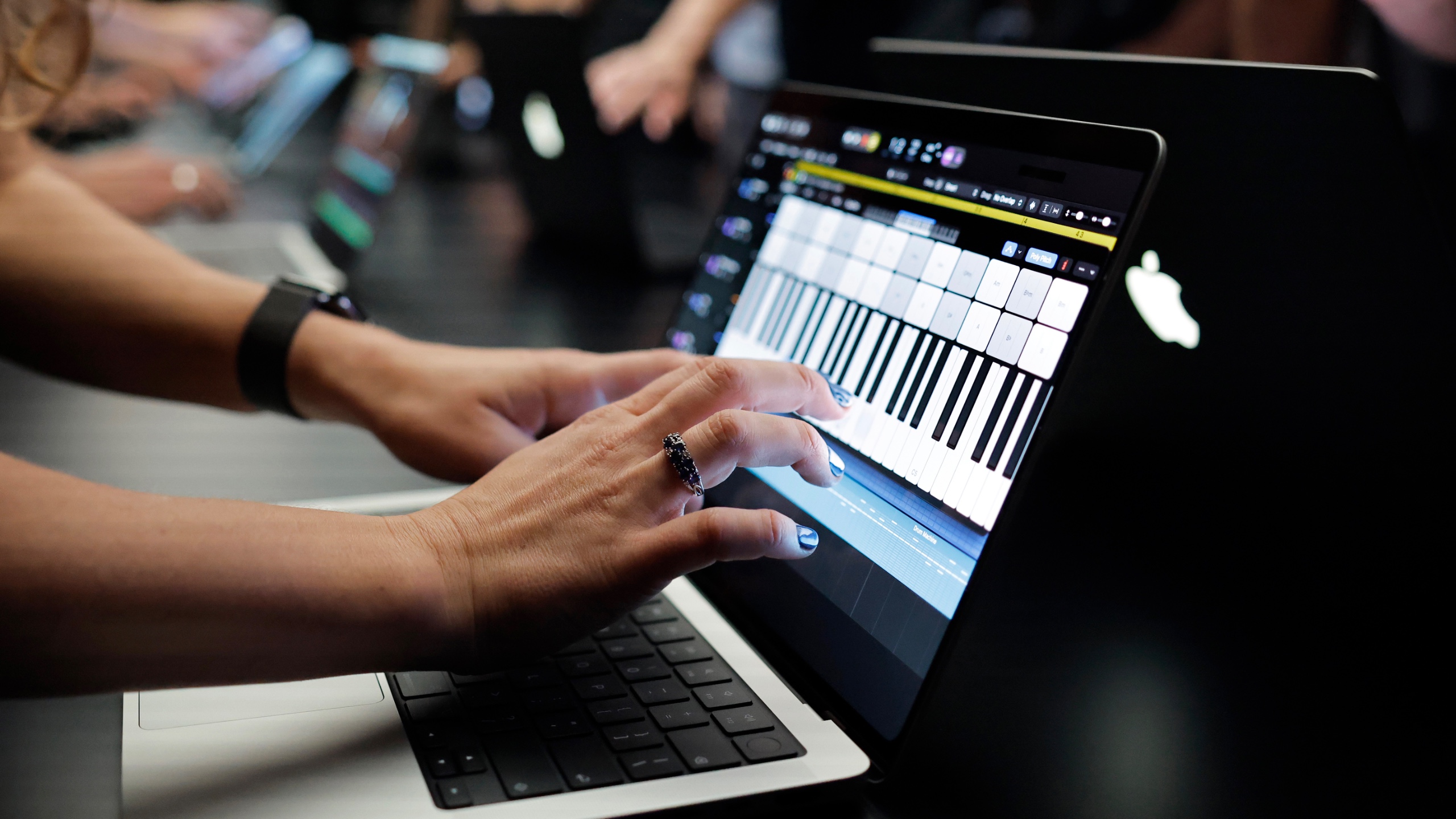
To address the inherent physical challenges of a vertical touch interface, Apple has implemented a reinforced hinge mechanism. During hands-on testing, it was evident that the display housing has been stiffened to minimize screen wobble—a common complaint with competing Windows-based touchscreen laptops. Despite these mechanical improvements, the device maintains the industrial aesthetic associated with the MacBook Pro line. The software layer, integrated into the latest version of macOS, has been optimized to detect accidental touches while allowing for precise input in creative applications. In tools such as Final Cut Pro and Logic Pro, the touch layer serves as a secondary input method rather than a replacement for the trackpad, facilitating tasks like timeline scrubbing and virtual instrument manipulation.
Market Context and Strategic Implications
The launch comes at a time when the premium laptop market is increasingly saturated with hybrid devices. By entering the touchscreen space, Apple is effectively responding to long-standing consumer demand from power users who have integrated tablets into their workflows.
Data from the International Data Corporation (IDC) indicates that while the PC market experienced a cooling period post-pandemic, the demand for premium professional workstations remains resilient. By positioning the touch feature as a "bonus" rather than a core requirement, Apple is attempting to mitigate the ergonomic concerns raised by its late founder while providing a competitive advantage against Windows-based workstations that have offered touch for years.
Industry Reaction and Expert Analysis
Industry experts have noted that the naming convention—specifically the exclusion of the word "touch" from the formal product title—is a deliberate marketing strategy. By branding the device as the "MacBook Pro with PROLED XDR Display," Apple is signaling that the screen’s visual fidelity remains the primary selling point, with touch functionality serving as a secondary, utility-driven feature.
Market analysts suggest that this strategy is designed to protect the iPad’s market position. If Apple were to market the new MacBook as a full-fledged touch-first device, it might cannibalize sales of the iPad Pro. By keeping the touch interface secondary, the company maintains a clear distinction between its mobile and desktop computing experiences.
Chronology of the Development
The path to this product launch can be traced through several key milestones in Apple’s hardware history:
- 2010: Steve Jobs explicitly rejects the concept of a touchscreen Mac, setting the industry standard for Apple’s design philosophy.
- 2016: Apple introduces the MacBook Pro with Touch Bar, an attempt to bring interactive, touch-based control to the Mac without requiring screen-reaching.
- 2021: The company reverts to a traditional function row, effectively retiring the Touch Bar due to lukewarm user reception and developer adoption.
- 2023–2024: Internal development focuses on the integration of touch-sensitive digitizers with high-brightness LED arrays, leading to the development of the PROLED XDR panel.
- Late 2024: The MacBook Pro with PROLED XDR Display is formally unveiled, marking the first time a Mac has featured a direct touch-input display.
Addressing Ergonomics and Future Workflows
The ergonomic argument against vertical touchscreens remains a valid concern for long-form text entry or prolonged editing sessions. However, Apple appears to have banked on the idea that "occasional interaction" is the sweet spot for the modern professional. By allowing users to pinch-to-zoom on maps, scrub through video timelines, or manipulate audio parameters in Logic Pro, Apple is providing a specialized toolset for creators rather than a general-purpose touch interface for the entire operating system.
The responsiveness of the interface is notable, with zero-latency input achieved through the integration of the M-series chips and the new display controller. This level of responsiveness is critical for creative professionals who rely on real-time feedback.
Availability and Pricing
The MacBook Pro with PROLED XDR Display is currently available for pre-order, with a starting price of $2,899. This pricing tier confirms that the device is aimed at the high-end creative professional market, rather than the general consumer. Analysts anticipate that if the adoption rate among creative professionals is high, Apple may eventually expand this technology to lower-tier models, though such a transition is likely several years away.
As Apple moves forward with this new hybrid design, the broader implications for the desktop computing industry are significant. It forces competitors to reconsider the value of touch-screen integration in premium workstations. While the industry has spent years debating whether touch belongs on a laptop, Apple has now provided a definitive, albeit cautious, answer: it belongs, provided the hardware is robust enough to handle the physical interaction and the software is refined enough to remain unobtrusive.
For the user, the arrival of the touchscreen MacBook Pro signifies an end to an era of rigid separation between Apple’s product categories. It represents a more fluid approach to computing, where the user can choose the input method that best suits the task at hand, whether it be the precision of the trackpad, the tactile feedback of the keyboard, or the immediate, intuitive nature of touch. Whether this serves as a foundation for a future full-touch macOS or remains a permanent niche feature for power users, the release stands as a landmark moment in the evolution of the world’s most recognizable laptop line.
Related posts: