The Rise of the Dumb Phone: Why Consumers Are Rejecting High-End Foldables for Minimalist Tech


After months of intense industry speculation and patent leaks, Apple has officially unveiled the iPhone Duo, marking the company’s long-awaited entry into the foldable smartphone market. With a price point starting at $1,999, the device is designed to serve as a high-performance multitasking hub, featuring a expansive dual-screen interface and advanced optics. However, while tech enthusiasts are applauding the hardware innovation, a burgeoning segment of the consumer base is moving in the opposite direction. As digital fatigue reaches record highs, a growing number of users are trading high-end foldables for "dumb phones"—minimalist devices that prioritize core communication over the constant connectivity of the modern smartphone.
The Evolution of the Foldable Market
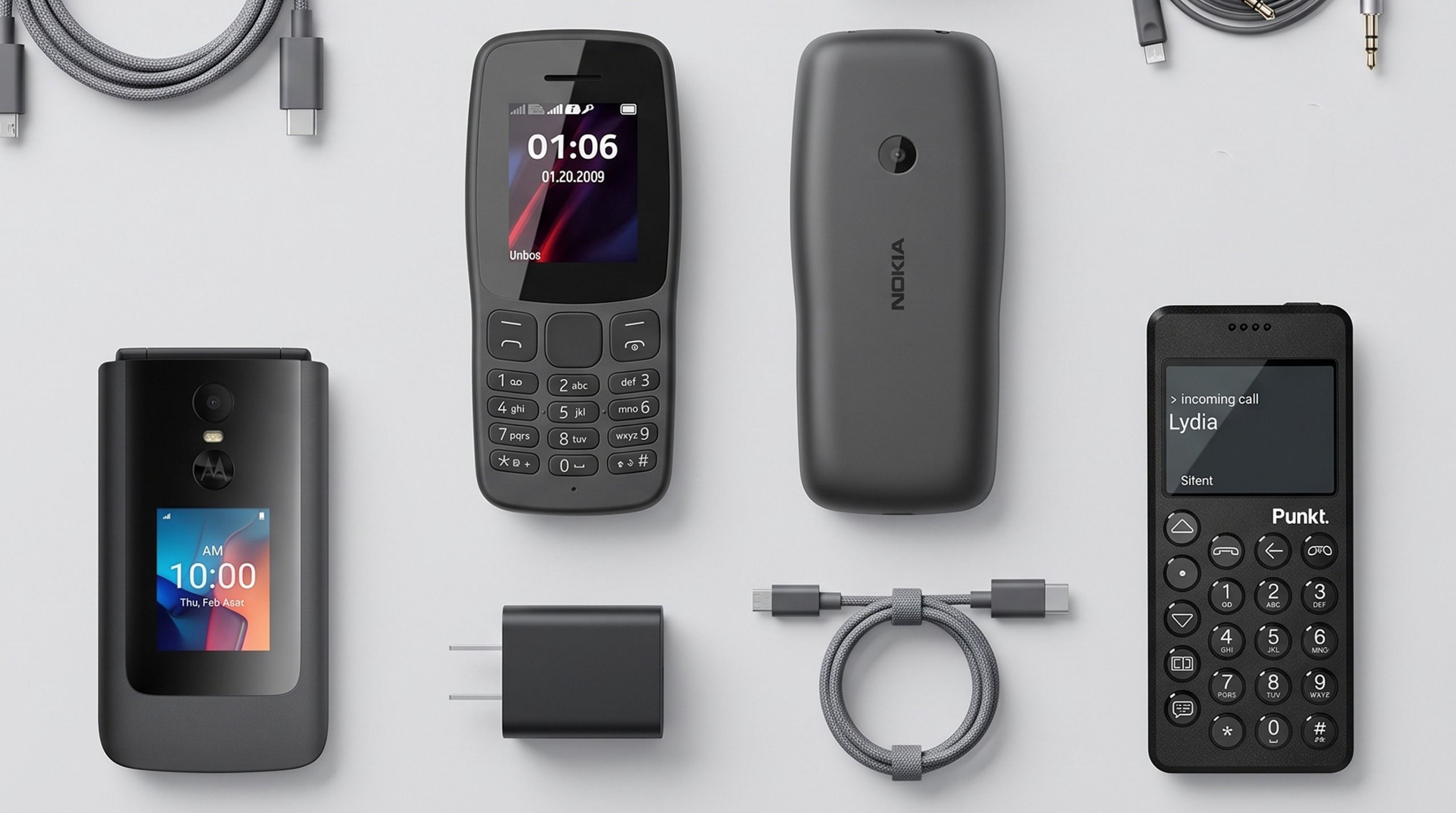
The launch of the iPhone Duo represents the culmination of a technological arms race that began in earnest around 2019, when industry giants like Samsung and Huawei introduced their first-generation foldable devices. Apple’s decision to enter this space in 2026 suggests a strategic pivot toward professional-grade productivity tools. The Duo is marketed as a device that replaces both the standard smartphone and the tablet, offering a seamless transition between a compact phone and a landscape-oriented display.
However, the history of foldable technology has been marred by concerns regarding screen durability, battery life, and the inherent fragility of flexible display panels. Despite these hurdles, market research firms have projected that the foldable sector will account for a significant share of the premium smartphone market by 2028. Yet, as hardware becomes increasingly complex, the human cost of this connectivity—specifically the phenomenon of "doomscrolling" and the constant fragmentation of attention—has sparked a quiet but significant cultural counter-movement.
The Psychology of Digital Minimalism
Data from global digital wellness surveys indicates that the average screen time for adults in developed nations has surpassed seven hours per day. This excessive engagement has been linked to increased levels of anxiety, decreased focus, and a general erosion of interpersonal communication skills. In response, a demographic shift is occurring, particularly among younger professionals and Gen Z users who are increasingly opting for "digital detoxes" or permanently transitioning to devices that limit exposure to social media algorithms and constant push notifications.
The "dumb phone" movement is not merely a rejection of technology, but a deliberate choice of curation. By limiting a device to voice calls, SMS, and basic utility features like maps or calendars, users are regaining a sense of agency over their digital lives. This minimalist approach addresses the fundamental issue of "attention economy" design, where apps are engineered to maximize time spent on screen rather than utility provided to the user.
A Comparative Look at the Minimalist Market
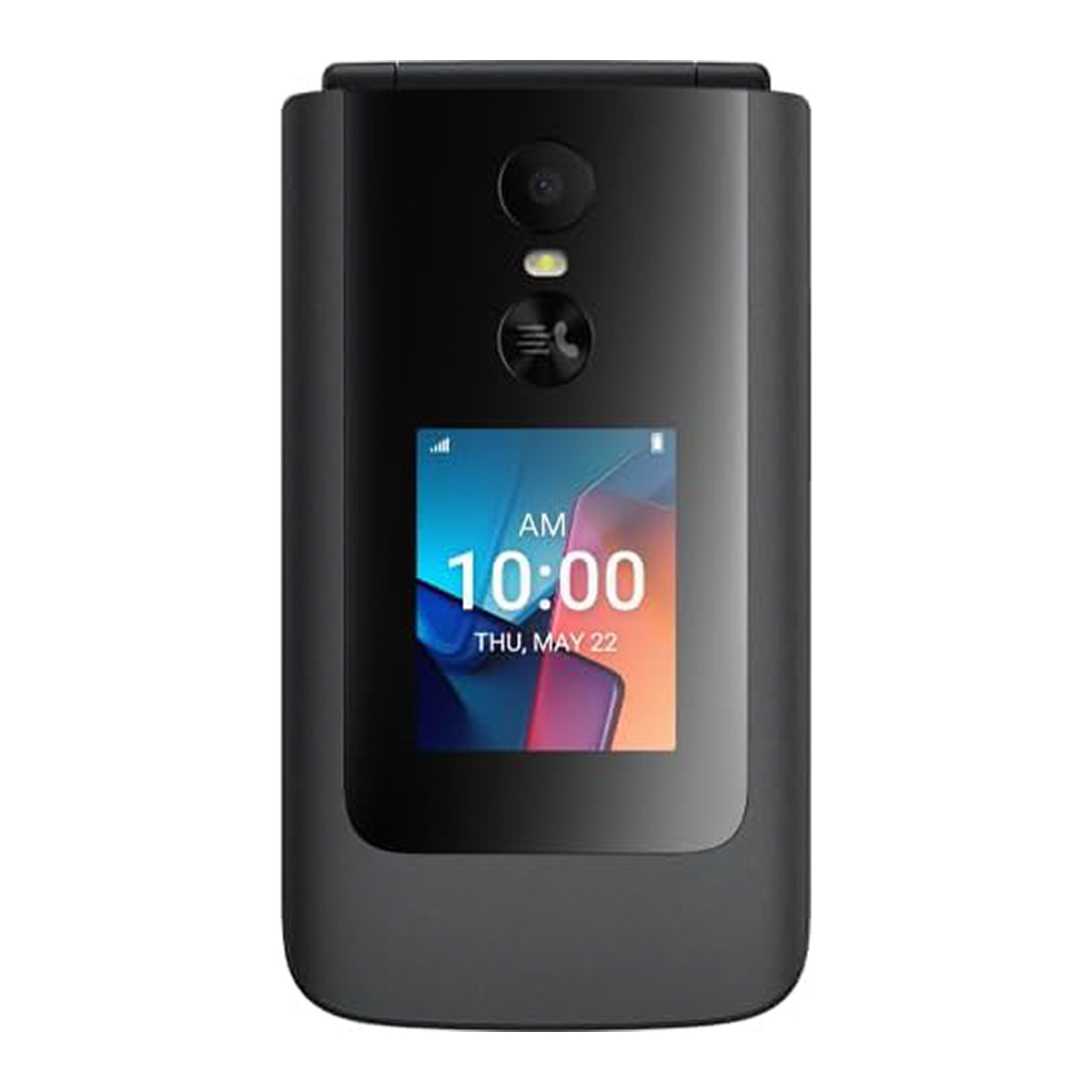
For those seeking to distance themselves from the $1,999 allure of the iPhone Duo, the market offers a diverse range of alternatives that focus on durability, simplicity, and design.
The TCL Flip 4: The Accessible Entry Point
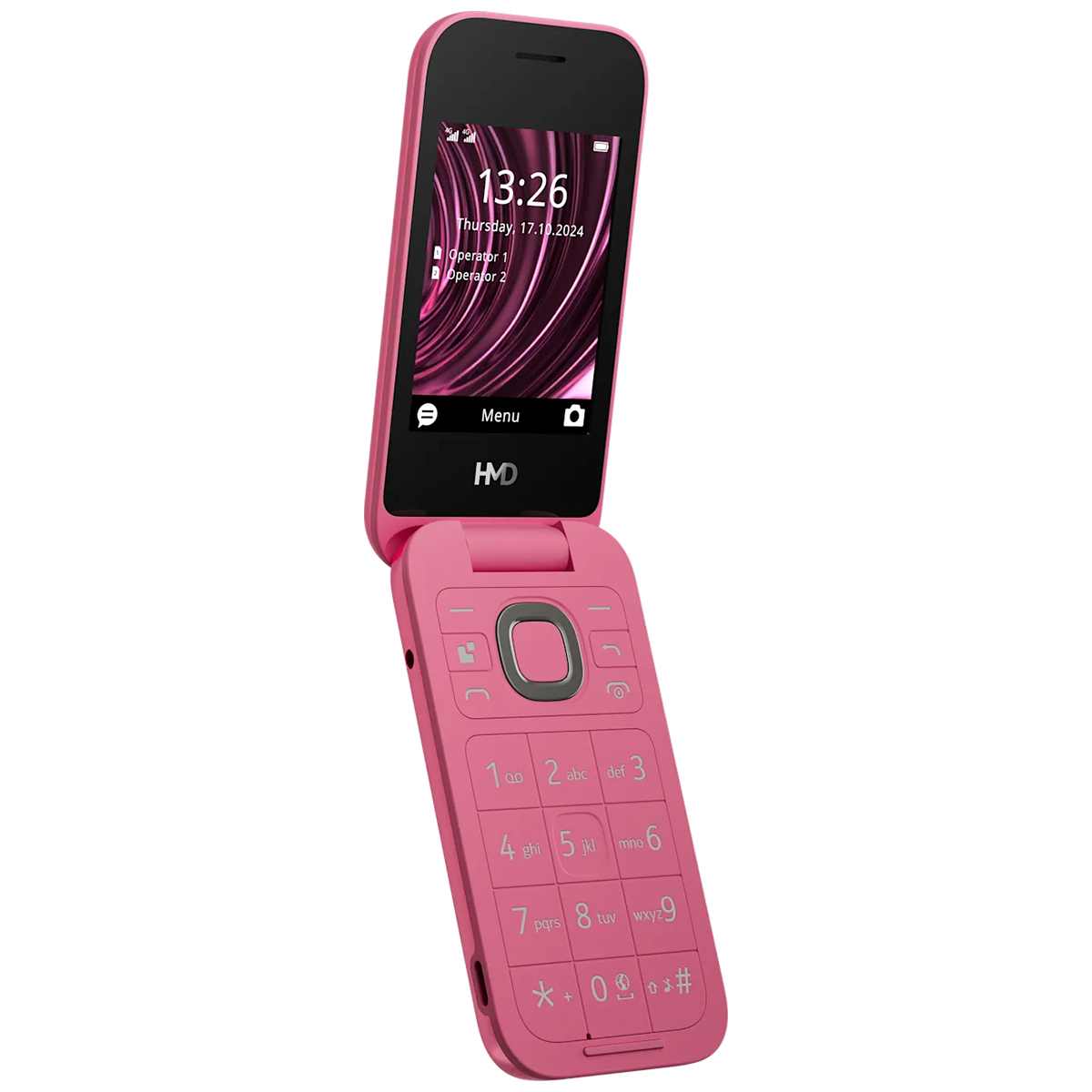
The TCL Flip 4 occupies a middle ground, offering a familiar form factor that appeals to users nostalgic for the pre-smartphone era. Unlike the iPhone Duo, the Flip 4 utilizes a tactile, physical keypad that provides haptic feedback, a feature often cited as a key contributor to reduced screen-staring. Its secondary external display allows for essential notifications without the need to engage with the full, distracting interface of a primary screen.
The Nokia Legacy: 106 and 3210
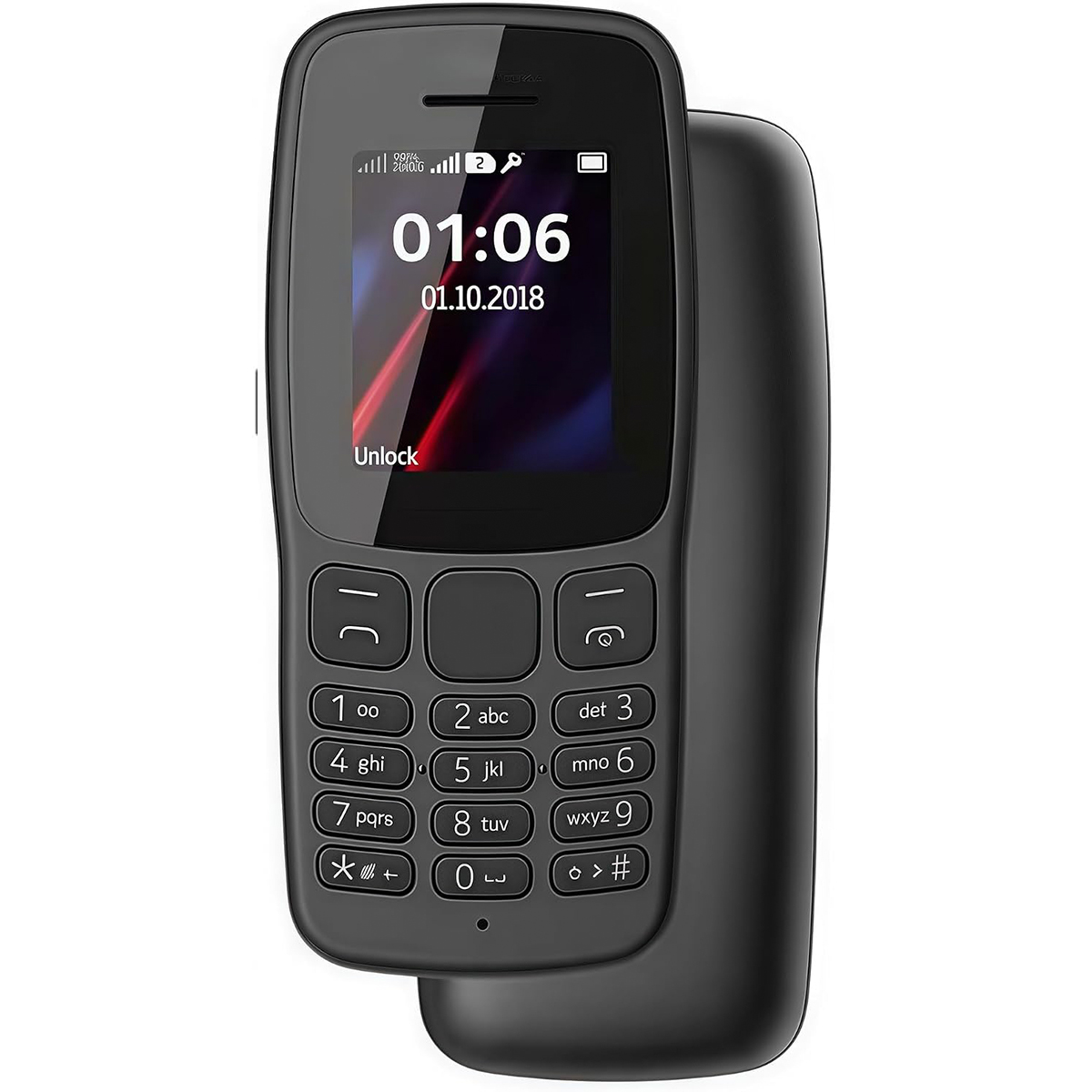
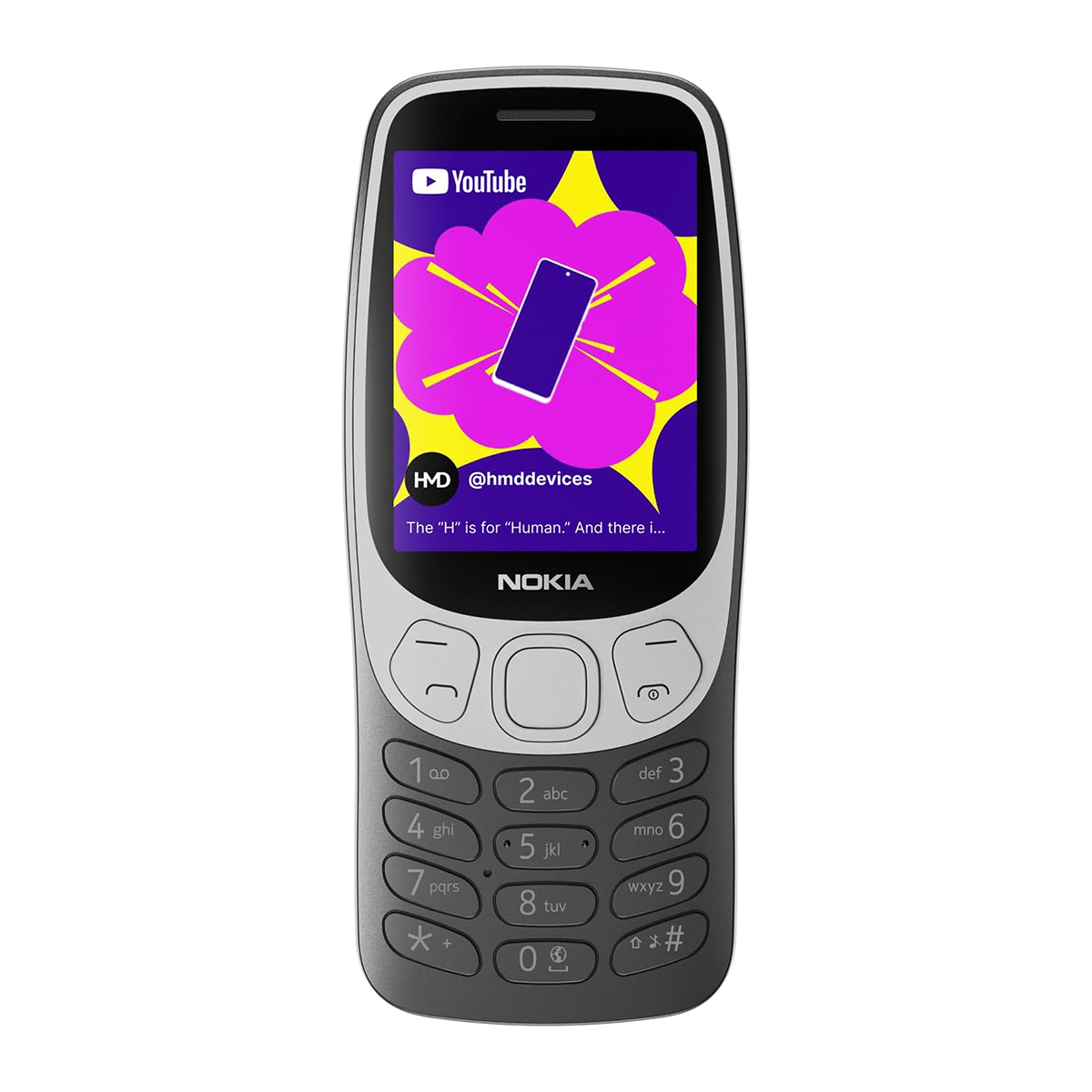
HMD Global, the steward of the Nokia brand, has capitalized on this trend by re-releasing iconic models such as the 3210. These devices function as a stark contrast to modern high-tech offerings. With battery life that spans days rather than hours and a build quality that emphasizes structural integrity over aesthetic thinness, these phones serve as "burners" for those who want to remain reachable without being trackable. The inclusion of the classic game "Snake" is a nod to a time when mobile gaming was a leisure activity rather than a monetized, addictive experience.
Premium Minimalism: The Punkt MP02
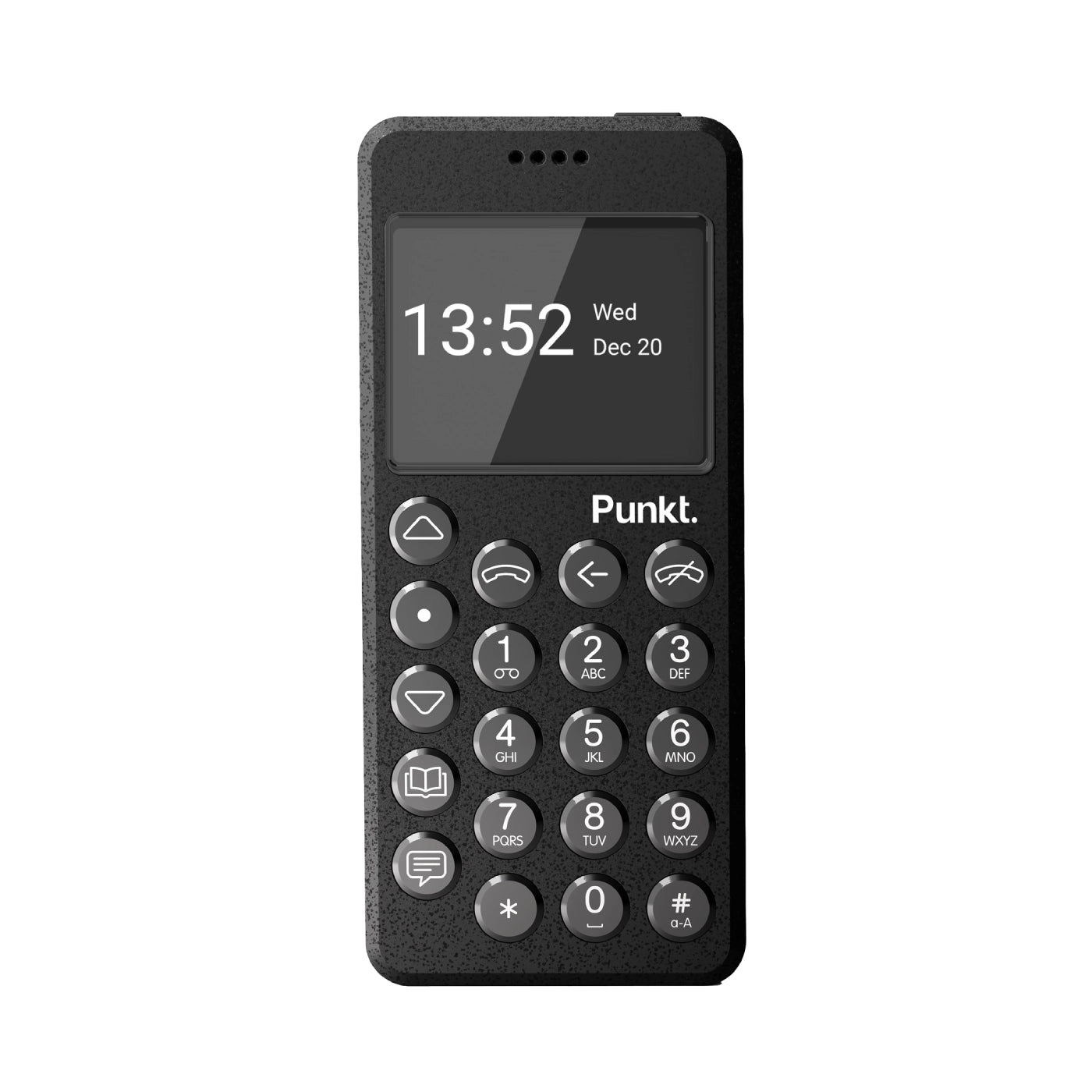
For the design-conscious user, the Punkt MP02 represents the intersection of high-end industrial design and extreme utility. Eschewing the plastic, disposable feel of lower-end feature phones, the MP02 is a premium, monolithic device that integrates 4G connectivity with a stripped-back operating system. It is designed to be "invisible"—a tool that serves its purpose and is then put away. The device has faced periodic supply shortages, reflecting a strong, consistent demand for minimalist hardware.
The Mudita Kompakt: The E-Ink Advantage
The Mudita Kompakt stands out for its unique use of an e-ink display. This technology, commonly found in e-readers, is highly legible in direct sunlight and significantly less stimulating than the OLED panels found on flagship devices like the iPhone Duo. Furthermore, the inclusion of "Offline+ Mode" allows users to physically cut off all connections to cellular and data networks, providing a hard wall between the user and the digital world when focus is required.
Industry Implications and Future Outlook
The divergence between the iPhone Duo’s "more is more" philosophy and the "dumb phone" movement’s "less is more" approach highlights a fundamental tension in modern consumer electronics. While tech companies argue that increased screen real estate and processing power are essential for the future of work and communication, the consumer sentiment suggests that we may have reached a point of saturation.
From a sociological perspective, the rise of minimalist phones may eventually force tech conglomerates to integrate more robust "focus modes" or "digital wellbeing" features into their flagship devices. If the market for these simpler devices continues to grow, it could lead to a two-tier ecosystem: one for those who require the heavy-duty processing power of devices like the iPhone Duo, and another for those who prioritize mental health and intentional device usage.
Conclusion: A Choice of Lifestyle
The decision to abandon a smartphone is rarely about a lack of technical literacy; it is a lifestyle choice centered on reclaiming cognitive space. As we enter a new era of foldable, AI-integrated super-phones, the simplicity of a physical keypad and a long-lasting battery is becoming a new form of luxury. Whether one chooses the cutting-edge innovation of a foldable or the quiet resilience of a dumb phone, the core issue remains the same: the need for humans to dictate the terms of their engagement with technology, rather than allowing technology to dictate the terms of their lives.
As the industry moves forward, it is clear that the "dumb phone" is no longer a relic of the past, but a necessary component of a balanced future. For the consumer, the path is no longer singular; it is a choice between the infinite digital possibilities of the iPhone Duo and the deliberate, focused simplicity of a phone that just works.