Emirates Revolutionizes Economy Travel with the Global Debut of the U-Dream Headrest for Enhanced Long-Haul Comfort

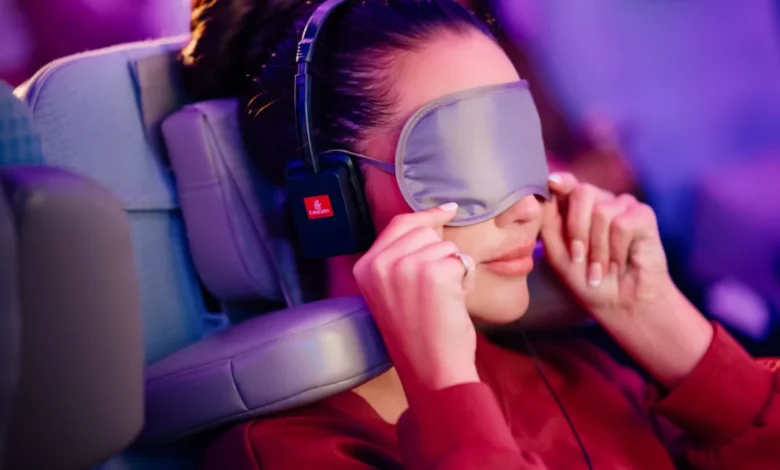
Emirates has officially launched a significant upgrade to its passenger cabin infrastructure, targeting one of the most persistent challenges of long-distance air travel: the lack of adequate head and neck support in Economy Class. The Dubai-based airline has begun the fleet-wide rollout of the U-Dream headrest, a sophisticated, multi-way adjustable leather component designed to provide ergonomic stability for sleeping passengers. This move marks a strategic shift in the airline’s approach to its entry-level cabin, aiming to eliminate the traditional reliance on bulky personal travel pillows and the discomfort of "collapsing" posture during rest. Developed in collaboration with Safran Seats, the U-Dream headrest is being positioned as a world-first innovation that brings premium-level ergonomic support to the standard economy experience.
Technical Engineering and Ergonomic Design
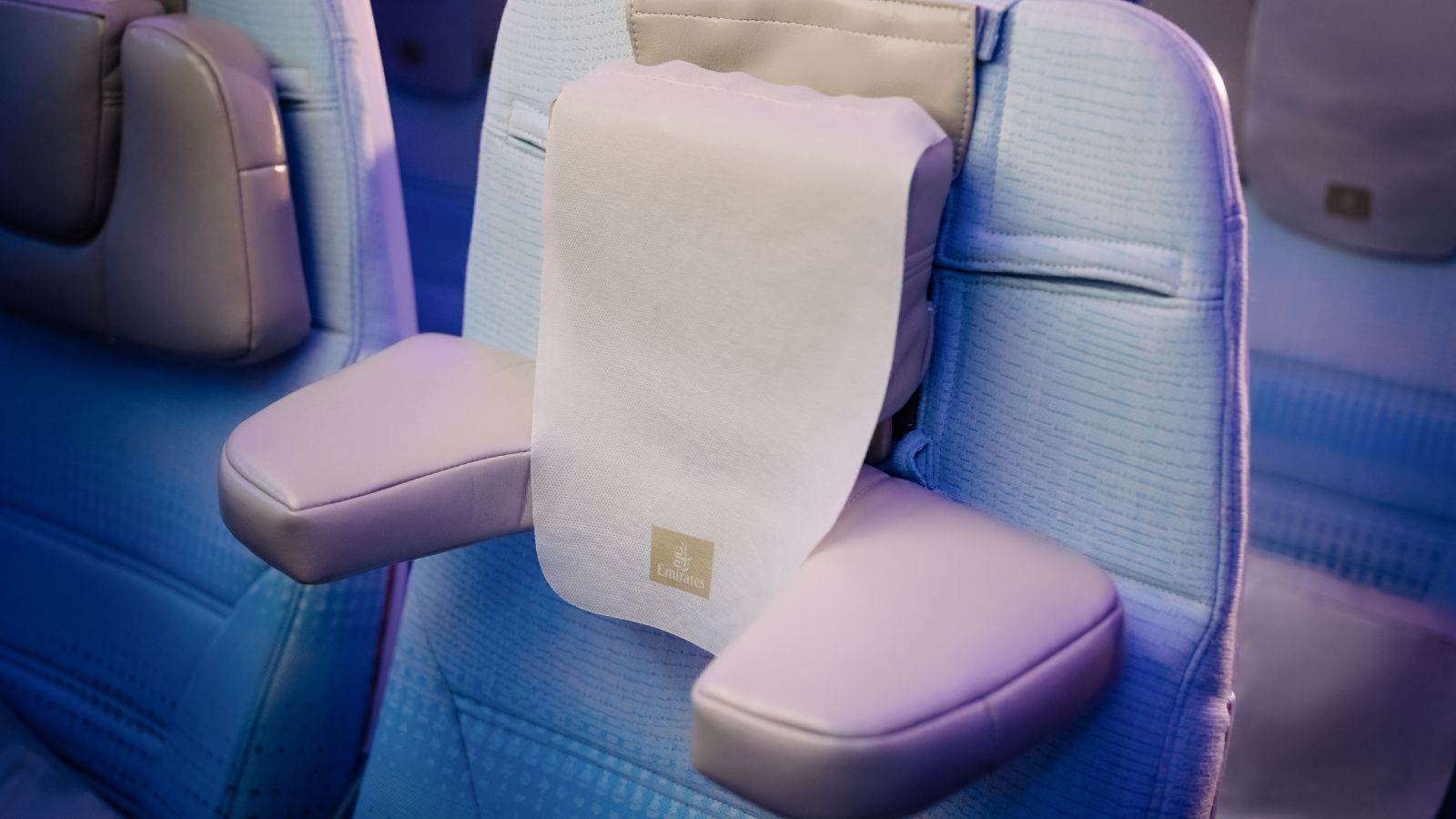
The U-Dream headrest is not merely a cushioned pad but a complex mechanical addition to the Safran Z400 seat, which serves as the foundation for Emirates’ latest economy cabin configuration. Encased in high-quality leather, the headrest features integrated flexible side wings that can be folded inward. This design creates a "cradle" effect, providing lateral support that prevents the passenger’s head from tilting or slumping sideways—a common cause of neck strain and sleep disruption during flight.
Beyond lateral support, the unit offers significant vertical adjustability and a tilting mechanism. These features allow the headrest to be tailored to the specific height and shoulder width of the individual passenger, accommodating a wide demographic range from small children to tall adults. By providing a stable anchor for the head and neck, the U-Dream system aims to facilitate a more natural spinal alignment, potentially reducing the physical fatigue associated with ultra-long-haul journeys.
Safety and compliance have remained central to the development process. Emirates has confirmed that the design underwent rigorous independent testing to ensure it meets the stringent requirements of the European Union Aviation Safety Agency (EASA). Furthermore, the airline has implemented a comprehensive training program for its cabin crew, ensuring that flight attendants can assist passengers in optimizing the headrest’s various configurations for maximum comfort.
Fleet Integration and Implementation Timeline
The rollout of the U-Dream headrest is a multi-year project that aligns with Emirates’ broader fleet modernization and expansion strategy. The airline is prioritizing its newest aircraft while simultaneously planning a massive retrofit program for its existing long-haul workhorses.
As of the initial launch, three of Emirates’ new Airbus A350 aircraft are already operating with the U-Dream headrest installed. The airline expects to complete the installation across its entire A350 fleet by the end of the current calendar year. The A350 is a critical component of Emirates’ "Point-to-Point" strategy, serving medium to long-haul routes that require high efficiency and modern passenger amenities.
The future of the Emirates fleet, the Boeing 777X, will also feature the U-Dream headrest as a standard pre-installed feature. With over 200 Boeing 777X aircraft currently on order, this ensures that the next generation of Emirates’ long-haul operations will be anchored by this new standard of comfort. For the existing fleet, the airline has scheduled a comprehensive retrofit program. Starting in 2027, the U-Dream headrest will be integrated into the cabins of most Airbus A380 and Boeing 777 aircraft currently in service. This delay for the older fleet reflects the logistical complexity of overhauling hundreds of aircraft while maintaining a global flight schedule.
Strategic Context: The Evolution of Economy Class
The introduction of the U-Dream headrest is part of a multi-billion dollar investment by Emirates to maintain its competitive edge in the global aviation market. Sir Tim Clark, President of Emirates Airline, has emphasized that the goal is to make economy travel feel "more considered" and less like a compromise. Clark noted that the U-Dream design effectively renders traditional neck pillows obsolete, streamlining the passenger experience and reducing the amount of carry-on luggage travelers need to bring for comfort.
This innovation comes at a time when major international carriers are locked in an "amenity war" to capture the rebounding long-haul travel market. While many airlines focus on enhancing Business and First Class suites, Emirates is betting that improving the baseline experience for its largest passenger volume—Economy Class—will drive brand loyalty. By incorporating features usually reserved for premium cabins, such as adjustable leather headrests and advanced ergonomic seating, Emirates is narrowing the perceived gap between travel classes.
Supporting Data: The Scale of Emirates’ Cabin Investment
To understand the impact of this rollout, one must look at the scale of Emirates’ operations. The airline currently operates a fleet of over 250 widebody aircraft, including the world’s largest fleet of Airbus A380s. The retrofit program, which includes the U-Dream headrest, is part of a larger $2 billion "Fly Better" initiative. This initiative also includes:
- Enhanced Entertainment: The "ice" inflight entertainment system now offers over 6,500 channels of movies, television, and music.
- Connectivity: The partnership with SpaceX’s Starlink to provide high-speed, low-latency Wi-Fi across the fleet, allowing for seamless streaming at 35,000 feet.
- Sustainability: Efforts to reduce weight in cabin components, which indirectly contributes to lower fuel consumption—a critical factor given the U-Dream headrest’s leather and mechanical construction.
- Cabin Ambiance: The integration of "mood lighting" designed to regulate circadian rhythms and reduce jet lag, which works in tandem with the improved sleeping posture provided by the new headrests.
Market Reactions and Industry Implications
Industry analysts view Emirates’ focus on the headrest as a savvy move to address a specific "pain point" that has plagued economy travelers for decades. While legroom (pitch) is often the primary complaint in economy, sleep quality is a close second. By solving the "bobbing head" syndrome without requiring a complete redesign of seat pitch—which would reduce passenger density and increase ticket prices—Emirates has found a cost-effective way to enhance perceived value.
Competitors such as Qatar Airways and Singapore Airlines have also been innovating in the economy space, with the former introducing the "Optima" seat and the latter focusing on enhanced meal services and seat cushioning. However, the specific mechanical "wing" design of the U-Dream headrest represents a unique engineering solution that may set a new industry benchmark for long-haul seat specifications.
There are also health implications to consider. Improved head and neck support can lead to better rest, which in turn reduces the stress on the body during 12-to-16-hour flights. While not a medical device, the ergonomic benefits of the U-Dream system align with general wellness trends in travel, where passengers are increasingly conscious of the physical toll of flying.
The Broader Impact on the Passenger Experience
Beyond the physical hardware, the U-Dream headrest fits into a wider ecosystem of passenger-centric services. Emirates continues to offer amenity kits on long-haul flights, family-specific services for those traveling with children, and a diverse culinary program. The addition of Starlink connectivity further transforms the economy cabin from a space of "waiting" to a space of productivity or high-end entertainment.
The transition to the U-Dream headrest also signals a shift in the manufacturing sector. Safran Seats, a leader in aerospace seating, is likely to see increased interest in the Z400 platform from other carriers looking to replicate Emirates’ success. This could lead to a broader standardization of high-support headrests across the industry, eventually benefiting travelers beyond the Emirates network.
Chronology of Innovation at Emirates
The rollout of the U-Dream headrest is the latest in a series of milestones for the carrier:
- 2022: Emirates announces a massive $2 billion investment in cabin interiors and passenger experience.
- 2023: The airline begins the retrofit of A380s to include Premium Economy, a new class between Economy and Business.
- Early 2024: First A350-900 aircraft are delivered, featuring the new U-Dream headrest and the latest Safran Z400 seating.
- Late 2024: Expected completion of the A350 fleet rollout.
- 2025-2026: Integration of the headrest into the new Boeing 777X deliveries.
- 2027: Commencement of the retrofitting process for the existing A380 and Boeing 777-300ER fleets.
Conclusion
Emirates’ introduction of the U-Dream headrest is a calculated effort to redefine the standards of economy travel. By addressing the fundamental physical discomfort of sleeping in a cramped environment, the airline is attempting to elevate the "unbundled" travel experience. As the rollout continues across the A350 fleet and eventually the massive A380 and 777 fleets, the U-Dream headrest may become the most visible symbol of Emirates’ commitment to passenger comfort. For the millions of travelers who fly economy every year, the end of the "collapsing head" indignity represents a significant, albeit overdue, evolution in the history of commercial aviation. Through technical precision and a clear understanding of passenger psychology, Emirates is reinforcing its position as a leader in the global transit of people, proving that even in the back of the plane, design matters.