UGREEN Unveils AI-Driven Home Intelligence Ecosystem at IFA 2026 Marking a Shift Toward Localized Computing

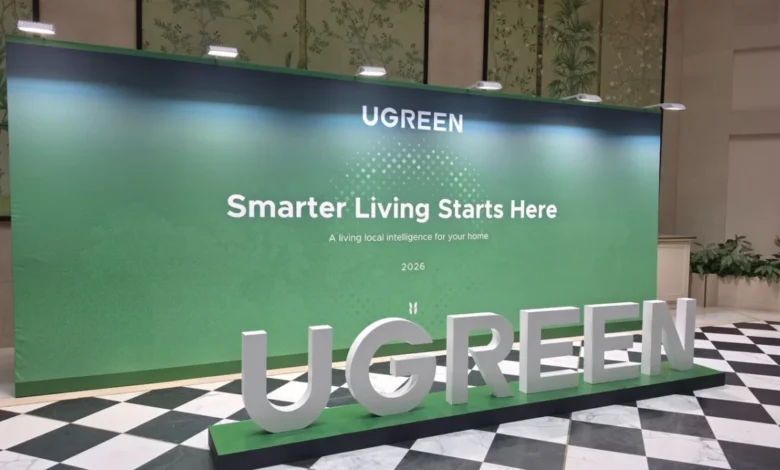
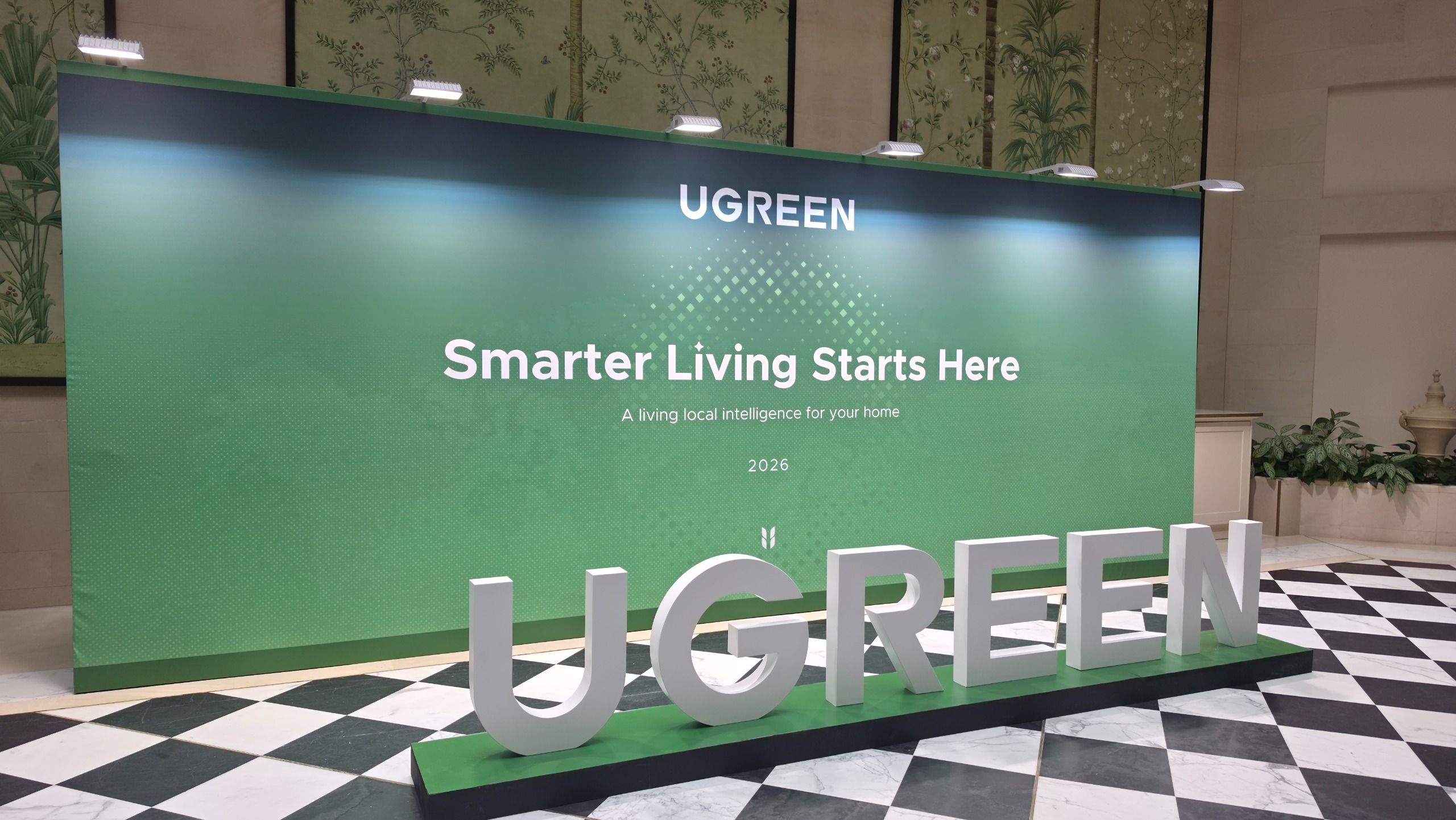
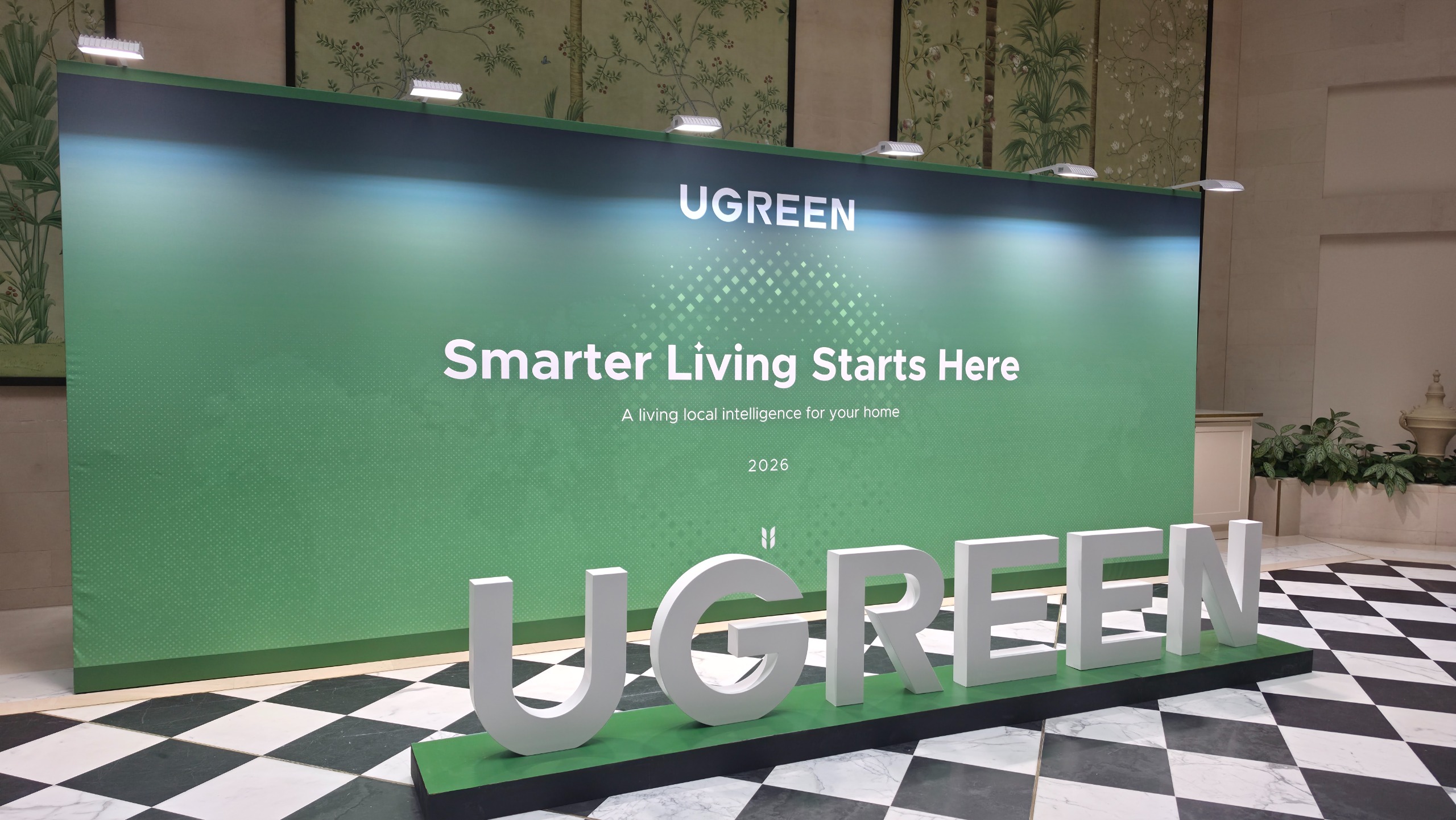
IFA Berlin 2026, one of the world’s most significant showcases for consumer electronics and home appliances, served as the global stage for UGREEN’s latest pivot into high-end, AI-integrated smart home infrastructure. The company’s presentation, which took place this week, centered on the introduction of the "Master Home Agent" series, a lineup of devices designed to transition smart home management from cloud-dependent services to local, high-performance computing environments.
The centerpiece of this announcement—and the product that generated the most significant industry discourse—is the UGREEN Master Home Agent. Engineered with the NVIDIA Jetson Thor robotics platform, the unit represents a departure from the lightweight smart hubs traditionally found in the consumer market. By utilizing local processing power for storage and intelligence, UGREEN is positioning itself at the forefront of a growing movement that prioritizes data sovereignty and offline functionality over the standard cloud-based smart home architectures utilized by companies such as Amazon and Google.
The Evolution of Smart Home Infrastructure
To understand the significance of the Master Home Agent, one must evaluate the current trajectory of the Internet of Things (IoT). For the past decade, the smart home market has been dominated by devices that rely on external cloud servers to process voice commands and execute automated routines. This model, while convenient, has faced increasing scrutiny regarding data privacy, latency, and system stability during internet outages.
UGREEN’s introduction of the Master Home Agent series addresses these vulnerabilities by shifting the computational load to the edge—directly within the user’s home. The Master Home Agent acts as a central nervous system, utilizing natural language processing to interpret user intent without the necessity of transmitting sensitive data to third-party servers.
Product Tiers and Pricing Strategy
During the showcase in Berlin, UGREEN revealed a tiered pricing structure that highlights the company’s transition from a peripheral manufacturer to a provider of enterprise-grade home technology.
The product range is categorized into three distinct models:
- The Master Home Agent: Positioned as the flagship model, this unit is priced at $20,000. It is designed for high-net-worth households or specialized environments requiring intensive local data processing, robust security, and advanced automation capabilities.
- The HA100 Pro: Priced at $5,999, this intermediate model offers a bridge between standard consumer devices and the flagship unit, targeting users who require significant computational power for home security management and integrated AI services.
- The HA100: The entry-level model in the series, priced at $1,799, aims to bring local intelligence to a broader, albeit still premium, consumer base.
While the price points sparked debate among attendees at IFA 2026, analysts suggest that the cost reflects the high-end hardware components—specifically the NVIDIA Jetson Thor platform—which is typically reserved for industrial robotics and high-level autonomous systems. By integrating this technology into a residential device, UGREEN is effectively commercializing enterprise-level hardware for private use.
Expanding the Ecosystem: Surveillance and Connectivity
Beyond the core processing units, UGREEN unveiled a suite of peripheral devices designed to integrate seamlessly with the Master Home Agent. This expansion underscores the company’s intention to provide a holistic ecosystem rather than individual, disconnected gadgets.
The new security lineup includes:
- SynCare Indoor Cam ID500 Pro: A high-resolution camera designed for interior monitoring with localized AI threat detection.
- SynCare PoE Cam OD600 Pro: An outdoor surveillance solution utilizing Power over Ethernet (PoE) for reliable, hardwired connectivity and consistent power delivery.
- SynCare Battery Cam OD800 Pro: A wireless outdoor surveillance option that maintains the privacy-focused local storage ethos of the broader SynCare line.
Additionally, UGREEN announced the "Gallery E-Paper Smart Frame" and a dedicated "Uliya" smart speaker. The latter is intended to function as the primary voice interface for the system. The focus on a dedicated speaker for the AI interface suggests a move to standardize voice recognition performance across the home, reducing the ambient noise issues that often plague multi-device microphone arrays.
Innovation in Power Management
Parallel to its smart home push, UGREEN showcased the MagFlow Pro Magnetic Power Bank. This device is notable for being the world’s first Qi2-certified power bank to incorporate liquid cooling technology. By mitigating the heat generated during high-speed wireless charging, the device aims to preserve battery longevity in the host smartphone—a critical concern as mobile devices become increasingly dependent on high-drain AI background processes.
Industry Implications and Privacy Trends
The core selling point of UGREEN’s new direction—and a broader trend observed across the IFA 2026 exhibition floor—is the emphasis on local AI. The shift toward "privacy-first" technology is becoming a competitive necessity as consumers grow increasingly wary of the data-collection practices inherent in the cloud-first model.
By keeping files, media, and security footage contained within the local network, UGREEN is positioning itself as a secure alternative for users who view privacy as a premium feature. However, this transition also creates a barrier to entry. At the current price points, the "privacy-first" smart home is effectively gated behind a significant financial investment.
Industry observers note that this creates a dichotomy in the marketplace. While mass-market smart home devices continue to trade data for affordability, companies like UGREEN are carving out a segment for "sovereign computing," where the user pays a premium for the right to keep their digital life entirely offline.
The Road Ahead: Challenges and Adoption
The skepticism regarding the $20,000 price point of the Master Home Agent is grounded in the current economic landscape of the consumer electronics industry. For such a product to achieve mass adoption, the hardware must provide utility that justifies the investment beyond mere convenience. Whether the average consumer will find enough value in local AI to warrant thousands of dollars in hardware remains to be seen.
However, the technology underpinning these devices—specifically the utilization of the NVIDIA Jetson platform—is indicative of a broader trend: the "robotization" of the home. As these systems become more capable of autonomous decision-making, the distinction between a "smart home" and an "autonomous home" will continue to blur.
Conclusion: The New Standard for Home Tech
UGREEN’s presence at IFA 2026 signals a definitive intent to move up the value chain. By focusing on high-performance local computing and privacy-centric design, the company is attempting to redefine the parameters of the modern smart home.
While the high cost of entry may limit the immediate ubiquity of these specific devices, the underlying technology—local AI processing, secure decentralized storage, and advanced natural language interfaces—is likely to set the standard for the next decade of consumer technology. As IFA 2026 concludes, the industry is left with a clear message: the future of the home is not just smart, it is local, autonomous, and increasingly premium. UGREEN has staked its claim in this new territory, and the coming years will reveal whether the consumer market is ready to follow suit.