The Global Renaissance of Wellness Travel and the Rise of Pilgrimage-Worthy Spa Experiences

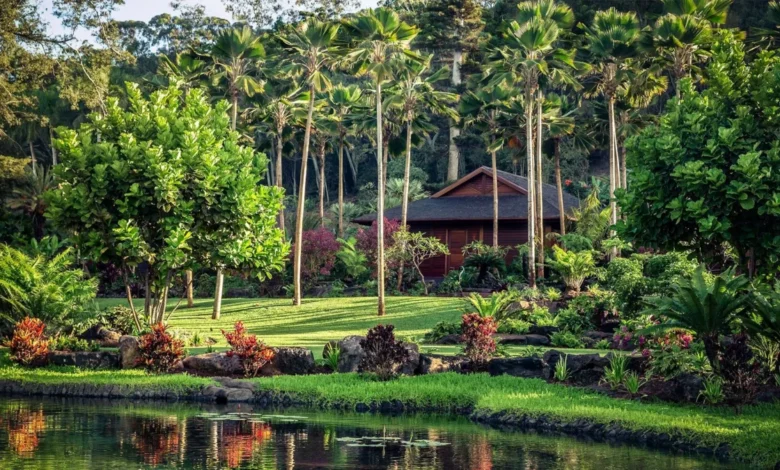
There are wonders of the world to trek to and bucket-list hotels in which to celebrate life’s milestones. Then there are spa treatments worthy of a transcontinental pilgrimage. As the global wellness economy continues to shift from passive relaxation toward high-touch, results-oriented medical and spiritual interventions, the spa treatment itself has evolved into a destination-defining anchor. No longer merely an amenity offered by luxury hotels to fill gaps in a guest’s itinerary, these experiences have become the primary objective for an increasingly health-conscious and affluent demographic of travelers.
The modern wellness traveler is no longer content with standard Swedish massages or basic facials. Data from the Global Wellness Institute suggests that the wellness tourism sector is projected to reach a market value of $1.2 trillion by 2027, driven by a post-pandemic prioritization of longevity, preventative healthcare, and mental clarity. This shift has necessitated a transformation in hotel design and service architecture, where resorts are now competing to provide hyper-specialized, site-specific experiences that blend ancestral wisdom with the latest breakthroughs in biotechnology.
The Evolution of the Wellness Destination
The current landscape of elite spa travel can be divided into two distinct categories: the traditional, ritual-based sanctuary and the high-tech, medical-grade clinic. While the former focuses on the restoration of the soul through ancient techniques, the latter utilizes clinical diagnostics to optimize the body’s internal systems.
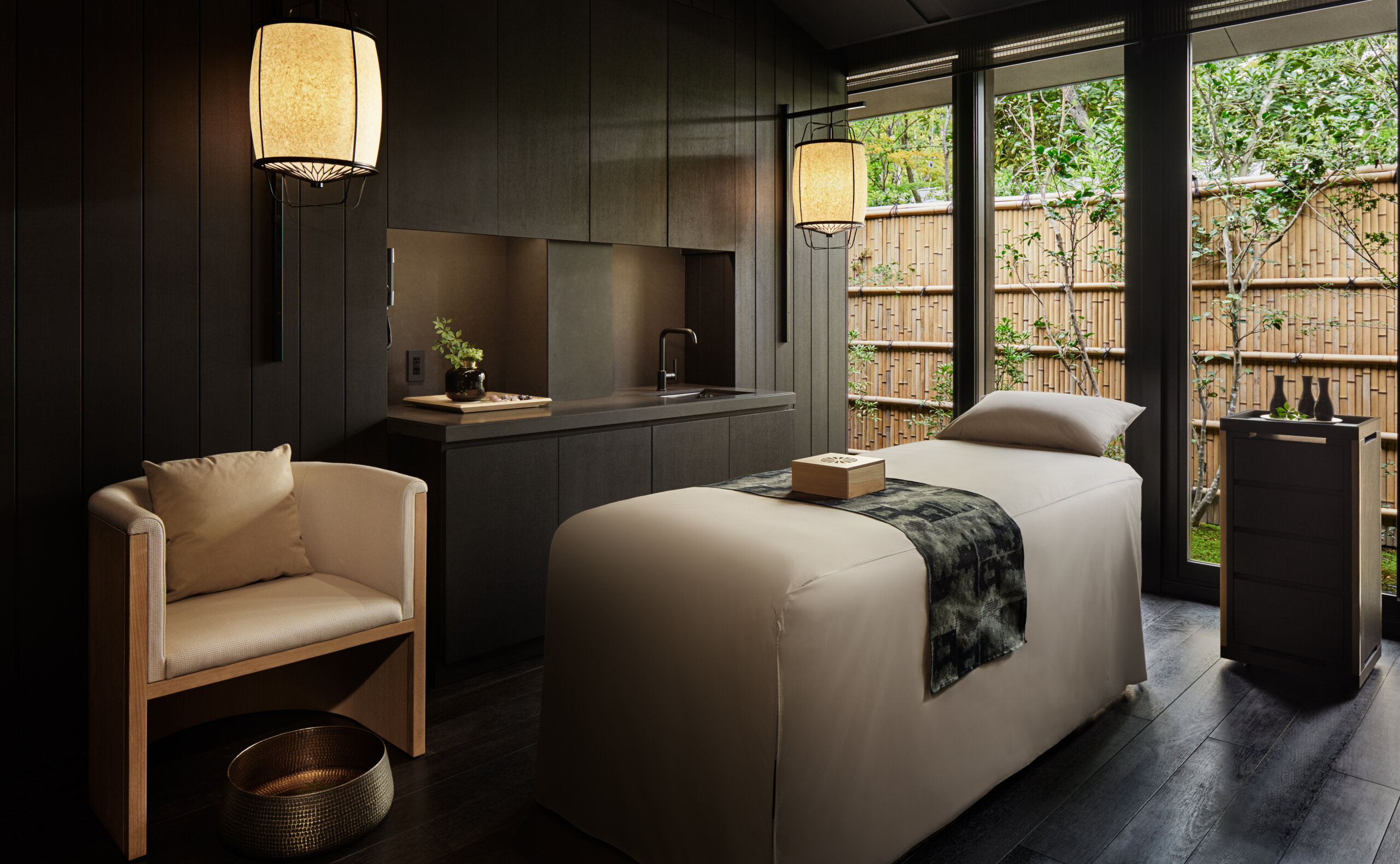
In Japan, the Aman Kyoto serves as a prime example of the ritual-based philosophy. Situated at the base of the Higashiyama Mountains, the property integrates its spa offerings into the surrounding natural landscape. The three-step Purifying Journey, which spans 180 minutes, is built upon the concept of lymphatic drainage. By utilizing mineral-rich marine ingredients—including seaweed-derived fucus oil, raw honey, and pulverized pearls—the resort bridges the gap between local heritage and contemporary skincare science. This approach reflects a broader trend among high-end Japanese resorts to leverage the "forest bathing" (shinrin-yoku) environment to enhance the physiological effects of their treatments.
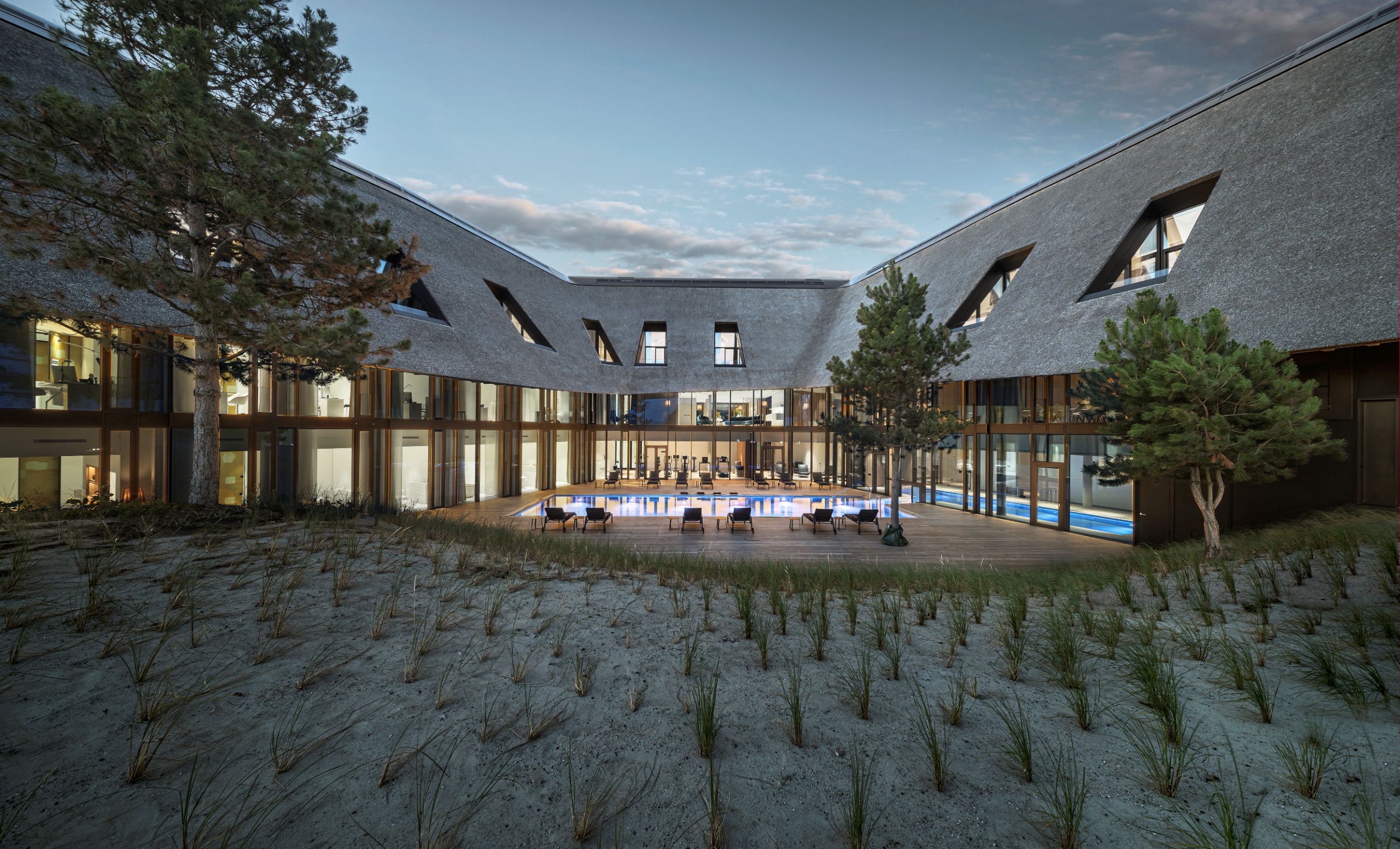
Conversely, clinics such as Lanserhof Sylt in Germany represent the medical-industrial end of the spectrum. For four decades, the Lanserhof concept has prioritized "The Cure," a seven-day immersive program rooted in the regeneration of the gut microbiome. Unlike a standard spa stay, a guest’s journey at Lanserhof begins with a comprehensive medical assessment. By incorporating advanced diagnostics such as neurofeedback and inuspheresis, the facility treats wellness as a quantifiable metric. The implication of this shift is profound: hotels are no longer just places to sleep; they are diagnostic centers where guests expect to leave with measurable improvements in their health markers.
Cultural Preservation and the Rise of Spa Safaris
While European and American wellness centers lean into technology, many global destinations are finding success by doubling down on indigeneity. The "spa safari" concept, pioneered by properties like NIHI Sumba in Indonesia, represents a significant departure from the static spa room.
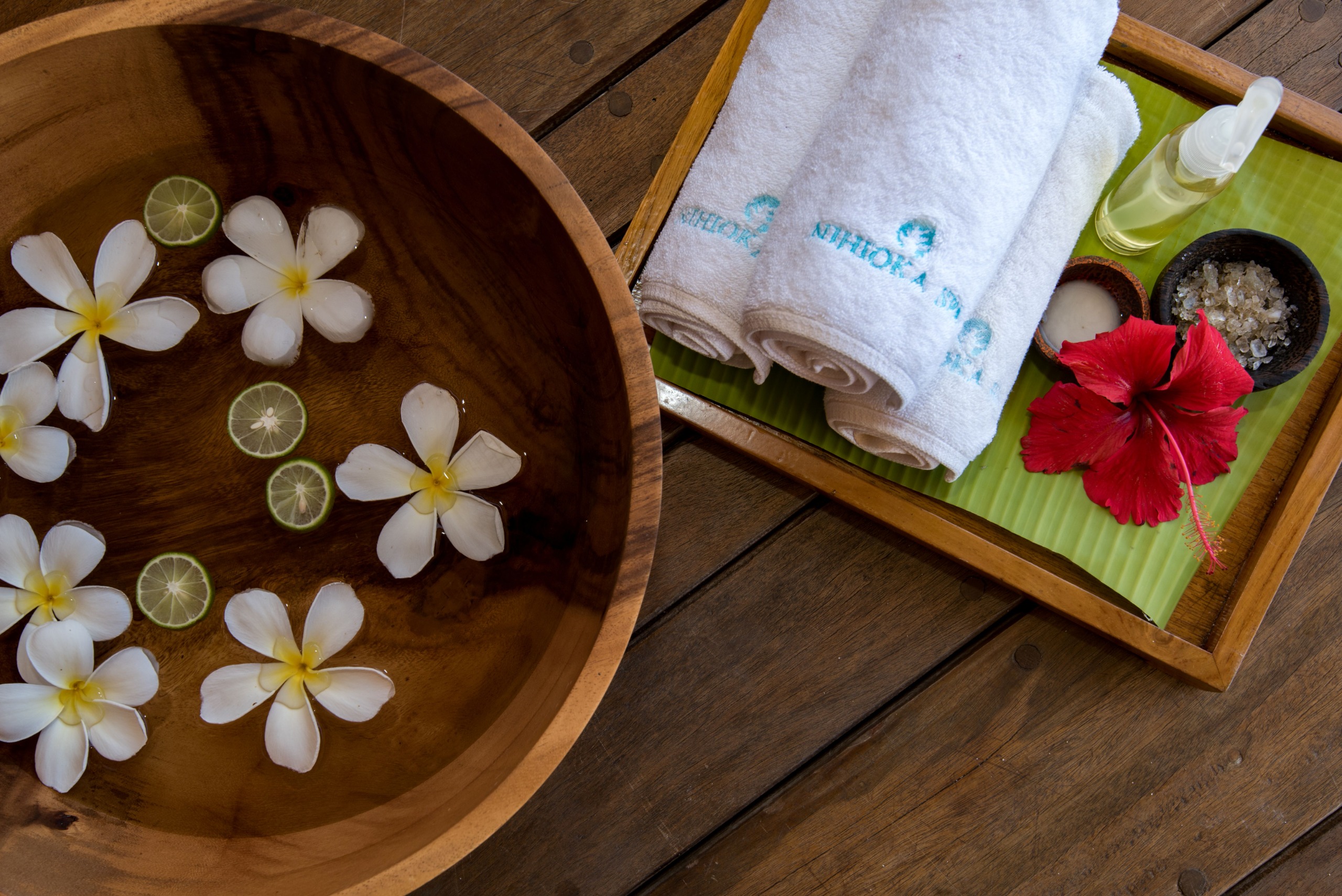
At NIHI Sumba, the spa experience is a full-day, outdoor odyssey that incorporates equine therapy, indigenous botanical elixirs, and Sumbanese spiritual rituals. By moving the treatment out of a windowless basement and into a bale overlooking the Indian Ocean, the resort creates a sensory connection between the guest and the land. This site-specific approach is gaining traction because it addresses the modern traveler’s desire for authenticity. In an era of digital fatigue, the "analog" nature of a traditional mud wrap or a hand-delivered botanical facial offers a tangible respite that high-tech machines often lack.
The Integration of Medical Technology in Hospitality
The blurring of lines between a luxury hotel and a medical clinic is perhaps most visible in the partnership between The Peninsula Paris and the Parisian medspa Maison Lutetia. This collaboration has introduced the "Expert Cellulaire Treatment," a protocol that utilizes aquapeel, electroporation, and LED light therapy within the walls of a historic hotel.
For many, the convenience of receiving professional-grade aesthetic treatments without the need for a separate medical appointment is a key driver of demand. Industry analysts note that this "med-spa" model is a low-risk, high-reward strategy for luxury hotel groups. By partnering with established clinics, hotels can offer sophisticated services without the liability or infrastructure burden of operating a full medical facility.
Similarly, SHA Mexico, an offshoot of the renowned Spanish health-optimization brand, has pushed these boundaries even further. In 2024, the property introduced allogeneic mesenchymal stem-cell therapies, authorized by the Mexican health regulator, COFEPRIS. This marks a new frontier in the hospitality industry: the transition from "wellness" to "regenerative medicine." Guests at SHA are not merely looking for a "glow"; they are engaging in biomarker analysis and cellular regeneration protocols that were previously only available in specialized hospitals.
Chronology of the Modern Wellness Boom
- 2000s: The rise of the "destination spa" era, where wellness was primarily associated with yoga, detox diets, and basic massage therapies.
- 2010s: The introduction of "medical wellness," with brands like Lanserhof setting the standard for integrating diagnostics into the guest experience.
- 2020: A global pivot toward immunity, mental health, and longevity as a result of the COVID-19 pandemic, accelerating demand for private, hygienic, and results-oriented spa spaces.
- 2024: The mainstreaming of advanced biotechnological treatments, such as stem-cell and exosome therapies, in high-end resort settings.
Implications and Future Outlook
The implications of this industry trajectory are two-fold. First, the cost of entry for luxury travelers is rising. As spas incorporate expensive medical devices and hire specialized physicians, the price point for these experiences is drifting into the thousands of dollars per session. Second, there is an increasing pressure on resorts to prove the efficacy of their treatments. The "wellness-washing" of the past decade is being replaced by a demand for scientific data.
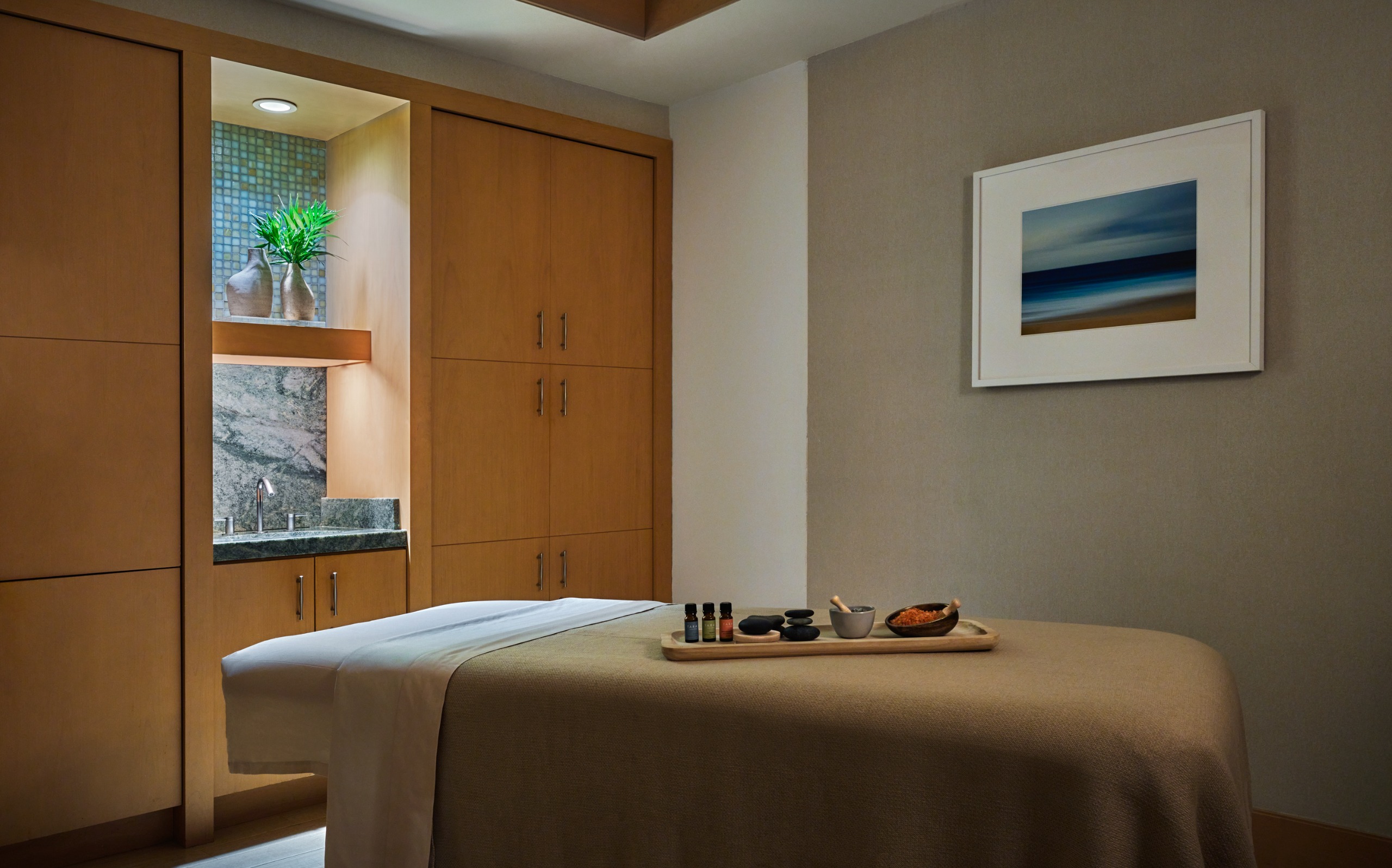
As industry leaders like Four Seasons—which continues to push the envelope with private, self-contained "spa hales" at Sensei Lanai—continue to invest in the autonomy and privacy of the spa guest, we can expect a continued fragmentation of the market. The elite traveler will continue to demand more personalized spaces, such as the Ofuro baths and infrared saunas found at Sensei Lanai, which turn a standard treatment into a private, multi-hour sanctuary.
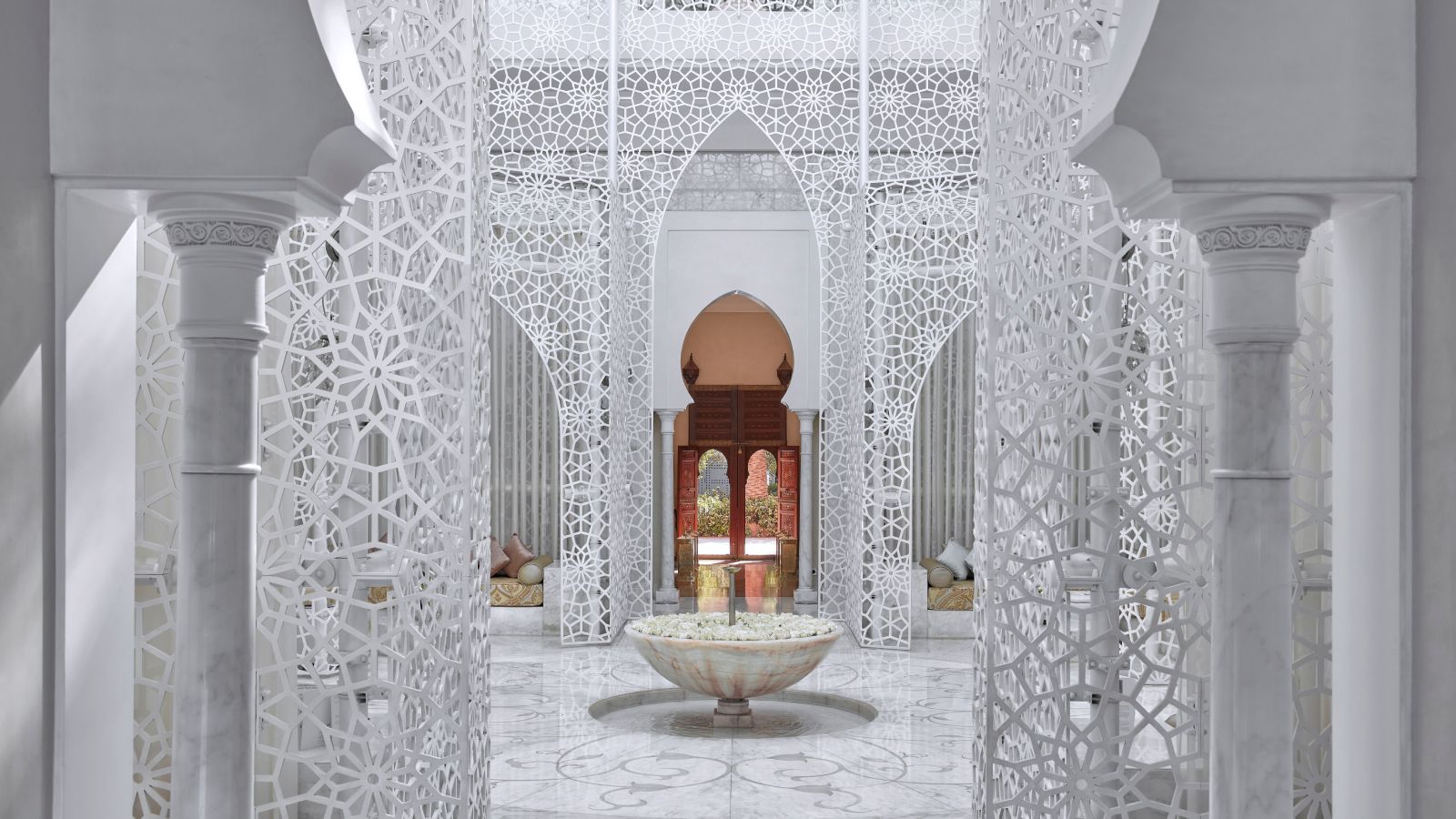
Ultimately, the best spa treatments in the world are no longer those that offer the most relaxing music or the softest robes. They are those that succeed in the complex task of harmonizing ancient, place-based wisdom with the rigorous demands of modern science. Whether it is a traditional hammam ritual at the Royal Mansour in Marrakech or a high-tech facial in the heart of Newport Beach at the Pendry, the common thread is a profound commitment to the guest’s physical and mental transformation. The era of the "spa visit" has passed; the era of the "wellness pilgrimage" has officially arrived. As guests continue to travel further and spend more in search of vitality, the hotels that win will be those that can successfully navigate the intersection of medicine, culture, and extreme luxury.