The Cinematic Architecture of Panem: How Production Designer Uli Hanisch Reimagined the World of Hunger Games Sunrise on the Reaping


The world of Panem is returning to the big screen with Hunger Games: Sunrise on the Reaping. Directed by Francis Lawrence and based on the 2025 novel by Suzanne Collins, the latest installment in the globally recognized franchise serves as a narrative bridge, plunging audiences into the brutal reality of the arena 22 years before the rise of Katniss Everdeen. While the plot focuses on the intricacies of the 50th Hunger Games, the visual language of the film marks a significant departure from previous entries, drawing heavily from the socio-political aesthetic of the 1970s. Production designer Uli Hanisch, celebrated for his work on The Queen’s Gambit and Babylon Berlin, was tasked with the monumental challenge of translating this specific era into a futuristic yet grounded vision of the Capitol and the impoverished districts of Panem.
The Role of World-Building in Cinematic Storytelling
At the heart of the film’s visual identity is the role of the production designer. For Uli Hanisch, production design is the cinematic equivalent of theatrical stage design; it is the fundamental process of world-building. This involves more than simple set decoration—it is the creation of a visual framework that dictates how a story is perceived by the audience. Hanisch notes that his primary responsibility is to give the world a visual expression that aligns with the director’s narrative goals. In the case of the Hunger Games franchise, this requires balancing the fantastical elements of a dystopian future with the tactile, lived-in reality of a society governed by authoritarian control.
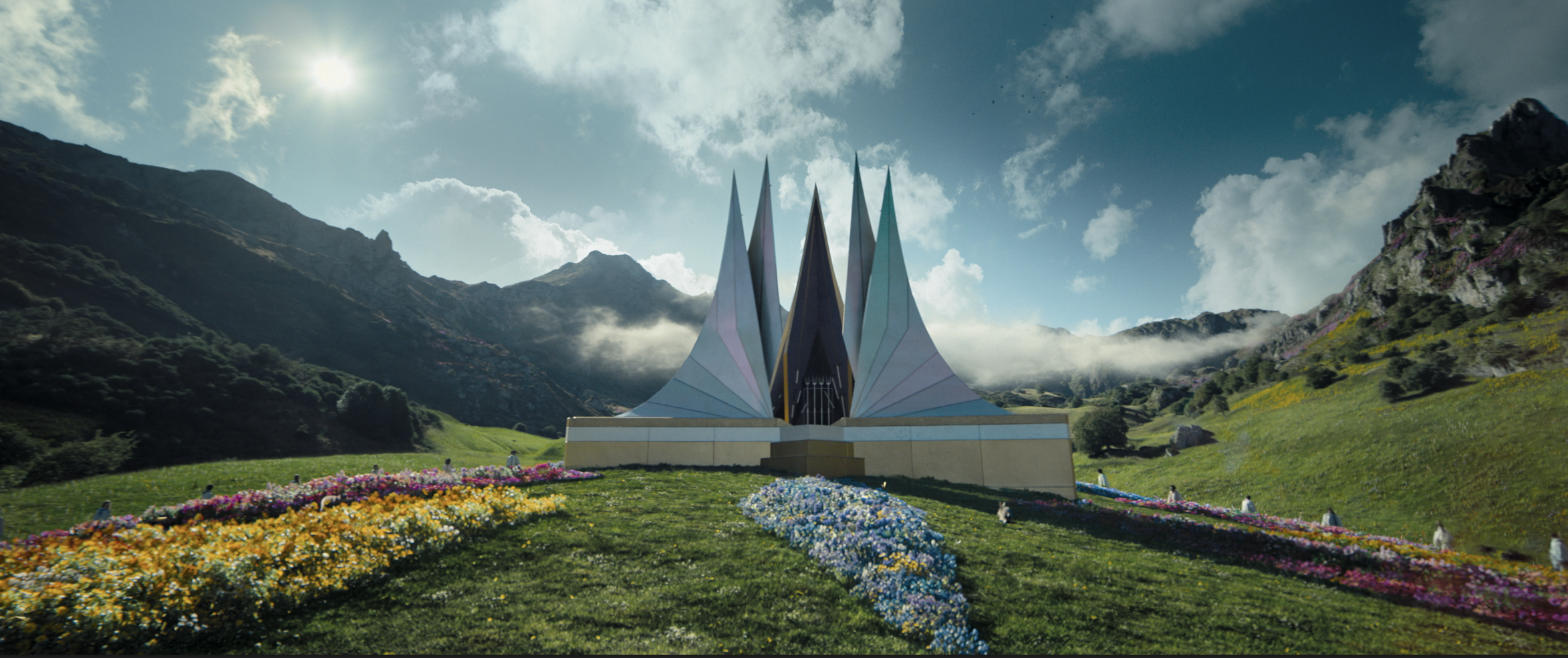
The creative process for Sunrise on the Reaping began with an analysis of the previous film, The Ballad of Songbirds and Snakes, which was set 70 years prior to the events of the original trilogy. By establishing a clear timeline, the creative team was able to map the evolution of the Capitol from a post-war state to a peak-power regime. The challenge lies in the fact that Panem is a "fictional period world." It is not purely speculative, nor is it strictly historical. It occupies a space between the familiar and the alien, utilizing contemporary architecture and technology to anchor the viewer in a reality that feels tangibly close to our own.
Chronological Context and the 1970s Aesthetic Shift
To understand the visual trajectory of Panem, one must look at the timeline established by Suzanne Collins. The 50th Hunger Games, known as the Second Quarter Quell, occur roughly two decades after the events depicted in the previous prequel. By shifting the timeline forward to this interval, Hanisch and director Francis Lawrence identified the 1970s as the ideal stylistic anchor. This choice was not merely an aesthetic whim; it was a deliberate storytelling decision intended to reflect the mindset of the Capitol at that point in its history.
In the Western historical context, the 1970s were characterized by a complex mix of progressive social movements and entrenched, often arrogant, economic stability. It was an era before the widespread realization of global environmental degradation and the decline of industrial dominance. This atmosphere of "untouchable" power—where massive, heavy, and imposing designs were the norm—perfectly mirrors the arrogance of the Capitol. The production team utilized this to convey a society at the height of its influence, one that believed its grip on the districts was absolute and its status as the center of civilization was permanent.
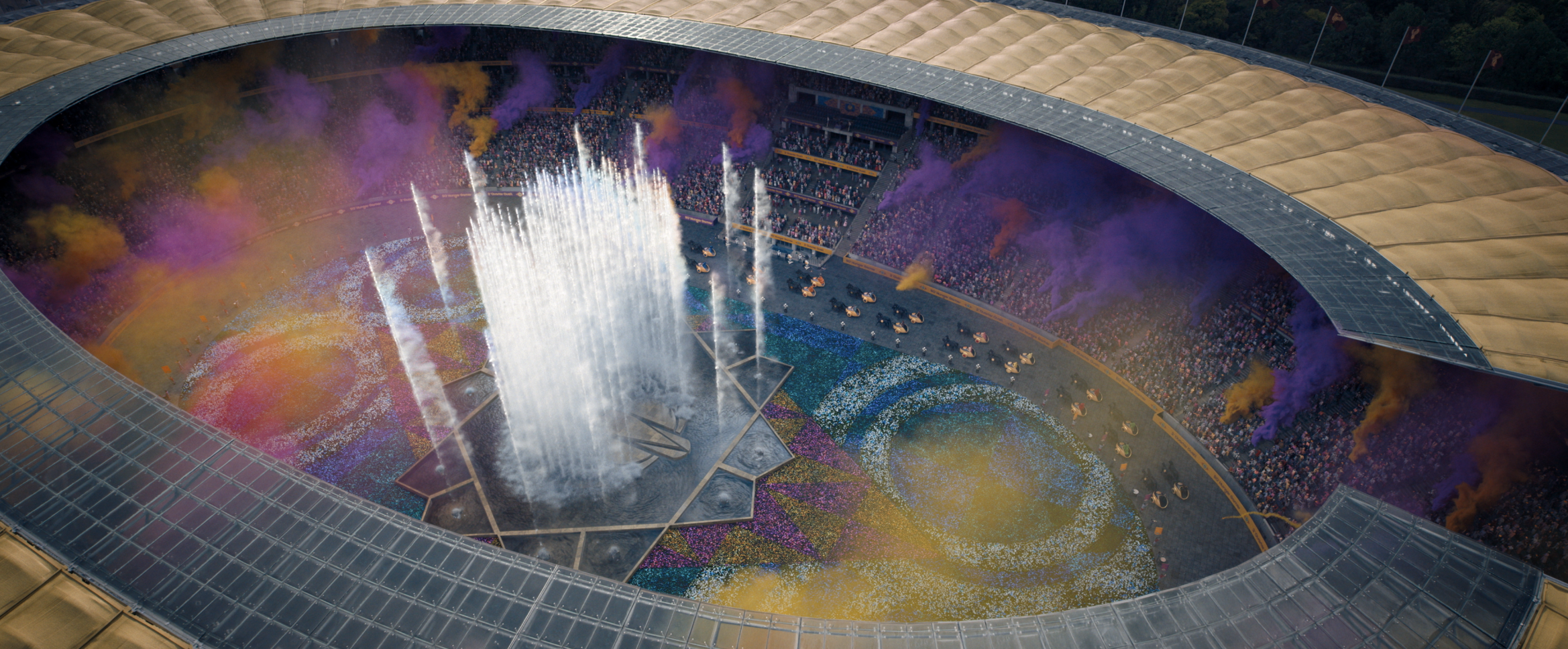
Architectural Influences and Global Locations
The architectural language of the Capitol in this film is heavily inspired by the reconstruction era of post-World War II Berlin. Hanisch draws a direct line between the Prussian Empire, the starkness of mid-century Soviet design, and the lingering influences of the war-torn city. By blending these styles, the design team created a landscape that feels both historic and oppressive. This synthesis serves as a visual metaphor for the Capitol’s control: it is a city built on the bones of the past, yet it presents a polished, intimidating facade to the world.
The production was a global undertaking, prioritizing authentic locations over digital fabrication. The most striking of these is the arena, which was filmed in the remote region of Asturias, Spain. This location, while visually breathtaking, presented logistical challenges due to its near-inaccessibility. However, the decision to film on-site was essential for the film’s authenticity. Unlike the polished, controlled environments of the previous films, this arena needed to feel vast, untamable, and inherently dangerous.
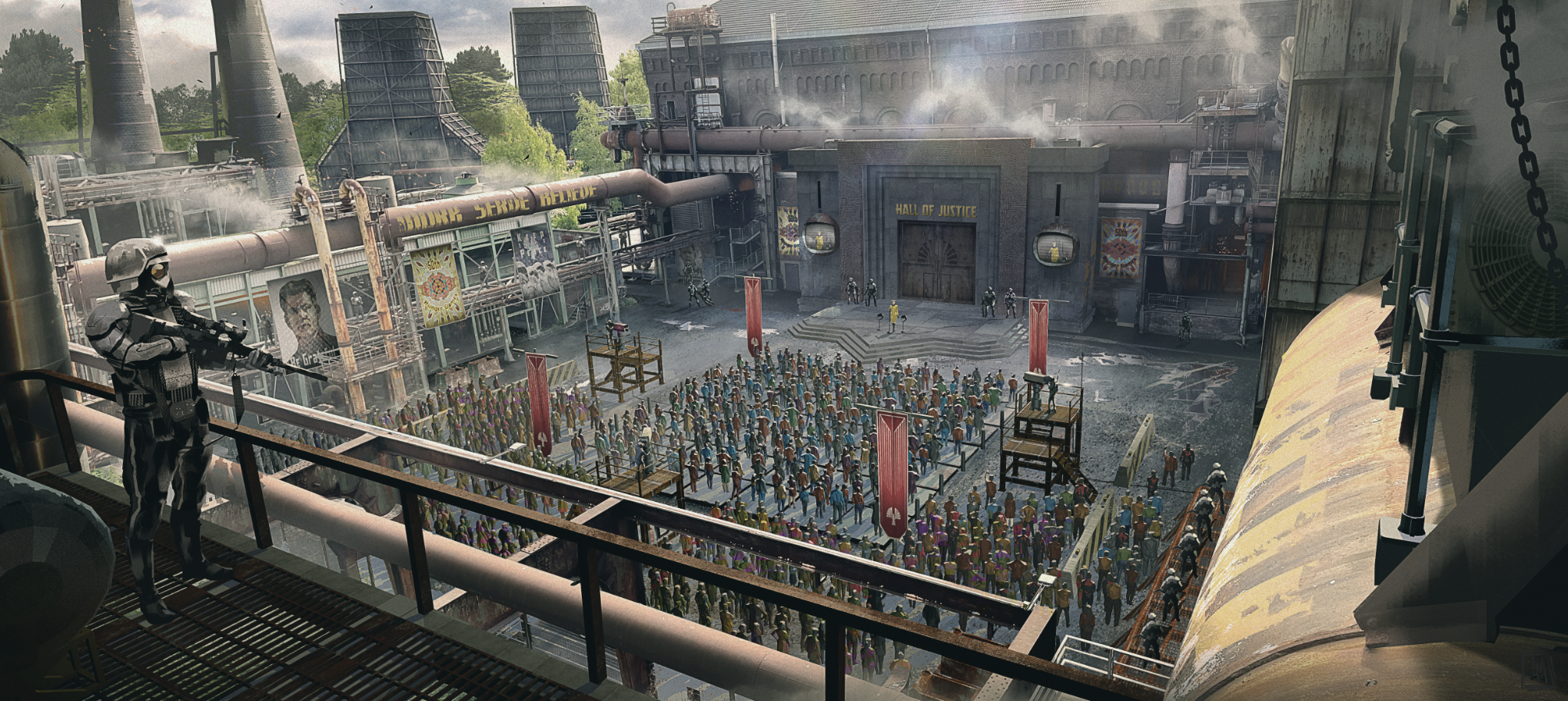
For District 12, the production returned to the roots of industrial history. Hanisch selected an abandoned steel mill in western Germany—a location he had intimate knowledge of from his early career. By repurposing this site, the crew minimized the need for set construction, allowing the natural, decaying architecture of the industrial site to underscore the poverty and stagnation of the District. The integration of the Hall of Justice into this existing environment provided a grounded, gritty realism that contrasts sharply with the hyper-designed, colorful luxury of the Capitol.
The Contrast of Propaganda and Design
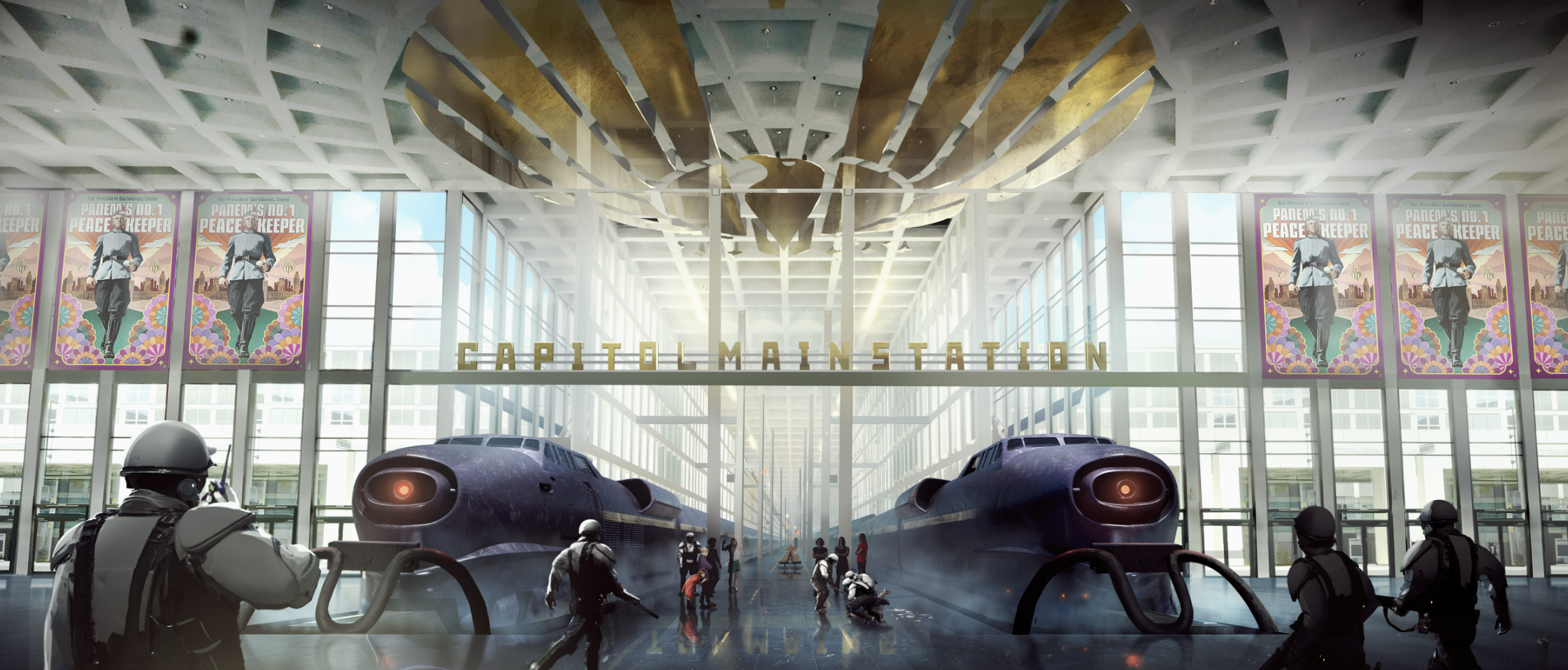
A key element in the design of the Capitol is the concept of "misleading beauty." Hanisch explains that the architecture of the Capitol is intentionally seductive. It is designed to be imposing yet inviting, reflecting the nature of state propaganda. The goal was to show that the Capitol’s aesthetic is not meant to be friendly or comforting; it is a mask. If a citizen of Panem behaves as expected, the environment is welcoming. If they deviate, that same architecture becomes an instrument of terror.
This contrast is most evident in the sets designed for the tributes. The living spaces in the Capitol feature a jarring juxtaposition of vibrant, saturated 1970s colors and sterile, white-fabric minimalism. The sight of tributes attempting to navigate high-stakes political conversations while surrounded by such aggressive, "silly," and over-the-top decor highlights the absurdity of their situation. This visual dissonance serves to heighten the tension, reminding the audience that the tributes are essentially toys in a grand, artificial game.
Analytical Implications: Why the 1970s Matter
The reliance on a 1970s aesthetic provides more than just a stylistic palette; it offers a critique of power. The era’s focus on "bigger, stronger, heavier" design aligns with the narrative arc of the Second Quarter Quell, a time when the Capitol was aggressively reinforcing its dominance. By grounding the film in the realities of that decade, the production design team invites viewers to draw parallels between the fictional society of Panem and the historical trajectory of real-world superpowers.
Data regarding the production suggests that this focus on authentic, location-based design was a significant budgetary and logistical priority. While digital technology could have replicated these environments, the choice to prioritize physical spaces underscores a commitment to the "weight" of the world. In an era of increasing reliance on visual effects, this tangible approach ensures that the audience feels the scale of the Capitol’s arrogance and the isolation of the districts.
Conclusion and Broader Impact
The production design of Hunger Games: Sunrise on the Reaping is a testament to the power of context in world-building. By meticulously blending the brutalist history of post-war Europe with the arrogant, excessive style of the 1970s, Uli Hanisch has created a visual experience that is both a natural evolution of the existing franchise and a unique, self-contained vision.
As the film reaches audiences worldwide, its success will likely be measured not just by its box office performance, but by its ability to maintain the immersion that has defined the Hunger Games series. Through the lens of the 1970s, the film successfully captures a moment of peak hubris in the history of Panem, serving as a cautionary tale told through architecture, color, and geography. By choosing to highlight the contrast between the seductive, poisoned luxury of the Capitol and the grim, industrial reality of the districts, the production team has ensured that the setting itself remains a central character in the ongoing story of rebellion and survival. The result is a film that feels both like a return to a beloved world and an entirely new entry in a sophisticated, design-conscious cinematic universe.